 बेसी झोउ द्वारा
पीवीडी आभूषणों के लिए सर्वोत्तम आधार धातुएँ
पीवीडी गहनों के लिए सर्वोत्तम आधार धातुओं की सोर्सिंग सीधे उत्पाद के स्थायित्व और त्वचा की सुरक्षा को प्रभावित करती है, उपेक्षित होने पर वारंटी दावों में वृद्धि और ब्रांड विश्वास में कमी जैसे महत्वपूर्ण जोखिम उठाना.
This analysis benchmarks leading base metals like 316L stainless steel, titanium, and brass. We evaluate their impact on PVD coating longevity, hypoallergenic performance, and cost-effectiveness to secure reliable product lines.
पीवीडी आभूषणों में बेस मेटल क्यों मायने रखता है??
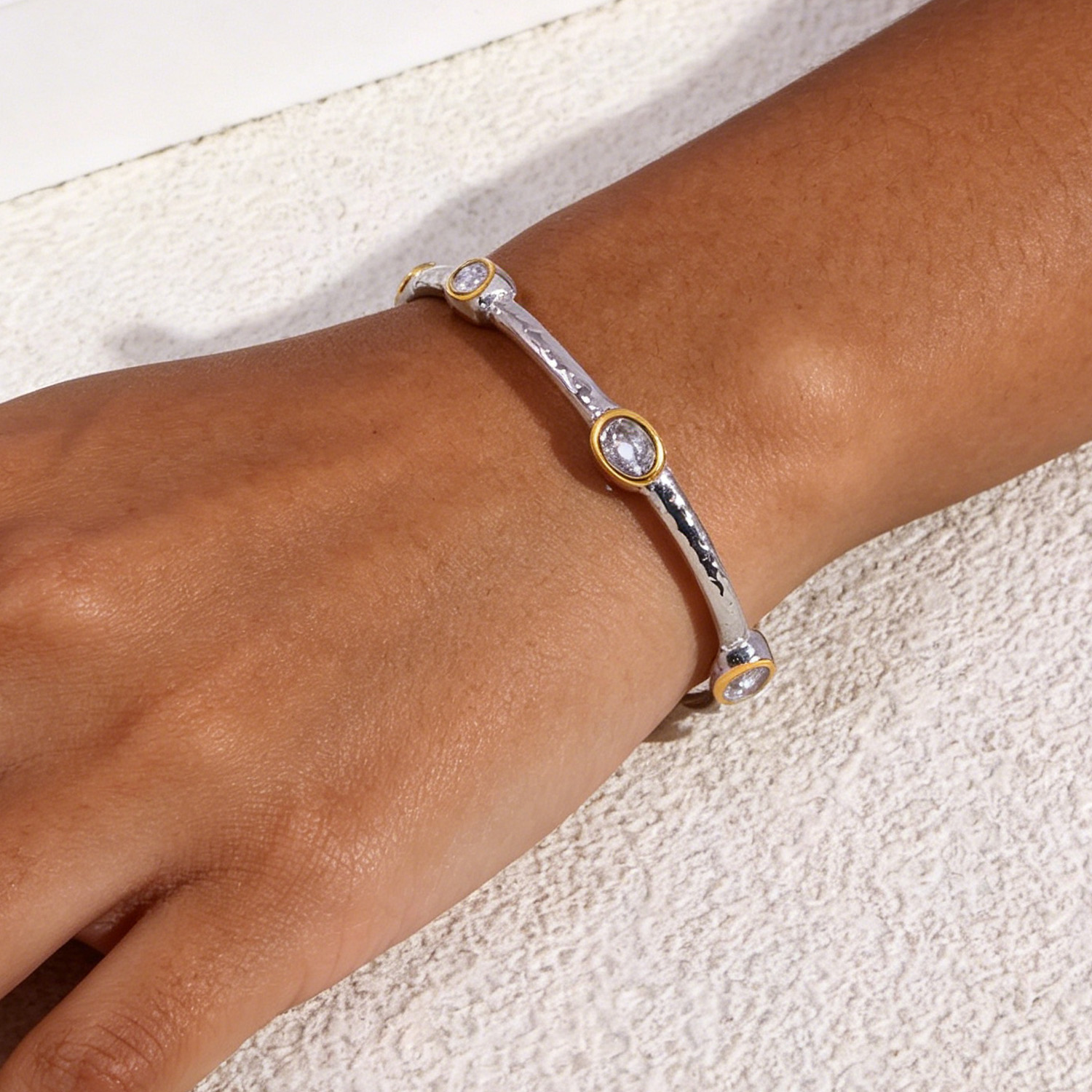
The base metal in PVD jewelry directly controls durability, skin safety, संक्षारण प्रतिरोध, and overall performance. PVD layers are thin, so the substrate’s properties are critical for long-term wear.
Base Metal’s Direct Influence on Durability and Skin Safety
Base metal dictates the durability, skin safety, संक्षारण प्रतिरोध, and overall performance of PVD jewelry. The PVD process forms a molecular bond, but it is a thin layer. This means the base metal’s mechanical strength, वज़न, corrosion behavior, and skin contact characteristics drive the finished product’s quality.
A soft or easily corroded base metal can cause the PVD layer to crack or delaminate. तथापि, a biocompatible and stable metal, like 316L stainless steel or implant-grade titanium, helps maintain PVD integrity for years of daily wear. If the base metal is allergenic, like nickel-heavy alloys or cheap brass, any wear-through of the PVD layer can cause skin irritation or discoloration.
Base metal also controls how the jewelry reacts to sweat, humidity, and saltwater. Stainless steel and titanium do not tarnish easily. This gives them superior corrosion resistance, which helps the PVD coating stay intact longer. For water-resistant jewelry, choosing 316L stainless steel or titanium minimizes under-film corrosion risks.
PVD layers are harder than typical plating, but they still rely on the base metal’s mechanical properties. A hard, tough base metal resists deformation, which keeps the PVD layer intact. Soft metals can dent, cracking the hard film. For skin safety, implant-grade titanium (ASTM F-136) or surgical steel (316एल) are common in quality PVD jewelry. These materials prevent irritation if the coating thins over time.
Strategic Factors: Aesthetics, लागत, and Market Positioning
Base metal choice impacts aesthetics, लागत, and market positioning. High-quality bases like 316L stainless steel and titanium offer smooth, stable surfaces. This allows for uniform PVD color and gloss, avoiding patchy fading. Poor substrates, such as rough brass castings, can lead to non-uniform coating thickness and visible defects.
Brass offers cost-effectiveness and design flexibility, which is good for intricate pieces. तथापि, it carries a higher risk of oxidation, कलंकित करना, and skin reactions if the PVD wears. Sterling silver provides perceived value, but it is softer and more prone to denting and tarnish if the PVD layer is compromised.
Using 316L stainless steel or implant-grade titanium increases material costs. But it gives multi-year durability, hypoallergenic properties, and a stronger brand reputation. Brass or lower-grade alloys keep costs low for trendy PVD, but brands need to clearly communicate the limited longevity. This avoids customer dissatisfaction.
Transparent base metal disclosure, such as specifying 316L stainless steel or implant-grade titanium, is a key quality indicator for high-quality PVD jewelry. Brands focusing on reputation often standardize on these bases. Design choices should align the base metal with the desired product positioning. For instance, use 316L or titanium for daily-wear, hypoallergenic, and waterproof lines. Use brass for fashion-forward, price-sensitive pieces, with clear messaging about care and expected life.
316पीवीडी आभूषणों के लिए एल स्टेनलेस स्टील
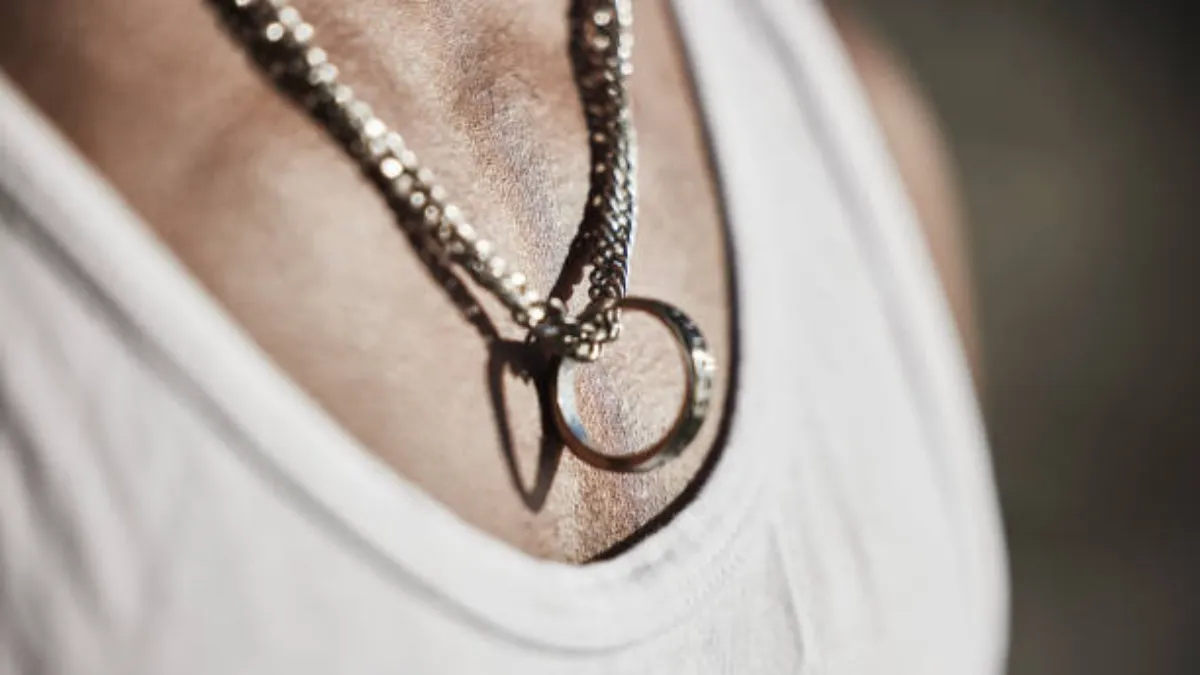
316L stainless steel is the top choice for PVD jewelry. It offers excellent corrosion resistance, high strength, and skin compatibility, ensuring durable finishes and long-lasting value.
Key Characteristics and Benefits of 316L for PVD
- Material Profile: 316L is a low-carbon stainless steel, containing up to 0.03% carbon and 2–3% molybdenum.
- Enhanced Corrosion Resistance: Molybdenum significantly improves resistance to salt, sweat, chlorine, rust, कलंकित करना, and discoloration.
- Strength and Durability: It offers good tensile strength and toughness, making it suitable for everyday-wear jewelry.
- Skin Compatibility: It is widely regarded as hypoallergenic, reducing the risk of irritation and green skin for users.
- Stable PVD Substrate: It provides a durable, corrosion-resistant base, helping PVD finishes perform better and last longer.
- Cost-Effective Value: It offers a premium feel and strong visual appeal as an affordable alternative to precious metals.
Real-World Performance and Use in PVD Jewelry
- Everyday Durability: It handles sweat, humidity, and general water exposure well, resisting rust and discoloration.
- कम रखरखाव: It is known for being tarnish-resistant and requiring minimal care. This makes it ideal for daily-wear PVD jewelry.
- PVD Layer Longevity: PVD creates decorative and protective coatings (like gold, काला). PVD-coated 316L jewelry can last at least 2 years with frequent use.
- Limitations: While durable, 316L does not have the intrinsic value of precious metals, and PVD coatings are not permanent.
- Care Recommendations: To extend PVD life, avoid prolonged contact with chlorinated water, harsh cleaners, and strong abrasion.
- Ideal Applications: It is best suited for daily-wear items like rings, चेन, कंगन, झुमके, and fashion watches.
उच्च मार्जिन अनलॉक करें: रिवाज़ & टिकाऊ आभूषण
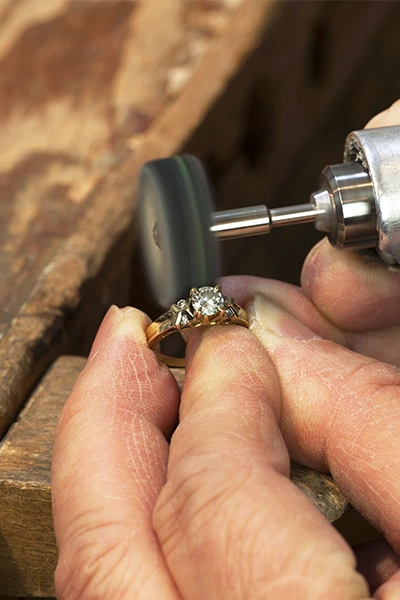
304 पीवीडी आभूषणों के लिए स्टेनलेस स्टील
304 stainless steel offers a cost-effective, robust base for PVD jewelry. It provides good corrosion resistance and is ideal for fashion-driven, moderate-wear pieces, with PVD enhancing durability and skin safety.
Characteristics and PVD-Enhanced Properties
304 stainless steel is an austenitic stainless steel, also known as 18/8. It contains about 18% chromium and 8-10% nickel. Chromium creates a protective oxide layer, giving it corrosion resistance. Nickel helps with toughness and ductility.
This metal offers good hardness and strength compared to softer precious metals. It resists deformation and scratching well in everyday use. It naturally resists corrosion in normal indoor and dry conditions. तथापि, it is not as resistant as 316L in very corrosive or chloride-rich environments like sweat from sports, seawater, or pools.
पीवीडी (भौतिक वाष्प जमाव) applies a thin, hard coating onto the 304 base. The jewelry undergoes cleaning and degreasing, then goes into a vacuum chamber. There, coating materials like titanium or chromium vaporize and bond at a molecular level to the stainless steel. PVD coatings are typically in the micrometer range but boast high hardness and strong adhesion. This process can make PVD-coated 304 jewelry last up to ten times longer than traditional wet-process gold plating.
The PVD layer forms a protective barrier. This reduces tarnishing, preserves color, and shields the stainless surface from moisture and chemicals. It notably improves the metal’s water resistance, helping jewelry maintain its look for years with proper care. While 316L performs better in aggressive settings, PVD significantly boosts 304’s durability in typical environments with occasional water or cosmetics exposure.
PVD coatings are hard, offer low friction, and resist wear. PVD gold-plated stainless steel stays shiny and resists fading longer than conventional electroplated gold. PVD coatings keep their color and gloss, even with frequent handling.
The PVD coating acts as a strong shield against moisture. आभूषण नियमित रूप से हाथ धोने का काम संभाल सकते हैं, बारिश, और अगर आप इसे बाद में अच्छी तरह सुखा लें तो कभी-कभी बौछारें. पीवीडी पसीने से बचाने में मदद करता है, हल्के क्लीनर, और धातु के साथ सीधे संपर्क को कम करके सौंदर्य प्रसाधन.
304 स्टेनलेस स्टील शामिल है 8-10% nickel. यदि नंगी धातु त्वचा को छूती है, यह उच्च निकल संवेदनशीलता वाले लोगों के लिए प्रतिक्रिया का कारण बन सकता है. पीवीडी एक तंग बनाता है, अक्रिय बाधा परत, निकल-असर बेस के साथ सीधे संपर्क को कम करना. यह पीवीडी-लेपित बनाता है 304 अधिकांश पहनने वालों के लिए आभूषणों को अक्सर हाइपोएलर्जेनिक बताया जाता है. गंभीर निकल एलर्जी वाले या छेदन वाले किसी भी व्यक्ति के लिए, 316एल या वास्तव में निकल-मुक्त विकल्प अभी भी एक सुरक्षित दांव हैं.
रणनीतिक अनुप्रयोग और बाज़ार संदर्भ
304 स्टेनलेस स्टील हल्के उपयोग और प्रवृत्ति-संचालित आभूषणों के लिए अच्छा काम करता है. Manufacturers use it where cost savings and good indoor performance are more important than maximum corrosion resistance. You often see it in fashion earrings, pendants, हार, and rings designed for occasional or moderate wear. This lets brands offer stylish jewelry at accessible price points for seasonal collections.
304 is a value option for stylish, lighter-use pieces, especially when budget and fast fashion cycles are key. It offers reasonable durability. इसके विपरीत, 316L is for premium PVD jewelry, suitable for constant wear, including sports or swimming, and is often called the “gold standard” for lasting jewelry. 304 has lower material costs, supporting more affordable products.
Brands use 304 in their entry-level or mid-range PVD lines. This lets them focus on trend-driven designs and larger pieces where material costs add up. Compared to non-stainless bases like brass or zinc alloys, 304 offers better corrosion resistance and less tarnish. PVD on 304 gives customers long-lasting color, shine, and improved skin friendliness compared to bare alloys or simple plating. It’s great for fashion-conscious customers who want durable, good-looking jewelry at accessible prices. They understand that peak extreme-condition performance is usually reserved for 316L lines.
Proper surface preparation is crucial. This means thorough cleaning and degreasing to ensure strong PVD adhesion. Polished or finely brushed 304 surfaces improve PVD uniformity and visual appeal. Any scratches or pits on the base metal will show through thin PVD coatings, highlighting the need for quality finishing. 304 can handle the thermal and mechanical conditions of the PVD process. You can achieve gold-tone, गुलाबी सोना, and black finishes with various nitride and carbide systems. Using graded or multilayer coatings further improves wear properties.
PVD-coated 304 stainless jewelry is water-resistant. It holds up during daily activities. तथापि, tell customers to remove pieces before heavy chemical exposure, like strong detergents or chlorine, to extend their life. Clean it with mild soap, water, and a soft cloth. Store items individually in soft pouches to prevent abrasion. With good care, PVD-coated 304 stainless steel jewelry keeps its appearance for years, far outperforming traditional plated fashion jewelry.
304 stainless steel is a cost-effective, corrosion-resistant, and mechanically robust base for PVD-coated jewelry. It particularly suits trend-focused and lighter-use products. The PVD layer significantly boosts its water, scratch, and tarnish resistance. It extends finish life for many years and improves hypoallergenic performance by shielding skin from the nickel-rich base. While 316L remains the benchmark for high-exposure, everyday, and premium segments, 304 with PVD is a strong, commercially smart choice for fashion jewelry.
पीवीडी आभूषण के लिए टाइटेनियम
Titanium stands out as a prime base metal for PVD jewelry. It brings a unique set of properties that enhance the overall performance and appeal of coated pieces.
Titanium’s Properties and PVD Coating Benefits
Titanium offers clear advantages, both on its own and when paired with PVD. Its core characteristics make it a strong choice, and PVD elevates those benefits with enhanced aesthetics and wear resistance.
- Titanium is hypoallergenic, suitable for sensitive skin.
- It resists corrosion from moisture, sweat, and various chemicals.
- It provides lightweight strength for comfortable jewelry wear.
- It offers excellent adhesion for PVD coatings.
- PVD coatings enable long-lasting metallic colors not native to titanium.
- It enhances wear resistance, minimizing visible daily friction.
- It improves tarnish resistance, helping maintain the jewelry’s appearance.
Use Cases and Industry Relevance for Titanium PVD Jewelry
Titanium PVD jewelry fits specific market needs well. Its unique blend of properties helps brands meet demand for durable, skin-friendly, and versatile products.
- Brands commonly choose titanium for body jewelry due to its biocompatibility and stable color.
- Designers use it in fashion jewelry where durable color is a priority.
- It offers a robust option for sensitive-skin wearers.
- Brands position titanium PVD products as long-lasting, low-maintenance, और त्वचा के अनुकूल.
- रिंग और पियर्सिंग जैसे उच्च-संपर्क वाले टुकड़े टाइटेनियम की अतिरिक्त ताकत और पहनने के प्रतिरोध से लाभान्वित होते हैं.
- पीवीडी रंग विविधता को सक्षम बनाता है, जैसे कि सुनहरे रंग का और काला, ठोस कीमती धातुओं का उपयोग किए बिना उत्पाद भेदभाव के लिए.
पीवीडी आभूषण के लिए पीतल
पीतल पीवीडी गहनों के लिए लागत प्रभावी डिज़ाइन लचीलापन प्रदान करता है. तथापि, इसकी प्राकृतिक कोमलता और संक्षारण समस्याओं को दूर करने के लिए सावधानीपूर्वक तैयारी और अवरोधक परतों की आवश्यकता होती है.
आभूषण आधार के रूप में पीतल की विशेषताएँ और सीमाएँ
फैशन आभूषणों के लिए पीतल एक सामान्य आधार धातु है. इसमें अधिकतर तांबा होता है (लगभग 60-70%) और जिंक (लगभग 30-40%). इससे उसे गर्माहट मिलती है, सुनहरा लुक, अच्छी ताकत, और इसके साथ काम करना आसान बनाता है.
ब्रांड अक्सर पीतल चुनते हैं क्योंकि इसकी कीमत कीमती धातुओं से कम होती है, और निर्माता इसे आसानी से जटिल डिज़ाइन में ढाल सकते हैं या मशीन में डाल सकते हैं. Its natural gold-like color also helps hide minor wear if the PVD coating eventually thins.
Brass does have significant drawbacks as a PVD jewelry base:
- Corrosion and Tarnish: Brass tarnishes when exposed to moisture, sweat, or pollutants. Without good protection, it darkens and can develop verdigris within months.
- Need for Barrier Layers: Direct PVD on brass usually does not provide enough corrosion resistance. PVD on brass needs electroplated barrier layers to prevent corrosion and diffuse surface metals. Without these, corrosion, delamination, and intermetallic diffusion can happen.
- Allergens: Electroplated underlayers often contain nickel, a common allergen. Brass itself can cause skin reactions like green or black marks due to its copper and zinc content. While the PVD topcoat is inert, wear-through exposes these reactive elements.
- Softness: पीतल स्टेनलेस स्टील या टाइटेनियम की तुलना में नरम होता है. यह आसानी से टूट जाता है या ख़राब हो जाता है. इससे पतली पीवीडी फिल्में टूट सकती हैं.
- थर्मल संवेदनशीलता: उच्च पीवीडी प्रक्रिया तापमान पतले पीतल के घटकों को विकृत कर सकता है, विशेष रूप से जटिल या खोखले भाग.
- आसंजन: स्टेनलेस स्टील या टाइटेनियम की तुलना में पीतल की सतह संरचना कम स्थिर होती है. इससे पीवीडी आसंजन कमजोर हो जाता है और समय के साथ इसके छिलने का खतरा बढ़ जाता है.
- सहनशीलता: पीतल आधारित पीवीडी आभूषण पानी या पसीने जैसे कठोर वातावरण में स्टेनलेस स्टील पीवीडी की तरह अच्छा प्रदर्शन नहीं करते हैं. यह कभी-कभार पहनने पर ज्यादा अच्छा लगता है.
स्थायित्व और सौंदर्यशास्त्र के लिए पीवीडी के साथ पीतल का अनुकूलन
पीवीडी के लिए पीतल के अनुकूलन में इसके स्थायित्व और सौंदर्य गुणों को बढ़ाने के लिए एक बहु-चरणीय इंजीनियरिंग प्रक्रिया शामिल है. इससे पारंपरिक प्लेटिंग की तुलना में बेहतर प्रदर्शन हासिल करने में मदद मिलती है.
The standard process works like this:
- Mechanical Preparation: Polish the brass to the desired brightness (mirror or satin). This removes surface defects.
- Cleaning and Oxide Removal: Thoroughly clean and degrease the brass using ultrasonic baths and electrochemical processes. Remove oxides with diluted sulfuric acid. This creates a clean surface for strong adhesion.
- Electroplated Barrier Layers: Apply electroplated layers to the brass. Bright nickel is common for anti-corrosion and surface leveling. Nickel-free options include copper, white bronze, or palladium. These layers block corrosive agents, create a smooth surface, and control diffusion.
- Final PVD Coating: Deposit the PVD topcoat in a vacuum. Materials like titanium nitride (TiN) create warm gold tones, ज़िरकोनियम नाइट्राइड (ZrN) for rich yellow-gold, or chromium nitride (CrN) for silver-gray. This PVD layer provides the final color, high hardness, and improved scratch resistance.
Several factors control the lifespan of PVD coatings on brass jewelry. These include the quality and thickness of the electroplated barrier layers, the PVD coating thickness, surface preparation, and the wear environment. A well-engineered PVD system on brass can significantly extend functional and aesthetic lifetimes beyond typical fashion electroplated brass.
For skin safety, the PVD layer itself is inert. Issues happen if the PVD coating wears or if the underlayers contain nickel. To make brass-based PVD jewelry suitable for sensitive skin, use nickel-free underlayers and ensure adequate PVD thickness to minimize wear-through. Limit brass PVD to lower-wear items like earrings or pendants.
Here are some best practices for brass PVD jewelry:
- Apply electroplated barrier/leveling layers.
- Implement rigorous cleaning before PVD.
- Use appropriate PVD materials for desired hues.
- Control design geometry, avoiding sharp edges where coatings can be thin.
- Specify adequate coating thickness, thicker for high-wear items.
When positioning brass + पीवीडी आभूषण, target high-volume, price-sensitive fashion lines or large decorative pieces. Market it as a cost-effective, fashion-forward option with improved surface hardness. तथापि, avoid strong durability claims like “lifetime waterproof” that apply to stainless steel PVD. Emphasize that PVD on brass offers a hypoallergenic barrier, better scratch resistance, and aesthetic flexibility, but remember that a breached coating exposes the underlying reactive brass.
स्टेनलेस स्टील बनाम टाइटेनियम: जो पीवीडी ज्वेलरी के लिए बेहतर है?
Stainless steel gives you value and durability, titanium offers hypoallergenic wear and lightweight comfort. The best choice for PVD jewelry depends on your priorities.
| कारक | स्टेनलेस स्टील (316एल) | टाइटेनियम |
|---|---|---|
| Weight | Heavier, a more substantial feel. | Much lighter, good for long wear. |
| संक्षारण प्रतिरोध | अच्छा, especially 316L surgical grade; resists sweat, salt. | Superior; highly non-reactive to sweat, नमी, chemicals. |
| Nickel Risk | Contains nickel, but 316L has very low release; fine for most users. | Typically nickel-free; safest for nickel allergies. |
| Biocompatibility | Good in 316L surgical grades; accepted for many piercings. | Superior; implant-grade for initial piercings, highly biocompatible. |
| सहनशीलता | Strong, टिकाऊ; excellent value for everyday wear. | Strong, टिकाऊ, maintains integrity even with lighter weight. |
| लागत | Usually lower, cost-effective for mass production. | Usually higher; positions for premium. |
| Best Use Cases | Cost-effective fashion jewelry, general daily wear, many healed piercings. | Sensitive skin, premium comfort, body jewelry, critical long-wear applications. |
Key Material Properties for PVD Jewelry
The base metal selection for PVD jewelry is crucial for its overall performance. It impacts durability, संक्षारण प्रतिरोध, and skin safety. Stainless steel and titanium stand out due to their inherent properties.
- स्थायित्व और दीर्घायु: Both stainless steel and titanium are highly compatible PVD substrates. A PVD coating on 316L stainless steel can last 3-5 years of daily wear without chipping or fading. Titanium also extends coating life due to its stable nature. Hard base metals prevent coating delamination.
- संक्षारण प्रतिरोध: Stainless steel and titanium resist tarnish easily. 316L surgical-grade stainless steel is a top choice for corrosion resistance against sweat, humidity, and salt. Titanium offers excellent corrosion resistance, working well in harsh, moist, or chemical environments.
- Scratch Resistance and Mechanical Strength: पीवीडी परतें बहुत कठोर होती हैं, लेकिन उनकी प्रभावशीलता आधार धातु की ताकत पर निर्भर करती है. स्टेनलेस स्टील और टाइटेनियम कठोर होते हैं, कठोर धातुएँ जो विरूपण का विरोध करती हैं, पीवीडी परत को बरकरार रखना. नरम धातुएँ ख़राब हो सकती हैं, जिससे पीवीडी फिल्म में दरार आ गई.
- हाइपोएलर्जेनिक और बायोकम्पैटिबिलिटी: इम्प्लांट-ग्रेड टाइटेनियम (ASTM F-136) और सर्जिकल स्टील (316एल) अपनी जैव अनुकूलता के कारण शरीर के गहनों के लिए आम हैं. पीवीडी परत स्वयं निष्क्रिय है. यदि लेप घिस जाता है, बेस मेटल की एलर्जीजन्यता मायने रखती है. टाइटेनियम निकल-मुक्त है, जो इसे निकल एलर्जी के लिए सबसे सुरक्षित बनाता है. 316एल स्टेनलेस स्टील में बहुत कम निकल निकलता है, इसे कई संवेदनशील उपयोगकर्ताओं के लिए उपयुक्त बनाना.
चुनाव करना: सर्वोत्तम उपयोग और विचार
पीवीडी आभूषणों के लिए स्टेनलेस स्टील और टाइटेनियम के बीच निर्णय लेने से लागत में संतुलन आता है, बाजार लक्ष्य, और विशिष्ट प्रदर्शन आवश्यकताएँ.
- Cost and Market Positioning: 316L stainless steel offers a cost-effective solution for durable, hypoallergenic PVD jewelry. It works for mass-market and daily-wear collections. Titanium has a higher material cost, which positions it for premium, performance-focused lines.
- Weight and Comfort: Titanium is about 45% lighter than steel. It suits comfortable, long-wear pieces, body jewelry, or large designs where weight is a concern. Stainless steel is heavier, providing a substantial feel some designs or customers prefer.
- Sensitive Skin: Titanium is the top choice for sensitive skin and nickel allergies because it is nickel-free and highly biocompatible. 316L stainless steel works for most sensitive users. तथापि, titanium remains safer for severe allergies or initial piercings.
- Design and Aesthetics: 316L stainless steel has a bright, silver-like shine and polishes easily for high-reflectivity looks. Titanium has a darker gray/gunmetal tone, often complementing matte or darker PVD finishes. Both metals accept various PVD colors well.
- Manufacturing Practicality: Stainless steel is widely available and generally easier to machine and finish. This makes it suitable for high-volume production. Titanium can be more challenging to work with.
संवेदनशील त्वचा के लिए कौन सा बेस मेटल सबसे अच्छा है??
Titanium and Niobium are top choices for sensitive skin due to no nickel. 316L stainless steel works for most, but avoid brass and unspecified alloys.
Recommended Base Metals for Sensitive Skin
For sensitive skin, the base metal under the PVD coating is crucial. You want materials that are nickel-free, corrosion-resistant, and chemically stable. This prevents skin irritation and discoloration. PVD coatings are thin, so the base metal will eventually interact with the skin, especially at high-friction points.
- टाइटेनियम (Pure / Implant Grade): This is the best choice for sensitive skin and piercings. It’s completely nickel-free and highly biocompatible. Titanium minimizes ion release and irritation. Prioritize PVD-coated jewelry with a titanium base for customers with diagnosed nickel allergies or for constant-contact pieces like ear studs and body jewelry.
- नाइओबियम: A pure, nickel-free metal, Niobium offers hypoallergenic performance similar to titanium. It’s suitable for severe metal allergies. Niobium is great for niche lines targeting ultra-sensitive consumers, especially for piercing jewelry or lightweight earrings.
- Implant-Grade Stainless Steel (316एल / 316LVM): This steel has very low nickel release. We use it for medical implants and jewelry for general sensitive skin. Most people tolerate it well. तथापि, severe nickel allergy sufferers should still opt for titanium or niobium as 316L does contain nickel.
- Sterling Silver (925): Genuine 925 sterling silver is typically nickel-free. This makes it a good option for people sensitive to nickel. Some people might react to its small copper content. It’s less common as a PVD base, but works for higher-end pieces where a silver core is desired.
Base Metals to Avoid for Sensitive Skin
Some base metals are poor choices for sensitive skin, even under a PVD coating. They carry a higher risk of irritation, मलिनकिरण, or allergy due to their composition or instability.
- Brass and Copper-Heavy Alloys: These alloys, high in copper and zinc, आमतौर पर त्वचा का हरा रंग खराब होने और जलन का कारण बनता है. एक बार पीवीडी कोटिंग खराब हो जाती है, ये प्रतिक्रियाशील धातुएँ त्वचा से संपर्क करती हैं. संवेदनशील त्वचा की आभूषण रेखाओं के लिए इनका उपयोग न करें.
- सामान्य / अनिर्दिष्ट स्टेनलेस स्टील: बिना किसी निर्दिष्ट ग्रेड के, आप निकल सामग्री या इसकी रिलीज़ दर नहीं जानते हैं. कुछ स्टेनलेस यौगिक संपर्क जिल्द की सूजन को ट्रिगर करने के लिए पर्याप्त निकल जारी कर सकते हैं. किसी भी संवेदनशील त्वचा उत्पाद के लिए गैर-निर्दिष्ट ग्रेड से बचें.
- अज्ञात मिश्र धातु: "मिश्र धातु सोना चढ़ाना" या "धातु मिश्र धातु आधार" जैसे अस्पष्ट विवरण खतरे के झंडे हैं. वे अक्सर निकल सामग्री और अस्थिर मिश्र धातुओं को छिपाते हैं, जो उन्हें संवेदनशील त्वचा के लिए अनुपयुक्त बनाता है.
- निम्न-श्रेणी के स्टेनलेस स्टील (जैसे, 304): इस ग्रेड में 316L की तुलना में अधिक और कम नियंत्रित निकल सामग्री है. संवेदनशील त्वचा वाले ग्राहकों के लिए यह अनुशंसित आधार धातु नहीं है.
कौन सा बेस मेटल सर्वोत्तम स्थायित्व प्रदान करता है?
316L stainless steel and titanium offer the best durability for PVD jewelry. Brass and sterling silver are far less durable.
Leading Durability: 316L Stainless Steel and Titanium
When you evaluate PVD jewelry durability, the base metal is the main factor. A thin, hard PVD coating sits on top, but the metal underneath truly dictates overall performance. We see 316L stainless steel and titanium as the clear leaders here.
316L stainless steel is the benchmark for PVD jewelry. It is an incredibly hard, dense metal that resists dents and deformation. This structural integrity prevents the thin PVD film from cracking. It also shows excellent corrosion resistance, especially against sweat and salt. Even if a small defect exposes the metal, it won’t rapidly corrode or tarnish underneath the coating. PVD on 316L stainless steel often lasts at least two years of frequent wear, and often three to five years or more. Tests show it resisting salt spray for hundreds of hours, while standard gold plating on other metals fails in less than fifty. This makes 316L stainless steel an optimal choice for daily wear items like rings, चेन, कंगन, and watches, especially for active users.
Titanium also stands out as a top-tier base metal for PVD jewelry. It is very strong, yet remarkably lightweight. This makes it a great choice for pieces needing durability without excessive bulk, especially body jewelry or sport-focused designs. Titanium offers exceptional corrosion resistance, even in harsh, chloride-rich environments. The PVD coating on titanium can match or exceed stainless steel in resisting scratches, sweat, and environmental corrosion. जबकि इसकी मशीनिंग और फिनिशिंग स्टेनलेस स्टील की तुलना में अधिक महंगी हो सकती है, हाई-वियर में टाइटेनियम का प्रदर्शन, उच्च-पसीने वाली संपर्क स्थितियाँ इसे प्रीमियम लाइनों के लिए आदर्श बनाती हैं जहाँ प्रदर्शन और हल्का आराम प्रमुख विक्रय बिंदु हैं.
कम इष्टतम आधार: पीतल और स्टर्लिंग चांदी
कुछ निर्माता पीवीडी आभूषण आधार के रूप में पीतल और स्टर्लिंग चांदी का उपयोग करते हैं. स्टेनलेस स्टील या टाइटेनियम की तुलना में दोनों धातुओं में महत्वपूर्ण कमियां हैं, खासकर जब स्थायित्व प्राथमिकता हो. उनके अंतर्निहित गुण पीवीडी कोटिंग के समग्र जीवनकाल और प्रदर्शन को सीमित करते हैं.
पीतल एक तांबा-जस्ता मिश्र धातु है. यह एक नरम धातु है, स्टेनलेस स्टील की तुलना में इसमें डेंट और विरूपण की संभावना अधिक होती है. यदि आधार धातु विकृत हो जाती है, पतली पीवीडी परत टूट सकती है या आसंजन खो सकती है. पीतल अधिक आसानी से धूमिल और संक्षारित हो जाता है, especially when exposed to sweat, नमी, and cosmetics. This means if a scratch exposes the brass underneath, localized corrosion can quickly undermine the PVD film. While PVD on brass offers better performance than traditional electroplating, its effective lifespan is shorter and more sensitive to wear conditions compared to PVD on stainless steel. We usually recommend brass PVD for occasional-wear fashion pieces or trend-driven items where cost and design flexibility are more important than multi-year durability.
Sterling silver, another softer metal, presents similar issues. It scratches and deforms more easily than stainless steel, risking cracks in the PVD layer. Silver is also prone to tarnishing from sulfur compounds in the air and on skin. Although PVD can initially shield silver from tarnish, if the coating wears or cracks, localized tarnish can develop underneath. This shortens the functional life of the PVD finish, particularly for rings or bracelets that see heavy use. For PVD jewelry, silver is best for low-contact pieces like earrings or pendants. It is not the ideal choice for long-term, high-abuse PVD applications.
बेस मेटल पीवीडी कोटिंग प्रदर्शन को कैसे प्रभावित करता है?
The base metal is crucial for PVD jewelry performance. It dictates durability, संक्षारण प्रतिरोध, skin safety, and adhesion, directly impacting product lifespan and overall quality.
Influence of Base Metal Properties on PVD Coating Performance
PVD coating is a thin, hard layer, not structural metal. The base metal dictates the final jewelry piece’s performance. The bond PVD creates is molecular, so the base metal’s characteristics directly impact how well the coating performs long-term. This influences everything from adhesion and wear to corrosion resistance and skin safety. Without a suitable base, even the best PVD coating will fail prematurely.
- Mechanical Support: PVD coatings are thin, often 0.03–0.08 µm for jewelry. A hard, tough base metal resists dents and deformation. If the base metal is soft, it can dent, causing the hard PVD film to crack or delaminate. [1, 4, 6]
- संक्षारण प्रतिरोध: The base metal’s resistance to corrosion is paramount. If the underlying metal rusts or tarnishes through microscopic defects in the PVD layer, it can lift or discolor the coating. Stainless steel and titanium resist tarnish, helping the PVD stay intact longer. [1, 3, 4, 6, 9, 10]
- Adhesion Quality: Strong adhesion between the PVD layer and the base metal is essential for durability. This depends on the base metal’s chemical compatibility and surface energy. Poor adhesion leads to early chipping or flaking. [1, 5, 9, 10]
- Hypoallergenic Behavior: The base metal determines skin safety. While the PVD layer itself is inert, if it wears thin, allergenic base metals (like nickel-heavy alloys or cheap brass) can contact skin, causing irritation or discoloration. [4, 6, 10]
- Thermal Stability: PVD involves high vacuum and elevated temperatures (150–450°C). The base metal must withstand these conditions without warping or outgassing, which would cause coating defects or adhesion problems. [3, 9, 10]
- Surface Preparation: Base metal quality influences surface readiness. Porosity, roughness, or contaminants on the base metal can lead to poor PVD adhesion, pinholes, and uneven finishes, even with meticulous cleaning. [1, 6, 9]
The coating cannot compensate for a weak or reactive base. A high-quality base metal is the bedrock for long-lasting PVD jewelry.
PVD Suitability of Common Jewelry Base Metals
पीवीडी आभूषणों के लिए सर्वोत्तम आधार धातु वांछित प्रदर्शन पर निर्भर करती है, लागत, and market positioning. प्रत्येक सामग्री फायदे और सीमाओं का एक अनूठा सेट प्रदान करती है.
316एल स्टेनलेस स्टील
यह उद्योग मानक है और अक्सर इसे पीवीडी आभूषणों के लिए इष्टतम आधार माना जाता है. यह रासायनिक रूप से निष्क्रिय है, इसमें कोई तांबा या जस्ता नहीं है (हरी त्वचा के दागों को रोकना), और इसमें पसीने के प्रति उच्च प्रतिरोध होता है, नमी, और सामान्य वायुमंडलीय स्थितियाँ. 316एल भी मजबूत है, पतली पीवीडी फिल्मों के लिए अच्छा यांत्रिक समर्थन प्रदान करता है, और के रूप में वर्गीकृत किया गया है “सर्जिकल इस्पात” इसकी जैव अनुकूलता और कम एलर्जी जोखिम के कारण. यह स्थायित्व का उत्कृष्ट संतुलन प्रदान करता है, hypoallergenic performance, और लागत-प्रभावशीलता, इसे जलरोधक के लिए उपयुक्त बनाना, प्रतिदिन आभूषण पहनें. [1, 2, 3, 4, 6, 9, 10, 11]
टाइटेनियम
टाइटेनियम एक प्रीमियम विकल्प है, विशेष रूप से उच्च-प्रदर्शन और हल्के आभूषणों के लिए. इसमें उच्च शक्ति-से-वजन अनुपात है, उत्कृष्ट संक्षारण प्रतिरोध, and is highly biocompatible, making it ideal for sensitive skin and body piercings. PVD bonds exceptionally well with titanium, creating hard, टिकाऊ, and color-stable finishes. While more expensive to machine than stainless steel, it’s favored for comfort-focused, technical, or medical-grade PVD jewelry. [1, 2, 3, 4, 6, 9, 10, 11]
पीतल
Brass is commonly used in fashion jewelry due to its low cost and ease of casting and machining. PVD can be applied to brass, but it’s technically less suitable than stainless steel or titanium for long-term durability. पीतल एक तांबा-जस्ता मिश्र धातु है, prone to tarnish and corrosion, and can cause green skin discoloration if the PVD layer is compromised. To improve performance, brass often requires electroplated barrier layers (जैसे, nickel, white bronze) before PVD. It is best suited for cost-sensitive, trend-driven pieces where extreme durability is not the primary concern. [1, 2, 4, 5, 6, 10, 11]
Sterling Silver
इसका उपयोग तब किया जाता है जब ब्रांड पीवीडी फिनिश के साथ एक कीमती धातु कोर चाहते हैं. स्टर्लिंग चांदी स्टील या टाइटेनियम की तुलना में नरम होती है, जिससे इसमें डेंट पड़ने का खतरा रहता है जिससे पीवीडी फिल्में टूट सकती हैं. यह कलंकित भी करता है, और यदि पीवीडी परत पतली या क्षतिग्रस्त है, अंतर्निहित धूमिलता सौंदर्यशास्त्र को प्रभावित कर सकती है. चांदी पर पीवीडी को अक्सर आधार धातु के स्थानांतरण को रोकने और प्रसंस्करण के दौरान संरचनात्मक अखंडता बनाए रखने के लिए पैलेडियम जैसी एक विशिष्ट बाधा परत की आवश्यकता होती है. यह आम तौर पर उच्च कीमत वाले डिजाइनर टुकड़ों में पाया जाता है जहां भौतिक प्रतिष्ठा को आधुनिक फिनिश के साथ जोड़ा जाता है. [1, 6]
अनुपयुक्त आधार धातुएँ
निम्न गुणवत्ता वाली मिश्रधातुएँ, विशेष रूप से वे जिनमें उच्च तांबा होता है, जस्ता, या अनियंत्रित निकल स्तर, आमतौर पर उच्च गुणवत्ता वाले पीवीडी आभूषणों के लिए अनुपयुक्त होते हैं. इन धातुओं में संक्षारण का खतरा होता है, पीवीडी के दौरान गैस निकलना, और टिकाऊ कोटिंग्स का समर्थन करने के लिए आवश्यक संरचनात्मक अखंडता का अभाव है. वे अक्सर कम लागत वाले फैशन आभूषणों से जुड़े होते हैं जहां प्रारंभिक सौंदर्य अपील और लागत के लिए स्थायित्व गौण होता है. [1, 2, 3, 6, 11]
| पहलू | स्टेनलेस स्टील (304/316एल) | पीतल (पीतल) |
|---|---|---|
| संक्षारण प्रतिरोध | उच्च; अक्रिय, resists sweat, water, पीवीडी के साथ क्लोरीन [1, 3, 5, 9, 10] | मध्यम; यदि कोटिंग से समझौता किया गया तो धूमिल होने की संभावना है [1, 2] |
| तांबा/जस्ता सामग्री | कोई नहीं (304/316L में Cu/Zn नहीं है) [1] | इसमें तांबा और जस्ता होता है (हरे दाग का खतरा) [1] |
| त्वचा पर दाग पड़ने का खतरा | बहुत कम; कोई हरा मलिनकिरण नहीं [1] | उच्च; उजागर होने पर हरा धुंधलापन [1] |
| एलर्जी प्रोफ़ाइल | अच्छा, विशेषकर 316L “सर्जिकल इस्पात” [1, 3] | चर; तांबा/जस्ता संवेदनशील त्वचा में जलन पैदा कर सकता है |
| पीवीडी के साथ कोटिंग स्थायित्व | उत्कृष्ट; 0.03-0.08 µm सघन कोटिंग्स के लिए इष्टतम [1, 9] | कोटिंग बरकरार रहे तो अच्छा है; कठोर उपयोग में कमजोर [1, 2] |
| वॉटरप्रूफ़ लाइनों के लिए उपयुक्तता | बहुत ऊँचा; का समर्थन करता है “शॉवर-सुरक्षित” और “पूल-सुरक्षित” दावा [3, 5] | सीमित; अगर इसे लगातार पानी में रखा जाए तो जोखिम अधिक होता है |
| लागत और विनिर्माण | मध्यम; मध्य-उच्च बाज़ार के लिए उत्कृष्ट लागत-प्रदर्शन अनुपात [1, 4, 5] | कम सामग्री लागत; कम लागत वाले अलंकृत डिजाइनों के लिए उपयुक्त [2] |
| बाज़ार की स्थिति | दैनिक-पहनना, मध्यम श्रेणी से सुलभ विलासिता तक, दीर्घकालिक उपयोग [4, 5, 9] | फ़ैशन/ट्रेंड आभूषण, मूल्य-संवेदनशील संग्रह |
अपने आभूषण संग्रह के लिए सही आधार धातु का चयन कैसे करें?
सही आधार धातु का चयन आपके पीवीडी गहनों का प्रदर्शन निर्धारित करता है, सुरक्षा, और बाज़ार में सफलता. स्थायित्व के लिए अपने संग्रह की आवश्यकताओं का मिलान करें, skin safety, और सही सब्सट्रेट के साथ लागत.
आपके संग्रह की आवश्यकताओं और प्राथमिकताओं का मूल्यांकन करना
आपके द्वारा चुनी गई आधार धातु आपके पीवीडी आभूषण संग्रह पर गहरा प्रभाव डालती है. प्रतिबद्ध होने से पहले, अपने ब्रांड और लक्षित बाज़ार के लिए इन महत्वपूर्ण कारकों का सावधानीपूर्वक मूल्यांकन करें.
- स्थायित्व और दीर्घायु: PVD layers are thin. बेस मेटल यह तय करता है कि आपका आभूषण कितने समय तक चलेगा. यदि आधार नरम है या आसानी से खराब हो जाता है, पीवीडी परत तेजी से विफल हो जाती है. मुश्किल, बायोकम्पैटिबल बेस वर्षों तक दैनिक उपयोग के लिए कोटिंग का समर्थन करते हैं.
- त्वचा सुरक्षा और हाइपोएलर्जेनिक दावे: जब पीवीडी अंततः खराब हो जाता है तो आपकी आधार धातु त्वचा की सुरक्षा को प्रभावित करती है. निकेल और तांबा आम जलन पैदा करने वाले पदार्थ हैं. If the base metal is allergenic, उजागर क्षेत्रों में जलन या मलिनकिरण हो सकता है. आपको निकल सामग्री और तांबे के जोखिम जोखिमों पर स्पष्टता की आवश्यकता है.
- Cost and Market Positioning: बेस मेटल का चयन सीधे आपकी सामग्री लागत और आप अपने संग्रह की स्थिति को कैसे प्रभावित करते हैं. सस्ती मिश्र धातुएँ ट्रेंडी वस्तुओं के लिए बड़े पैमाने पर बाजार मूल्य निर्धारण की अनुमति देती हैं. उच्च श्रेणी की धातुएँ प्रीमियम लाइनों और बेहतर ब्रांड प्रतिष्ठा का समर्थन करती हैं.
- डिज़ाइन लचीलापन और सौंदर्यशास्त्र: विभिन्न आधार धातुएँ अलग-अलग कार्यशीलता प्रदान करती हैं. जटिल डिज़ाइनों के लिए पीतल को ढालना आसान है, लेकिन नरम. संरचनात्मक टुकड़ों के लिए स्टेनलेस स्टील बेहतर पकड़ रखता है. आधार धातु अंतिम रंग एकरूपता और पीवीडी फिनिश की अनुमानित गुणवत्ता को भी प्रभावित करती है.
- पर्यावरणीय एक्सपोजर: विचार करें कि लोग आभूषण कैसे पहनेंगे. क्या यह दैनिक उपयोग के लिए है, तैरना, या बस कभी-कभार फैशन? स्टेनलेस स्टील और टाइटेनियम स्वाभाविक रूप से पसीने का प्रतिरोध करते हैं, humidity, और खारा पानी, उन्हें आदर्श बनाना “जलरोधक” दावा. पीतल जैसी प्रतिक्रियाशील धातुओं को अधिक कठोर देखभाल की आवश्यकता होती है.
विशिष्ट संग्रह लक्ष्यों के साथ आधार धातुओं का मिलान
एक बार जब आप अपने संग्रह की ज़रूरतों को परिभाषित कर लें, उस आधार धातु का चयन करें जो सीधे उन लक्ष्यों का समर्थन करती है. प्रत्येक धातु की लागत में समझौता होता है, टिकाऊपन, और प्रदर्शन.
- रोजमर्रा की स्थायित्व और जल प्रतिरोध के लिए: आपकी सर्वोत्तम पसंद 316L स्टेनलेस स्टील और इम्प्लांट-ग्रेड टाइटेनियम हैं. ये धातुएँ संक्षारण प्रतिरोधी होती हैं, मज़बूत, और काफी हद तक हाइपोएलर्जेनिक. वे बहु-वर्षीय दैनिक पहनने के लिए पीवीडी कोटिंग्स का समर्थन करते हैं, यहां तक कि पानी में या पसीने के संपर्क में आने पर भी.
- संवेदनशील त्वचा या छेदन के लिए: इम्प्लांट-ग्रेड टाइटेनियम या नाइओबियम को प्राथमिकता दें. वे पूरी तरह से निकल-मुक्त और अत्यधिक जैव-संगत हैं. 316एल सर्जिकल स्टेनलेस स्टील एक मजबूत दूसरी पसंद है, अधिकांश संवेदनशील उपयोगकर्ताओं के लिए स्वीकार्य, बशर्ते उन्हें गंभीर निकल एलर्जी न हो.
- लागत प्रभावी फैशन और जटिल डिजाइन के लिए: जब आपको अलंकृत टुकड़ों के लिए कम सामग्री लागत और उच्च डिज़ाइन लचीलेपन की आवश्यकता होती है तो पीतल एक उपयोगी विकल्प है. तथापि, छोटी आयु की अपेक्षा करें. भी, जंग और त्वचा की प्रतिक्रियाओं को रोकने के लिए पीवीडी से पहले पीतल को इलेक्ट्रोप्लेटेड अवरोधक परतों की आवश्यकता होती है.
- प्रीमियम के लिए, लाइटवेट, या तकनीकी लाइनें: टाइटेनियम उत्कृष्ट शक्ति-से-वजन अनुपात और बेहतर संक्षारण प्रतिरोध प्रदान करता है. हल्के छल्ले के लिए इसका प्रयोग करें, body jewelry, या तकनीक-प्रेरित संग्रह जहां आराम और उच्च प्रदर्शन प्रमुख विक्रय बिंदु हैं.
- अल्ट्रा-हार्ड के लिए, “अक्षय” रिंगों: टंगस्टन कार्बाइड एक अत्यंत कठोर आधार है. इसका उपयोग तब करें जब अधिकतम खरोंच प्रतिरोध और विरूपण का प्रतिरोध प्राथमिक विक्रय बिंदु हों, विशेष रूप से पुरुषों की अंगूठियों और बैंड के लिए.
- दीर्घकालिक प्रदर्शन या हाइपोएलर्जेनिक दावों से बचें: निम्न गुणवत्ता वाले पीतल का उपयोग न करें, ताँबा, जिंक मिश्र, या स्थायित्व या संवेदनशील त्वचा के दावों की आवश्यकता वाले उत्पादों के लिए अनिर्दिष्ट स्टेनलेस स्टील. इन धातुओं में धूमिल होने का उच्च जोखिम होता है, चिढ़, और प्रारंभिक विफलता जब पीवीडी परत अंततः खराब हो जाती है.
अक्सर पूछे जाने वाले प्रश्नों
पीवीडी आभूषणों के लिए सबसे अच्छी धातु कौन सी है??
आधुनिक पीवीडी-लेपित गहनों के लिए, सर्वोत्तम आधार धातुएँ स्टेनलेस स्टील हैं (विशेष रूप से 304 और 316L) और टाइटेनियम. द्वितीयक या सीमित उपयोग के विकल्पों में ज़िरकोनियम और अन्य स्टील्स शामिल हैं. आमतौर पर धातुओं को लंबे समय तक पहनने के लिए आधार के रूप में अनुशंसित नहीं किया जाता है, जलरोधक, और हाइपोएलर्जेनिक अनुप्रयोग पीतल के हैं, ताँबा, और निम्न श्रेणी की मिश्रधातुएँ. सर्वश्रेष्ठ’ धातु स्थायित्व पर निर्भर करती है, हाइपोएलर्जेनिक सुरक्षा, रंग स्थिरता, लागत, और इच्छित बाज़ार (दैनिक पहनावा बनाम फैशन).
क्या आधार धातु पीवीडी स्थायित्व को प्रभावित करती है?
हाँ, पीवीडी का स्थायित्व काफी हद तक आधार धातु पर निर्भर करता है, भले ही पीवीडी परत स्वयं अपने रासायनिक गुणों को बनाए रखती है. आधार धातु कई तंत्रों के माध्यम से कोटिंग की दीर्घायु को प्रभावित करती है: 1. Mechanical Support: पीवीडी कोटिंग्स बहुत पतली होती हैं, प्रायः 0.03–00.08 μm. एक कठोर आधार धातु (जैसे 316L स्टेनलेस स्टील या टाइटेनियम) इस पतली परत को बेहतर समर्थन देता है, डेंट और विरूपण का विरोध करना जो अन्यथा पीवीडी को तोड़ या नष्ट कर सकता है. नरम धातुएँ, पीतल या स्टर्लिंग चांदी की तरह, कम समर्थन प्रदान करें, जिससे कोटिंग यांत्रिक क्षति के प्रति अधिक संवेदनशील हो जाती है. 2. Adhesion Quality: अलग-अलग धातुएँ पीवीडी परतों के साथ अलग-अलग तरह से बंधती हैं. 316L स्टेनलेस स्टील जैसी धातुएँ एक स्थिरता प्रदान करती हैं, तैयारी के बाद सतह को साफ करें, मजबूत और लगातार आसंजन की ओर ले जाता है. खराब गुणवत्ता वाली धातुएं या अस्थिर सतह ऑक्साइड वाली धातुओं के परिणामस्वरूप कमजोर आसंजन हो सकता है, जिससे पीवीडी के छिलने या पपड़ीदार होने की संभावना अधिक हो जाती है. 3. संक्षारण व्यवहार: यदि पीवीडी कोटिंग में सूक्ष्म दोष है या किनारे पर पतला है, अंतर्निहित आधार धातु उजागर हो जाती है. संक्षारण प्रतिरोधी आधार (जैसे 316L स्टेनलेस स्टील या टाइटेनियम) आक्रामक तरीके से खराब नहीं होगा, पीवीडी फिल्म को संक्षारण उत्पादों द्वारा कटने या उठने से रोकना. इसके विपरीत, पीतल जैसी प्रतिक्रियाशील धातुएँ, ताँबा, या स्टर्लिंग सिल्वर पसीने के संपर्क में आने पर पीवीडी परत के नीचे संक्षारणित हो सकता है, नमी, या रसायन, जिससे फफोले पड़ जाते हैं, मलिनकिरण, और समय से पहले कोटिंग की विफलता. अंत में, 316L स्टेनलेस स्टील और टाइटेनियम जैसी बेस धातुएँ PVD कोटिंग्स के लिए सर्वोत्तम समर्थन और संक्षारण प्रतिरोध प्रदान करती हैं, सबसे लंबे समय तक चलने वाले आभूषण की ओर अग्रसर. नरम, पीतल जैसी अधिक प्रतिक्रियाशील धातुएँ, ताँबा, और स्टर्लिंग सिल्वर दोषों पर यांत्रिक विकृति और अंडरफिल्म संक्षारण के कारण प्रभावी पीवीडी जीवनकाल को छोटा कर देता है.
अंतिम विचार
जेनेरिक बेस मेटल्स कम अग्रिम लागत प्रदान करते हैं, लेकिन वे उत्पाद विफलताओं और ग्राहक असंतोष के माध्यम से आपके ब्रांड की प्रतिष्ठा को खतरे में डालते हैं. 316L स्टेनलेस स्टील या टाइटेनियम को प्राथमिकता देना आपके निवेश को सुरक्षित रखता है, पीवीडी आभूषणों को सुनिश्चित करना जो वास्तव में स्थायित्व प्रदान करते हैं, skin safety, और स्थायी गुणवत्ता. यह विकल्प सीधे आपकी बाज़ार स्थिति और दीर्घकालिक ग्राहक विश्वास को प्रभावित करता है.
अपने उत्पाद की बुनियाद से समझौता न करें; इसे सत्यापित करें. हम अनुशंसा करते हैं कि हम अपने प्रीमियम बेस मेटल और पीवीडी फ़िनिश का प्रत्यक्ष परीक्षण करने के लिए एक नमूना आदेश से शुरुआत करें. अपनी विशिष्ट ओईएम आवश्यकताओं पर चर्चा करने और अपनी आभूषण श्रृंखला को उन्नत करने के लिए हमारी टीम से संपर्क करें.
हमें अपनी परियोजना के बारे में बताएं
आभूषण संग्रह की योजना बनाना? अपने विचार साझा करें और हमारी टीम संपर्क में रहेगी.