 ベッシー・チョウ著
How to Reduce Defective Jewelry Orders
Defective jewelry orders can lead to customer complaints, rework, delayed launches, and avoidable returns. The most common causes are unclear specifications, inconsistent materials or finishes, weak sample approval, and insufficient inspection before shipment.
This guide explains how brands can reduce those risks through clearer product requirements, approved production samples, material controls, in-process checks, AQL sampling, そして出荷前検査.
Why Jewelry Orders Become Defective
Defective jewelry orders stem from structural manufacturing flaws, raw material impurities, unstable plating, poor transit packaging, and misaligned customer expectations regarding normal wear.
Material and Manufacturing Failures
Errors during design and fabrication can create structural or appearance issues that may lead to complaints, rework, or returns. Common manufacturing defects often begin with the following design, 材料, and production issues:
| Issue | Potential Result |
|---|---|
| Under-engineered designs | Thin prongs, delicate bails, or weak joints may deform or break during normal wear. |
| Substandard metal alloys | Inconsistent materials can contribute to porosity, micro-cracks, 変色する, or structural weakness. |
| Improper casting and soldering | Poor heat control or contaminated solder can create weak connection points and increase breakage risk. |
Common Jewelry Manufacturing Defects
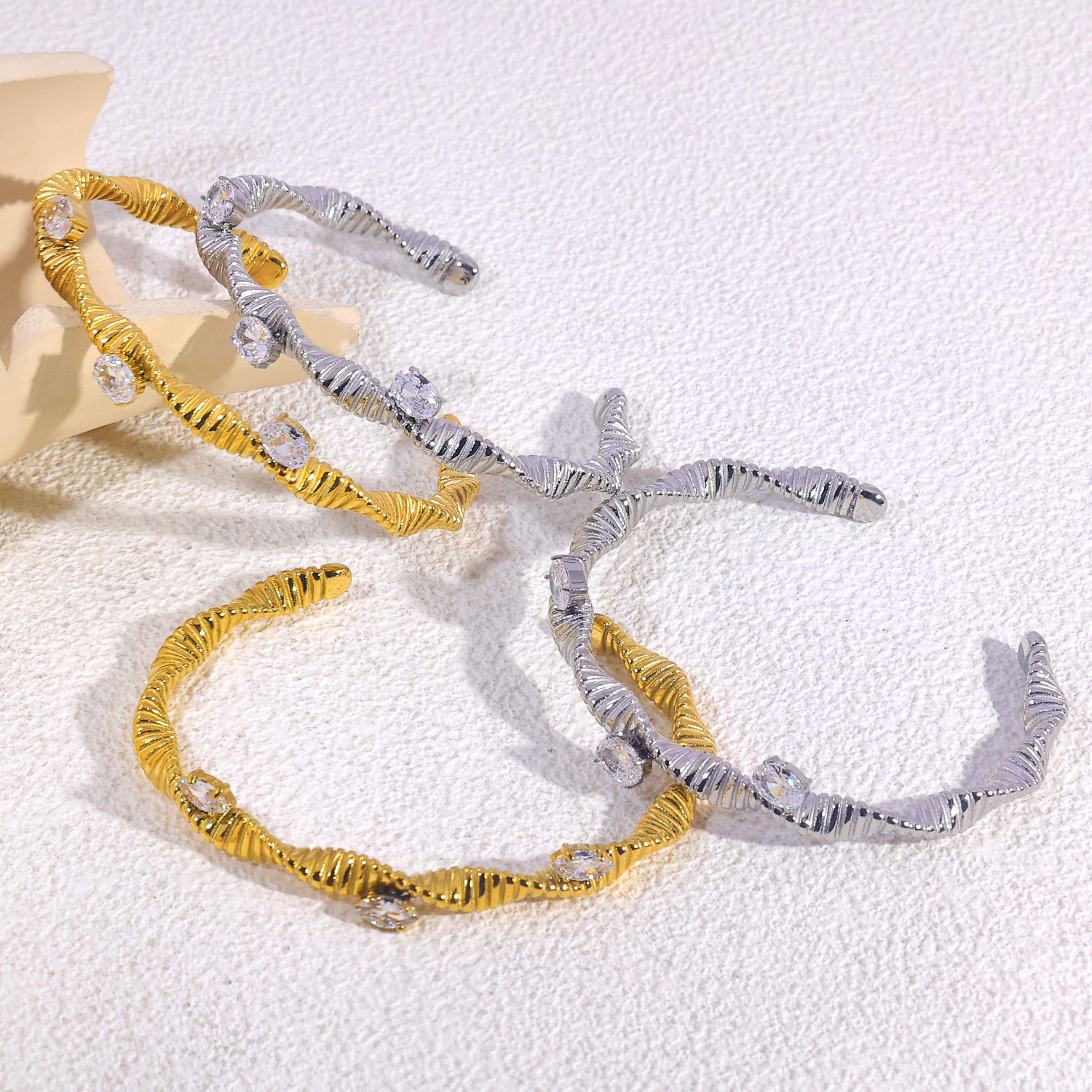
Casting voids, unstable settings, and uneven plating directly trigger B2B order rejections. Controlling these high-risk technical failure points at the source protects wholesale margins and brand reputation.
Casting and Metal Integrity Issues
Metal integrity failures originate during the initial melting and pouring phases. When the foundry loses control of thermal parameters and material purity, the structural baseline of the entire batch suffers.
- Porosity and Cavities: Trapped gas, poor venting, and wax contamination trigger porosity and internal cavities that compromise metal density.
- 微小な亀裂と介在物: Contaminated alloy mixes and rapid cooling cycles create micro-cracks and rough inclusions across the surface.
組み立て, 設定, および表面仕上げの失敗
Downstream errors during stone setting and final polish ruin otherwise perfect castings. These manual and chemical processes require tight execution gates to avoid customer returns.
- 斑点のあるメッキ仕上げ: Inconsistent chemical bath concentrations and poor voltage control produce patchy, 不均一なメッキ仕上げ.
- 機械的欠陥および表面欠陥: Incomplete polishing leaves sharp burrs that irritate skin, while misaligned tooling ruins clasp and hinge functionality.
Scale Your Brand With High-Margin Jewelry
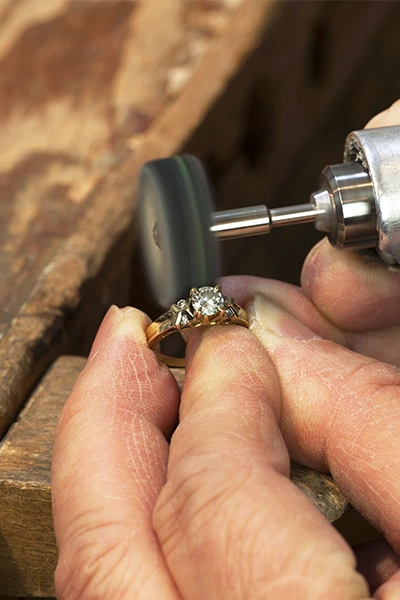
Set Clear Product Specifications Before Production
Documenting exact technical tolerances and visual benchmarks before casting stops downstream errors and prevents costly manufacturer disputes.
Vague expectations like “high quality” invite production errors. A clear technical design package helps eliminate guesswork on the manufacturing floor.
Core Elements of a Jewelry Product Specification Sheet
- Material Definitions: Specify the exact metal purity, component requirements, and finish specifications. For PVD styles, define the required PVD coating thickness and the method used to verify it.
- Dimensional Tolerances: Establish hard limits for critical measurements, including ring sizes, prong heights, and stone setting depths.
- Visual Standards: Attach 3D CAD files, high-resolution renderings, and approved physical golden samples to define the final cosmetic expectations.
Use Approved Samples as Production References
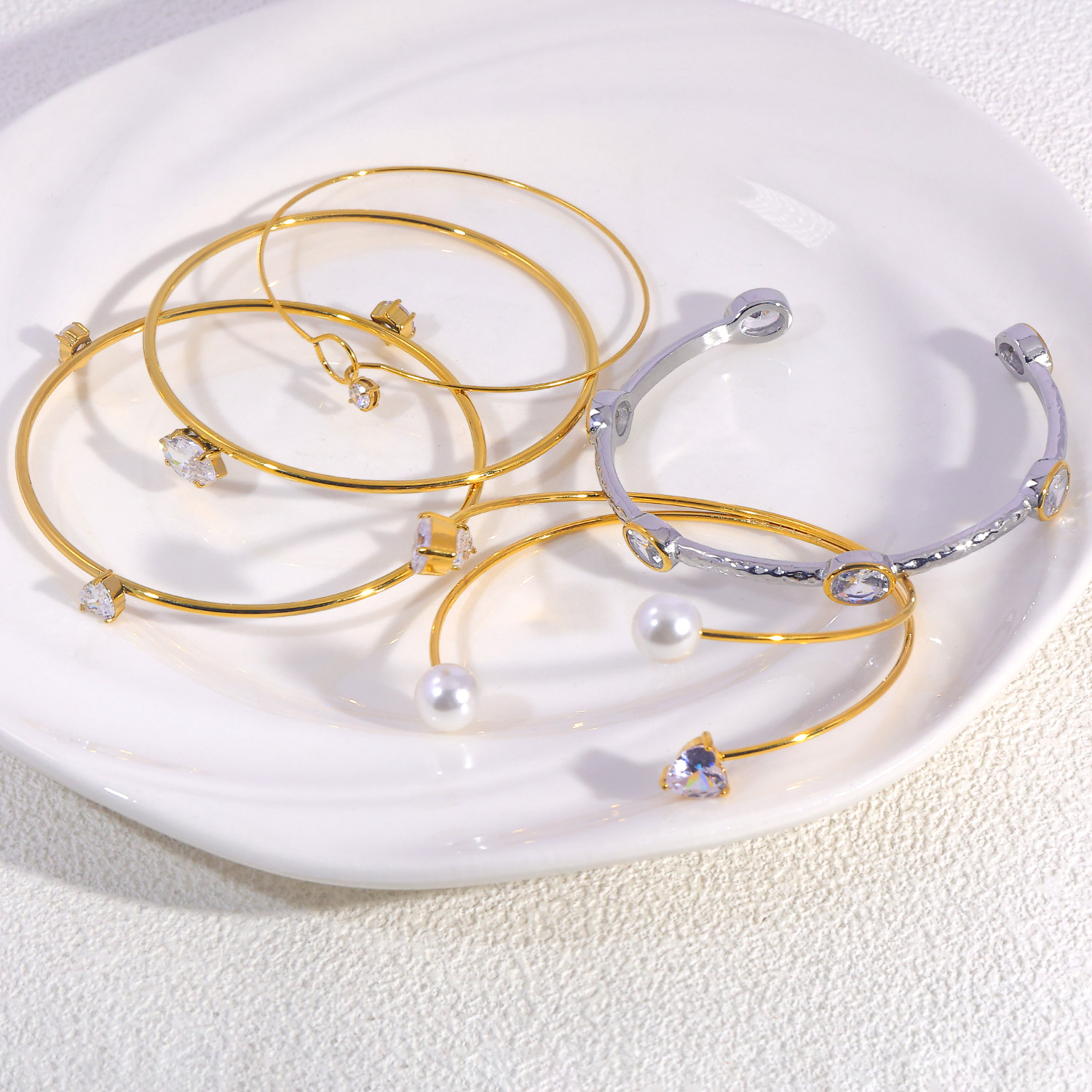
Sealing a physical golden sample and locking its technical record prevents factory custody swaps, design drift, and unauthorized material substitutions across repeat production runs.
Establishing the Golden Sample and Technical Record
Without an approved physical sample and an up-to-date technical record, factories may rely on outdated references or incomplete specifications. This increases the risk of variation in repeat production.
- Unique SKU Identification: Assign a distinct ID, SKU, and written specification to each physical reference sample to prevent custody swaps or mix-ups on the factory floor.
- Visual Documentation: Photograph every side of the reference sample, capturing packaging, accessories, markings, and any explicitly approved deviations to eliminate visual ambiguity.
- Technical Tolerance Limits: Define critical dimensions, target weights, and acceptable variations within the technical record to replace subjective assessments with measurable quality metrics.
This detailed record removes guesswork, forcing the factory to execute production against verifiable engineering data rather than subjective memory.
Implementing Operational Controls to Prevent Quality Drift
Even a perfect sample loses its value if it sits forgotten in a showroom. You must integrate the physical sample into the daily workflow of the production floor and inspection teams.
- Strict Change-Control Mandate: Enforce rules requiring written buyer approval before the factory can substitute any hardware, plating chemicals, or base metals.
- Design Revision Control: Update physical reference samples and technical files immediately during design changes to prevent revision mismatches on future repeat runs.
Active custody management and locked change protocols ensure that repeat runs match the original approved run, protecting your margins from unexpected quality drift.
Control Materials and Component Quality

Strict material standards and multi-stage testing eliminate upstream component variations before they escalate into high-rate customer returns.
Material Specifications, Regulatory Compliance, and Supplier Auditing
Sloppy material inputs sink production margins. When base metal composition drifts or a supplier slips in sub-standard alloys, you face structural failures and tarnishing issues that final inspection cannot easily salvage. Clear, measurable material and finish requirements help reduce the risk of variation before production begins.
- Precious Metal Fineness: Establish documented tolerances and alloy compositions, targeting 14K, 18K, そして 925 sterling silver with defined fineness levels.
- Target-market requirements: Confirm which material restrictions, テストレポート, and declarations apply in the markets where the jewelry will be sold. Requirements for nickel release, lead, cadmium, and other substances vary by market and product type.
- Supplier Qualification: Qualify suppliers using formal Certificates of Analysis (CoA) and on-site workflow audits of raw material storage, casting, and plating operations.
Qualifying suppliers is not a one-time paperwork exercise. On-site checks of casting and plating lines confirm that the factory actually follows the material specs listed on their certificates, keeping non-compliant components out of your inventory. For a broader supplier-vetting checklist, のガイドを参照してください ジュエリー工場を選ぶ前に尋ねるべき質問.
Incoming Inspection, Quality Control Testing, and Multi-Stage Process Monitoring
Waiting until final inspection to identify material or component issues can increase rework costs and delay shipment. Incoming checks help identify problems earlier in the production process.
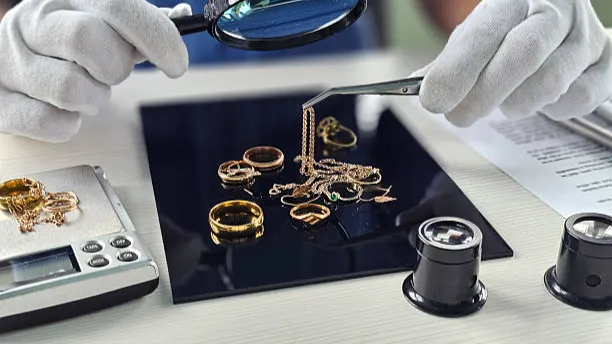
- Incoming Verification: Verify incoming metals and gemstones using handheld XRF analysis, density testing, and visual checks for porosity or color variations.
- Batch-Level Traceability: Monitor production stages from initial casting to final pre-shipment, measuring plating thickness with XRF and tracking batch-level traceability for all orders.
Monitor Key Production Stages
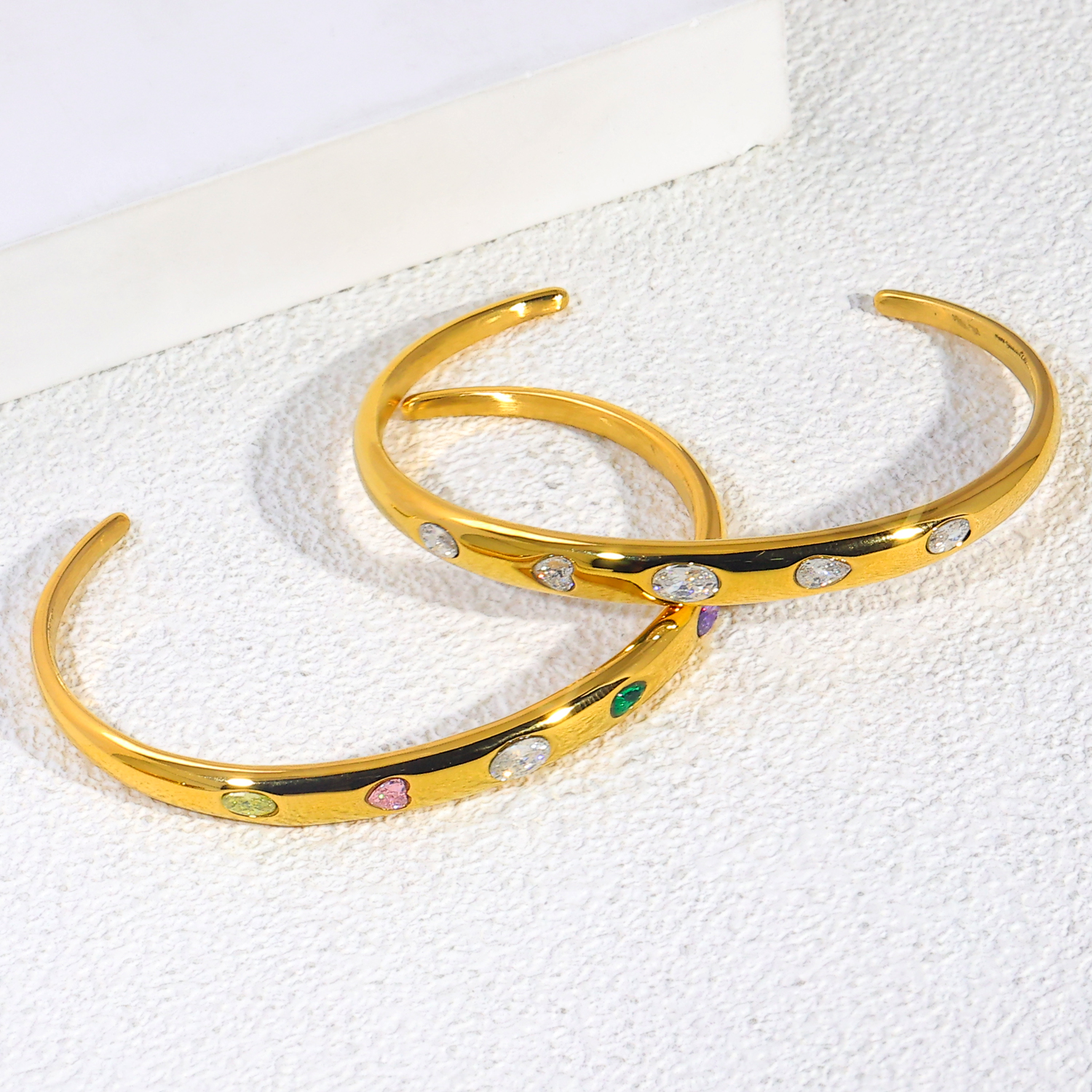
Catching jewelry defects early at dedicated production gates prevents expensive scrap, secures gemstone settings, and preserves finish consistency across bulk runs.
Waiting until final packaging to inspect your production run is a costly operational mistake. You must catch errors at the specific manufacturing steps where they occur to avoid scrapping high-value metals and gems.
Establish Quality Gates at Critical Jewelry Production Phases
| Production Stage | Key Quality Check |
|---|---|
| Design and CAD verification | Confirm production feasibility and use version-controlled files before prototyping or production begins. |
| Casting and metal integrity | Check material consistency and casting quality to identify porosity, cracks, or other structural defects. |
| Setting and pre-finishing | Verify stone security, alignment, component assembly, and visible details before final finishing. |
| Polishing and surface finish | Inspect surface consistency, sharp edges, 傷, plating appearance, and functional components such as clasps. |
Implement Traceability Systems and Standardized Operational Controls
Standardized control across multiple workshops requires visible accountability. When you track every batch to a specific bench, quality rises because operators take ownership of their output.
| Control | Purpose |
|---|---|
| Batch and operator records | Record the production lot, key process stage, and responsible team or workstation for each order. |
| Work instructions | Use documented work instructions for processes that require specific skills, 材料, or finishing methods. |
| Approval gates | Record approvals after key stages, such as sample confirmation, component assembly, and final inspection. |
| Defect tracking | Review defect records by product, batch, and process stage to identify recurring issues and corrective actions. |
Use AQL Sampling for Bulk Orders
AQL sampling replaces subjective quality arguments with statistical pass/fail thresholds, protecting your margins before bulk shipments leave the factory floor.
Subjective quality debates with manufacturers can delay launches and make defect decisions harder to resolve. An agreed sampling plan gives both sides a consistent inspection method. Acceptance sampling is used when full inspection is impractical or too costly, making it a useful approach for bulk jewelry orders when the inspection requirements are agreed in advance.
Set Defect Criteria and a Sampling Plan
Before inspection, the buyer and manufacturer should agree on defect definitions, the approved production sample, and the sampling plan for the order.
| アイテム | What to Agree Before Inspection |
|---|---|
| Critical defects | Safety, legal, or serious functional failures, such as sharp edges, incorrect material identification, or loose components. |
| Major defects | Issues that materially affect function, appearance, or saleability, such as faulty clasps, obvious finish inconsistency, or incorrect sizing. |
| Minor defects | Limited cosmetic variation that does not affect normal use, such as minor packaging marks or slight surface variation within the agreed standard. |
| Sample and selection | Use the approved sample as the visual reference, then select items randomly across cartons, sizes, and finishes according to the agreed sampling plan. |
Conduct Pre-shipment Inspection

Pre-shipment inspection is the final opportunity to confirm order accuracy, visible quality, functionality, 梱包, and supporting compliance documents before goods leave the factory.
Verify Products and Supporting Documents Before Shipment
Physical verification requires systematic checking of raw aesthetics, 寸法, and functional longevity. Your inspectors must treat each sampled piece as an individual structural assembly to catch minor flaws before dispatch.
| Check Area | What to Verify |
|---|---|
| Product specification | 寸法, 重さ, material markings, ロゴの配置, and other agreed requirements. |
| Appearance and function | Finish consistency, 傷, sharp edges, component security, and clasp or closure function. |
| Documents | Required test reports, declarations, and production records for the target market. |
| Packaging and labels | Packaging condition, SKU labels, バーコード, carton marks, and order quantities. |
Document all findings in a structured inspection report. This structured feedback loop lets you isolate non-conforming batches, enforce factory rework, and systematically lower your defect rate over time.
Create a Defect Handling Process
A robust defect handling process protects jewelry margins by containing quality escapes early, analyzing root causes systematically, and enforcing strict shop-floor stop rules to prevent repeat failures.
Establish a Multistage Intake and Containment Protocol
Record each customer complaint, internal reject, repair, or near miss as a defect case. This makes it easier to identify whether an issue is isolated or linked to a specific production batch.
- Traceability: Record the SKU, production lot, and affected quantity.
- Evidence: Keep clear photos and a description of the defect.
- Classification: Match the issue to the agreed defect standard.
If the issue may affect more inventory, 関連するバッチを保持し、欠陥を承認されたサンプルと比較します。, 仕様, 再加工または置換を決定する前に、最新の図面リビジョンを確認してください。.
根本原因の分析と予防ループを実装する
封じ込め後, 資料の入力など、問題の原因を特定する, casting, 組み立て, 仕上げ, または最終検査. その後、工場は是正措置と商業的救済策について合意する必要があります。, 手戻りかどうか, 交換, またはクレジット.
- 有効性を検証する: 次回の生産実行をチェックして、欠陥が解決されたことを確認します.
- 更新コントロール: 関連するマテリアルチェックを見直します, 作業指示, または検査ポイント.
- 再発防止: 未リリースの素材をリリースしたり、納期を守るために品質チェックを回避したりしないでください。.
よくある質問
最も一般的なジュエリー製造上の欠陥とその原因は何ですか?
一般的な欠陥には鋳造気孔が含まれます, uneven plating, surface scratches, loose stones, and faulty clasps or joints. They are usually caused by unclear specifications, inconsistent materials, weak process control, or insufficient inspection before shipment.
How do manufacturers apply AQL sampling to control jewelry quality?
AQL sampling checks a random selection of items from a production lot against agreed defect criteria. The buyer and manufacturer define critical, major, and minor defects, then use the agreed sampling plan to decide whether the batch is accepted, reworked, or reinspected.
How should a business handle defective products received from a manufacturer?
Separate affected inventory, document the defects by SKU and order, and send the supplier a clear claim with photos and quantities. Agree on the remedy—such as rework, 交換, or credit—and request corrective action before the next production run.
最終的な考え
Lower unit costs mean little if inconsistent materials, finish issues, or avoidable defects lead to rework and returns. Clear specifications, an approved production sample, and agreed inspection steps give both the brand and factory a practical reference throughout the order.
Quality control starts before production and continues through material checks, sample approval, in-process review, そして出荷前検査. Contact our manufacturing team to discuss your product requirements and build a production plan for your next jewelry order.
あなたのプロジェクトについて教えてください
ジュエリーコレクションの企画? あなたのアイデアを共有してください。私たちのチームがご連絡します.