Les commandes de bijoux défectueuses peuvent entraîner des plaintes des clients, retravailler, lancements retardés, et retours évitables. Les causes les plus courantes sont des spécifications peu claires, matériaux ou finitions incohérents, approbation faible de l'échantillon, et inspection insuffisante avant expédition.
Ce guide explique comment les marques peuvent réduire ces risques grâce à des exigences produits plus claires., échantillons de production approuvés, contrôles matériels, contrôles en cours, Échantillonnage NQA, et inspection avant expédition.
Pourquoi les commandes de bijoux deviennent défectueuses
Les commandes de bijoux défectueuses proviennent de défauts structurels de fabrication, impuretés des matières premières, placage instable, mauvais emballage de transport, et des attentes mal alignées des clients concernant l'usure normale.
Défaillances de matériaux et de fabrication
Les erreurs lors de la conception et de la fabrication peuvent créer des problèmes structurels ou d'apparence pouvant conduire à des réclamations., retravailler, ou retourne. Les défauts de fabrication courants commencent souvent par la conception suivante, matériel, et problèmes de production:
| Problème | Résultat potentiel |
|---|---|
| Des conceptions sous-conçues | De fines dents, bélières délicates, ou des joints faibles peuvent se déformer ou se briser lors d'une usure normale. |
| Alliages métalliques de qualité inférieure | Des matériaux incohérents peuvent contribuer à la porosité, micro-fissures, ternir, ou faiblesse structurelle. |
| Mauvaise coulée et soudure | Un mauvais contrôle de la chaleur ou une soudure contaminée peut créer des points de connexion faibles et augmenter le risque de casse.. |
Défauts courants de fabrication de bijoux
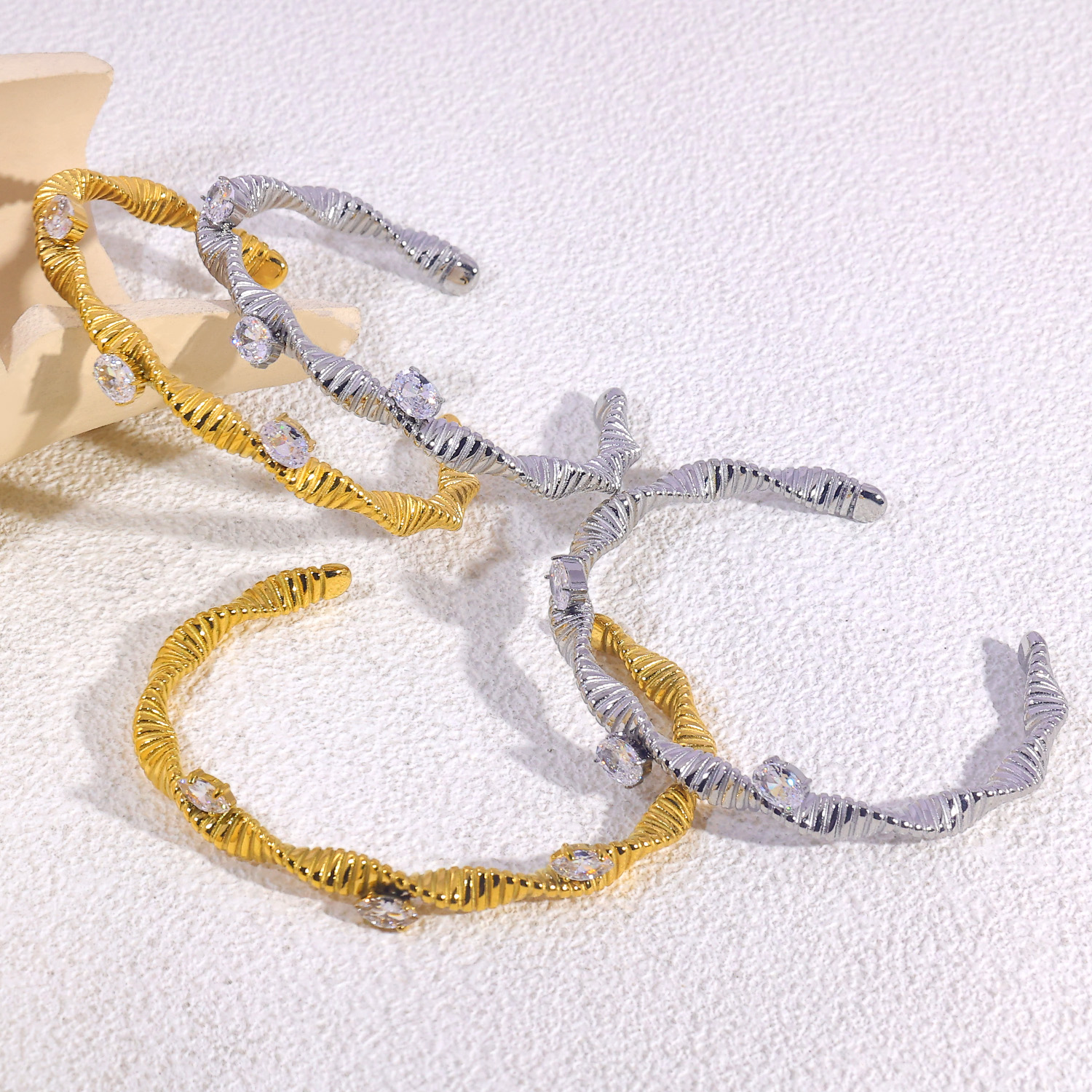
Couler des vides, paramètres instables, et un placage inégal déclenchent directement des rejets de commandes B2B. Le contrôle à la source de ces points de défaillance technique à haut risque protège les marges des grossistes et la réputation de la marque..
Problèmes de fonderie et d’intégrité du métal
Les défauts d’intégrité du métal surviennent lors des phases initiales de fusion et de coulée.. Quand la fonderie perd le contrôle des paramètres thermiques et de la pureté des matériaux, la base structurelle de l'ensemble du lot en souffre.
- Porosité et cavités: Gaz piégé, mauvaise ventilation, et la contamination par la cire déclenchent une porosité et des cavités internes qui compromettent la densité du métal..
- Microfissuration et inclusions: Les mélanges d'alliages contaminés et les cycles de refroidissement rapides créent des microfissures et des inclusions rugueuses sur la surface..
Assemblée, Paramètre, et défauts de finition de surface
Des erreurs en aval lors de la mise en pierre et du polissage final ruinent des pièces moulées autrement parfaites.. Ces processus manuels et chimiques nécessitent des portes d'exécution strictes pour éviter les retours clients..
- Finitions de placage inégales: Des concentrations incohérentes du bain chimique et un mauvais contrôle de la tension produisent des, finitions de placage non uniformes.
- Défauts mécaniques et de surface: Un polissage incomplet laisse des bavures pointues qui irritent la peau, tandis qu'un outillage mal aligné ruine la fonctionnalité du fermoir et de la charnière..
Faites évoluer votre marque avec des bijoux à forte marge
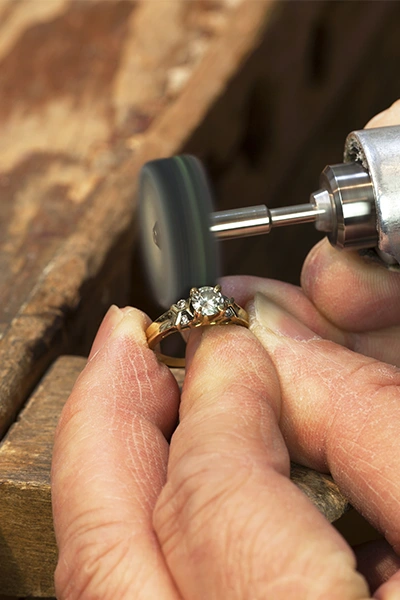
Définir des spécifications de produit claires avant la production
La documentation des tolérances techniques exactes et des références visuelles avant la coulée arrête les erreurs en aval et évite les litiges coûteux entre les fabricants..
Des attentes vagues comme « haute qualité » inviter des erreurs de production. Un clair paquet de conception technique aide à éliminer les incertitudes dans l'atelier de fabrication.
Éléments de base d'une fiche technique de produit de bijouterie
- Définitions des matériaux: Spécifiez la pureté exacte du métal, exigences en matière de composants, et spécifications de finition. Pour les modèles PVD, définir les besoins Épaisseur du revêtement PVD et la méthode utilisée pour le vérifier.
- Tolérances dimensionnelles: Établir des limites strictes pour les mesures critiques, y compris les tailles de bague, hauteurs des broches, et profondeurs de sertissage des pierres.
- Normes visuelles: Joindre des fichiers CAO 3D, rendus haute résolution, et des échantillons dorés physiques approuvés pour définir les attentes cosmétiques finales.
Utiliser des échantillons approuvés comme références de production
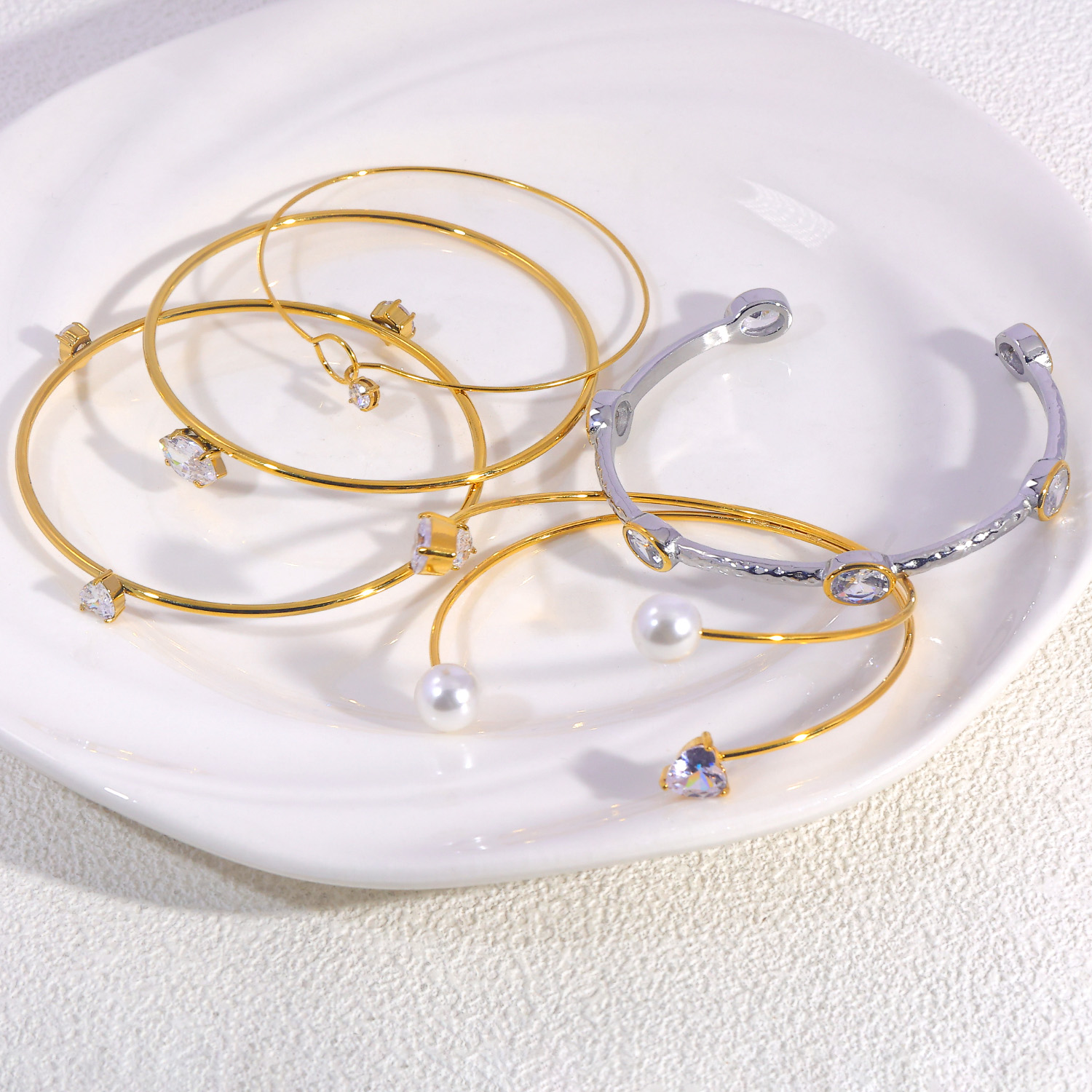
Sceller un échantillon doré physique et verrouiller son dossier technique empêche les échanges de garde en usine, dérive de conception, et substitutions de matériaux non autorisées lors de cycles de production répétés.
Établir l'échantillon d'or et le dossier technique
Sans échantillon physique approuvé et dossier technique à jour, les usines peuvent s'appuyer sur des références obsolètes ou des spécifications incomplètes. Cela augmente le risque de variation dans la production répétée.
- Identification unique du SKU: Attribuer un identifiant distinct, UGS, et une spécification écrite pour chaque échantillon de référence physique afin d'éviter les échanges de garde ou les confusions dans l'usine..
- Documentation visuelle: Photographiez chaque côté de l’échantillon de référence, capturer des emballages, accessoires, marquages, et tout écart explicitement approuvé pour éliminer toute ambiguïté visuelle.
- Limites de tolérance technique: Définir les dimensions critiques, poids cibles, et des variations acceptables dans le dossier technique pour remplacer les évaluations subjectives par des mesures de qualité mesurables.
Ce dossier détaillé élimine les incertitudes, obliger l'usine à exécuter la production sur la base de données d'ingénierie vérifiables plutôt que d'une mémoire subjective.
Mise en œuvre de contrôles opérationnels pour éviter la dérive de la qualité
Même un échantillon parfait perd de sa valeur s'il reste oublié dans une salle d'exposition.. Vous devez intégrer l'échantillon physique dans le flux de travail quotidien de l'atelier de production et des équipes d'inspection..
- Mandat strict de contrôle des changements: Appliquer les règles exigeant l'approbation écrite de l'acheteur avant que l'usine puisse remplacer du matériel, produits chimiques de placage, ou métaux communs.
- Contrôle des révisions de conception: Mettez à jour les échantillons de référence physique et les fichiers techniques immédiatement pendant les modifications de conception afin d'éviter les incohérences de révision lors des futures exécutions répétées..
La gestion active de la garde et les protocoles de modification verrouillés garantissent que les exécutions répétées correspondent à l'exécution originale approuvée., protéger vos marges contre les dérives inattendues de la qualité.
Contrôler la qualité des matériaux et des composants
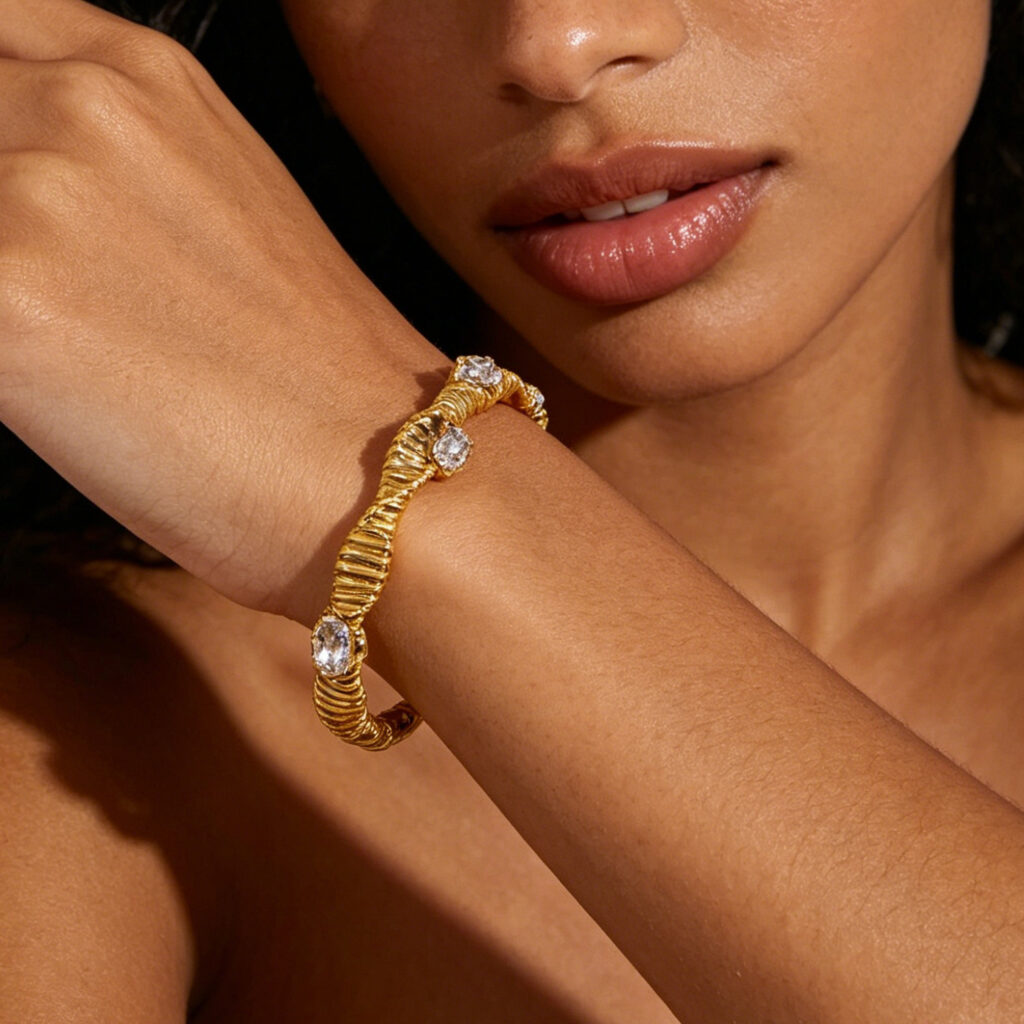
Des normes strictes en matière de matériaux et des tests en plusieurs étapes éliminent les variations des composants en amont avant qu'elles ne se transforment en retours clients élevés..
Spécifications matérielles, Conformité réglementaire, et audit des fournisseurs
Des apports de matériaux bâclés font baisser les marges de production. Lorsque la composition des métaux de base dérive ou qu’un fournisseur glisse dans des alliages de qualité inférieure, vous êtes confronté à des défaillances structurelles et à des problèmes de ternissement que l'inspection finale ne peut pas facilement résoudre. Clair, des exigences mesurables en matière de matériaux et de finition aident à réduire le risque de variation avant le début de la production.
- Finesse des métaux précieux: Établir des tolérances documentées et des compositions d'alliages, ciblant 14K, 18K, et 925 argent sterling avec des niveaux de finesse définis.
- Exigences du marché cible: Confirmez quelles restrictions matérielles, rapports de tests, et les déclarations s'appliquent sur les marchés où les bijoux seront vendus. Exigences pour la libération du nickel, plomb, cadmium, et d'autres substances varient selon le marché et le type de produit.
- Qualification des fournisseurs: Qualifier les fournisseurs à l'aide de certificats d'analyse formels (CoA) et audits de flux de travail sur site du stockage des matières premières, fonderie, et opérations de placage.
La qualification des fournisseurs n’est pas un exercice de paperasse ponctuel. Les contrôles sur site des lignes de coulée et de placage confirment que l'usine respecte effectivement les spécifications des matériaux indiquées sur leurs certificats., garder les composants non conformes hors de votre inventaire. Pour une liste de contrôle plus large pour la vérification des fournisseurs, voir notre guide sur questions à poser avant de choisir une fabrique de bijoux.
Inspection entrante, Tests de contrôle qualité, et surveillance des processus en plusieurs étapes
Attendre l'inspection finale pour identifier les problèmes de matériaux ou de composants peut augmenter les coûts de reprise et retarder l'expédition.. Les contrôles entrants aident à identifier les problèmes plus tôt dans le processus de production.
- Vérification entrante: Vérifiez les métaux et les pierres précieuses entrants à l'aide d'une analyse XRF portable, essai de densité, et contrôles visuels de porosité ou de variations de couleur.
- Traçabilité au niveau des lots: Surveiller les étapes de production, du moulage initial à la pré-expédition finale, mesurer l'épaisseur du placage avec XRF et suivre la traçabilité au niveau des lots pour toutes les commandes.
Surveiller les étapes clés de la production
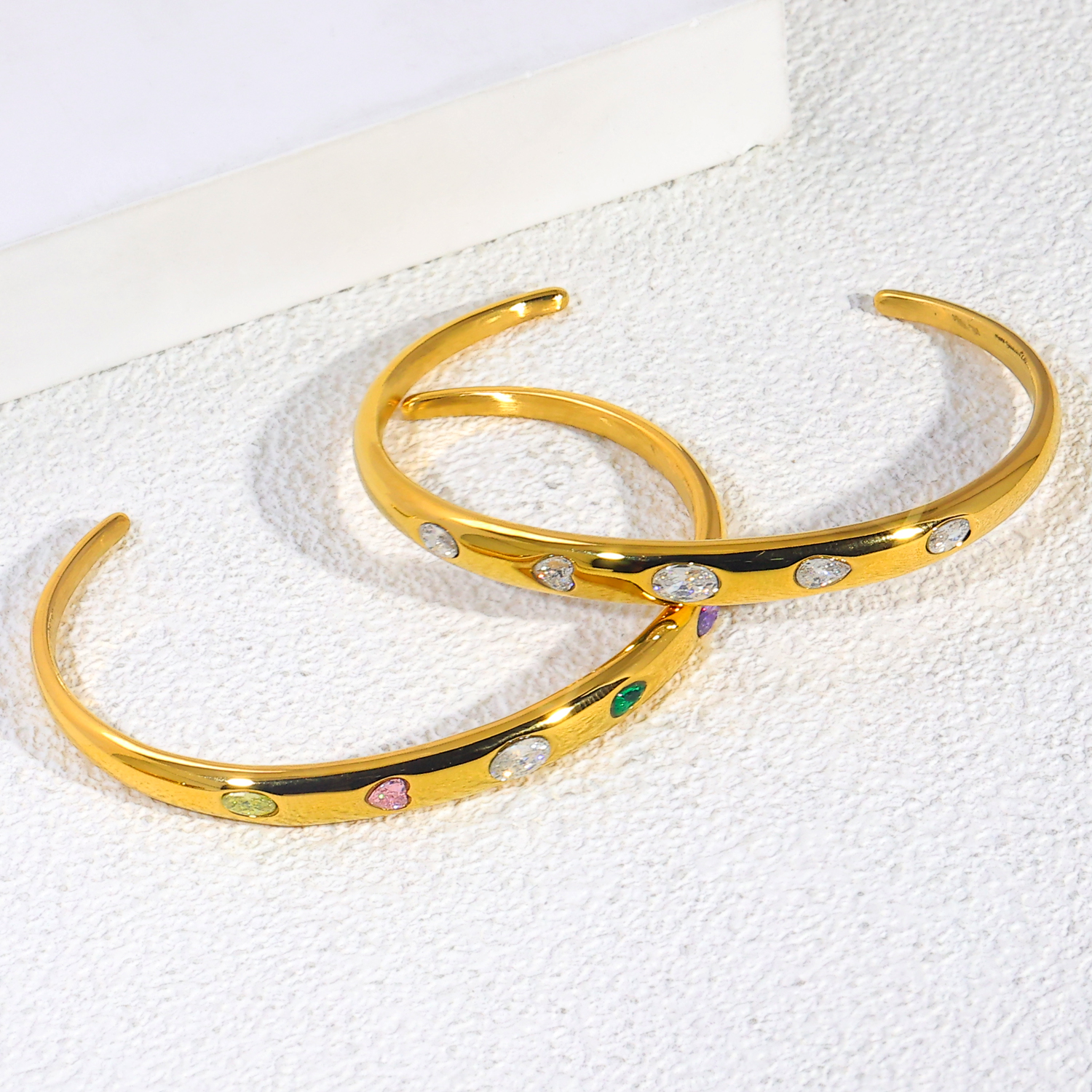
La détection précoce des défauts des bijoux aux portes de production dédiées évite des rebuts coûteux, sécurise les réglages des pierres précieuses, et préserve la cohérence de la finition lors des tirages en vrac.
Attendre l'emballage final pour inspecter votre production est une erreur opérationnelle coûteuse. Vous devez détecter les erreurs lors des étapes de fabrication spécifiques où elles se produisent pour éviter de mettre au rebut des métaux et des pierres précieuses de grande valeur..
Établir des barrières de qualité lors des phases critiques de production de bijoux
| Étape de production | Contrôle de qualité clé |
|---|---|
| Conception et vérification CAO | Confirmer la faisabilité de la production et utiliser des fichiers à version contrôlée avant le début du prototypage ou de la production.. |
| Intégrité du moulage et du métal | Vérifier la cohérence du matériau et la qualité du moulage pour identifier la porosité, fissures, ou d'autres défauts structurels. |
| Pose et pré-finition | Vérifier la sécurité de la pierre, alignement, assemblage de composants, et détails visibles avant la finition finale. |
| Polissage et finition de surface | Inspecter la consistance de la surface, arêtes vives, rayures, aspect du placage, et des composants fonctionnels tels que des fermoirs. |
Mettre en œuvre des systèmes de traçabilité et des contrôles opérationnels standardisés
Un contrôle standardisé dans plusieurs ateliers nécessite une responsabilité visible. Lorsque vous suivez chaque lot sur un banc spécifique, la qualité augmente parce que les opérateurs s'approprient leur production.
| Contrôle | But |
|---|---|
| Enregistrements des lots et des opérateurs | Enregistrer le lot de production, étape clé du processus, et équipe ou poste de travail responsable pour chaque commande. |
| Instructions de travail | Utiliser des instructions de travail documentées pour les processus qui nécessitent des compétences spécifiques, matériels, ou méthodes de finition. |
| Portes d'approbation | Enregistrer les approbations après les étapes clés, comme la confirmation de l'échantillon, assemblage de composants, et inspection finale. |
| Suivi des défauts | Examiner les enregistrements de défauts par produit, lot, et étape du processus pour identifier les problèmes récurrents et les actions correctives. |
Utiliser l'échantillonnage AQL pour les commandes groupées
L'échantillonnage AQL remplace les arguments subjectifs de qualité par des seuils statistiques de réussite/échec, protéger vos marges avant que les expéditions en vrac ne quittent l'usine.
Les débats subjectifs sur la qualité avec les fabricants peuvent retarder les lancements et rendre les décisions en matière de défauts plus difficiles à résoudre.. Un plan d'échantillonnage convenu donne aux deux parties une méthode d'inspection cohérente. Échantillonnage d'acceptation est utilisé lorsqu’une inspection complète est peu pratique ou trop coûteuse, ce qui en fait une approche utile pour les commandes de bijoux en gros lorsque les exigences d'inspection sont convenues à l'avance.
Définir des critères de défaut et un plan d’échantillonnage
Avant inspection, l'acheteur et le fabricant doivent s'entendre sur les définitions des défauts, l'échantillon de production approuvé, et le plan d'échantillonnage de la commande.
| Article | Que convenir avant l'inspection |
|---|---|
| Défauts critiques | Sécurité, légal, ou de graves défaillances fonctionnelles, comme des arêtes vives, identification incorrecte du matériau, ou des composants desserrés. |
| Défauts majeurs | Problèmes qui affectent matériellement le fonctionnement, apparence, ou vendabilité, comme des fermoirs défectueux, incohérence évidente de la finition, ou taille incorrecte. |
| Défauts mineurs | Variation cosmétique limitée qui n'affecte pas l'utilisation normale, telles que des marques d'emballage mineures ou une légère variation de surface dans le cadre de la norme convenue. |
| Échantillon et sélection | Utiliser l'échantillon approuvé comme référence visuelle, puis sélectionnez les articles au hasard dans les cartons, tailles, et se termine selon le plan d'échantillonnage convenu. |
Effectuer une inspection avant expédition

L'inspection avant expédition est la dernière opportunité de confirmer l'exactitude de la commande, qualité visible, fonctionnalité, emballage, et les pièces justificatives de conformité avant que les marchandises ne quittent l'usine.
Vérifier les produits et les documents justificatifs avant expédition
La vérification physique nécessite une vérification systématique de l’esthétique brute, dimensions, et longévité fonctionnelle. Vos inspecteurs doivent traiter chaque pièce échantillonnée comme un assemblage structurel individuel pour détecter les défauts mineurs avant l'expédition..
| Vérifier la zone | Que vérifier |
|---|---|
| Spécification du produit | Dimensions, poids, marquages des matériaux, emplacement du logo, et autres exigences convenues. |
| Apparence et fonction | Consistance de la finition, rayures, arêtes vives, sécurité des composants, et fonction fermoir ou fermeture. |
| Documents | Rapports de tests requis, déclarations, et les records de production pour le marché cible. |
| Emballages et étiquettes | État de l'emballage, Étiquettes SKU, codes à barres, marques de carton, et quantités commandées. |
Documenter toutes les constatations dans un rapport d’inspection structuré. Cette boucle de rétroaction structurée vous permet d'isoler les lots non conformes, appliquer la reprise en usine, et réduisez systématiquement votre taux de défauts au fil du temps.
Créer un processus de gestion des défauts
Un processus robuste de traitement des défauts protège les marges des bijoux en limitant rapidement les fuites de qualité., analyser systématiquement les causes profondes, et appliquer des règles strictes d'arrêt en atelier pour éviter les échecs répétés.
Établir un protocole d'admission et de confinement en plusieurs étapes
Enregistrez chaque réclamation client, rejet interne, réparation, ou quasi-accident comme cas de défaut. Cela permet de déterminer plus facilement si un problème est isolé ou lié à un lot de production spécifique..
- Traçabilité: Enregistrez le SKU, lot de fabrication, et quantité affectée.
- Preuve: Conservez des photos claires et une description du défaut.
- Classification: Faites correspondre le problème à la norme de défaut convenue.
Si le problème peut affecter davantage d'inventaire, conserver le lot concerné et comparer le défaut avec l’échantillon approuvé, spécification, et la dernière révision du dessin avant de décider d'une retouche ou d'un remplacement.
Mettre en œuvre des boucles d’analyse des causes profondes et de prévention
Après le confinement, identifier l'origine du problème, comme l'apport de matériaux, fonderie, assemblée, finition, ou inspection finale. L'usine doit alors convenir d'une action corrective et d'une solution commerciale., si retravailler, remplacement, ou crédit.
- Vérifier l'efficacité: Vérifiez le prochain cycle de production pour confirmer que le défaut a été résolu..
- Mettre à jour les contrôles: Réviser les contrôles matériels pertinents, instructions de travail, ou points de contrôle.
- Prévenir la récidive: Ne divulguez pas de documents inédits et ne contournez pas les contrôles de qualité pour respecter une date de livraison..
Foire aux questions
Quels sont les défauts de fabrication de bijoux les plus courants et leurs causes?
Les défauts courants incluent la porosité du moulage, placage inégal, rayures superficielles, pierres en vrac, et fermoirs ou joints défectueux. Ils sont généralement causés par des spécifications peu claires, matériaux incohérents, contrôle du processus faible, ou inspection insuffisante avant expédition.
Comment les fabricants appliquent-ils l'échantillonnage AQL pour contrôler la qualité des bijoux?
L'échantillonnage AQL vérifie une sélection aléatoire d'articles d'un lot de production par rapport à des critères de défaut convenus.. L'acheteur et le fabricant définissent les éléments critiques, majeur, et défauts mineurs, utilisez ensuite le plan d'échantillonnage convenu pour décider si le lot est accepté, retravaillé, ou réinspecté.
Comment une entreprise doit-elle gérer les produits défectueux reçus d'un fabricant?
Inventaire concerné séparément, documenter les défauts par SKU et commander, et envoyez au fournisseur une réclamation claire avec photos et quantités. Convenez du remède, comme une retouche, remplacement, ou crédit – et demander une action corrective avant le prochain cycle de production.
Pensées finales
Des coûts unitaires inférieurs ne signifient pas grand-chose en cas de matériaux incohérents, terminer les problèmes, ou des défauts évitables entraînent des retouches et des retours. Des spécifications claires, un échantillon de production approuvé, et les étapes d'inspection convenues donnent à la marque et à l'usine une référence pratique tout au long de la commande.
Le contrôle qualité commence avant la production et se poursuit par des contrôles de matériaux, approbation de l'échantillon, examen en cours, et inspection avant expédition. Contactez notre équipe de fabrication pour discuter de vos exigences en matière de produits et élaborer un plan de production pour votre prochaine commande de bijoux.