 Por Bessie Zhou
Private Label Jewelry vs Custom Jewelry
Not every jewelry brand starts in the same place. You may have found several supplier styles that fit your market and only need to add your logo, embalagem, or a few visual changes. Or you may already have a clear design idea that needs to be developed into samples and production-ready specifications.
That difference shapes the sourcing route. Private label jewelry works from existing styles, while custom jewelry starts with a new brief. The sections below compare what each option involves before you decide how to build your collection.
What Is Private Label Jewelry?
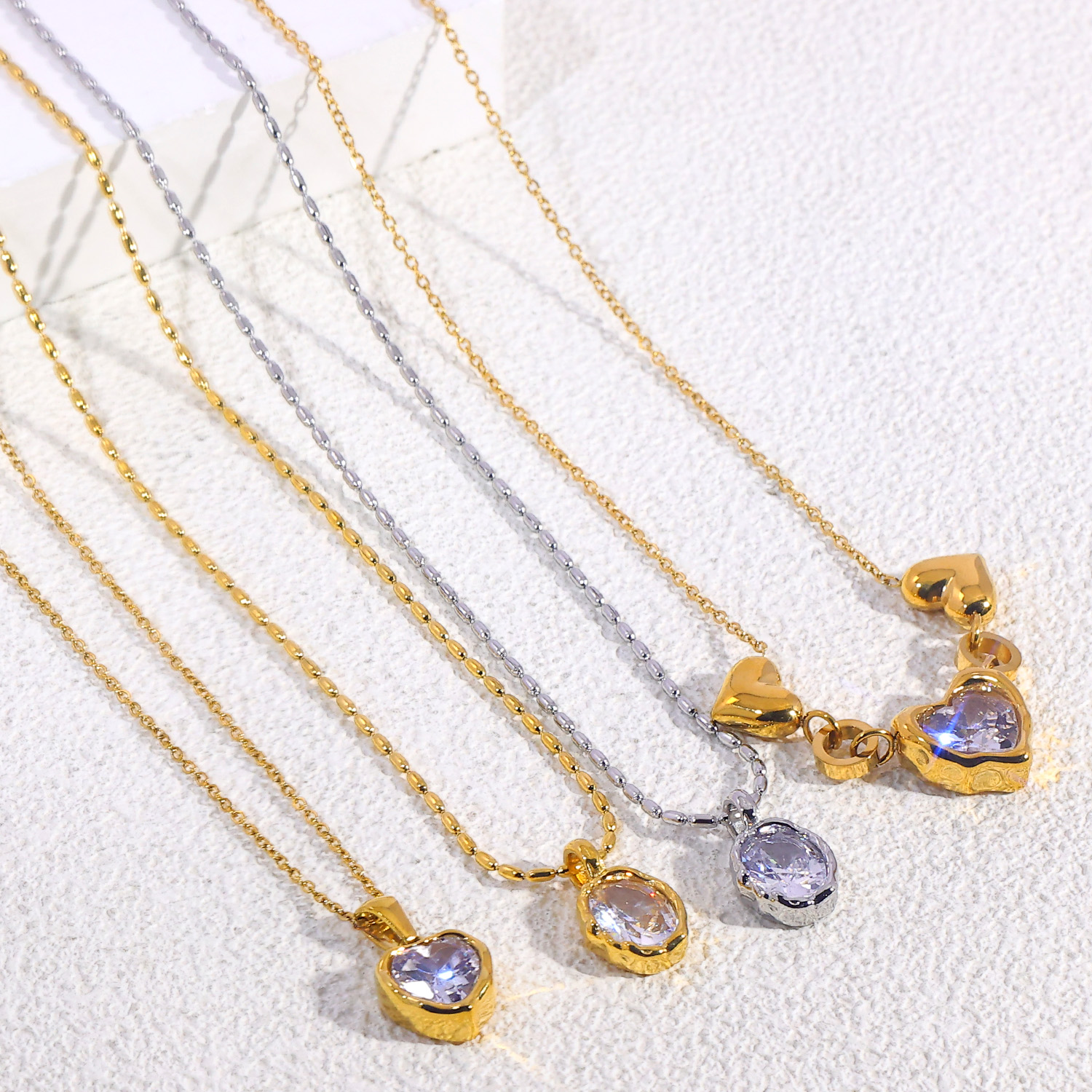
Private label jewelry is when a factory makes pieces you sell under your own brand. You control the branding and design direction, while they handle the production.
Private label jewelry is jewelry made by a manufacturer and sold under the buyer’s brand. Rather than starting with a new product design, brands usually select from existing supplier styles and add their own logo, embalagem, or other agreed changes.
How the Model Works
The manufacturer remains responsible for production, quality control, and the established process behind the selected styles. The brand focuses on the assortment, positioning, e como a coleção é apresentada aos seus clientes.
As alterações disponíveis variam de acordo com o fornecedor e o produto. Eles podem incluir gravação de logotipo, Cor PVD, opções de pedra, embalagem, ou alterações de componentes selecionados. Para mais detalhes sobre como as joias PVD são produzidas, veja este guia para o Processo de fabricação de joias PVD. Quando o estilo base vem de um catálogo de fornecedores, o design original e as ferramentas de produção não se tornam automaticamente exclusivos da marca.
Este modelo é frequentemente utilizado por varejistas e marcas de comércio eletrônico que desejam construir uma coleção de marca sem desenvolver cada estilo desde o início..
What Is Custom Jewelry Manufacturing?
A fabricação de joias personalizadas começa com um resumo do novo produto, em vez de um estilo de catálogo existente. Uma marca pode fornecer esboços, imagens de referência, dimensões, requisitos de materiais, ou arquivos técnicos. O fabricante então apoia o desenvolvimento CAD, amostragem, ferramentas, e produção.
| Modelo | Ponto de partida | Trabalho Típico | Melhor para |
|---|---|---|---|
| Semi-personalizado / ODM | Uma plataforma de produto existente | Modificando materiais, acabamentos, dimensões, componentes, ou pedras | Marcas que precisam de mais diferenciação sem desenvolver todos os detalhes do zero |
| Totalmente personalizado / OEM | Um resumo original, esboço, ou especificação técnica | Desenvolvimento CAD, amostragem, ferramentas, e especificações de produção | Marcas que precisam de uma direção de produto altamente diferenciada |
Private Label vs Custom Jewelry at a Glance
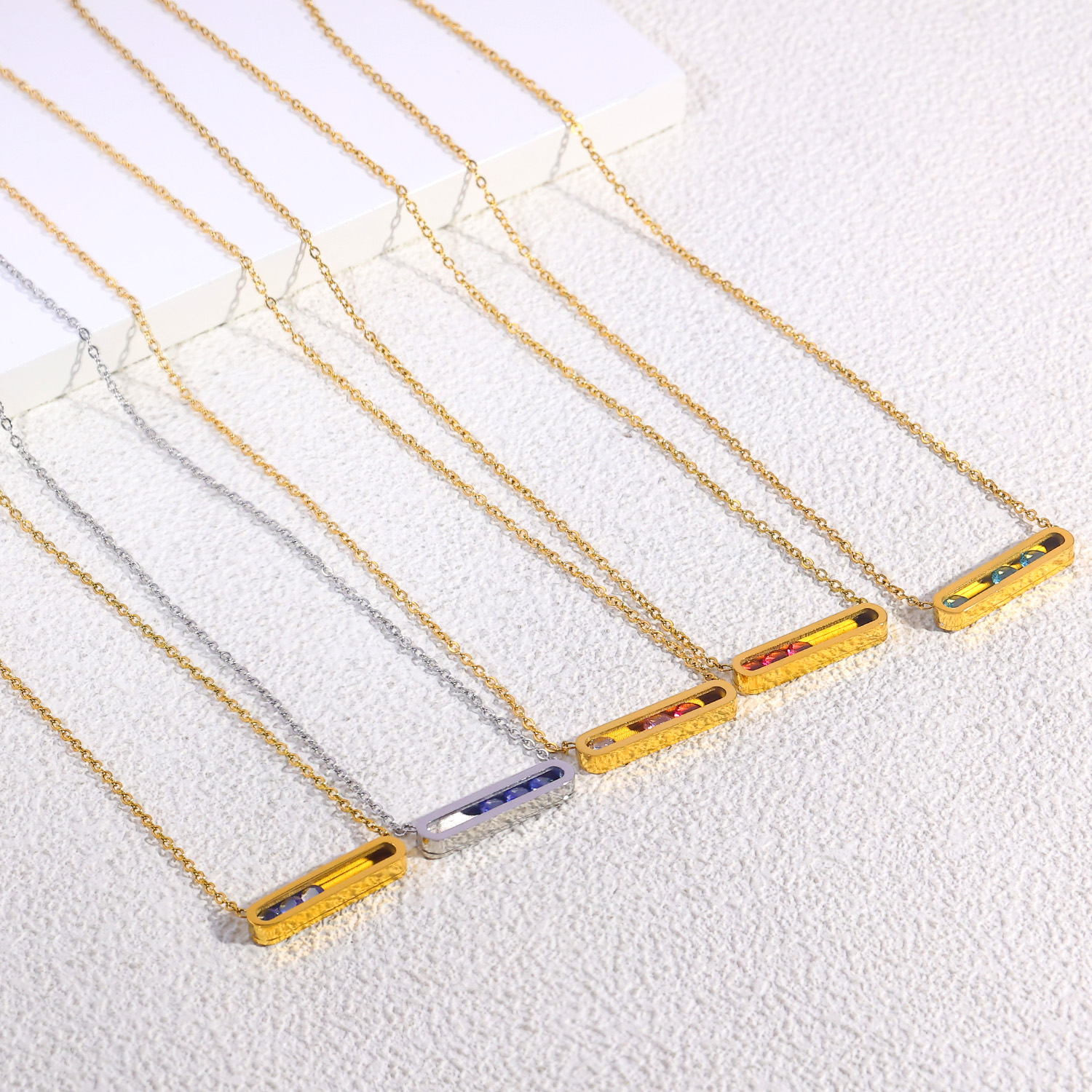
Marca própria leva você ao mercado rapidamente e com menos riscos. Joias personalizadas constroem uma marca única, mas custa mais e leva mais tempo. Sua escolha depende do seu capital e objetivos.
| Característica | Joias de marca própria | Fabricação de joias personalizadas |
|---|---|---|
| Mais adequado para | Marcas que desejam lançar uma coleção de marca usando estilos de fornecedores estabelecidos. | Brands that need a more distinctive product direction or specifications not available in an existing catalog. |
| Starting point | An existing supplier design or product platform. | A new product brief, esboço, reference, or technical requirement; the project may also build on an existing structure. |
| Typical changes | Logo, embalagem, plating color, stones, selected finishes, or other agreed modifications. | Product shape, dimensões, componentes, materiais, colocação de pedra, acabamentos, e especificações de produção, depending on the project. |
| Development work | Usually limited because the core product and production process are already established. | May require CAD development, amostragem, revisions, and tooling before bulk production. |
| Upfront commitment | Generally lower, as existing designs and tooling can be used. | Usually higher because development, amostragem, and tooling may be required. |
| Lead time and MOQ | Often more flexible, but both depend on the selected style, material, branding requirements, quantidade do pedido, and production schedule. | Often requires more planning and may involve higher order-volume requirements; confirm the timeline and MOQ for the specific design. |
| Design and exclusivity | Catalog styles are generally non-exclusive unless an exclusivity arrangement is agreed in writing. | Ownership of the design, CAD files, ferramentas, and any exclusivity arrangement should be defined in the manufacturing agreement. |
Build a Jewelry Collection Around Your Brand
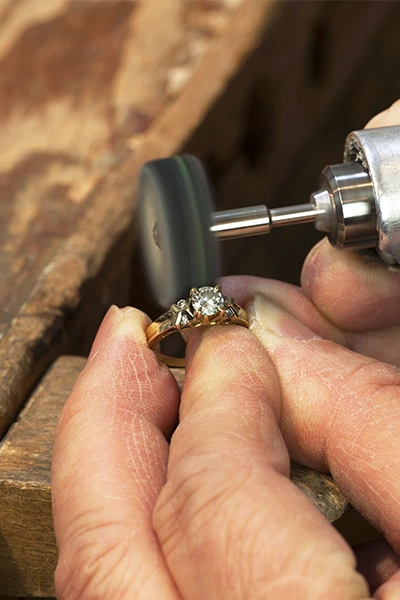
Design Ownership and Brand Differentiation
Custom jewelry gives you design ownership and a unique product. Private label relies on branding and packaging to stand out—a faster but less defensible strategy.
Clarifying Design Rights
In a private label project, the brand owns its name, logo, marketing materials, and any original assets it provides. When a collection is based on supplier catalog styles, however, the underlying product design, CAD files, and production tooling may remain with the manufacturer unless the agreement states otherwise.
The same point applies to custom development. A new design brief does not, by itself, settle ownership of the finished design, CAD files, molds, or exclusivity. Brands should also understand how industrial design rights may protect a product’s appearance. Before development begins, both parties should confirm in writing which assets belong to the brand, how they may be used, and whether the design can be produced for other buyers.
Building Differentiation
Private label brands often differentiate through product selection, logo application, embalagem, plating colors, opções de pedra, e uma coleção que se adapta a um grupo de clientes definido. Isso pode ser suficiente quando a força da marca está no merchandising, contente, posicionamento de preço, ou estratégia de canal.
O desenvolvimento personalizado dá às marcas mais espaço para moldar o próprio produto, incluindo sua forma, proporções, materiais, componentes, e terminar. O valor não é simplesmente que o design seja “único,” mas que o produto pode ser desenvolvido em torno de uma direção de marca mais clara. Onde a exclusividade importa, deve ser incluído como um termo específico no contrato de fabricação.
Quantidade mínima, Cost and Development Timeline
Marca própria é o mais rápido, opção de baixo custo com mínimos menores. A fabricação personalizada é mais lenta e mais cara, exigindo compromissos maiores para designs totalmente exclusivos.
O que afeta MOQ e custo
Projetos de marca própria podem usar designs existentes, ferramentas, e processos de produção, so the initial development workload is usually lower. The buyer mainly needs to confirm the selected styles, branding details, materiais, embalagem, and order quantity.
Custom jewelry may require CAD work, sample revisions, new tooling, and additional production setup. These steps can increase the initial project cost and may affect the minimum order quantity.
Neither model has a universal MOQ or cost level. Material, chapeamento, colocação de pedra, design complexity, embalagem, quantidade do pedido, and the number of sample revisions can all change the quotation. Request a project-specific quote after confirming the product specifications.
How the Development Timeline Differs
Private label projects can move more directly into sampling or production because the base style has already been developed. The timeline still depends on stock availability, branding changes, material selection, quantidade do pedido, production capacity, quality inspection, and shipping arrangements.
Custom development requires additional stages before bulk production, usually including design confirmation, CAD or technical drawings, sample making, revisions, tooling where needed, and final production approval. More complex designs or multiple revision rounds will extend the schedule.
Before placing an order, ask the manufacturer to provide a written project schedule covering:
- Design files or specification confirmation
- Sample production and revision rounds
- Tooling, if required
- Bulk-production lead time
- Quality inspection and packing
- Shipping or delivery arrangements
Can You Transition from Private Label to Custom?
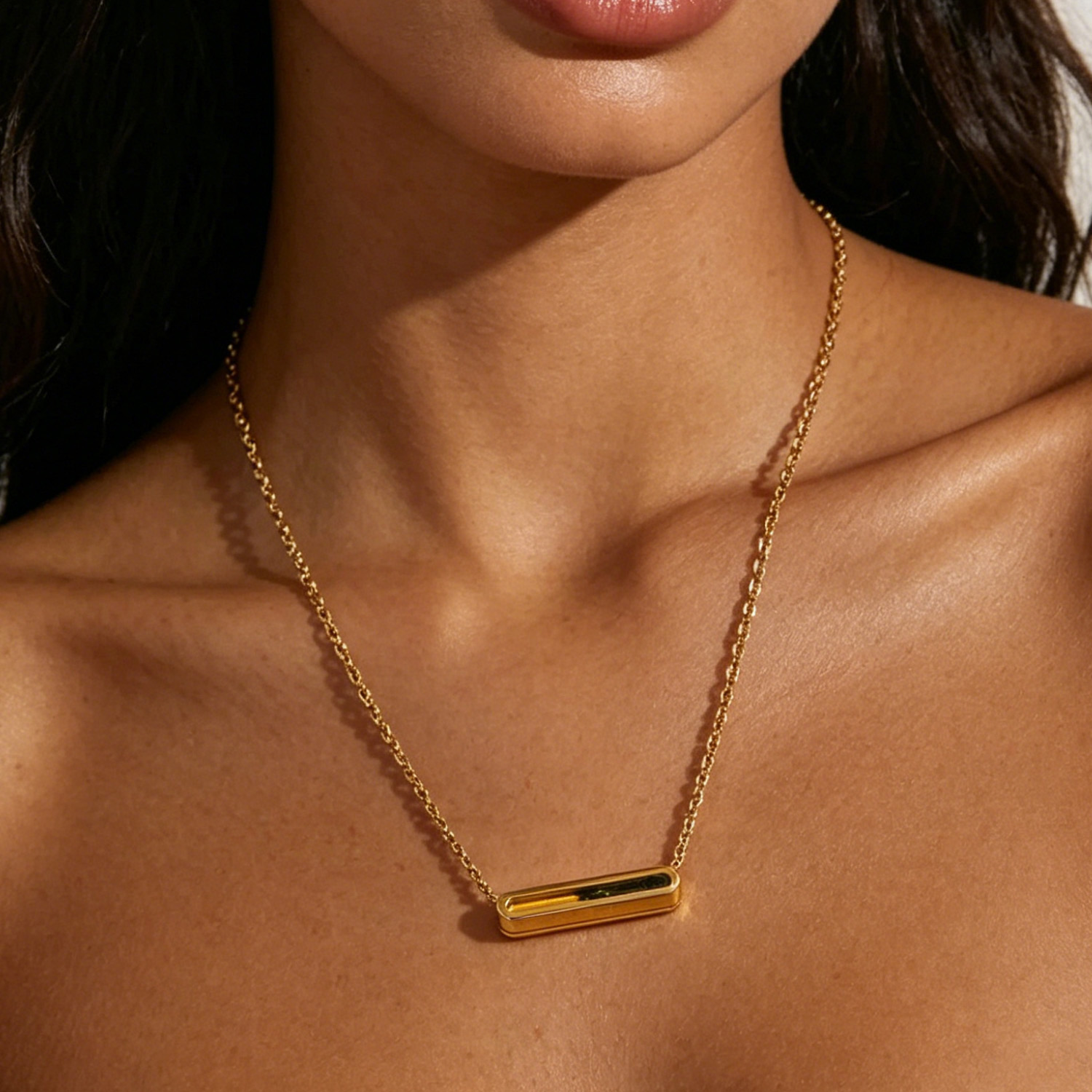
Sim, brands often move from private label to custom manufacturing. It’s a strategic shift from using catalog designs to creating original pieces, trading speed for greater brand equity.
How Brands Move from Private Label to Custom
Brands do not have to choose one model permanently. A collection may begin with supplier styles, move into deeper modifications over time, and later include products developed from an original brief. The same manufacturer may be able to support more than one level of development, depending on its capabilities.
A Practical Development Path
| Development Stage | Main Approach | Brand Control | Typical Use |
|---|---|---|---|
| Private Label | Select existing supplier styles | Branding, embalagem, acabamentos, and selected components | Test a new collection or market |
| Semi-personalizado / ODM | Modify an existing product platform | More control over materials, dimensões, and components | Build stronger product differentiation |
| Totalmente personalizado / OEM | Develop from an original brief | Control over the product direction and specifications | Create signature products |
The appropriate route can vary by collection. Some brands use private label styles for fast-moving assortment and reserve custom development for a smaller number of signature products. Review the development budget, expected order volume, sample requirements, and launch schedule for each project before deciding.
Decision Checklist Before Choosing a Manufacturing Model
Choosing a manufacturing partner is a critical decision. Use this checklist to weigh design control, custo, speed, and IP protection before you commit.
Before selecting a supplier, review its production capabilities, quality systems, Quantidade mínima, lead times, and approach to intellectual property. Our guide to questions to ask before choosing a jewelry factory can help you evaluate a potential manufacturing partner more thoroughly.
Product and Brand Requirements
- Confirm whether the project starts with an existing supplier style or a new product brief.
- List the changes you need, como aplicação de logotipo, embalagem, plating color, stones, dimensões, componentes, ou uma nova estrutura de produto.
- Prepare as informações de design disponíveis, incluindo imagens de referência, esboços, dimensões, requisitos de materiais, ou arquivos CAD.
- Confirme por escrito como o design, CAD files, ferramentas, e qualquer acordo de exclusividade será tratado.
- Verifique se o fornecedor pode atender sua embalagem, rotulagem, código de barras, e inserir requisitos.
Requisitos Comerciais e de Produção
- Confirme as opções de materiais, acabamentos, capacidades de cravação de pedras, e quaisquer processos tratados por subcontratados.
- Pergunte quais registros de qualidade, informações materiais, relatórios de teste, ou documentos de conformidade estão disponíveis para o mercado pretendido.
- Solicite o MOQ para o estilo específico e o nível de personalização, em vez de depender de uma quantidade inicial geral.
- Revise o cronograma completo do projeto, incluindo produção de amostra, rodadas de revisão, ferramentas quando necessário, produção em massa, inspeção, e envio.
- Compare a cotação completa, including unit price, sample charges, tooling costs, embalagem, inspeção, and freight where applicable.
- Ask how quality is checked during production and how nonconforming items are handled before shipment.
- Confirm the supplier’s current capacity and whether it can support planned repeat orders or future volume increases.
Perguntas frequentes
What is private label jewelry?
Private label jewelry is made by a third-party manufacturer and sold under your brand name. You select existing styles and customize elements such as the logo, embalagem, acabamentos, or components, without developing each product from scratch.
How is private label different from custom jewelry?
The main difference is where the design comes from. Private label usually starts with a manufacturer’s existing, proven designs that you brand as your own. Custom jewelry starts with your original idea, e um fabricante constrói uma peça única do zero apenas para sua marca.
A marca própria é mais barata do que joias personalizadas?
A marca própria costuma ser mais acessível porque usa designs e processos de produção existentes. Joias personalizadas podem envolver custos adicionais para desenvolvimento de design, Trabalho CAD, sample revisions, ferramentas, e configuração de produção.
Qual modelo tem um MOQ menor?
Joias de marca própria geralmente têm uma quantidade mínima de pedido menor (Quantidade mínima). Você pode encontrar fornecedores que oferecem tiragens de marca própria que começam em 50 a 100 peças por design. Um projeto totalmente personalizado exige um comprometimento maior, frequentemente 100–500 peças ou mais, para justificar os custos de novos moldes e uma configuração de produção única.
Quem é o dono do design de cada modelo?
A propriedade do design depende do acordo de fabricação. Para marca própria, the manufacturer usually retains the underlying design of catalog styles. For custom jewelry, the contract should define who owns the finished design, CAD files, ferramentas, and any exclusivity rights.
Can Private Label Jewelry Be Customized?
Sim, but within defined limits. Most manufacturers let you customize branding, choose materials like 925 silver or stainless steel, select plating finishes, and pick stones for their existing designs. Significant changes to a design’s core structure move the project into custom manufacturing.
Which model is better for a new jewelry startup?
For most startups, private label is the smarter choice to begin with. It requires less capital, involves lower risk, and gets your product to market much faster. This approach lets you test your ideas and build cash flow before you commit to the higher investment and longer timelines of a fully custom line.
When should a brand switch from private label to custom jewelry?
A brand should consider switching to custom jewelry once it has consistent sales data, needs stronger design differentiation to stand out, and has the cash flow to support the higher upfront investment. It’s a strategic move for when design ownership becomes essential to your growth and brand identity.
Considerações Finais
Private label and custom manufacturing solve different product-development needs. Private label can work well when you want to build a collection around established supplier styles, while custom development gives you more scope to shape the product around your own brief. The right choice depends on the level of customization you need, your budget, expected order volume, and launch schedule.
Whether you are reviewing supplier styles or planning a new design, contact our team to discuss your product requirements, detalhes de personalização, and sourcing timeline.
Conte-nos sobre seu projeto
Planejando uma coleção de joias? Compartilhe suas ideias e nossa equipe entrará em contato.