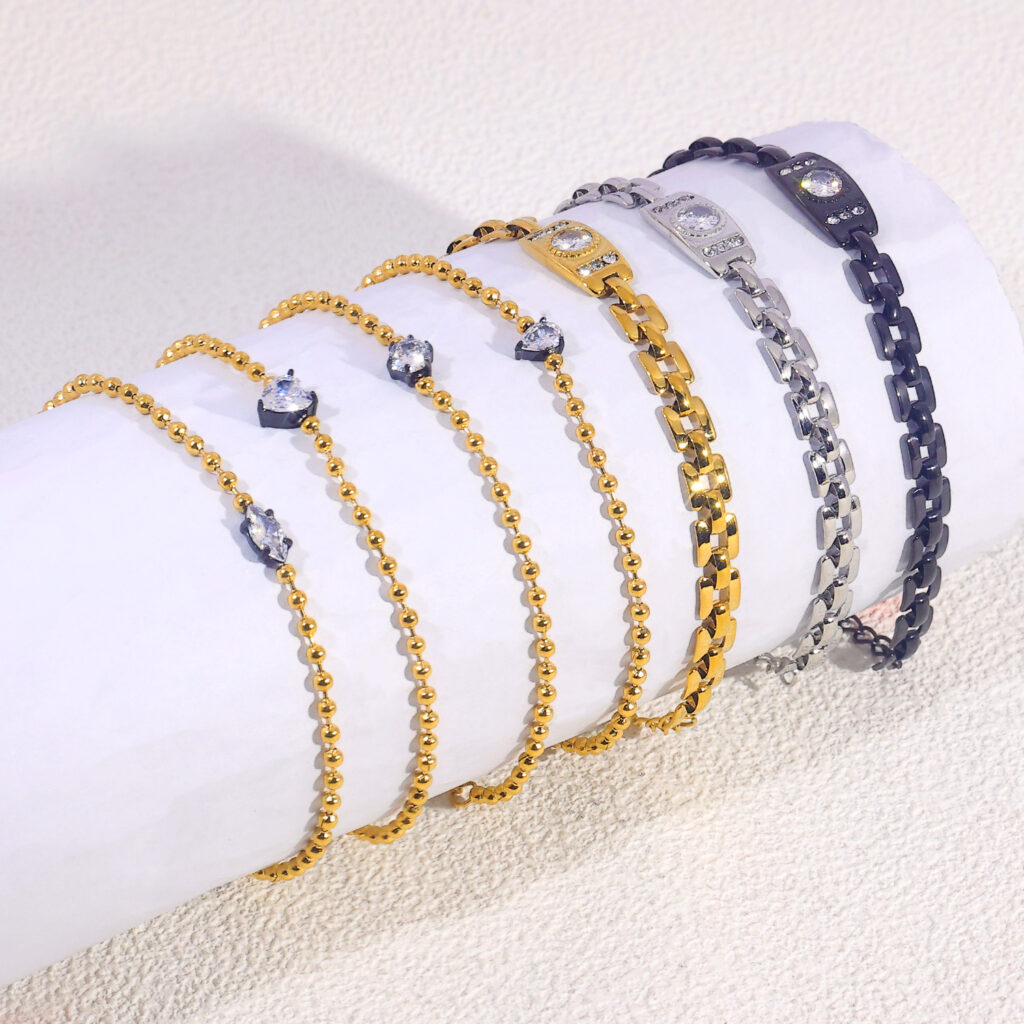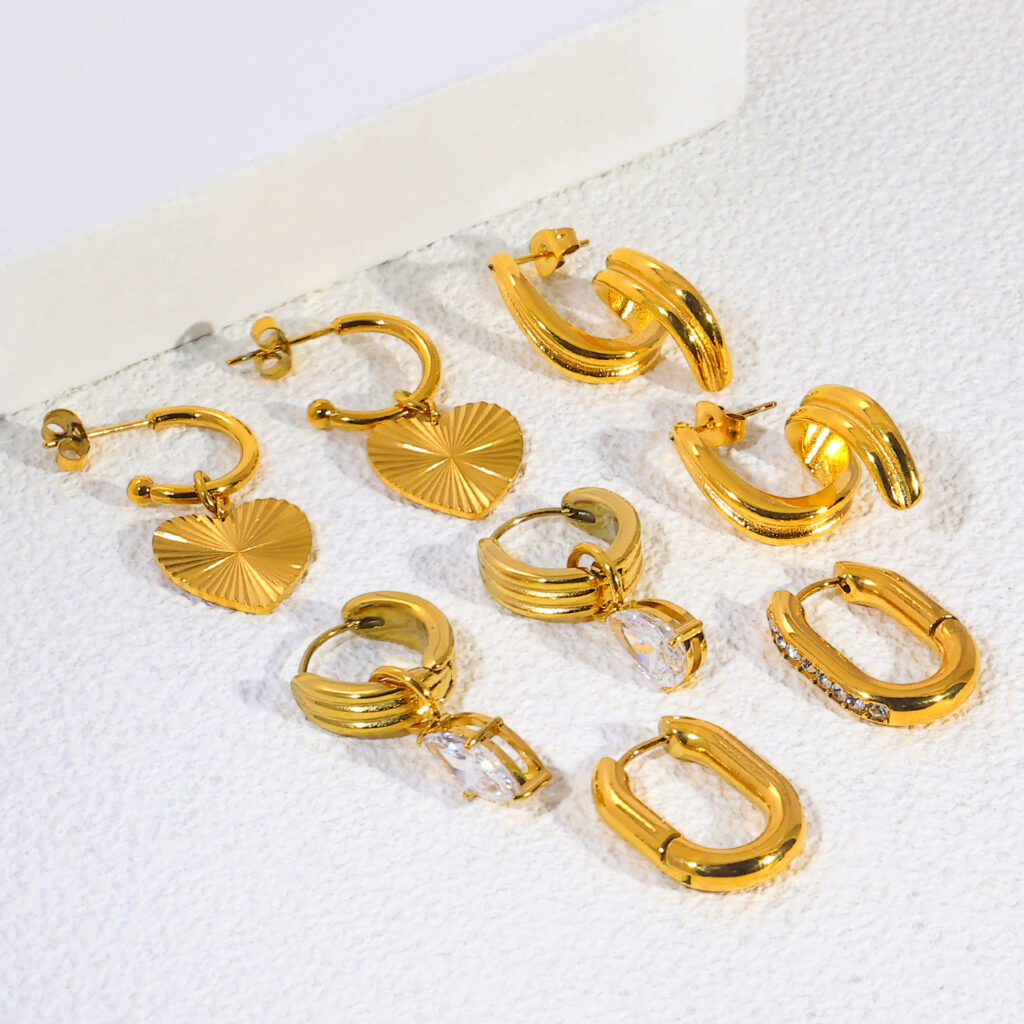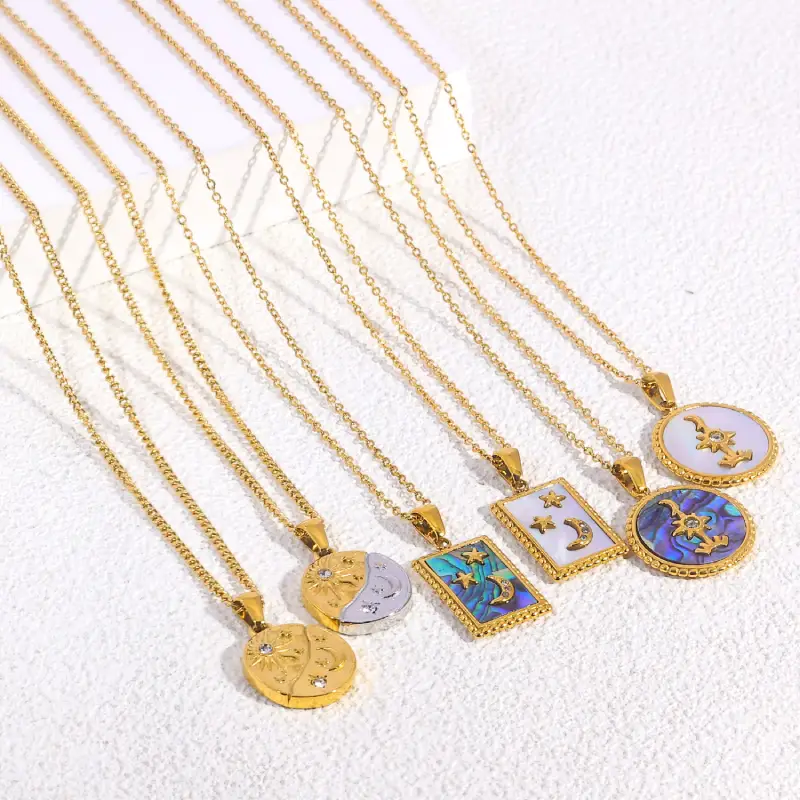
Not every jewelry brand starts in the same place. You may have found several supplier styles that fit your market and only need to add your logo, packaging, or a few visual changes. Or you may already have a clear design idea that needs to be developed into samples and production-ready specifications.
That difference shapes the sourcing route. Private label jewelry works from existing styles, while custom jewelry starts with a new brief. The sections below compare what each option involves before you decide how to build your collection.
What Is Private Label Jewelry?
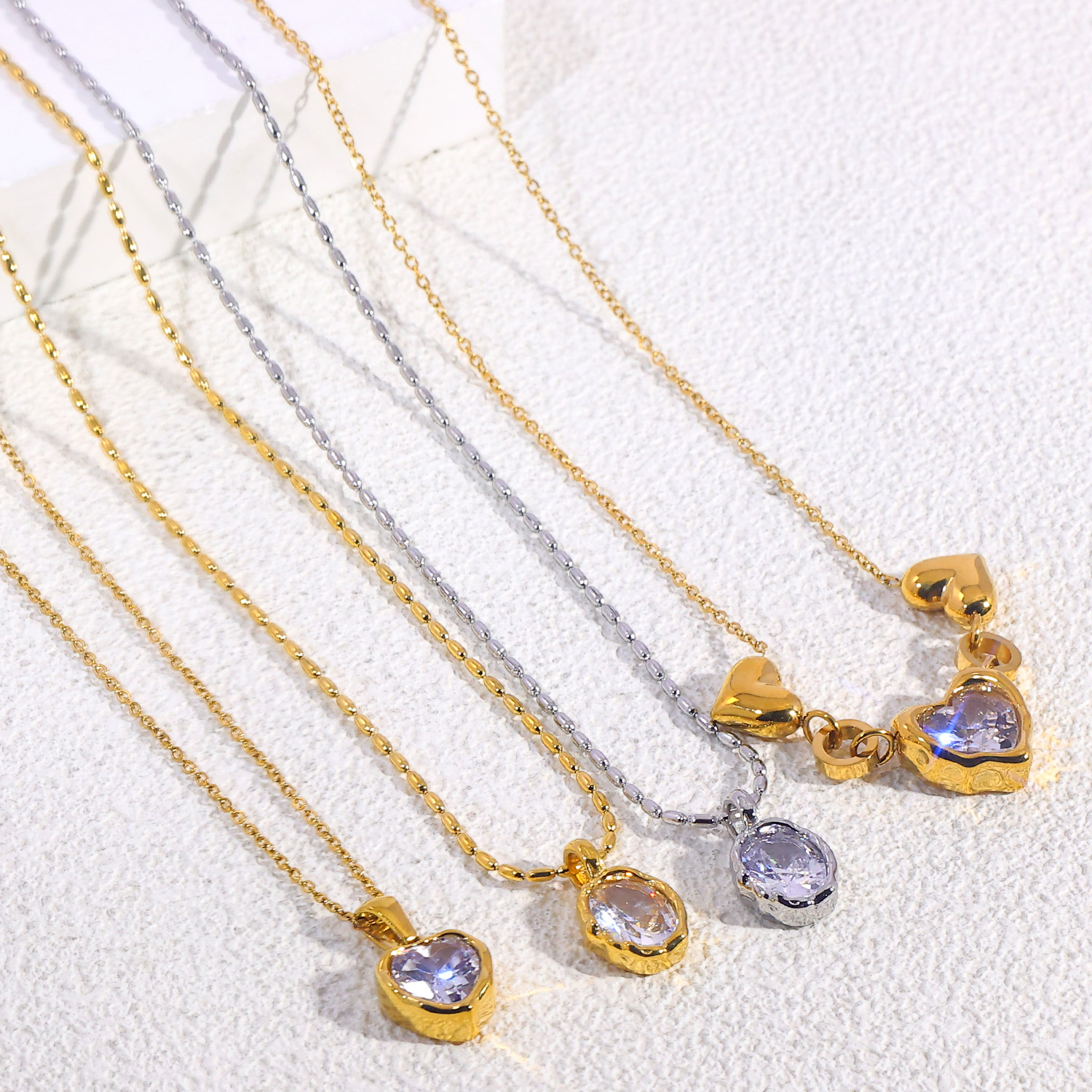
Private label jewelry is when a factory makes pieces you sell under your own brand. You control the branding and design direction, while they handle the production.
Private label jewelry is jewelry made by a manufacturer and sold under the buyer’s brand. Rather than starting with a new product design, brands usually select from existing supplier styles and add their own logo, packaging, or other agreed changes.
How the Model Works
The manufacturer remains responsible for production, quality control, and the established process behind the selected styles. The brand focuses on the assortment, positioning, and how the collection is presented to its customers.
Available changes vary by supplier and product. They may include logo engraving, PVD color, stone options, packaging, or selected component changes. For more detail on how PVD jewelry is produced, see this guide to the PVD jewelry manufacturing process. When the base style comes from a supplier catalog, the original design and production tooling do not automatically become exclusive to the brand.
This model is often used by retailers and e-commerce brands that want to build a branded collection without developing each style from the beginning.
What Is Custom Jewelry Manufacturing?
Custom jewelry manufacturing starts with a new product brief rather than an existing catalog style. A brand may provide sketches, reference images, dimensions, material requirements, or technical files. The manufacturer then supports CAD development, sampling, tooling, and production.
| Model | Starting Point | Typical Work | Best For |
|---|---|---|---|
| Semi-Custom / ODM | An existing product platform | Modifying materials, finishes, dimensions, components, or stones | Brands that need more differentiation without developing every detail from scratch |
| Full Custom / OEM | An original brief, sketch, or technical specification | CAD development, sampling, tooling, and production specifications | Brands that need a highly distinctive product direction |
Private Label vs Custom Jewelry at a Glance
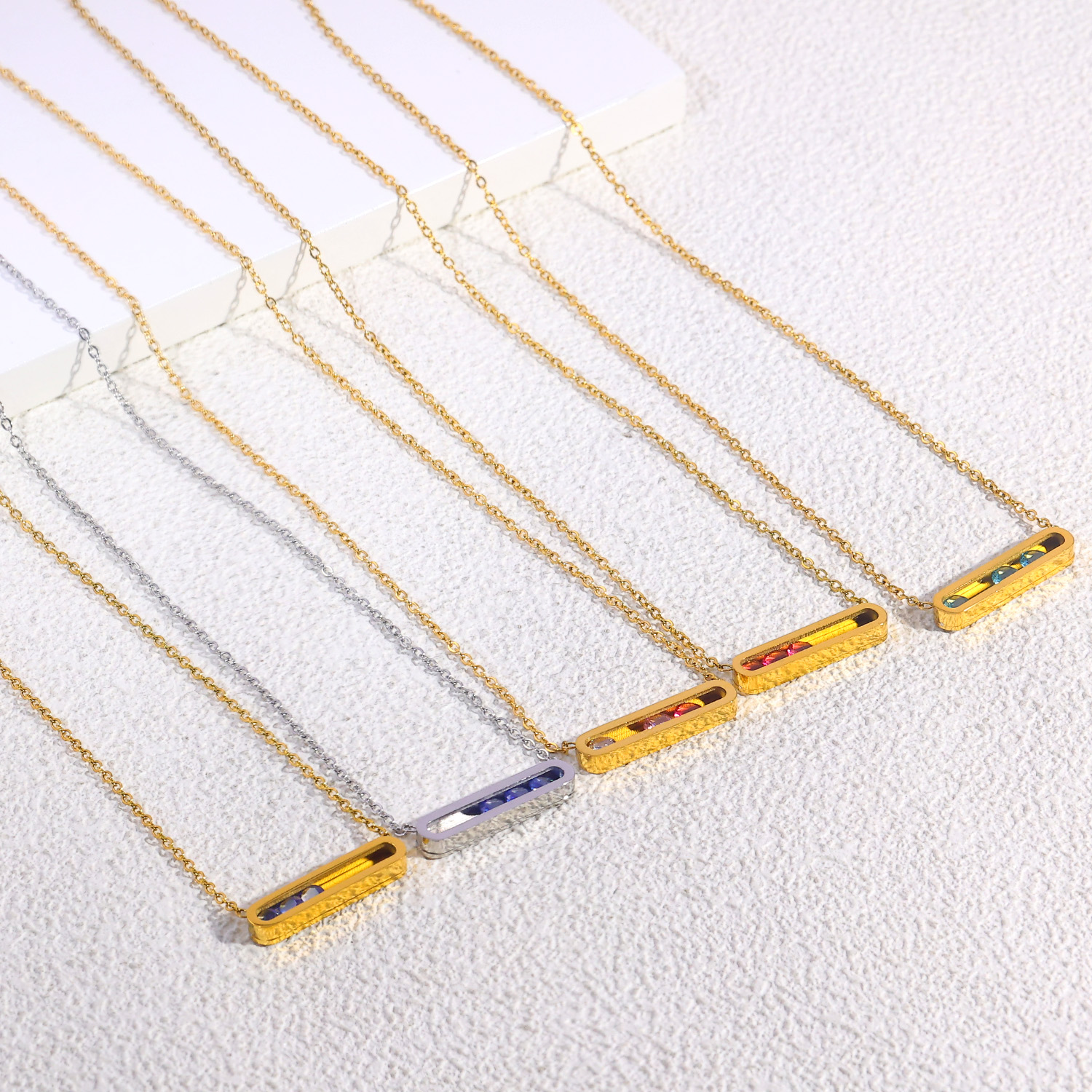
Private label gets you to market fast with less risk. Custom jewelry builds a unique brand, but costs more and takes longer. Your choice depends on your capital and goals.
| Characteristic | Private Label Jewelry | Custom Jewelry Manufacturing |
|---|---|---|
| Best suited to | Brands that want to launch a branded collection using established supplier styles. | Brands that need a more distinctive product direction or specifications not available in an existing catalog. |
| Starting point | An existing supplier design or product platform. | A new product brief, sketch, reference, or technical requirement; the project may also build on an existing structure. |
| Typical changes | Logo, packaging, plating color, stones, selected finishes, or other agreed modifications. | Product shape, dimensions, components, materials, stone setting, finishes, and production specifications, depending on the project. |
| Development work | Usually limited because the core product and production process are already established. | May require CAD development, sampling, revisions, and tooling before bulk production. |
| Upfront commitment | Generally lower, as existing designs and tooling can be used. | Usually higher because development, sampling, and tooling may be required. |
| Lead time and MOQ | Often more flexible, but both depend on the selected style, material, branding requirements, order quantity, and production schedule. | Often requires more planning and may involve higher order-volume requirements; confirm the timeline and MOQ for the specific design. |
| Design and exclusivity | Catalog styles are generally non-exclusive unless an exclusivity arrangement is agreed in writing. | Ownership of the design, CAD files, tooling, and any exclusivity arrangement should be defined in the manufacturing agreement. |
Build a Jewelry Collection Around Your Brand
Design Ownership and Brand Differentiation
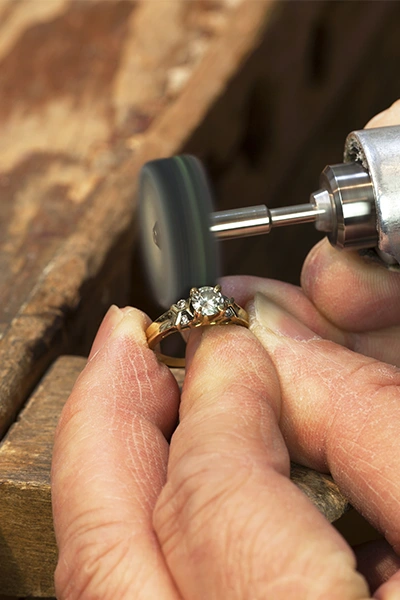
Custom jewelry gives you design ownership and a unique product. Private label relies on branding and packaging to stand out—a faster but less defensible strategy.
Clarifying Design Rights
In a private label project, the brand owns its name, logo, marketing materials, and any original assets it provides. When a collection is based on supplier catalog styles, however, the underlying product design, CAD files, and production tooling may remain with the manufacturer unless the agreement states otherwise.
The same point applies to custom development. A new design brief does not, by itself, settle ownership of the finished design, CAD files, molds, or exclusivity. Brands should also understand how industrial design rights may protect a product’s appearance. Before development begins, both parties should confirm in writing which assets belong to the brand, how they may be used, and whether the design can be produced for other buyers.
Building Differentiation
Private label brands often differentiate through product selection, logo application, packaging, plating colors, stone options, and a collection that fits a defined customer group. This can be enough when the brand’s strength lies in merchandising, content, price positioning, or channel strategy.
Custom development gives brands more room to shape the product itself, including its form, proportions, materials, components, and finish. The value is not simply that the design is “unique,” but that the product can be developed around a clearer brand direction. Where exclusivity matters, it should be included as a specific term in the manufacturing agreement.
MOQ, Cost and Development Timeline
Private label is the fast, low-cost option with smaller minimums. Custom manufacturing is slower and more expensive, demanding larger commitments for fully unique designs.
What Affects MOQ and Cost
Private label projects can use existing designs, tooling, and production processes, so the initial development workload is usually lower. The buyer mainly needs to confirm the selected styles, branding details, materials, packaging, and order quantity.
Custom jewelry may require CAD work, sample revisions, new tooling, and additional production setup. These steps can increase the initial project cost and may affect the minimum order quantity.
Neither model has a universal MOQ or cost level. Material, plating, stone setting, design complexity, packaging, order quantity, and the number of sample revisions can all change the quotation. Request a project-specific quote after confirming the product specifications.
How the Development Timeline Differs
Private label projects can move more directly into sampling or production because the base style has already been developed. The timeline still depends on stock availability, branding changes, material selection, order quantity, production capacity, quality inspection, and shipping arrangements.
Custom development requires additional stages before bulk production, usually including design confirmation, CAD or technical drawings, sample making, revisions, tooling where needed, and final production approval. More complex designs or multiple revision rounds will extend the schedule.
Before placing an order, ask the manufacturer to provide a written project schedule covering:
- Design files or specification confirmation
- Sample production and revision rounds
- Tooling, if required
- Bulk-production lead time
- Quality inspection and packing
- Shipping or delivery arrangements
Can You Transition from Private Label to Custom?
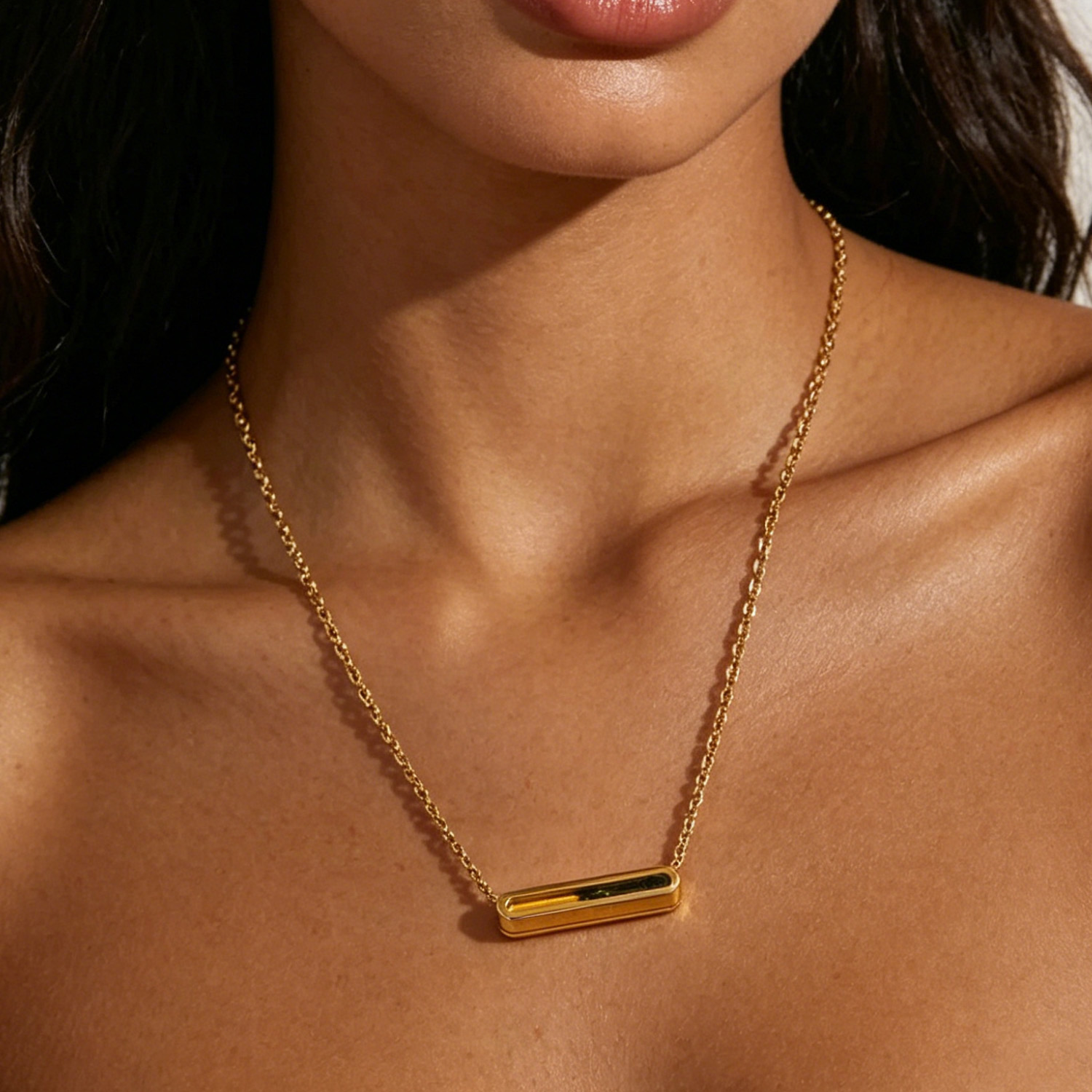
Yes, brands often move from private label to custom manufacturing. It’s a strategic shift from using catalog designs to creating original pieces, trading speed for greater brand equity.
How Brands Move from Private Label to Custom
Brands do not have to choose one model permanently. A collection may begin with supplier styles, move into deeper modifications over time, and later include products developed from an original brief. The same manufacturer may be able to support more than one level of development, depending on its capabilities.
A Practical Development Path
| Development Stage | Main Approach | Brand Control | Typical Use |
|---|---|---|---|
| Private Label | Select existing supplier styles | Branding, packaging, finishes, and selected components | Test a new collection or market |
| Semi-Custom / ODM | Modify an existing product platform | More control over materials, dimensions, and components | Build stronger product differentiation |
| Full Custom / OEM | Develop from an original brief | Control over the product direction and specifications | Create signature products |
The appropriate route can vary by collection. Some brands use private label styles for fast-moving assortment and reserve custom development for a smaller number of signature products. Review the development budget, expected order volume, sample requirements, and launch schedule for each project before deciding.
Decision Checklist Before Choosing a Manufacturing Model
Choosing a manufacturing partner is a critical decision. Use this checklist to weigh design control, cost, speed, and IP protection before you commit.
Before selecting a supplier, review its production capabilities, quality systems, MOQ, lead times, and approach to intellectual property. Our guide to questions to ask before choosing a jewelry factory can help you evaluate a potential manufacturing partner more thoroughly.
Product and Brand Requirements
- Confirm whether the project starts with an existing supplier style or a new product brief.
- List the changes you need, such as logo application, packaging, plating color, stones, dimensions, components, or a new product structure.
- Prepare the available design information, including reference images, sketches, dimensions, material requirements, or CAD files.
- Confirm in writing how the design, CAD files, tooling, and any exclusivity arrangement will be handled.
- Check whether the supplier can meet your packaging, labeling, barcode, and insert requirements.
Commercial and Production Requirements
- Confirm the material options, finishes, stone-setting capabilities, and any processes handled by subcontractors.
- Ask which quality records, material information, test reports, or compliance documents are available for your intended market.
- Request the MOQ for the specific style and customization level rather than relying on a general starting quantity.
- Review the full project schedule, including sample production, revision rounds, tooling where required, bulk production, inspection, and shipping.
- Compare the complete quotation, including unit price, sample charges, tooling costs, packaging, inspection, and freight where applicable.
- Ask how quality is checked during production and how nonconforming items are handled before shipment.
- Confirm the supplier’s current capacity and whether it can support planned repeat orders or future volume increases.
Frequently Asked Questions
What is private label jewelry?
Private label jewelry is made by a third-party manufacturer and sold under your brand name. You select existing styles and customize elements such as the logo, packaging, finishes, or components, without developing each product from scratch.
How is private label different from custom jewelry?
The main difference is where the design comes from. Private label usually starts with a manufacturer’s existing, proven designs that you brand as your own. Custom jewelry starts with your original idea, and a manufacturer builds a unique piece from scratch just for your brand.
Is private label cheaper than custom jewelry?
Private label is often more affordable because it uses existing designs and production processes. Custom jewelry may involve additional costs for design development, CAD work, sample revisions, tooling, and production setup.
Which model has a lower MOQ?
Private label jewelry usually has a lower minimum order quantity (MOQ). You can find suppliers offering private label runs that start at 50–100 pieces per design. A fully custom project requires a higher commitment, often 100–500 pieces or more, to justify the costs of new molds and a unique production setup.
Who owns the design in each model?
Design ownership depends on the manufacturing agreement. For private label, the manufacturer usually retains the underlying design of catalog styles. For custom jewelry, the contract should define who owns the finished design, CAD files, tooling, and any exclusivity rights.
Can Private Label Jewelry Be Customized?
Yes, but within defined limits. Most manufacturers let you customize branding, choose materials like 925 silver or stainless steel, select plating finishes, and pick stones for their existing designs. Significant changes to a design’s core structure move the project into custom manufacturing.
Which model is better for a new jewelry startup?
For most startups, private label is the smarter choice to begin with. It requires less capital, involves lower risk, and gets your product to market much faster. This approach lets you test your ideas and build cash flow before you commit to the higher investment and longer timelines of a fully custom line.
When should a brand switch from private label to custom jewelry?
A brand should consider switching to custom jewelry once it has consistent sales data, needs stronger design differentiation to stand out, and has the cash flow to support the higher upfront investment. It’s a strategic move for when design ownership becomes essential to your growth and brand identity.
Final Thoughts
Private label and custom manufacturing solve different product-development needs. Private label can work well when you want to build a collection around established supplier styles, while custom development gives you more scope to shape the product around your own brief. The right choice depends on the level of customization you need, your budget, expected order volume, and launch schedule.
Whether you are reviewing supplier styles or planning a new design, contact our team to discuss your product requirements, customization details, and sourcing timeline.