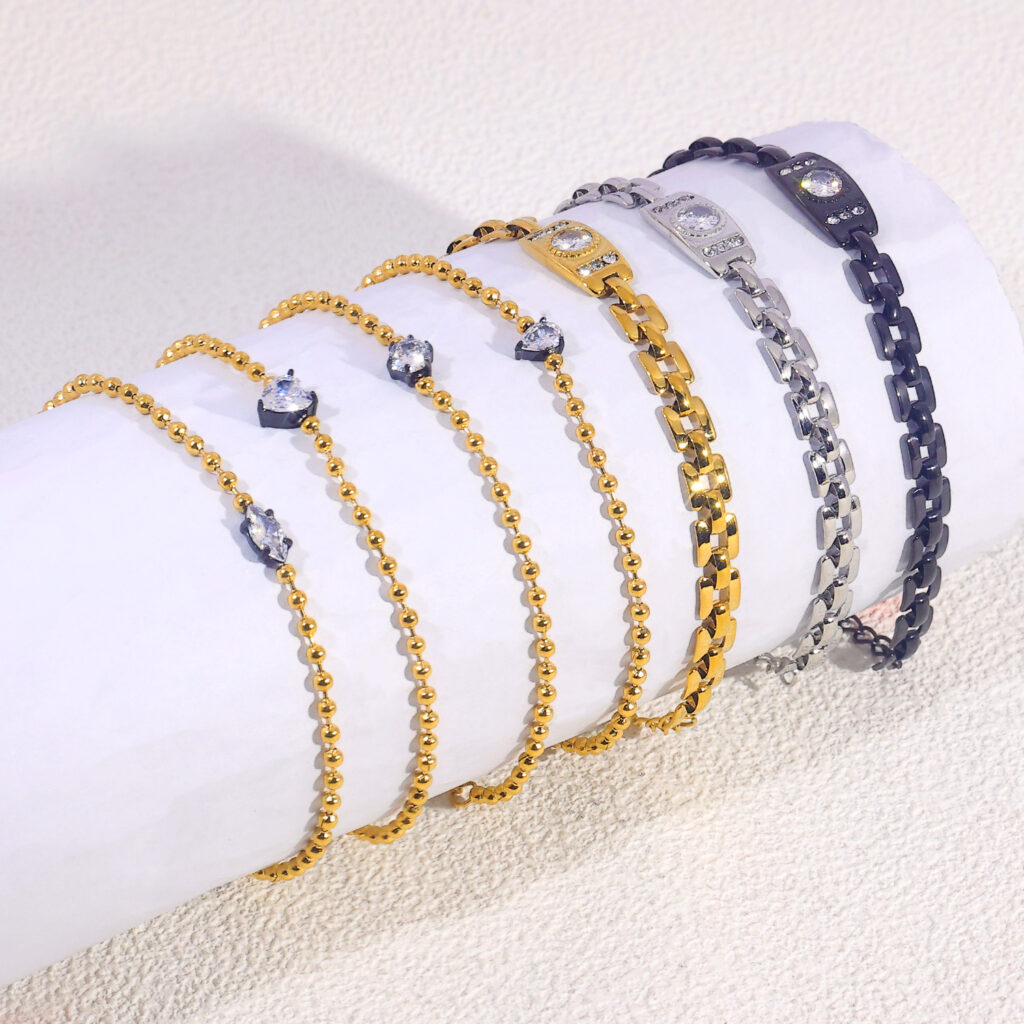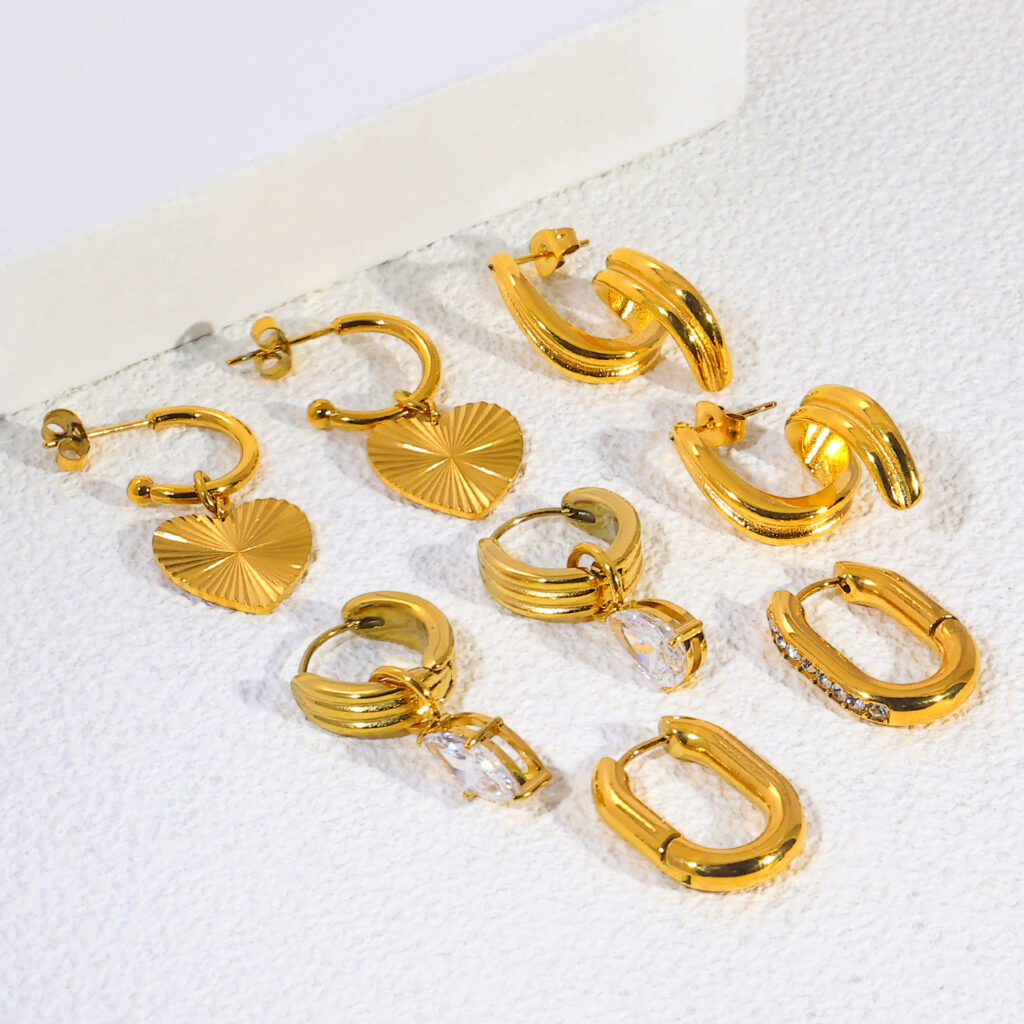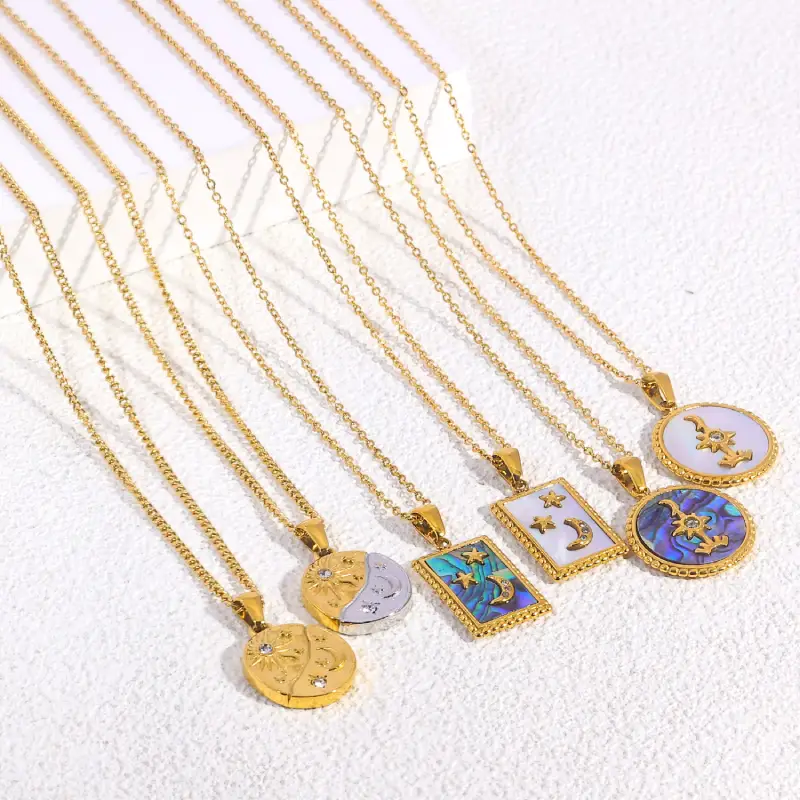
Choosing the right custom stainless steel jewelry MOQ is important for managing inventory and cash flow. Ordering too much of an untested design can tie up your budget, while ordering too little may increase unit costs or limit customization options.
This guide explains how design complexity, tooling, materials, finishes, and packaging affect MOQ. It also compares common requirements for minor customization, semi-custom orders, and fully custom production, helping you evaluate suppliers, negotiate practical terms, and plan a lower-risk first order.
What Does MOQ Mean in Jewelry Manufacturing?
MOQ isn’t arbitrary. It’s the minimum order a factory needs to cover fixed costs like molds and setup, ensuring a production run is economically viable for everyone.
Defining MOQ and Its Purpose
MOQ, or Minimum Order Quantity, is the smallest quantity a factory will accept for a production order. It helps cover fixed costs such as tooling, material preparation, machine setup, and labor. Because these costs vary by product, MOQ is usually calculated for each design or production process.
How Jewelry MOQs Are Applied
A supplier may set MOQ per design, size, color, finish, or total order. Some also use a minimum order value instead of a fixed quantity. Before comparing quotes, confirm exactly how the supplier applies its minimum and whether different variants can be combined.
What Affects MOQ?
MOQ depends on several production factors:
- Design complexity: Custom molds, detailed components, and multi-step assembly can increase the minimum.
- Materials and finishes: Specialized materials or multiple plating colors may require separate production runs.
- Production method: Casting, stamping, and automated processes are generally more efficient at higher volumes.
- Factory capacity: High-volume factories may require larger orders, while smaller manufacturers may offer more flexibility.
These factors should be reviewed together, as the same design may receive different MOQ quotes from different suppliers.
Plan Your Custom Jewelry Order
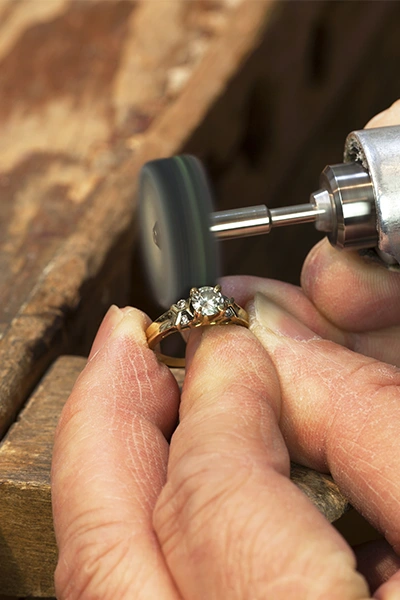
How MOQ Changes with the Customization Level
Your minimum order quantity (MOQ) directly reflects the complexity of your customization. The more unique the design, from simple engraving to a new mold, the higher it goes.
| Customization Level | Typical Changes | Illustrative MOQ | Best For |
|---|---|---|---|
| Minor Customization | Logo engraving, standard packaging, or small changes to ready-made styles | 30–100 pieces per design | Testing demand or launching with a smaller inventory |
| Semi-Custom | Changes to finishes, dimensions, colors, or branded components | 100–300 pieces per design | Brands seeking more differentiation without developing a new product from scratch |
| Fully Custom | New designs requiring custom molds, tooling, or production processes | 200–500+ pieces per design | Established brands developing exclusive products for repeat orders |
Is MOQ Set per Design or per Order?
MOQ may apply per design, variant, total order, or order value. Confirm how each supplier calculates its minimum before comparing quotes.
Per-Design vs. Per-Order MOQ Explained
The way a supplier structures their Minimum Order Quantity (MOQ) directly impacts your purchasing power and inventory risk. The distinction is simple but critical.
| MOQ Structure | How It Works | Inventory Impact |
|---|---|---|
| Per-Design MOQ | Each design must meet its own minimum quantity. | Adding more designs increases the total order quantity. |
| Per-Variant MOQ | Each color, finish, size, or material option may have a separate minimum. | Multiple variants can quickly increase inventory across SKUs. |
| Total-Order MOQ | Quantities from several eligible designs can be combined to meet an overall minimum. | Provides more flexibility to test a broader assortment. |
| Minimum Order Value | The order must reach a minimum purchase value rather than a fixed unit quantity. | Allows product mixing, but the total budget must meet the supplier’s threshold. |
Key Questions to Ask Your Supplier
Never assume. Get the terms in writing. Here are the essential questions to clarify before placing an order.
- Is your MOQ applied per design, per color/plating, or per total order value?
- Can I mix quantities across different styles to meet an overall minimum?
- Does the MOQ change for repeat orders after the initial tooling has been created?
- Can I get a written quote that clearly defines the MOQ basis and any extra charges for multiple variants?
How Colors and Sizes Affect MOQ
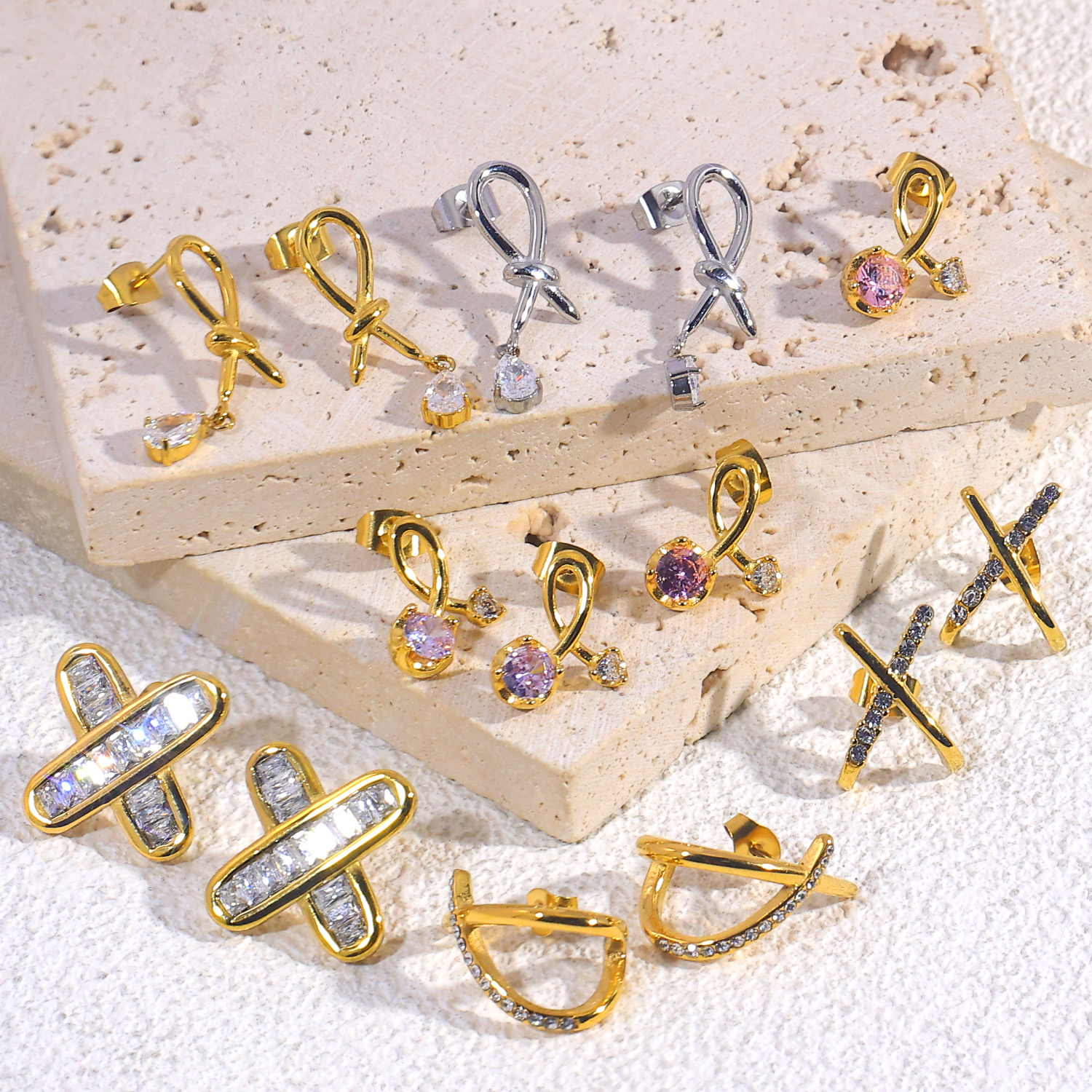
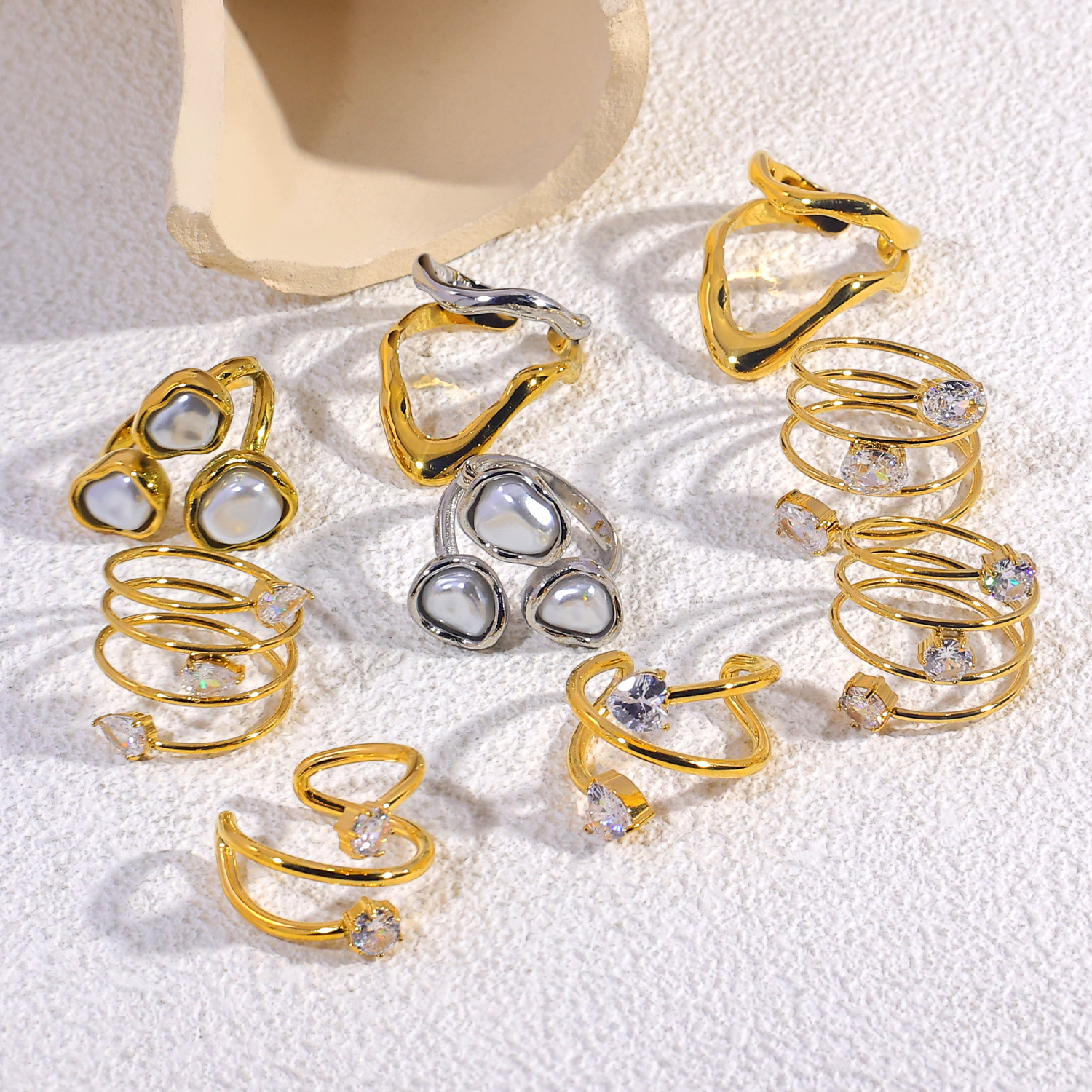
Each color and size variant often requires a separate production run. This fragments your order and multiplies the total quantity needed to meet minimums.
| Variation | Production Impact | Possible MOQ Effect | What to Confirm |
|---|---|---|---|
| Color or Finish | Each PVD color, plating finish, or custom-matched tone may require a separate finishing run. | A separate minimum may apply to each color or finish. | Whether colors can be combined and which finishes have separate minimums. |
| Size | Different sizes may require separate molds, tooling, machine settings, inspection, and packing. | The minimum may apply per size, especially for rings and fitted products. | Whether quantities can be divided across sizes and whether existing molds are available. |
| Combined SKUs | Combining colors and sizes multiplies the number of SKUs. For example, 3 colors × 6 sizes creates 18 SKUs. | If MOQ is calculated per SKU, the total order quantity can increase significantly. | Whether MOQ applies per design, per variant, per SKU, or across the total order. |
Why Packaging May Have a Separate Minimum
Packaging often has its own minimum order because it involves a separate supply chain with unique tooling, setup costs, and inventory risks from the jewelry itself.
Distinct Production and Sourcing Streams
Jewelry manufacturers commonly source branded packaging from specialist suppliers or separate production departments. As a result, packaging may have its own MOQ, lead time, and approval process. Confirm these requirements separately when comparing quotes.
Strategies for Managing Packaging MOQs
Instead of getting caught by surprise, you can plan for these separate minimums. Here are a few practical steps to take:
- Request separate line-item quotes for the jewelry, each packaging component (box, pouch, card), and final assembly labor. This gives you a clear view of the full cost structure.
- Ask if you can use the supplier’s standard, in-stock packaging for your initial order. This often lets you bypass the custom packaging minimum to test the market.
Can You Negotiate a Lower MOQ?
Yes, but it’s not about asking for a discount. Successful MOQ negotiation involves offering smart trade-offs that reduce your supplier’s financial and production risks.
Propose Strategic Trade-Offs to Reduce Supplier Risk
Once you know the cost drivers, you can propose solutions that directly address them. Instead of just asking for a lower number, you offer a different deal that still works for the factory.
- Accept a higher unit price. A supplier may accept a smaller order if the adjusted price still covers its setup costs.
- Cover the cost of tooling. If your design requires a new mold, offer to pay for it as a separate, upfront fee. This removes the factory’s need to recoup that cost through a high volume order.
- Simplify the order. Ask if using the factory’s in-stock components or reducing the number of design variations (e.g., fewer plating colors) can lower the minimum.
- Discuss payment terms. Paying tooling costs upfront or adjusting the deposit may reduce the supplier’s financial risk.
- Allow a flexible schedule. A longer production window may make it easier for the factory to accommodate a smaller order.
Plan a Lower-Risk First Order
Reduce initial risk by starting with simpler designs and small pilot runs. Your first order is a tool to validate market demand, not to maximize immediate profit.
Start with Simpler Designs and Pilot Runs
A fully custom design with new tooling can require a larger upfront commitment. Start with an approach that fits your budget and test plan. If you are deciding between modifying an existing style and developing a new product, compare OEM and ODM jewelry manufacturing before choosing a production model.
- Choose existing styles from the supplier’s catalog (ODM) or suggest minor modifications to avoid new mold fees.
- Ask whether the supplier offers paid samples or a pilot run before you commit to a larger production order.
- Select designs with fewer parts and standard findings, as this simplifies the manufacturing and assembly process.
- Limit the number of finishes or colors in your launch collection. This helps consolidate SKUs and makes it easier to meet MOQ thresholds per design.
Define Critical Specifications Upfront
Vague specifications can lead to production errors and products that do not meet expectations. Clear written requirements, approved samples, and inspection criteria can help reduce defective jewelry orders before they affect the full batch.
- Confirm the exact stainless steel grade, such as 304 or 316L, in writing. This directly impacts durability, corrosion resistance, and cost.
- Specify the finishing method, like PVD coating, to set clear expectations for color longevity and wear resistance.
- Finalize all packaging details. Your first order should accurately reflect your complete merchandising and fulfillment process.
- Confirm which material restrictions, test reports, declarations, or warning requirements apply to the product in each target market.
Frequently Asked Questions
What does MOQ mean in custom jewelry?
MOQ stands for Minimum Order Quantity. It is the smallest number of pieces a manufacturer will produce for a specific design in a single order. This policy ensures that production is financially viable by covering fixed costs like tooling, materials, and labor setup.
What is a typical MOQ for custom stainless steel jewelry?
MOQ depends on the design and level of customization. Minor customization may start at 30–100 pieces per design, semi-custom orders may require 100–300 pieces, and fully custom designs often begin at 200–500 pieces or more.
Why do jewelry manufacturers have an MOQ?
Manufacturers use MOQs to cover the fixed costs of each production run, which are the same for small and large orders. These costs include creating molds, configuring machinery, sourcing raw materials, and allocating skilled labor. An MOQ ensures the cost per unit remains reasonable and the production run is profitable.
Can I negotiate the MOQ with a supplier?
Yes, MOQ is often negotiable. Suppliers may agree to a lower quantity if you accept a higher price per unit, pay for tooling costs upfront, simplify the design, or commit to a larger volume on future orders. Building a good relationship can also lead to more flexibility.
What is considered a low MOQ for stainless steel jewelry?
A low MOQ generally means a smaller production minimum than the supplier normally requires. The actual quantity depends on the design, finish, materials, and whether existing components can be used.
Final Thoughts
A lower MOQ can reduce inventory risk, but it should not come at the expense of material quality, finish, or production consistency. Before choosing a supplier, confirm how the MOQ is calculated and whether it applies per design, color, size, or total order.
Start with samples to review the finish, construction, and overall quality before moving into production. Contact our team to discuss your designs, target quantity, and OEM requirements for your first order.