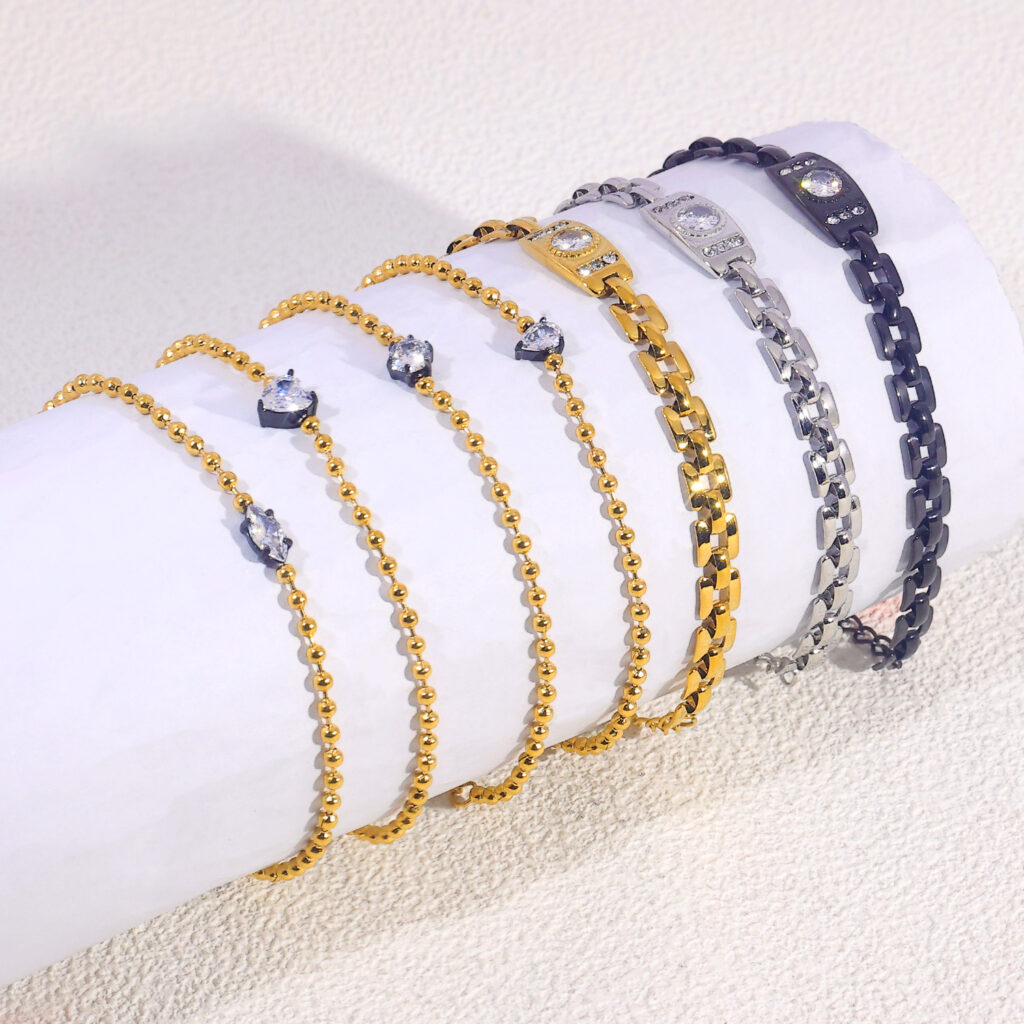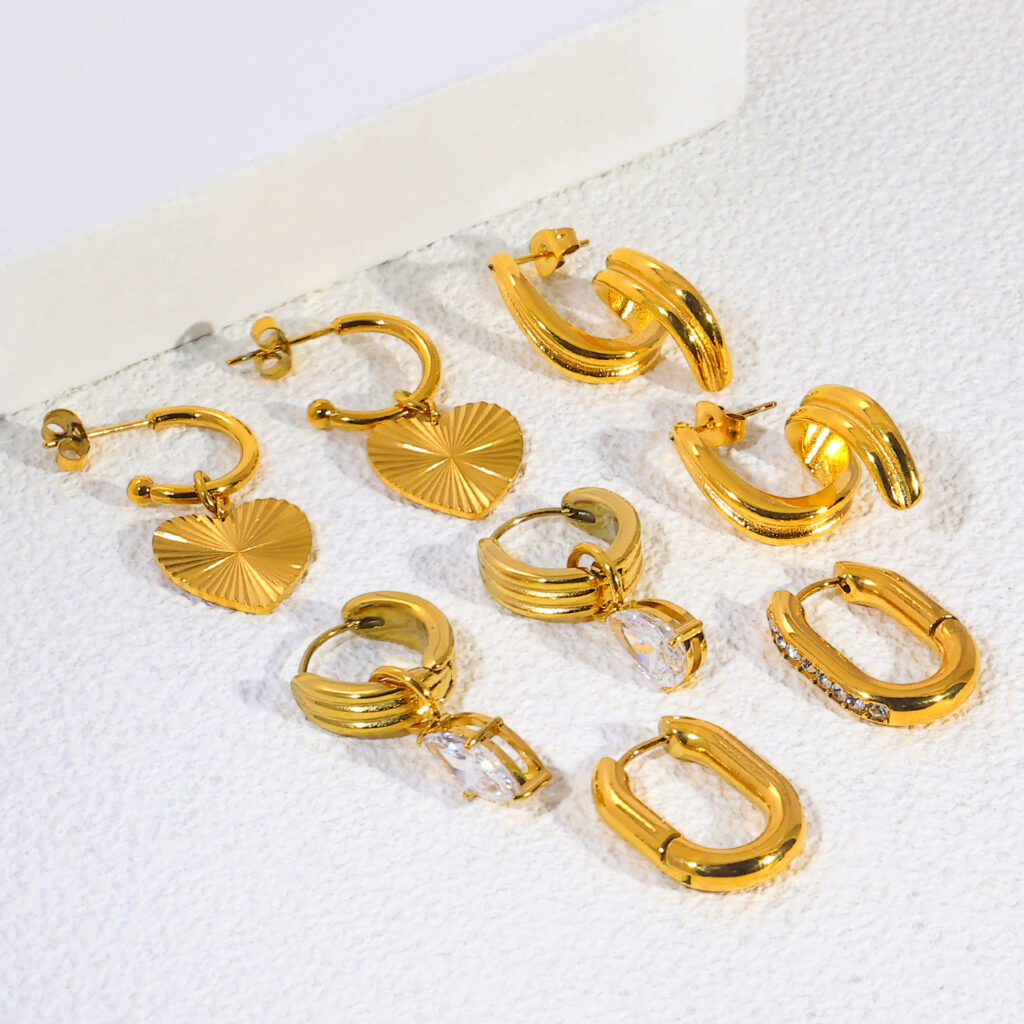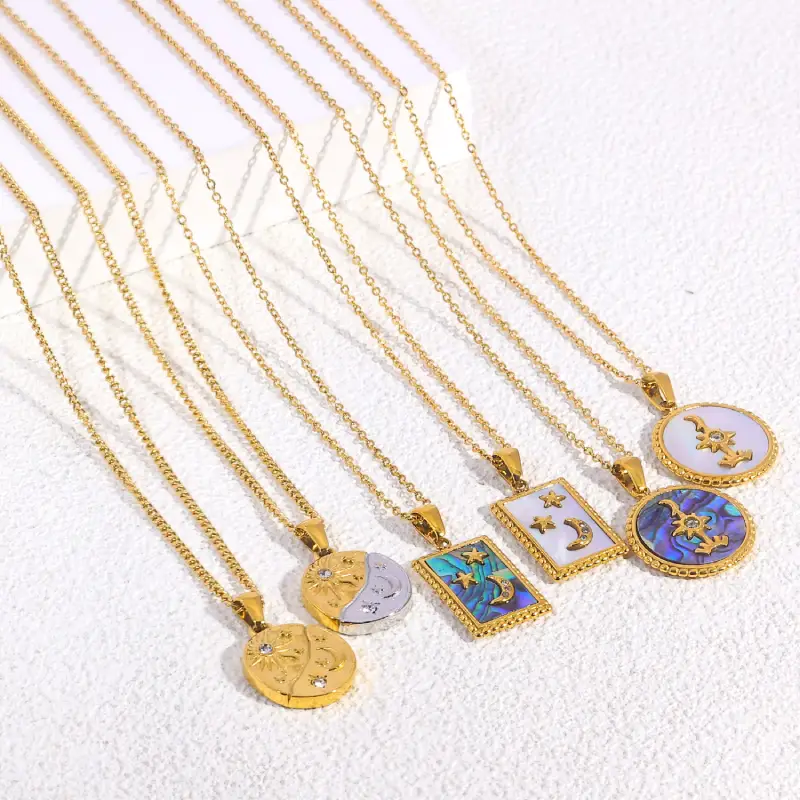
La ejecución del proceso de fabricación de joyas PVD impacta directamente la reputación y los márgenes de beneficio de su marca.. La calidad inconsistente genera altos reclamos de garantía y mayores costos de producción., erosionando la rentabilidad y la confianza del cliente.
Detallamos los pasos precisos para lograr repetibles, acabados de alto rendimiento. Esto cubre especificaciones críticas para la preparación del sustrato., espesor de recubrimiento uniforme (0.1–1,0 micras), y adherencia robusta, garantizar que cada pieza cumpla con rigurosos estándares de calidad.
Descripción general del proceso de fabricación de joyas con PVD
La fabricación de joyas con PVD es duradera, Recubrimientos decorativos mediante deposición precisa al vacío.. cada paso, desde el diseño inicial hasta el control de calidad final, asegura repetibilidad, acabados de alto rendimiento.
Preparación y etapas iniciales para el recubrimiento PVD.
La fabricación de joyas con PVD comienza mucho antes del recubrimiento. Comienza con el diseño., pasa a la fabricación cuidadosa de la pieza base, y luego procede a través de una rigurosa preparación de la superficie. Estos pasos iniciales son críticos porque el recubrimiento PVD en sí es muy delgado y replica la calidad de la superficie subyacente..
El diseño y la fabricación establecen la geometría y la calidad de la superficie de la pieza de joyería.. Los diseñadores utilizan software CAD para crear modelos 3D. Esto garantiza que la pieza esté lista para producción para fundición o mecanizado.. También consideran la compatibilidad con PVD., Diseño de superficies accesibles al flujo de vapor durante el recubrimiento.. Cualquier defecto en el diseño o molde., como superficies rugosas o errores dimensionales, mostrar a través de la capa final de PVD.
Para fabricación de metales básicos, Los joyeros utilizan métodos estándar como la fundición., estampado, o mecanizado CNC. La fundición a la cera perdida es común para diseños intrincados.. Metales como el acero inoxidable 316L o el titanio forman la base.. PVD necesita una superficie metálica limpia para adherirse bien. Las piezas fundidas deben ser precisas y estructuralmente sólidas.. PVD no corrige defectos como porosidad o acabado superficial deficiente.. Después de fundir o formar, Las piezas se desbarban y pulen hasta obtener su brillo o textura final., ya que la capa de PVD reflejará este acabado.
La preparación de la superficie es un paso obligatorio previo al PVD, posiblemente el más crítico para recubrimientos duraderos. Este proceso elimina los aceites., grasas, compuestos de pulido, y otros contaminantes. Cualquier residuo compromete la adhesión.. La secuencia típica implica:
- Predesengrasado: La limpieza por aspersión o los baños con solventes eliminan los aceites a granel y las pastas de pulido pesadas..
- Limpieza por inmersión: Baños ultrasónicos con soluciones alcalinas. (a menudo 60–70 °C) desalojar partículas finas de áreas intrincadas.
- Enjuague de varias etapas: Los enjuagues con agua desionizada previenen manchas minerales o contaminación iónica.
- El secado: Aire caliente, secado al vacío, o el secado en horno limpio garantiza piezas completamente secas para evitar la desgasificación en la cámara de vacío.
Antes de cargar en el sistema PVD, Los operadores montan las joyas en bastidores o soportes especializados.. Estos accesorios sujetan las piezas de forma segura y exponen todas las superficies críticas al vapor.. La inspección manual garantiza que no queden defectos residuales en la superficie, como rayones o picaduras.. Luego, las piezas pasan a la cámara de vacío.. Dentro de la cámara, un paso final de grabado con plasma o limpieza de iones elimina las últimas capas atómicas de contaminación y óxidos nativos, Activando la superficie para una unión óptima..
Deposición de PVD, Refinamiento, y Control de Calidad
Una vez que las joyas estén limpias y colocadas, El proceso de recubrimiento PVD real comienza en una cámara de vacío sellada.. La cámara se bombea hasta un alto vacío. (normalmente de 10⁻³ a 10⁻⁵ Pa) para evitar que las moléculas de aire interfieran con la deposición. Esto crea la delgada, denso, y película metálica o cerámica duradera. Se utilizan dos tecnologías PVD principales en joyería.:
- Pulverización con magnetrón: Los iones bombardean un metal objetivo. (como titanio o circonio), expulsando átomos que se condensan en la superficie de la joyería. Esto ofrece un control preciso del espesor y un color uniforme., formando nitruros como el nitruro de titanio (Estaño) para acabados dorados.
- Deposición de arco catódico: Un arco eléctrico sobre el objetivo vaporiza el metal hasta convertirlo en un plasma altamente ionizado.. Esto produce iones muy energéticos., conduciendo a un vínculo agresivo, alta adherencia, y dureza, A menudo se utiliza para revestimientos decorativos resistentes..
Los materiales de revestimiento incluyen titanio., circonio, cromo, o oro puro. Los gases reactivos como el nitrógeno o los gases que contienen carbono forman nitruros o carburos., creando colores como el oro, oro rosa, negro, o bronce. Espesor de la película, a menudo submicrónica a unas pocas micras, está controlado con precisión por el tiempo de deposición, fuerza, y flujo de gas. La joyería suele utilizar temperaturas de sustrato moderadas. (150–350°C) para evitar daños a los componentes.
Después de la deposición, la cámara se ventila lentamente, y las piezas se enfrían en condiciones controladas para evitar golpes o microfisuras.. Los trabajadores descargan las piezas con cuidado utilizando herramientas suaves y guantes para evitar dañar el revestimiento fresco.. Las piezas se segregan por SKU y lote para su trazabilidad..
El control de calidad del color y el acabado de la superficie es fundamental. Los equipos de control de calidad comparan visualmente muestras de producción con estándares de color aprobados bajo iluminación controlada.. Para piezas de alta gama, Los colorímetros o espectrofotómetros cuantifican los valores de color. (Laboratorio*). Los factores clave que afectan el color son el material objetivo., mezcla de gases reactivos, espesor del recubrimiento, y reflectividad del sustrato. Defectos como rayones, poros, manchas, o la falta de uniformidad del color se comprueban visual y microscópicamente.
Prueba de adherencia (pruebas de rayado, Pruebas de indentación de Rockwell) asegura que el recubrimiento se adhiera fuertemente al sustrato. El espesor se verifica de forma no destructiva con fluorescencia de rayos X. (XRF) o destructivamente mediante calotest en muestras. Pruebas de dureza (Microdureza Vickers) Confirmar que el recubrimiento cumple con los objetivos de resistencia al rayado.. Tener puesto, corrosión, y pruebas de resistencia ambiental (p.ej., simulaciones de niebla salina) Asegúrese de que las joyas funcionen en condiciones del mundo real.. Las marcas también verifican la composición del metal para verificar el cumplimiento normativo y la liberación de níquel., especialmente para afirmaciones hipoalergénicas.
El acabado final de la superficie puede implicar un ligero pulido para refinar el brillo., evitando cuidadosamente la eliminación de espesores significativos de recubrimiento. El objetivo es corregir pequeñas inconsistencias sin comprometer la duradera capa de PVD.. Luego, las joyas se someten a una limpieza final para eliminar el polvo y los residuos del pulido antes del embalaje.. Este enfoque sistemático garantiza que el producto final cumpla con los estándares de calidad tanto estéticos como funcionales..
Paso 1: Diseño de joyería y desarrollo de moldes.
Esta etapa inicial marca la geometría y la calidad de la joyería., construir una pieza lista para producción para lograr, revestimiento PVD de alta calidad.
El flujo de trabajo de diseño y creación de moldes
Cada pieza de joyería comienza como una idea.. Los diseñadores toman estos conceptos y esbozan proporciones., estilo, y características.
Ese boceto luego se convierte en un modelo digital 3D utilizando software CAD.. Aquí, dimensiones, simetría, y los detalles funcionales, como los asientos de piedra o los cierres, se refinan antes de que comience la creación de prototipos físicos..
Una vez que el modelo CAD es sólido, Creamos un prototipo físico.. Esto está impreso en 3D o mecanizado por CNC.. Este prototipo se convierte en el modelo maestro para la fabricación de moldes..
De ese maestro, hacemos moldes de caucho o silicona. Estos moldes son clave para la producción en masa, dejándonos inyectar cera repetidamente. Para fundición, Estos patrones de cera crean los moldes de fundición reales.. El molde captura detalles finos y garantiza reproducciones idénticas..
En esta etapa de diseño, controlamos las dimensiones, tolerancias, y detalles de superficie como grabados. También nos aseguramos de que el diseño sea realmente fabricable con nuestras herramientas y métodos de fundición.. Esto garantiza la coherencia en todas las tiradas de producción..
Lograr calidad y preparación para PVD
PVD es un recubrimiento de superficie. El aspecto final depende enteramente de la calidad de la pieza base.. Cualquier defecto del diseño o molde., como puntos ásperos o bordes malos, aparecerá después del recubrimiento. Las capas de PVD son delgadas y se unen molecularmente, entonces la base necesita estar limpia, preciso, y tener un acabado de alta calidad antes del recubrimiento.. Las decisiones de diseño que se toman ahora afectan todo lo que se encuentra en el proceso posterior: el pulido, engaste de piedra, y qué tan uniforme es el recubrimiento.
Al diseñar piezas con mucho detalle, Simplificamos geometrías para mejorar el desmolde y la confiabilidad de la fundición.. También planificamos el espesor de la pared y la resistencia estructural con anticipación para evitar la distorsión de la fundición.. Es importante tener en cuenta el acabado de la superficie porque el pulido elimina el material antes del PVD.. Para pedidos repetidos, Confiamos en moldes duraderos de un modelo maestro verificado para mantener la consistencia. Los proyectos personalizados siempre comienzan con NDA, charlas conceptuales, trabajo CAD, Y aprobación de muestras antes de finalizar los moldes de producción..
Nuestro objetivo es:
- Proporciones y ajuste precisos
- Retención de detalles finos en el maestro y el molde.
- Liso, Superficies sin defectos aptas para posterior pulido y revestimiento PVD.
- Coherencia entre reproducciones repetidas.
- Fabricabilidad sin excesivo posprocesamiento
Aumente sus márgenes con Durable, Joyería personalizada
Paso 2: Fundición y conformado de metales
La fundición y el conformado de metales dan forma a la joyería base para el recubrimiento PVD. este proceso, a menudo fundición a la cera perdida, debe garantizar precisión, Piezas libres de defectos para una correcta adhesión del PVD y un buen aspecto final..
Técnicas clave de fundición y conformado para sustratos de joyería
- La fundición y el conformado de metal crean una pieza metálica física en bruto o un componente fundido terminado que luego recibirá un recubrimiento PVD..
- El método de joyería más común es la fundición a la cera perdida., comenzando con un modelo de cera hecho a mano o mediante impresión 3D.
- El modelo de cera está revestido de un material resistente al calor., que se endurece a su alrededor para crear una cavidad de molde.
- Calentar el matraz derrite y evapora la cera., dejando una cavidad hueca con la forma del diseño de joyería.
- Luego, el metal fundido se vierte en el molde para llenar la cavidad., solidificándose en la forma prevista.
- Los metales fundidos comunes incluyen el oro., plata, y platino, también acero inoxidable y titanio para revestimientos PVD duraderos.
- La secuencia principal del proceso implica la creación del modelo., arbolado / podado, invertir, agotamiento, fusión de metales, torrencial, enfriamiento, y desvestir/limpiar.
- La fabricación de joyas también utiliza métodos de conformado como el procesamiento de láminas y alambres., estampado, y colada continua.
- Estos métodos de formación se utilizan cuando los productos no están completamente fundidos., o al combinar elementos moldeados y moldeados.
- El equipo incluye matraces., material de inversión, crisoles, antorchas o calentadores de inducción, y máquinas de fundición centrífugas o al vacío.
Garantizar la calidad del sustrato para una adhesión óptima de PVD
- La etapa de fundición/formación produce el sustrato base para el recubrimiento PVD.. A menudo utilizamos acero inoxidable 316L o titanio debido a la buena unión PVD..
- La pieza fundida debe ser dimensionalmente precisa y estructuralmente sólida.. PVD añade sólo una fina capa, no corrige los defectos subyacentes.
- La fundición también replica eficientemente diseños detallados de joyería para la producción en masa..
- Los factores de calidad críticos incluyen un molde completamente formado, libre de grietas o huecos.. Esto garantiza una reproducción precisa de la geometría..
- Mezcla adecuada de inversiones, mezcla al vacío, curación, y secado (al menos 1 o 2 horas) son esenciales para la integridad del molde.
- La superficie fundida debe estar limpia y refinada antes del recubrimiento.. Los acabados finos de PVD revelan imperfecciones superficiales.
- El espesor uniforme de la pared y el buen flujo del metal ayudan a prevenir defectos como errores de ejecución., porosidad de contracción, y llenado incompleto.
- Defectos típicos (porosidad, relleno incompleto, rugosidad de la superficie, residuo de inversión, distorsión dimensional) puede comprometer la confiabilidad y apariencia del PVD.
- Los recubrimientos PVD son extremadamente delgados (0.1 a 1.0 micras para aplicaciones decorativas). Siguen la superficie del sustrato., no enmascarar defectos.
- La preparación del sustrato influye directamente en la apariencia y durabilidad finales.. PVD une una película dura a una superficie metálica limpia en el vacío.
- La mala calidad de la fundición aumenta el tiempo de pulido, tasas de rechazo, y fallas en el recubrimiento, como problemas de adhesión..
- después del casting, las partes crudas están separadas, archivado, limpiado, y pulido antes de la aplicación de PVD.
- La limpieza ultrasónica y el secado al vacío son estándar para eliminar contaminantes antes de cargar joyas en la cámara de PVD..
- Los sustratos relevantes para PVD, como el acero inoxidable 316L y el titanio, ofrecen durabilidad y resistencia a la corrosión.. Oro, plata, y el platino también requieren limpieza, superficies compatibles.
- La fundición y el conformado establecen la precisión geométrica, suavidad de la superficie, resistencia estructural, potencial de adhesión del recubrimiento, y la calidad visual final de las joyas PVD.
Paso 3: Pulido y preparación de superficies
El pulido y la preparación de la superficie son pasos cruciales antes del recubrimiento PVD. Crean una libre de defectos., superficie limpia, asegurando una unión uniforme, calidad estetica, y durabilidad del recubrimiento.
Preparación y texturizado de superficies mecánicas
El pulido mecánico y el desbarbado crean un control, liso, y superficie metálica visualmente uniforme. Esto elimina las microrebabas y las marcas de mecanizado que se verían a través de la fina película de PVD..
- El desbarbado y el refinamiento de bordes elimina los bordes afilados y las microrebabas mediante limas., abrasivos, o medios vibratorios/giratorios. Esto evita puntos de concentración de tensiones que inician la falla del recubrimiento en los bordes..
- cayendo (acabado en masa) alisa las superficies rápidamente para artículos pequeños o de gran volumen, como anillos, encantos, o cadenas. Los medios cerámicos proporcionan un desbarbado agresivo, y los medios de acero pulen la superficie. Esto estandariza la rugosidad de la superficie en todos los lotes., lo que mejora la reproducibilidad del recubrimiento.
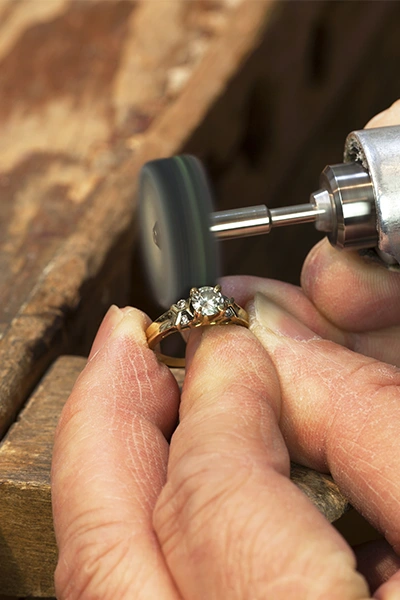
- El pulido manual utiliza ruedas pulidoras., cepillos, fieltros, y compuestos abrasivos para refinar superficies. Es necesario para grandes, Superficies visibles y geometrías complejas donde las caídas no pueden alcanzar.. Los compuestos más gruesos eliminan los rayones, y el fino colorete da el brillo final.
- El pulido mecánico hasta obtener un acabado de espejo logra una apariencia de espejo de grado industrial en acero inoxidable u otros sustratos cuando se necesita un acabado PVD de alto brillo.. Esto determina directamente el nivel de lujo percibido y la claridad de reflexión después del recubrimiento..
Rugosidad de la superficie (Real academia de bellas artes) El ajuste mediante pulido define tanto la adhesión como la apariencia óptica.. Una capa de PVD es delgada, normalmente entre 0,1 y 1,0 µm, y replica la microtextura existente.. Los estándares de pulido consistentes en todas las series de producción garantizan una estabilidad, tono de color repetible y calidad visual después de PVD.
El arenado y la ingeniería de texturas acondicionan la superficie. Esto elimina óxidos o contaminantes., crear microrugosidades estandarizadas o texturas decorativas cuando se desee.
- Chorro seco y chorreado húmedo (estiércol líquido) Se utilizan dependiendo de la geometría y el material de la pieza.. La granalla automática procesa grandes volúmenes de manera uniforme, mientras que la voladura manual maneja áreas selectivas o formas complejas.
- Los fines del pulido con chorro de arena incluyen la limpieza de superficies., refinamiento de bordes, homogeneización de superficies, y acabados decorativos. Crea texturas mate o satinadas selladas bajo PVD., Por ejemplo, un bisel arruinado con bordes pulidos.
- Después de quitar revestimientos viejos, El pulido con chorro de arena y el repulido restauran una superficie controlada antes de volver a recubrir.
El chorro de arena mejora el enclavamiento mecánico y la energía superficial., especialmente en sustratos corroídos u oxidados. Reduce los puntos finos o las áreas de adhesión débil eliminando capas superficiales inestables.. El pulido con chorro de arena define el carácter visual final cuando se especifica un acabado mate o granallado para el producto de joyería..
Para PVD decorativo de alta gama en joyería, La preparación de la superficie a menudo sigue una secuencia de varias etapas.. Esta combinación da como resultado una suave, libre de contaminación, Superficie de alta energía que soporta una fuerte adhesión de PVD y una limpieza, estética de alta definición.
Limpieza de precisión y mejora de la adherencia
Después del refinamiento mecánico, La limpieza profunda y la activación de la superficie son fundamentales.. Esto elimina los contaminantes invisibles y prepara la superficie para la deposición al vacío..
- Ultrasónico (cavitación) La limpieza utiliza ondas sonoras de alta frecuencia.. Estos crean burbujas microscópicas que colapsan., fregando la superficie. Esto llega hasta los grabados., asientos de punta, y rincones internos donde la limpieza manual es ineficaz.
- Los baños de detergente alcalino utilizan soluciones alcalinas calentadas., a menudo 60–70 °C, descomponer los aceites, pastas de pulir, y residuos orgánicos. el tiempo, temperatura, química, y la agitación garantizan un desengrasado completo.
- Enjuague en desionizado (DE) El agua utiliza agua de alta pureza para eliminar los residuos químicos.. Esto evita manchas minerales o contaminación iónica que podrían interferir con el crecimiento del recubrimiento..
- La limpieza por aspersión y los baños de varias etapas eliminan las partículas sueltas mecánicamente mientras los productos químicos disuelven los residuos..
- El secado y la precocción al vacío garantizan un secado completo. Esto evita que el agua o los disolventes se desgasifiquen en la cámara de vacío., evitando picaduras o ampollas.
Los sustratos pueden sufrir grabado con plasma o limpieza con iones dentro de la cámara de PVD.. Una descarga incandescente de argón elimina las últimas capas atómicas de contaminación y óxidos nativos.. Esto activa la superficie para una mejor nucleación y unión de la película PVD..
La preparación de la superficie también incluye prácticas que mantienen el estado pulido y limpio hasta el recubrimiento..
- La fijación y la carga de estantes montan joyas en plantillas especializadas.. Estas piezas aseguran sin rayar y exponen todas las superficies críticas de manera uniforme al vapor.. Los puntos de contacto se minimizan y se colocan en áreas menos visibles..
- El manejo del entorno controlado minimiza la recontaminación. Las piezas pasan directamente del secado al trasiego y a la evacuación al vacío, manipulado con guantes o herramientas.
- La inspección manual antes del recubrimiento implica una 100% control visual. Esto identifica defectos superficiales residuales como rayones., hoyos, o pulido incompleto magnificado por PVD. Las piezas defectuosas se vuelven a pulir o limpiar nuevamente..
Los fabricantes estandarizan y monitorean la preparación de la superficie utilizando criterios cuantificables para garantizar un rendimiento PVD repetible..
- Objetivos de rugosidad y textura de la superficie (espejo, satín, maldito) se especifican por SKU. La perfilometría o los estándares comparativos miden estos.
- El nivel de limpieza significa que no hay residuos visibles., manchas de agua, o restos de compuestos después de la limpieza. Las líneas PVD de alta gama utilizan métodos de validación periódica como la medición del ángulo de contacto.
- Las tasas de defectos y los bucles de retrabajo rastrean los rechazos de revestimiento previo para detectar defectos de pulido. Esto permite realizar ajustes en el proceso en los ciclos de volteo., compuestos de pulido, o parámetros de limpieza para reducir los rechazos.
Los revestimientos decorativos PVD son finos., Por eso el acabado del soporte es visualmente decisivo..
- Los sustratos pulidos como espejo crean un alto brillo, Acabados PVD de alta reflectividad.. Cualquier raya submicrónica se vuelve visible, Por eso la calidad del pulido debe cumplir con los estándares de lujo..
- Los acabados satinados o cepillados se crean mecánicamente antes del recubrimiento.. PVD simplemente colorea y protege esta textura existente.
- Los acabados mate o arenados definen una microtextura mate uniforme. PVD añade color y resistencia al desgaste al tiempo que preserva la reflexión difusa.
- Los acabados mixtos combinan zonas pulidas y granalladas en una misma pieza.. La preparación de la superficie se enmascara y secuencia cuidadosamente para cada área antes del recubrimiento global de PVD..
Los pasos de preparación de la superficie se adaptan para la restauración o el recubrimiento de joyas de PVD para tener en cuenta los recubrimientos y el desgaste existentes..
- Para quitar revestimientos PVD viejos se utilizan procesos químicos o electroquímicos.. Esto elimina la película existente preservando el sustrato.. El pulido y el chorro de arena posteriores al decapado restauran una superficie controlada.
- Volver a pulir las piezas desgastadas puede restaurar una apariencia uniforme sin quitar el recubrimiento, utilizando una cuidadosa selección de herramientas.
- Para volver a recubrir, el sustrato vuelve a una condición controlada. el mismo pulido, limpieza, y las normas de fijación se aplican como para la nueva producción..
Para producir joyas recubiertas de PVD de alta calidad., líneas de fabricación estandarizan el paso 3 con mejores prácticas específicas. Esto incluye el acabado mecánico de varias etapas., chorro de arena dirigido, pulido fino, electropulido, y limpieza profunda en varias etapas. Los fabricantes también utilizan un manejo limpio., fijación precisa, y 100% inspección previa al recubrimiento. Controlan y documentan los parámetros de preparación de la superficie para garantizar una alta reproducibilidad en la adhesión., color, y calidad visual en todos los lotes de producción.
Paso 4: Limpieza antes del recubrimiento PVD
Es fundamental una limpieza exhaustiva antes del PVD. Elimina contaminantes como aceites y compuestos., asegurando la máxima adherencia y una ausencia de defectos., acabado duradero en joyería.
El papel fundamental y los requisitos previos de la limpieza de joyas con PVD
La limpieza es el paso previo al PVD más crítico para lograr una fuerte, revestimientos duraderos.
Los objetivos principales incluyen eliminar los aceites., grasas, compuestos de pulido, y asegurando la máxima adherencia con un acabado uniforme.
Una limpieza deficiente provoca defectos en el revestimiento, como formación de ampollas., peladura, poros, y la inconsistencia del color, que aumentan los costos.
Los sustratos de joyería suelen tener ceras de pulido., fluidos de corte, óxido, o abrasivos incrustados de fabricación anterior.
Todas las rebabas deben eliminarse antes de limpiar.. Cualquier rebaba restante provocará fallas en el recubrimiento si se elimina posteriormente..
Eliminación completa de ambos orgánicos. (aceites, huellas dactilares) e inorgánico (óxidos, polvo) Los contaminantes son esenciales..
No deben quedar restos de aceites protectores ni tratamientos previos superficiales incompatibles en las piezas..
Logre una limpieza uniforme en geometrías de joyería complejas, incluyendo recesos, agujeros, y socavados.
Evite los compuestos de pulido a base de silicona. Sus residuos interfieren fuertemente con la adhesión del PVD..
El granallado necesita un control cuidadoso. Evite las cuentas de vidrio de arriba 30 psi, y eliminar todos los medios.
El esmerilado y desbarbado adecuados previenen las grietas por tensión en la superficie y garantizan una eliminación completa de las rebabas..
Implementación de secuencias de limpieza y control de calidad eficaces
Los procesos de limpieza incluyen configuraciones de una sola estación para mayor flexibilidad y líneas de múltiples estaciones para producción en masa..
Una secuencia de limpieza del núcleo implica un desengrasado previo., inmersión con ultrasonidos, enjuagues múltiples, y secado final.
El desengrasado previo elimina los contaminantes a granel mediante limpieza en aerosol con detergentes o toallitas solventes..
La limpieza por inmersión utiliza alcalinos., neutral, o soluciones ligeramente ácidas con agitación ultrasónica para eliminar residuos rebeldes.
Los enjuagues múltiples con agua desionizada eliminan los detergentes., contaminantes disueltos, y prevenir manchas minerales.
La preparación final de la superficie puede incluir inmersiones ácidas suaves para eliminar el óxido o una limpieza mecánica muy fina..
Los métodos de secado como el aire caliente o el vacío garantizan piezas completamente secas.. Esto evita manchas de agua y desgasificación en la cámara de PVD..
La manipulación posterior a la limpieza requiere guantes y accesorios limpios para minimizar los puntos de contacto y exponer todas las superficies..
Los enfoques químicos utilizan estos:
- Soluciones alcalinas: Para aceites.
- Soluciones ácidas: Para óxidos.
- Solventes orgánicos: Para un desengrasado intenso.
Los controles de proceso implican la estandarización de recetas de limpieza. (química, temperatura, tiempo) para cada aleación de joyería.
El control regular del baño comprueba el pH., conductividad, y carga contaminante de soluciones de limpieza y enjuagues.
El control de calidad incluye inspección visual con aumento y pruebas de rotura de agua para la limpieza de la superficie..
Una limpieza eficaz evita la desgasificación en la cámara de vacío, asegura una fuerte adherencia, color consistente, y repetibilidad del proceso.
Las consideraciones especiales incluyen la adaptación de la limpieza a geometrías complejas., manipulación de materiales mixtos (p.ej., juntas de soldadura), y diferentes escalas de producción.
Una limpieza rigurosa contribuye directamente a que el color PVD sea más duradero, brillo, y mayor resistencia al desgaste. Esto mejora la experiencia del cliente..
Paso 5: Proceso de recubrimiento PVD al vacío
Paso 5 bonos delgados, Películas metálicas o cerámicas duraderas sobre joyas al vacío., creando terminado, piezas funcionales con color realzado, brillo, tener puesto, y resistencia a la corrosión.
Fundamentos del recubrimiento PVD al vacío para joyería
En este paso se aplica una fina, denso, y película metálica o cerámica duradera sobre superficies de joyería. Su objetivo principal es realzar el color., brillo, resistencia al desgaste, y resistencia a la corrosión. Esta etapa transforma los prelimpiados., joyería fijada en acabado, decorativo, y piezas funcionales con propiedades superficiales duraderas.
Las joyas van en un recipiente sellado., cámara de vacío hermética. Esta configuración elimina las moléculas de aire., evitando interferencias durante el recubrimiento. PVD utiliza un rango de alto vacío, normalmente de 10⁻³ a 10⁻⁵ Pa para pulverización catódica con magnetrón en aplicaciones decorativas. La cámara bombea hasta la presión objetivo mediante bombas de vacío.. Las joyas también pueden precalentarse a temperaturas controladas.. También se somete a limpieza o activación con plasma en la cámara para mejorar la adhesión y la calidad de la película..
Los procesos PVD para joyería vaporizan materiales de recubrimiento sólidos y los depositan como películas delgadas. Estos suelen incluir materiales metálicos y cerámicos.. Metales básicos como el titanio. (De), Circonio (zr), y cromo (CR) son comunes. A veces se utiliza oro puro o aleaciones de oro.. Gases reactivos como el nitrógeno., gases que contienen carbono (acetileno), y el oxígeno forman nitruros (Estaño, ZrN) para oro/amarillo, negro, o tonos champagne. También forman carburos. (Tic) para gris oscuro/negro y alta dureza. Esto crea una gama de colores que incluye el oro., oro rosa, champán, negro, bronce, y otros tonos de diseñador, dependiendo de las proporciones de gas y combinaciones de aleaciones.
Ejecución y Evaluación de la Etapa de Recubrimiento PVD
El proceso de recubrimiento PVD al vacío sigue una secuencia precisa. Primero, La cámara logra y estabiliza el alto vacío objetivo.. Entonces, Los gases de proceso y el plasma se encienden utilizando voltaje o corriente aplicados.. Próximo, el material objetivo se vaporiza mediante pulverización catódica, revestimiento de iones de arco múltiple, o evaporación térmica. Los átomos o iones vaporizados se mueven a través del vacío., condensarse sobre la superficie de la joyería para formar una fina, capa uniforme. Los accesorios de joyería y los sistemas de rotación garantizan una cobertura uniforme. El espesor y la composición de la película están controlados por el tiempo de deposición., fuerza, actual, composición del gas, flujo de gas, polarización del sustrato, y temperatura. El recubrimiento crece desde una capa de nucleación hasta convertirse en una película continua.. Los recubrimientos multicapa se aplican en un ciclo.. Finalmente, el poder disminuye, y la presión de la cámara vuelve a condiciones casi atmosféricas.
Los recubrimientos PVD al vacío en joyería suelen mostrar características técnicas específicas. El espesor de la película es muy delgado., típicamente submicrónicos a unos pocos micrones. Este espesor protege el color y la superficie con un cambio dimensional mínimo.. La uniformidad del espesor a menudo apunta a menos de 5% variación para trabajos decorativos de alta gama. Recubrimientos como nitruros y carburos aumentan significativamente la dureza de la superficie, mejorando la resistencia al rayado y la abrasión. Las películas correctamente depositadas resisten el sudor., humedad, y corrosión ambiental. La adhesión se mejora mediante la activación del plasma y los parámetros de deposición controlados..
La joyería se monta en estantes o soportes especializados dentro de la cámara.. Esto garantiza un posicionamiento seguro y una exposición máxima al flujo de vapor/iones para un crecimiento uniforme de la película.. El revestimiento iónico de arco múltiple y los accesorios giratorios proporcionan una mejor cobertura y un espesor uniforme para geometrías complejas..
El PVD al vacío es un producto seco, Paso de deposición prácticamente libre de productos químicos.. Evita metales pesados y químicos húmedos tóxicos típicos de la galvanoplastia galvánica.. Esto lo hace más ecológico y genera menos residuos peligrosos.. El proceso también reduce la necesidad de tratamiento de aguas residuales y eliminación de productos químicos en comparación con las líneas de revestimiento tradicionales.. Aunque consume mucha energía, Una vida útil más larga del recubrimiento y la capacidad de procesar lotes grandes en un ciclo a menudo compensan los costos de energía..
Garantía de calidad para Step 5 Implica un control continuo del nivel de vacío., fuerza, y flujo de gas durante la deposición. Esto previene defectos. Los datos del proceso de grabación garantizan un color y un brillo repetibles. Después del recubrimiento, Paso 6 maneja la ventilación controlada, eliminación cuidadosa, pulido, e inspección visual final.
Paso 5 transforma una limpieza, sustrato de joyería visualmente sin terminar en un producto con color decorativo estable y rendimiento mecánico y químico mejorado. Esto incluye resistencia a los rayones., corrosión, y usar. Los fabricantes adaptan todas las acciones, parámetros, y materiales en el paso 5 para lograr repetible, decorativo de alta calidad, y recubrimientos funcionales para aplicaciones de joyería.
| Mecanismo | Características | Aplicación de joyería |
|---|---|---|
| Pulverización con magnetrón | Objetivo sólido bombardeado por iones., Los átomos chisporrotean y se depositan.. Control preciso del espesor, consistencia del color, buena uniformidad. | Recubrimientos decorativos sobre acero inoxidable., color dorado (nitruro de titanio). |
| Recubrimiento de iones de arco múltiple | El arco eléctrico vaporiza el metal, produce plasma altamente ionizado. Fuerte cobertura de pasos, buena adherencia, alta dureza. | Complejo, hueco, o piezas muy conformadas, revestimientos decorativos duros (negro, colores). |
| Evaporación Térmica | El material de recubrimiento se calienta hasta el punto de ebullición en alto vacío., forma vapor que se condensa. Altas tasas de deposición para ciertos acabados decorativos.. | Menos común para resistente al desgaste., a veces para capas decorativas, menor adherencia. |
Paso 6: Control de color y acabado de superficies
Este paso verifica que las joyas de PVD cumplan con estándares de color precisos., protege el recubrimiento fresco durante la manipulación, refina el acabado superficial final, y filtra cualquier defecto antes del embalaje..
Procedimientos detallados para la verificación del color
Los fabricantes gestionan cuidadosamente la verificación del color. Cada proyecto utiliza un estándar de color aprobado por el cliente., si una muestra maestra, muestra de tela, o coordenadas de color definidas. Los colores de PVD de joyería a menudo incluyen oro amarillo., oro rosa, negro, gris, y tonos de arcoiris. El estándar generalmente especifica el tono y matiz de color exactos., brillo o luminosidad (Valor L* si se utiliza colorimetría), y el nivel de brillo superficial deseado (alto pulido, semibrillante, mate, o satén).
Los equipos de control de calidad inspeccionan visualmente las muestras de producción.. Comparan estas muestras con el estándar de color aprobado bajo iluminación controlada.. La iluminación está estandarizada, a menudo usando D65 (equivalente a luz diurna). Observan joyas desde múltiples ángulos y distancias. Esto ayuda a detectar cualquier cambio de color., áreas irregulares, o diferencias de brillo y textura entre piezas.
Para marcas de alta gama o estrictamente controladas, La medición instrumental del color juega un papel importante.. Los colorímetros o espectrofotómetros cuantifican L* (ligereza), a* (rojo/verde), yb* (amarillo/azul) valores. Estos instrumentos verifican que el color esté dentro de las tolerancias Delta E especificadas. (p.ej., ΔE ≤ 1–2 para superficies visibles en segmentos premium). Las mediciones se toman en áreas planas o menos curvadas para una mejor reproducibilidad..
Varios factores influyen en el color final de las joyas PVD. La composición del material objetivo. (Estaño, ZrN, CrN, películas que contienen carbono, multicapas) determina el tono base. La mezcla de gases reactivos. (nitrógeno, argón, gases que contienen carbono) Y la presión parcial controla el tono exacto.. El espesor del revestimiento también importa; aunque son posibles capas muy finas, 0.3–0,5 µm es un mínimo práctico para artículos como anillos o pulseras. Este espesor afecta la saturación percibida y la profundidad del color.. Reflectividad y acabado del sustrato. (espejo, cepillado, arenado) También impacta fuertemente el color visual final y el brillo..
Manipulación post-PVD y perfección de superficies
Una vez finalizada la deposición, la cámara de vacío se somete a ventilación y enfriamiento controlados. La cámara se ventila lentamente a presión atmosférica., evitando golpes al recubrimiento fresco. Se introduce aire ambiente o filtrado., permitir que las joyas se enfríen sin condensación. Los fabricantes mantienen bajos los gradientes de temperatura para minimizar la tensión del recubrimiento y las microfisuras., crucial para capas decorativas más gruesas (0.3–0,5 µm en anillos o pulseras).
- Ventilar gradualmente.
- Verifique que la temperatura de la cámara sea segura antes de abrir las puertas..
- Mantenga la temperatura máxima del proceso dentro de los límites para los componentes sensibles al calor..
Después de ventilar, Los operadores descargan de forma segura las joyas recubiertas.. Quitan los accesorios y los colocan sobre limpios., acolchado, superficies libres de polvo para evitar rayones. Las piezas se manipulan suavemente con pinzas de punta blanda o guantes para evitar huellas dactilares y daños mecánicos.. Los fabricantes separan las piezas por SKU, color, y lote, Mantener la trazabilidad mediante la posterior inspección y acabado..
- Evite el contacto directo con herramientas metálicas en superficies decorativas..
- Evite que las piezas se toquen entre sí utilizando bandejas con ranuras individuales.
- Los operadores usan guantes limpios para detener la contaminación y las manchas..
La inspección de la calidad de la superficie sigue al recubrimiento. Los operadores revisan si hay rayones, abolladuras, o manipulación de marcas de carga o descarga. Buscan inclusiones de polvo o partículas incrustadas. Otras irregularidades del revestimiento, como poros, gotitas de procesos de arco, acumulación de bordes, puntos delgados, o falta de uniformidad del color, también hazte revisar. Deben estar ausentes las manchas o huellas dactilares en las superficies pulidas.. Los métodos de inspección incluyen el examen a simple vista bajo fuertes, luz uniforme y aumento (lupa o microscopio) para artículos premium. Si bien la mayoría de las pruebas de adhesión son para la calificación del proceso, Esta etapa incluye controles rápidos al azar.. Las pruebas de cinta en piezas no críticas verifican que el recubrimiento no se despegue. También se observa descamación en bordes o esquinas afilados..
El acabado de la superficie afina el aspecto final. Las piezas terminadas pueden someterse a un ligero pulido para lograr un acabado impecable., brillo consistente y suavizar las inconsistencias menores. Este pulido se controla cuidadosamente. Su objetivo es evitar la eliminación de espesores de recubrimiento significativos., exponer el sustrato en los bordes o puntos altos, o cambiar el color adelgazando pilas multicapa. Si el producto requiere cepillado, satín, arenado, o acabados mate, Estas texturas se suelen aplicar antes del PVD.. El PVD simplemente colorea y protege la topografía existente.. Paso 6 Puede incluir un ligero cepillado en áreas no críticas para restaurar la direccionalidad o un enrejado controlado en zonas específicas., dejando otras áreas muy pulidas.
Después de terminar, Las joyas reciben una limpieza final antes del embalaje.. Esto puede implicar una limpieza ultrasónica o un paño con agentes no agresivos para eliminar los residuos de pulido y el polvo.. Las superficies deben estar secas., limpio, y libre de fibras. Esto evita la impresión de partículas durante el embalaje..
Paso 6 garantiza que solo las piezas que cumplan con los criterios definidos pasen al embalaje y al control de calidad saliente. Las piezas deben coincidir con el estándar maestro en cuanto a color. (visual o instrumentalmente). Acabado de superficies (brillo, textura) debe coincidir con la muestra aprobada. Sin defectos visibles (rayones, abolladuras, inclusiones, irregularidades del revestimiento, contaminación) son aceptables. Las joyas conformes se protegen individualmente, ordenado por SKU, contado, etiquetado, y colocados en cajas de cartón de exportación con separadores protectores.
Para líneas de joyería PVD, paso robusto 6 La implementación se basa en varios controles.:
- Procedimientos estandarizados de ventilación y enfriamiento para cada ejecución..
- Protocolos de manipulación escritos. (herramientas, guantes, bandejas) y formación de operadores.
- Estándares de color definidos e iluminación uniforme para la inspección.
- Borrar criterios de aceptación/rechazo para el color, brillo, y defectos superficiales.
- Procedimientos de pulido ligeros controlados con límites de tiempo y tipo de abrasivo..
- Registros de lote que vinculan los parámetros del proceso al paso 6 resultados de la inspección.
Paso 7: Inspección y pruebas de calidad
Paso 7 verifica la integridad del recubrimiento PVD, calidad visual, y rendimiento funcional, Garantizar el cumplimiento y orientar los ajustes del proceso..
Procedimientos básicos de inspección y prueba
Una vez que las piezas de joyería estén recubiertas de PVD, se someten a minuciosas inspecciones y pruebas. Esto garantiza que el revestimiento cumpla con los estándares tanto de apariencia como de función.. Se realizan diferentes controles:
- Inspección visual y cosmética: Los técnicos comprueban el color y el brillo uniformes.. Buscan poros, peladura, manchas, o cualquier daño de manipulación. Esta inspección se realiza a simple vista y con aumento. (10x-30x) para pequeños defectos.
- Verificación del espesor del recubrimiento: La capa de PVD es delgada. (0.1–1,0 µm). Demasiado delgado significa un desgaste más rápido. Demasiado grueso aumenta el estrés. Métodos como la fluorescencia de rayos X. (XRF) proporcionar mediciones no destructivas. Pruebas destructivas, como el análisis de secciones transversales o la prueba del cráter de bola, comprobar la estructura y el espesor de las capas en piezas de muestra.
- Pruebas de adherencia: Una mala adherencia provoca descamación.. Las pruebas verifican que el recubrimiento se adhiere correctamente al sustrato.. La prueba de rayado utiliza un lápiz óptico para encontrar la carga a la que falla el recubrimiento. La prueba de indentación de Rockwell examina las grietas alrededor de una indentación. Una simple prueba de cinta detecta problemas graves de adhesión.
- Dureza y rendimiento mecánico: Los recubrimientos PVD proporcionan una mayor dureza superficial. Las pruebas de microdureza Vickers o Knoop lo confirman. Pruebas funcionales de cadenas de control., cierres, y bisagras para resistencia a la tracción, ciclos repetidos de apertura/cierre, y resistencia al impacto.
- Estrés interno y durabilidad: La tensión del recubrimiento puede causar grietas.. Los fabricantes controlan esto indirectamente, Correlacionar los parámetros del proceso con pruebas de desgaste a largo plazo.. Las pruebas de abrasión recíproca simulan el desgaste diario, medir la pérdida de material a lo largo de los ciclos.
- Resistencia a la corrosión y al medio ambiente: Pruebas de niebla salina (NSS, CAS) simular la exposición al sudor y la humedad. Las pruebas de sudor artificial y la exposición a productos químicos comunes confirman la estabilidad del color y la adhesión en condiciones de consumo..
- Pruebas químicas y de seguridad: XRF verifica la composición y pureza del metal. Las pruebas de liberación de níquel garantizan el cumplimiento de la normativa, prevenir reacciones alérgicas. Es posible que se apliquen otros controles de plomo o cadmio según las demandas del mercado..
- Inspección de piedras preciosas y engastes: Para joyería con piedras, Los inspectores comprueban la seguridad de la piedra.. También aseguran que el revestimiento de PVD no ha cubierto ni dañado las piedras..
Estrategia de Garantía de Calidad y Gestión de Procesos
Gestionar la calidad en la fabricación de joyas con PVD implica una planificación estratégica y una ejecución coherente.. Esto garantiza que cada pieza cumpla con estándares estrictos..
- En el sitio vs.. Pruebas de laboratorio: Los controles in situ se realizan en la fábrica para detectar defectos visuales y funciones básicas.. Análisis detallados, como análisis de sección transversal, pruebas de corrosión, y pruebas de liberación de níquel, ocurren en laboratorios dedicados, ya sea interna o de terceros.
- Planes de muestreo y control estadístico: Los fabricantes utilizan muestreo basado en lotes (AQL) para controles visuales. Pruebas críticas realizadas en muestras representativas, no todas las piezas. Control estadístico de procesos (proceso estadístico) rastrea los parámetros clave, ayudando a detectar la desviación del proceso tempranamente.
- Puerta de calidad final y documentación: Todas las piezas deben pasar una inspección final antes del embalaje.. Esto incluye volver a comprobar la apariencia., funcionalidad, y continuidad del recubrimiento. Los fabricantes confirman que todos los sellos y certificaciones están presentes.. Ellos documentan todo: registros de lotes, Resultados de control de calidad, y reportes de no conformidad.
- Integración con el proceso general: Las inspecciones de calidad proporcionan información sobre los pasos anteriores.. Los problemas de adherencia o contaminación provocan ajustes en la limpieza. Los degradados de color provocan cambios en la fijación. Este circuito de retroalimentación ayuda a estabilizar el proceso PVD., reducir la chatarra, y cumplir nuestras promesas de durabilidad y seguridad.
Paso 8: Embalaje y envío
Transición del embalaje y envío de joyas terminadas en PVD a productos listos para el comercio, asegurando la integridad del recubrimiento, calidad visual, etiquetado preciso, y preparación logística.
Procedimientos internos de embalaje y control de calidad.
Después del recubrimiento PVD, el proceso pasa al embalaje interno, que se centra en proteger las joyas terminadas. La limpieza es primordial. La limpieza ultrasónica multicámara elimina los compuestos de pulido y el polvo., y secado al vacío, combinado con áreas con control de polvo, evita que la humedad o las partículas marquen la película PVD. Sólo joyas que hayan pasado todos los defectos., espesor, adhesión, y las inspecciones de combinación de colores pasan a esta etapa.
La protección individual de cada pieza es clave. Los fabricantes utilizan bolsas transparentes de OPP o bolsas suaves hechas de microfibra o terciopelo.. Esto evita el contacto de metal con metal y microarañazos durante el transporte.. También garantizan que no haya polvo abrasivo ni fibras que estropeen las superficies pulidas de PVD.. Los materiales de embalaje no deben desprender gases ni manchar., que podría afectar los tonos dorados o negros de PVD. Para la trazabilidad, etiquetas individuales con códigos SKU y códigos de barras compatibles con sistemas de almacén y venta minorista.
La garantía de calidad se extiende al embalaje. El personal descarga piezas de las plantillas de enchapado usando guantes o herramientas blandas., sujetar joyas en puntos resistentes. Las áreas post-PVD mantienen las mesas limpias, zonas reducidas de polvo, e iluminación controlada. Los códigos de lote vinculan cada caja con los parámetros del proceso PVD y los registros de control de calidad.. Esta trazabilidad ayuda a investigar problemas como el desgaste inesperado o la desviación del color..
Logística Externa, Herrada, y envío
Una vez empaquetado individualmente, Los productos se clasifican y empaquetan para su envío.. Los trabajadores organizan las piezas por SKU, diseño, tamaño, y color de revestimiento, pedidos de clientes coincidentes. Cuentan y cotejan las cantidades con las hojas de producción.. Los artículos empaquetados individualmente luego se guardan en cajas de cartón de calidad para exportación.. Estas cajas incluyen separadores protectores o acolchados para evitar movimientos e impactos durante el transporte internacional..
Las cajas exteriores cuentan con etiquetas claras., incluyendo el nombre del comprador, número de orden de compra, lista de SKU, cantidades, y recuentos de cajas. Los códigos de barras o códigos QR permiten un escaneo rápido en los almacenes. Una auditoría de embalaje final confirma las cantidades totales., tipo de embalaje, y comparación del contenido con la lista de embalaje y las especificaciones del cliente. Cualquier discrepancia se corrige antes de sellar las cajas..
joyas de PVD, A menudo se vende bajo marcas de moda o de lujo., requiere embalaje personalizado. Las fábricas ofrecen bolsas OPP de marca., bolsas, tarjetas de joyería impresas, o cajas con logo impreso. Esto puede variar desde embalajes B2B a granel centrados en la protección de unidades hasta embalajes listos para la venta al por menor con inserciones., tarjetas de cuidado, y colgar etiquetas. Las marcas suelen incluir información sobre los beneficios del PVD, como la durabilidad., resistencia al sudor, y propiedades hipoalergénicas, educar a los consumidores finales.
Los métodos de envío dependen del valor del producto y la urgencia.. El transporte aéreo es común para la joyería de moda debido a su alta relación valor-peso y sus rápidos plazos de entrega.. El transporte marítimo se utiliza para pedidos de gran volumen para reducir los costos unitarios.. La documentación de exportación incluye facturas comerciales., listas de embalaje, códigos SA, y certificados de país de origen. Dado que PVD cumple con ROHS y evita baños de galvanoplastia tóxicos, La documentación destaca la ausencia de sustancias restringidas..
Para optimizar el embalaje y el envío, Las marcas definen especificaciones de embalaje claras., incluyendo embalaje primario y secundario, herrada, y etiquetado. Establecen estándares de control de calidad y color., Requiere documentación del espesor del recubrimiento y pruebas básicas de adhesión/corrosión.. Especificar el modo de transporte y exigir auditorías finales del embalaje con registros fotográficos ayuda a gestionar los riesgos. Aprovechar los beneficios del PVD en los envases aumenta el valor minorista.
Cómo los fabricantes garantizan una calidad constante de las joyas con PVD?
Los fabricantes garantizan una calidad constante de las joyas de PVD mediante un estricto control de los materiales., procesos, pruebas, y documentación. Gestionan cada etapa para ofrecer productos duraderos., piezas visualmente atractivas.
Implementación de procesos de fabricación controlados de PVD
Lograr una calidad constante de joyería PVD comienza con un control preciso de los pasos de fabricación.. Los fabricantes se centran en varias áreas clave para asegurarse de que cada pieza cumpla con las especificaciones..
Control de sustratos y materiales
Elegir el metal base adecuado es importante para PVD. Utilizamos principalmente acero inoxidable 316L y titanio porque soportan bien las altas temperaturas y las condiciones de vacío.. Estos metales también son estables y se adhieren fuertemente a los recubrimientos PVD.. Certificamos grados de aleaciones como 316L o grados específicos de titanio.. También comprobamos la planitud de la superficie., defectos de fundición, y resistencia mecánica mediante ensayos de tracción. fluorescencia de rayos X (XRF) Confirma la composición y pureza del metal., Garantizar que los materiales cumplan con nuestros estándares internos y legales.. Para afirmaciones hipoalergénicas, Realizamos pruebas de liberación de níquel para verificar que la migración del níquel se mantenga por debajo de los límites regulatorios..
Preparación y limpieza de superficies
La adherencia y apariencia consistentes dependen de la alta calidad., preparación de superficie repetible. Primero, acabado mecánico como pulido, cayendo, o el cepillado define la textura final. Esto elimina líneas de mecanizado o defectos antes del recubrimiento.. Utilizamos procesos y medios de pulido estandarizados para evitar variaciones aleatorias en el brillo o la textura entre lotes.. Después, Los protocolos de limpieza de precisión eliminan los aceites de mecanizado., aceites para la piel, y compuestos de pulido. La limpieza ultrasónica en baños acuosos o solventes desaloja partículas microscópicas de espacios reducidos.. Enjuagamos con agua desionizada para evitar residuos minerales.. El secado al vacío o el secado con aire caliente elimina la humedad antes de cargar las piezas en la cámara.. Algunas piezas también reciben un recubrimiento previo o un paso de grabado iónico para aumentar la energía superficial y mejorar la unión.. Mantenemos estándares de manejo limpio, usar guantes y bandejas cubiertas para evitar la recontaminación.
Parámetros del proceso PVD controlados
El rendimiento de PVD se basa en estabilidad, condiciones de cámara repetibles y recetas de deposición. Nuestras cámaras logran un vacío casi perfecto (alrededor de 10⁻⁶ torricelli) antes de la deposición. Esto minimiza la contaminación y garantiza una deposición uniforme.. Monitoreamos y registramos los niveles de vacío., tiempo de bombeo, y tasas de fuga para lograr consistencia. También controlamos gases de proceso, como nitrógeno y argón, a caudales precisos para recubrimientos reactivos como el nitruro de titanio (Estaño) o nitruro de circonio (ZrN). Los controladores de flujo másico mantienen una composición de gas constante para cada color. Utilizamos tecnologías PVD estandarizadas, como pulverización catódica con magnetrón para películas uniformes y deposición de arco catódico para una fuerte adhesión.. Nuestros sistemas automatizados (SOCIEDAD ANÓNIMA + control HMI) ejecutar programas fijos para cada color y espesor, lo que reduce la variabilidad del operador. Parámetros clave como la potencia., polarización del sustrato, tiempo de deposición, y se registran los flujos de gas. Los accesorios giratorios y los soportes multieje garantizan que todas las superficies reciban una deposición uniforme, evitando variaciones de sombreado o espesor.
Para espesor de recubrimiento, normalmente buscamos entre 0,1 y 1,0 micras para joyería, Equilibrando durabilidad y costo. El tiempo y la potencia de deposición se calibran con respecto a mediciones de espesor para obtener recetas estables.. La consistencia del color depende de materiales objetivo fijos, proporciones de gas controladas, y configuraciones de energía estables para mantener un color consistente en todos los lotes. Utilizamos muestras de colores de referencia y estándares visuales para comparar nuevos lotes de producción con patrones aprobados..
Diseño e ingeniería para la confiabilidad del recubrimiento
La buena calidad del PVD también proviene de las opciones de diseño del producto.. Diseñamos formas de joyería para minimizar los huecos profundos y los cortes afilados que son difíciles de recubrir uniformemente.. Esto también reduce los bordes muy afilados donde los recubrimientos pueden ser delgados y propensos a desgastarse.. Los diseños permiten una línea de visión adecuada desde los objetivos hasta las superficies durante los procesos de pulverización catódica o de arco.. Igualamos la dureza del sustrato y la expansión térmica con las propiedades de la película PVD para evitar grietas o delaminación.. Al combinar PVD con otros acabados, como capas pregalvanizadas o grabado láser, estandarizamos la secuenciación para evitar interacciones que debiliten la adhesión o provoquen cambios de color.
Garantizar la calidad mediante pruebas y estándares rigurosos
Después del proceso de recubrimiento, Sistemas robustos de prueba y control de calidad verifican el rendimiento y garantizan que cada pieza cumpla con nuestros estrictos estándares..
Integración con sistemas generales de garantía de calidad
La calidad constante del PVD es parte de una garantía de calidad más amplia (control de calidad) sistema, desde las materias primas hasta los productos terminados. Validamos certificaciones de materiales de proveedores., comprobar la composición de la aleación, propiedades mecánicas, y cumplimiento de las regulaciones RoHS y níquel utilizando XRF interno. Los prototipos y las pruebas piloto validan nuevos diseños y recetas de PVD antes de la producción en masa., comprobando la adherencia, color, tener puesto, y corrosión. durante el proceso, monitoreamos continuamente los parámetros. Si la presión de la cámara, fuerza, o la temperatura se desvía, detenemos la ejecución o marcamos el lote para una inspección especial. Los productos terminados se someten a inspección visual y microscópica para verificar la uniformidad del color., brillo, poros, ampollas, o sombra. También realizamos comprobaciones de adherencia y durabilidad como pruebas de cinta o pruebas de rayado en muestras.. Las pruebas de niebla salina exponen las joyas a entornos hostiles simulados para evaluar la resistencia a la corrosión y al deslustre..
Disciplina de proceso, Documentación, y Trazabilidad
Tratamos la fabricación de joyas con PVD como un proceso controlado., proceso industrial documentado. Procedimientos operativos estándar escritos (POE) preparación de la superficie de la cubierta, limpieza, carga de la cámara, selección de recetas, e inspección. Los operadores están capacitados y certificados en estos procedimientos para reducir la variabilidad.. Cada lote se registra con la fecha., tiempo, operador, identificación de la cámara, número de receta, y parámetros del proceso. Estos registros permiten un análisis rápido de la causa raíz si aparece un patrón de defecto.. Utilizamos planes de muestreo y control estadístico de procesos. (proceso estadístico) para rastrear datos y detectar tendencias, permitiendo mantenimiento preventivo o ajustes de proceso. Calibración periódica de nuestras herramientas de medición de espesor, espectrómetros, analizadores XRF, y el equipo PVD garantiza estabilidad, condiciones repetibles. El mantenimiento preventivo de bombas de vacío y sellos también garantiza la estabilidad del proceso..
Actuación, Durabilidad, y experiencia del cliente
Las joyas de PVD fabricadas correctamente ofrecen una excepcional resistencia a los arañazos y una durabilidad a largo plazo.. Proviene de recubrimientos duros similares a la cerámica, como TiN o ZrN.. El recubrimiento se adhiere fuertemente al sustrato a nivel molecular en vacío.. Esto da un color estable a lo largo del tiempo., reduciendo la decoloración en comparación con las capas delgadas galvanizadas. Los recubrimientos PVD también crean superficies hipoalergénicas cuando se aplican a metales estables como el acero inoxidable o el titanio., reducir el contacto del níquel con la piel. También, PVD es un método de producción ecológico, un seco, Proceso basado en vacío sin residuos químicos líquidos peligrosos ni baños de revestimiento tóxicos.. Mantenemos este rendimiento combinando sustratos cuidadosamente seleccionados, preparación de superficies rígidas, procesos PVD automatizados, control de calidad sistemático, y una fuerte disciplina de proceso.
Pensamientos finales
Opciones genéricas de PVD recortadas, lo que lleva a un desvanecimiento prematuro y quejas de los clientes que erosionan la confianza en la marca. Nuestro proceso de fabricación de PVD meticulosamente controlado ofrece resultados consistentes., calidad duradera, salvaguardar directamente la reputación de su marca y garantizar la fidelidad del cliente. Elegir nuestros estándares probados protege su inversión contra los riesgos de alternativas inferiores.
No elijas simplemente un proceso; elija calidad probada. Solicite un pedido de muestra para experimentar de primera mano el acabado y la durabilidad de nuestras joyas de PVD.. Hable con nuestro equipo para alinear nuestras capacidades con su marca específica y sus necesidades de producción..