Quando condividi file CAD, campioni, o dettagli di lavorazione con un produttore di gioielli, sono necessarie regole chiare su come tali risorse possono essere utilizzate. Senza di loro, possono sorgere disaccordi sulla proprietà del progetto, modifiche apportate in fabbrica, o accesso agli stampi se si cambia fornitore.
Questa guida spiega le misure pratiche che i brand possono adottare per ridurre tali rischi: decidere quali disegni o modelli potrebbero necessitare di registrazione, utilizzando NDA prima di condividere file sensibili, e definire la proprietà e l'uso consentito nell'accordo di produzione.
Cosa può effettivamente essere tutelato legalmente?
La legge sulla proprietà intellettuale non protegge un’idea di prodotto ampia. La protezione può applicarsi a un disegno specifico, caratteristica tecnica, o identificatore del marchio, a seconda del mercato rilevante e delle circostanze del caso.
Il design del gioiello: Aspetto e funzione
I gioielli possono contenere caratteristiche sia visive che funzionali, e ciascuno può richiedere una diversa forma di protezione. I diritti d'autore e di design registrati possono aiutare a proteggere gli elementi ornamentali originali, come una forma scultorea distintiva, modello di incisione, o disposizione dei dettagli di progettazione. Non proteggono un concetto ampio, come un anello ispirato alla luna, o caratteristiche dettate esclusivamente dalla funzione.
Il diritto d'autore può sorgere automaticamente quando un'opera originale viene creata in molte giurisdizioni, ma la portata della protezione dei gioielli e le opzioni di applicazione disponibili variano da paese a paese. Per un pezzo commercialmente importante, i diritti di design registrati o un brevetto di design possono fornire una base più chiara per proteggerne l'aspetto visivo.
Potrebbe applicarsi un percorso diverso quando il valore risiede nel modo in cui funziona il pezzo. Un nuovo meccanismo di chiusura, metodo di fissaggio, o il processo di fabbricazione può essere idoneo per un brevetto di utilità. A differenza della tutela del design, si tratta di una soluzione tecnica piuttosto che dell’aspetto del prodotto e di solito ha una soglia di novità più elevata.
- Diritti d'autore e diritti di progettazione: Può proteggere le caratteristiche visive originali, soggetto alle leggi locali e ai requisiti di registrazione.
- Brevetti di utilità: Può proteggere nuovi meccanismi o processi funzionali piuttosto che l'aspetto decorativo.
La tua identità di marca: Nomi, Loghi, e segni riconoscibili
I marchi tutelano i segni che identificano la provenienza dei beni. Per un marchio di gioielli, questo comunemente include il nome del marchio, logo, nome della raccolta, o un simbolo distintivo utilizzato su prodotti e imballaggi. Un marchio non conferisce la proprietà di uno stile di gioielleria stesso, ma può aiutare a impedire ad altri di utilizzare identificatori di marca simili che possono creare confusione.
In alcuni casi, un simbolo usato costantemente, modello, o la presentazione del prodotto può fungere da marchio o immagine commerciale. Ciò di solito richiede la prova che i clienti associno la funzionalità a un marchio, e la funzionalità non deve essere principalmente funzionale. È meglio considerarlo come una risorsa del marchio a lungo termine, non sostituisce la registrazione del design o termini di produzione chiari.
- Marchi: Proteggi i nomi, loghi, nomi delle raccolte, e simboli distintivi di identificazione della fonte.
- Abito commerciale: Può proteggere una presentazione del prodotto non funzionale e riconoscibile, ma di solito richiede una forte prova del riconoscimento del mercato.
Margine elevato, Gioielli impermeabili per il tuo marchio
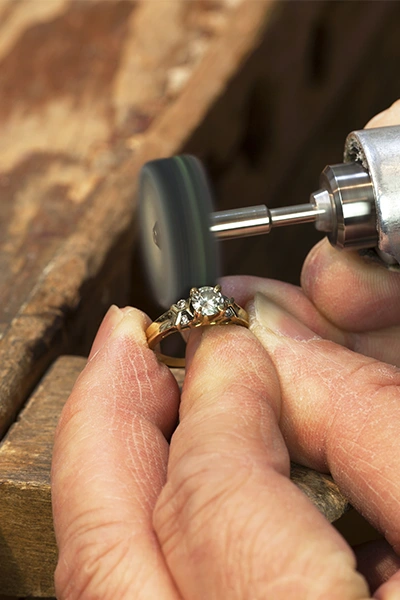
Registra i disegni prima di condividere i file
La registrazione dei tuoi progetti prima di condividerli con un produttore non è negoziabile. Crea un registro ufficiale di proprietà e fornisce una base legale per interrompere la copia non autorizzata.
Crea un record chiaro prima della produzione
Una registrazione o una prova datata possono supportare la tua posizione in caso di controversia, ma non risolve automaticamente la proprietà né impedisce la copia. Proprietà dei file CAD, stampi, e le modifiche sviluppate in fabbrica dovrebbero comunque essere definite nell'accordo di produzione.
Perché norme sulla tutela e la divulgazione del disegno industriale differiscono a seconda della giurisdizione, i marchi dovrebbero identificare i loro mercati di vendita prioritari prima di lanciare un nuovo design. Per collezioni di alto valore, ottenere consulenza da un professionista qualificato della proprietà intellettuale prima di pubblicare il progetto o rilasciare file di produzione dettagliati. Per collezioni di alto valore, ottenere consulenza da un professionista qualificato della proprietà intellettuale prima di pubblicare il progetto o rilasciare file di produzione dettagliati.
Strumenti utili di protezione e prova
| Attrezzo | Cosa può aiutare a proteggere | Considerazione chiave |
|---|---|---|
| Copyright | Schizzi originali, opera d'arte, ed espressione di design ammissibile. | I requisiti di protezione e registrazione variano in base al Paese. |
| Registrazione del design o brevetto del design | L'aspetto visivo distintivo di un gioiello. | I requisiti di novità possono essere influenzati dalla divulgazione pubblica o dai tempi di lancio. |
| Documenti di prova datati | I tempi e la storia dello sviluppo degli schizzi, File CAD, e prototipi. | Prove utili a sostegno, ma non sostitutivo dei diritti registrati o dei contratti chiari. |
Utilizza gli NDA prima di inviare file CAD
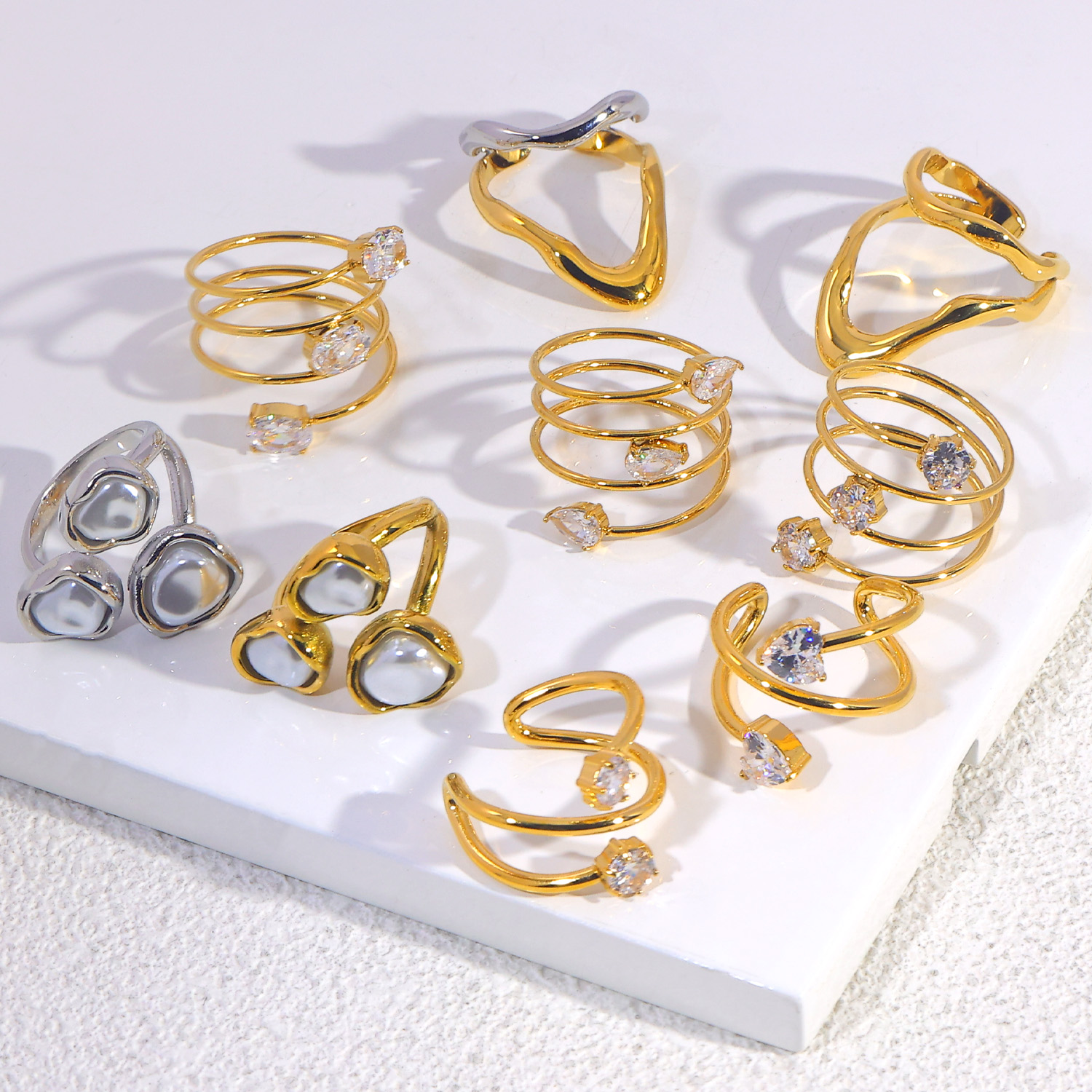
Una NDA aiuta a limitare il modo in cui un fornitore può utilizzare e divulgare informazioni riservate sulla progettazione. È necessario firmarlo prima di condividere file CAD pronti per la produzione, disegni tecnici, o prototipi.
I file CAD possono contenere le dimensioni, geometria, e i dettagli di fabbricazione necessari per riprodurre un pezzo. Una NDA è una prima utile salvaguardia, ma non sostituisce la chiara proprietà, utensileria, e i termini di utilizzo consentito nell'accordo di produzione.
Questi termini dovrebbero essere concordati prima del processo di produzione di gioielli personalizzati passa dalla progettazione e campionatura all'utensileria e alla produzione di massa.
Cosa dovrebbe coprire una NDA sul design di gioielli
| Clausola | Cosa coprire |
|---|---|
| Informazioni riservate | File CAD, disegni, campioni, specifiche, e altre informazioni non pubbliche sul progetto. |
| Uso consentito | Utilizzare le informazioni solo per il preventivo concordato, campionamento, o lavoro di produzione. |
| Accesso e subappalto | Limitare l’accesso al personale interessato e applicare regole di riservatezza ai subappaltatori approvati. |
| Fine del progetto | Imposta il periodo di riservatezza e spiega come i file e i campioni verranno restituiti o eliminati. |
Utilizzare la NDA all'interno di un flusso di lavoro controllato
| Fare un passo | Azione pratica |
|---|---|
| Seleziona prima i fornitori | Confermare la capacità produttiva e l'idoneità commerciale di base prima di divulgare informazioni sensibili sulla progettazione. |
| Firmare prima della divulgazione dettagliata | Assicurati che la NDA sia firmata da un rappresentante autorizzato prima di inviare file o campioni pronti per la produzione. |
| Spostare i termini chiave nell'accordo di produzione | Definire la proprietà IP, uso produttivo consentito, diritti sugli strumenti, modifiche di fabbrica, e obblighi successivi alla risoluzione nel contratto principale. |
Proteggi le muffe, Proprietà degli strumenti e del CAD
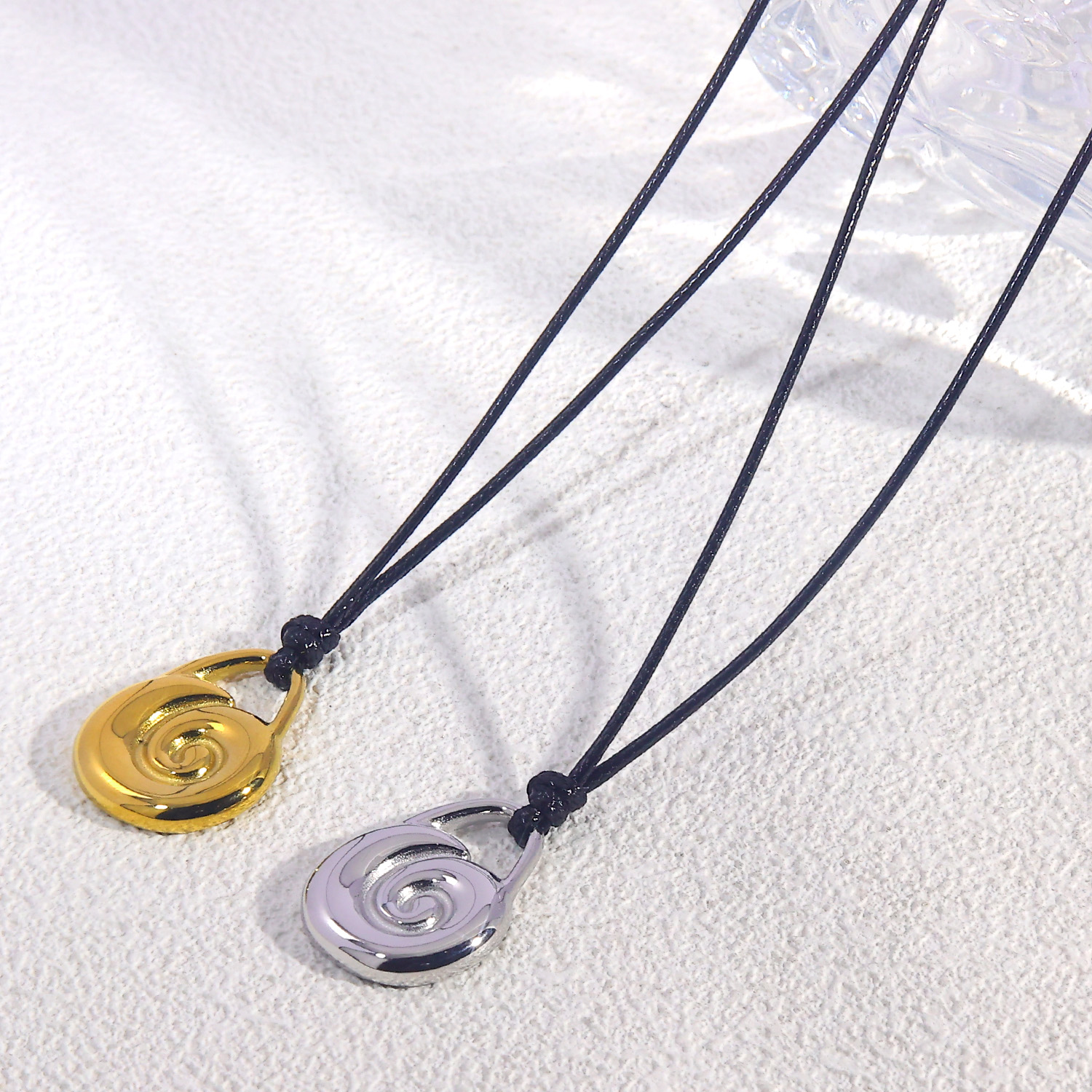
Proprietà degli stampi, File CAD, e le modifiche sviluppate in fabbrica non sono automatiche. Definirlo chiaramente prima dell'inizio della lavorazione o della produzione.
Le aspettative sulla proprietà possono anche differire in base al modello di produzione. La nostra guida a Produzione di gioielli OEM e ODM spiega perché l'accesso al CAD, diritti sugli strumenti, e l'esclusività dovrebbe essere concordata separatamente per i progetti personalizzati e sviluppati in fabbrica.
Definire la proprietà e i diritti di utilizzo nel contratto di produzione
| Risorsa | Cosa confermare per iscritto |
|---|---|
| File CAD | Proprietà dei file originali, revisioni approvate, e modifiche apportate in fabbrica. |
| Stampi e attrezzature | Proprietà, magazzinaggio, manutenzione, e trasferire i diritti al termine del progetto. |
| Utilizzo dei beni | Indica se i file e gli strumenti possono essere utilizzati solo per gli ordini approvati, compreso l'eventuale subappalto. |
Conserva registri pratici delle risorse fisiche e digitali
Mantenere un semplice registro delle risorse per gli stampi, maestri, campioni, e file CAD. Registra l'ID della risorsa, revisione, posizione, custode, e la data trasferita. Dove pratico, contrassegnare l'attrezzatura con un codice identificabile e richiedere foto o conferma di inventario alla fabbrica.
Per i file digitali, limitare l'accesso alle persone che lavorano al progetto e mantenere una chiara cronologia delle versioni. Queste registrazioni non impediranno ogni uso improprio, ma aiutano a evitare errori di produzione e forniscono prove in caso di disaccordo.
Condividi file di progettazione in più fasi
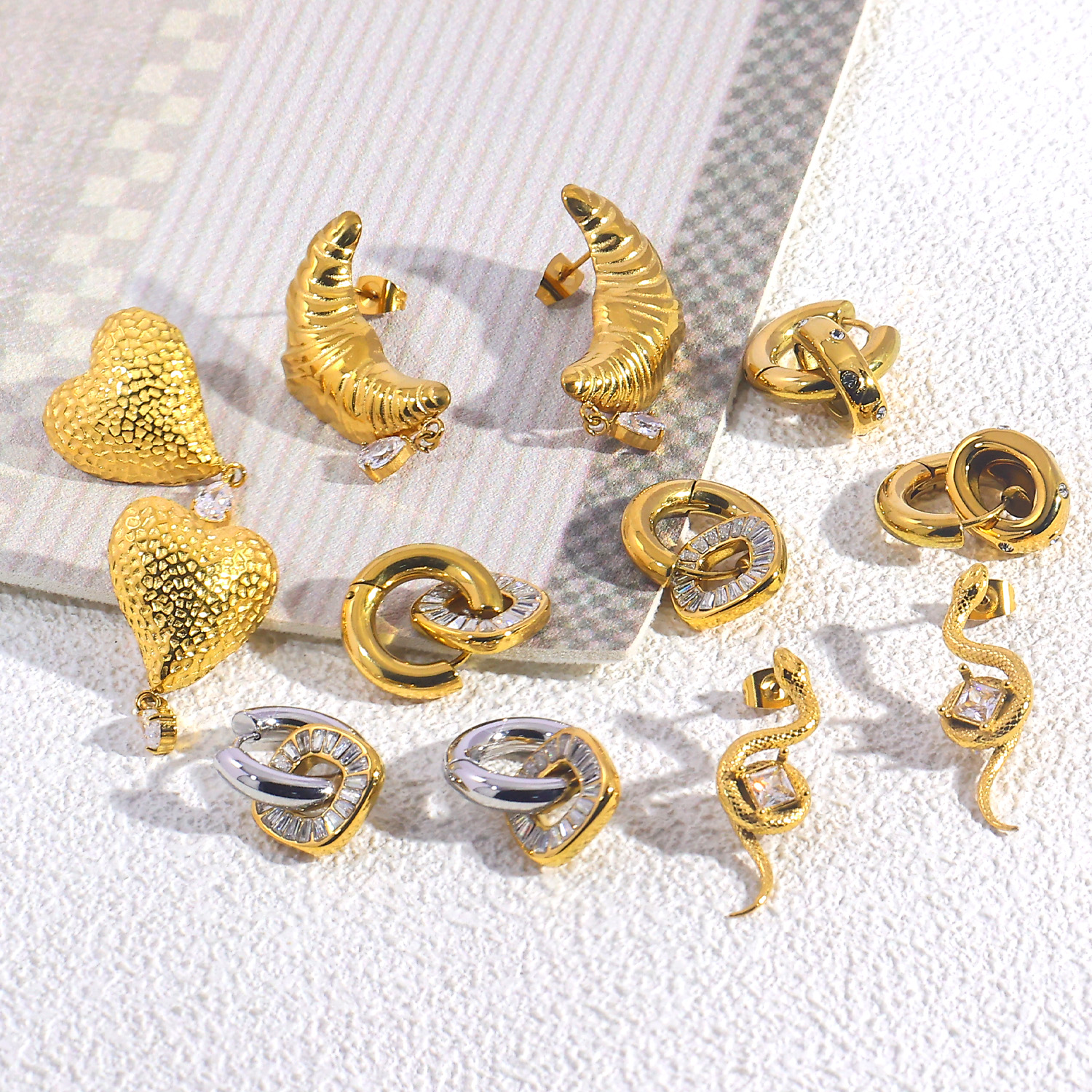
Condividi solo le informazioni di cui un fornitore ha bisogno per l'attività corrente. Utilizza gli accordi firmati, accesso controllato, e cancellare i record delle versioni prima di rilasciare i file di produzione.
| Palcoscenico | Cosa condividere |
|---|---|
| Citando | Schizzi, rende, dimensioni di base, materiali, e quantità. Non inviare file CAD pronti per la produzione. |
| Campionamento | File tecnici necessari per un campione, condiviso nell'ambito di una NDA con il team di ingegneri pertinente. |
| Produzione | CAD finale, disegni, e specifiche del campione d'oro. Registrare la versione approvata nell'ordine di acquisto. |
Mantenere un semplice registro dei file che mostri il nome del file, revisione, destinatario, e la data condivisa. Ciò aiuta a evitare che revisioni non approvate raggiungano la produzione e crea un registro più chiaro in caso di controversia.
Come valutare le pratiche di proprietà intellettuale di un produttore
Prima di condividere file sensibili, valutare come il produttore gestisce le informazioni del cliente, utensileria, subappaltatori, e i termini IP nella pratica.
È utile una NDA firmata, ma non dovrebbe essere l’unico motivo per affidare a un fornitore file pronti per la produzione. Chiedere prove delle loro normali pratiche lavorative, parlare con riferimenti pertinenti ove possibile, e verificare se i termini proposti corrispondono al modo in cui gestiscono i progetti.
Per una lista di controllo più ampia per la valutazione dei fornitori, vedi questi domande da porre prima di scegliere una gioielleria, comprese domande sulle pratiche NDA, subappalto, campionamento, e proprietà di file CAD e strumenti.
| Cosa controllare | Che aspetto hanno le buone pratiche |
|---|---|
| Referenze e reputazione | Riferimenti di clienti rilevanti e nessuna dipendenza evidente da prodotti simili. |
| Gestione file CAD | L’accesso è limitato al team tecnico del progetto, con archiviazione chiara dei file e controllo della versione. |
| Subappalto | La fabbrica identifica eventuali subappaltatori che gestiranno i tuoi file, campioni, o utensili. |
| Termini contrattuali | Il fornitore può discutere la riservatezza, uso consentito, utensileria, e le modifiche al design in modo chiaro. |
Utilizza i risultati per decidere quante informazioni condividere e quando. La NDA e l'accordo di produzione dovrebbero quindi documentare la riservatezza, proprietà, e i termini di utilizzo consentito già discussi in questa guida.
Errori comuni che portano al furto di progettazione
I rischi di progettazione spesso derivano da accordi deboli, condivisione anticipata dei file, e scarso controllo degli stampi o dei subappaltatori.
| Errore comune | Pratica migliore |
|---|---|
| Condivisione dei file CAD troppo presto | Utilizza gli schizzi per i preventivi iniziali; inviare i file di produzione solo dopo la firma dell'NDA. |
| Lasciando i termini di proprietà poco chiari | Definire la proprietà e l'uso consentito dei file CAD, stampi, e modifiche di fabbrica per iscritto. |
| Ignorare i subappaltatori | Conferma quali workshop accederanno ai tuoi file, campioni, o utensili. |
| Perdere traccia di stampi e campioni | Conserva un elenco delle risorse e concorda l'archiviazione, trasferire, o termini di smaltimento. |
Cosa fare se il design del tuo gioiello viene copiato
Se identifichi una copia sospetta, conservare prima le prove, confermare la base della tua richiesta, e scegliere un percorso di applicazione che corrisponda alla portata e al luogo della violazione.
| Fare un passo | Azione |
|---|---|
| Salva le prove | Cattura screenshot datati dell'elenco, URL, dettagli del venditore, e annunci. Conserva i tuoi schizzi, File CAD, e record di produzione insieme. |
| Controlla la base della tua richiesta | Conferma che l'articolo rappresenta qualcosa di più di una tendenza simile, quindi identificare la relativa registrazione, marchio, copyright, o durata del contratto. |
| Richiedi la rimozione o chiedi consiglio | Per un piccolo caso, inviare una richiesta di rimozione effettiva. Per casi significativi o transfrontalieri, consultare prima un professionista della proprietà intellettuale. |
| Aumentare se necessario | Utilizza la procedura di reclamo sulla proprietà intellettuale della piattaforma pertinente o avvia un'azione legale laddove le tue prove e i tuoi diritti lo supportano. |
Domande frequenti
I produttori possono copiare legalmente i miei gioielli?
Caratteristiche generiche dei gioielli, come bande semplici o impostazioni standard, sono difficili da controllare. Se un disegno è protetto da diritti di proprietà intellettuale validi o riservato ai sensi di un accordo di produzione, potresti avere motivi per contestare la copia. Il risultato dipende dalla giurisdizione, le tue prove, e la portata dei tuoi diritti.
Qual è la differenza tra diritto d'autore, un brevetto di design, e un marchio di gioielleria?
Il copyright può proteggere la grafica originale e l'espressione di design idonea. Un brevetto di design o un design registrato protegge l’aspetto visivo distintivo di un prodotto. Un marchio protegge gli elementi del marchio che identificano la fonte, come il tuo nome, logo, o simbolo.
Chi possiede lo stampo dopo la produzione?
La proprietà dello stampo dipende dall'accordo di produzione, non semplicemente chi paga la tassa sullo stampo. Conferma il proprietario, termini di conservazione, e se lo stampo può essere trasferito o smaltito al termine del progetto.
Chi possiede lo stampo dopo la produzione?
La proprietà è determinata dal contratto, non da chi paga la tassa sullo stampo. Per assicurarti di possedere lo stampo, il tuo contratto di produzione deve dichiarare esplicitamente che sei l'unico proprietario e che la proprietà ti viene trasferita al momento del pagamento. Senza questa clausola, la fabbrica probabilmente ne assumerà la proprietà e potrebbe riutilizzarla. Il contratto dovrebbe anche specificare se lo stampo ti verrà restituito o distrutto al termine del rapporto.
Come possono le startup proteggere i progetti con un budget limitato??
Concentrati sull'impatto elevato, innanzitutto le strategie a basso costo. Inizia con contratti forti, comprese le NDA e gli accordi di produzione che definiscono chiaramente la proprietà della proprietà intellettuale. Documenta meticolosamente l'intero processo di progettazione con schizzi e file datati per dimostrare la creazione. Registra i diritti d'autore per le tue collezioni più importanti, poiché spesso è poco costoso. Finalmente, usa deterrenti visibili come avvisi di copyright sul tuo sito web e un logo inciso sui tuoi pezzi.
Considerazioni finali
La protezione del design inizia prima che una fabbrica riceva i file CAD o i campioni. Tieni un registro chiaro del tuo lavoro di progettazione, condividere le informazioni in più fasi, e confermare come file, utensileria, e le modifiche apportate in fabbrica possono essere utilizzate per iscritto. Questi passaggi non elimineranno tutti i rischi, ma danno al tuo marchio una posizione più forte in caso di controversia.
Pianificazione di un progetto di gioielleria personalizzata? Parla con il team Jusnova sul tuo disegno, campionamento, e requisiti di produzione prima di passare alla produzione di attrezzature e di massa.