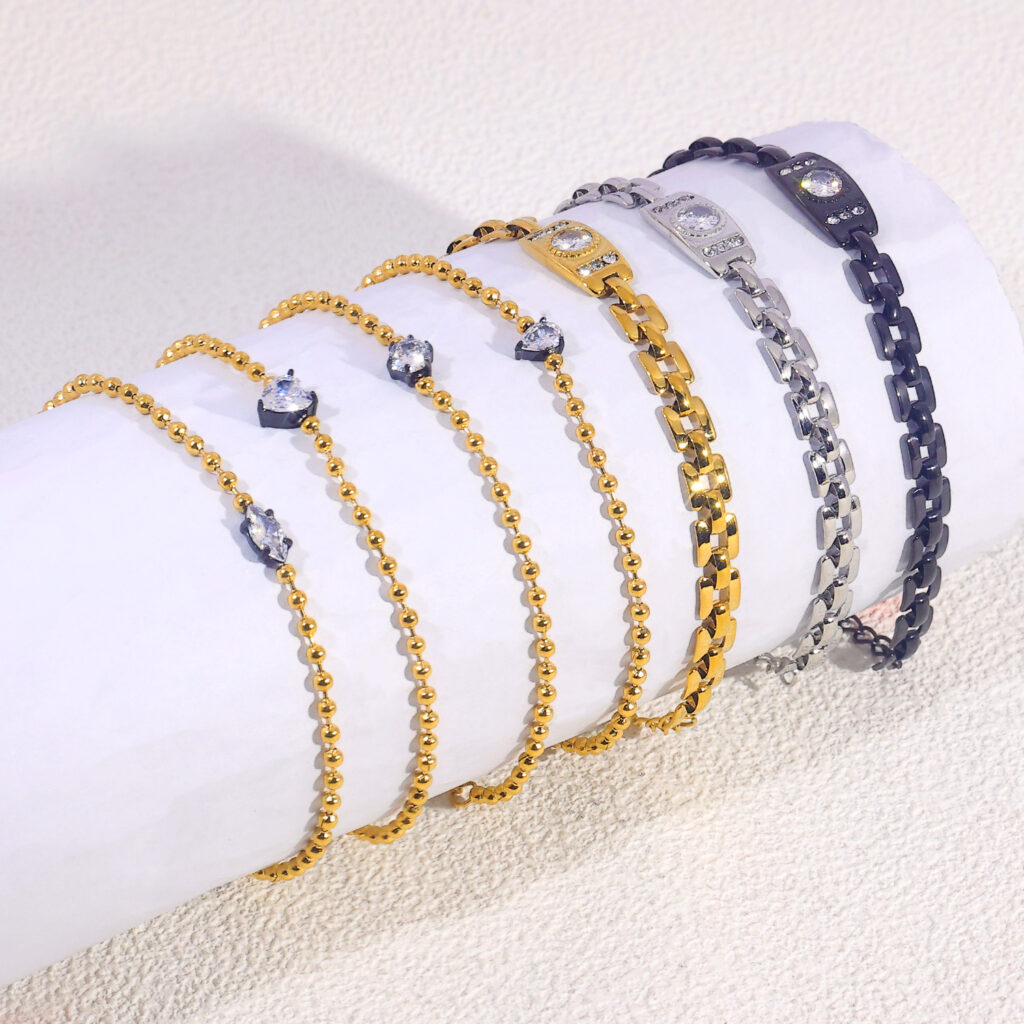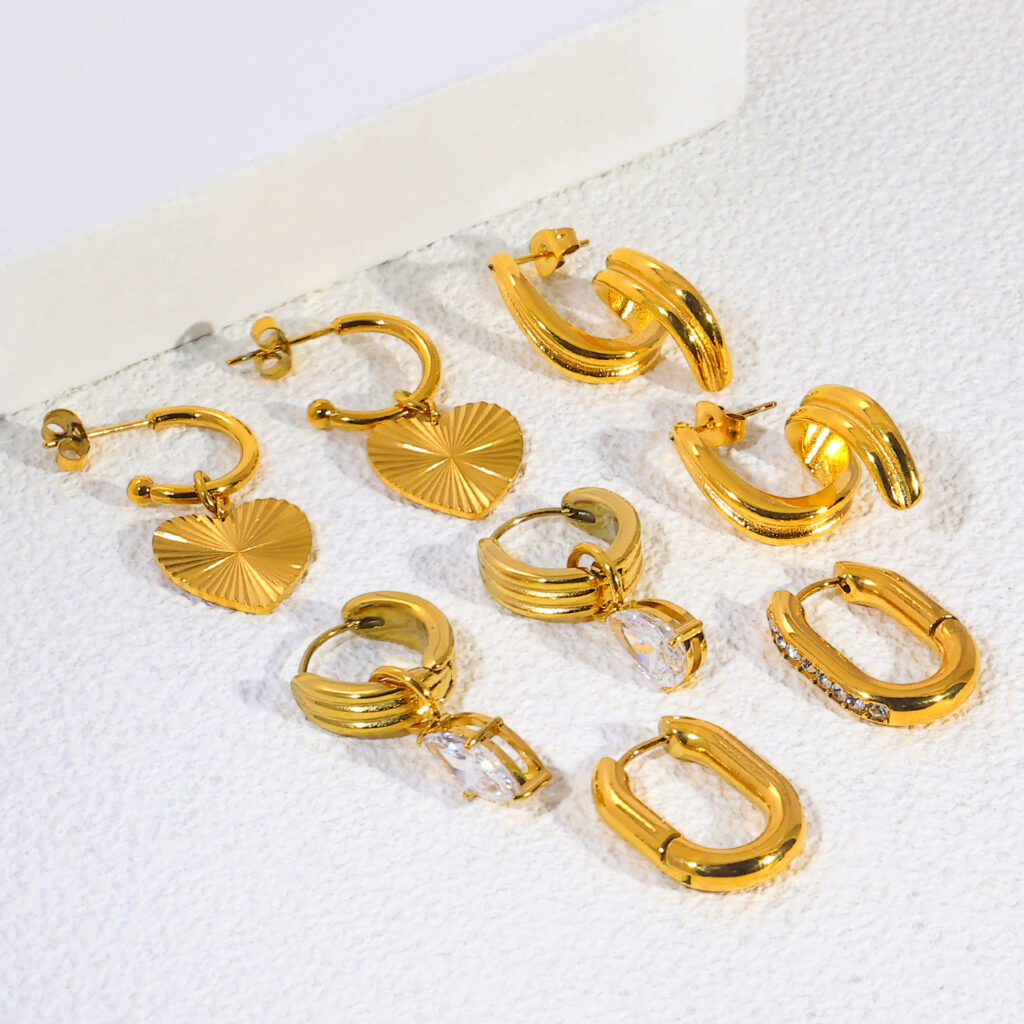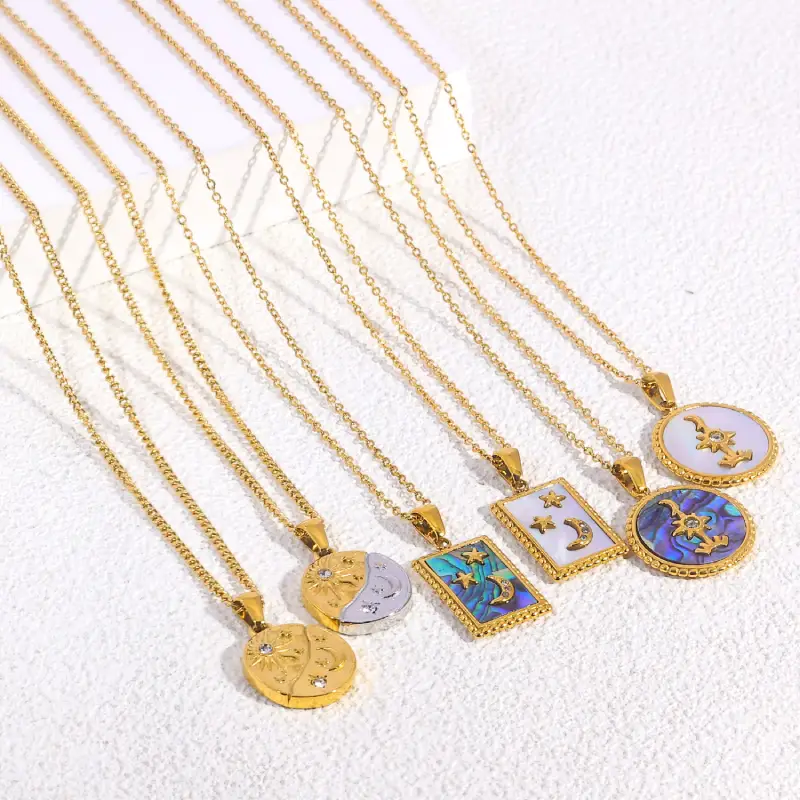
Avviare un marchio di gioielli in acciaio inossidabile richiede molto più che selezionare solo pochi design attraenti. Le tue scelte materiali, gamma di prodotti, fornitore, e il mercato di riferimento influiscono tutti sui prezzi, aspettative di qualità, e il modo in cui i clienti sperimentano il tuo marchio.
Questa guida illustra le decisioni chiave per una prima collezione, dalla scelta di un modello di approvvigionamento e la definizione di un budget alla revisione della documentazione materiale, campioni, e requisiti specifici del mercato. Ti aiuterà a costruire una base pratica prima di effettuare il tuo primo ordine.
Perché costruire un marchio attorno all'acciaio inossidabile?
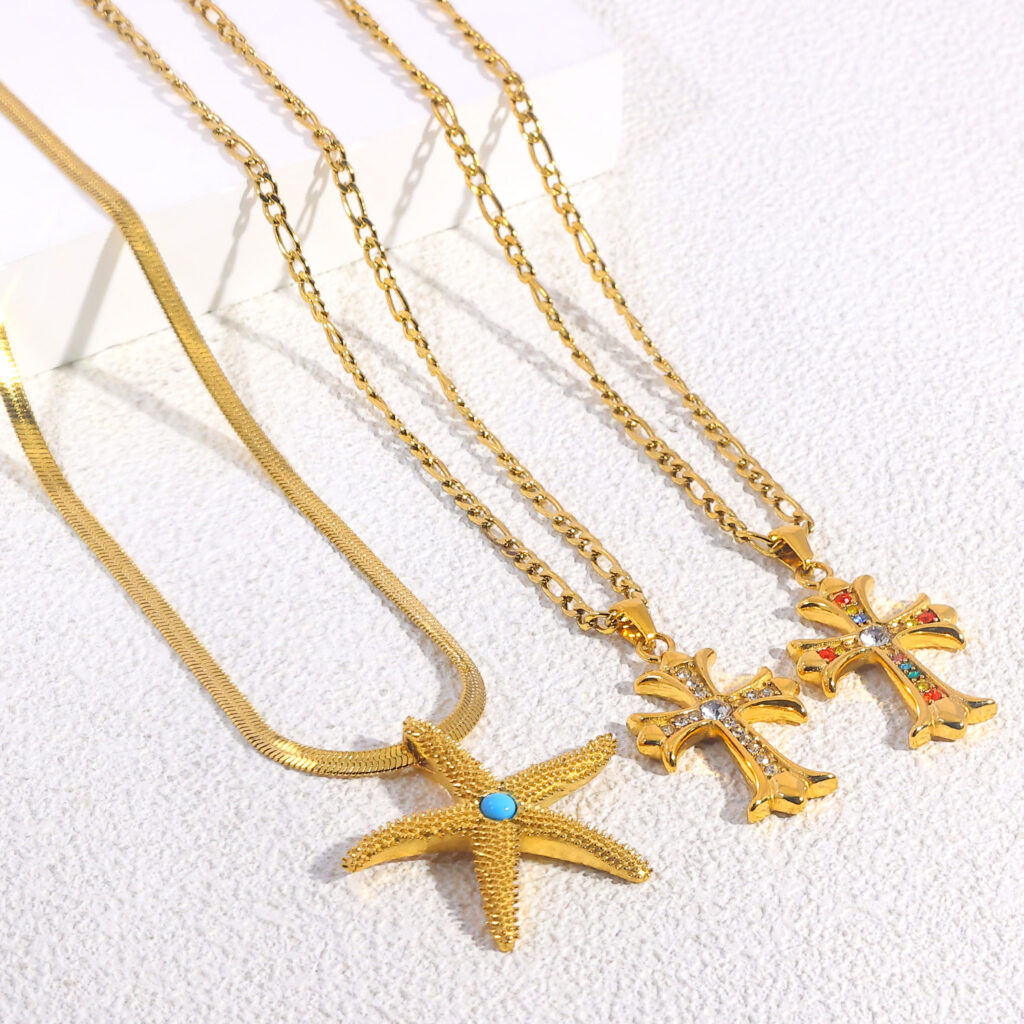
L’acciaio inossidabile offre una base pratica per i marchi che necessitano di gioielli durevoli a un prezzo accessibile. Supporta inoltre un'ampia gamma di design e finiture.
| Fattore | Potenziale vantaggio | Considerazione del marchio |
|---|---|---|
| Costo del materiale | L’acciaio inossidabile generalmente ha un costo materiale inferiore rispetto ai metalli preziosi | Utilizza il costo logistico totale, non solo il costo materiale, quando si fissano prezzi e margini |
| Indossare tutti i giorni | Adatto per durevole, collezioni di gioielli resistenti all'ossidazione | Le prestazioni della finitura dipendono ancora dal design del prodotto, metallo di base, processo di rivestimento, e condizioni di usura |
| Compatibilità con materiali e pelle | I gradi di acciaio inossidabile documentati possono supportare il posizionamento di prodotti per pelli sensibili | Confermare la composizione della lega e i risultati dei test rilevanti prima di fare affermazioni ipoallergeniche o correlate al nichel |
| Opzioni di design e finitura | Il PVD può fornire oro, oro rosa, nero, e altre opzioni di colore | Approvare i campioni di finitura e definire il colore, superficie, e aspettative di durabilità prima della produzione in serie |
| Pianificazione della produzione e delle scorte | Una piattaforma di materiali coerente può supportare la produzione ripetuta e collezioni coordinate | Conferma MOQ, tempi di consegna, controlli di qualità, e capacità con il fornitore prima di impegnarsi nell'inventario |
Scegli un mercato prima di scegliere i prodotti
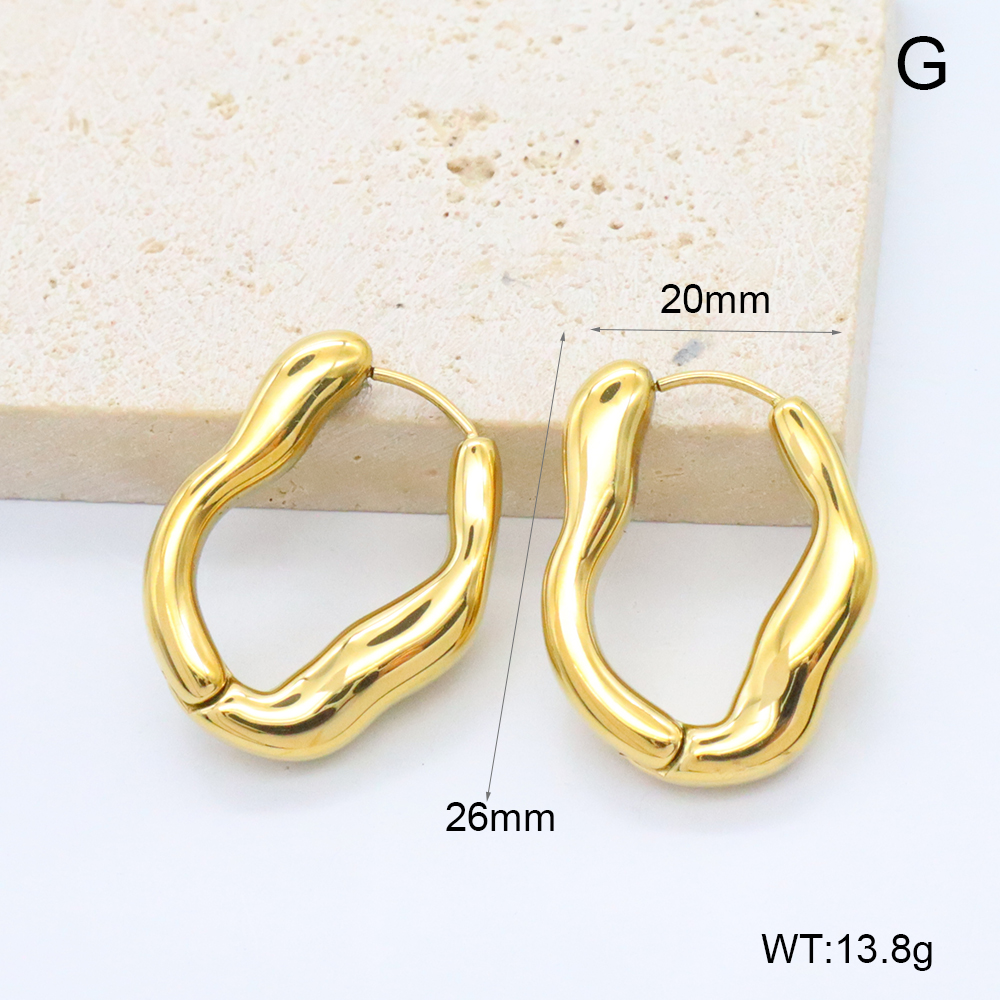
Il tuo mercato di riferimento determina tutto, dalla progettazione e dal prezzo del prodotto ai requisiti di conformità. Una strategia market-first previene costosi errori di inventario e ti garantisce di vendere ciò che le persone effettivamente vogliono.
Come la scelta del mercato definisce le esigenze di prodotto e di conformità
Il tuo cliente target dovrebbe modellare il brief del prodotto. Per il posizionamento della pelle sensibile, confermare la composizione del metallo base e decidere se è necessario eseguire test sul rilascio del nichel sul prodotto finito per il mercato di destinazione. È possibile specificare una qualità del materiale come 316L, ma qualsiasi affermazione di compatibilità con la pelle dovrebbe essere supportata da documentazione adeguata o risultati di test.
Anche le esigenze del mercato differiscono da regione a regione. Controlla le restrizioni REACH o GB REACH applicabili per le vendite nell'UE e nel Regno Unito. Gioielli per bambini venduti negli Stati Uniti potrebbe richiedere test e certificazione CPSIA, mentre le vendite in California potrebbero richiedere una proposta 65 revisione. Concordare con il fornitore i criteri di ispezione e i limiti di difetto accettabili prima della produzione.
Lancia la tua collezione di gioielli in acciaio inossidabile
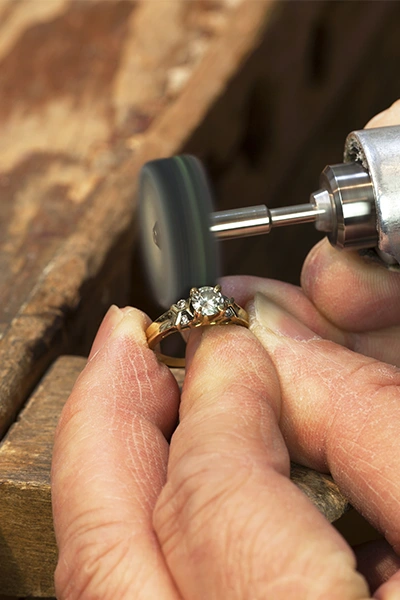
Pianifica una prima collezione mirata
Una prima raccolta mirata ti aiuta a testare la domanda, stabilire uno stile di marca chiaro, e gestire l'inventario iniziale.
Definire la dimensione e l'ambito della raccolta
L’obiettivo di una prima collezione non è lanciare tutto in una volta. È fare una dichiarazione mirata, testare il mercato, e gestire il rischio finanziario. Un piccolo, un assortimento ristretto è più potente di uno ampio, uno sconnesso.
| Approccio alla raccolta | Ambito tipico | Miglior utilizzo | Considerazione chiave |
|---|---|---|---|
| Lancio del pezzo eroe | Un piccolo gruppo di progetti principali | Testare un nuovo concetto o lanciarlo con un budget limitato | Scegli pezzi che esprimano chiaramente lo stile del tuo marchio e che possano essere commercializzati insieme |
| Collezione iniziale equilibrata | Un assortimento più ampio tra i principali tipi di prodotti | Marchi che necessitano di più varietà per un negozio online o un lancio al dettaglio | Mantieni la gamma gestibile per evitare di impegnare contanti in scorte a rotazione lenta |
| Tema della collezione | Una direzione visiva coerente in tutti gli stili | Costruire un'identità di marca riconoscibile fin dal primo lancio | Usa forme coerenti, finiture, colori, o dettagli di progettazione |
| Pezzi coordinati | Stili progettati per essere stratificati, pila, o mescolare | Aumentare le opportunità di cross-selling all’interno della collezione | Assicurati che i pezzi funzionino insieme senza sembrare ripetitivi |
Sviluppare una strategia di prezzi e inventario
Il tuo prodotto è fattibile solo se i numeri funzionano. Una strategia chiara per la determinazione dei prezzi e la gestione dell'inventario protegge i tuoi margini e ti impedisce di impegnare contanti in scorte a lenta movimentazione.
- Calcola il costo totale allo sbarco per ogni articolo. Ciò include la produzione, spedizione, confezione, doveri, e eventuali commissioni di mercato o di elaborazione dei pagamenti.
- Imposta i prezzi al dettaglio dopo aver calcolato il costo totale allo sbarco, compresa la spedizione, doveri, commissioni di mercato, elaborazione dei pagamenti, ritorna, e costi di marketing. Il tuo margine target dovrebbe riflettere il tuo canale di vendita e il tuo piano di crescita.
- Usa i preordini, liste d'attesa, o piccole quantità di prova per valutare la domanda. Ciò consente al mercato di dirti cosa produrre prima che tu ti impegni in una grande tiratura.
- Pianificare un lancio graduale. Presenta prima i tuoi pezzi principali, quindi utilizza i dati di vendita per decidere quali nuovi stili aggiungere successivamente.
Azione, Etichetta privata, o personalizzato?
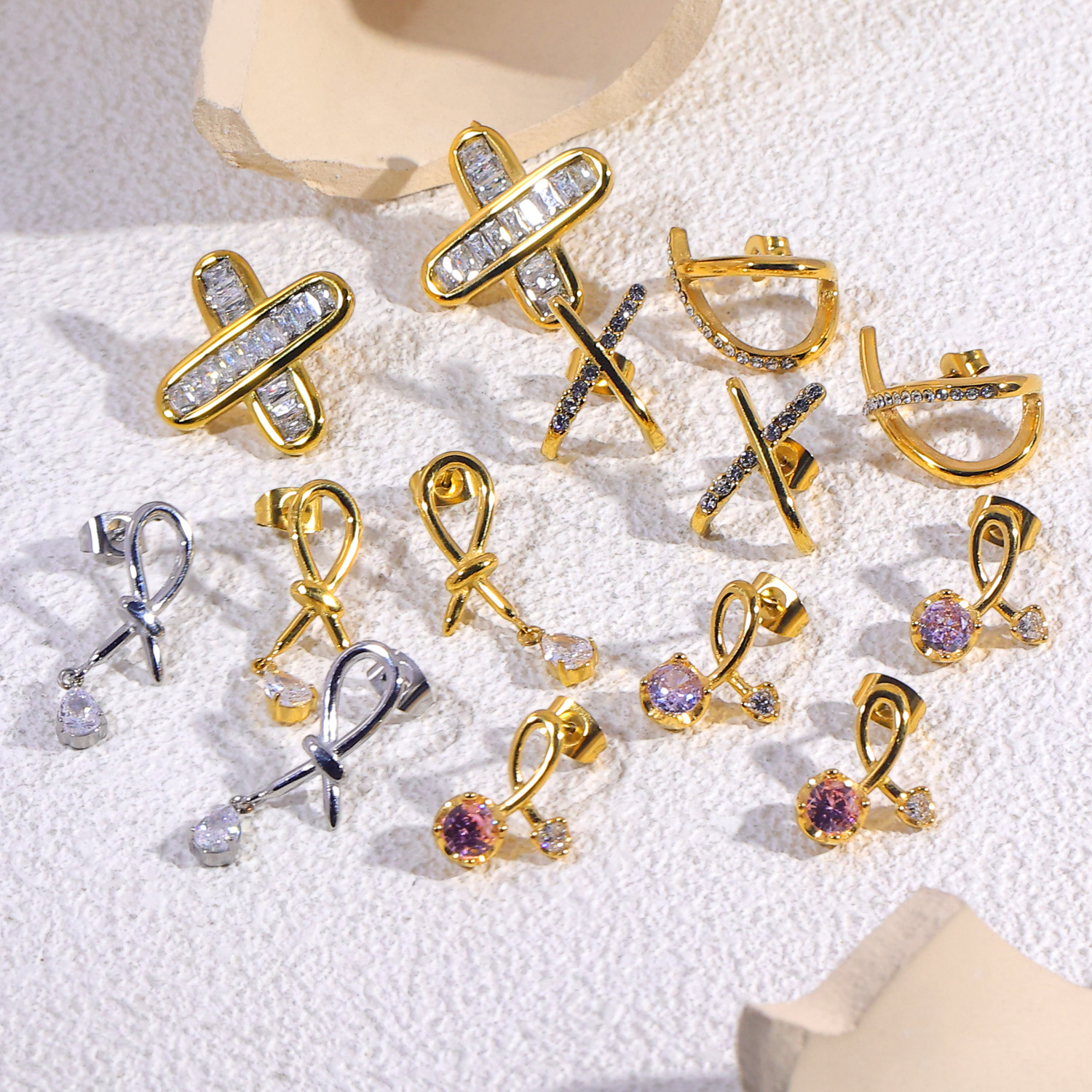
A voi la scelta tra stock, etichetta privata, o l’approvvigionamento personalizzato è un compromesso diretto tra la velocità del mercato, controllo del marchio, e quanto sia unico il tuo prodotto finale.
| Modello | Cosa compri | Ideale per |
|---|---|---|
| Azione | Stili di catalogo già pronti | Lancio veloce, domanda di test, budget ristretti |
| Etichetta privata | Stili esistenti con il tuo logo e packaging | Costruzione del marchio con tempi di consegna più brevi |
| Costume | Nuovo design che richiede nuovi strumenti e campionature | Prodotti distintivi e posizionamento premium |
Un quadro decisionale pratico
La scelta giusta dipende dalle tue priorità immediate: la velocità, marchio, o unicità. Se hai bisogno di un confronto più attento del controllo della progettazione, MOQ, costo, e tempi di consegna, leggi la nostra guida su private label e gioielli personalizzati. Molti marchi di successo cambiano anche il loro modello di approvvigionamento man mano che crescono.
- Scegliere azione se la velocità e la convalida del mercato a basso rischio sono i tuoi unici obiettivi in questo momento.
- Scegliere etichetta privata se hai bisogno di prodotti di marca che abbiano un aspetto professionale ma vuoi evitare i tempi e i costi di un ciclo di sviluppo completo.
- Scegliere costume se il valore fondamentale del tuo marchio si basa su un design unico e proprietario che nessun altro possiede.
- Consideriamo a modello ibrido. Molti marchi utilizzano il marchio del distributore per il loro core, collezioni sempreverdi e investire nello sviluppo personalizzato per poche firme “eroe” pezzi che definiscono la storia del marchio.
Calcola il tuo budget iniziale
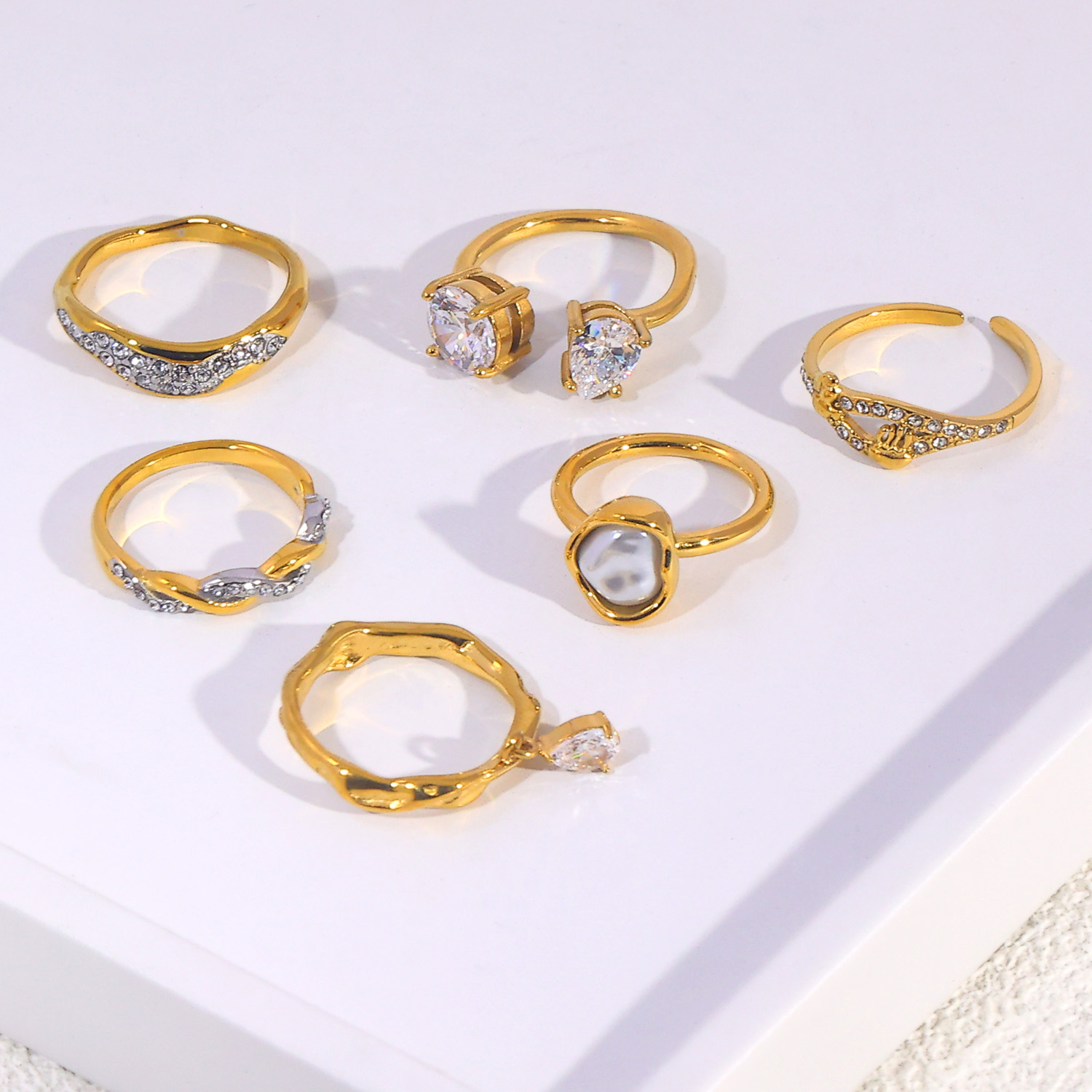
Il tuo budget dipende dalle dimensioni della tua collezione, quantità dell'ordine, canale di vendita, e piano di lancio. Calcolare i costi prima di impegnarsi nella produzione.
Ripartizione dei costi principali di avvio
Per un tipico online gioielli in acciaio inossidabile marca, il tuo investimento iniziale sarà suddiviso in cinque aree chiave. Trascrivere questi numeri su un foglio di calcolo è il primo passo verso un piano finanziario realistico. Queste cifre sono solo illustrative e variano in base alla quantità dell'ordine, mercato, e modello di lancio.
| Area di costo | Fascia di costo illustrativa | Cosa copre |
|---|---|---|
| Inventario iniziale | $500–$2.000 | Una piccola collezione di pezzi in acciaio inossidabile all'ingrosso |
| Marchio e imballaggio | $200–$500 | Scatole, buste, inserti, e altri articoli essenziali di marca |
| Configurazione sito web ed e-commerce | $300–$1.000 | Negozio on-line, tema, dominio, e le app richieste |
| Avviare il marketing | $500–$1.500 | Annunci iniziali, creazione di contenuti, e sensibilizzazione dei creatori |
| Legale e Amministrativo | $500–$1.000 | Registrazione aziendale, permessi, e strumenti contabili di base |
Preparati a contattare i produttori
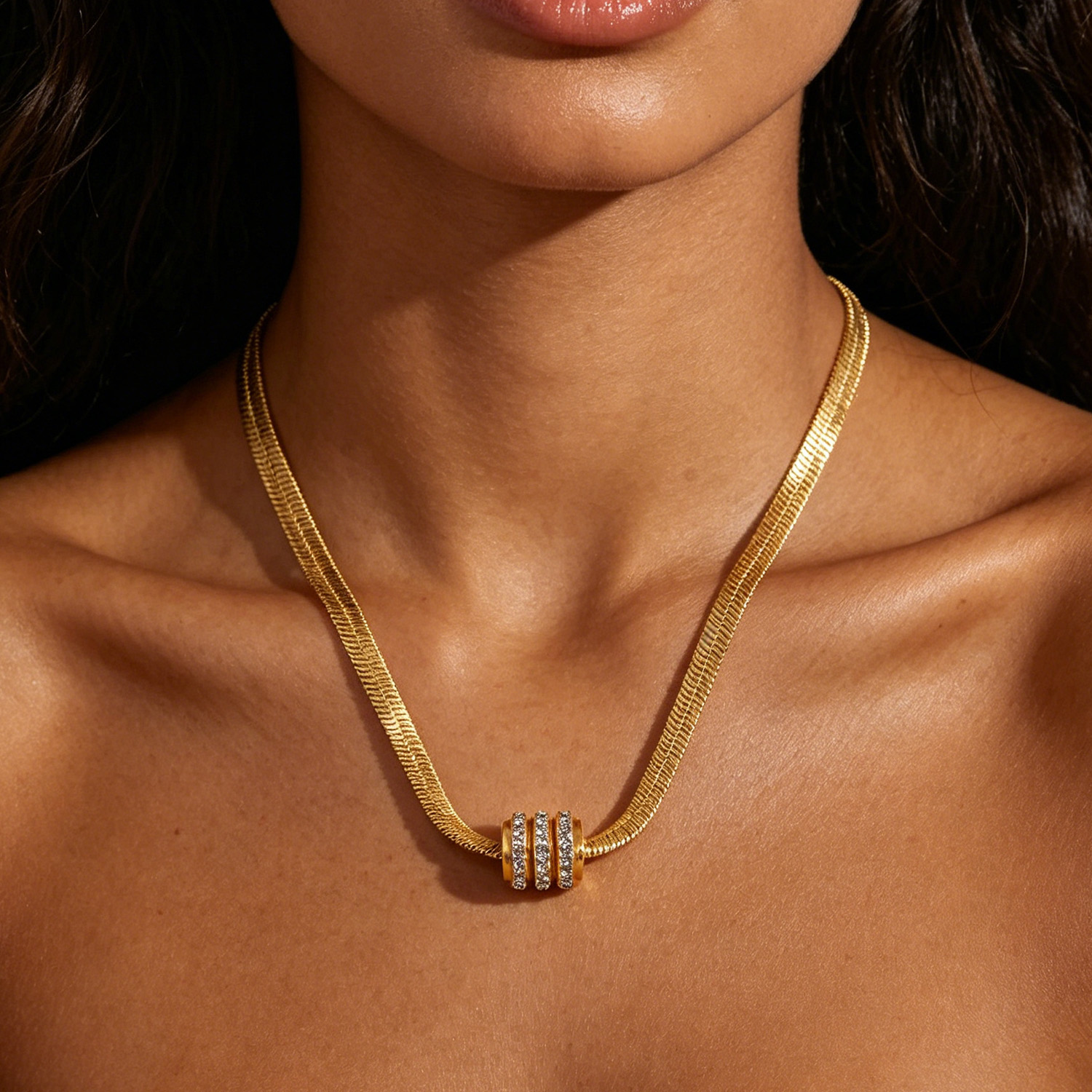
Prima di contattare un produttore, definire il tuo prodotto, aspettative di qualità, e i requisiti del mercato di riferimento. Informazioni chiare portano a preventivi più accurati e ad una migliore adattabilità del fornitore.
| Informazioni per prepararsi | Cosa includere | Perché è importante |
|---|---|---|
| Tipo di prodotto | Gli stili che intendi procurarti, come gli anelli, braccialetti, collane, o catene | Aiuta a confermare se il fornitore ha un'esperienza di produzione rilevante |
| Mercato di riferimento | I paesi o le regioni in cui prevedi di vendere | Guida i requisiti del prodotto e l'eventuale documentazione specifica del mercato |
| Materiali e Finiture | Grado di metallo base concordato, finitura superficiale, Colore PVD, e i documenti materiali richiesti | Garantisce che il preventivo e il campione corrispondano alle specifiche del prodotto previsto |
| Modello di approvvigionamento | Se hai bisogno di azioni, marchio privato, ODM, o produzione completamente personalizzata | Determina il lavoro di sviluppo, MOQ, tempi di consegna, e opzioni di marchio |
| Pacchetto tecnico | Disegni, dimensioni, richiami materiali, posizionamento del logo, e immagini di riferimento | Fornisce al fornitore una base chiara per i prezzi, campionamento, e produzione |
| Test e documentazione | Eventuali dichiarazioni materiali richieste, rapporti di prova, o controlli sul prodotto finito | Allinea le prove del fornitore con il prodotto e il mercato di destinazione |
| Requisiti di imballaggio | Buste, scatole, inserti, codici a barre, etichette, e dettagli del cartone principale | Previene modifiche all'imballaggio e costi imprevisti nelle fasi successive del progetto |
Sviluppare domande per verificare le capacità dei fornitori
Un buon fornitore si aspetta buone domande. Usa il tuo raggio d'azione iniziale per verificare la loro capacità di soddisfare i tuoi standard. Il tuo obiettivo è filtrare le fabbriche che non possono sostenere le loro affermazioni.
- Siete in grado di soddisfare le specifiche concordate sul metallo base e di fornire la documentazione del materiale di supporto??
- Quali certificazioni di gestione della qualità possiedi, specificatamente ISO 9001?
- Potete fornire rapporti sui test del prodotto finito quando i test sul rilascio del nichel sono rilevanti per il mercato di riferimento?
- Quali sono le quantità minime standard dell'ordine (MOQ) per disegno, tempi di consegna del campione, e tempistiche di produzione di massa?
Stabilire standard chiari di controllo della qualità
La qualità non è soggettiva. Devi definirlo con standard oggettivi. Imposta tolleranze esplicite per dimensioni critiche come la lunghezza della catena, misura dell'anello, e funzione di chiusura. Definisci i tuoi standard di aspetto delineando ciò che costituisce un graffio accettabile, fossa, o bava rispetto a un difetto che richiede il rifiuto. Una guida visiva con foto del bene e del bene. i cattivi esempi sono molto efficaci.
Specifica eventuali test funzionali richiesti, come i test del ciclo di chiusura per garantire la durata o i test in nebbia salina per verificare la resistenza alla corrosione sugli articoli rivestiti in PVD.
Per maggiori dettagli sull'approvazione del campione, criteri di difetto, Campionamento AQL, e controlli pre-imbarco, consulta la nostra guida su come ridurre gli ordini di gioielli difettosi.
Passare dai campioni alla produzione
Prima della produzione in serie, approvare il campione, confermare le specifiche finali, e concordare i controlli di qualità richiesti.
Finalizza le specifiche e blocca il campione principale
Il campione di pre-produzione approvato (PPS) dovrebbe servire da riferimento per la produzione di massa. Prima dell'inizio della produzione, confermare ogni dettaglio per iscritto in modo che l'ordine finale corrisponda al campione approvato.
- Documenta tutto: Registrare il voto finale del materiale, dimensioni, tipo di chiusura, fine, posizionamento del logo, e altri dettagli chiave in una scheda delle specifiche di produzione.
- Blocca tolleranze critiche: Definisci la variazione accettabile per i dettagli sensibili alle dimensioni, come la dimensione dell'anello, lunghezza della catena, e posizionamento dei componenti. Le tolleranze dovrebbero corrispondere al processo di progettazione e produzione.
- Rilasciare l'approvazione formale: Approvare per iscritto il campione principale e la scheda tecnica finale prima di autorizzare la produzione di massa.
Verificare la conformità e la tracciabilità dei materiali
Un campione approvato può sembrare corretto ma non soddisfare i requisiti materiali o di mercato concordati. Richiedi i documenti necessari per il tuo prodotto e mercato di destinazione prima che inizi la produzione in serie.
- Documentazione materiale: Richiedi certificati dei materiali o altri documenti del fornitore che supportino il grado di lega concordato e la tracciabilità del lotto.
- Rapporti sul rilascio del nichel: Laddove rilevante per il tuo mercato di riferimento, richiedere rapporti sui test sul rilascio di nichel del prodotto finito per gioielli destinati al contatto prolungato con la pelle.
Implementare cancelli di controllo qualità in produzione
I controlli di qualità dovrebbero continuare durante tutta la produzione, non fermarsi dopo l'approvazione del campione. Le ispezioni regolari aiutano a identificare i problemi prima che incidano sull'intero ordine.
- Ispezione del primo articolo (FAI): Ispezionare i primi pezzi sfusi per confermare che corrispondano al campione e alle specifiche approvati.
- Definire i criteri di accettazione: Concordare le definizioni dei difetti, livelli di ispezione, e limiti di difetto accettabili prima dell'inizio della produzione.
- Continua i controlli critici: Portare avanti i controlli chiave della fase di campionamento, come l'adesione della finitura, consistenza del colore, e funzione di chiusura.
- Utilizzare ispezioni casuali: Pianificare controlli a campione durante la produzione per identificare tempestivamente le variazioni.
Domande frequenti
Quanto costa avviare un marchio di gioielli?
Il costo per avviare un marchio di gioielli dipende dal numero di modelli, quantità dell'ordine, modello di approvvigionamento, confezione, canale di vendita, e piano di marketing. Costruisci il tuo budget attorno ai campioni, inventario iniziale, marchio, configurazione del sito web, spedizione, e lanciare il marketing, quindi lasciare spazio a costi imprevisti.
Con quanti modelli di gioielli dovrei lanciare??
Non esiste un numero fisso di modelli per una prima collezione di gioielli. Inizia con un assortimento adatto al tuo budget, cliente target, e canale di vendita. Alcuni pezzi da eroe potrebbero essere sufficienti per testare la domanda, mentre una gamma più ampia può fornire più varietà per un pubblico consolidato.
Come faccio a trovare un produttore di gioielli affidabile?
Cercare un fornitore in grado di documentare le specifiche del materiale concordate, spiegare i suoi processi di produzione e finitura, e fornire campioni prima della produzione di massa. Chiedi quali processi vengono completati internamente, come viene controllata la qualità, e se possono supportare il branding richiesto, confezione, MOQ, e tempi di consegna. Esaminare le informazioni sulla fabbrica e i documenti sui materiali, quindi approvare un campione di produzione prima di effettuare un ordine.
Posso mettere il mio marchio sui gioielli all'ingrosso?
SÌ, puoi marchiare gioielli in acciaio inossidabile all'ingrosso se il fornitore offre servizi di marchio del distributore. I metodi comuni includono l'incisione laser di un logo sul prodotto stesso, aggiunta di tag logo personalizzati, o creare un packaging brandizzato. Conferma sempre le opzioni di branding del fornitore e approva un campione prima della produzione di massa.
Considerazioni finali
Avviare un marchio di gioielli in acciaio inossidabile significa scegliere i prodotti giusti, fornitore, e standard di qualità per il vostro mercato di riferimento. Sia che tu inizi con stili con marchio del distributore o sviluppi pezzi personalizzati, specifiche chiare e campioni approvati aiutano a ridurre i problemi evitabili prima della produzione.
Prima di effettuare il tuo primo ordine, richiedere campioni per verificare la finitura, costruzione, e vestibilità complessiva. Contatta il nostro team per discutere le tue esigenze di raccolta o esplorare le nostre opzioni di produzione personalizzata e con marchio privato.