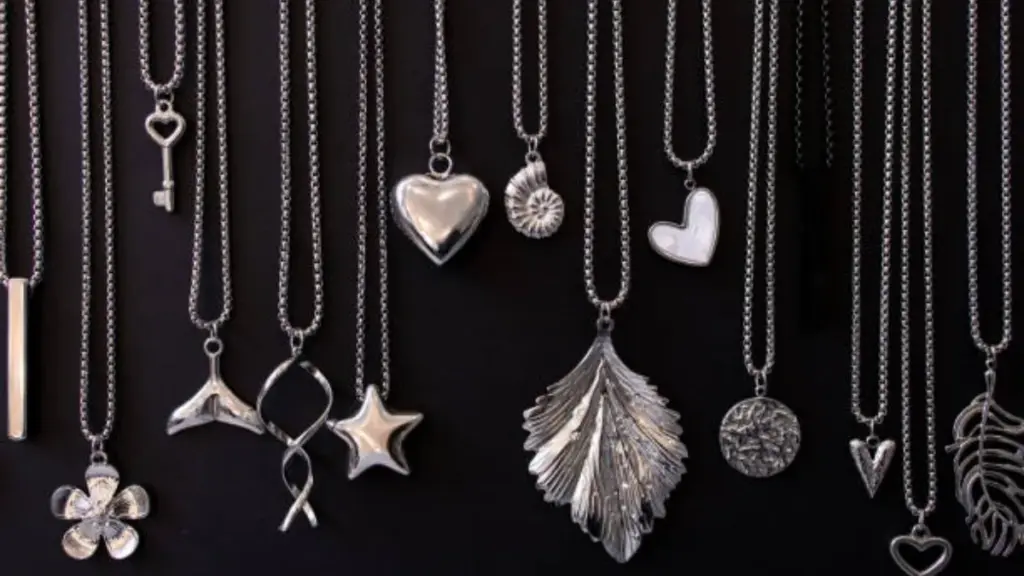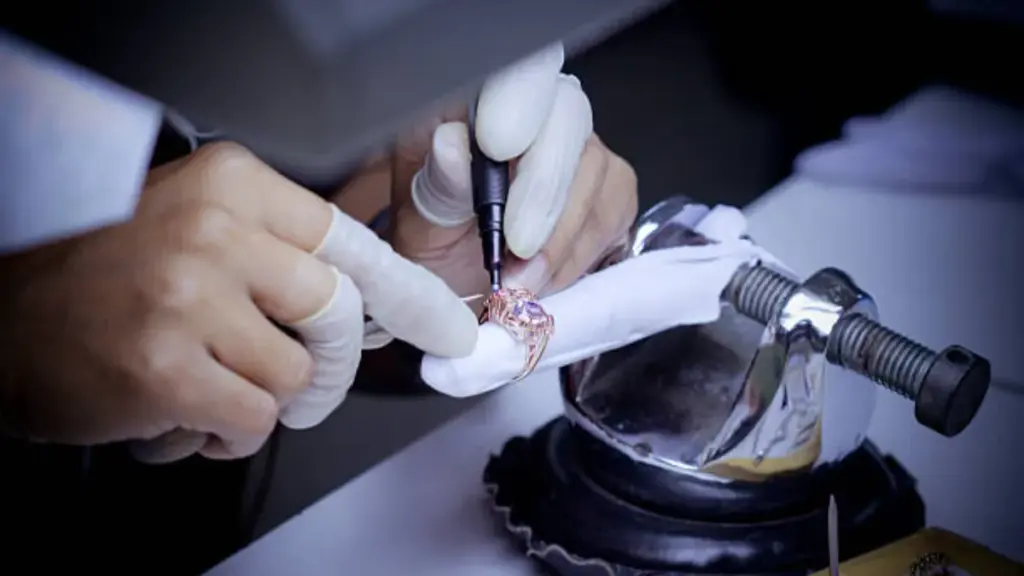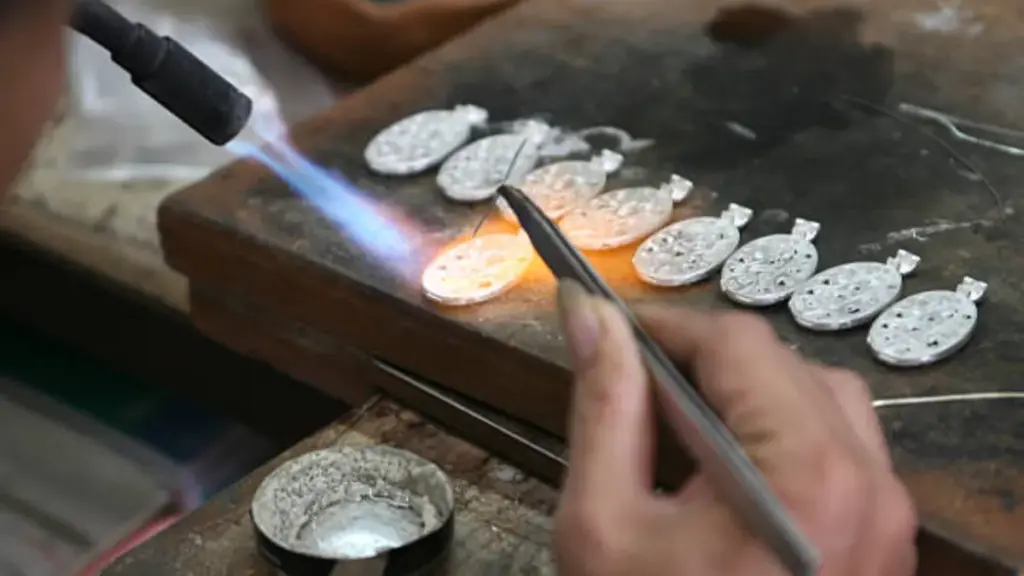
Gioielli in acciaio inossidabile 2026 è una categoria “everyday premium”.. Gli acquirenti vogliono un look conveniente. Vogliono anche che gestisca l'acqua, sudore, e usura frequente. Se i tuoi clienti si aspettano quel livello di durabilità, scegli 316L e finiture di lunga durata come PVD.
Questo articolo analizza ciò che sta guidando la domanda, come differiscono il Nord America e l’Europa, e come reperire inventario basato sulle tendenze con un'offerta stabile.
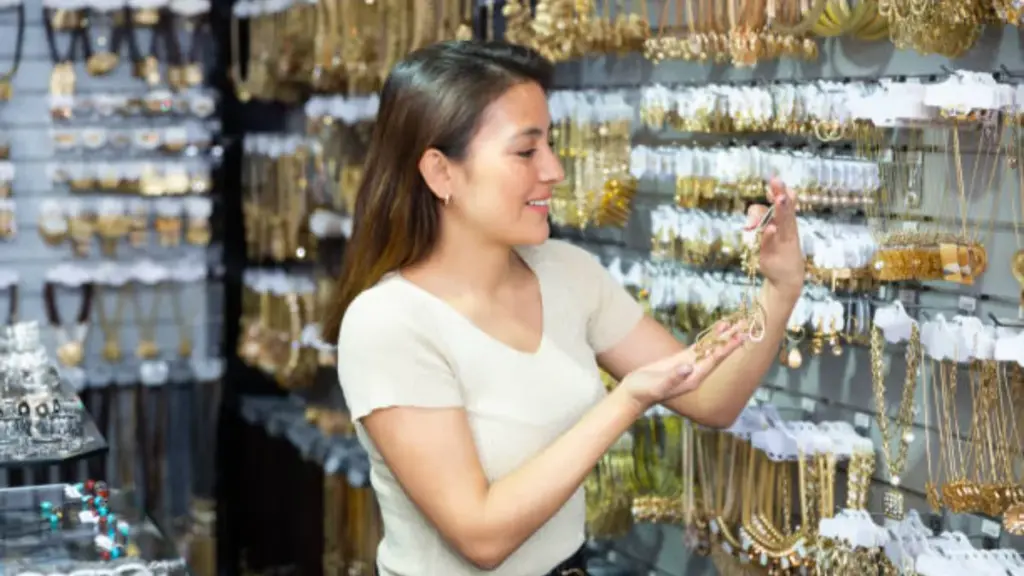
Panoramica del mercato all'ingrosso di gioielli in acciaio inossidabile 2026
IL gioielli in acciaio inossidabile segmento continua ad espandersi 2026, supportato da un mix di convenienza, messaggi di durabilità, e il passaggio in corso ai percorsi di acquisto e-commerce.
Una previsione fissa il mercato globale dei gioielli in acciaio inossidabile a circa 2,71 miliardi di dollari 2026 e descrive una traiettoria di crescita a lungo termine (4.1% CAGR attraverso 2035).
Il “perché adesso” è semplice per i grossisti. L’acciaio inossidabile non è una novità. È una corrispondenza migliore per le aspettative di oggi: bassa manutenzione, indossabilità quotidiana, e facile ripetibilità in un catalogo scalabile.
La domanda dei consumatori si sposta verso gioielli durevoli in 316L
Le preferenze dei consumatori si stanno spostando verso capi che possano sopravvivere nella vita reale: la palestra, viaggio, spiaggia, docce, senza sembrare "economico" dopo poche settimane, ecco perché il 316L è sempre più evidenziato nelle specifiche dei prodotti e nelle conversazioni sull'approvvigionamento.
Diversi esplicatori del materiale descrivono il 316L come più resistente alla corrosione rispetto al 316L 304 negli ambienti più difficili (esposizione al sudore e all'acqua salata), in gran parte dovuto a molibdeno contenuto.
Gli standard di finitura sono più alti ora. Il PVD è spesso considerato più durevole rispetto alla placcatura tradizionale. Se vendi "gioielli impermeabili" o promuovi l'abbigliamento quotidiano nel DTC e nel social commerce, utilizzare il PVD per supportare meglio questa promessa.
Tendenze regionali nei mercati nordamericani ed europei
Il Nord America e l’Europa condividono gli stessi fattori chiave. Il valore conta. La flessibilità dello stile è importante. Anche la scoperta online è importante. Ma i cicli delle tendenze e il merchandising spesso si muovono a velocità diverse.
I report di mercato focalizzati sull’Europa spesso evidenziano l’estetica minimalista e il posizionamento orientato allo stile di vita. I commenti globali continuano a considerare l’e-commerce come un importante canale di crescita per i gioielli in acciaio inossidabile. Se vendi online, dai la priorità agli stili che si convertono rapidamente e si adattano in modo pulito al tuo catalogo.
Cosa puoi fare con questa intuizione:
- Negli Stati Uniti, mantenere una cadenza di aggiornamento più rapida (più microtendenze, gocce più frequenti) per adattarsi a cicli brevi guidati dalla società.
- In Europa, mantenere una gamma “principale” più ristretta di elementi essenziali e stili ripetibili, quindi sovrapponi sopra le capsule di tendenza limitate.
- Per entrambe le regioni, costruisci la storia del tuo prodotto sulla durabilità e sulla bassa manutenzione, perché quelle sono le leve di conversione più resistenti dell'acciaio inossidabile.
Confronto dei materiali tra acciaio inossidabile e lega
Acciaio inossidabile (soprattutto 304/316L) è tipicamente selezionato per la durabilità e la stabilità all'usura, mentre la lega (comunemente lega di zinco nella gioielleria di moda) tende a vincere sul basso costo e sulla facilità di produrre forme complesse.
Perché i gioielli in lega spesso dipendono dalla placcatura superficiale per l'aspetto, le fonti notano che può essere più vulnerabile ai problemi legati all'usura come lo sbiadimento o l'appannamento, mentre l'acciaio inossidabile fornisce una base più stabile, soprattutto se abbinato a rivestimenti in stile PVD.
| Fattore | Acciaio inossidabile (304/316l) | Lega (per esempio., lega di zinco) |
|---|---|---|
| Resistenza all'usura | Tipicamente più resistente all'usura quotidiana e alla deformazione. | Spesso più morbido; possono graffiarsi o deformarsi più facilmente. |
| Corrosione & umidità | 316L è ampiamente descritto come più forte negli ambienti con acqua salata e sudore. | Più dipendente dall'integrità della placcatura; l'umidità può accelerare l'usura. |
| Sensibilità della pelle | Comunemente commercializzato come “ipoallergenico”.," soprattutto per 316L. | La composizione varia; può aumentare il rischio di irritazione a seconda dei materiali utilizzati. |
| Posizionamento dei costi | “Premium accessibile” con una storia duratura. | Il budget innanzitutto, posizionamento fast-fashion. |
Analisi dei prezzi per ordini sfusi di gioielli in acciaio inossidabile
Il prezzo all'ingrosso per i gioielli in acciaio inossidabile di solito non è una negoziazione a variabile singola; è modellato dal grado del materiale (304 rispetto al 316L), metodo di costruzione, requisiti di finitura, e l'intensità di manodopera/controllo qualità necessaria per la lucidatura e l'incastonatura della pietra.
Perché il PVD è spesso considerato più durevole della placcatura tradizionale, può aumentare il costo unitario ma può ridurre il costo totale di proprietà diminuendo le sostituzioni guidate dai reclami e i resi legati allo sbiadimento.
Un approccio pratico per 2026 è separare la strategia di acquisto in “nuclei di rifornimento” ed “esperimenti di tendenza”.," quindi allineare le specifiche e gli obiettivi di costo di conseguenza.
Ciò ti consente di difendere il margine sulle raccolte di eroi (materiali/finiture migliori) mentre sto ancora testando nuove silhouette, modelli, e colorazioni senza correre grandi rischi di inventario.
Stabilità dell’approvvigionamento da parte dei produttori integrati in Cina
Per i grossisti, il più grande rischio operativo nei gioielli in acciaio inossidabile non è solo il prezzo, ma la coerenza: qualità del materiale coerente, lucidatura coerente, rivestimento coerente, e un imballaggio coerente durante i cicli di riordino.
Il dibattito industriale sul panorama dei fornitori cinesi evidenzia il valore delle catene di fornitura integrate che possono supportare lo sviluppo e la produzione su larga scala, che aiuta gli acquirenti a mantenere velocità e ripetibilità.
Lista di controllo per la stabilità dell'approvvigionamento (scansione rapida):
- Conferma la qualità dell'acciaio (304 rispetto al 316L) e allinealo alla tua promessa di "impermeabilità/uso quotidiano"..
- Specificare il metodo di finitura (PVD vs placcatura tradizionale) e definire gli standard di accettazione prima della produzione di massa.
- Richiedi checkpoint QC basati sul processo (post-lucidatura, post-rivestimento, assemblaggio finale) per individuare tempestivamente i difetti.
Perché scegliere Jusnova per il tuo inventario basato sulle tendenze?
Se il tuo 2026 la strategia di inventario è “durevole”. + guidato dalle tendenze + riordinabile,"Jusnovajewelry (Guangzhou Baiyu Jewelry Co., Ltd.) si adatta a quel modello di produttore e grossista integrato focalizzato sulla gioielleria di moda in acciaio inossidabile.
Il loro posizionamento viene mappato direttamente su 2026 segnali di domanda: 304 e opzioni di materiale 316/316L, Casi d’uso legati allo stile di vita “impermeabile”., e capacità di produzione che abbraccia processi chiave oltre alla placcatura PVD sottovuoto, utile per gli acquirenti che desiderano una storia di usura più forte rispetto alle linee di leghe per moda di base.
Sottolineiamo inoltre la reattività alle tendenze con frequenti nuovi design, che supporta la cadenza di “aggiornamento rapido” del Nord America pur consentendo agli acquirenti europei di aggiungere selettivamente capsule di tendenza senza interrompere gli assortimenti principali.
Per i clienti all'ingrosso che bilanciano velocità e affidabilità, il nostro ambito OEM/ODM (personalizzazione logo e packaging) e termini di vendita all'ingrosso strutturati possono aiutare a trasformare lo sviluppo del prodotto in programmi di rifornimento ripetibili piuttosto che in campionamenti una tantum.
Domande frequenti
Il 316L è sempre la scelta migliore per il commercio all'ingrosso?
316L è comunemente descritto come più resistente alla corrosione rispetto a 304 per condizioni di usura più severe (sudore/acqua salata), il che lo rende particolarmente adatto per il posizionamento "da indossare ogni giorno" o "impermeabile"..
304 può comunque essere adatto per collezioni incentrate sul valore con una minore esposizione all'umidità e alle sostanze chimiche, a seconda della promessa del cliente.
Il PVD è davvero più durevole della placcatura tradizionale?
Numerosi spiegatori descrivono il PVD come più difficile, approccio di rivestimento più strettamente legato rispetto ai metodi di placcatura tradizionali, spesso associato a una migliore longevità dell'usura.
Per i brand che vendono scenari di abbigliamento frequente (palestra/viaggio/spiaggia), che l'intelaiatura durevole può valere il costo unitario aggiuntivo.
In che modo i grossisti dovrebbero strutturare gli ordini per gestire il rischio di tendenza? 2026?
Conserva un set di rifornimento di base (migliori venditori, nozioni di base) e usa più piccolo, capsule più veloci per test di tendenza per evitare di impegnarsi eccessivamente in un'unica direzione di stile.
Allinea tempestivamente le specifiche e gli standard di controllo qualità in modo che i riordini corrispondano alle prestazioni del prodotto originale esaminate dai clienti.
Qual è l’errore più comune nell’approvvigionamento di gioielli in acciaio inossidabile?
Specifiche vaghe, in particolare sulla qualità dell'acciaio e sulla finitura, spesso causano divari prestazionali tra i campioni e la massa, portando a denunce evitabili.
Definire il grado, metodo di finitura, e punti di ispezione prima della produzione, non dopo che i problemi si sono presentati sul mercato.