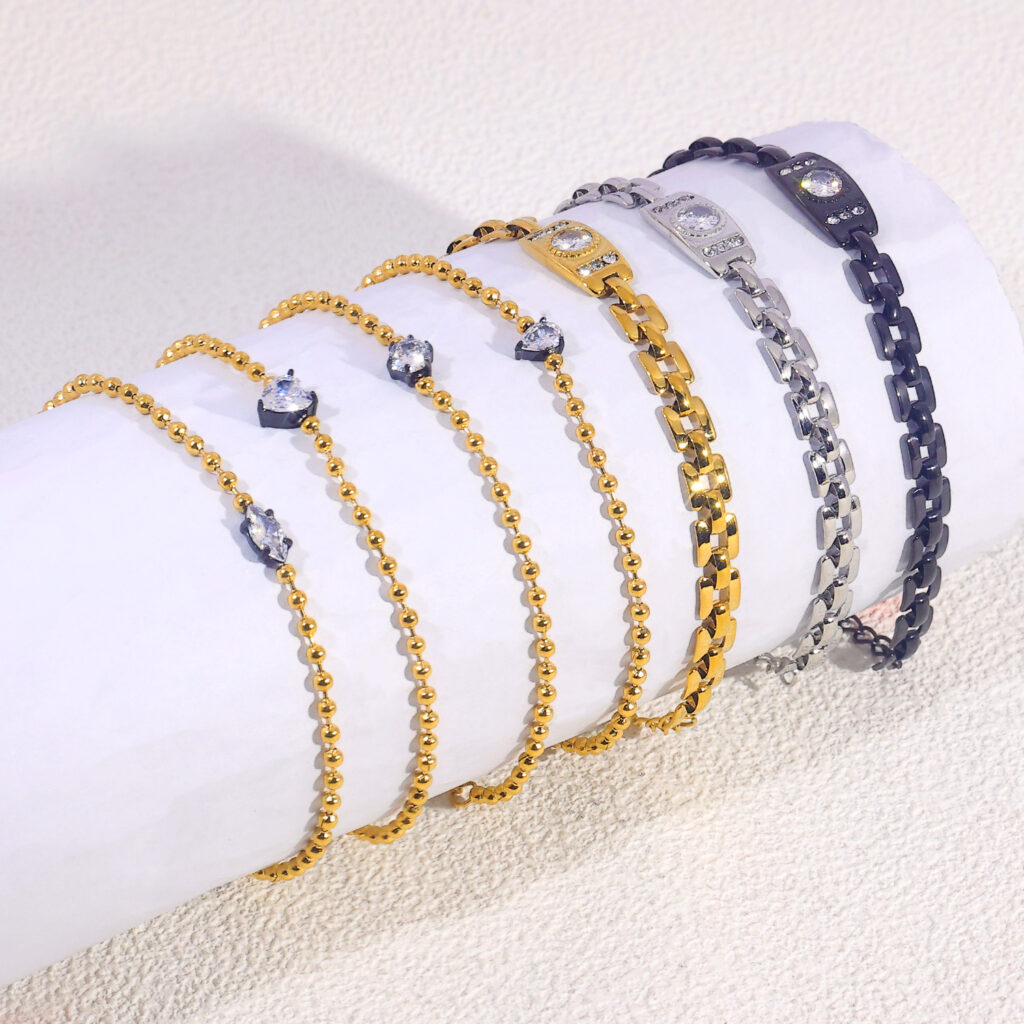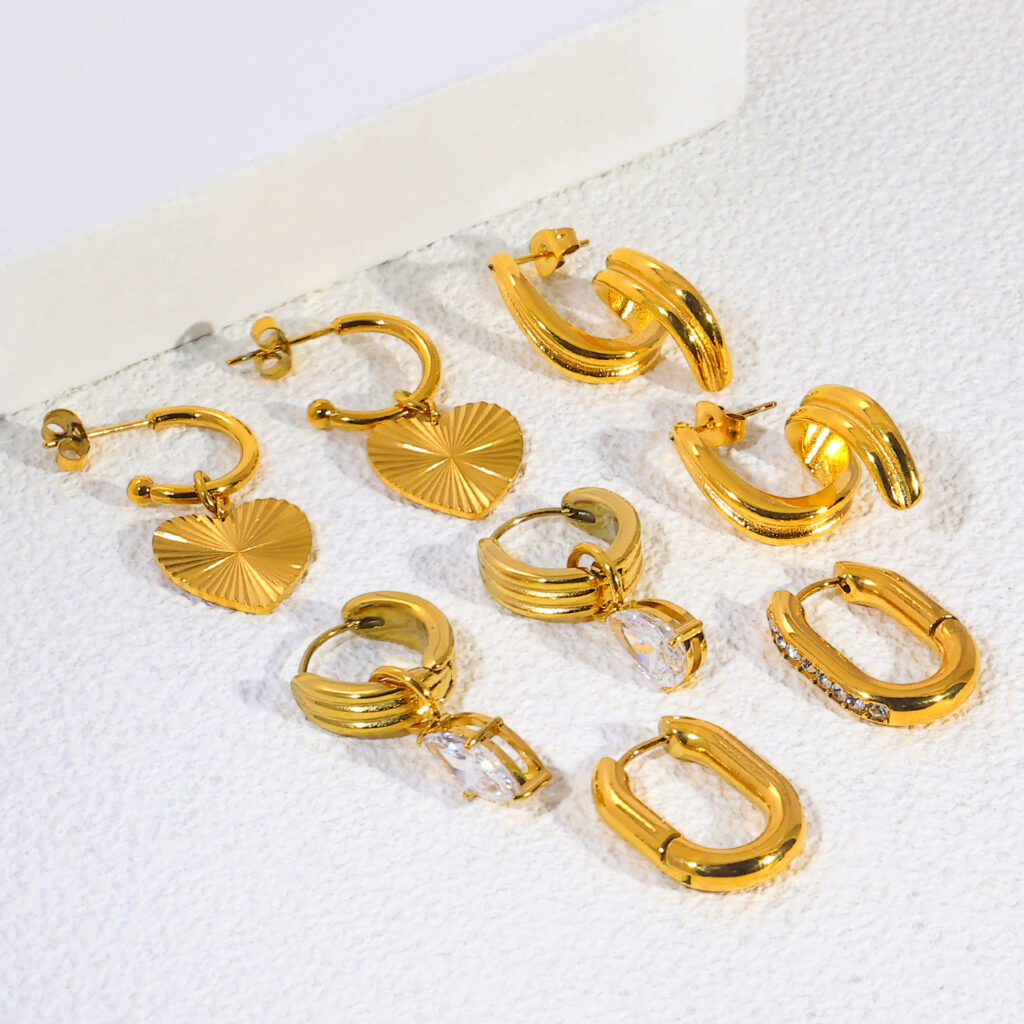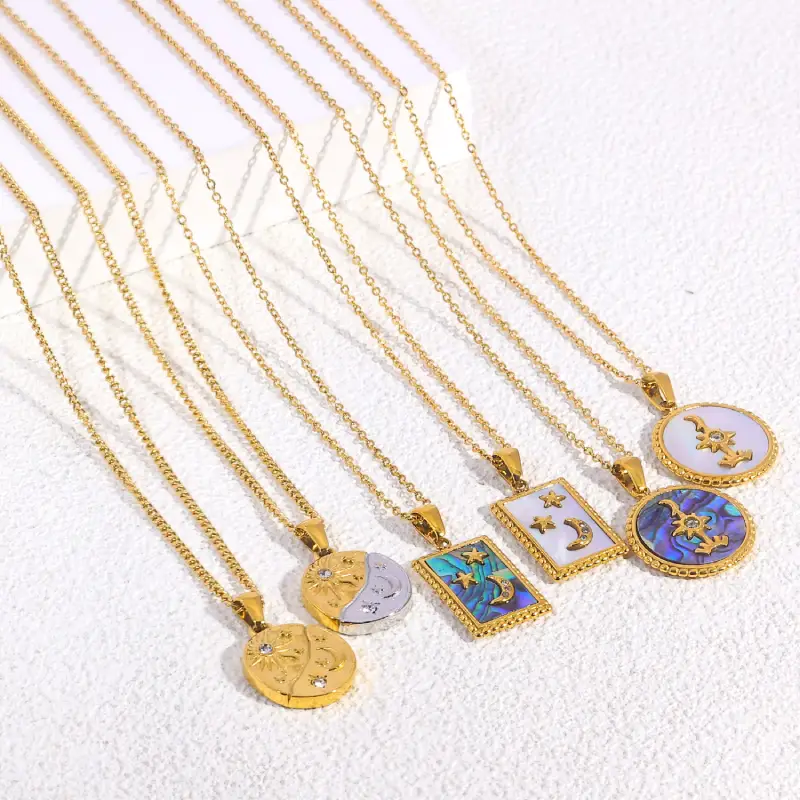
Wählen zwischen 304 und Edelstahl 316L beeinflusst die Korrosionsbeständigkeit einer Schmuckkollektion, Eignung für längeren Hautkontakt, Produktionskosten, und Marktpositionierung. Grad 304 eignet sich gut für dekorative Komponenten und Produkte für den gelegentlichen Gebrauch, während 316L im Allgemeinen für Schmuckstücke bevorzugt wird, die häufiger Schweiß ausgesetzt sind, Feuchtigkeit, und chloridreiche Umgebungen.
Dieser Leitfaden vergleicht die beiden Qualitäten nach Zusammensetzung, Korrosionsbeständigkeit, Überlegungen zur Nickelfreisetzung, kosten, und typische Schmuckanwendungen. Außerdem wird erläutert, welche Materialdokumente und Fertigprodukttests Marken prüfen sollten, bevor sie eine Bestellung genehmigen.
Wo sind 304 und 316L werden in Schmuck verwendet?
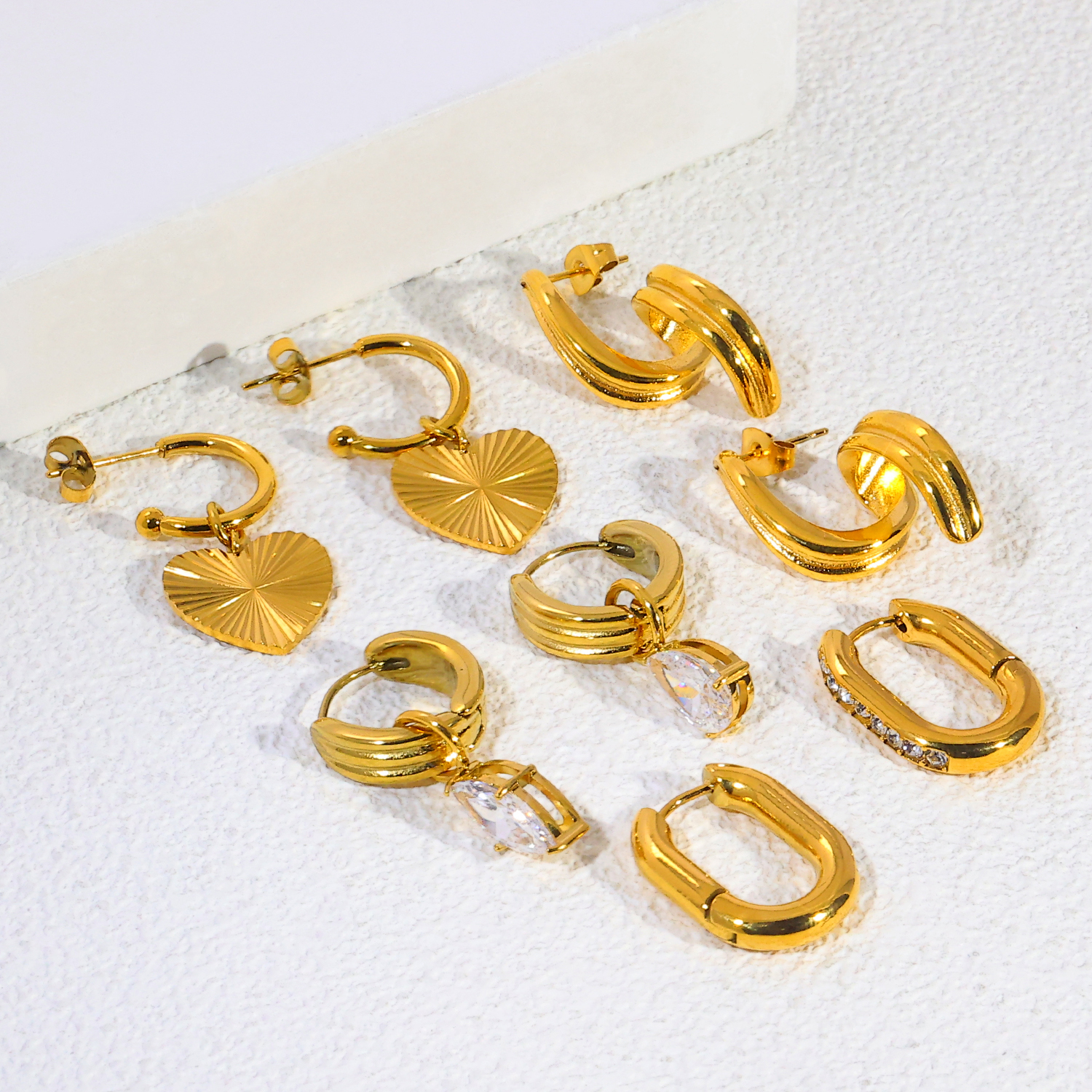
Beide Qualitäten werden in Schmuck verwendet, aber 316L wird im Allgemeinen bevorzugt, wenn eine stärkere Schweißbeständigkeit vorliegt, Feuchtigkeit, und Chlorid-Exposition ist erforderlich. Grad 304 kann dekorativ passen, gelegentliches Tragen, und kostensensible Produkte.
Der richtige Grad hängt davon ab, wie der Schmuck getragen wird, die Bedingungen, denen es begegnen kann, und welche Ansprüche die Marke stellen möchte. Bei der Materialauswahl sollte auch die Oberflächenveredelung berücksichtigt werden, Beschichtungen, Komponentenkonstruktion, und die Compliance-Anforderungen des Zielmarktes.
316L für Alltags- und stärker beanspruchten Schmuck
Der Molybdängehalt in 316L verleiht ihm eine höhere Beständigkeit gegen Lochfraß und Korrosion in chloridreichen Umgebungen als 304. Dies macht es zu einer häufigen Wahl für Schmuck, der häufig Schweiß ausgesetzt ist, Luftfeuchtigkeit, und Wasser. Jusnova bietet Individueller Schmuck aus Edelstahl in beiden 304 und 316L, mit Optionen für verschiedene Stile, endet, Beschichtungsfarben, und Branding-Anforderungen.
Zu den typischen Anwendungen gehören::
- Ringe, Halsketten, und Armbänder: Geeignet für Kollektionen, die für häufiges oder längeres Tragen vorgesehen sind.
- Ohrringe und Hautkontaktkomponenten: Wird oft dort eingesetzt, wo Korrosionsbeständigkeit und Oberflächenstabilität Priorität haben.
- Kollektionen für Sport und aktiven Lebensstil: Besser geeignet für wiederholte Schweiß- und Feuchtigkeitseinwirkungen als 304.
- Kollektionen für empfindliche Haut: Wird häufig als Grundmaterial verwendet, allerdings sollten hypoallergene Behauptungen durch Nickelfreisetzungstests am fertigen Produkt gestützt werden.
Standardschmuck aus 316L sollte nicht automatisch als Implantatqualität oder als geeignet für frische Piercings bezeichnet werden. Für diese Anwendungen sind möglicherweise bestimmte Materialstandards erforderlich, Fertigungskontrollen, und Prüfung des fertigen Produkts.
304 für dekorative und mäßig belichtete Produkte
Grad 304 Bietet außerdem eine nützliche Korrosionsbeständigkeit und kann dort angebracht sein, wo Schweiß ausgesetzt ist, Salz, und die Feuchtigkeit ist begrenzt. Es wird häufig für Produkte ausgewählt, die nicht die höhere Chloridbeständigkeit von 316L erfordern.
Zu den typischen Anwendungen gehören::
- Gelegentlich getragener Schmuck: Geeignet für Teile, die nicht ständig Schweiß oder Feuchtigkeit ausgesetzt sind.
- Dekorative Accessoires: Wird für Broschen verwendet, Haarschmuck, Reize, Schlüsselanhänger, und ähnliche Produkte.
- Ausgewählte Erkenntnisse und Komponenten: Kann dort eingesetzt werden, wo die Position und Funktion der Komponente keine anspruchsvollen Belichtungsbedingungen mit sich bringt.
- Saison- und Werbekollektionen: Bietet beim Preis eine praktische Option, Produktlebenszyklus, und Verwendungszweck unterstützen die Wahl.
Grad 304 sollte nicht automatisch als minderwertiges Material behandelt werden. Die Eignung hängt vom Produktdesign ab, Oberflächenbeschaffenheit, erwartete Tragebedingungen, und erforderliche Testergebnisse.
Auswählen einer Sorte für eine Produktlinie
Wählen Sie 316L, wenn die Kollektion auf häufiges Tragen ausgerichtet ist, feuchte Umgebungen, Schweißresistenz, oder stärkere Korrosionsleistung. In Betracht ziehen 304 zur Dekoration, gelegentliches Tragen, oder kostenempfindliche Produkte, die weniger anspruchsvollen Anforderungen ausgesetzt sind.
Marken, die Begriffe wie „hypoallergen“ verwenden," "wasserfest,„oder „geeignet für empfindliche Haut“ sollten diese Angaben durch entsprechende Tests des fertigen Schmucks überprüfen. Die Sortenbezeichnung allein bestätigt nicht die Leistungsfähigkeit von Beschichtungen, Schweißnähte, Verschlüsse, oder andere Komponenten.
Wie wirkt sich Molybdän auf die Produktleistung aus??
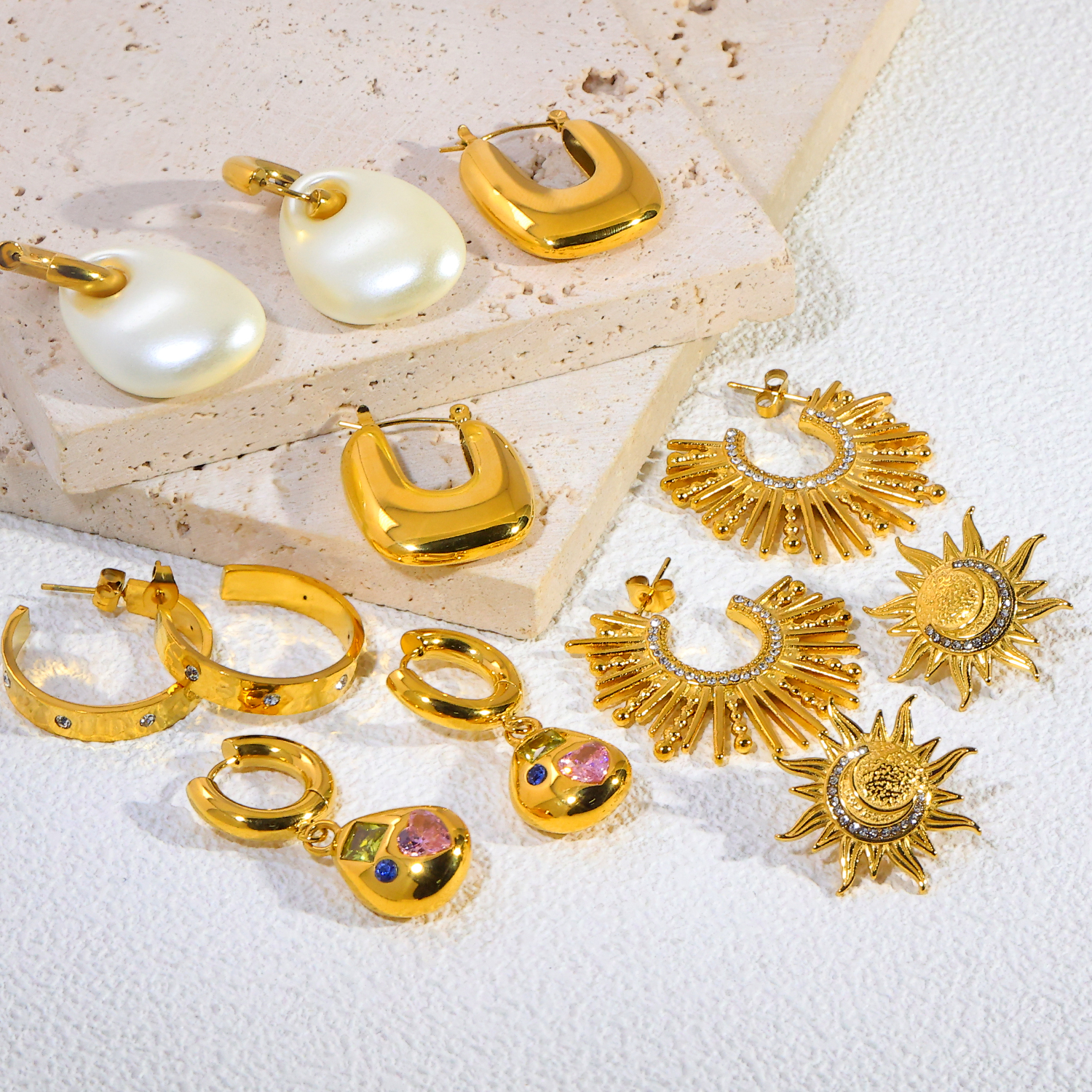
Das Molybdän in 316L verbessert die Beständigkeit gegen Lochfraß und Spaltkorrosion, insbesondere wenn Schmuck Schweiß ausgesetzt ist, Salz, Luftfeuchtigkeit, und andere chloridhaltige Umgebungen.
Der Hauptkompositionsunterschied zwischen 304 und Edelstahl 316L ist, dass 316L typischerweise Molybdän enthält, während 304 im Allgemeinen nicht. Dieser Zusatz stärkt die passive Oberflächenschicht, die Edelstahl vor Korrosion schützt.
Bessere Beständigkeit gegen Lochfraß und Spaltkorrosion
Chloride im Schweiß, Salzwasser, und einige Reinigungsmittel können die Passivschicht auf Edelstahl schwächen. Sobald diese Schicht in einem kleinen Bereich zusammenbricht, Es kann zu Lochfraß kommen, auch wenn der Rest der Oberfläche unbeeinträchtigt zu sein scheint.
Molybdän trägt dazu bei, dass 316L dieser lokalisierten Korrosion wirksamer widersteht als 304. Dies ist besonders bei Schmuckstücken mit schmalen Spaltmaßen sinnvoll, Gelenke, Verschlüsse, vertiefte Details, und andere Bereiche, in denen nach dem Tragen Feuchtigkeit oder Rückstände zurückbleiben können.
Jedoch, Die Materialqualität ist nur ein Faktor. Polierqualität, Schweißen, Passivierung, Oberflächenverschmutzung, und Produktpflege wirken sich auch auf die Korrosionsleistung aus.
Die Nickelfreisetzung erfordert noch Tests am fertigen Produkt
Eine verbesserte Korrosionsbeständigkeit kann dazu beitragen, die Bedingungen zu reduzieren, die zur Freisetzung von Metallionen beitragen, aber Molybdän macht 316L nicht nickelfrei. Tatsächlich, beide 304 und 316L enthalten normalerweise Nickel.
Die Nickelfreisetzung hängt von der endgültigen Legierung ab, Oberflächenzustand, Herstellungsprozess, und Expositionsumgebung. Marken sollten daher vermeiden, die 316L-Bezeichnung allein als Beweis dafür zu betrachten, dass ein Produkt hypoallergen ist. Behauptungen im Zusammenhang mit empfindlicher Haut oder der Einhaltung gesetzlicher Vorschriften sollten durch entsprechende Tests am fertigen Schmuckstück untermauert werden.
Stabileres Erscheinungsbild unter anspruchsvollen Bedingungen
Weil 316L eine stärkere Beständigkeit gegen lokale Korrosion bietet, es ist weniger wahrscheinlich als 304 kleine Rostflecken entstehen, Lochfraß an der Oberfläche, oder Färben unter den gleichen chloridreichen Bedingungen. Dies kann dazu beitragen, dass polierter und gebürsteter Schmuck beim regelmäßigen Tragen ein einheitliches Aussehen behält.
Das endgültige Erscheinungsbild hängt auch von der Verarbeitung und der eventuell aufgetragenen Beschichtung ab. Für goldfarbenen PVD-Schmuck, Die Farberhaltung wird durch die Vorbereitung der Beschichtung beeinflusst, Dicke, Haftung, tragen, und Pflege – nicht allein durch die Edelstahlsorte. Unser Leitfaden zu Wasserdichtigkeit des PVD-Schmucks erklärt, wie Schwimmen, Salzwasser, Chlor, Reibung, und Produktpflege können die Beschichtungsleistung beeinträchtigen.
Wählen Sie den richtigen Edelstahl für Ihre Sammlung
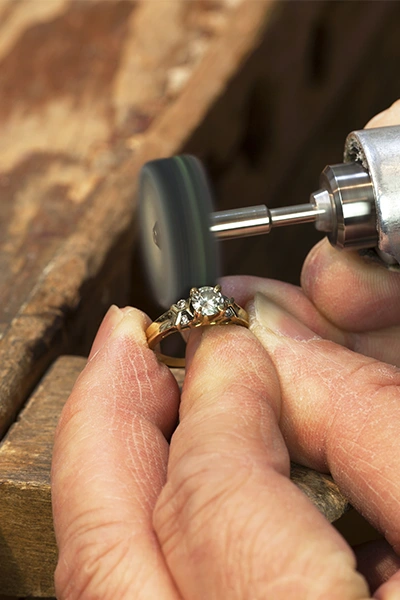
Was Marken über die Freisetzung von Nickel wissen sollten?
-1024x1024.jpg)
Nickelgehalt und Nickelfreisetzung sind nicht dasselbe. Für die Einhaltung gesetzlicher Vorschriften und Angaben zu empfindlicher Haut, Marken sollten bewerten, wie viel Nickel aus dem fertigen Schmuckstück freigesetzt wird, anstatt sich nur auf die Stahlsorte zu verlassen.
Der Nickelgehalt ist nicht dasselbe wie die Nickelfreisetzung
Beide 304 und Edelstahl 316L enthalten normalerweise Nickel. Die Sorte 316L kann sogar einen höheren Nickelanteil enthalten als 304, Ein geringerer Nickelgehalt bedeutet also nicht automatisch ein geringeres Risiko einer Hautexposition.
Die Nickelfreisetzung beschreibt die Menge an Nickel, die unter bestimmten Testbedingungen aus dem fertigen Produkt austritt. Es kann durch mehrere Faktoren beeinflusst werden:
- die Legierungszusammensetzung;
- Korrosionsbeständigkeit;
- Polieren und Passivieren;
- Schweiß- und Fertigungsqualität;
- Beschichtungen und Oberflächenverschleiß;
- Schweißbelastung, Feuchtigkeit, und Reinigungsprodukte.
Das Molybdän in 316L verbessert die Beständigkeit gegen lokale Korrosion, Dies kann dazu beitragen, dass die Oberfläche unter Chlorideinwirkung stabiler bleibt. Jedoch, Die Bezeichnung 316L allein bestätigt kein spezifisches Ergebnis der Nickelfreisetzung.
EU-Anforderungen zur Nickelfreisetzung
In der Europäischen Union verkaufter Schmuck muss die unten aufgeführten Nickelbeschränkungen erfüllen REACH Anhang XVII, Eintrag 27. Der geltende Grenzwert hängt davon ab, wie das Produkt mit dem Körper in Kontakt kommt.
| Produktkategorie | Grenzwert für die Nickelfreisetzung | Typische Beispiele |
|---|---|---|
| Pfostenbaugruppen, die in durchstochene Ohren oder andere durchstochene Körperteile eingeführt werden | Unten 0.2 µg/cm²/Woche | Ohrringpfosten und andere eingesetzte Pfostenbaugruppen |
| Artikel, die für direkten und längeren Hautkontakt bestimmt sind | Höchstens 0.5 µg/cm²/Woche | Ringe, Halsketten, Armbänder, Fußkettchen, Ohrringe, und Uhrenarmbänder |
| Hautkontaktartikel mit einer Nicht-Nickel-Beschichtung | Höchstens 0.5 µg/cm²/Woche während des erforderlichen Zeitraums normaler Nutzung | Beschichteter Schmuck, dessen Grundmaterial Nickel enthält |
Ringe, Halsketten, Armbänder, Uhrenarmbänder, Fußkettchen, Ohrringe, Nieten, Tasten, Reißverschlüsse, und ähnliche Artikel können bei bestimmungsgemäßer Verwendung unter die Anforderung für einen längeren Kontakt fallen.
IN 1811 ist die Referenztestmethode, die üblicherweise zur Messung der Nickelfreisetzung aus relevanten Produkten verwendet wird. Beschichtete Gegenstände, die für längeren Hautkontakt vorgesehen sind, müssen vor der Freigabeprüfung möglicherweise auch einer Verschleiß- und Korrosionskonditionierung unterzogen werden, da die Beschichtung bei normalem Gebrauch weiterhin ausreichenden Schutz bieten muss.
Kann beides 304 und 316L erfüllen das Limit?
Die Stahlsorte allein entscheidet nicht darüber, ob ein fertiges Produkt die Prüfung besteht oder nicht. Mit ordnungsgemäß hergestellten Produkten aus beiden Sorten können für eine bestimmte Anwendung akzeptable Ergebnisse erzielt werden, während schlechte Verarbeitung, Kontamination, beschädigte Beschichtungen, oder ungeeignete Komponenten können zu Compliance-Problemen führen.
Wenn eine stärkere Korrosionsbeständigkeit erforderlich ist, wird im Allgemeinen die Sorte 316L bevorzugt, insbesondere für Produkte, die häufig Schweiß oder Feuchtigkeit ausgesetzt sind. Jedoch, Marken sollten nicht davon ausgehen, dass jedes 316L-Produkt automatisch die Nickelfreisetzungsgrenzwerte einhält. Für Piercingschmuck können auch Material- und Produktanforderungen gelten, die über die allgemeine 316L-Bezeichnung hinausgehen.
Der zuverlässigste Ansatz besteht darin, repräsentative Fertigprodukte zu testen. Das geprüfte Muster sollte in seinem Grundmaterial mit dem Produktionsartikel übereinstimmen, Beschichtung, polieren, Schweißnähte, Erkenntnisse, und andere Hautkontaktkomponenten.
Wie sollten Nickel-bezogene Ansprüche formuliert werden??
Weder 304 Auch Edelstahl 316L sollte nicht als „nickelfrei“ vermarktet werden, da beide Qualitäten normalerweise Nickel enthalten. Marken sollten es auch vermeiden, Begriffe wie „hypoallergen“ zu verwenden,” „Chirurgenstahl,„und „geeignet für empfindliche Haut“ als automatische Eigenschaften von 316L. Für einen genaueren Blick auf die Materialauswahl, Beiträge, Beschichtungen, und Ansprüche wegen empfindlicher Ohren, Sehen Sie sich unseren Leitfaden dazu an Edelstahlohrringe sind hypoallergen.
Wo diese Ansprüche verwendet werden, Das sollten sie sein:
- im Einklang mit dem tatsächlichen Material und der Konstruktion des Produkts stehen;
- unterstützt durch entsprechende Testergebnisse des fertigen Produkts;
- passend zu den Vorschriften und Werberegeln des Zielmarktes;
- geschrieben, ohne zu implizieren, dass eine allergische Reaktion ausgeschlossen ist.
Ein bestandenes Nickelfreisetzungsergebnis zeigt die Leistung unter den angegebenen Testbedingungen. Es ist nicht gewährleistet, dass kein hochsensibler Kunde jemals eine Reaktion erfahren wird. Genaue Produktbeschreibungen und unterstützende Testaufzeichnungen helfen Marken dabei, realistische Erwartungen zu formulieren und auf Anfragen von Einzelhändlern oder Behörden zu reagieren.
Wie wirkt sich die Materialqualität auf die Produktkosten aus??
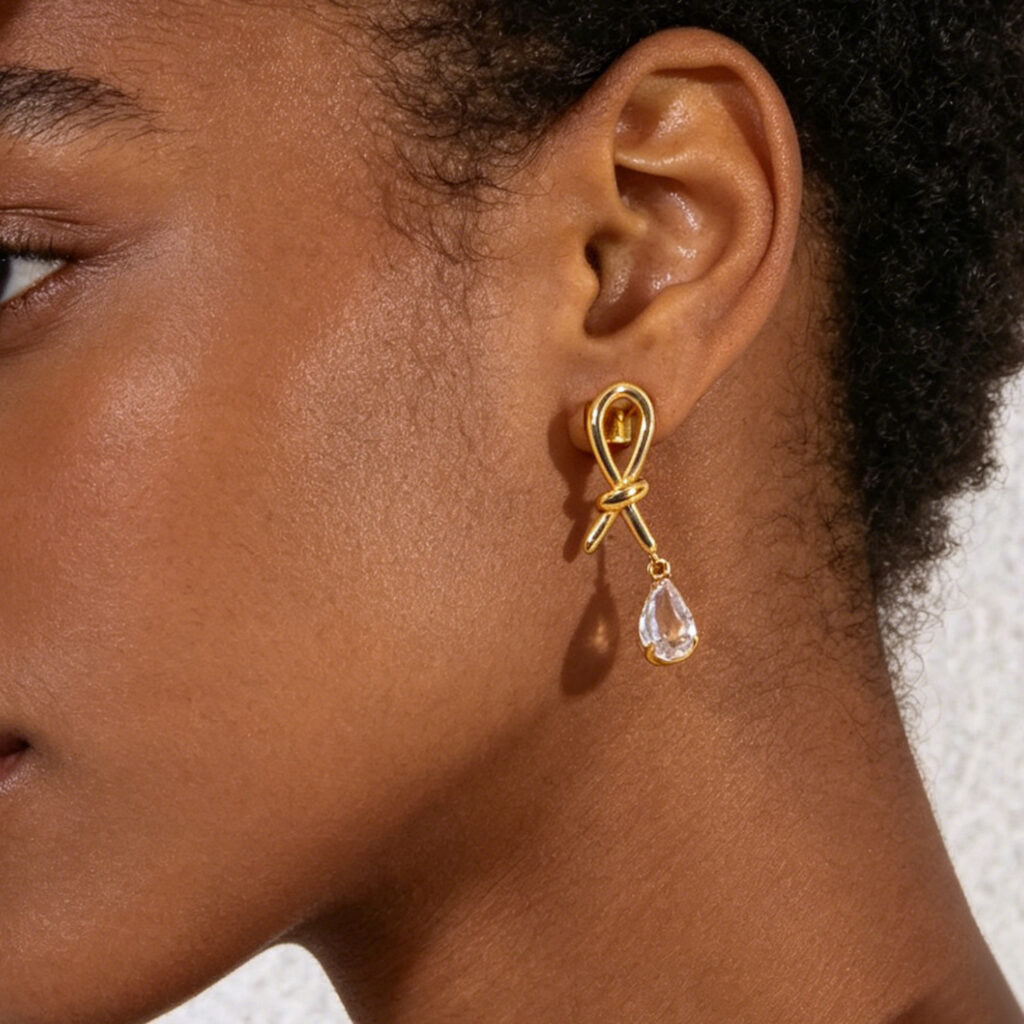
Für die Sorte 316L sind in der Regel die Rohstoffkosten höher 304, Die Auswirkung auf den fertigen Schmuckpreis hängt jedoch vom Produktgewicht ab, Design, Verarbeitung, Beschichtung, Bestellmenge, und Prüfanforderungen.
Rohstoffkosten
Der Molybdän- und Legierungsgehalt in 316L macht es im Allgemeinen teurer als 304. Jedoch, Es gibt keinen festen prozentualen Unterschied, der für jede Bestellung gilt. Die Metallpreise ändern sich im Laufe der Zeit, und die Prämie variiert auch je nach Materialform, Anbieter, Einkaufsvolumen, und Marktbedingungen.
Für leichten Schmuck, Das Grundmetall macht möglicherweise nur einen begrenzten Teil des endgültigen Stückpreises aus. Werkzeuge, Gießen oder Bearbeiten, Polieren, Steinsetzung, PVD-Beschichtung, Verpackung, Testen, und Bestellmenge können einen größeren Einfluss auf das Angebot haben als die Differenz zwischen 304 und 316L.
Marken sollten daher Angebote für das gleiche Design und die gleiche Spezifikation vergleichen, anstatt einen allgemeinen Rohstoffanteil auf das fertige Produkt anzuwenden.
Die Kosten sollten anhand der beabsichtigten Verwendung bewertet werden
Grad 304 kann eine praktische Wahl für die Dekoration sein, gelegentliches Tragen, und kostenempfindliche Produkte, die keine stärkere Beständigkeit gegen Chloridexposition erfordern. Die Sorte 316L kann ihre höheren Anschaffungskosten für Kollektionen rechtfertigen, die häufig getragen werden sollen, feuchte Bedingungen, oder wiederholter Kontakt mit Schweiß und Feuchtigkeit.
Eine bessere Korrosionsbeständigkeit kann die Wahrscheinlichkeit von Fleckenbildung oder Lochfraß unter anspruchsvollen Bedingungen verringern, Aber es allein garantiert nicht weniger Rendite. Die Produktleistung hängt auch davon ab:
- Bauteilkonstruktion und Schweißen;
- Polieren und Passivieren;
- Qualität der PVD-Beschichtung;
- Verschlüsse, Ketten, Beiträge, und andere Erkenntnisse;
- Pflegehinweise und Kundengebrauch;
- Prüfung und Qualitätskontrolle des fertigen Produkts.
Marken sollten die Qualität entsprechend der tatsächlichen Verwendung des Produkts und den Verkaufsaussagen auswählen – und nicht einfach das billigste Material auswählen oder davon ausgehen, dass 316L automatisch ein Premiumprodukt ergibt.
Was sollte die Lieferantenspezifikation enthalten??
Eine nützliche Lieferantenspezifikation identifiziert das erforderliche Material für jede Komponente, definiert relevante Endprodukttests, und legt fest, welche Nachweise vor der Produktionsfreigabe erbracht werden müssen.
Materialqualität und Komponentenanforderungen
Geben Sie an, ob jede Hauptkomponente aus hergestellt werden soll 304, 316L, oder ein anderes vereinbartes Material. Dies ist besonders wichtig, wenn ein Teil Ketten kombiniert, Verschlüsse, Beiträge, Biegeringe, Anhänger, oder andere Erkenntnisse, die aus unterschiedlichen Quellen stammen können.
Die Spezifikation sollte enthalten:
- Klassenbezeichnung: Geben Sie für jede relevante Komponente die erforderliche Note an.
- Materialdeklaration: Fordern Sie den Lieferanten auf, die im fertigen Artikel verwendeten Materialien zu bestätigen.
- Wichtige Kompositionsanforderungen: Wo eine Überprüfung erforderlich ist, Identifizieren Sie den anwendbaren Legierungsstandard, anstatt sich nur auf einen kommerziellen Materialnamen zu verlassen.
- Substitutionskontrolle: Vor Änderung des vereinbarten Grundmaterials ist eine schriftliche Genehmigung erforderlich, Erkenntnisse, Beschichtungssystem, oder andere kritische Komponenten.
Für einen 316L-Anspruch, Der Nachweis von Molybdän kann das Screening der Zusammensetzung unterstützen, Ein einfaches RFA-Ergebnis allein reicht jedoch möglicherweise nicht aus, um eine Unterscheidung zu treffen 316 aus kohlenstoffarmem 316L. Die erforderliche Überprüfungsmethode sollte entsprechend dem Produktrisiko und dem Auftragswert vereinbart werden.
Anforderungen an die Nickelfreisetzung
Für Schmuck, der für den EU-Markt bestimmt ist, Die Spezifikation sollte sich auf die geltenden Nickelbeschränkungen gemäß REACH-Anhang XVII beziehen, Eintrag 27 und die entsprechende Prüfmethode.
Abhängig vom Produkt, Die Anforderungen können Folgendes umfassen::
- eine Veröffentlichungsgrenze unten 0.2 µg/cm²/Woche für Pfostenmontagen, die in gepiercte Körperteile eingeführt werden;
- eine Freigabegrenze, die nicht überschritten wird 0.5 µg/cm²/Woche für Artikel, die für direkten und längeren Hautkontakt bestimmt sind;
- Prüfung repräsentativer Endprodukte und nicht nur des Rohmaterials;
- Gegebenenfalls geeignete Verschleiß- und Korrosionskonditionierung für beschichtete Produkte.
Angaben wie „hypoallergen“ oder „für empfindliche Haut geeignet“ sollten gesondert geprüft werden. Eine 316L-Materialdeklaration allein untermauert diese Behauptungen nicht.
Oberflächen- und Korrosionsleistung
Die Materialqualität ist nur ein Teil der Produktleistung. In der Lieferantenspezifikation sollte auch die Oberflächenbeschaffenheit festgelegt werden, Beschichtung, Verarbeitung, und Akzeptanzkriterien, die für das Design relevant sind.
Dazu können gehören:
- akzeptables Polieren, Kratzer, Gruben, Schweißspuren, und Oberflächenfehler;
- PVD-Farbe, Haftung der Beschichtung, und Verschleißanforderungen;
- Korrosions- oder künstlicher Schweißtest, sofern relevant;
- Inspektion von Gelenken, Verschlüsse, Beiträge, und andere Bereiche mit hohem Kontakt;
- vereinbarte Pflegebedingungen und verbotene Produktaussagen.
Wenn Salzsprühtests oder andere Korrosionsprüfungen erforderlich sind, Geben Sie die Testmethode an, Expositionszeit, Probenvorbereitung, und Pass/Fail-Kriterien. Eine allgemeine Anforderung zur „Salzsprühbeständigkeit“ ist für eine Auftragsfreigabe nicht präzise genug.
Dokumentation und Rückverfolgbarkeit
Die erforderliche Dokumentation sollte zur Auftragsgröße passen, Zielmarkt, Produktrisiko, und Markenansprüche. Ein praktisches Beweispaket kann enthalten:
- eine Materialdeklaration des Lieferanten;
- verfügbare Rohstoffzertifikate oder Mühlenaufzeichnungen;
- Screening der Zusammensetzung des Endprodukts;
- anwendbare Nickelfreisetzungs- oder Beschichtungstestberichte;
- genehmigte Muster und Spezifikationsblätter;
- Bestell- und Produktionslosidentifikation.
Bei größeren oder streng kontrollierten Aufträgen kann ein MTC nützlich sein, Es ist jedoch nicht immer für jede kleine Schmuckbestellung oder jedes fertige Bauteil verfügbar. Wenn ein Zertifikat erforderlich ist, Der Käufer sollte bestätigen, dass es mit dem Material in Verbindung gebracht werden kann, das in der tatsächlichen Produktionscharge verwendet wird.
Häufig gestellte Fragen
Was ist der Unterschied zwischen 304 und Edelstahl 316L für Schmuck?
Die Sorte 316L enthält Molybdän und hat einen niedrigeren maximalen Kohlenstoffgehalt als 304. Das Molybdän verleiht 316L eine höhere Beständigkeit gegen Lochfraß und Korrosion in schweißhaltigen Umgebungen, Salz, und andere Chloride. Grad 304 kann zu dekorativem und gelegentlich getragenem Schmuck passen, während 316L im Allgemeinen für Teile bevorzugt wird, die häufiger Feuchtigkeit ausgesetzt sind. Keine der Sorten ist automatisch hypoallergen, Daher sollten Angaben zu empfindlicher Haut durch Tests des fertigen Produkts untermauert werden.
Wie können Käufer Schmuck aus 316L-Edelstahl überprüfen??
Käufer können eine Lieferantenmaterialdeklaration anfordern, verfügbare Rohstoffzertifikate, und Zusammensetzungsscreening repräsentativer Endprodukte. RFA kann dabei helfen, eine Legierung der 316-Familie zu identifizieren, kann jedoch das kohlenstoffarme „L“ allein nicht bestätigen. Sehen Sie sich unseren Leitfaden an Überprüfung von Schmuck aus 316L-Edelstahl für einen praktischen Markierungsvergleich, Magnetabschirmung, RFA, Kohlenstoffanalyse, und Lieferantendokumente.
Enthält Edelstahl 316L Nickel??
Ja. Edelstahl der Güteklasse 316L enthält normalerweise Nickel und sollte nicht als nickelfrei bezeichnet werden. Seine korrosionsbeständige Oberfläche kann dazu beitragen, die Nickelfreisetzung zu begrenzen, Das tatsächliche Ergebnis hängt jedoch von der Legierung ab, Oberflächenbeschaffenheit, Fertigungsqualität, und Belichtungsbedingungen. Marken, die Angaben zu empfindlicher Haut oder zu hypoallergenen Produkten machen, sollten dies durch geeignete Nickelfreisetzungstests am fertigen Schmuckstück unterstützen.
Ist Edelstahl 316L wasserdicht?
Die Güteklasse 316L ist äußerst wasserbeständig, „Wasserdichtigkeit“ sollte jedoch nicht als uneingeschränkte Garantie betrachtet werden. Im Allgemeinen widersteht es alltäglicher Feuchtigkeit und Schweiß besser als 304, bei längerer Einwirkung von Salzwasser, Chlor, Seifen, oder Reinigungschemikalien können dennoch die Gelenke beeinträchtigen, Oberflächenveredelungen, und plattierte Farben. Für PVD-beschichteten Schmuck, Die Wasserbeständigkeit hängt auch von der Qualität der Beschichtung ab, tragen, und Produktpflege.
Letzte Gedanken
Wählen zwischen 304 und Edelstahl 316L sollten davon abhängen, wie der Schmuck getragen wird, die Bedingungen, denen es ausgesetzt sein wird, und welche Ansprüche die Marke stellen möchte. Grad 304 kann zur Dekoration geeignet sein, gelegentliches Tragen, und kostensensible Produkte, während 316L im Allgemeinen die stärkere Wahl für Kollektionen ist, die häufig Schweiß ausgesetzt sind, Feuchtigkeit, und chloridreiche Umgebungen.
Die Materialqualität allein bestimmt nicht die Leistung des Endprodukts. Oberflächenveredelung, Komponentenkonstruktion, Qualität der PVD-Beschichtung, Nickelfreisetzung, und die Produktionskonsistenz sollte ebenfalls überprüft werden, bevor ein Großauftrag genehmigt wird.
Fordern Sie Muster an, um das Finish zu bewerten, Konstruktion, Beschichtung, und relevante Prüfdokumentation für Ihre Sammlung. Kontaktieren Sie unser Team um Ihre OEM-Anforderungen zu besprechen und eine Material- und Qualitätsspezifikation zu entwickeln, die zu Ihren Designs und Ihrem Zielmarkt passt.