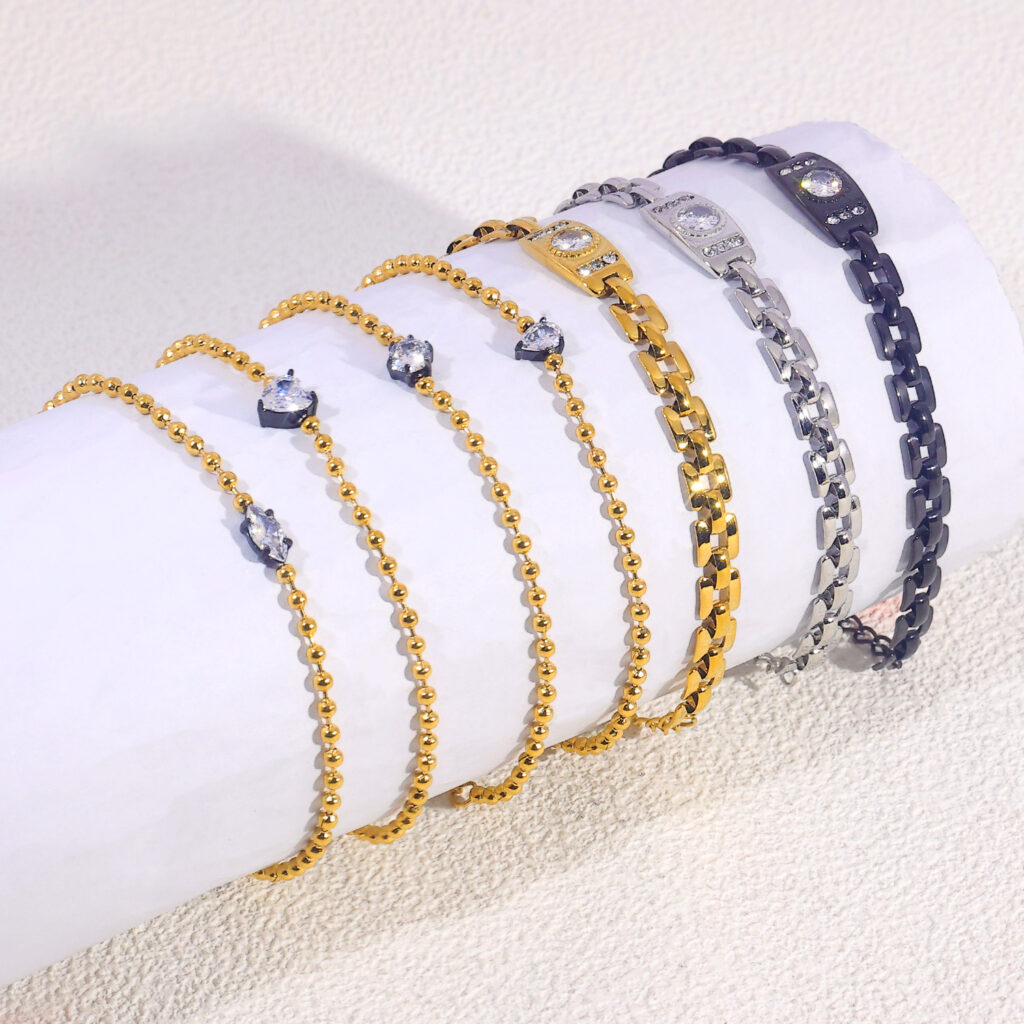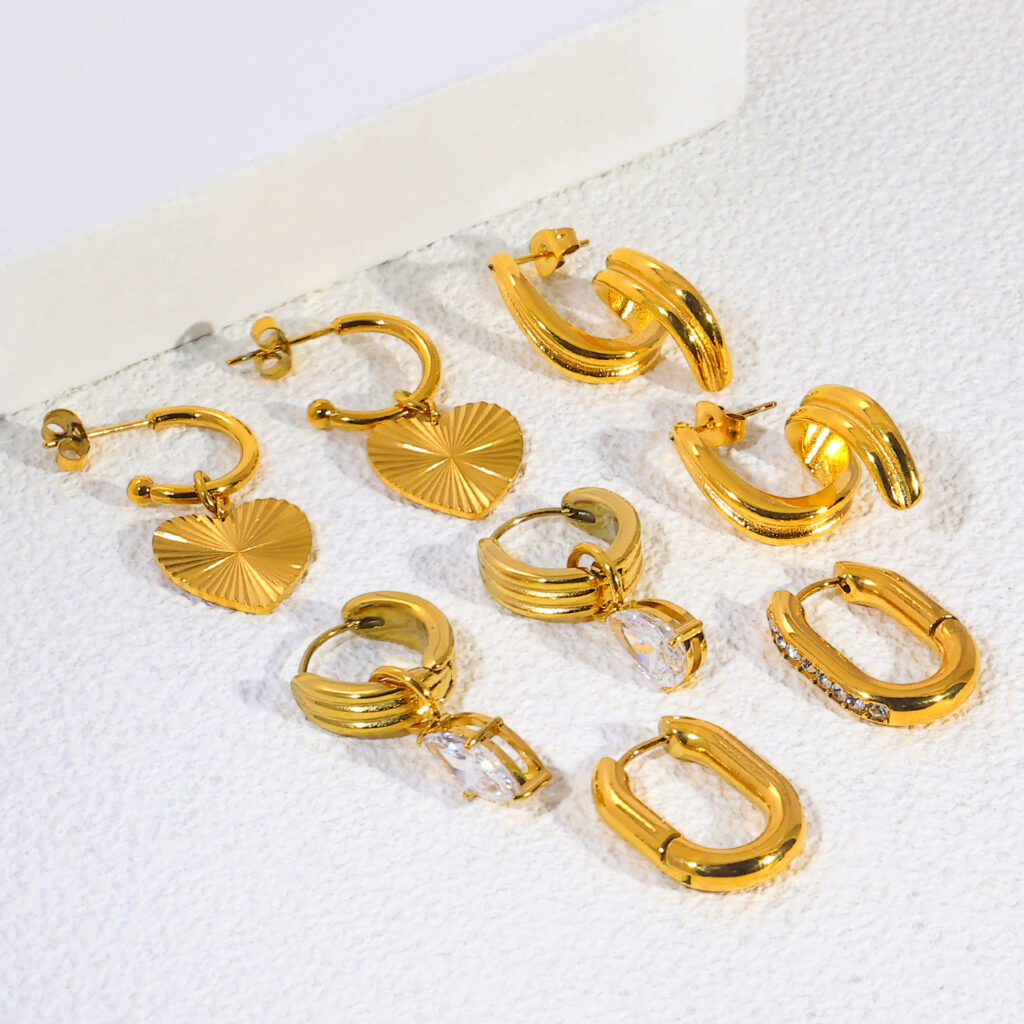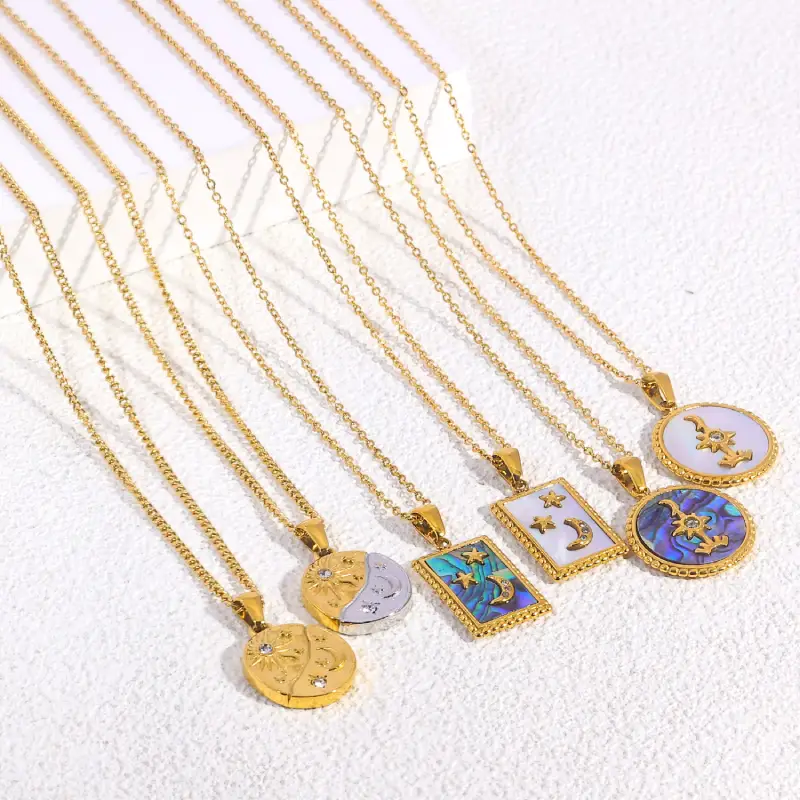
Le choix entre des bijoux en or et en PVD n'affecte pas seulement l'apparence de vos produits.. Le matériau influence la durabilité, prix, les attentes des clients, et le type de marque que vous pouvez construire autour d'elle. Un mauvais choix peut entraîner une usure plus rapide, plaintes des clients, et retours inutiles.
Ce guide compare les bijoux en or avec l'acier inoxydable recouvert de PVD en fonction de leur teneur en or., durabilité, entretien, coût, et à porter au quotidien. Cela vous aidera à décider quel matériau correspond le mieux à votre collection et à votre marché cible..
Qu'est-ce que les bijoux remplis d'or?
L'or rempli est’je ne viens pas de plaqué. Il’C'est un matériau réglementé dans lequel une épaisse couche d'or véritable est liée mécaniquement à un métal de base., lui donnant une durabilité à long terme et une valeur réelle du métal précieux.
Comment sont fabriqués les bijoux en or rempli
Les fabricants lient une couche d’or carats à un noyau en métal de base, généralement du laiton de bijoutier, en utilisant la chaleur et la pression. Contrairement au placage conventionnel, l'or forme un plus épais, partie du matériau liée mécaniquement. Aux États-Unis, un article commercialisé comme « rempli d’or » doit généralement contenir au moins 5 % – ou 1/20e – d’or en poids..
Durabilité et valeur par rapport au placage
La couche d'or carats plus épaisse confère aux bijoux remplis d'or une meilleure résistance à l'usure quotidienne que le placage à l'or standard.. Ses performances dépendent encore de la conception du produit, friction, exposition chimique, et soins.
Les bijoux en or contiennent également une quantité mesurable de métaux précieux. Aux États-Unis, la couche d'or doit représenter au moins 5% du poids total de l'article, lui donnant une valeur matérielle et une position sur le marché différentes des bijoux de mode standard.
Qu'est-ce que les bijoux PVD?
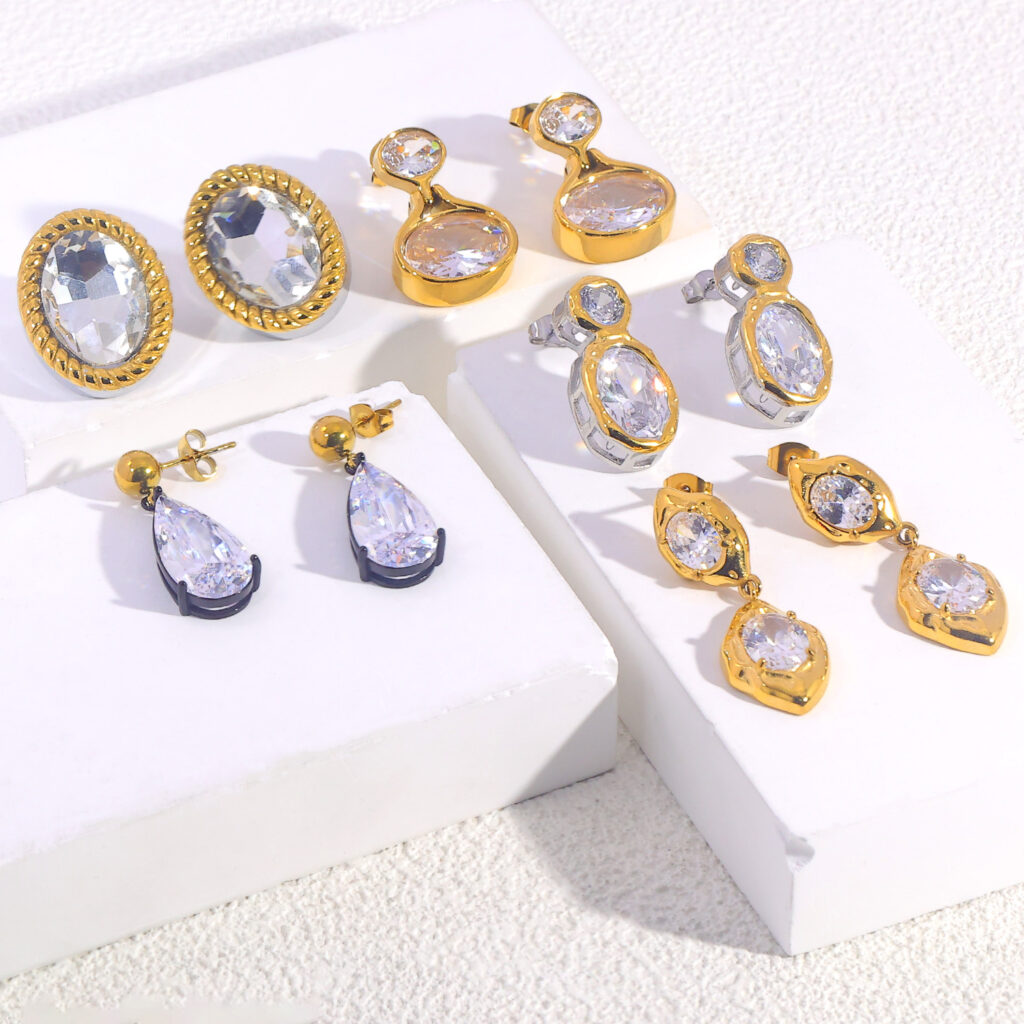
Les bijoux PVD sont en métal de base, généralement en acier inoxydable, avec une finition de surface durable créée en déposant une fine, film métallique dur dans un processus sous vide de haute technologie.
Le revêtement PVD: Une définition technique
PVD signifie Dépôt Physique en Vapeur. Il s’agit d’un processus de revêtement sous vide dans lequel un matériau solide est vaporisé puis déposé sous forme d’un film mince sur la surface d’un produit.. Pour les bijoux, cela signifie prendre une pièce finie, comme une bague en acier inoxydable, et application d'une finition décorative et protectrice.
Le processus crée un revêtement extrêmement dur et résistant à l'usure qui se lie au métal de base au niveau atomique.. Cette liaison est beaucoup plus forte que celle que vous obtenez avec la galvanoplastie traditionnelle.. Le résultat n’est pas une épaisse couche de métal neuf, mais une finition de surface technique qui offre couleur et durabilité.
Matériaux utilisés dans les bijoux PVD
La pièce finale est une combinaison d'un métal de base et du revêtement déposé. Le choix des deux est essentiel pour le bijou’les performances.
| Catégorie de matériau | Options communes | Rôle et considérations |
|---|---|---|
| Métal de base | 316L acier inoxydable et titane | Fournit la solidité et la résistance à la corrosion du produit. La composition de l'alliage affecte également la compatibilité cutanée et les performances au quotidien.. |
| Matériau de revêtement | Nitrure de titane, nitrure de zirconium, or, ou alliages d'or | Crée la couleur et la finition de surface du produit. Différents matériaux et gaz réactifs peuvent produire de l'or, or rose, noir, et tons bronze. |
Il’Il est important de se rappeler que PVD décrit le processus, pas le matériau de revêtement lui-même. « PVD or » signifie une finition de couleur or appliquée via PVD, ce qui ne’ne garantit aucune teneur significative en or en poids.
Source à marge élevée, Bijoux étanches directs
Durabilité et résistance à l'usure
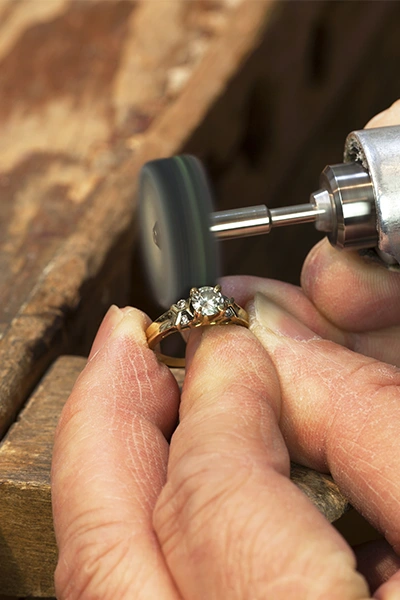
La durabilité remplie d'or vient de son épaisseur, couche d'or régulée qui s'use lentement. La durabilité du PVD vient d'un mince, revêtement dur qui résiste aux rayures mais a une durée de vie plus variable.
Comment la construction affecte la durabilité
La durabilité des bijoux en or est étroitement liée à l'épaisseur de leur matériau.. Il utilise une couche d'or carat liée mécaniquement sur un noyau en métal de base.. Aux États-Unis. conseils pour le marquage des bijoux, « rempli d'or » fait référence à une couche d'alliage d'or appliquée mécaniquement qui répond à des exigences spécifiques en matière de contenu et de marquage.. Cette couche plus épaisse s'use généralement plus progressivement que le placage standard.
Bijoux PVD tire sa durabilité de l'ingénierie de surface. Un revêtement fin mais très dur est déposé en phase vapeur sur un métal de base, souvent en acier inoxydable. Cela crée une surface qui résiste parfaitement aux rayures et aux éraflures.. Sa durabilité dépend du revêtement’s qualité et épaisseur, pas sur une masse d'or réglementée, ce qui rend sa performance à long terme plus variable que celle remplie d'or.
Le principal compromis est clair. Le gold-filled offre une tenue à long terme en fonction de son volume d'or. Le PVD offre une dureté de surface élevée et une résistance aux rayures grâce à son revêtement technique.
Performance hypoallergénique
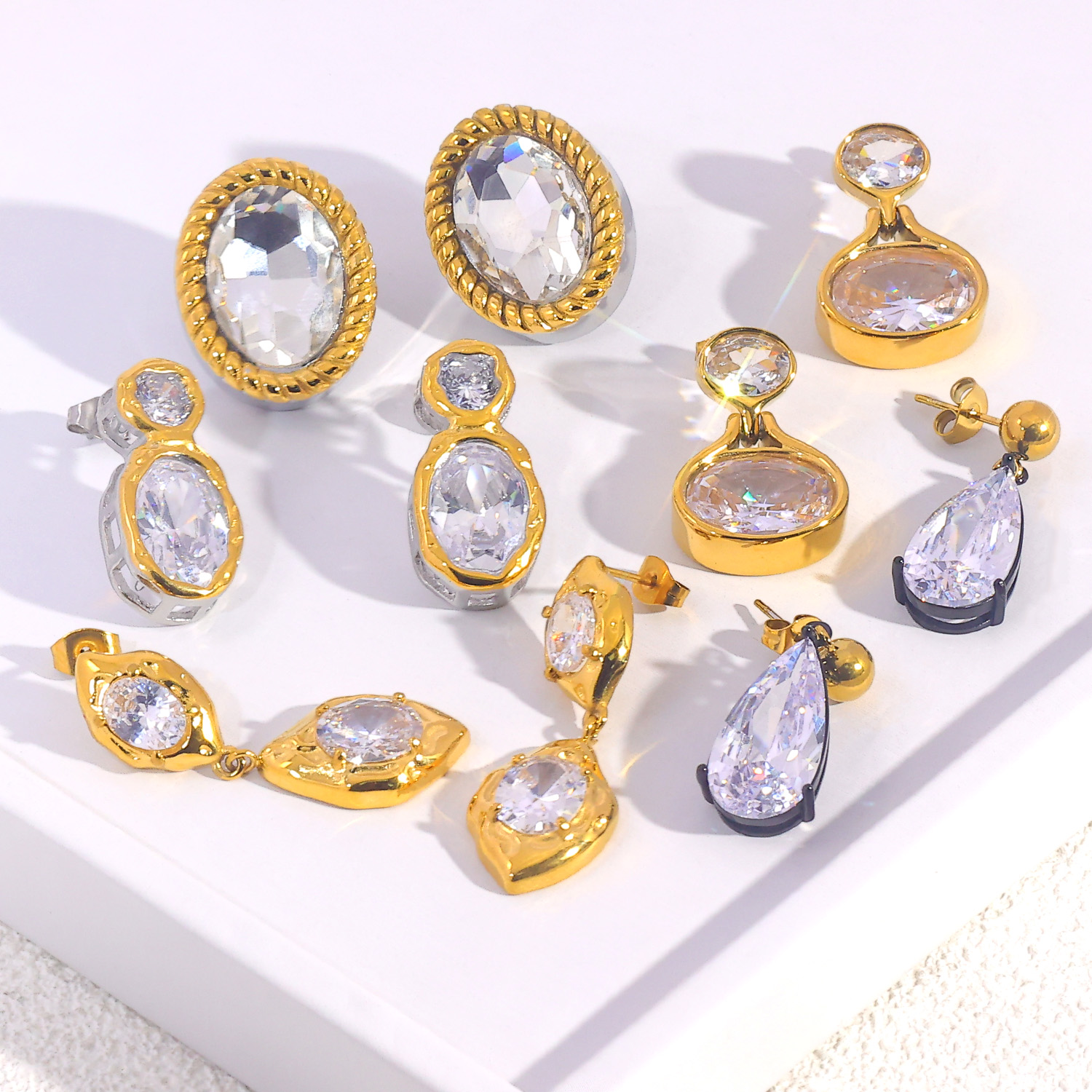
Les deux peuvent être hypoallergéniques, mais le mécanisme diffère. Le remplissage d'or utilise une épaisse barrière d'or, tandis que PVD’Les performances du s dépendent de la combinaison d’un revêtement inerte avec un métal de base de qualité.
Performance des bijoux remplis d'or
Les bijoux remplis d'or utilisent une épaisse couche d'or carats liée à un noyau en métal de base. Cette couche sépare la peau des métaux réactifs tels que le laiton ou le cuivre et peut aider à réduire les irritations chez de nombreux utilisateurs..
Il peut convenir aux personnes présentant une sensibilité légère à modérée aux métaux., surtout lorsqu'un alliage d'or sans nickel est utilisé. Cependant, la protection dépend du fait que la couche d'or reste intacte. S'il s'use (plus probablement sur des pièces à forte friction telles que des bagues et des bracelets), le noyau en laiton exposé peut provoquer une irritation ou une décoloration de la peau..
Performance des bijoux recouverts de PVD
Bijoux PVD‘Les performances hypoallergéniques sont moins une question d'épaisseur que de synergie de matériaux. Le processus applique une fine, dur, et revêtement chimiquement inerte sur un métal de base. Le facteur clé est le métal de base lui-même. Lorsque le PVD est appliqué sur un support de haute qualité, base biocompatible comme l'inox 316L ou le titane, l'ensemble du système devient hautement hypoallergénique.
Cette combinaison est souvent recommandée aux personnes souffrant d'allergies sévères aux métaux.. Le revêtement PVD inerte constitue la première ligne de défense, et si jamais ça s'use, le métal de base exposé est déjà sans danger pour la peau. Mais si le PVD est appliqué à un alliage de faible qualité ou inconnu, sa protection est temporaire. Tout éclat ou point d'usure expose immédiatement la peau aux métaux réactifs qui se trouvent en dessous..
Comparaison des coûts
Rempli d'or’Le coût dépend de sa réglementation 5% teneur en or. Le PVD est beaucoup moins cher, s'appuyant sur un processus de revêtement efficace sur l'acier inoxydable, ce qui le rend idéal pour les marques de mode.
Coûts de production et de matériaux
L'avantage en termes de coût du Gold PVD vient de son processus de fabrication. Il s'agit de revêtir un métal de base peu coûteux, généralement en acier inoxydable, avec un film incroyablement fin de matériau doré. À grande échelle, ce processus est très efficace, en minimisant les coûts de matériaux et de main d'œuvre.
Le gold-filled est une autre histoire. Le processus lie mécaniquement une épaisse feuille d’or véritable carats à une base en laiton. Légalement, que l'or doit représenter au moins 5% de l'article’s poids total. Cela signifie que le coût final est directement lié au prix du métal précieux lui-même., pas seulement la fabrication.
Quelle option est la meilleure pour les marques de bijoux?
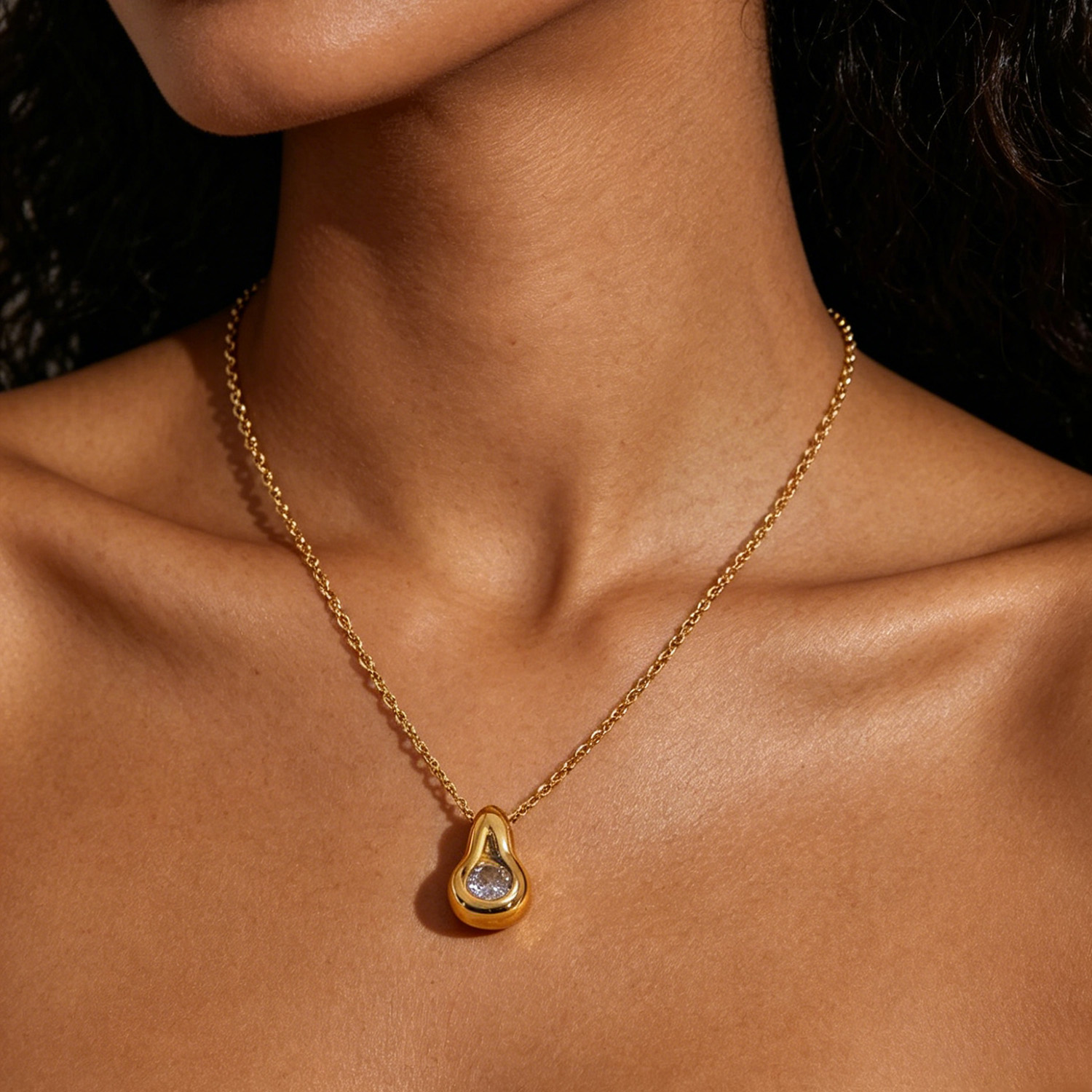
Les marques cibles remplies d'or vendent du classique, pièces basées sur la valeur avec une teneur en or réel. Le PVD est destiné aux marques axées sur la durabilité, des bijoux tendance où la performance est le principal argument de vente.
Choisissez le Gold-Filled pour des bijoux fins abordables
Optez pour le gold-filled si l'histoire de votre marque concerne la joaillerie raffinée à prix abordable.. Ce parcours s'adresse aux clients qui apprécient l'apparence de l'or massif et apprécient la valeur intrinsèque qui découle de la qualité requise. 5% teneur en or réel. Vous positionnez votre ligne comme un cran au dessus des bijoux fantaisie jetables., proposer des pièces destinées à durer des années avec beaucoup de soin. Votre marketing s'appuie sur un style classique et l'attrait d'une esthétique en or massif à un prix beaucoup plus accessible..
Choisissez le PVD pour une mode durable au quotidien
Choisissez PVD si la promesse de votre marque est avant tout une question de performance. Votre marketing crie probablement ‘à porter partout,’ ‘étanche,’ et ‘sans ternissement.’ Ceci est destiné aux clients qui exigent des bijoux très durables pour un style de vie actif. Le PVD fonctionne parfaitement pour les collections axées sur les tendances, vous permettant d'offrir une grande variété de couleurs sur une base solide en acier inoxydable. Les coûts de matériaux inférieurs vous aident également à établir des prix compétitifs et à déplacer des volumes plus importants.. Ici, l'argument de vente est’t teneur en métaux précieux; il’style moderne et durabilité à toute épreuve.
Guide d'achat final
Choisissez le gold-filled pour sa teneur en or mesurable et son aspect traditionnel. Choisissez le PVD sur l'acier inoxydable pour une dureté de surface supérieure et un prix abordable.
Une liste de contrôle pour votre décision finale
| Facteur de décision | Rempli d'or | PVD |
|---|---|---|
| Regardez et ressentez | Aspect or traditionnel avec teneur mesurable en métaux précieux | Finition moderne avec une couleur cohérente et plusieurs options de finition |
| Dureté et durabilité | L'épaisse couche d'or supporte une usure à long terme mais peut s'amincir progressivement dans les zones à forte friction | Dureté de surface élevée et résistance aux rayures lorsqu'elle est appliquée sur une base appropriée |
| Sensibilité cutanée | Peut convenir aux utilisateurs qui tolèrent l'alliage d'or, sous réserve de vérification matérielle | Peut convenir aux marchés des peaux sensibles lorsqu'il est appliqué sur un support documenté., base compatible avec la peau |
| Valeur et coût | Valeur matérielle plus élevée car il contient une couche mesurable d’or carats | Souvent plus rentable pour les créations axées sur la mode |
Foire aux questions
Quel est le meilleur pour un usage quotidien, gold-filled ou PVD?
Cela dépend entièrement de votre style de vie. Si tu’êtes actif et souhaitez des bijoux nécessitant peu d’entretien que vous pouvez porter sous la douche ou à la salle de sport, Le PVD sur l'acier inoxydable est le meilleur choix car il’est imperméable et hautement résistant aux rayures. Mais si vous voulez la sensation de l'or véritable et que vous êtes prêt à lui apporter quelques soins, le gold-filled est supérieur. Son épaisse couche d’or lui confère une durée de vie qui peut s’étendre sur plusieurs décennies.
Dans quelle mesure les bijoux en gold-filled et PVD sont-ils imperméables ??
Les bijoux PVD sur une base en acier inoxydable sont fonctionnellement étanches. Vous pouvez le porter pendant les douches, séances d'entraînement, et même nager sans problème. Les bijoux remplis d'or sont uniquement résistants à l'eau. Il peut gérer occasionnellement, bref contact avec l'eau, mais vous devez toujours le retirer avant de nager ou de prendre une douche pour garantir sa durée de vie de plusieurs décennies.
Combien de temps durent les bijoux remplis d'or par rapport au PVD?
Avec des soins appropriés, les bijoux remplis d'or peuvent durer de 10 à 30 des années avant que l'or ne montre une usure significative. Le revêtement des bijoux PVD dure généralement de 2 à 10 années, en fonction de l'utilisation et de la qualité. Le plus épais, La couche d'or liée mécaniquement sur les objets remplis d'or est la raison de sa durée de vie beaucoup plus longue..
Quel type est le meilleur pour les peaux sensibles?
Le gold-filled est souvent meilleur pour les peaux sensibles. Son épaisse couche d'or véritable crée une forte, barrière durable entre votre peau et le métal de base interne. Les bijoux PVD sont également une très bonne option, mais seulement quand’s sur une haute qualité, base hypoallergénique comme l'acier inoxydable 316L. Dans ce cas, le revêtement et l'acier sont stables et sans danger pour la peau.
Pensées finales
Les bijoux en gold-filled et PVD servent différentes stratégies de marque. Gold-filled offre une teneur en or mesurable et un positionnement plus traditionnel, tandis que le PVD offre une durabilité, option économique pour les bijoux de mode de tous les jours. Le bon choix dépend de votre clientèle cible, exigences du produit, et prix prévu.
Avant de passer une commande groupée, demander des échantillons et vérifier la finition, poids, matériel, et performance à l'usure. Contactez notre équipe pour discuter de vos spécifications OEM et choisir le bon matériau pour votre prochaine collection.