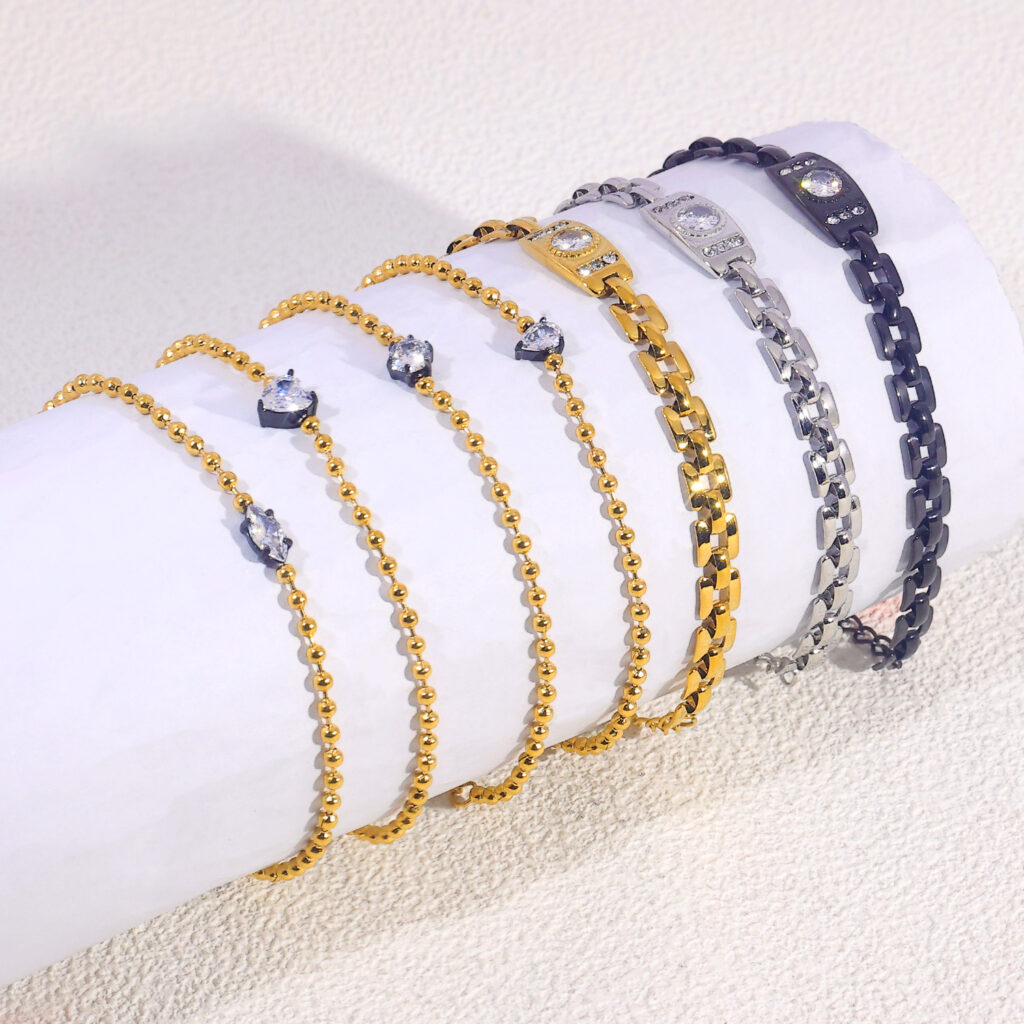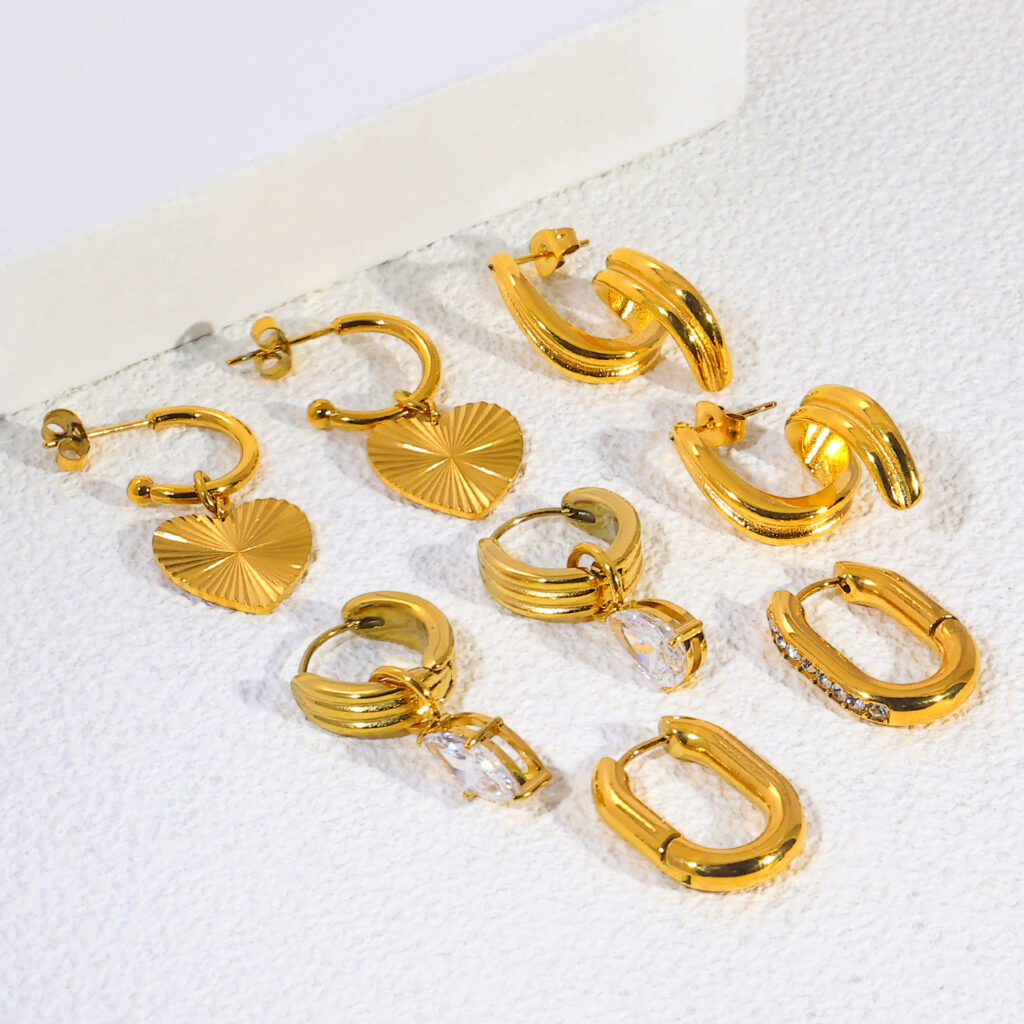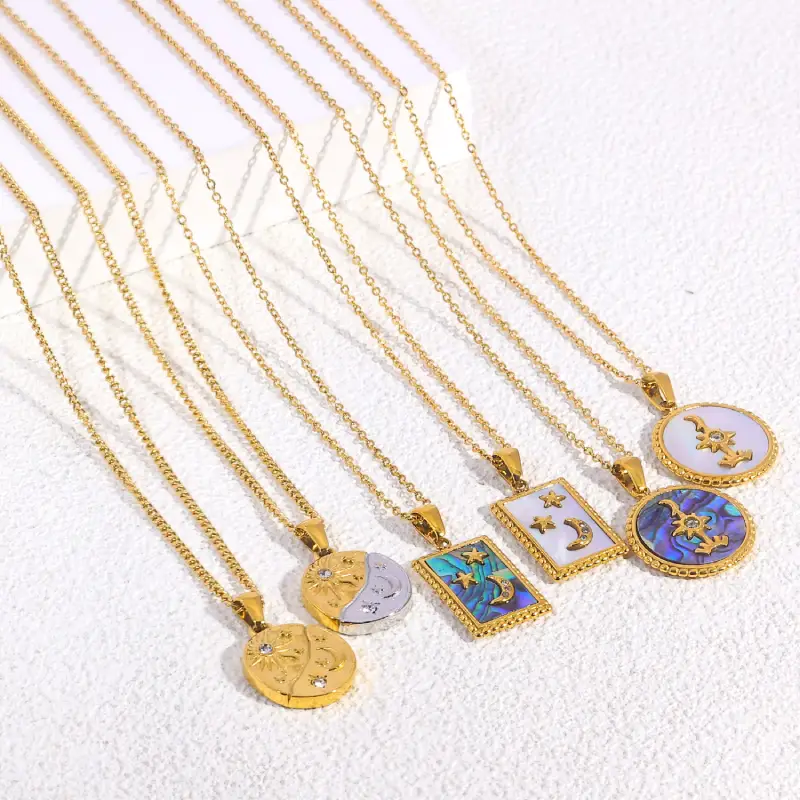
Che cosa sono i gioielli in PVD?
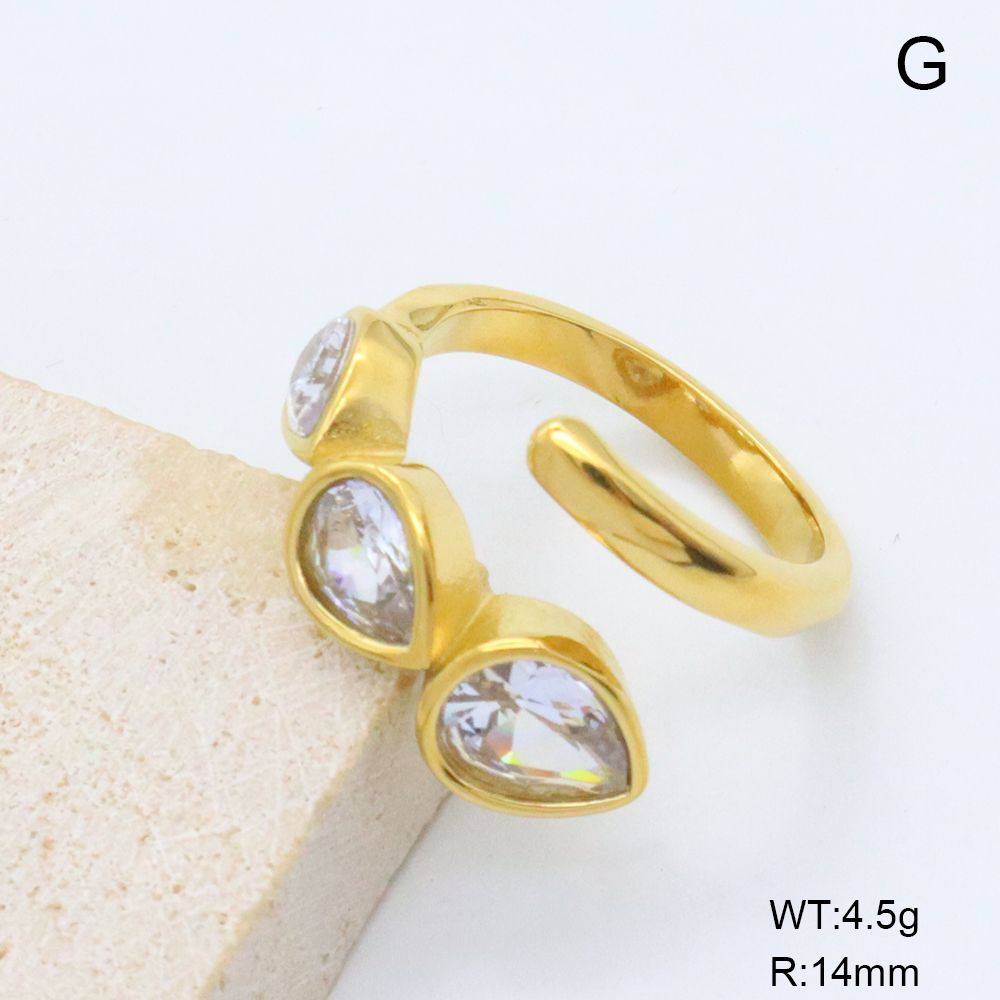
I gioielli in PVD vengono creati applicando un rivestimento metallico durevole attraverso un processo sotto vuoto, rendendolo resistente all'usura, acqua, e appannarsi. Questo offre una via di mezzo per qualità e costo.
PVD (Deposizione fisica del vapore) è un processo avanzato di rivestimento sotto vuoto utilizzato per produrre materiali altamente durevoli, gioielli resistenti all'ossidazione. A differenza della tradizionale galvanica chimica, Il PVD vaporizza i metalli solidi (come titanio o zirconio) all'interno di una camera ad alto vuoto e li lega direttamente a un metallo di base, più comunemente 316L acciaio inossidabile– a livello atomico.
Per marchi di gioielli e grossisti, PVD non è solo un termine tecnico; è lo standard del settore per un margine elevato, “impermeabile” collezioni.
Comprendere questo processo è fondamentale per la tua azienda perché l'integrità strutturale di un rivestimento PVD risolve direttamente i maggiori punti critici nella vendita al dettaglio di gioielli:
- 10x la durata della vita: Mentre la placcatura flash standard può sbiadire nel giro di mesi, una finitura PVD di qualità dura 3 A 5 anni sotto l'uso quotidiano, eliminando efficacemente i resi dei clienti legati all'ossidazione.
- IL “Impermeabile” Vantaggio: L'intenso processo di incollaggio rende i gioielli in PVD altamente resistenti al sudore, acqua dell'oceano, e profumo. Ciò consente al tuo marchio di commercializzare con sicurezza pezzi come “impermeabile” E “senza ossidazione.”
- Ecologico & Ipoallergenico: Il processo PVD è pulito, Asciutto, e privo di bagni chimici tossici. Sigilla efficacemente il metallo di base, riducendo al minimo l’esposizione al nichel, realizzandolo 100% sicuro per la pelle sensibile e allineando il tuo marchio a quello globale Standard ambientali RoHS.
Insomma, I gioielli PVD colmano il divario tra l'alto costo dell'oro massiccio e la scarsa longevità della placcatura di base, offrendo ai rivenditori una soluzione scalabile, linea di prodotti affidabile.
Come funziona il rivestimento PVD sui gioielli?
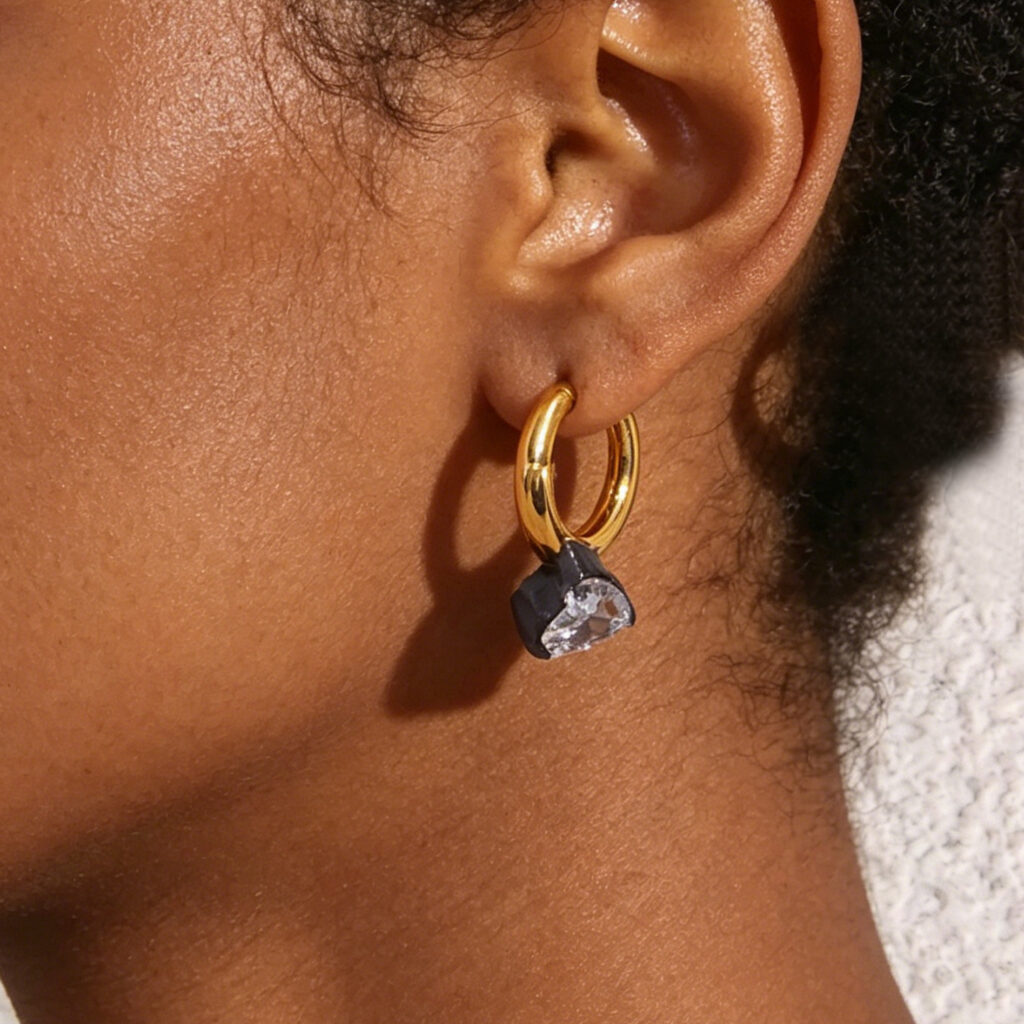
Il rivestimento PVD sui gioielli è un processo sotto vuoto. Vaporizza i metalli, poi li deposita atomo per atomo sulle superfici. Questo crea un sottile, difficile, strato protettivo.
Comprendere la precisione tecnica dietro il rivestimento PVD aiuta i marchi di gioielleria a capire perché questo metodo garantisce una durata così impareggiabile. Non è un semplice bagno chimico; è un'attività altamente controllata, processo di ingegneria basato sulla fisica in più fasi.
In una fabbrica di alta qualità, la pipeline di produzione del PVD viene eseguita in quattro fasi meticolose per garantire un'adesione impeccabile e l'uniformità del colore su massicci lotti all'ingrosso:
Fase 1: Ultrapurificazione avanzata della superficie
Prima di entrare nella camera a vuoto, il substrato, in genere 316L acciaio inossidabile O 925 argento sterling-deve sottoporsi a una preparazione rigorosa. Qualsiasi traccia microscopica di olio, polvere, o il composto lucidante causerà successivamente il distacco del rivestimento.
- Pulizia ad ultrasuoni: I gioielli passano attraverso più fasi di bagni a ultrasuoni automatizzati utilizzando detergenti specializzati e acqua deionizzata.
- Essiccazione & Fissaggio: Una volta completamente privo di contaminanti, i pezzi vengono accuratamente montati su cremagliere rotanti progettate su misura. Ciò garantisce ogni angolo dell'anello, collana, o l'orecchino riceve un'esposizione uniforme durante il rivestimento.
Fase 2: Creazione dell'ambiente ad alto vuoto
I rack caricati sono sigillati all'interno di una camera a vuoto PVD per carichi pesanti.
- Evacuazione aerea: Le pompe ad alto vuoto rimuovono l'aria, umidità, e impurità finché la camera non raggiunge un livello ultra pulito, stato di bassa pressione. Ciò impedisce qualsiasi ossidazione indesiderata durante il processo.
- Preriscaldamento & Bombardamento ionico: La camera è riscaldata, e gas inerti come l'Argon (Ar) vengono introdotti. Una polarizzazione elettrica sicura “esplosioni” la superficie dei gioielli a livello atomico, fornendo una pulizia microscopica finale e attivando la superficie metallica per il massimo legame molecolare.
Fase 3: Vaporizzazione e stratificazione di precisione
È qui che avviene la trasformazione vera e propria. Il materiale di rivestimento (conosciuto come il “bersaglio”)-come solido oro puro, titanio, o zirconio—viene vaporizzato utilizzando una fonte ad alta energia come un arco catodico o un plasma sputtering.
- Legame atomico: Gli atomi di metallo vaporizzati formano una nuvola di plasma ad alta densità. Guidato da correnti elettriche, questi atomi migrano verso i gioielli, legando atomo per atomo nella struttura superficiale del metallo di base.
- Controllo del colore & Gas reattivi: Introducendo precise miscele di gas reattivi, la fabbrica controlla l'esatto risultato del colore. Ad esempio, miscelazione del titanio con l'azoto ($N_2$) produce un croccante, stabile 14Finitura K o oro giallo 18 carati, mentre i gas contenenti carbonio vengono utilizzati per creare oro rosa intenso, canna di fucile, o rivestimenti neri intensi.
Fase 4: Raffreddamento controllato e ispezione QC
Una volta raggiunto lo spessore ottimale (tipicamente 2 A 5 micron) è raggiunto, la vaporizzazione si interrompe.
- La camera viene sottoposta a un ciclo di raffreddamento controllato per stabilizzare gli strati molecolari appena formati e prevenire lo stress termico sui gioielli.
- Dopo che il vuoto è stato rilasciato, ogni lotto è sottoposto a severi controlli di qualità (Controllo qualità) ispezione per uniformità del colore, copertura, e forza di adesione prima di andare al confezionamento e alla spedizione.
Gioielli ad alto margine: Costume, Durevole, & Impermeabile
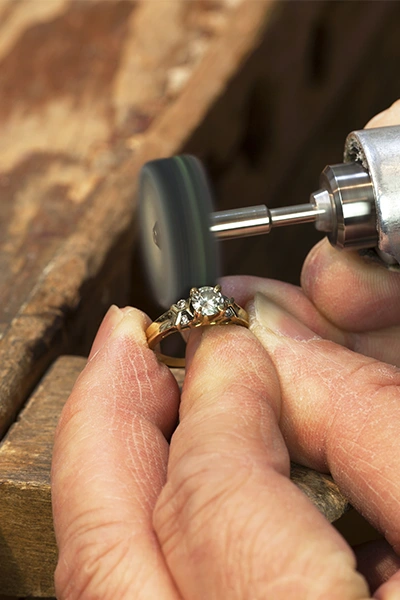
Materiali PVD in dettaglio: Substrati, Rivestimenti, ed elementi essenziali del processo
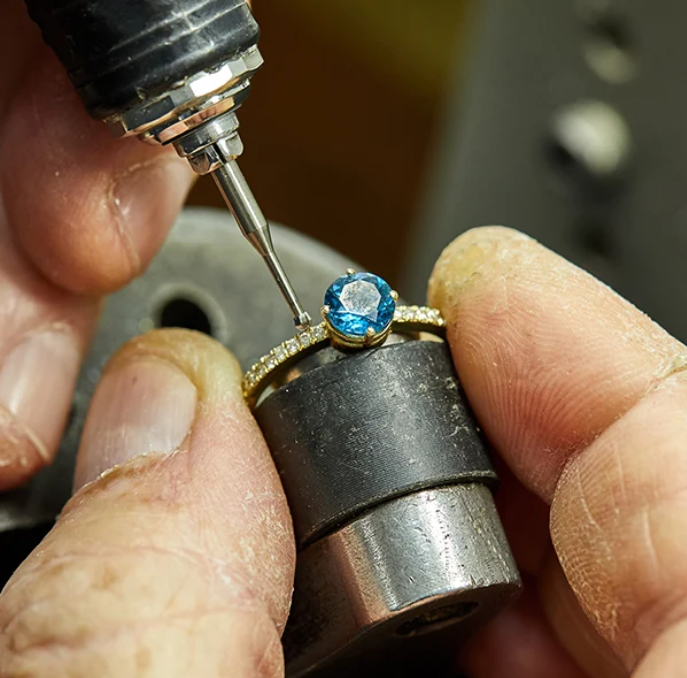
I gioielli PVD si basano su metalli di base specifici, rivestimenti target, e gas di processo. Queste scelte creano durevole, finiture decorative.
Quali materiali vengono utilizzati nella produzione di gioielli in PVD?
La selezione dei metalli di base (substrati) e materiali di rivestimento (obiettivi) determina direttamente la durabilità, punto di prezzo, e l'attrattiva sul mercato della tua linea di gioielli finale. Per i brand che costruiscono una collezione, comprendere queste combinazioni di materiali è essenziale per il corretto posizionamento del prodotto.
Ecco la ripartizione tecnica dei materiali che determinano i gioielli PVD ad alte prestazioni:
I metalli vili (Substrati)
Il nucleo metallico deve resistere all'alto vuoto e all'ambiente termico moderato della camera PVD senza deformarsi o rilasciare impurità.
- 316LAcciaio inossidabile (Il gold standard B2B): Questa è la base più robusta ed economica per i gioielli PVD. La sua naturale resistenza alla corrosione e la bassa pressione di vapore consentono al rivestimento PVD di formare un legame indistruttibile. È il fondamento di quasi tutti gli spot pubblicitari “impermeabile” linee.
- Titanio (Grado 5 / Grado dell'impianto): Preferito per il premio, biocompatibile, e gioielli per piercing. È ultraleggero ed eccellente per le nicchie della pelle sensibile, ottenere un margine di vendita al dettaglio più elevato per il tuo marchio.
- Ottone & Leghe di zinco (Moda di fascia bassa): Mentre alcuni produttori economici li usano, richiedono prima strati barriera complessi di rame o nichel perché sono più morbidi e soggetti a degassamento sotto vuoto. Nota: Per l'alta qualità, linee di lunga durata, Jusnova consiglia di attenersi all'acciaio 316L o all'argento.
I materiali di rivestimento PVD & Colori target
IL “bersaglio” è il solido blocco metallico all'interno della camera che viene vaporizzato. Miscelando target diversi con gas reattivi specifici, una fabbrica può raggiungere un livello altamente stabile, colori di livello commerciale su misura per il tuo mercato target:
- Nitruro di titanio (Stagno) + Gas di azoto → 14K / 18K Oro giallo
- Questa combinazione replica il classico, aspetto caldo dell'oro massiccio a una frazione del costo. È la scelta più popolare per i gioielli alla moda di tutti i giorni grazie alla sua incredibile resistenza ai graffi.
- Nitruro di zirconio (ZrN) → Champagne Oro Premium
- Produce un risultato più profondo, più ricco, e una tonalità dorata più lussuosa. È fortemente favorito dai marchi boutique di fascia alta che cercano di differenziarsi dalle linee di moda standard.
- Carbonitruro di titanio (TiCN) → Elegante oro rosa
- La tradizionale galvanica in oro rosa utilizza il rame, che si appanna e diventa verde rapidamente. TiCN raggiunge questo obiettivo, delicato tono rosa-oro pur rimanendo completamente privo di ossidazione.
- Carbonio simile al diamante (DLC) → Nero intenso intenso
- Fornisce un effetto ultra duro, finitura scura a basso attrito. Questo è un materiale essenziale per i marchi che si espandono nei gioielli da uomo, industrial-chic, o collezioni unisex minimaliste.
Elementi essenziali del processo (Materiali per il controllo della qualità)
Raggiungere un risultato impeccabile, la finitura premium richiede qualcosa di più del semplice metallo stesso. Elevata purezza Argon (Ar) il gas viene utilizzato per accendere in sicurezza la nuvola di plasma all'interno della camera. Inoltre, specializzato Detergenti per la pulizia ad ultrasuoni E Acqua deionizzata non sono negoziabili per garantire che la superficie del gioiello non abbia residui microscopici prima dell'inizio del ciclo di rivestimento.
Perché i marchi di gioielli scelgono il rivestimento PVD?
Per etichette di gioielli moderni, Integrare il rivestimento PVD nella catena di fornitura è una decisione strategica che va ben oltre l’estetica. Offrendo una durata senza pari e proprietà sicure per la pelle, Il PVD favorisce direttamente la fidelizzazione dei clienti a lungo termine, taglia i tassi di rendimento, e fornisce ai marchi un'elevata commerciabilità, narrativa di produzione eco-compatibile.
Per responsabili degli approvvigionamenti e fondatori del marchio DTC, il passaggio al PVD è un investimento strategico che bilancia le prestazioni, redditività, e sostenibilità. Mentre il costo di produzione iniziale può essere 20% A 50% più alto rispetto alla placcatura flash di base, il ROI a lungo termine lo rende la scelta finanziariamente più solida per i marchi moderni.
Ecco i principali vantaggi competitivi che rendono il rivestimento PVD lo standard del settore per le linee di gioielleria contemporanea:
Commerciabilità: Il potere di “24/7 Gioielli impermeabili”
La tradizionale bigiotteria costringe i consumatori a togliersi anelli e collane prima di fare la doccia o nuotare. Il rivestimento PVD cambia completamente il gioco.
- Vero sudore & Resistenza all'acqua: Uno strato PVD premium resiste all'esposizione quotidiana all'acqua, sudore, sale dell'oceano, e profumi.
- Comanda markup più alti: Ciò consente al tuo marchio di commercializzare con sicurezza le collezioni come “100% Impermeabile & Senza ossidazione”—un gancio ad alta conversione che impone prezzi al dettaglio premium e guida la crescita dei social media.
Rilievo operativo: Eliminazione dei resi dei clienti
Niente prosciuga i profitti di un marchio di e-commerce più velocemente dei costi di spedizione per la restituzione e delle recensioni negative dovute a gioielli ossidati.
- Durata della vita estesa: Una finitura PVD di qualità regge 3 A 5 anni di uso quotidiano, rispetto a solo 3 A 6 mesi per una galvanica più economica.
- Ipoallergenico & Sicuro: I rivestimenti PVD agiscono come una barriera permanente che riduce al minimo il rilascio di nichel dal metallo di base, rispettando le rigide linee guida della Direttiva UE sul nichel. Questo elimina “pelle verde” reclami e riduce quasi a zero i costi della garanzia post-vendita.
Approfondimento tecnico: Perché la galvanica fallisce sull'acciaio inossidabile
L'acciaio inossidabile forma naturalmente uno strato di ossido passivo sulla sua superficie, che funge da barriera che impedisce alla tradizionale galvanica chimica di aderire correttamente. Il PVD risolve completamente questo problema. L'ambiente di vuoto ad alta energia costringe gli ioni metallici vaporizzati a penetrare questo strato di ossido, creando un legame molecolare superiore che non si sfalderà mai, buccia, o vescica.
3. Sicurezza normativa: Pulito, Produzione ecologica
Mentre la conformità globale si restringe e le preferenze dei consumatori si spostano verso la moda sostenibile, l’impronta ambientale della tua catena di fornitura è più importante che mai.
Conformità globale: Tutti i processi di produzione PVD di Jusnova sono completamente Conforme alla direttiva RoHS, assicurando che il tuo marchio rimanga perfettamente allineato alle normative ambientali globali e si rivolga direttamente agli acquirenti eco-consapevoli.
Zero rifiuti tossici: A differenza della galvanica tradizionale, che fa affidamento su bagni chimici pericolosi, Il PVD è pulito, processo fisico secco che non rilascia rifiuti liquidi tossici.
Per un'analisi più dettagliata di come il PVD si confronta con la tradizionale placcatura in oro in termini di costi e durata, puoi leggere la nostra analisi completa su PVD vs. Gioielli placcati in oro qui.
Gioielli in PVD vs gioielli tradizionali placcati in oro
Confrontando il rivestimento PVD con la galvanica tradizionale, I responsabili degli approvvigionamenti inesperti spesso si concentrano esclusivamente sul costo unitario iniziale. Tuttavia, IL “costo reale” di una linea di gioielli include l'acquisizione di clienti, tassi di restituzione, e reputazione del marchio a lungo termine.
Comprendere le differenze strutturali tra questi due metodi ti aiuterà a prendere le decisioni sull'inventario più redditizie per il tuo marchio:
| Caratteristica | Gioielli in PVD | Gioielli tradizionali placcati in oro |
|---|---|---|
| Metodo di rivestimento | Deposizione sotto vuoto / PVD | Galvanotecnica / placcatura tradizionale |
| Metallo base tipico | Solitamente acciaio inossidabile, soprattutto 316L | Ottone, rame, argento, nichel, o acciaio inossidabile |
| Durabilità | Più alto | Inferiore |
| Resistenza ai graffi | Più alto | Inferiore |
| Appannamento / resistenza allo sbiadimento | Meglio | È più probabile che sbiadisca o si oscuri nel tempo |
| Idoneità all'uso quotidiano | Meglio per un uso frequente | Meglio per l'uso occasionale |
| Prezzo | Solitamente superiore alla placcatura standard | Di solito più basso |
Perché questo è importante per il tuo ROI
Mentre la galvanica tradizionale offre un costo di produzione iniziale inferiore (risparmiando centesimi per unità), questi risparmi a breve termine vengono rapidamente cancellati:
- Il costo dei resi: Ogni reso ti costa il doppio: la mancata vendita e il costo della logistica inversa.
- Erosione del marchio: Niente distrugge un marchio di e-commerce più velocemente delle recensioni negative innescate da articoli offuscati.
- Potenziale di markup: Il PVD consente al tuo marchio di comandare punti di prezzo al dettaglio premium a causa del “impermeabile” E “di lunga durata” proposta di valore, cosa semplicemente non possibile con gli articoli di base placcati a flash.
Il verdetto strategico
Se il tuo modello di business si basa su “moda veloce” (ultra-economico, articoli usa e getta), potrebbe bastare la galvanica. Ma se stai costruendo un marchio DTC rispettabile su cui concentrarti elevata fidelizzazione dei clienti e prezzi premium, Il rivestimento PVD è l’unica scelta finanziariamente valida.
Quanto durano i gioielli in PVD?
Per i marchi di gioielli, definendo “durata del prodotto” è essenziale per definire le aspettative dei clienti e mantenere elevati tassi di fidelizzazione. Mentre il PVD non è permanente come l'oro massiccio, è la tecnologia di finitura più duratura del settore per le collezioni in acciaio inossidabile.
Durabilità prevista: La realtà per i tuoi clienti
In condizioni di utilizzo quotidiano, I gioielli in acciaio inossidabile con rivestimento in PVD di alta qualità rimangono in genere vibranti 3 A 5 anni.
- Articoli ad alto attrito (Anelli/Bracciali): Aspettatevi una durata di vita di 1 A 3 anni a causa del contatto costante con le superfici e la pelle.
- Articoli a basso attrito (Collane/Orecchini): Questi pezzi possono mantenere la loro lucentezza 5+ anni poiché subiscono un'abrasione meccanica minima.
Nota: Reclami di “10-durata di un anno” sono spesso scenari teorici migliori. A Jusnova, ci concentriamo sulla fornitura realistica, benchmark affidabili che allineano il tuo marchio con un marketing di prodotto onesto.
Longevità ingegneristica: Cosa ottimizza Jusnova
La durata di un pezzo PVD non dipende solo dal rivestimento, ma riguarda anche i parametri tecnici della fabbrica. Ottimizziamo tre aree specifiche per garantire che le tue collezioni abbiano prestazioni migliori rispetto alla concorrenza:
- Selezione del substrato: Utilizziamo esclusivamente alta qualità 316L acciaio inossidabile, che fornisce la stalla, base resistente alla corrosione necessaria per un legame PVD di lunga durata.
- Spessore del rivestimento: Calibriamo il nostro processo di deposizione sotto vuoto per ottenere una densità micrometrica ottimale (0.2–0,3+ micron), bilanciare la resistenza ai graffi con la flessibilità strutturale.
- Indurimento ambientale: I nostri cicli proprietari di raffreddamento e stabilizzazione garantiscono che la finitura sia indurita contro i comuni agenti degradanti come le lozioni, profumi, e acqua salata.
Aiutare i tuoi clienti a prolungare la vita
Per rafforzare la reputazione di qualità del tuo marchio, ti consigliamo di includere un semplice “Carta di cura” con ogni ordine. Educare i tuoi clienti su queste tre semplici abitudini è direttamente correlato a una maggiore soddisfazione:
- Prima la chimica: Applica lozioni, profumi, e lacche per capelli Prima indossare gioielli.
- Risciacquare dopo l'uso: Un rapido risciacquo con acqua dolce dopo una forte sudorazione o un'esposizione all'oceano previene l'accumulo di sale.
- Archiviazione morbida: Conserva i pezzi singolarmente in una custodia morbida per evitare graffi superficiali causati da altri gioielli.
Pronti a lanciare una collezione ad alta durevolezza? Siamo specializzati in gioielli ad alto contatto, come anelli e catene, progettati con copertura PVD rinforzata per l'uso quotidiano. Esplora il nostro catalogo di gioielli in PVD per specifiche di rivestimento personalizzate.
Standard di prestazione: Durabilità, Sicurezza, e selezione strategica
Per i marchi di gioielli, le prestazioni tecniche sono il fondamento del tuo marketing al dettaglio. Comprendere come il PVD interagisce con i metalli di base è essenziale per definire le aspettative dei clienti e mantenere la reputazione del marchio.
1. Impermeabilità e resistenza all'appannamento
Quando il tuo marchio commercializza collezioni come “impermeabile,” stai promettendo una durata che la galvanica tradizionale non può garantire.
- Il vantaggio del PVD: A differenza della placcatura flash, che si basa sulla deposizione chimica, Il PVD crea un legame a livello molecolare. Questa finitura è altamente resistente agli stress ambientali quotidiani come documentato nella ricerca sulla scienza dei materiali, superando la galvanica tradizionale sia in termini di durezza che di resistenza alla corrosione.
- Realtà prestazionale: Mentre l'acciaio inossidabile rivestito in PVD è progettato per “24/7 Indossare,” è una barriera ad alte prestazioni piuttosto che invincibile. Per la massima longevità, consigliamo di consigliare ai clienti di sciacquare i pezzi con acqua dolce dopo una forte esposizione all'acqua salata o al cloro, garantendo che la finitura mantenga la sua lucentezza originale per anni, non mesi.
2. Biocompatibilità e sicurezza cutanea
L’impegno di un marchio nei confronti della qualità è spesso giudicato dal comfort della pelle di chi lo indossa.
- La barriera inerte: Il processo PVD agisce come un sigillo non poroso, incapsulando efficacemente il metallo di base. Ciò rende i gioielli ipoallergenici e riduce significativamente il rischio di reazioni cutanee a base di nichel comuni nei gioielli di moda standard.
- Soluzioni per la pelle sensibile: Per i marchi che si rivolgono alla pelle sensibile o a nicchie specializzate (come orecchini o gioielli per il corpo), Il PVD fornisce lo strato di separazione necessario. Mentre è sicuro per i piercing guariti, sosteniamo sempre l'abbinamento di questa finitura con substrati di alta qualità per garantire un'esperienza davvero priva di irritazioni per i tuoi clienti.
3. Selezione strategica dei metalli di base
La scelta del metallo di base non è solo una decisione materiale: è una scelta strategica che determina la posizione di mercato e il prezzo:
Ottone & Leghe di rame (Moda orientata alle tendenze): Questi hanno uno scopo specifico per il ciclo breve, linee di moda attente al budget. Mentre possono essere rivestiti in PVD, richiedono strati barriera più spessi per raggiungere la longevità. Sono utilizzati al meglio quando la tua strategia di vendita al dettaglio si concentra sul rapido, fatturato stagionale piuttosto che durabilità a lungo termine.
316LAcciaio inossidabile (Il punto di riferimento del settore): Questa è la scelta definitiva per i gioielli di livello medio-alto. La sua naturale resistenza alla corrosione e le eccellenti proprietà di adesione lo rendono il candidato ideale per una lunga durata, collezioni molto richieste.
Titanio per impianti (Lo standard premium): Consigliato per i marchi che operano nel settore del lusso o incentrati sul corpo. La biocompatibilità del titanio combinata con la sua natura ultraleggera crea una proposta di vendita superiore per fasce di prezzo premium.
Mentre i nostri rivestimenti PVD sono progettati per 24/7 Indossare, comprendere le aspettative dell'intero ciclo di vita è fondamentale per stabilire i giusti standard di vendita al dettaglio. Scopri di più sui fattori che influenzano l'usura a lungo termine nella nostra guida: La durata prevista dei gioielli in PVD.
Ingegneria di precisione: La scienza dello spessore PVD
Molti marchi credono erroneamente che un rivestimento più spesso equivalga sempre a una migliore qualità. In realtà, IL “ideale” Lo spessore del PVD è un equilibrio preciso tra la resistenza all'usura, flessibilità strutturale, e conservazione dei dettagli della superficie.
Lo spettro dello spessore
I rivestimenti PVD sono ultrasottili, strati densi di metallo-ceramica. Calibriamo il processo di deposizione per adattarlo all'utilità specifica dei tuoi gioielli:
- La gamma di conservazione dei dettagli (0.03 – 0.08 µm): Questo è il gold standard per i pezzi in acciaio inossidabile di alta moda. Perché lo strato è così sottile, conserva microincisioni nitide e texture fini (come finiture spazzolate o satinate) che i rivestimenti più spessi lo farebbero “ammorbidire” o oscuro.
- La gamma di abbigliamento quotidiano (0.2 – 0.3 µm): Per oggetti ad alto contatto come gli anelli, braccialetti, e casse di orologi, consigliamo questa gamma leggermente più spessa. Ogni 0.1 L'aumento di densità in µm fornisce approssimativamente 20% maggiore resistenza all'usura, allungando efficacemente la vita dei pezzi sottoposti a costante attrito quotidiano.
- La gamma per carichi pesanti (0.5 – 1.0 µm): Raramente utilizzato per gioielli decorativi, questo spessore è riservato ai componenti funzionali (come le lunette degli orologi o l'hardware di livello industriale) dove è richiesta la massima resistenza ai graffi a scapito del dettaglio estetico fine.
Perché “Magro” Supera le prestazioni “Spesso”
Il PVD non è la galvanica tradizionale; non fa affidamento sulla massa per creare durabilità. Fa affidamento su densità molecolare.
- Flessibilità senza sfaldamento: Strati PVD ultrasottili (0.03–0,08 µm) sono straordinariamente flessibili. Si muovono con il metallo, prevenendo le screpolature o le desquamazioni spesso riscontrate negli strati più spessi, rivestimenti fragili, che li rendono ideali per fermagli e cerniere delicati.
- Legame molecolare: Perché il PVD forma un legame molecolare superiore con l'acciaio inossidabile, UN 0.05 Lo strato PVD µm può effettivamente offrire una resistenza ai graffi maggiore rispetto a uno strato di placcatura in oro morbido 50 volte il suo spessore.
- Protezione non porosa: Anche con le impostazioni micron più basse, il nostro processo PVD crea una struttura completamente densa, barriera non porosa. Questo blocca l'umidità e l'ossigeno, fornendo anni di prestazioni senza ossidazione senza la necessità di materiale in eccesso.
Consigli strategici per il tuo marchio
Quando invii le tue specifiche tecniche al nostro team, ti guidiamo in base alla destinazione d'uso del tuo prodotto:
Per collezioni premium: Puntare al 0.2Intervallo –0,3 µm. Ciò garantisce che il tuo marchio offra a “sensazione premium” con la massima durata, perfetto per oggetti destinati ad essere indossati 24/7.
Per la moda del mercato di massa: Suggeriamo il 0.03Intervallo –0,08 µm. È il modo più conveniente per garantire una ritenzione del colore pluriennale, garantendo al tempo stesso che i dettagli di design unici del tuo marchio rimangano nitidi e definiti.
Come vengono prodotti i gioielli in PVD?
Una finitura PVD ad alte prestazioni è il risultato di una rigorosa disciplina produttiva. A Jusnova, integriamo la fabbricazione di metalli di precisione con la deposizione sottovuoto avanzata, garantendo che ogni pezzo soddisfi gli standard rigorosi richiesti per i marchi di gioielli moderni.
1. Ingegneria delle superfici & Preparazione del prerivestimento
La qualità di una finitura PVD è 90% dipendente dalla superficie di base. Prima che un singolo atomo di metallo venga vaporizzato, ci assicuriamo che il substrato sia impeccabile.
- Fabbricazione di precisione: Utilizziamo un ibrido di lavorazione CNC, fusione, e taglio laser per ottenere la forma base, seguita dalla lucidatura meccanica automatizzata per raggiungere la finitura superficiale desiderata (alta lucidatura, raso, o opaco).
- Il protocollo ultra pulito: Un legame PVD è forte quanto la pulizia del substrato. Utilizziamo un sistema di pulizia ad ultrasuoni multistadio che utilizza solventi specializzati e sgrassanti alcalini per rimuovere anche i composti lucidanti più microscopici, polvere, o impronte digitali.
- Scaffalature ottimizzate: Ogni pezzo è montato strategicamente su rack progettati su misura. Questo posizionamento preciso garantisce una distribuzione uniforme del vapore e un contatto elettrico coerente, prevenendo “ombreggiatura” o incoerenze di colore sul complesso, disegni dalle molteplici sfaccettature.
2. Il processo di deposizione sotto vuoto
Una volta pulito e travasato, i gioielli entrano nella nostra camera ad alto vuoto, dove avviene la trasformazione.
- Controllo atmosferico: Evacuiamo la camera per creare un ambiente a bassissima pressione. Ciò consente agli ioni metallici di viaggiare ad alta velocità senza interferenze, garantendo uno strato perfettamente uniforme su tutta la superficie.
- Trasformazione del plasma: Dando energia a un bersaglio solido (come il titanio, zirconio, o oro), trasformiamo il metallo in una nuvola di plasma ad alta energia. Attraverso una precisa regolazione del flusso di gas, introducendo gas reattivi come azoto o carbonio, sintetizziamo composti ceramici che sono significativamente più duri dell'oro tradizionale.
- Legame a livello atomico: Gli ioni ad alta energia colpiscono la superficie con una forza tale da integrarsi nel reticolo cristallino del substrato. Questo non è un “colore” o a “rivestimento” nel senso tradizionale; è un legame molecolare permanente che è praticamente impossibile staccare o sfaldare.
3. Garanzia di qualità post-processo
La produzione non termina quando la camera si apre. Ogni lotto viene sottoposto ad una fase di ispezione strutturata:
- Verifica del colore: Ogni ciclo di produzione viene confrontato con i nostri standard cromatici principali utilizzando spettrofotometri per garantire la coerenza tra lotto e lotto, essenziale per i marchi che gestiscono un inventario ricorrente.
- Adesione & Test di integrità: Oltre l'ispezione visiva, eseguiamo controlli di adesione standardizzati per garantire che il legame molecolare soddisfi i nostri parametri di durabilità.
- Ispezione finale: Ogni pezzo viene rivisto per l'uniformità della finitura, resistenza ai graffi, e chiarezza estetica prima di passare alla fase finale del confezionamento.
La guida dell'acquirente: Come valutare la qualità PVD
Come fondatore di un marchio o responsabile degli approvvigionamenti, per navigare nel mercato PVD è necessario sapere esattamente cosa cercare. Non tutti “PVD” è creato uguale. Utilizza questi parametri di riferimento professionali per valutare l'integrità tecnica di qualsiasi fornitore.
La trasparenza tecnica come filtro
Il PVD ad alte prestazioni è un processo di ingegneria preciso. Se un fornitore non può fornire dati specifici, probabilmente non controllano le variabili del processo.
- Specificare i materiali: Un produttore rispettabile dovrebbe dichiarare esplicitamente il grado del metallo di base (per esempio., 316Acciaio inossidabile L/ASTM F-138 O ASTM F-136 Titanio). Evita i fornitori che utilizzano termini vaghi come “lega” O “metallo di base,” poiché si tratta spesso di coperture per materiali di qualità inferiore che si degraderanno rapidamente.
- Richiedi specifiche tecniche: I fornitori professionali forniscono dati su spessore del rivestimento (target 0,2–0,3 µm per articoli soggetti a usura elevata). Se un fornitore non è in grado di verificare la densità micrometrica o i controlli di processo, trattare le loro affermazioni sulla durabilità come un'iperbole di marketing piuttosto che come una realtà ingegneristica.
Visivo & Integrità strutturale
La finitura è l'indicatore più visibile del controllo della produzione. Durante la revisione dei campioni, esaminare queste tre aree:
- Uniformità del colore: Il rivestimento dovrebbe essere uniforme su tutto il pezzo, comprese le aree difficili da raggiungere come l'interno degli anelli, fermagli, o orecchini. Punti irregolari o torbidi indicano un travaso improprio o una pressione del vuoto instabile.
- Struttura della superficie: Una finitura PVD di qualità dovrebbe risultare liscia ed elegante. Se la superficie risulta granulosa o presenta microscheggiature ai bordi, indica una scarsa preparazione del materiale di base o protocolli di pulizia inadeguati prima della deposizione.
- Coerenza tra i lotti: L'elaborazione PVD professionale produce risultati ripetibili. Chiedi ai potenziali fornitori i loro deviazione del colore (Delta E) standard. Una struttura di alta qualità manterrà tolleranze strette tra diversi lotti di produzione, assicurandoti che i tuoi riordini corrispondano perfettamente alla tua collezione originale.
Segnalazione e trasparenza del mercato
Allinea la selezione dei tuoi fornitori con l'onestà del loro posizionamento sul mercato.
Guida alle cure standardizzata: Un partner trasparente fornirà informazioni chiare, istruzioni per la cura allineate al settore. Se un fornitore suggerisce che i suoi gioielli sono completamente esenti da manutenzione o impermeabili a tutti i prodotti chimici, probabilmente stanno promettendo troppo. La vera qualità sta nell'educare il tuo marchio su come massimizzare la durata del pezzo attraverso la semplicità, cura adeguata.
Dichiarazioni di durabilità realistiche: Diffidare dei fornitori promettenti “usura a vita” O “10-durata di un anno” sotto uso intenso. I fornitori professionali forniranno parametri di riferimento realistici (per esempio., “3–5 anni con cure standard”) che si allineano agli standard di settore, aiutandoti a costruire una vera fiducia con i tuoi consumatori finali.
Cura & Longevità: Potenziare l'esperienza post-vendita del tuo marchio
I gioielli in PVD di alta qualità sono realizzati per “vita reale,” ma il suo splendore è meglio preservato attraverso abitudini di cura sensate. Fornire ai tuoi clienti una guida professionale non solo prolunga la durata del prodotto, ma funge anche da punto di contatto cruciale per la creazione di fiducia dopo la vendita.
IL “Approvato dal marchio” Protocollo di cura
Ti consigliamo di fornire un file digitale o fisico “Guida alla cura” con ogni acquisto. Chiaro, semplici istruzioni riducono al minimo i danni prevenibili e riducono le richieste di reso non necessarie.
- Manutenzione giornaliera: Incoraggia i clienti a pulire i capi con un panno morbido in microfibra dopo ogni utilizzo. Questa semplice abitudine rimuove gli oli dalla pelle e i residui di prodotto che col tempo possono opacizzare la finitura.
- La pulizia delicata: Per una pulizia più profonda, è sufficiente una soluzione di detersivo per piatti delicato e acqua tiepida. Sottolinea che il pezzo deve essere risciacquato con acqua dolce e asciugato immediatamente: l'umidità è nemica di qualsiasi finitura quando lasciata in piscina.
- La sequenza aurea: Commercializzalo ai tuoi clienti come “Ultimo accesso, Prima di tutto” regola: Applica lozioni, profumi, e creme solari Prima indossare gioielli, e rimuovere i gioielli Primo quando si conclude la giornata.
Protezione proattiva dall'usura
Educare i tuoi clienti su come indossare i loro capi aiuta a gestire le aspettative e protegge la reputazione del tuo marchio.
- Ridurre al minimo lo stress ambientale: Mentre il PVD è altamente resistente all'acqua, non lo è “resistente agli agenti chimici.” Incoraggiare i clienti a rimuovere i pezzi prima di nuotare a lungo, sessioni di vasca idromassaggio, o esposizione a detergenti aggressivi.
- Zone prive di sostanze chimiche: Ricordare ai clienti che i detergenti abrasivi sono aggressivi, dentifricio, e bicarbonato di sodio: comune “hack” per i gioielli della vecchia scuola, danneggerà l’integrità molecolare di un rivestimento PVD.
- Strategia di archiviazione: Consigliare ai clienti di conservare i pezzi in buste morbide individuali. Prevenire il contatto metallo su metallo è il modo più efficace per evitare graffi superficiali e mantenere una “nuovo di zecca” aspetto per anni.
Rotazione strategica per la sostenibilità
Incoraggia i tuoi clienti a curare le loro scelte quotidiane di gioielli. I pezzi rotanti riducono l'attrito costante sugli oggetti ad alto contatto (come anelli o braccialetti) e consente ai gioielli di farlo “riposo.” Ciò non solo preserva il rivestimento a lungo termine, ma incoraggia anche i clienti ad espandere la propria collezione: un vantaggio per la strategia di vendita al dettaglio del tuo marchio.
Suggerimento professionale per il tuo marchio: Utilizza queste linee guida per creare contenuti personalizzati “Carte di cura” o contenuti sui social media per i tuoi clienti. Fornire questo livello di dettaglio professionale posiziona il tuo marchio come esperto, non solo un venditore, il che è direttamente correlato a una maggiore fedeltà dei clienti e a tassi di reso più bassi.
Considerazioni finali: Effettuare il cambiamento strategico
Basso costo, la placcatura tradizionale spesso crea un ciclo di prodotti offuscati e clienti frustrati. Al contrario, Il rivestimento PVD sull'acciaio inossidabile 316L fornisce la durata e la qualità costante necessarie per costruire un prodotto affidabile, marchio ad alta fidelizzazione.
È più di una semplice tecnica di finitura: è un investimento strategico nella soddisfazione del cliente e nel valore del marchio.
Ora capisci il chiaro vantaggio di mercato del PVD. Il passo successivo è l'esecuzione. Raccomandiamo una revisione strategica per integrare questa finitura ad alte prestazioni nelle tue prossime collezioni.
Pronto per iniziare? Contatta il nostro team per discutere le specifiche del tuo prodotto ed esplorare soluzioni di produzione su misura per il tuo marchio.
Cosa sono i gioielli in PVD e come sono realizzati?
I gioielli PVD utilizzano metalli di base (spesso acciaio inossidabile 316L) rivestito con deposizione fisica di vapore, un processo di vuoto. Questo deposita uno strato metallico duro per una maggiore durata, colore, e resistenza alla corrosione.
Cosa significa PVD in gioielleria?
PVD in gioielleria significa Physical Vapor Deposition. È un processo di rivestimento sotto vuoto che lega un sottile strato di metallo su un metallo di base, come l'acciaio inossidabile, a livello molecolare.
I gioielli in PVD sono vero oro?
NO, I gioielli in PVD non sono in oro massiccio. Sono gioielli in metalli non preziosi, spesso acciaio inossidabile, con uno strato superficiale applicato PVD che può essere oro vero o un composto color oro.
Come funziona il rivestimento PVD sui gioielli?
Il rivestimento PVD trasforma i metalli solidi in vapore nel vuoto. Questo vapore si deposita quindi atomo per atomo sulla superficie del gioiello, formando un sottile, denso, strato fortemente legato.
Quali materiali vengono utilizzati per i gioielli in PVD?
I gioielli PVD utilizzano metalli di base come l'acciaio inossidabile o il titanio. Materiali di rivestimento, vaporizzati come bersagli, includere l'oro, nitruro di titanio, nitruro di zirconio, e pellicole a base di carbonio per colore e durata.
I gioielli in PVD sono migliori della tradizionale placcatura in oro?
I gioielli in PVD offrono una durata superiore, resistenza all'usura, resistenza alla corrosione, e bassa manutenzione rispetto alla tradizionale doratura, rendendolo migliore per la maggior parte degli usi quotidiani.
Quanto durano solitamente i gioielli in PVD?
I gioielli in PVD durano in genere 1-5 anni con un'usura normale. Pezzi di alta qualità, con buona cura, possono raggiungere una durata di vita più lunga, sebbene 2-5 anni siano un'aspettativa comune.
I gioielli in PVD sono impermeabili?
SÌ, I gioielli in PVD sono generalmente impermeabili. Soprattutto PVD su acciaio inossidabile, resiste alle docce, sudore, piscine, e l'acqua dell'oceano senza il tipico appannamento, sbiadimento, o reazioni cutanee verdi.
I gioielli in PVD si ossidano o sbiadiscono?
I gioielli in PVD sono altamente resistenti all'ossidazione e sbiadiscono molto più lentamente rispetto alla tradizionale placcatura in oro. È un rivestimento, quindi l'usura o l'opacizzazione possono eventualmente verificarsi con frequenti attriti o esposizione chimica.
I gioielli in PVD sono sicuri per le pelli sensibili?
I gioielli in PVD sono generalmente sicuri per le pelli sensibili, soprattutto se realizzati con acciaio inossidabile chirurgico 316L senza nichel o titanio. Il rivestimento funge da barriera, riducendo il contatto con gli allergeni.
Qual è la differenza tra gioielli in oro PVD e gioielli placcati in oro?
I gioielli in oro PVD utilizzano la deposizione sotto vuoto sull'acciaio inossidabile per una lunga durata, finitura strettamente incollata. I gioielli placcati in oro utilizzano la galvanica per un sottile strato d'oro su altri metalli. Il PVD offre maggiore durata e resistenza all'usura.
Quale metallo base è il migliore per i gioielli PVD?
I migliori metalli di base per i gioielli PVD sono l'acciaio inossidabile chirurgico 316L e il titanio per impianti (ASTM F-136). Acciaio chirurgico (ASTM F-138) è anche una scelta forte per i gioielli per il corpo.
Come posso sapere se i gioielli in PVD sono di alta qualità?
Cerca esplicito “PVD” terminologia, un metallo base dichiarato (per esempio., 316L acciaio inossidabile), colore uniforme, finitura liscia, prezzi realistici, e recensioni positive riguardo la tenuta del colore nel tempo.
Il rivestimento PVD può essere riparato o riverniciato?
I rivestimenti PVD possono essere riparati e riverniciati professionalmente, di solito richiedono la rimozione e il rivestimento completo in una camera PVD. Piccoli problemi estetici possono essere migliorati con una pulizia delicata.