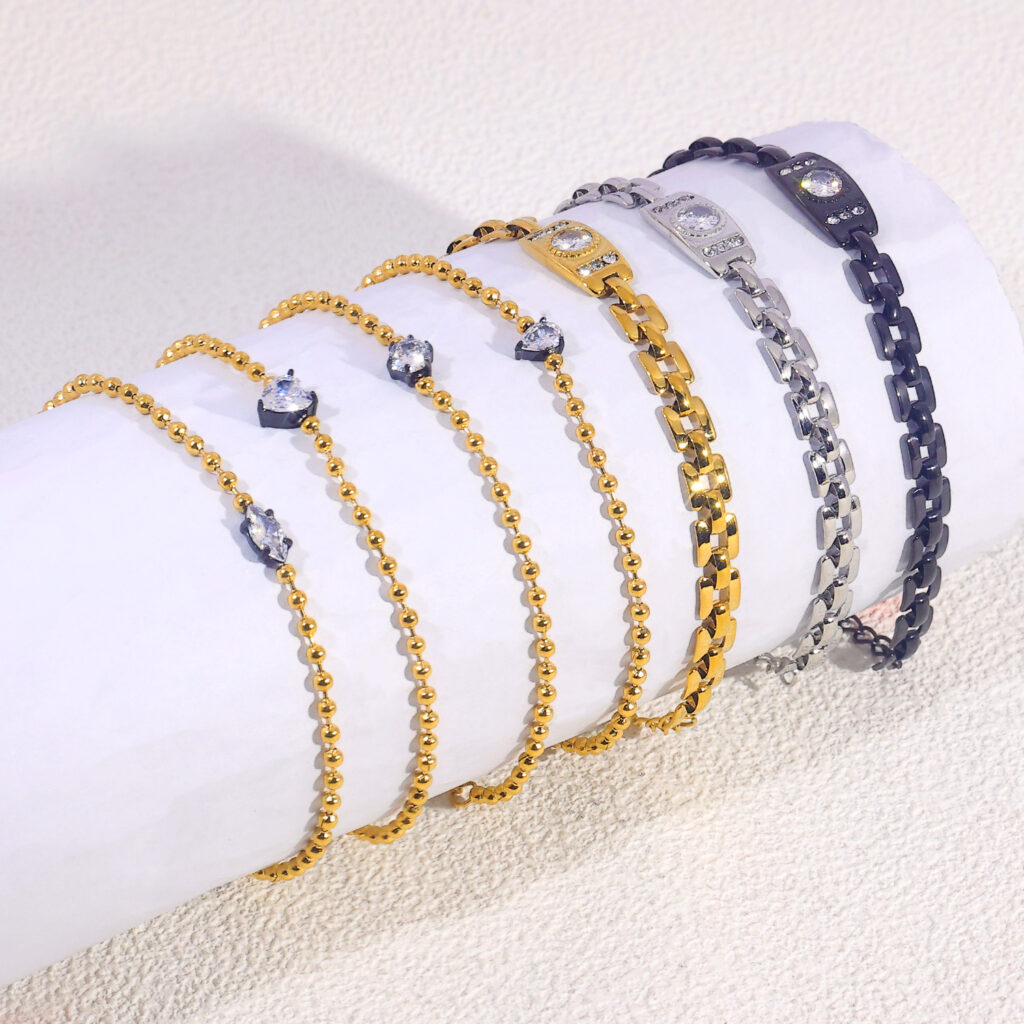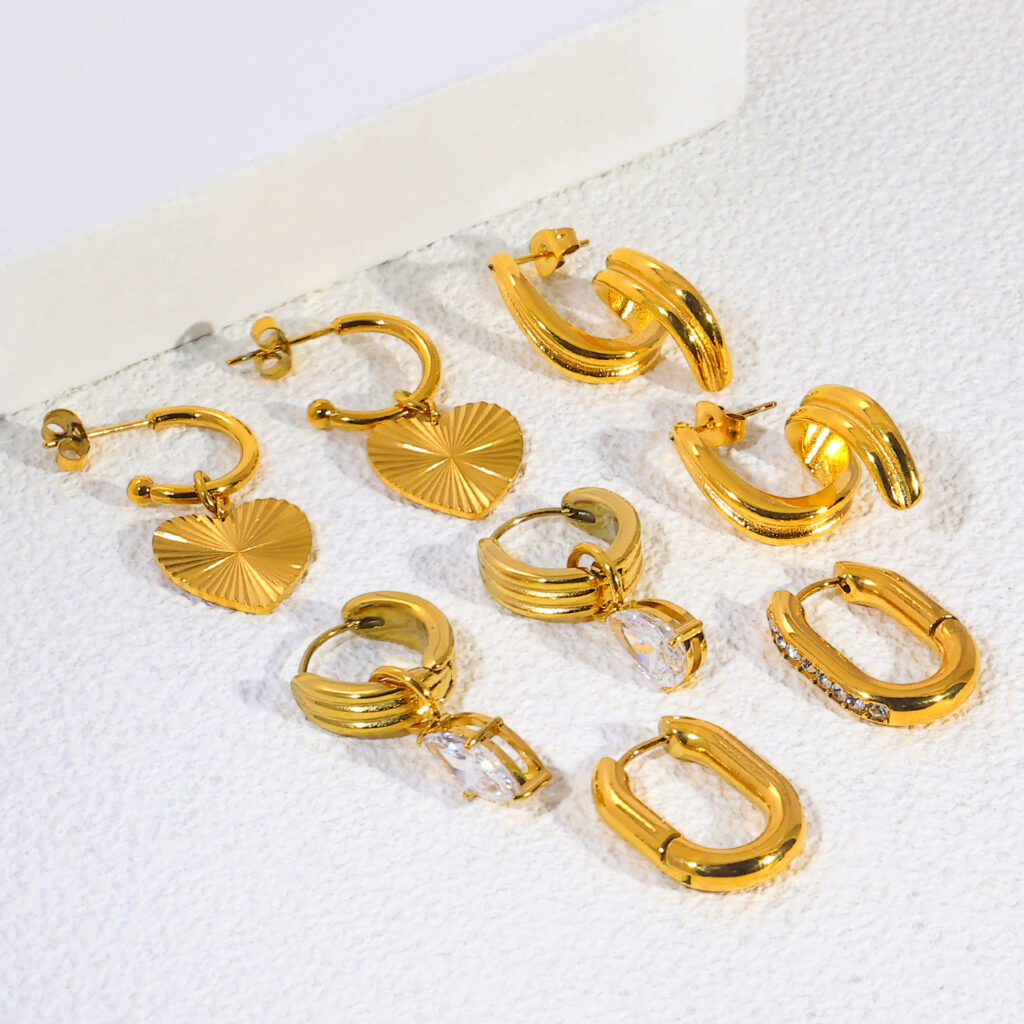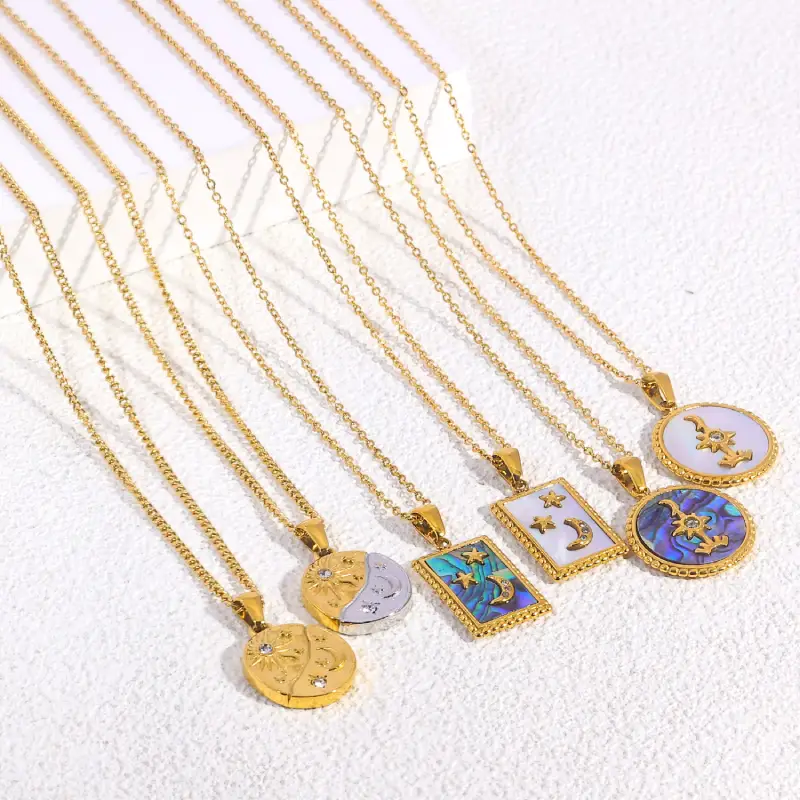
Quanto durano i gioielli in PVD? La durata di vita incoerente del prodotto porta a reclami da parte dei clienti e a richieste di garanzia più elevate, avere un impatto diretto sulla reputazione del marchio e sulla fiducia dei consumatori nel valore del prodotto. Per marchi di gioielli e grossisti, garantire una longevità costante del prodotto è la chiave per ridurre al minimo i reclami dei clienti e le richieste di garanzia. Investire nel rivestimento PVD premium protegge direttamente la reputazione del tuo marchio e aumenta la fiducia dei consumatori.
I nostri dati mostrano che i gioielli in PVD offrono costantemente 3-5 anni di aspetto accettabile se indossati normalmente ogni giorno, con pezzi di uso occasionale che raggiungono un decennio. Questa eccezionale durata supera di gran lunga la tradizionale galvanica. Questa prestazione è scientificamente verificata da una valutazione della superficie di 800–2.000 HV a livello internazionale Scala di durezza Vickers
e convalidato durando più di 100-500 ore in modalità standardizzata Test ASTM in nebbia salina protocolli.
Quanto possono durare i gioielli in PVD?
La durata dei gioielli in PVD varia in modo significativo in base all'intensità dell'usura, tipo di gioielli, e abitudini di cura. Un quadro pratico basato sui dati del settore:
| Usa Scenario | Tipo di gioielli | Aspettativa di vita realistica* |
|---|---|---|
| Abbigliamento quotidiano, cure moderate (rimuovere per prodotti chimici aggressivi, pulizia di base) | Squillo | Spesso circa 2–3 anni prima di un notevole assottigliamento dei bordi dovuto a usura elevata; totale utilizzabile più a lungo a seconda della tolleranza per i segni di usura. |
| Abbigliamento quotidiano, buona cura (fare attenzione alle sostanze chimiche/gli impatti) | Braccialetto / Orologio | Comunemente 3-5+ anni di condizioni estetiche accettabili; più a lungo se non sottoposti a lavori manuali pesanti. |
| Abbigliamento quotidiano/quasi quotidiano, buona cura | Collana / Orecchini | Spesso 4–7+ anni, con potenziale per avvicinarsi in giro 10 anni in condizioni delicate. |
| Usura occasionale o rotazionale, buona conservazione e pulizia | La maggior parte dei tipi | Può mantenere un aspetto “come nuovo” per molti anni, spesso limitato più dai cambiamenti di stile che dal fallimento del rivestimento. |
*Questi intervalli sono approssimativi, illustrando il comportamento tipico del settore quando si combinano le caratteristiche del rivestimento, modelli di usura, e pratiche di cura.
Comprendere la durabilità del PVD: Materiali e produzione
I gioielli PVD superano significativamente le prestazioni della galvanica tradizionale, garantendo la prevedibile durata di 3-5 anni di cui i marchi premium necessitano per mantenere la fiducia del mercato. Per gli acquirenti all'ingrosso, questa durabilità non è ottenuta per fortuna, ma attraverso una precisa selezione dei materiali e un'ingegneria industriale a livello di fabbrica.
- Selezione del materiale del substrato: Il fondamento della longevità del PVD dipende fortemente dal metallo di base. Utilizziamo premium 316L acciaio inossidabile perché il suo strato passivo superficiale ricco di cromo offre la massima adesione atomica per i rivestimenti PVD. A differenza delle alternative più morbide in ottone o rame, una base 316L garantisce che anche se un pezzo è esposto a grave usura, il metallo esposto non si ossiderà mai, ruggine, o scatenare allergie cutanee.
- Durabilità strutturale per categoria di prodotto: La longevità varia naturalmente a seconda dell’ambiente meccanico del tipo di gioiello. Gli oggetti ad alto contatto, come gli anelli PVD, sono sottoposti a continui attriti e impatti, causando nel tempo un assottigliamento dei bordi. Al contrario, collane e orecchini subiscono un'abrasione minima e durano normalmente fino a un decennio. Regoliamo i nostri parametri di produzione in base a questi modelli di utilizzo per garantire una qualità uniforme in tutto il tuo catalogo.
- Stabilità del colore industriale: Secondo gli standard commerciali, il colore PVD di alta qualità è intrinseco allo strato composto stesso, nel senso che non può “dissolvenza” come la tradizionale doratura. Qualsiasi perdita apparente di lucentezza nell'inventario al dettaglio è generalmente dovuta alla contaminazione della superficie o alla microabrasione. Selezionando i giusti materiali di base, garantiamo una stalla, durata di conservazione senza ossidazione per i tuoi prodotti.
Ridurre i tassi di difetto del tuo marchio
Nel settore della gioielleria, La durata di vita incoerente del prodotto porta a reclami da parte dei clienti e a richieste di garanzia più elevate, incidendo direttamente sulla reputazione del marchio. Abbinando la deposizione sotto vuoto avanzata con metalli di base di prima qualità, Jusnova aiuta la tua azienda a eliminare questi colli di bottiglia della qualità.
Che tu stia lanciando una nuova linea minimalista o espandendo un'attività all'ingrosso ad alto volume, il nostro processo di produzione garantisce che i tuoi prodotti mantengano il loro aspetto e la loro sensazione premium per molto tempo dopo aver lasciato lo scaffale del negozio.
Estensione della durata della vita del PVD: Una guida per il commerciante all'assistenza clienti
Per i marchi di gioielli, istruire i tuoi clienti sulla cura adeguata è un modo altamente efficace per ridurre al minimo le richieste di garanzia e massimizzare la soddisfazione del consumatore. Mentre il rivestimento PVD offre una durata eccezionale, la condivisione di queste semplici linee guida per la manutenzione con i tuoi acquirenti garantisce che i prodotti raggiungano la massima durata:
- Chimico & Protezione dall'attrito: Consigliare ai clienti di rimuovere i gioielli in PVD durante allenamenti faticosi o lavori manuali, e applicare profumi o lozioni prima di indossare i pezzi per prevenire il degrado chimico.
- Pulizia ordinaria: Consigliamo il lavaggio con acqua tiepida, sapone delicato non abrasivo, e un panno morbido. Prodotti chimici pesanti, lavatrici ad ultrasuoni, e i panni lucidanti abrasivi dovrebbero essere rigorosamente evitati.
- Conservazione corretta: Suggerisci di riporre i pezzi singolarmente in sacchetti morbidi o scomparti foderati per evitare graffi e attriti superficiali tra gli articoli.
Fornendo questi consigli pratici per la cura sulla confezione o sul sito web del tuo marchio, puoi garantire con sicurezza una durata di vita di 3–5+ anni per oggetti di uso quotidiano come i braccialetti, e 5-10 anni per collane e orecchini, aumentando significativamente il valore percepito del tuo marchio.
Costume, Gioielli durevoli: Potenzia il tuo marchio
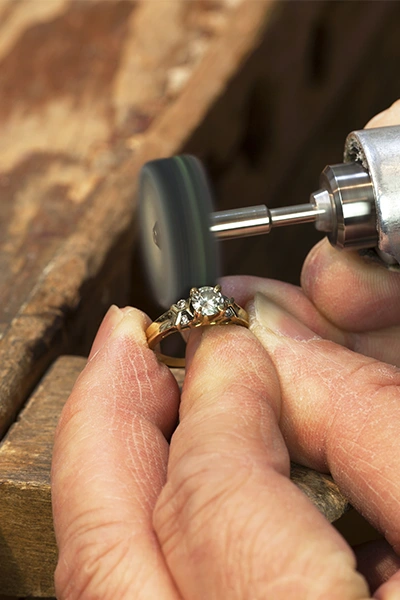
Fa Rivestimento PVD Lo spessore influisce sulla durata?
Lo spessore del PVD influisce direttamente sulla durata dei gioielli, influenzando la resistenza all’usura, protezione dalla corrosione, e stabilità del colore. Mentre gli strati più spessi prolungano la durata del prodotto, uno spessore eccessivo può creare stress strutturali. La gamma ottimale dipende interamente dal tipo di gioiello e dal budget di produzione target.
Per aiutarti a scegliere il giusto standard di produzione per l'inventario del tuo marchio, ecco come si comportano i diversi livelli di micron nel mercato al dettaglio:
- 0.1 A 0.5 micron: Ideale per pezzi a basso contatto come orecchini o articoli fast-fashion. Anche se altamente conveniente, strati sottostanti 0.3 i micron possono mostrare un'usura più rapida su oggetti ad alto attrito come gli anelli.
- 0.5 A 1.5 micron: L'industria “punto debole” per gioielli di fascia media. Fornisce una barriera sostanziale contro l'appannamento e l'attrito quotidiano senza aumentare significativamente i costi di produzione.
- 1.5 A 3.0 micron: Il gold standard per i gioielli PVD di fascia alta. Questa gamma offre la massima resistenza alla microabrasione, sudore pesante, e cosmetici, mantenendo una stalla, aspetto di lusso per anni.
Bilanciamento delle prestazioni, Applicazione, e compatibilità del substrato
Uno strato PVD troppo spesso o troppo rigido rispetto alla durezza del metallo di base potrebbe rompersi o delaminarsi sotto l'impatto. Perciò, gli articoli ad alto contatto come anelli e cinturini per orologi funzionano meglio con 1,5–3,0 micron su una base in acciaio inossidabile duro 316L, mentre pendenti e orecchini raggiungono un'eccellente longevità con 0,5–1,5 micron.
A Jusnova, utilizziamo la fluorescenza a raggi X avanzata (XRF) test per misurare e verificare lo spessore preciso del rivestimento in produzione. Collaboriamo con voi per specificare nei nostri contratti di fornitura l'esatto tipo di rivestimento e lo spessore minimo per superficie, garantendo una qualità prevedibile e proteggendo i vostri margini di profitto.
Perché i gioielli in PVD di alta qualità superano la placcatura tradizionale
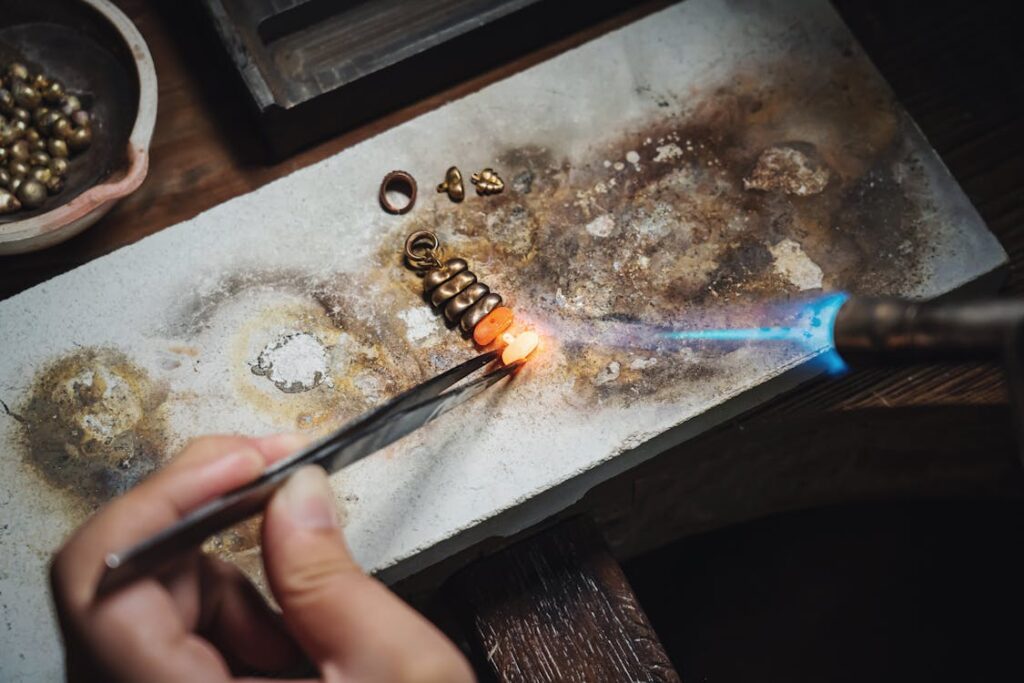
L’eccezionale durata dei gioielli in PVD affonda le sue radici nella scienza dei materiali, non marketing. Quando si acquista da un produttore di alta qualità, tre vantaggi tecnici fondamentali garantiscono che il tuo inventario resista alla prova del tempo:
- Legame molecolare a livello atomico: A differenza della galvanica tradizionale in cui lo strato d'oro si trova semplicemente sulla superficie, PVD (Deposizione fisica del vapore) avviene in una camera ad alto vuoto dove gli atomi metallici formano un legame a livello molecolare con il substrato. Ciò elimina completamente il rischio di sfaldamento o desquamazione.
- Durezza superficiale estrema (800–2.000 alta tensione): Rivestimenti PVD come il nitruro di titanio (Stagno) o carbonio simile al diamante (DLC) raggiungere una durezza fino a 2,000 alta tensione (Numero della piramide di Vickers). Rispetto alla tradizionale doratura (100–200 alta tensione), Il PVD offre una resistenza ai graffi superiore per pezzi ad alto contatto come anelli e cinturini per orologi. (Fonte: Dati internazionali sui materiali ASM)
- Resistenza superiore alla nebbia salina (100–500+ ore): Nei test di corrosione standardizzati, i rivestimenti PVD di alta qualità resistono facilmente a centinaia di ore senza ossidazione, mentre la galvanica standard mostra tipicamente segni di corrosione all'interno 24 A 48 ore. Il denso, la microstruttura a bassa porosità impedisce al sudore e all'umidità di raggiungere la base sottostante in acciaio inossidabile 316L, garantendo un'assenza di ossidazione, finitura ipoallergenica.
Lo standard di qualità Jusnova:
Per garantire questa durata di vita al tuo marchio, applichiamo un rigoroso controllo del processo: dalla pulizia a ultrasuoni multifase e dall'incisione superficiale al monitoraggio preciso del rapporto del gas all'interno delle nostre camere a vuoto. Questa precisione di livello industriale si traduce direttamente in tassi di reso più bassi e in una maggiore fidelizzazione dei clienti per la tua azienda.
Gioielli in PVD vs gioielli placcati in oro: Che dura più a lungo?
I gioielli in PVD sopravvivono significativamente alla tradizionale placcatura in oro per l'uso quotidiano, offrendo anni di durata affidabile rispetto ai pochi mesi per gli articoli galvanizzati. Per i marchi di gioielli, questo divario di longevità si traduce direttamente in un maggiore valore della vita del cliente e in minori costi operativi.
Durabilità comparativa e durata della vita al dettaglio
Quando scegli le azioni per il tuo marchio, analizzando le differenze fondamentali in Rivestimento PVD rispetto alla durabilità della placcatura in orobilità è essenziale. L'aggiornamento al PVD si traduce direttamente in una durata operativa da 3 a 5 volte più lunga, proteggere con successo il tuo marchio dagli alti tassi di rendimento comuni alla galvanica tradizionale.
Come stabilito nel nostro quadro sull'usura, questa usabilità pluriennale varia in base alla categoria di prodotto, ma il tasso di rendimento complessivo del mercato per il PVD a causa dell'appannamento prematuro lo è fino a 80% inferiore rispetto a quello delle linee di gioielli placcati a flash.
Influenze commerciali e finanziarie sull'usura
Scegliere tra PVD e galvanica tradizionale è una decisione aziendale strategica che modella la salute finanziaria del tuo marchio. Ecco perché i due metodi funzionano diversamente sul mercato al dettaglio:
Il vantaggio commerciale
- Meno costi generali operativi: La galvanica tradizionale si basa su uno strato superficiale debole proveniente da un bagno liquido, rendendolo altamente suscettibile allo sfaldamento, peeling, e l'attrito derivante dall'imballaggio di spedizione. Al contrario, La fitta microstruttura del PVD garantisce che il tuo inventario rimanga impeccabile durante lo stoccaggio e il trasporto a lungo termine.
- Rendimento ridotto & Logistica dei rimborsi: La placcatura in oro standard si degrada rapidamente se esposta a sostanze chimiche di consumo quotidiano come i disinfettanti per le mani, saponi, e lozioni per il corpo. La barriera superficiale inerte del PVD protegge il metallo sottostante dalla vaiolatura e dalla corrosione del sottofilm, salvando il tuo team di assistenza clienti da infinite controversie sui rimborsi.
Il valore del substrato
- Protezione del substrato: La placcatura tradizionale viene spesso applicata su ottone o rame economici, che diventa verde non appena il microsottile strato d'oro si consuma. Applicando il PVD sul robusto acciaio inossidabile 316L, Jusnova garantisce che anche in caso di uso quotidiano intenso, il pezzo non diventerà mai verde, appannarsi, o scatenare allergie cutanee al consumatore finale.
- Ottimizzazione costi-benefici: Mentre il costo di produzione iniziale del PVD è leggermente superiore a quello della galvanica flash, la durata di conservazione prolungata e l’eliminazione degli scarti di prodotti difettosi migliorano drasticamente i margini di profitto a lungo termine del tuo marchio.
In che modo l'usura quotidiana influisce sui gioielli in PVD?
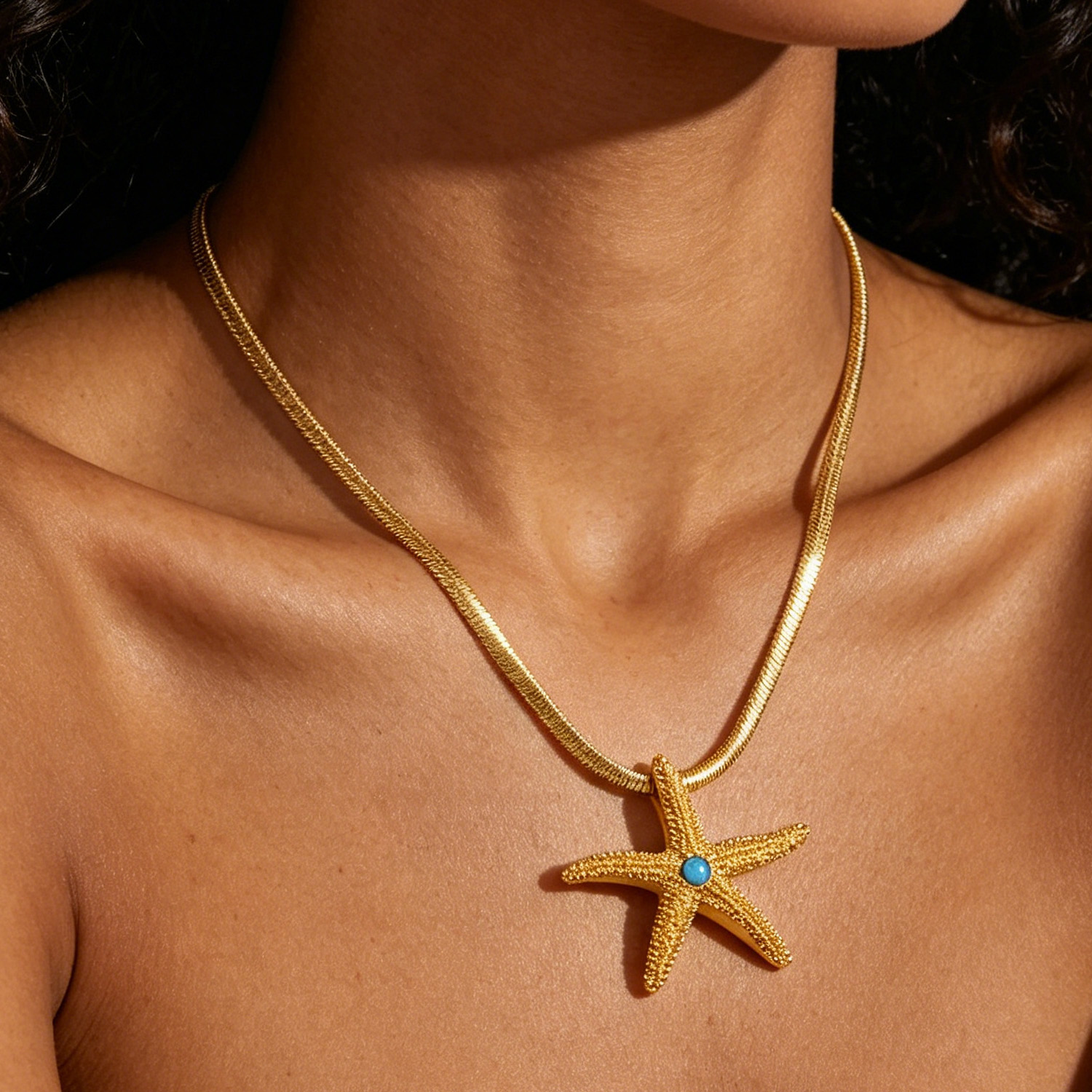
L’usura quotidiana è la variabile più importante nella rapidità con cui le finiture PVD mostrano l’età e per i marchi, è la differenza tra un cliente che ritorna entro sei mesi e uno che riordina.
Per profilo cliente, i modelli di usura si guastano in questo modo:
- Ufficio / clienti ad uso leggero: Rischio minimo. I capi indossati in ambienti chiusi con una bassa esposizione chimica raggiungono in modo affidabile l'intervallo di normale usura di 3-5 anni. I resi per scolorimento prematuro sono rari qui quando viene utilizzato il PVD di qualità.
- Attivo / clienti orientati al fitness: Rischio moderato. Sudore, attrito, e gli impatti accidentali spingono anelli e braccialetti nella finestra di usura intensiva di 2-3 anni. I marchi che servono questo segmento necessitano di una comunicazione chiara sulla cura per gestire le aspettative e ridurre le richieste di garanzia.
- 24/7-indossare i clienti: Rischio più alto. Esposizione continua ai saponi, disinfettanti, e l'abrasione quotidiana accelera l'usura su qualsiasi superficie rivestita. Questi clienti beneficiano di una guida esplicita: Il PVD è altamente resistente all'acqua, non indistruttibile. Si consiglia la rimozione prima delle piscine e dei bagni prolungati.
Il PVD è una delle finiture più resistenti disponibili per i gioielli di tutti i giorni, ma non è immune all'usura. I marchi con i tassi di rendimento più bassi sono quelli che abbinano il loro posizionamento al comportamento realistico dei clienti e lo dicono in anticipo. SSÌ le nostre risorse per la guida alla cura per strumenti di comunicazione con i clienti pronti all’uso che definiscano aspettative realistiche e riducano i reclami post-acquisto.
Può sudare, Acqua, e sostanze chimiche danneggiano i gioielli in PVD?
Mentre il rivestimento PVD premium è progettato per essere altamente resistente alla corrosione e antiossidante, l'esposizione prolungata ad ambienti chimici aggressivi può eventualmente stressare la finitura. Per i marchi che desiderano ridurre al minimo i reclami post-acquisto, ti consigliamo di affrontare questi fattori ambientali direttamente nelle domande frequenti dei tuoi clienti:
- Sudore salato & Acqua di mare: Il sudore normale non danneggia il PVD di qualità, ma l'esposizione costante all'acqua di mare o alle piscine clorurate combinata con l'attrito può accelerare l'usura del rivestimento. Consigliare ai consumatori attivi di sciacquare i propri capi con acqua dolce dopo aver nuotato.
- Domestico & Prodotti chimici cosmetici: Contatto diretto con detergenti aggressivi, profumi, e i filtri solari a base di alcol possono attenuare la lucentezza della superficie nel tempo.
- La strategia di marca: Fornire chiarezza, linee guida trasparenti sull'abbigliamento ambientale sugli inserti dei prodotti non solo stabiliscono aspettative realistiche per i clienti che indossano 24 ore su 24, 7 giorni su 7, ma proteggono anche il tuo marchio da richieste di reso ingiuste.
In che modo i produttori testano la durabilità dei gioielli PVD?
Protocolli di test di laboratorio e di usura accelerata
I produttori utilizzano vari test di laboratorio e accelerati per valutare la durabilità dei gioielli PVD. Questi test comprimono anni di usura nel mondo reale in ore o giorni. L'obiettivo è valutare lo spessore del rivestimento, adesione, durezza, e resistenza alla corrosione.
- Test in nebbia salina (ASTM B117): Sottoponiamo campioni casuali da ogni lotto all'ingrosso 100–500+ ore di test continui sulla corrosione basati sugli standard in nebbia salina ASTM B117. Questo rigoroso processo simula anni di sudore intenso ed esposizione ambientale, garantendo zero ossidazione prematura per il tuo inventario.
- Abrasione meccanica & Test del ciclo: I campioni vengono sottoposti a tester di sfregamento automatizzati fino a 5,000 cicli sotto carichi controllati per verificare che il rivestimento non si assottigli durante l'uso quotidiano al dettaglio.
- Test di adesione a tratteggio incrociato: Eseguiamo severi test di flessione e di trazione del nastro sul substrato per garantire che il legame atomico sia impeccabile e 100% resistente alla desquamazione.
- Verifica dello spessore XRF: Utilizzando la fluorescenza a raggi X non distruttiva, il nostro team QA misura e certifica che lo spessore in micron corrisponde esattamente ai nostri accordi di fornitura prima del confezionamento.
Garantire una qualità costante e prevedere la durata del prodotto
I test di durabilità sono fondamentali per i gioielli PVD. Aiuta i produttori a confermare la ritenzione del colore e della brillantezza per 3-5+ anni di utilizzo quotidiano. Questo test riduce significativamente il tasso di garanzia e di restituzione, a volte da 80% per robusti sistemi PVD.
I produttori integrano questi test in sistemi di gestione della qualità più ampi, spesso utilizzando ISO 9001 quadri. Convalidano le camere di deposizione sotto vuoto, jigging, e l'orientamento della parte per garantire densità e adesione del rivestimento costanti. I campioni di pre-produzione vengono confrontati con pezzi casuali provenienti da ordini all'ingrosso per verificare la coerenza della tonalità di colore, luminosità della superficie, e copertura dei bordi.
I produttori allineano le soglie dei test interni alle dichiarazioni di durata di vita commercializzate e alle politiche di garanzia. Per esempio, specificano le ore minime di nebbia salina, durate del sudore artificiale, e cicli di abrasione per ogni linea di prodotto. Ciò garantisce che i pezzi durino realisticamente più anni in condizioni di normale usura. I test convalidano lo spessore del rivestimento, qualità del substrato, densità del rivestimento, adesione, e i fattori legati all'ambiente dell'utente contribuiscono tutti a una durata di vita pluriennale prevedibile.
Considerazioni finali
Scegliere gioielli in PVD di qualità è più di una spesa; è un investimento nella reputazione del tuo marchio e nella fedeltà dei clienti. Mentre le opzioni placcate più economiche rischiano una rapida usura e resi, i nostri standard PVD garantiscono 3-5 anni di fascino costante in condizioni di normale utilizzo quotidiano, tutela contro l’insoddisfazione del cliente. Scegli una durabilità comprovata per differenziare la tua linea di prodotti e creare una fiducia duratura.
Pronti per integrare questa durabilità superiore nelle vostre offerte? Non limitarti a considerare i dati: sperimenta in prima persona la nostra finitura PVD. Contatta il nostro team oggi per richiedere campioni o discutere soluzioni OEM su misura per la tua prossima collezione.