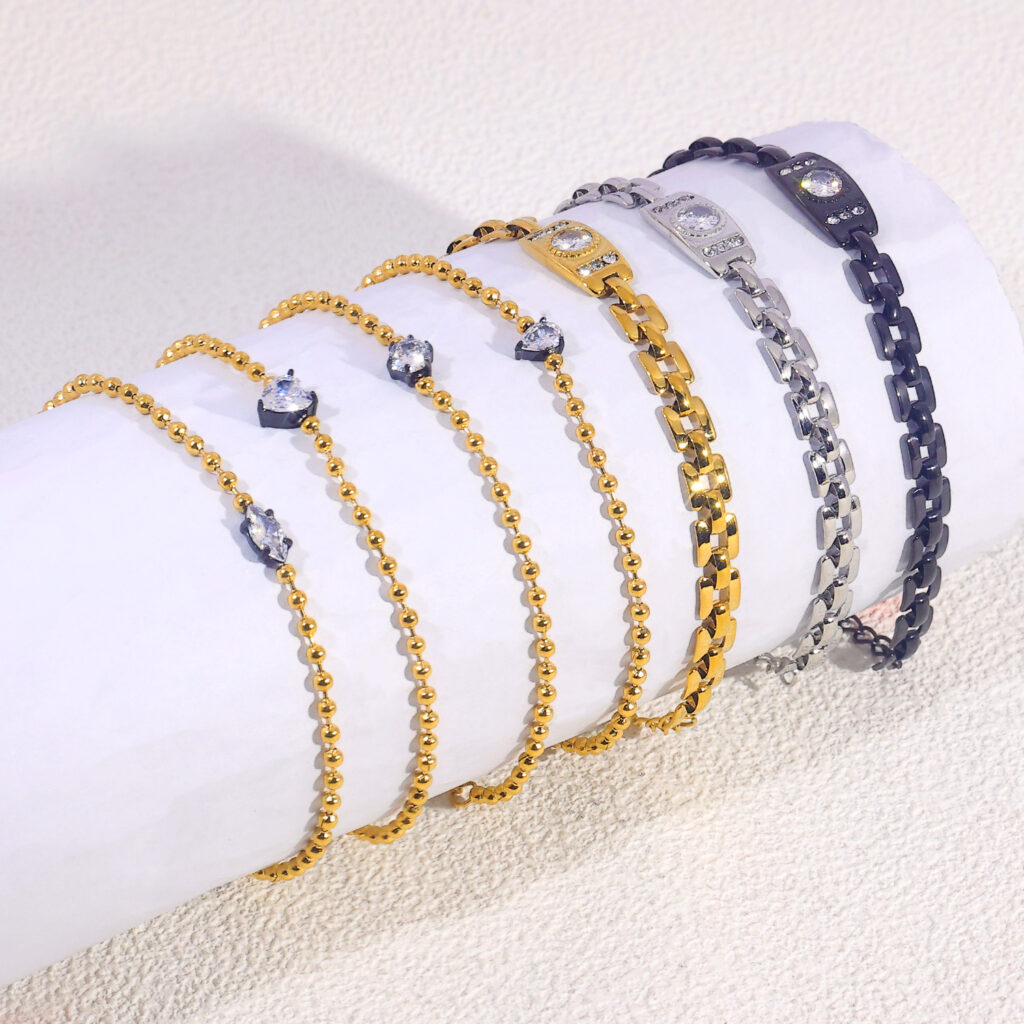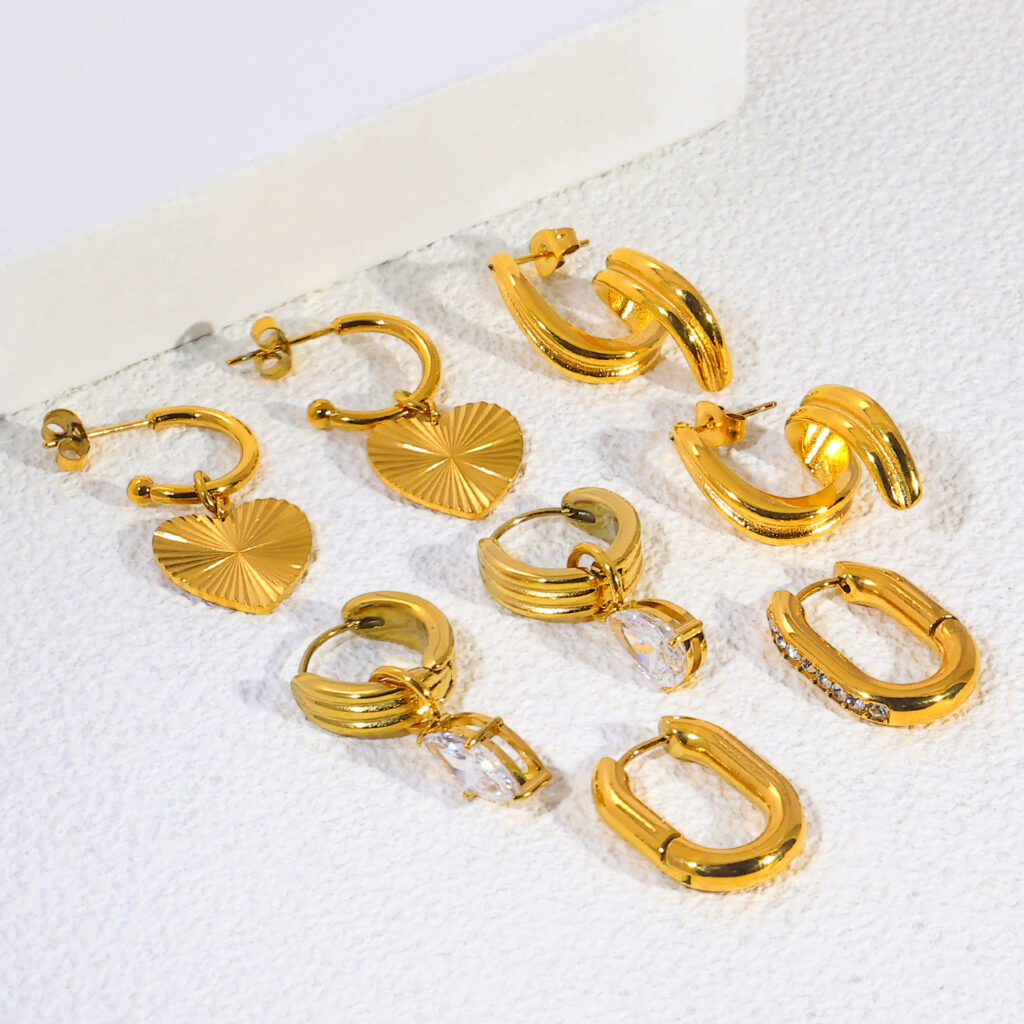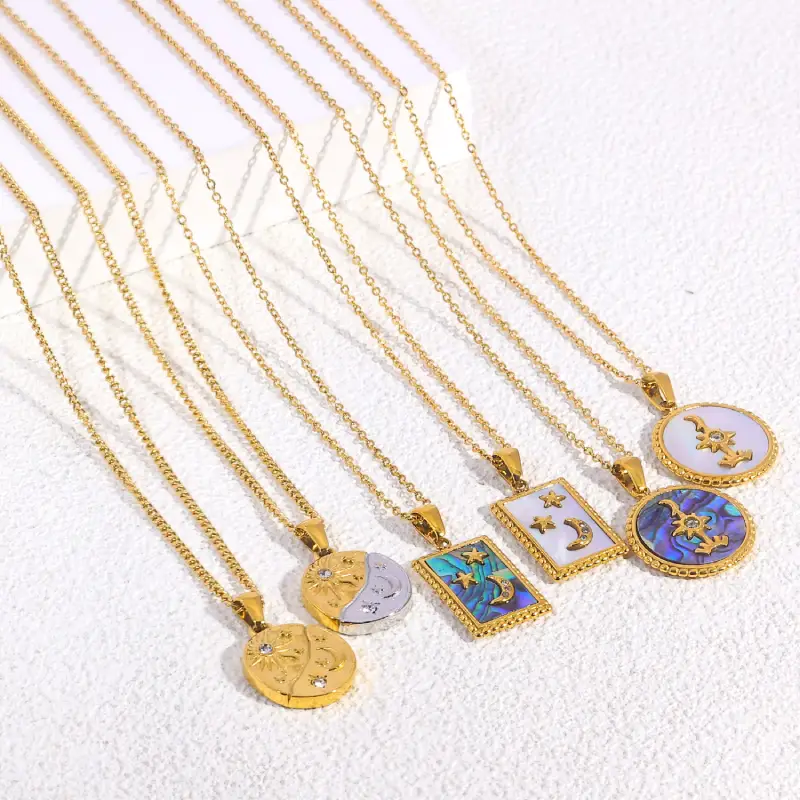
Wie lange hält PVD-Schmuck?? Eine uneinheitliche Produktlebensdauer führt zu Kundenbeschwerden und höheren Garantieansprüchen, Dies wirkt sich direkt auf den Ruf der Marke und das Vertrauen der Verbraucher in den Produktwert aus. Für Schmuckmarken und Großhändler, Die Sicherstellung einer gleichbleibenden Produktlebensdauer ist der Schlüssel zur Minimierung von Kundenbeschwerden und zur Reduzierung von Garantieansprüchen. Die Investition in eine hochwertige PVD-Beschichtung schützt direkt den Ruf Ihrer Marke und stärkt das Vertrauen der Verbraucher.
Unsere Daten zeigen, dass PVD-Schmuck bei normalem täglichen Tragen 3 bis 5 Jahre lang ein akzeptables Aussehen bietet, mit gelegentlich genutzten Stücken, die ein Jahrzehnt erreichen. Diese außergewöhnliche Haltbarkeit übertrifft die herkömmliche Galvanisierung bei weitem. Diese Leistung ist durch eine Oberflächenbewertung von 800–2.000 HV auf internationaler Ebene wissenschaftlich belegt Vickers-Härteskala
und validiert durch eine Dauer von 100–500+ Stunden unter standardisierten Bedingungen ASTM-Salzsprühtest Protokolle.
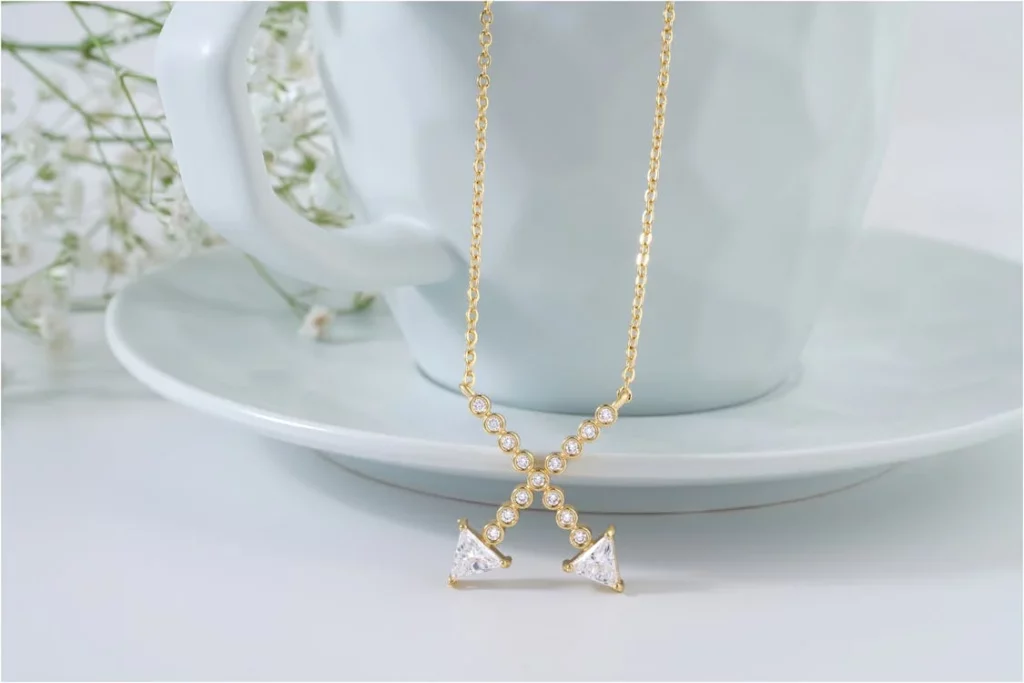
Wie lange kann PVD-Schmuck halten??
Die Lebensdauer von PVD-Schmuck variiert erheblich je nach Trageintensität, Schmucktyp, und Pflegegewohnheiten. Ein praktischer Rahmen basierend auf Branchendaten:
| Szenario verwenden | Schmucktyp | Realistische Lebenserwartung* |
|---|---|---|
| Tägliches Tragen, mäßige Pflege (Bei aggressiven Chemikalien entfernen, Grundreinigung) | Ring | Oft dauert es ca. 2–3 Jahre, bevor eine deutliche Ausdünnung der stark beanspruchten Kanten auftritt; insgesamt länger nutzbar je nach Toleranz der Abnutzungsspuren. |
| Tägliches Tragen, gute Betreuung (Vorsicht mit Chemikalien/Einwirkungen) | Armband / Betrachten | In der Regel 3–5+ Jahre akzeptabler kosmetischer Zustand; länger, wenn keine schwere Handarbeit ausgeübt wird. |
| Tägliches/fast tägliches Tragen, gute Betreuung | Halskette / Ohrringe | Häufig 4–7+ Jahre, mit Annäherungspotenzial 10 Jahre unter schonenden Bedingungen. |
| Gelegentlicher oder rotierender Verschleiß, gute Lagerung und Reinigung | Die meisten Typen | Kann viele Jahre lang ein „wie neu“-Aussehen behalten, oft eher durch Stiländerungen als durch Beschichtungsfehler eingeschränkt. |
*Bei diesen Bereichen handelt es sich um Näherungswerte, Veranschaulichung branchentypischer Verhaltensweisen bei der Kombination von Beschichtungseigenschaften, Tragemuster, und Pflegepraktiken.
PVD-Haltbarkeit verstehen: Materialien und Herstellung
PVD-Schmuck übertrifft die herkömmliche Galvanisierung deutlich, Bereitstellung der vorhersehbaren Lebensdauer von drei bis fünf Jahren, die Premium-Marken benötigen, um das Vertrauen des Marktes aufrechtzuerhalten. Für Großhandelskäufer, Diese Haltbarkeit wird nicht durch Glück erreicht, sondern durch präzise Materialauswahl und Industrietechnik auf Fabrikebene.
- Auswahl des Substratmaterials: Die Grundlage der PVD-Langlebigkeit hängt stark vom Grundmetall ab. Wir nutzen Premium 316L Edelstahl denn seine chromreiche Oberflächenpassivschicht bietet die höchste atomare Haftung für PVD-Beschichtungen. Im Gegensatz zu weicheren Alternativen aus Messing oder Kupfer, Eine 316L-Basis sorgt dafür, dass ein Teil auch bei starker Abnutzung stabil bleibt, Das freiliegende Metall wird niemals anlaufen, Rost, oder Hautallergien auslösen.
- Strukturelle Haltbarkeit nach Produktkategorie: Die Langlebigkeit hängt natürlich von der mechanischen Umgebung des Schmuckstücks ab. Gegenstände mit hohem Kontakt, wie z. B. PVD-Ringe, sind ständiger Reibung und Stößen ausgesetzt, was mit der Zeit zu einer Ausdünnung der Kanten führt. Umgekehrt, Halsketten und Ohrringe unterliegen nur minimalem Abrieb und halten normalerweise bis zu einem Jahrzehnt. Basierend auf diesen Nutzungsmustern passen wir unsere Produktionsparameter an, um eine einheitliche Qualität in Ihrem gesamten Katalog sicherzustellen.
- Industrielle Farbstabilität: Unter kommerziellen Standards, Die hochwertige PVD-Farbe ist der Verbundschicht selbst eigen, was bedeutet, dass es nicht möglich ist „verblassen“ wie die traditionelle Vergoldung. Jeder offensichtliche Glanzverlust bei Einzelhandelsbeständen ist typischerweise auf Oberflächenverunreinigungen oder Mikroabrieb zurückzuführen. Durch die Auswahl der richtigen Grundmaterialien, Wir garantieren einen stabilen Betrieb, anlauffreie Haltbarkeit Ihrer Produkte.
Senken Sie die Fehlerraten Ihrer Marke
In der Schmuckindustrie, Eine inkonsistente Produktlebensdauer führt zu Kundenbeschwerden und höheren Garantieansprüchen, wirkt sich direkt auf den Ruf der Marke aus. Durch die Kombination fortschrittlicher Vakuumbeschichtung mit hochwertigen Basismetallen, Jusnova hilft Ihrem Unternehmen, diese Qualitätsengpässe zu beseitigen.
Egal, ob Sie eine neue minimalistische Linie einführen oder ein großvolumiges Großhandelsgeschäft aufbauen, Unser Herstellungsprozess stellt sicher, dass Ihre Produkte lange nach dem Verlassen des Verkaufsregals ihr hochwertiges Aussehen und Gefühl behalten.
Verlängerung der PVD-Lebensdauer: Ein Leitfaden für Händler zur Kundenbetreuung
Für Schmuckmarken, Die Aufklärung Ihrer Kunden über die richtige Pflege ist eine äußerst wirksame Möglichkeit, Garantieansprüche zu minimieren und die Kundenzufriedenheit zu maximieren. Die PVD-Beschichtung bietet außergewöhnliche Haltbarkeit, Durch die Weitergabe dieser einfachen Wartungsrichtlinien an Ihre Käufer wird sichergestellt, dass die Produkte ihre maximale Lebensdauer erreichen:
- Chemisch & Reibungsschutz: Empfehlen Sie Kunden, PVD-Schmuck bei anstrengendem Training oder manueller Arbeit abzulegen, und vor dem Anziehen ihrer Stücke Parfüme oder Lotionen aufzutragen, um eine chemische Zersetzung zu verhindern.
- Routinereinigung: Empfehlen Sie das Waschen mit lauwarmem Wasser, milde, nicht scheuernde Seife, und ein weiches Tuch. Schwere Chemikalien, Ultraschallreiniger, und scheuernde Poliertücher sollten unbedingt vermieden werden.
- Richtige Lagerung: Wir empfehlen, die Teile einzeln in weichen Beuteln oder gefütterten Fächern aufzubewahren, um Kratzer und Oberflächenreibung zwischen den Artikeln zu vermeiden.
Indem Sie diese praktischen Pflegetipps auf der Verpackung oder Website Ihrer Marke bereitstellen, Sie können mit Sicherheit eine Lebensdauer von 3–5+ Jahren für Alltagsgegenstände wie Armbänder garantieren, und 5–10 Jahre für Halsketten und Ohrringe – was den wahrgenommenen Wert Ihrer Marke deutlich steigert.
Brauch, Langlebiger Schmuck: Stärken Sie Ihre Marke
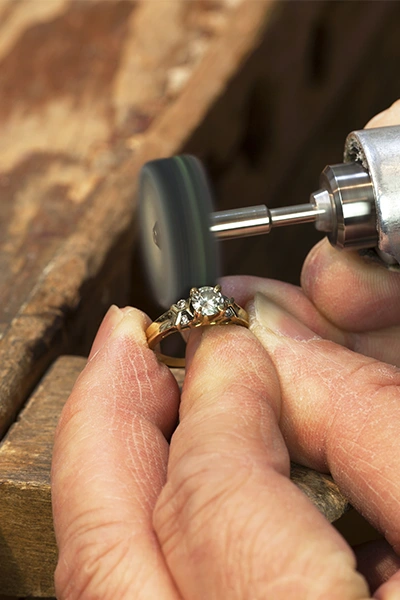
Tut PVD-Beschichtung Die Dicke beeinflusst die Haltbarkeit?
Die PVD-Dicke wirkt sich direkt auf die Haltbarkeit des Schmucks aus, Beeinflussung der Verschleißfestigkeit, Korrosionsschutz, und Farbstabilität. Dickere Schichten verlängern die Produktlebensdauer, Eine übermäßige Dicke kann zu strukturellen Spannungen führen. Das optimale Sortiment hängt ganz von der Schmuckart und Ihrem angestrebten Herstellungsbudget ab.
Um Ihnen bei der Auswahl des richtigen Produktionsstandards für den Bestand Ihrer Marke zu helfen, Hier erfahren Sie, wie sich unterschiedliche Mikrometerstufen auf dem Einzelhandelsmarkt verhalten:
- 0.1 Zu 0.5 Mikrometer: Ideal für kontaktarme Teile wie Ohrringe oder Fast-Fashion-Artikel. Bei gleichzeitig hoher Kosteneffizienz, Schichten darunter 0.3 Mikrometer können bei Gegenständen mit hoher Reibung wie Ringen zu einem schnelleren Verschleiß führen.
- 0.5 Zu 1.5 Mikrometer: Die Branche „süßer Ort“ für mittelpreisigen Schmuck. Es bietet eine erhebliche Barriere gegen tägliches Anlaufen und Reibung, ohne die Herstellungskosten wesentlich zu erhöhen.
- 1.5 Zu 3.0 Mikrometer: Der Goldstandard für hochwertigen PVD-Schmuck. Diese Serie bietet maximale Beständigkeit gegen Mikroabrieb, starker Schweiß, und Kosmetika, Aufrechterhaltung eines Stalls, Luxus-Aussehen seit Jahren.
Ausgleichsleistung, Anwendung, und Substratkompatibilität
Eine PVD-Schicht, die im Verhältnis zur Härte des Grundmetalls zu dick oder zu steif ist, kann bei Stößen reißen oder sich ablösen. daher, Gegenstände mit hohem Kontakt wie Ringe und Uhrenarmbänder erzielen die beste Leistung mit 1,5–3,0 Mikrometern auf einer harten Basis aus 316L-Edelstahl, während Anhänger und Ohrringe mit 0,5–1,5 Mikrometern eine hervorragende Langlebigkeit erreichen.
Bei Jusnova, Wir nutzen fortschrittliche Röntgenfluoreszenz (RFA) Tests zur Messung und Überprüfung der präzisen Schichtdicke in der Produktion. Gemeinsam mit Ihnen legen wir in unseren Lieferverträgen den genauen Beschichtungstyp und die Mindestdicke pro Oberfläche fest – so stellen wir eine vorhersehbare Qualität sicher und schützen Ihre Gewinnmargen.
Warum hochwertiger PVD-Schmuck herkömmliche Beschichtungen übertrifft
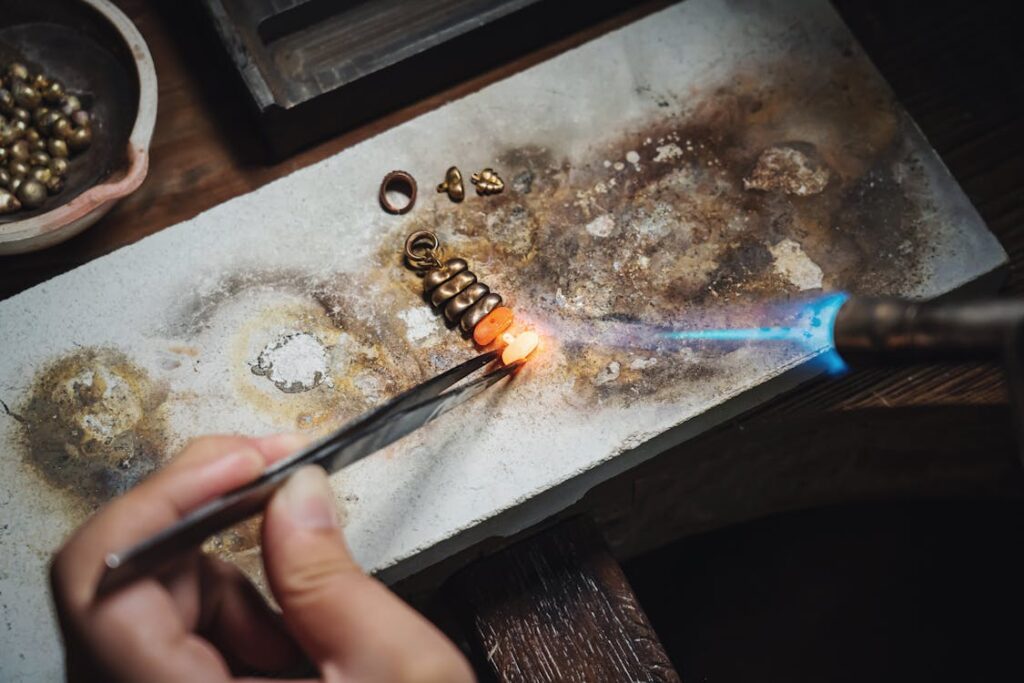
Die außergewöhnliche Lebensdauer von PVD-Schmuck hat ihre Wurzeln in der Materialwissenschaft, kein Marketing. Bei Bezug von einem hochwertigen Hersteller, Drei zentrale technische Vorteile stellen sicher, dass Ihr Inventar den Test der Zeit besteht:
- Molekulare Bindung auf atomarer Ebene: Im Gegensatz zur herkömmlichen Galvanisierung, bei der die Goldschicht lediglich auf der Oberfläche sitzt, PVD (Physikalische Gasphasenabscheidung) findet in einer Hochvakuumkammer statt, in der Metallatome eine Bindung auf molekularer Ebene mit dem Substrat eingehen. Dadurch ist die Gefahr des Abblätterns oder Abblätterns vollständig ausgeschlossen.
- Extreme Oberflächenhärte (800–2.000 HV): PVD-Beschichtungen wie Titannitrid (Zinn) oder diamantähnlicher Kohlenstoff (DLC) erreichen eine Härte von bis zu 2,000 HV (Vickers-Pyramidenzahl). Im Vergleich zur herkömmlichen Vergoldung (100–200 HV), PVD bietet eine hervorragende Kratzfestigkeit für Teile mit hohem Kontakt wie Ringe und Uhrenarmbänder. (Quelle: ASM International Materialdaten)
- Überlegene Salzsprühbeständigkeit (100–500+ Stunden): In standardisierten Korrosionsprüfungen, Hochwertige PVD-Beschichtungen überstehen problemlos Hunderte von Stunden ohne Oxidation, Bei der Standard-Galvanisierung sind hingegen in der Regel Anzeichen von Korrosion zu erkennen 24 Zu 48 Std.. Das dichte, Die Mikrostruktur mit geringer Porosität verhindert, dass Schweiß und Feuchtigkeit die darunter liegende Basis aus 316L-Edelstahl erreichen, Gewährleistung einer Anlauffreiheit, hypoallergenes Finish.
Der Jusnova-Qualitätsstandard:
Um diese Lebensdauer für Ihre Marke zu gewährleisten, Wir setzen eine strenge Prozesskontrolle durch – von der mehrstufigen Ultraschallreinigung und Oberflächenätzung bis hin zur präzisen Überwachung des Gasverhältnisses in unseren Vakuumkammern. Diese Präzision auf Industrieniveau führt direkt zu geringeren Retourenquoten und einer höheren Kundenbindung für Ihr Unternehmen.
PVD-Schmuck vs. vergoldeter Schmuck: Was länger hält?
PVD-Schmuck hält im Alltag deutlich länger als herkömmliche Vergoldungen, bietet jahrelange zuverlässige Haltbarkeit im Vergleich zu nur Monaten bei galvanisierten Artikeln. Für Schmuckmarken, Diese Langlebigkeitslücke führt direkt zu einem höheren Customer Lifetime Value und niedrigeren Betriebskosten.
Vergleichende Haltbarkeit und Lebensdauer im Einzelhandel
Bei der Auswahl von Lagerbeständen für Ihre Marke, Analyse der Kernunterschiede in PVD-Beschichtung vs. Dura-VergoldungFähigkeit ist wesentlich. Die Aufrüstung auf PVD führt direkt zu einer 3- bis 5-mal längeren Betriebslebensdauer, Schützen Sie Ihre Marke erfolgreich vor den hohen Rücklaufquoten, die bei der herkömmlichen Galvanisierung üblich sind.
Wie in unserem Verschleißrahmen festgelegt, Diese mehrjährige Verwendbarkeit variiert je nach Produktkategorie, Die allgemeine Marktrendite für PVD aufgrund vorzeitigen Anlaufens beträgt jedoch bis zu 80% untere als die von Flash-plattierten Schmucklinien.
Kommerzielle und finanzielle Einflüsse auf den Verschleiß
Die Wahl zwischen PVD und herkömmlicher Galvanisierung ist eine strategische Geschäftsentscheidung, die sich auf die finanzielle Gesundheit Ihrer Marke auswirkt. Aus diesem Grund schneiden die beiden Methoden auf dem Einzelhandelsmarkt unterschiedlich ab:
Der kommerzielle Vorteil
- Weniger Betriebsgemeinkosten: Beim herkömmlichen Galvanisieren wird eine schwache Oberflächenschicht aus einem Flüssigkeitsbad aufgetragen, Dadurch ist es sehr anfällig für Abplatzungen, Peeling, und Reibung durch die Versandverpackung. Im Gegensatz, Die dichte Mikrostruktur von PVD stellt sicher, dass Ihr Lagerbestand während der Langzeitlagerung und des Transports einwandfrei bleibt.
- Reduzierte Rendite & Rückerstattungslogistik: Standardvergoldungen zersetzen sich schnell, wenn sie alltäglichen Verbraucherchemikalien wie Händedesinfektionsmitteln ausgesetzt werden, Seifen, und Körperlotionen. Die inerte Oberflächenbarriere von PVD schützt das darunter liegende Metall vor Lochfraß und Unterschichtkorrosion, Ersparen Sie Ihrem Kundenservice-Team endlose Rückerstattungsstreitigkeiten.
Der Substratwert
- Substratschutz: Herkömmliche Beschichtungen werden häufig auf billigem Messing oder Kupfer aufgebracht, das grün anläuft, sobald sich die hauchdünne Goldschicht ablöst. Durch Auftragen von PVD auf robustem 316L-Edelstahl, Jusnova sorgt dafür, dass auch bei intensiver täglicher Beanspruchung, Das Stück wird niemals grün, trüben, oder bei Ihrem Endverbraucher Hautallergien auslösen.
- Kosten-Nutzen-Optimierung: Während die anfänglichen Herstellungskosten von PVD etwas höher sind als bei der Flash-Galvanik, Die verlängerte Haltbarkeitsdauer und der Wegfall der Abschreibung fehlerhafter Produkte verbessern die langfristigen Gewinnmargen Ihrer Marke drastisch.
Wie wirkt sich das tägliche Tragen auf PVD-Schmuck aus??
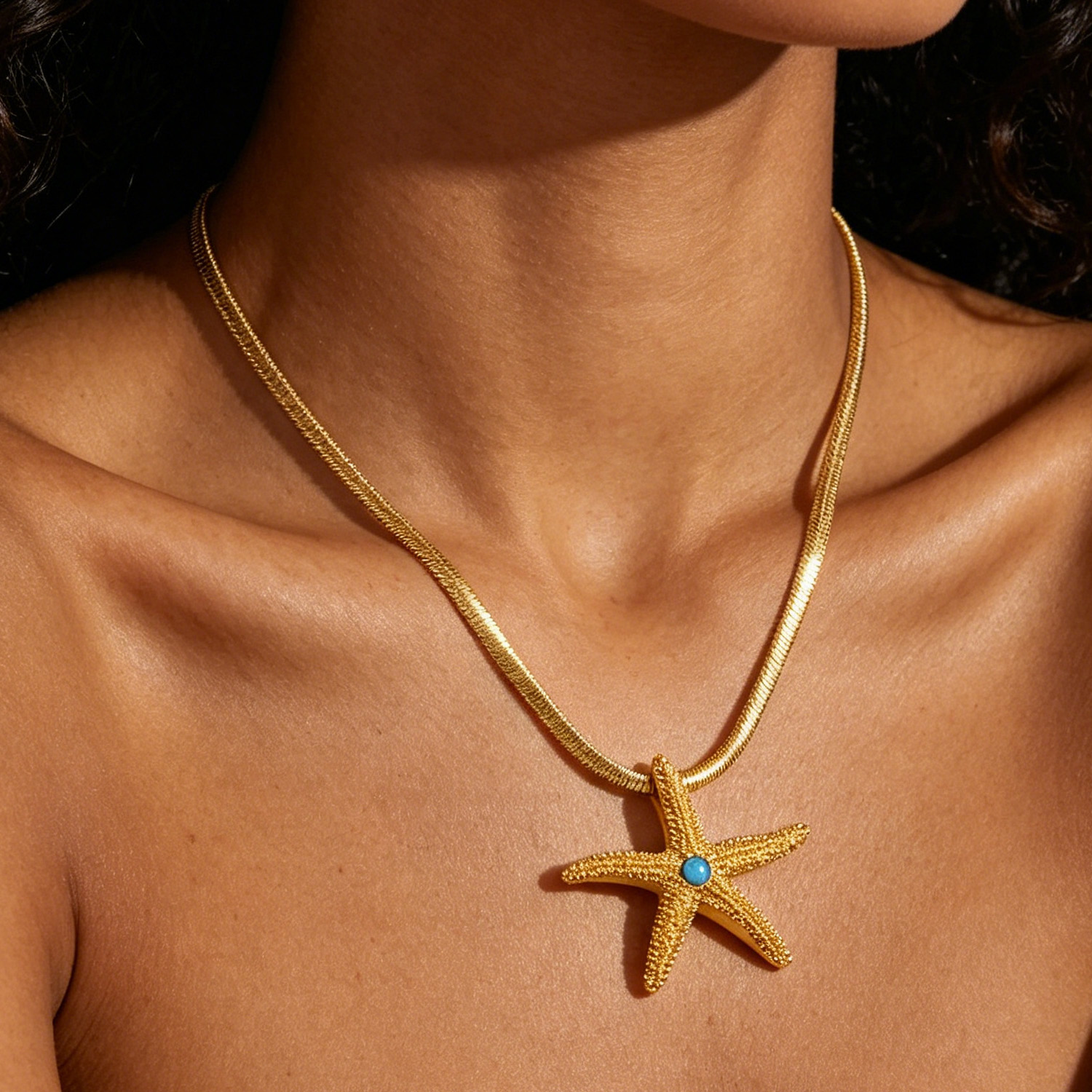
Der tägliche Verschleiß ist der größte Einflussfaktor dafür, wie schnell PVD-Oberflächen altern – und das gilt für Marken, Es ist der Unterschied zwischen einem Kunden, der in sechs Monaten zurückkommt, und einem, der erneut bestellt.
Nach Kundenprofil, Verschleißmuster brechen so zusammen:
- Büro / Kunden mit geringer Nutzung: Minimales Risiko. Kleidungsstücke, die in Innenräumen mit geringer Chemikalienbelastung getragen werden, halten zuverlässig den normalen Tragebereich von 3 bis 5 Jahren. Rücksendungen wegen vorzeitigem Ausbleichen sind hier selten, wenn hochwertiges PVD verwendet wird.
- Aktiv / Fitnessorientierte Kunden: Mäßiges Risiko. Schweiß, Reibung, und zufällige Stöße drücken Ringe und Armbänder in das 2–3-Jahres-Zeitfenster intensiver Abnutzung. Marken, die dieses Segment bedienen, benötigen eine klare Pflegekommunikation, um Erwartungen zu erfüllen und Garantieansprüche zu reduzieren.
- 24/7-Kunden tragen: Höchstes Risiko. Ständiger Kontakt mit Seifen, Desinfektionsmittel, und täglicher Abrieb beschleunigt den Verschleiß jeder beschichteten Oberfläche. Diese Kunden profitieren von einer expliziten Beratung: PVD ist sehr wasserbeständig, nicht unzerstörbar. Es wird empfohlen, das Produkt vor dem Schwimmbadbesuch und längerem Baden zu entfernen.
PVD ist eine der härtesten Oberflächen, die es für alltäglichen Schmuck gibt, aber es ist nicht immun gegen Abnutzung. Die Marken mit den niedrigsten Rücklaufquoten sind diejenigen, die ihre Positionierung an ein realistisches Kundenverhalten anpassen – und dies auch im Voraus sagen. SJa Unsere Pflegeratgeber-Ressourcen für gebrauchsfertige Kundenkommunikationstools, die realistische Erwartungen wecken und Beschwerden nach dem Kauf reduzieren.
Kann schwitzen, Wasser, und Chemikalien beschädigen PVD-Schmuck?
Die Premium-PVD-Beschichtung ist äußerst korrosionsbeständig und anlaufgeschützt, Eine längere Einwirkung aggressiver chemischer Umgebungen kann die Oberfläche möglicherweise strapazieren. Für Marken, die Beschwerden nach dem Kauf minimieren möchten, Wir empfehlen, diese Umweltfaktoren direkt in Ihren Kunden-FAQs anzusprechen:
- Salziger Schweiß & Meerwasser: Normaler Schweiß schadet der Qualität von PVD nicht, Aber die ständige Einwirkung von Meerwasser oder gechlorten Pools in Kombination mit Reibung kann den Verschleiß der Beschichtung beschleunigen. Empfehlen Sie aktiven Verbrauchern, ihre Stücke nach dem Schwimmen mit frischem Wasser abzuspülen.
- Haushalt & Kosmetische Chemikalien: Direkter Kontakt mit scharfen Reinigungsmitteln, Parfüme, und alkoholbasierte Sonnenschutzmittel können den Oberflächenglanz mit der Zeit schwächen.
- Die Markenstrategie: Bereitstellung klar, Transparente umweltverträgliche Verschleißrichtlinien auf Ihren Produktbeilagen setzen nicht nur realistische Erwartungen für Kunden, die rund um die Uhr tragen, sondern schützen Ihre Marke auch vor ungerechtfertigten Rückgabeansprüchen.
Wie testen Hersteller die Haltbarkeit von PVD-Schmuck??
Labor- und beschleunigte Verschleißtestprotokolle
Hersteller nutzen verschiedene Labor- und Schnelltests, um die Haltbarkeit von PVD-Schmuck zu beurteilen. Diese Tests komprimieren die Jahre des realen Tragens auf Stunden oder Tage. Ziel ist die Beurteilung der Schichtdicke, Haftung, Härte, und Korrosionsbeständigkeit.
- Salzsprühtest (ASTM B117): Von jeder Großhandelscharge unterziehen wir Stichproben 100–500+ Stunden von kontinuierlichen Korrosionstests basierend auf den Salzsprühnebelnormen ASTM B117. Dieser strenge Prozess simuliert jahrelanges intensives Schwitzen und Umwelteinflüsse, So stellen Sie sicher, dass Ihr Lagerbestand nicht vorzeitig oxidiert.
- Mechanischer Abrieb & Zyklustest: Die Proben durchlaufen automatisierte Reibtestgeräte bis zu 5,000 Zyklen unter kontrollierter Belastung, um sicherzustellen, dass die Beschichtung bei der täglichen Verwendung im Einzelhandel nicht dünner wird.
- Prüfung der Kreuzschraffur-Haftung: Wir führen strenge Biege- und Bandzugtests am Substrat durch, um eine einwandfreie Atombindung zu gewährleisten 100% resistent gegen Abblättern.
- Überprüfung der RFA-Dicke: Verwendung zerstörungsfreier Röntgenfluoreszenz, Unser QA-Team misst und zertifiziert vor dem Verpacken, dass die Mikrometerdicke genau unseren Liefervereinbarungen entspricht.
Sicherstellung gleichbleibender Qualität und Vorhersage der Produktlebensdauer
Haltbarkeitstests sind für PVD-Schmuck von entscheidender Bedeutung. Es hilft Herstellern, die Farb- und Glanzbeständigkeit bei täglicher Tragedauer von mehr als 3–5 Jahren zu bestätigen. Diese Tests reduzieren die Garantie- und Retourenquoten erheblich, manchmal von 80% für robuste PVD-Systeme.
Hersteller integrieren diese Tests in umfassendere Qualitätsmanagementsysteme, oft mit ISO 9001 Rahmen. Sie validieren Vakuum-Beschichtungskammern, jiggen, und Teileausrichtung, um eine gleichmäßige Beschichtungsdichte und Haftung sicherzustellen. Vorproduktionsmuster werden mit zufälligen Stücken aus Großbestellungen verglichen, um die Konsistenz des Farbtons zu überprüfen, Oberflächenhelligkeit, und Kantenabdeckung.
Hersteller richten interne Testschwellenwerte an vermarkteten Lebensdauerangaben und Garantierichtlinien aus. Zum Beispiel, Sie geben Mindeststunden für Salzsprühnebel an, künstliche Schweißdauern, und Scheuerzyklen für jede Produktlinie. Dies stellt sicher, dass die Stücke bei normalem Verschleiß mehrere Jahre halten. Tests bestätigen die Dicke der Beschichtung, Substratqualität, Beschichtungsdichte, Haftung, und Benutzerumgebungsfaktoren tragen alle zu einer vorhersehbaren mehrjährigen Lebensdauer bei.
Letzte Gedanken
Die Wahl von hochwertigem PVD-Schmuck ist mehr als nur ein Kostenfaktor; Es ist eine Investition in den Ruf Ihrer Marke und die Kundentreue. Bei billigeren beschichteten Optionen besteht jedoch das Risiko eines schnellen Verschleißes und einer schnellen Rücksendung, Unsere PVD-Standards sorgen für 3–5 Jahre lang gleichbleibende Attraktivität bei normalem täglichen Tragen, Schutz vor Kundenunzufriedenheit. Entscheiden Sie sich für bewährte Langlebigkeit, um Ihre Produktlinie zu differenzieren und dauerhaftes Vertrauen aufzubauen.
Bereit, diese überlegene Haltbarkeit in Ihr Angebot zu integrieren? Berücksichtigen Sie nicht nur die Daten – erleben Sie unsere PVD-Veredelung aus erster Hand. Kontaktieren Sie unser Team Fordern Sie noch heute Muster an oder besprechen Sie maßgeschneiderte OEM-Lösungen für Ihre nächste Kollektion.