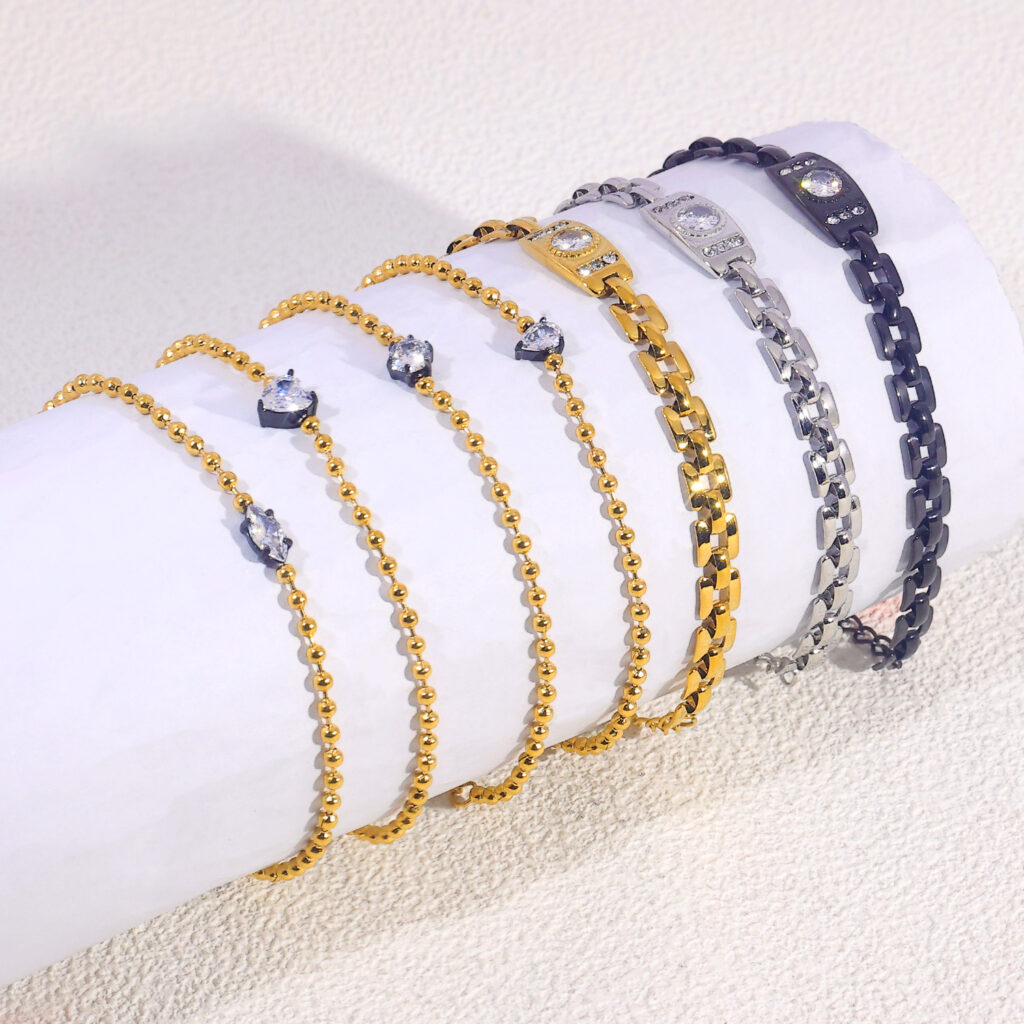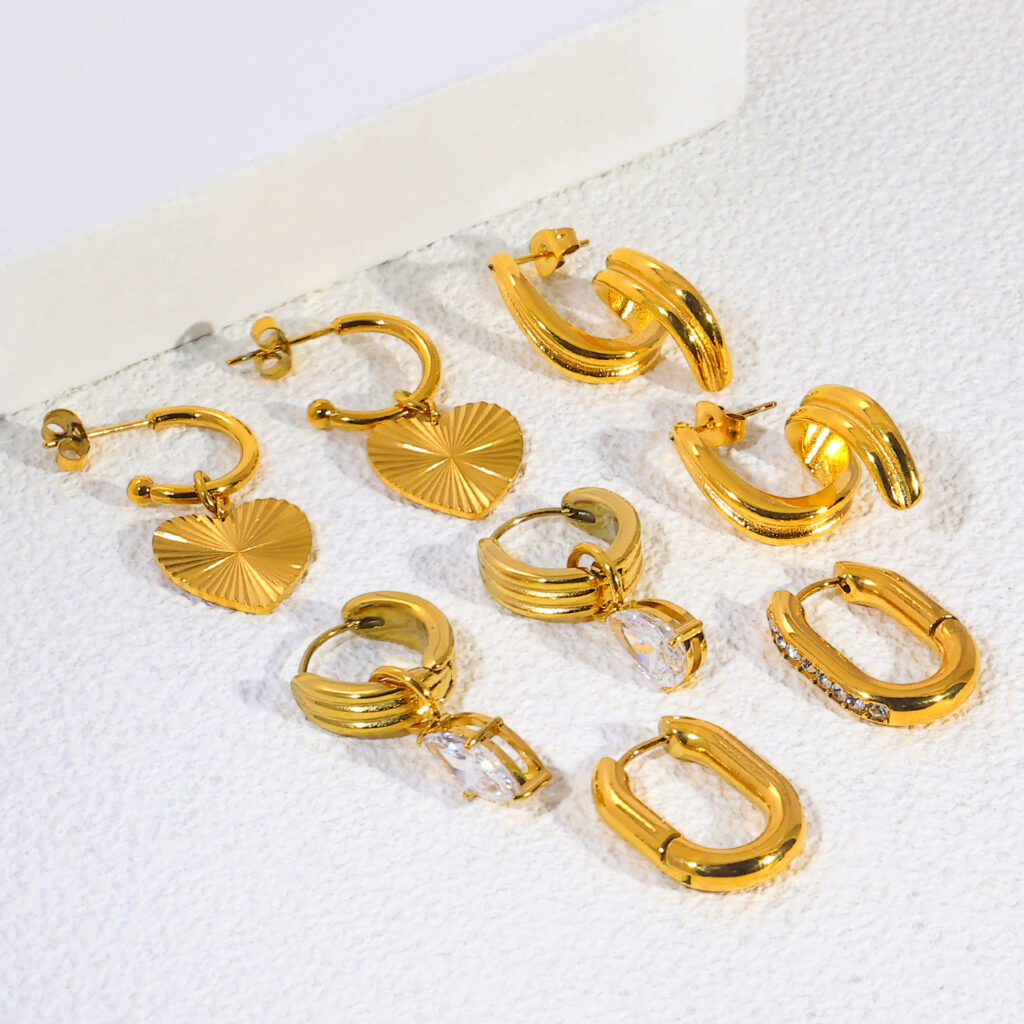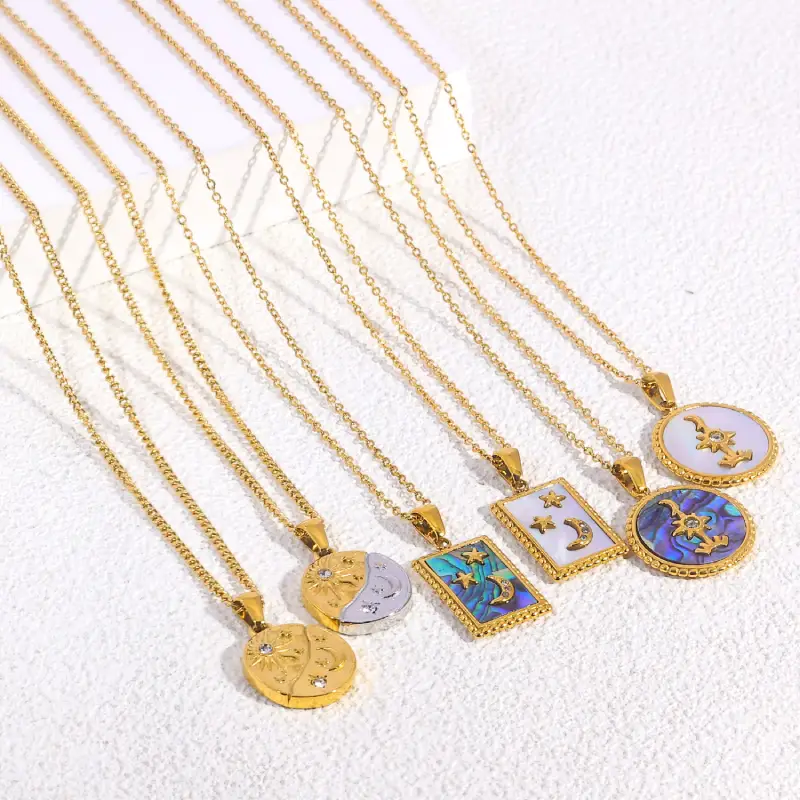
Die Wahl zwischen OEM und ODM beeinflusst die Art und Weise, wie Sie Produkte entwickeln, Designrechte verwalten, und in neue Kollektionen investieren. Die bessere Option hängt davon ab, ob Ihre Priorität ein besonderes Produkt ist, ein schnellerer Start, oder eine risikoärmere Möglichkeit, die Nachfrage zu testen.
In diesem Leitfaden werden die beiden Modelle im Hinblick auf die Designeigentümerschaft verglichen, Anpassung, Entwicklungsanforderungen, Mindestbestellmenge, und Vorlaufzeit. Entscheiden Sie damit, welcher Ansatz zu Ihrem aktuellen Produktplan und Ihren Beschaffungsprioritäten passt.
Was ist OEM-Schmuckherstellung??
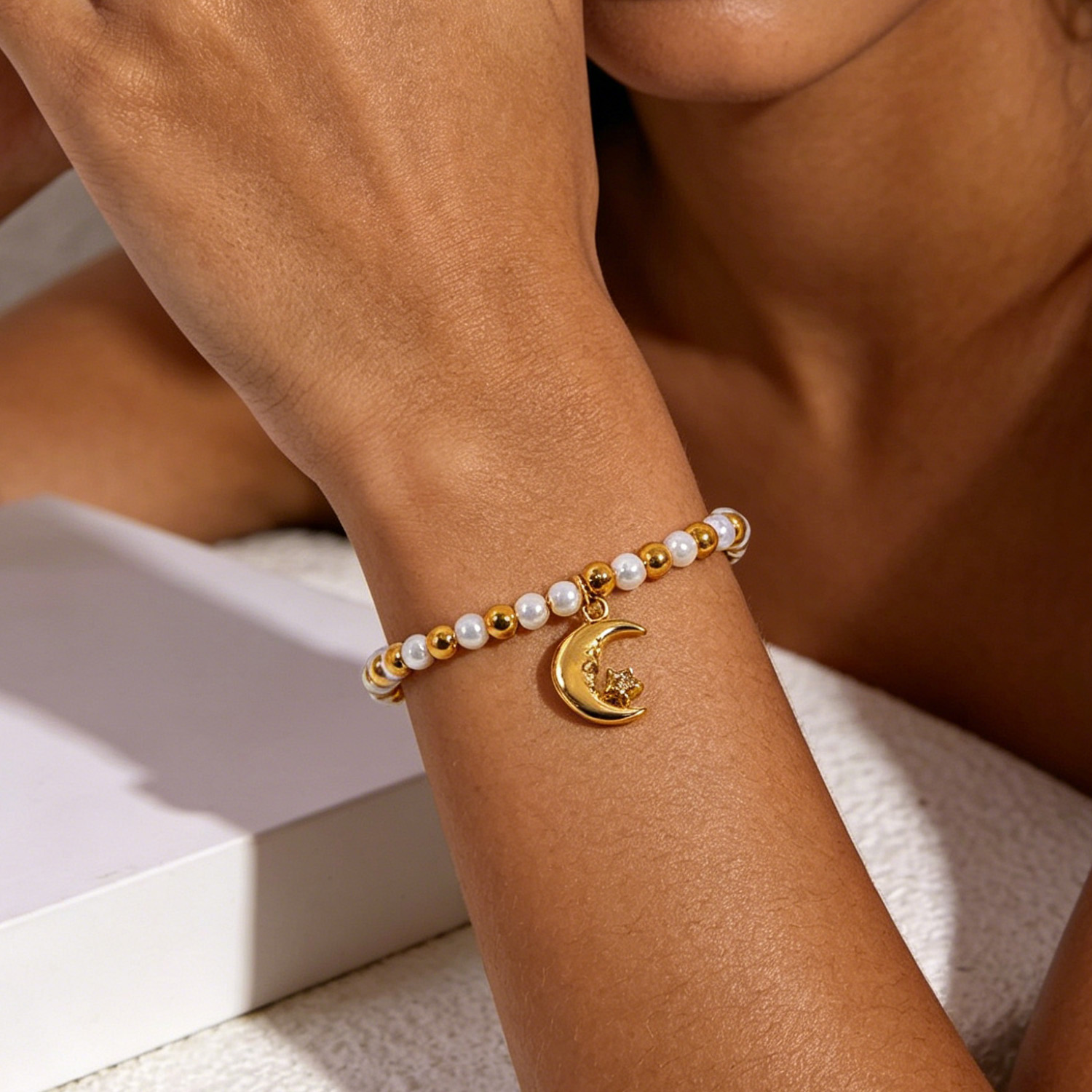
Die Herstellung von OEM-Schmuck ist unkompliziert: Sie bieten ein einzigartiges Design, und eine Fabrik produziert es für Sie.
OEM steht für Original Equipment Manufacturer. In der Schmuckwelt, Es handelt sich um eine Partnerschaft, bei der eine Marke mit einer bestimmten Designvision eine Fabrik mit der Umsetzung beauftragt. Die Marke bringt die Kreativität, und die Fabrik bringt den Produktionsmuskel mit.
Definition von OEM durch Gegenüberstellung mit ODM
Mit OEM, Sie geben der Fabrik Ihren ursprünglichen Entwurf – eine Skizze, CAD-Datei, oder detailliertes Briefing. Dies kann Ihrer Marke ein differenziertes Produkt verleihen, bereitgestellte Designeigentum, Vertraulichkeit, und etwaige Exklusivitätsbedingungen sind in der Herstellungsvereinbarung definiert. Bei der Zusammenarbeit mit einem ausländischen Lieferanten, Die WIPO empfiehlt die Klärung der Eigentumsverhältnisse an geistigem Eigentum, das durch Auftragsarbeiten entsteht in der ursprünglichen Vereinbarung.
ODM beginnt normalerweise mit einer fabrikeigenen Designplattform oder einem Katalogstil. Je nach Anbieter, Marken können ein bestehendes Design auswählen oder dem Team der Fabrik einen Marktbrief zur Entwicklung vorlegen. Private-Label-Branding ist eine häufige Form von ODM, aber die beiden Begriffe sind nicht identisch.
Wie die Marken- und Herstellerrollen aufgeteilt sind
Die Arbeitsteilung in einer OEM-Partnerschaft ist klar und praktikabel. Jede Partei bleibt bei dem, was sie am besten kann.
Die Marke bestimmt die kreative und strategische Ausrichtung. Ihre Aufgabe ist es, das komplette Designkonzept bereitzustellen, einschließlich der CAD-Dateien, Materialspezifikationen, Steinauswahl, und Qualitätsstandards. Sie sind der Architekt.
Der Hersteller ist der Erbauer. Sie kümmern sich um den gesamten Produktionsprozess. Dazu gehört das technische Engineering, um Ihr Design herstellbar zu machen, Erstellen von Mustern zur Genehmigung, Leitung des Guss- und Steinsatzes, und Durchsetzung der Qualitätskontrolle. Sie verwandeln Ihren Bauplan in ein fertiges, skalierbares Produkt.
Was ist ODM-Schmuckherstellung??
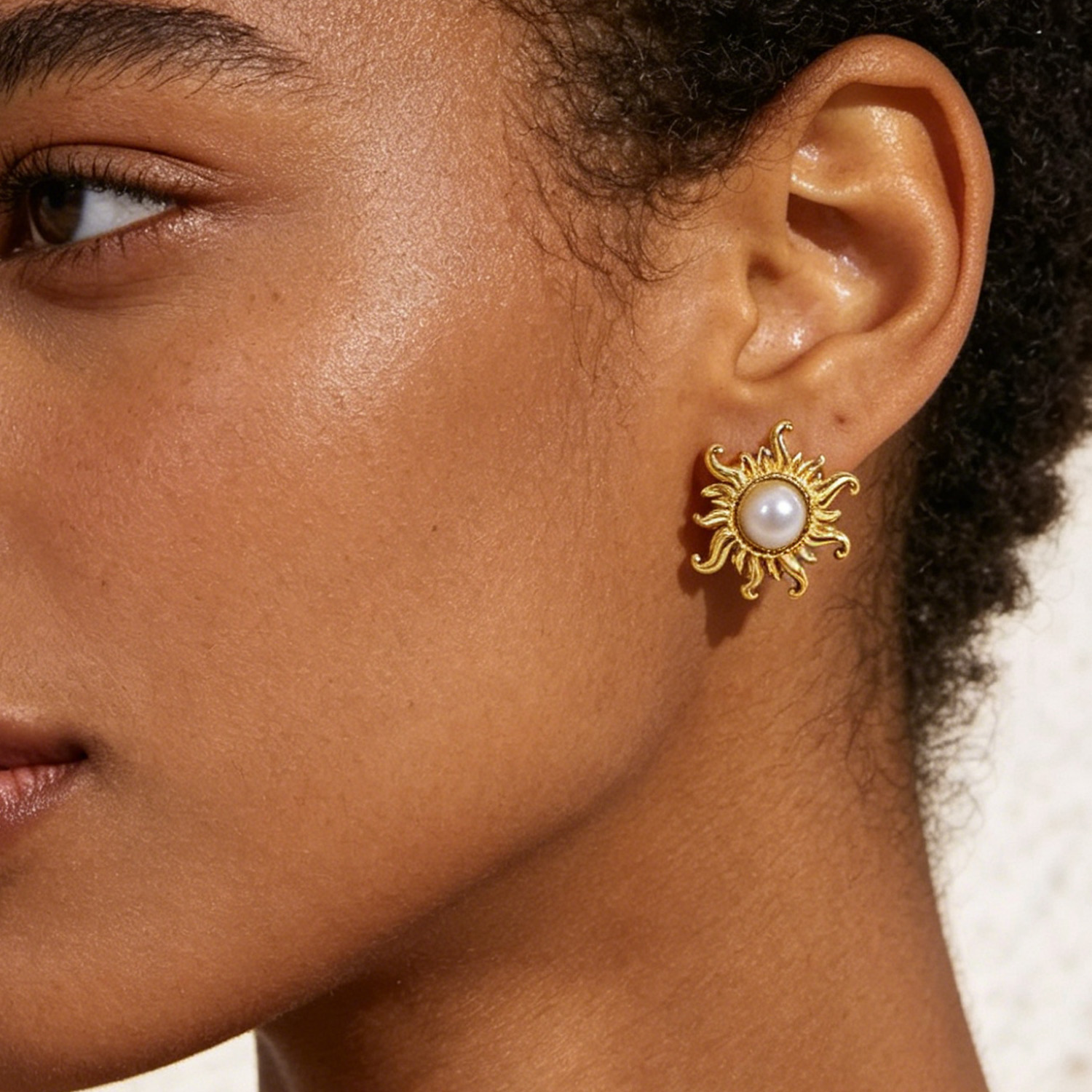
ODM bedeutet, dass Sie aus dem vorgefertigten Schmuckkatalog einer Fabrik auswählen und ihn unter Ihrer Marke verkaufen. Es ist schneller und kostengünstiger, als ein völlig individuelles Design von Grund auf zu erstellen.
Die Kernidee: Fabrikdesigns, Ihre Marke
Ein ODM (Original-Design-Hersteller) ist eine Fabrik, die ihre eigenen Schmuckdesigns kreiert und die gesamte Produktion übernimmt. Marken können dann den ODM-Katalog bestehender oder halbfertiger Designs durchsehen und Stücke auswählen, die sie unter ihrem eigenen Label verkaufen möchten. Dies ist das Gegenteil von OEM (Erstausrüster), Dabei liefert die Marke ein komplettes Design für die Produktion in der Fabrik. Mit ODM, Der Hersteller besitzt in der Regel das geistige Eigentum des Basisdesigns, Das bedeutet, dass sie ähnliche Stile legal an andere Marken verkaufen können, es sei denn, Sie schließen einen Exklusivvertrag aus.
Skalieren Sie Ihre Marke mit wasserfestem, individuellem Schmuck
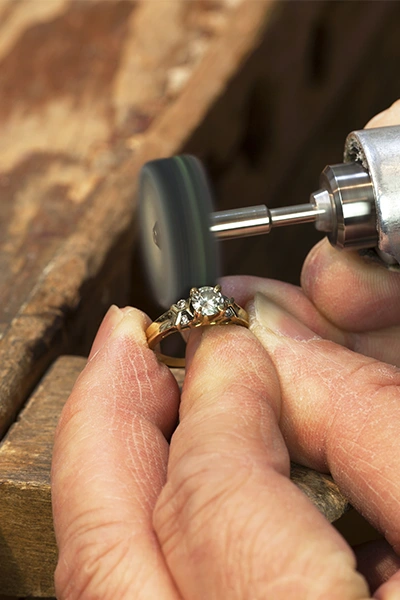
Design-Eigentum und geistiges Eigentum
Design-Eigentum, CAD-Zugriff, Werkzeugrechte, und Exklusivität sollten schriftlich vereinbart werden. In OEM-Projekten, Diese Punkte sind am wichtigsten, wenn die Fabrik zur Entwicklung beiträgt; in ODM-Projekten, Die Rechte am Basisdesign verbleiben in der Regel beim Lieferanten.
| Artikel | OEM-Schmuckherstellung | ODM-Schmuckherstellung |
|---|---|---|
| Ausgangspunkt | Markeneigenes Design, CAD-Datei, oder detaillierte Produktbeschreibung. | Werkseitig entwickeltes Basisdesign oder ein bestehender Katalogstil. |
| Design-Eigentum | Muss im Herstellungsvertrag bestätigt werden, vor allem, wenn die Fabrik zur Entwicklung beiträgt. | Normalerweise verbleibt es beim Werk, es sei denn, der Käufer verhandelt gesonderte Eigentums- oder Exklusivitätsrechte. |
| CAD-Dateien und Formen | Eigentum, Zugang, Lagerung, und Übertragungsrechte sollten vor Beginn der Entwicklung schriftlich festgelegt werden. | In der Regel vom Werk kontrolliert, da das Basisdesign und die Werkzeuge bereits vorhanden sind. |
| Anpassungsumfang | Kann Struktur abdecken, Abmessungen, Materialien, Steinfassungen, beenden, Branding, und Verpackung. | Normalerweise auf das Logo beschränkt, plattieren oder veredeln, Farbe, Steine, und Verpackung. |
| Exklusivität | Kann konstruktionsbedingt vereinbart werden, Produktpalette, Gebiet, oder Vertriebskanal. | Muss gesondert ausgehandelt werden; Es ist normalerweise nicht in einem Katalogdesign enthalten. |
| Hauptrisiko | Streitigkeiten über werkseitig entwickelte Modifikationen, CAD-Dateien, oder kundenspezifische Werkzeuge, wenn der Vertrag unklar ist. | Ähnliche oder identische Basisdesigns können auch an andere Marken geliefert werden. |
Mindestbestellmenge, Entwicklungskosten und Vorlaufzeit
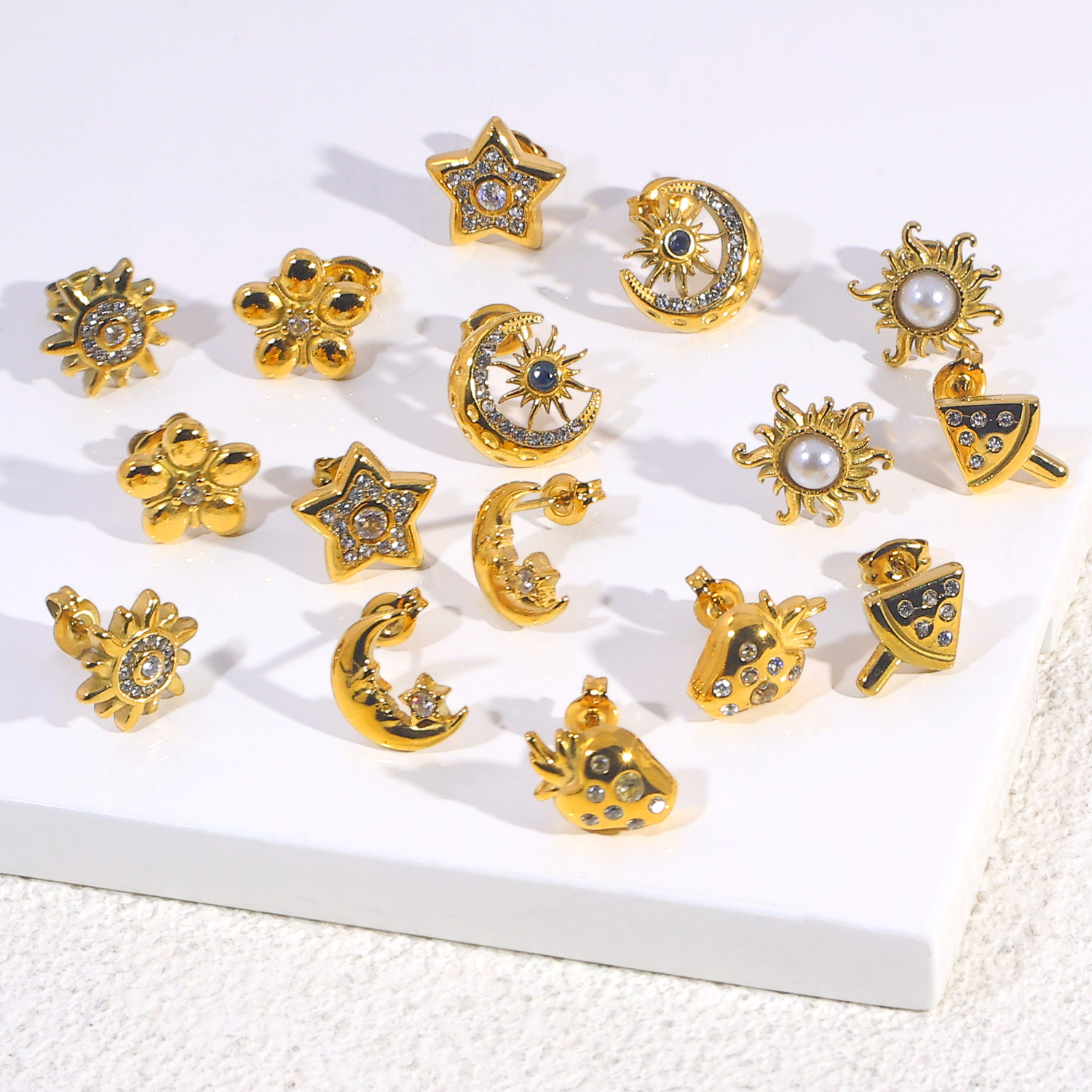
Die kundenspezifische Arbeit von OEMs erfordert höhere Mindestbestellmengen, Kosten, und längere Lieferzeiten für Exklusivität. ODM ist schneller und kostengünstiger, wenn bestehende Designs mit niedrigeren Mindestanforderungen verwendet werden.
Mindestbestellmenge, Entwicklungskosten, und Vorlaufzeit
OEM und ODM unterscheiden sich vor allem darin, wie viel Entwicklungsarbeit vor der Produktion nötig ist. Der OEM erfordert möglicherweise die Entwicklung eines neuen Designs, CAD-Revisionen, Probenahme, und Werkzeuge. ODM beginnt normalerweise mit einem bestehenden Fabrikdesign, Daher kann der Prozess weniger Entwicklungsschritte umfassen.
Für OEM-Projekte, Mindestbestellmenge, Vorabkosten, und Lieferzeit hängen von Faktoren wie dem Schmuckmaterial ab, Designkomplexität, ob neue Formen erforderlich sind, die Anzahl der Beispielrevisionen, und das geplante Auftragsvolumen. Marken sollten diese Artikel für jedes Design separat bestätigen, anstatt sich auf ein allgemeines Marktsortiment zu verlassen.
ODM kann den anfänglichen Entwicklungsaufwand reduzieren, indem es vorhandene Designs und Werkzeuge nutzt. Es eignet sich möglicherweise zum Testen von Stilen oder zum Hinzufügen trendorientierter Produkte, während OEM oft besser für langfristige Signature-Stücke geeignet ist, die mehr Kontrolle über die Struktur erfordern, Materialien, und Abschluss.
Bevor Sie eines der Modelle bestätigen, Bitten Sie den Lieferanten, den gesamten Projektumfang anzugeben: Mustergebühren, Entwicklungs- oder Werkzeuggebühren, Mindestbestellmenge nach Design und Ausführung, Produktionsvorlaufzeit nach Musterfreigabe, und etwaige Verpackungs- oder Prüfkosten.
Welches Modell passt zu verschiedenen Geschäftsphasen??
Nutzen Sie ODM für einen schnellen Start mit minimalem Kapital. Wechseln Sie zu OEM, um mit Einzigartigkeit zu skalieren, IP-geschützte Designs, sobald Sie eine Marktvalidierung und eine klare Markenidentität haben.
Für Marken im Frühstadium: Den Markt starten und testen
Für eine neue Schmuckmarke, ODM kann eine praktische Möglichkeit sein, die Nachfrage zu testen, bevor man sich auf eine kundenspezifische Entwicklung einlässt. Die Verwendung eines vorhandenen Fabrikdesigns reduziert den Zeit- und Vorarbeitsaufwand für die Markteinführung, und ermöglicht Ihnen gleichzeitig, verschiedene Stile zu testen, Preispunkte, und endet.
Sobald einige Produkte eine stabile Nachfrage aufweisen, Erwägen Sie einen hybriden Ansatz. Behalten Sie ODM für trendgesteuerte oder risikoärmere Ergänzungen bei, und nutzen Sie OEM selektiv für Signature-Stücke, die mehr Kontrolle über Design und Spezifikationen benötigen.
Für etablierte Marken: Skalieren mit Kontrolle und Einzigartigkeit
Marken mit einer klaren Identität und einer zuverlässigen Nachfrage nach Kernprodukten können von einem stärker auf OEMs ausgerichteten Ansatz profitieren. OEM ermöglicht eine bessere Kontrolle über die Proportionen, Materialien, endet, Steinfassungen, und andere Details, die eine erkennbare Kollektion prägen. Für Edelstahlkollektionen, Verständnis der PVD-Schmuckherstellungsprozess Hilft Marken außerdem dabei, vor der Bemusterung praktische Endbearbeitungsanforderungen zu definieren.
Es kann auch direkte Überschneidungen mit dem Katalog eines Lieferanten reduzieren. Jedoch, Eigentum an Designs, CAD-Dateien, Werkzeuge, und werkseitig entwickelte Änderungen sollten weiterhin schriftlich definiert werden, neben Vertraulichkeit und etwaigen Exklusivitätsbedingungen.
Fragen, die Sie vor der Auswahl eines Herstellers stellen sollten
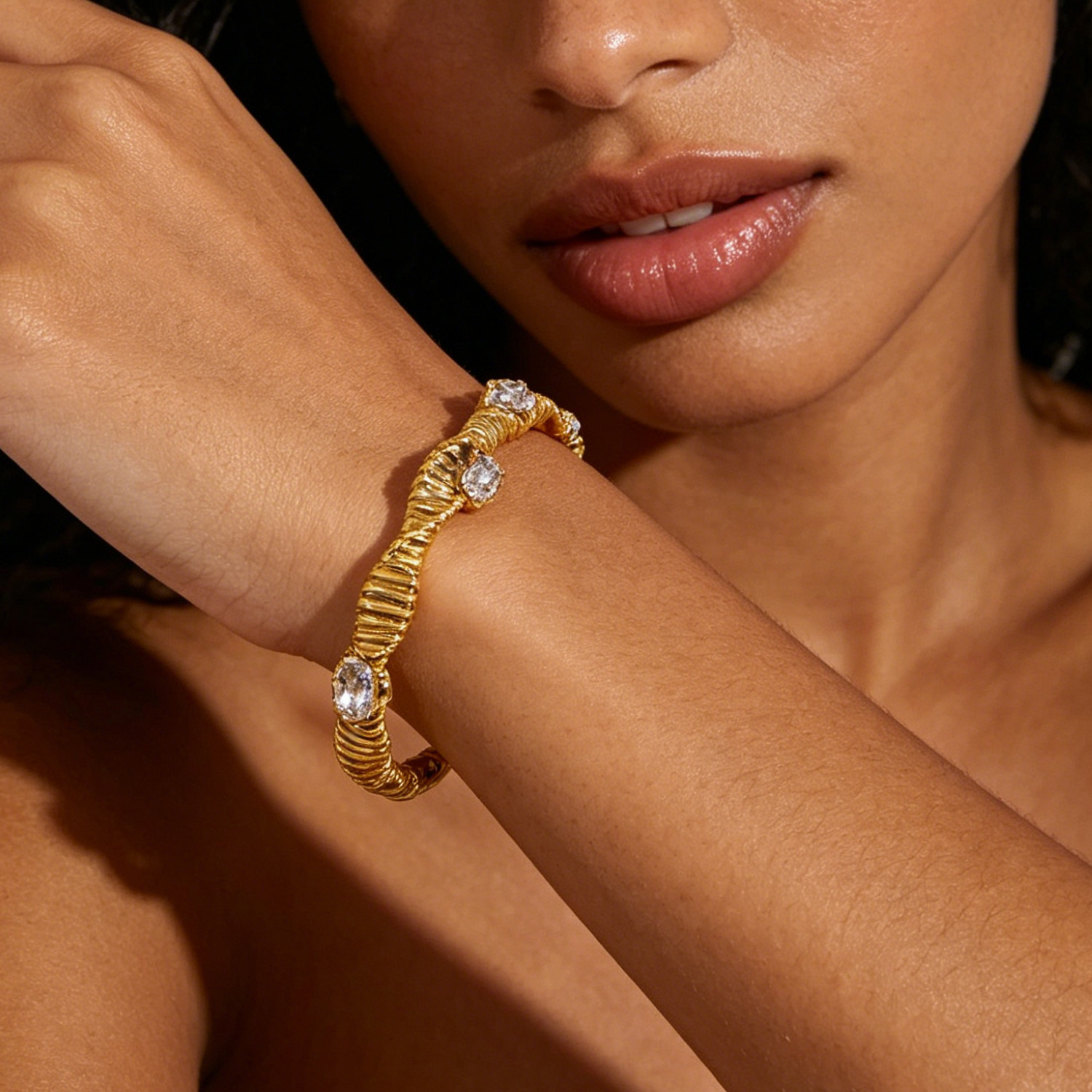
Die Überprüfung eines Schmuckherstellers bedeutet, scharfe Fragen zu stellen, um seine Fähigkeiten zu bestätigen, Geschäftspraktiken, und ob es sich um einen echten Partner handelt, der das Wachstum Ihrer Marke unterstützen kann.
Kernkompetenzen und Produktionsqualität
Bevor Sie einen Schmuckhersteller auswählen, Bestätigen Sie, dass seine Materialien, Produktionsprozesse, und Qualitätskontrollen entsprechen Ihren Produktanforderungen. Das Ziel besteht nicht nur darin, die Kapazität zu überprüfen, sondern auch um sicherzustellen, dass das genehmigte Muster in der Massenproduktion konsistent reproduziert werden kann.
- Unternehmensidentität und Produktionsstandort: Kann der Lieferant seine Gewerbeanmeldung vorlegen und bestätigen, wo die Bestellung hergestellt wird??
- Produktspezialisierung: Welche Schmuckkategorien, Grundmaterialien, und Prozesse wickelt das Werk selbst ab, und die ausgelagert sind?
- Materialien und Verarbeitung: Welches Grundmaterial, Beschichtungssystem, angegebene Dicke, und Testmethode gelten für das Produkt? Fragen Sie nach den Testbedingungen, Akzeptanzkriterien, und Ergebnisse hinter jedem Haltbarkeitsanspruch.
- Konsistenz der Probenahme: Werden in der genehmigten Probe dieselben Materialien verwendet?, Beschichtungssystem, Komponenten, und Produktionsprozess für die Massenproduktion geplant?
- MOQ und Kapazität: Was sind die Mindestbestellmengen?, beenden, und Farbe? Welche Produktionskapazität steht für das erwartete Auftragsvolumen zur Verfügung??
- Qualitätskontrolle: Welche Prüfpunkte und Abnahmekriterien gelten vor dem Versand?? Wie werden Mängel dokumentiert und behoben??
- OEM-Entwicklungsbeiträge: Welche Dateien oder Informationen werden für den Anfang benötigt, beispielsweise Skizzen?, Referenzmuster, CAD-Dateien, Abmessungen, Materialspezifikationen, und Verpackungsgrafiken?
Geschäftspraktiken und Partnerschaftsfit
Die technische Leistungsfähigkeit ist nur ein Teil der Lieferantenauswahl. Bevor Sie eine Bestellung aufgeben, auf Eigentum ausrichten, Vertraulichkeit, Kommunikation, Zahlungsbedingungen, und der Prozess zur Bearbeitung verifizierter Qualitätsansprüche. Für eine detailliertere Checkliste zur Lieferantenüberprüfung, Sehen Sie sich unseren Leitfaden an Fragen, die Sie stellen sollten, bevor Sie sich für eine Schmuckfabrik entscheiden.
- Design, CAD, und Werkzeugrechte: Wem gehört das Originaldesign?, CAD-Dateien, Formen, und alle werkseitig entwickelten Modifikationen? Sind Zugriffs- und Übertragungsrechte in der Vereinbarung festgelegt??
- Vertraulichkeit und Exklusivität: Wie werden vertrauliche Designs geschützt?? Wenn Exklusivität gefragt ist, Definiert die Vereinbarung das entsprechende Design?, Gebiet, Vertriebskanal, und Begriff?
- Qualitätsansprüche nach Lieferung: Welche Beweise sind für eine Klage erforderlich?, und welche Abhilfemaßnahmen für nachgewiesene Mängel verfügbar sind – Ersatz, nacharbeiten, Kredit, oder eine andere vereinbarte Lösung?
- Volle Kostenstruktur: Außer dem Stückpreis, Welche Gebühren können für Proben anfallen?, Entwicklung, Werkzeuge, Verpackung, Testen, oder Bestellungen unterhalb der Standard-Bestellmenge?
- Zahlungs- und Lieferbedingungen: Welche Anzahlung, Restzahlung, Produktion, Für die Bestellung gelten die Liefer- und Versandbedingungen?
- Projektkommunikation: Wer ist für technische Fragen zuständig?, Musterfreigaben, Produktionsaktualisierungen, und Problemeskalation während des Projekts?
Häufige Fehler, die Käufer machen
Die größten Beschaffungsfehler treten auf, wenn Käufer Fertigungsmodelle verwechseln und wichtige Produktionsdetails überspringen, Dies führt zu vorhersehbaren Konflikten über Designkontrolle und Qualität.
Vernachlässigung von Produktionsdetails und Sorgfaltspflicht
Viele Projekte verzögern sich einfach, weil Käufer unvollständige technische Spezifikationen vorlegen oder es versäumen, vor Produktionsbeginn klare Qualitätsstandards zu definieren. Wenn die Fabrik raten muss, was Sie wollen, Sie schaffen Unklarheiten und öffnen die Tür für Fehler und Nacharbeiten.
Ein schwerwiegender Fehler besteht darin, eine endgültige physische Probe nicht offiziell zu genehmigen – die „goldene Probe.“ Dieses einzelne genehmigte Stück sollte der unbestreitbare Maßstab für die gesamte Produktion sein, abdeckendes Finish, Form, Farbe, und Gewicht. Ohne es, Sie haben keinen objektiven Standard, an den sich die Fabrik bei Qualitätskontrollen halten muss.
Das Überspringen grundlegender Due-Diligence-Prüfungen ist eine weitere häufige Abkürzung, die nach hinten losgeht. Wenn Sie sich nicht die Zeit nehmen, die Gewerbeanmeldung oder wichtige Zertifizierungen eines Herstellers zu überprüfen, entstehen vermeidbare Qualitäts- und Compliance-Risiken, die das gesamte Projekt gefährden können.
Endgültiger Entscheidungsrahmen
Die Wahl läuft auf einen Kompromiss hinaus: Markenkontrolle und IP-Eigentum (OEM) im Vergleich zu schneller Markteinführung und geringeren Vorabinvestitionen (ODM). Es gibt keine einzige richtige Antwort, Nur das, was zu Ihrer Bühne passt.
Kernentscheidungsfaktoren
Bevor Sie überhaupt mit einer Fabrik sprechen, Sie müssen Ihr eigenes Unternehmen bewerten. Welches Modell das richtige ist, hängt ganz von Ihren Ressourcen ab, Markenstrategie, und Zeitleiste. Dies falsch zu machen, ist der häufigste und teuerste Fehler, den Marken machen.
Hier sind die Schlüsselvariablen, die Ihre Entscheidung beeinflussen sollten:
- Budget und Auftragsvolumen. Überlegen Sie, ob das erwartete Verkaufsvolumen eine Entwicklung rechtfertigen kann, Probenahme, und eventuelle Werkzeugkosten. Ein katalogbasierter ODM-Stil erfordert normalerweise weniger Vorabaufwand, während OEM besser geeignet ist, wenn erwartet wird, dass ein Produkt lange genug in der Sammlung bleibt, um die Entwicklungsinvestitionen zu amortisieren.
- IP und Markeneinzigartigkeit. Wenn der Wert Ihrer Marke auf einem einzigartigen Design beruht, proprietäre Einstellungen, oder ein charakteristischer Look, Sie müssen OEM verwenden. Wenn Sie über Trends und Preise konkurrieren, ODM ist ausreichend. Wenn Sie nicht antworten können „Was macht dieses Design zu unserem??“, Beginnen Sie mit ODM.
- Time-to-Market. Müssen Sie einsteigen? 1-3 Monate, um einen Trend zu erkennen? Das ist ODM. Können Sie warten 3-5 Monate, um eine dauerhafte aufzubauen, proprietäres Stück? Das ist OEM.
- Interne Fähigkeit. Haben Sie einen Designer, der detaillierte CAD-Dateien und technische Spezifikationen erstellen kann?? Wenn nicht, Die Wahl eines OEM ist riskant und wird frustrierend sein, teure Proberunden. ODM-Fabriken verfügen über eigene Designteams, um diese Lücke zu schließen.
Häufig gestellte Fragen
Was für eine neue Schmuckmarke besser ist?
Für die meisten neuen Marken, ODM ist ein besserer Ausgangspunkt. Es bietet einen schnelleren Start mit geringeren Vorabkosten und Risiken, Dies ist nützlich, um den Markt zu testen. OEM wird später die bessere Option sein, Sobald eine Marke ihre Konzepte validiert hat und exklusive Produkte entwickeln muss, Signature-Stücke zum Aufbau eines langfristigen Markenwerts.
Können ODM-Produkte exklusiv sein??
Ja, Ein ODM-Produkt kann exklusiv sein, aber das ist kein Standard. Exklusivität muss mit dem Hersteller ausgehandelt und vertraglich festgehalten werden. Diese Regelung erfordert häufig höhere Mindestbestellmengen (MOQs) oder erhöhte Preise, da die Fabrik das Recht aufgibt, dieses Design an andere Kunden zu verkaufen.
Was ist ein typisches MOQ für OEM-Schmuck??
Die Mindestbestellmenge (Mindestbestellmenge) für OEM-Schmuck variiert stark. Ein allgemeiner Bereich ist 100 Zu 300 Einheiten für einfachere kundenspezifische Designs. Für hochkomplexe Stücke oder edlen Schmuck, der neue Formen und eine umfangreiche Einrichtung erfordert, MOQs können sein 500 Einheiten oder mehr.
Warum kostet die OEM-Fertigung normalerweise mehr??
OEM kostet mehr als ODM, weil es darum geht, ein einzigartiges Produkt von Grund auf zu entwickeln. Diese Ausgaben umfassen die Entwicklung kundenspezifischer Designs, Erstellung neuer Formen und Werkzeuge, und intensiveres Engineering für neue Spezifikationen. ODM vermeidet diese Kosten durch die Nutzung bestehender, vorgefertigte Designs für mehrere Kunden.
Wie viel länger dauert OEM im Vergleich zu ODM??
Die OEM-Fertigung dauert deutlich länger als die ODM-Fertigung. Ein vollständiger OEM-Entwicklungszyklus – einschließlich Design, Prototyping, und Werkzeuge – können dauern 8 Zu 12 Wochen bevor die Massenproduktion beginnt. Im Gegensatz, Ein ODM-Projekt nutzt vorhandene Designs und kann in nur wenigen Minuten marktreif sein 2 Zu 4 Wochen.
Kann ein Hersteller sowohl OEM- als auch ODM-Dienste anbieten??
Ja, Es ist üblich, dass ein einzelner Schmuckhersteller sowohl OEM- als auch ODM-Dienstleistungen anbietet. Viele Fabriken verfügen über interne Designteams für ihren ODM-Katalog und über die technische Kapazität, um kundenspezifische Designs für OEM-Kunden zu erstellen, Marken können einen Partner für unterschiedliche Produktstrategien nutzen.
Letzte Gedanken
OEM und ODM können in einer Schmuckbeschaffungsstrategie unterschiedliche Rollen übernehmen. ODM eignet sich zum Testen von Stilen, auf Trends reagieren, und Erweiterung eines Sortiments mit weniger Entwicklungsaufwand. OEM eignet sich besser für Signaturprodukte, die eine größere Kontrolle über die Spezifikationen erfordern, Materialien, und langfristige Sammelrichtung.
Bevor Sie eine Bestellung aufgeben, Bestätigen Sie Ihre Produktbeschreibung, erwartetes Volumen, Mustergenehmigungsprozess, Werkzeuganforderungen, und Design-Eigentumsbedingungen. Kontaktieren Sie Jusnova um ein OEM- oder ODM-Schmuckprogramm zu besprechen, das auf Ihre Produktziele zugeschnitten ist, Anpassungsbedürfnisse, und Startzeitleiste.