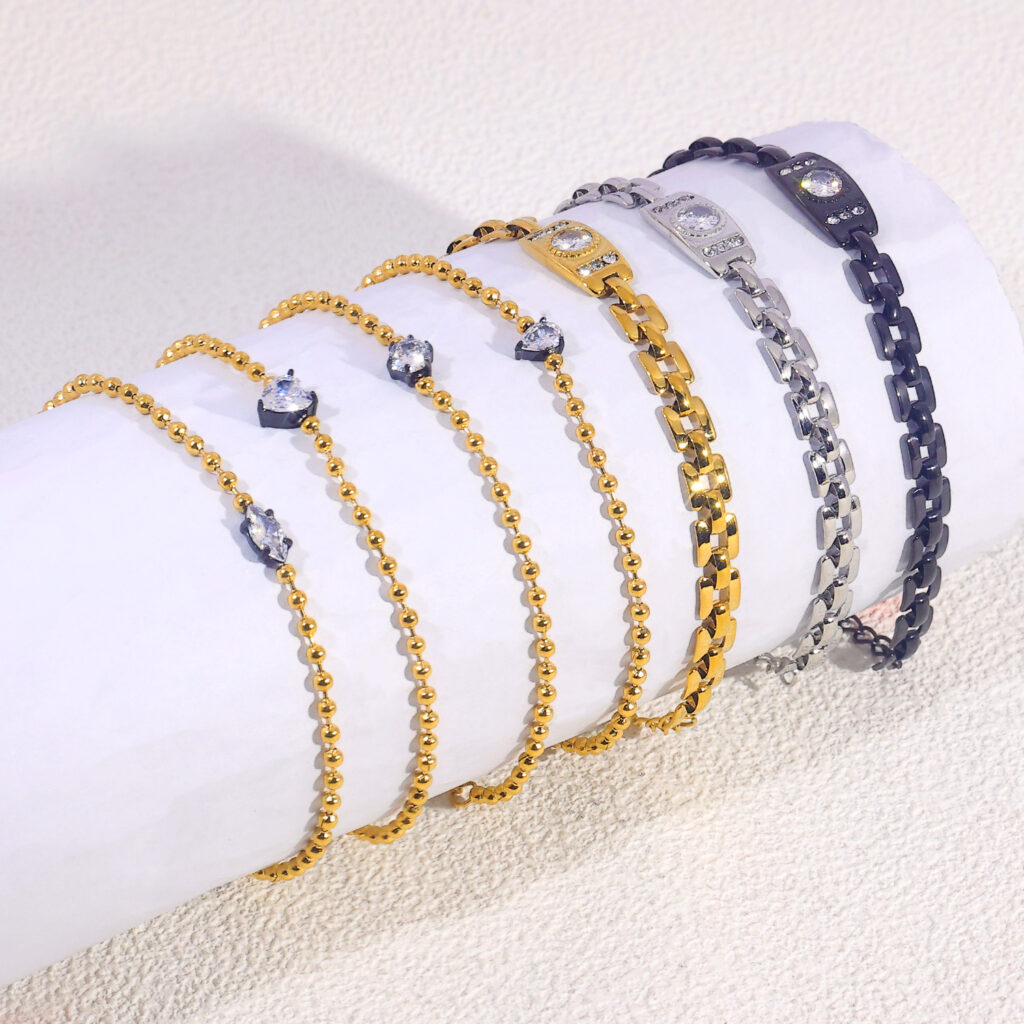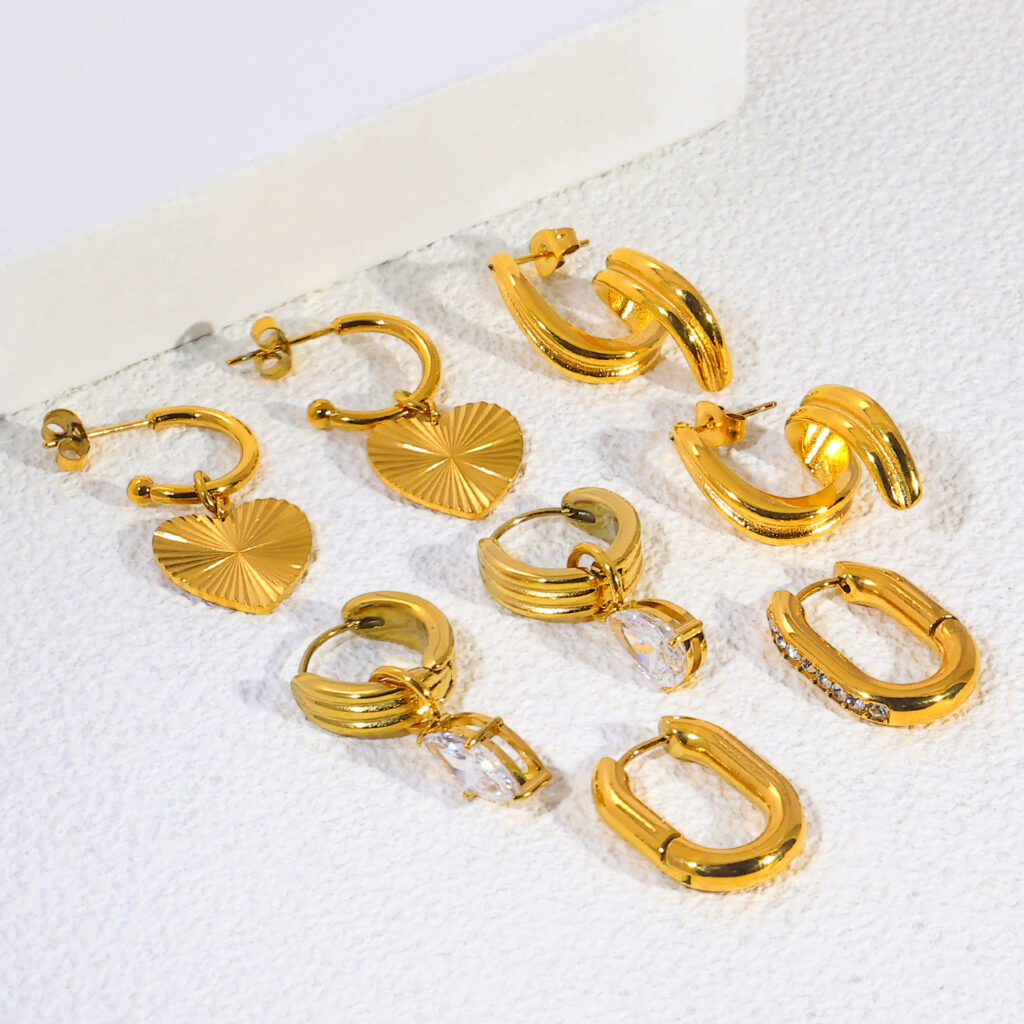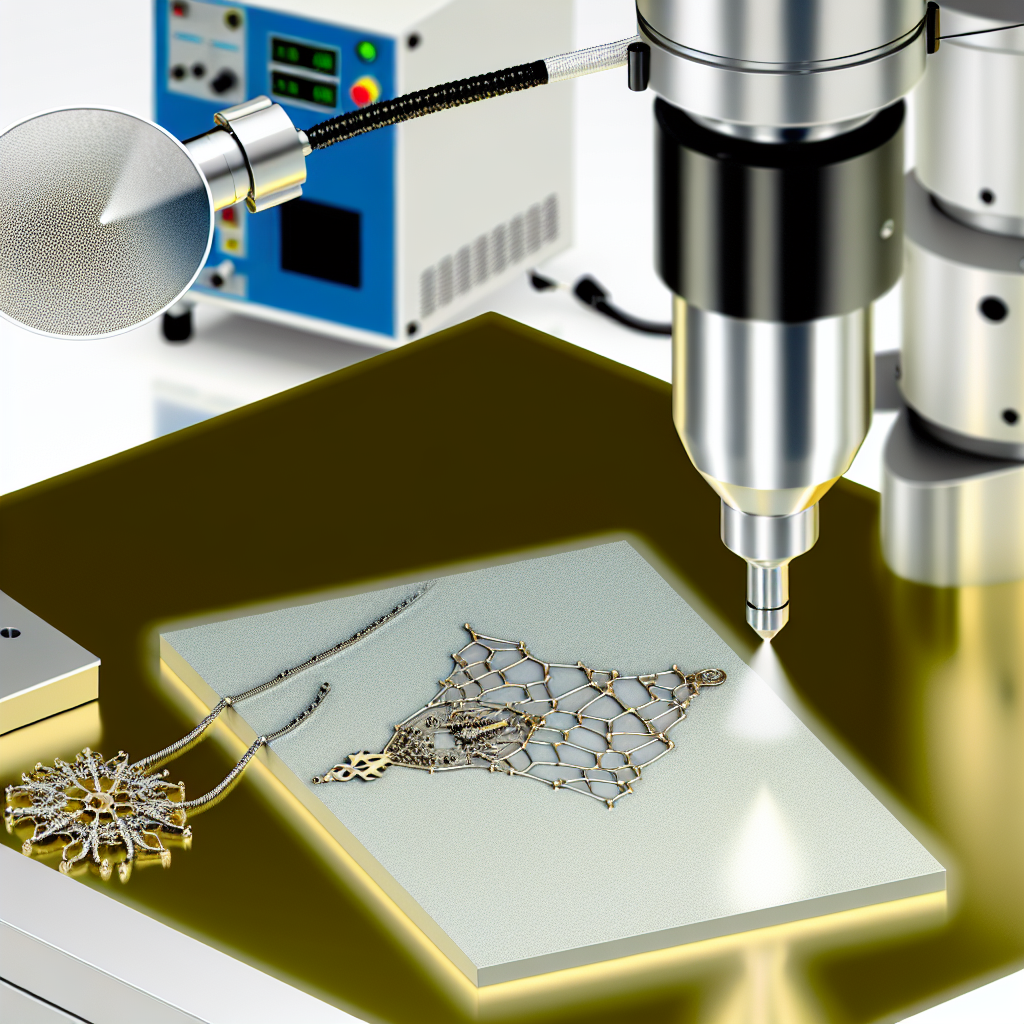
Die Berechnung der Kosten für die PVD-Beschichtung bei der Beschaffung von Schmuckkomponenten bestimmt direkt Ihre Bruttomarge, Denn eine Fehleinschätzung der Chargenökonomie kann zu unhaltbaren Stückpreisen oder hohen Rücklaufquoten aufgrund vorzeitigen Anlaufens führen.
Diese Analyse vergleicht ausgelagerte Dekorationsläufe mit hochvolumigen Inhouse-Systemen. Wir bewerten die Auslastungsdynamik der Chargenkammer und die Preisabweichungen bei Mikrometerdicken, um Ihnen zu helfen, ein skalierbares Ergebnis zu erzielen.
Was ist PVD-Beschichtung? in der Schmuckherstellung?
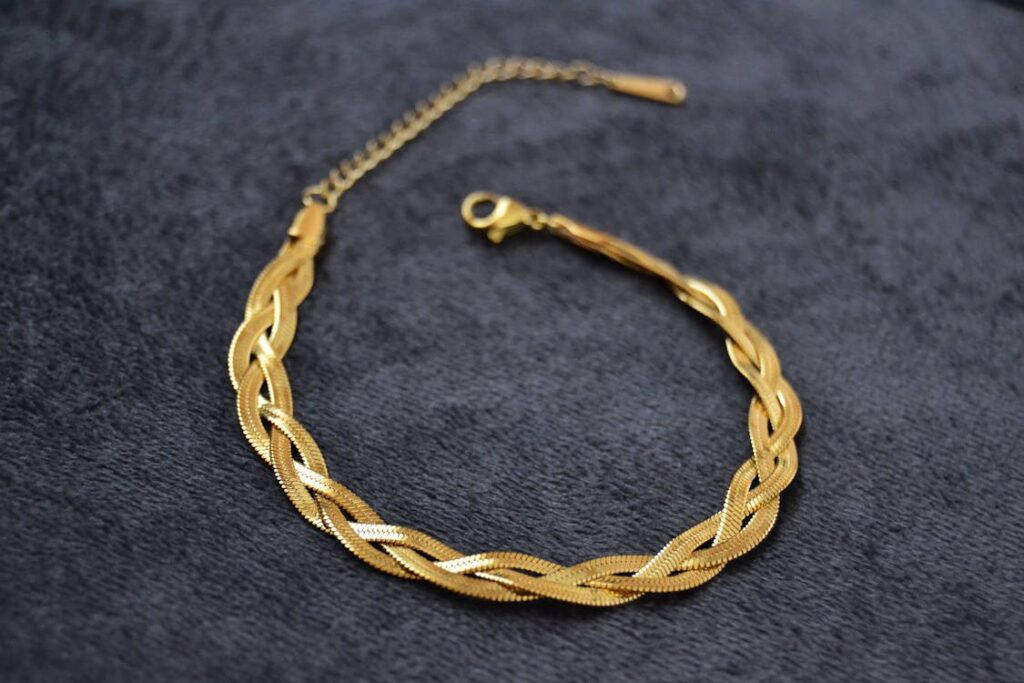
Die PVD-Beschichtung verbindet verdampfte Metallziele auf molekularer Ebene mit Schmuck, Erstellen ultradünn, Hochverschleißfeste Schichten, die ein Anlaufen weitaus besser verhindern als die einfache Galvanisierung.
Wir führen die physikalische Gasphasenabscheidung durch (PVD) Prozess in einer versiegelten Hochvakuumkammer. Diese Umgebung ermöglicht eine präzise Kontrolle über den atomaren Materialtransfer, Ersetzen Sie unordentliche flüssige Chemikalien durch saubere, Gasphasenphysik.
Der vakuumbasierte Abscheidungsprozess
- Plasmaerzeugung: Der Prozess wandelt feste Metalltargets in Hochvakuumkammern in Dampf um, um ein dichtes Plasma zu erzeugen.
- Molekulare Bindung: Metallatome in der Gasphase lagern sich direkt auf Schmuckoberflächen ab, sie auf molekularer Ebene sicher zu verbinden.
- Schichtdicke: Das System erzeugt ultradünne, hochbeständige Schichten reichen typischerweise von 0.3 Zu 2.0 Mikrometer dick.
- Anlaufschutz: Die langlebige Barriere verhindert ein schnelles Anlaufen und Abnutzen weitaus besser als Basic, dünne galvanische Beschichtungen.
Durch Modifizieren der Kammerzeit und des Energieniveaus, Wir können diese mikrometerdünnen Schichten kalibrieren. Die resultierende Oberfläche ist hart genug, um der Reibung durch tägliche Abnutzung standzuhalten, Das bedeutet, dass Marken weniger Kundenretouren verzeichnen.
Zielmaterialien und Farboptionen
PVD verlässt sich nicht auf ein einziges Material, um seine vielfältige Farbpalette zu erreichen. Stattdessen, Wir wählen bestimmte Metallziele aus und führen während des Vakuumzyklus reaktive Gase wie Stickstoff ein, um präzise Farbveränderungen auszulösen.
- Gelbgoldtöne: Wir verwenden Titannitrid, um langlebig zu sein, klassische Gelbgoldtöne auf Edelstahl.
- Roségold und Bronze: Das System verwendet Zirkoniumnitrid, um elegantes Roségold herzustellen, Bronze, und Champagner-Abschlüsse.
- Dunkle und metallische Oberflächen: Für ein elegantes Schwarz verwenden wir Titan- oder Chrom-Targets, Rotguss, und silbergraue Designs.
- Edelmetallhybride: Der Prozess kombiniert echte Goldlegierungen mit Nitridbasen, um ein erstklassiges Aussehen mit verbesserter Abriebfestigkeit zu gewährleisten.
Die Verwendung von Nitriden als Basisschicht schützt das Design vor Verschleiß, selbst wenn die oberste Edelmetallschicht starker Reibung ausgesetzt ist. Diese Strategie verleiht Modemarken die visuelle Attraktivität von echtem Gold, ohne die Volatilität der Goldpreise.
Warum die Kosten für die PVD-Beschichtung nicht festgelegt sind
Für die PVD-Beschichtung gibt es aufgrund der Kammernutzung keine Flatrate-Karte, Teilekomplexität, und Beschichtungsspezifikationen bestimmen die Verarbeitungsberechnung für jeden einzelnen Lauf.
Chargenvolumen und Kammernutzungsdynamik
PVD funktioniert ausschließlich als Batch-Prozess in einer versiegelten Vakuumkammer. Die Kosten für die Durchführung eines Zyklus bleiben weitgehend gleich, unabhängig davon, ob die Kammer zehn oder tausend Teile fasst, Sie zwingen Beschichter dazu, die Preise für Aufträge danach festzulegen, wie viel physischen Platz Ihre Teile einnehmen.
- Mindestgrundstücksgebühren: Lohnwerkstätten erheben Grundgebühren für die Einrichtung zwischen $100 Zu $150 pro Lauf, um das Abpumpen und die Kammerheizung abzudecken, Höhepunkt bis zu $875 in spezialisierten Schwerindustrieanlagen.
- Kammerskalierung: Verarbeitung kleiner Kammern 96 Teile ergeben Kosten von $0.15 pro Teil, beim Skalieren auf ein großes System mit 256 Teile senken die Kosten pro Teil auf $0.09.
- Interne Großserienläufe: Vollständig optimiert, Kontinuierliche Inhouse-Produktionslinien für Deko-Hardware oder Schmuck komprimieren die Stückkosten auf Bruchteile eines Cents.
- Make-vs-Buy-Schwellenwert: Wenn Ihre jährlichen Ausgaben für ausgelagerte Beschichtungen näher rücken, wird es finanziell rentabel, PVD-Vorgänge intern durchzuführen $100,000.
Die Konsolidierung kleiner Chargen zu einer einzigen großen Auflage stellt die schnellste Möglichkeit dar, Mindestlosgebühren zu umgehen und Zugang zu Rabattstufen für große Mengen zu erhalten.
Teilegeometrie und Substratkomplexitätsfaktoren
Die Teilegeometrie bestimmt direkt die Packungsdichte der Kammer. Unangenehm, sperrig, oder sehr detaillierte Teile erfordern maßgeschneiderte Gestelle, die die Anzahl der Teile pro Zyklus begrenzen, was den Stückpreis sofort in die Höhe treibt.
- Fixierung und Maskierung: Komplexe Formen erfordern individuelle Anpassungen, Mehrachsige rotierende Gestelle zur Aufrechterhaltung der Beschichtungsgleichmäßigkeit, plus manuelles Abdecken zum Schutz von Gewinden oder kritischen Dichtflächen.
- Vorbereitung des Untergrundes vor der Beschichtung: Um eine Haftung auf atomarer Ebene zu erreichen, sind strenge Reinigungsschritte erforderlich, inklusive mehrstufiger Ultraschallspülung, Lösungsmittelentfettung, und In-situ-Plasmaätzen.
- Funktionelle Beschichtungen Premium: Leistungsschichten wie Diamond-Like Carbon (DLC), Chromnitrid (CrN), und Titanaluminiumnitrid (TiAlN) fordern eine strengere thermische Kontrolle, dickere Ablagerungen, und intensive Qualitätskontrollen, Kalkulation 2 Zu 5 Mal mehr als herkömmliche dekorative Läufe.
Teile mit glatt gestalten, Zugängliche Oberflächen und die Angabe standardmäßiger Dekorstärken ermöglichen es Lieferanten, die Rackdichte zu maximieren und Ihre Bearbeitungskosten minimal zu halten.
Skalieren Sie Ihre Marke mit margenstarkem Schmuck
Hauptfaktoren, die den Preis der PVD-Beschichtung beeinflussen
Bei der PVD-Preisgestaltung handelt es sich nicht um einen festen Warenpreis. Es bewegt sich basierend auf der Teilegeometrie, Chargenvolumen, Dicke, und erforderliche Oberflächenvorbereitung.
PVD-Beschichter bieten keine Pauschalpreise an. Der Endpreis spiegelt wider, wie viel Rohraum Ihre Teile in der Vakuumkammer einnehmen und wie viel Arbeit wir aufwenden, bevor das Plasma feuert.
Teilekomplexität, Materialauswahl, und Oberflächenvorbereitung
Bevor ein einzelnes Metallatom abgeschieden wird, Ein Beschichter muss die physikalischen Eigenschaften Ihres Substrats und die genaue Geometrie des Teils bewerten. Diese physikalischen Einschränkungen bestimmen Ihr Vorbehandlungsprotokoll und die Kammereinrichtung.
- Beschichtungschemie und Zielmaterialien: Standardmäßige dekorative Beschichtungen wie Titannitrid sind oft kostenintensiv $0.27 pro Quadratzoll, wohingegen funktionale Industriebeschichtungen und spezielle diamantähnliche Kohlenstoffschichten die Kosten um das Zwei- bis Fünffache erhöhen, rübergreifen $50 pro Teil für ausgelagerte Arbeiten.
- Geometrische Komplexität: Preisstaffeln mit Fläche, typischerweise im Bereich von $2 Zu $10 pro Quadratfuß, während komplexe Formen mit tiefen Aussparungen eine mehrachsige Drehung und individuelle Vorrichtungsdesigns erfordern.
- Zusammensetzung und Reinigung des Substrats: Anspruchsvolle Metalle und Kunststoffe erfordern spezielle Haftschichten und eine mehrstufige Ultraschallreinigung, um ein Abblättern der Beschichtung zu verhindern.
- Beschichtungsdicke: Dickere Folien, die auf eine hohe Verschleißfestigkeit ausgelegt sind, erfordern längere Zykluszeiten der Vakuumkammer und erhöhen den Zielmaterialverbrauch.
Chargenvolumen, Anforderungen an die Ausrüstung, und Qualitätskontrolle
PVD ist grundsätzlich ein Batch-Prozess. Denn der Betrieb eines Vakuumlaufs verursacht hohe feste Betriebskosten, Durchsatz und Systemauslastung bestimmen die endgültige Marge.
- Produktionsvolumen: Outsourcing-Shops erheben in der Regel Mindeststapelgebühren von $100 Zu $150, Bei Großserienläufen steigen die Einrichtungskosten jedoch, so dass die Teilepreise auf Bruchteile eines Cents sinken.
- Operationsbeschaffung: Ausgelagerte PVD-Durchläufe sind durchschnittlich $5 Zu $15 pro Teil, wohingegen hochvolumige Inhouse-Systeme die direkten Betriebskosten auf unter 100 % senken $0.20 pro einfachem Verbraucherteil.
- Abscheidungsmethoden: Magnetronsputtern, Lichtbogenverdampfung, und andere spezielle thermische Prozesse erfordern unterschiedliche Stromversorgungen, reaktive Gase, und Abschreibungspläne für die Ausrüstung.
- Qualitätssicherung: Anspruchsvolle industrielle Anwendungen erfordern strenge Dickenprüfungen, Haftungsprüfungen, und potenzielle Nacharbeitszyklen, die zum endgültigen Preisprofil beitragen.
Kostenunterschied zwischen PVD und herkömmlicher Beschichtung
PVD erfordert das Dreifache der Vorabinvestition im Vergleich zur Galvanisierung, senkt aber die Gesamtkosten für fünf Jahre um ein Vielfaches 45% durch geringeren Wartungs- und Umweltschutzaufwand.
Kapitalinvestitionen und Betriebskosten
Die Einrichtung einer industriellen Beschichtungsanlage erfordert einen klaren Überblick sowohl über die anfänglichen Investitionsausgaben als auch über die Belastung durch die langfristigen Betriebskosten. Während die Galvanisierung weiterhin kostengünstig zu installieren ist, Die wiederkehrenden Wartungs- und Regulierungsanforderungen machen diese frühen Einsparungen schnell zunichte.
- Vorabkosten für die Ausrüstung: Die PVD-Herstellung erfordert ein höheres Anfangskapital, Die typische Ausrüstung kostet etwa USD 400,000 im Vergleich zum USD 120,000 für herkömmliche Galvanikanlagen.
- Jährliche Wartung: Herkömmliche Galvanisierungslinien verursachen deutlich höhere wiederkehrende Kosten, einschließlich USD 42,000 für die jährliche Wartung im Vergleich zum USD von PVD 12,000.
- Umweltkonformität: Die Verwaltung von Abwasser und Chemikalien für die Galvanisierung kostet USD 40,000 jährlich, während der Trockenprozess von PVD nur USD erfordert 3,000.
Ein fünfjähriges industrielles Lebenszyklusmodell zeigt, dass der geringere betriebliche Fußabdruck von PVD die Gesamtkosten auf USD reduziert 1.56 Million. Herkömmliche Galvaniklinien mit gleicher Kapazität erreichen USD 2.87 Millionen im gleichen Zeitraum.
Stückpreisgestaltung und langfristige Lebenszyklusökonomie
Die Stückpreise bestimmen die anfänglichen Margen für Hersteller, Aber der wirkliche Vorsprungsschutz liegt in der Leistung des Ziels im Feld. PVD bietet einen höheren Eintrittspunkt, umgeht jedoch die nachgelagerten Kosten durch Verschleiß und Anlaufen.
- Herkömmliche Stückpreise für die Beschichtung: Herkömmliche Galvanisierung bietet niedrigere anfängliche Stückpreise, Durchschnittlich ₹8–25 pro Quadratfuß für einfache Industrieoberflächen, Damit ist es die Standardoption für die kostensensible Massenproduktion.
- Standard-PVD-Einheitspreise: In 2026, Standard-PVD-Sputtern auf kleinen Schmuckstücken und Kleinteilen reicht von USD 0.30 in USD 1.50 pro Einheit.
- Spezielle Funktionsbeschichtungen: Hochspezialisierte Funktionsbeschichtungen wie Diamond-Like Carbon (DLC) kann USD überschreiten 50.00 pro Teil.
PVD-beschichtete Konsumgüter erfordern a 20% Zu 50% Einzelhandelspreisaufschlag gegenüber herkömmlichen vergoldeten Äquivalenten. Mit diesem Upgrade schützen Marken ihren Ruf und ihre Margen, Dies führt zu geringeren Kosten pro Verschleiß, da keine regelmäßige Neubeschichtung erforderlich ist.
Wie sich Schmuckgröße und Designkomplexität auf die Kosten auswirken
Die Größe und geometrische Komplexität von Schmuckstücken treibt die PVD-Beschichtungskosten in die Höhe, da die Kapazität der Vakuumkammer reduziert wird und umfangreiche manuelle Maskierung erforderlich ist, Befestigung, und Vorbereitung.
Die Preisgestaltung für PVD-Beschichtungen ist kein Pauschalpreis. Beschichter berechnen ihre Gebühren basierend darauf, wie effizient Teile in einer Vakuumkammer verpackt werden. Damit sind physikalische Abmessungen der erste große Kostenfilter.
Wie Größe und Oberfläche von Schmuck den Preis bestimmen
- Kleiner Schmuck (Ringe, Stollen, Einfache Anhänger): Standardmäßiges Magnetronsputtern kostet normalerweise $0.30 Zu $1.50 pro Einheit, während eine dichtere Lichtbogenbeschichtung von reicht $0.50 Zu $2.50 pro Einheit.
- Größere Modekomponenten: An die Uhr angrenzende Teile und sperrige Gegenstände erhöhen den benötigten Platzbedarf, die Kosten in die Höhe treiben $2.00 Zu $8.00 pro Einheit aufgrund der geringeren Kammerbeladungsdichte.
- Flächenpreise: Einige Einrichtungen berechnen eine Pauschale von ca $0.27 pro Quadratzoll, was größere Stücke benachteiligt.
- Mindestgrundstücksgebühren: Bei großvolumigen Läufen werden die Rüstkosten effektiv verteilt, Für kleinere kundenspezifische Chargen fallen Mindestgebühren in Höhe von an $100 Zu $150 pro Lauf.
Durch die Lagerung kompakter Teile mit hoher Dichte werden die besten Margen erzielt. Übergroße Artikel begrenzen die Chargenkapazität, Das heißt, Sie zahlen mehr pro Teil, einfach weil Sie mehr Platz in der Vakuumkammer beanspruchen.
Gebühren für geometrische Komplexität und technische Bearbeitung
Jenseits roher Dimensionen, Die physische Form eines Schmuckstücks bestimmt die Komplexität des Abscheidungszyklus und der manuellen Vorbereitung, die vor dem Lauf erforderlich ist.
- Beschattung und Racking: Tiefe Aussparungen, Scharfe Innenecken, und komplizierte Filigranarbeit schränken die gleichmäßige Abscheidung ein, Es sind spezielle Regalaufbauten erforderlich, um Schattendefekte zu verhindern.
- Handarbeit und Maskierung: Mehrteilige Baugruppen und gemischte Texturen erfordern sorgfältige manuelle Maskierungs- und Ladearbeiten, wodurch sich der Bearbeitungsgrundsatz erhöht.
- Beschichtungsdicke: Dickere Premium-Beschichtungen von 0.3 Zu 1.0 Mikrometer für Luxusdesigns verlängern die Kammerzykluszeiten und erhöhen den Zielmaterialverbrauch.
- Vorbereitung vor der Beschichtung: Ultraschallreinigung und Spiegelpolieren kommen hinzu $0.20 Zu $1.00 pro Einheit, mit sehr detaillierten Designs, die die intensivste Vorbereitungsarbeit erfordern.
Einfache Designs mit glatten Oberflächen optimieren den PVD-Prozess. Wenn Ihre Sammlung sehr detailliert ist, kunstvolle Stücke, Rechnen Sie damit, diese technischen Bearbeitungszuschläge einzukalkulieren.
Wie das Chargenvolumen die PVD-Preisgestaltung beeinflusst
Das Chargenvolumen ist der entscheidende Hebelpunkt bei der PVD-Beschichtung, Die hohen Fixkosten der Kammer werden direkt in äußerst wettbewerbsfähige Kosten umgewandelt, niedrige Stückpreise.
Feste Kammerkosten und die Mechanismen der Stückamortisation
PVD arbeitet ausschließlich als Batch-Prozess. Die Vakuumkammer benötigt die gleiche Energie, Zeit, und Arbeitsaufwand für die Vorbereitung und den Zyklus, unabhängig davon, wie viele Teile Sie an den Gestellen hängen. Der Betrieb einer nicht ausreichend genutzten Kammer zwingt einige wenige Teile dazu, die gesamten Betriebskosten zu decken.
- Feste Batch-Kosten: Aufstellen, Abpumpen, Heizung, und Programmierung erfordern die gleichen Ressourcen, unabhängig davon, ob die Maschine ein oder tausend Teile fasst.
- Mindestgrundstücksgebühren: Werkstätten berechnen eine Grundgebühr von $100 Zu $150 pro Lauf, was den Stückpreis bei nicht ausgelasteten Chargen in die Höhe treibt.
- Packungsdichte der Kammer: Durch die Maximierung des physischen Rackraums werden die festen Betriebskosten auf mehrere Einheiten aufgeteilt, Dadurch werden die Kosten pro Stück direkt gesenkt.
Das Verständnis dieser Mathematik hilft Käufern, kleine Bestellungen zu vermeiden, häufige Läufe. Die Standardisierung von Teilen zum Füllen der Kammer bleibt der schnellste Weg, die Stückkosten zu senken.
Preisstufen und volumenbasierte Kostensenkungen
Die Preisgestaltung verhält sich bei unterschiedlichen Produktionsmengen vorhersehbar. Wenn Sie vom Prototyping zum kontinuierlichen Betrieb übergehen, Die Amortisationskurve senkt Ihre Stückkosten stark.
- Prototyp läuft (unter 20 Stücke): Erwarten Sie hohe Preise, die oft höher ausfallen $20 Zu $50 pro Teil aufgrund nicht amortisierter Rüstzeiten.
- Handelsübliche Chargen (100 Zu 1,000 Einheiten): Die Preise für ausgelagerte Produkte sinken auf ein wirtschaftliches Niveau $5 Zu $15 Bereich pro Teil.
- Großvolumige Industrieläufe: Skalierungsoperationen und Inhouse-Setups reduzieren die Stückkosten auf $0.10 Zu $0.20 für kleine Konsumgüter.
Konsolidierung Ihres Inventarbedarfs in einem einzigen, Mit großen Chargen können Sie Stufen überspringen und eine sofortige Margenentlastung erzielen.
Zusätzliche Kosten vor und nach der Beschichtung
Bei Standard-PVD-Angeboten wird häufig die Vor- und Nachbearbeitung weggelassen, noch reinigen, benutzerdefinierte Maskierung, und Logistik können Ihre Grundkosten für die Beschichtung leicht verdoppeln.
Bevor Teile überhaupt in die Vakuumkammer gelangen, Sie müssen mehrere wichtige Vorbereitungsschritte berücksichtigen. Das Überspringen dieser Schritte beeinträchtigt die Haftung, Daher berechnen Beschichter immer den Arbeits- und Ingenieuraufwand, der erforderlich ist, um die Teile kammerbereit zu machen.
Vorbereitungs- und Einrichtungskosten für die Vorbeschichtung
- Oberflächenvorbereitungs- und Reinigungsarbeiten: Beschichter berechnen $20 Zu $70 pro Auftrag für kleine Verbraucherauflagen, oder ein großer Teil davon $5 Zu $50 Industrielle Basislinie pro Teil zum Entfernen von Verunreinigungen und Poliermitteln.
- Benutzerdefinierte Maskierungs- und Fixierungseinrichtung: Der Schutz unbeschichteter Bereiche erhöht Ihren anfänglichen technischen Aufwand, bei gleichzeitig optimierten Batch-Rack-Kosten $14 Zu $22 pro Zyklus.
- Prozessentwicklung und Mindestlosgebühren: Werkstätten verlangen standardmäßige Mindestbeträge von $100 Zu $150 pro Los, was skaliert bis zu $875 für hochspezialisierte Industrieläufe.
Nachbearbeitung der Beschichtung, Qualitätssicherung, und Logistik
Der Prozess endet nicht, wenn sich die Türen der Vakuumkammer öffnen. Validierung des Ziels, Komponenten zusammenbauen, und der sichere Rücktransport empfindlicher Oberflächen zu Ihrer Einrichtung fügen Ihrer Endrechnung versteckte Aspekte hinzu.
- Qualitätskontrolle und Garantiedokumentation: Erwarten Sie, zu zahlen $15 Zu $50 für Verbrauchergarantien, mit zertifizierten Industrieläufen, die höhere Stückzahlen erzielen.
- Nachbearbeitungspolieren, Montage, und Nacharbeit: Die Verfeinerung der Oberfläche oder des Zusammenbaus nach der Beschichtung erhöht den Arbeitsaufwand. Wenn ein Stapel fehlschlägt, Durch Abbeizen und erneutes Polieren können sich Ihre ursprünglichen Beschichtungskosten schnell verdoppeln.
- Logistik, Verpackung, und Entsorgungskonformität: Sichere Verpackung und Abfallkonformität tragen dazu bei $5 Zu $40 pro Projekt für kleine Chargen, zzgl. Frachtkosten für den Transport schwerer Industriekomponenten.
Vergleich der PVD-Beschichtungskosten für verschiedene Schmuckarten
Die PVD-Beschichtung verleiht Schmuckmarken eine hohe Haltbarkeit, kostengünstige Endbearbeitung, Dies führt zu geringeren Gesamtkosten als bei herkömmlicher Galvanisierung, obwohl die Vorabauftragsraten pro Stück etwas höher sind.
Chargengröße, Teilegröße, und die Komplexität des Designs bestimmen die PVD-Raten für Schmuck. Klein, einheitliche Teile effizient beschichten, während komplexe oder übergroße Teile individuelle Rack-Layouts und längere Kammerzeiten erfordern.
Beschichtungskosten pro Stück für gängige Schmuckkategorien
- Ringe und kleine Ohrringe: Bereich von $0.30 Zu $2.50 pro Stück in der Standard-Großserienproduktion, Dies stellt die budgetfreundlichste Kategorie dar.
- Halsketten und Armbänder: Es entstehen höhere Kosten für $1.00 Zu $8.00 pro Einheit aufgrund größerer Flächen und komplexer Verbindungsgeometrien.
- Uhrengehäuse und Premiumteile: Befehl $2.00 Zu $8.00 für Standardanwendungen, Skalierung nach oben $35.00 für spezielle Oberflächen.
Das Packen von Kammern mit kleinen Gegenständen optimiert die Ofenauslastung. Dadurch sinken Ihre Stückkosten drastisch, wohingegen komplexe Baugruppen die Rackdichte begrenzen und die Zykluskosten in die Höhe treiben.
Finanzieller Vergleich von PVD mit herkömmlichen Beschichtungsalternativen
Während die herkömmliche Galvanisierung ein geringeres Anfangskapital erfordert, PVD gleicht seine anfänglichen Zyklusprämien durch eine weitaus bessere Verschleißfestigkeit und Farbstabilität aus.
- Grundlegende Vergoldung: Durchschnittswerte $0.50 Zu $3.00 pro Stück, im Voraus etwas günstiger als die Standard-PVD-Tarife von $2.00 Zu $8.00.
- High-End-Behandlungen: Rhodiniert ($5.00 Zu $15.00) and vermeil ($3.00 Zu $10.00) kosten im Vorfeld mehr als PVD, macht PVD äußerst wettbewerbsfähig.
- Lebenslange Wartung: Herkömmliche Beschichtungen erfordern eine regelmäßige Nachbearbeitung. PVD eliminiert wiederkehrende Verbrauchergebühren, Senkung der langfristigen Betriebskosten.
Die Entscheidung für PVD schützt den Ruf der Marke. Die Vorabprämie zahlt sich aus, da die Rücksendequote nach dem Verkauf und die Garantieansprüche im Zusammenhang mit einer angelaufenen Goldbeschichtung reduziert werden.
Wie Hersteller PVD-Beschichtungsangebote berechnen
Angebote für PVD-Beschichtungen basieren auf der Wirtschaftlichkeit der Maschinenlaufzeit auf Chargenebene und der teilespezifischen Abfülldichte, statt pauschaler Materialpreise.
| Quoting-Parameter | Technische Basis / Reichweite | Direkte Auswirkungen auf die Preisgestaltung |
|---|---|---|
| Sputter-Abschattungsverhältnis | 1.5 Zu 3 | Vervielfacht die nominale Zieldicke, um die Abdeckung vertiefter Merkmale sicherzustellen. |
| Schattenverhältnis der Lichtbogenverdampfung | 2 Zu 4 | Kompensiert Sichtlinien-Ablagerungsgrenzen bei komplexen Geometrien. |
| Ausgelagerte Mindestlosgebühr | $100 Zu $150 (bis zu $875 für die Schwerindustrie) | Legt die minimalen Grundkosten für die Ausführung eines Zyklus fest, unabhängig von der Menge. |
| Inhouse-Chargenpreise | $14 (Klein) / $16 (Medium) / $22 (Groß) | Spiegelt die Kosten für Kernprozesse und Verbrauchsmaterialien vor Gemeinkostenzuteilung wider. |
Technische Maschinenzeit- und Chargenzuordnungslogik
Beschichtungsanlagen betreiben diskontinuierliche Vakuumsysteme. Um ein profitables Angebot zu erstellen, Ingenieure müssen physikalische Teileeigenschaften direkt in die gesamte Kammerbelegungszeit umrechnen.
- Maschinenstundensatz: Der Grundpreis basiert auf dem Maschinenstundensatz multipliziert mit der Gesamtzykluszeit, Dazu gehört auch das Abpumpen, Heizung, Ablagerung, und Abkühlphasen.
- Ablagerungs- und Werkzeugfaktoren: Ingenieure berechnen die Abscheidungszeit, indem sie die überwachte Rezepturrate mit einem Vorrichtungsfaktor multiplizieren und die Abschattungsverhältnisse anpassen 1.5 Zu 3 zum Sputtern.
- Anpassung der Kammergleichmäßigkeit: Ingenieure erhöhen die nominale Beschichtungsdicke um einen Einheitlichkeitsfaktor, um sicherzustellen, dass die dünnsten Bereiche komplexer Teile den Mindestspezifikationen entsprechen.
- Batch-zu-Teile-Konvertierung: Beschichter dividieren die gesamten Chargenlaufkosten durch die Anzahl der akzeptablen Teileausbeute, Umwandlung der Kammerzeitökonomie in direkte Gebühren pro Teil.
Kommerzielle Kostenkomponenten und betriebliche Treiber
Über reine Maschinenstunden hinaus, Kommerzielle Preisstrukturen absorbieren den Arbeitsaufwand, Zielverbrauchsprofile, und Batch-Setup-Logistik.
- Material und Verbrauchsmaterialien: Zielerosion, reaktive Prozessgase wie Argon und Stickstoff, und Schildreinigung stellen laufende Verbrauchskosten dar, die im Basislauf berücksichtigt werden.
- Untergrundvorbereitung und Arbeit: Reinigung, Ultraschallentfettung, Maskierung, und die manuelle Montage fügen direkte Arbeitsstunden hinzu, die die Einrichtung mit den Tarifen für voll belastete Arbeitskräfte vervielfacht.
- Volumen- und Mindestlaufgebühren: Bei Großserienläufen sinken die Stückkosten durch die Verteilung des Einrichtungsaufwands, während Bestellungen mit geringem Volumen Mindestlosgebühren in Höhe von verursachen $100 Zu $150 um die laufenden Kosten zu decken.
- Gemeinkosten- und Margenaufschlag: Lohnfertiger wenden Gemeinkostenprozentsätze für Qualitätszertifizierungen und Anlagenkosten an, Hinzufügen gezielter Gewinnspannen basierend auf der Beschichtungskomplexität, wie z. B. Spezial-DLC-Beschichtungen.
So senken Sie die Kosten für PVD-Beschichtungen, ohne die Qualität zu beeinträchtigen
Um die PVD-Kosten zu senken, müssen das Kammervolumen maximiert und Echtzeit-Prozesskontrollen eingesetzt werden, um fehlerbedingte Nacharbeiten und hohe Energieverschwendung zu vermeiden.
Maximierung des Batch-Durchsatzes und der Systemauslastung
Die Vakuumlaufzeit ist mit hohen Fixkosten verbunden. Um die Einheitsökonomie zu senken, Die Betreiber müssen sich auf die Packungsdichte und größere Ausführungen konzentrieren, voll beladene Chargen.
- Chargenkostenskalierung: Bei Chargen mit hoher Kapazität sinken die Beschichtungskosten pro Teil $0.15 in kleinen Systemen (96 Teile) Zu $0.09 in großen Anlagen (256 Teile).
- Planetenrotation: Die mehrachsige Planetenrotation und die enge Beladungsdichte der Regale verhindern Schattenbildung und maximieren gleichzeitig die Anzahl der beschichteten Teile pro Zyklus.
- Inline-Systeme: Durch den Übergang zu kontinuierlichen Inline-Systemen für die Massenproduktion entfallen Leerlaufzeiten und Abpumpzyklen zwischen den Chargen.
Vermeidung von Fehlern und Reduzierung von Energieverschwendung durch Prozesskontrolle
Mängel, Schrott, und Energieverlust stellen bei jedem PVD-Vorgang erhebliche versteckte Kosten dar. Eine strenge Kontrolle der Ablagerungsumgebung sorgt für hohe Erträge und niedrigere Stromrechnungen.
- Mehrstufige Reinigung: Strenge mehrstufige Reinigungsprotokolle, einschließlich Ultraschallentfettung und In-situ-Plasmaätzen, Eliminieren Sie Oberflächenverunreinigungen, um Ausschuss und Nacharbeit zu minimieren.
- Echtzeitüberwachung: Live-Verfolgung von Gasflüssen, Vakuumdruck, und die Substrattemperatur sorgen für eine stabile Abscheidung ohne Überbeschichtung oder Verschwendung von Zielmaterial.
- Energieoptimierung: Der Einsatz optimierter Magnetron-Designs und effizienter Pumpenkonfigurationen senkt den Energieverbrauch um 20% Zu 40%, direkte Bewältigung einer großen Betriebsausgabe.
- Hybridverarbeitung: Einsatz hybrider Prozesse, wie Lichtbogenquellen zur Adhäsion in Kombination mit Magnetronsputtern, reduziert Tropfendefekte um bis zu 84.9% und dabei die Kosten niedrig halten.
Fragen an a Hersteller von PVD-Schmuck
Qualifizieren Sie PVD-Hersteller und sichern Sie Ihre Margen mithilfe dieser direkten technischen und finanziellen Leistungsfragen.
Welche PVD-Methode verwendet Ihre Einrichtung für Schmuck??
Fragen Sie, ob die Fabrik Magnetronsputtern oder kathodische Lichtbogensysteme betreibt. Sputtern kostet in der Regel Kosten $0.30 Zu $2.00 pro kleine Einheit in 2026, bietet das optimale Preis-Leistungs-Verhältnis für Modelinien im mittleren Marktsegment.
Die kathodische Lichtbogenabscheidung reicht von $0.50 Zu $3.00 pro Einheit. Während die Lichtbogenbeschichtung dichtere Beschichtungen ergibt, Die höheren Wartungs- und Betriebskosten können Ihre Warenkosten für Standardteile unnötig in die Höhe treiben.
Wie gehen Sie mit Untergrundverträglichkeit und Untergrundvorbereitung um??
Stellen Sie fest, ob der Hersteller Edelstahl 316L direkt beschichtet. Durch die direkte Beschichtung von Stahl entfällt die Notwendigkeit einer galvanischen Beschichtung, die Produktion einfach und kosteneffizient zu halten.
Fordern Sie eine detaillierte Aufschlüsselung der obligatorischen Vorbereitungsschritte an. Ultraschallreinigung, entfettend, und Vorpolieren fügen ein Extra hinzu $0.20 Zu $1.00 pro Einheit, die in Ihren Grundkostenabrechnungen berücksichtigt werden müssen.
Was ist Ihre Standardpreisstruktur für Beschichtungsdicke und Farbe??
Überprüfen Sie die Standarddicke in Mikrometern für gängige Farbziele. Goldfarbene dekorative Beschichtungen sollten im Durchschnitt a $0.50 Zu $2.00 Aufschlag pro Stück, um wettbewerbsfähig zu bleiben.
Wenn Ihre Leitung eine Prämie erfordert, Optionen mit hohem Verschleiß wie Diamond-Like Carbon (DLC) Beschichtungen, Bereiten Sie sich auf die industrielle Preisgestaltung vor. DLC-Beschichtungen kosten häufig $35 Zu $50+ pro Teil aufgrund längerer Zykluszeiten und spezieller Zielmaterialien.
Wie strukturieren Sie Losgrößen?, MOQs, und Preisgestaltung durchführen?
Klären Sie, ob Angebote pro Stück berechnet werden, pro Charge, oder pro Quadratzoll. Durch die Verteilung der Einrichtungskosten auf größere Chargen werden die Stückpreise gesenkt, aber nicht ausgelastete Kammern werden Strafen nach sich ziehen.
Bestätigen Sie im Voraus die Mindestlosgebühr der Fabrik. Spezialisierte Schmuckbeschichtungsanlagen verlangen in der Regel eine Mindestlosgebühr von $100 Zu $150 pro Lauf, um die Kosten für das Abpumpen des Grundvakuums und die Einrichtung der Kammer zu decken.
Welche Qualitätsstandards und Haltbarkeitstestprotokolle garantieren Sie??
Fordern Sie konkrete Daten zur Lebensdauer an, Salzsprühtest, und Schweißresistenz. Hochwertige dekorative Beschichtungen müssen den rauen Verbraucherumgebungen standhalten, ohne anzulaufen oder abzublättern.
Überprüfen Sie die Einhaltung wichtiger internationaler Standards. Der Hersteller muss die Einhaltung der REACH-Vorschriften und strengen Grenzwerte für die Nickelfreisetzung dokumentieren, um Ihre Marke vor rechtlicher Haftung zu schützen.
Wie steuern Sie die Farbkonsistenz und Wiederholbarkeit über Chargen hinweg??
Legen Sie explizite Toleranzen für Farbabweichungen fest, bevor Sie die Massenproduktion genehmigen. Leichte Schwankungen des Gasflusses oder des Kammerdrucks können zu Farbverschiebungen zwischen Gelbgold führen, Roségold, und Bronze.
Bekennen Sie sich zum Standard, wann immer möglich, vorab ausgewählte Farbrezepte verwenden. Durch die Verwendung etablierter Rezepte werden teure kundenspezifische Entwicklungsgebühren vermieden und eine zuverlässige Replikation für zukünftige Bestandsauffüllungsläufe gewährleistet.
Häufig gestellte Fragen
Wie viel kostet eine PVD-Beschichtung??
Die Preisgestaltung hängt stark vom Teilevolumen ab, Geometrie, und Beschichtungschemie. Die ausgelagerte dekorative PVD-Beschichtung kleiner Komponenten reicht typischerweise von $5 Zu $15 pro Teil. Bei großen Produktionsläufen sinkt diese Rate auf ca $0.34 pro Stück für Artikel wie Stifte, oder $0.27 pro Quadratzoll.
Durch die interne Verlagerung des Prozesses werden die Kosten noch weiter gesenkt. Bei hochvolumigen internen Läufen, Die Bearbeitungsgebühren sinken auf $0.09 Zu $0.20 pro Komponente. Für anspruchsvolle Funktions- oder Spezialbeschichtungen wie diamantähnlicher Kohlenstoff (DLC), erwarte zu zahlen $35 zu Ende $50 pro Teil. Dieses Premium-Finish fügt hinzu $100 Zu $500 im Wert von Luxusartikeln wie Uhrengehäusen oder Schusswaffenschlitten.
Ist eine PVD-Beschichtung teuer??
Die PVD-Beschichtung ist bei hohen Stückzahlen äußerst kostengünstig, Allerdings fallen bei Kleinserien oder kundenspezifischen Aufträgen höhere Kosten an. Durch die Massenproduktion sinken die Stückkosten von Konsum- und Dekorationsgütern auf wenige Cent. Das Haupthindernis ist die anfängliche Kapitalinvestition. Die Ausrüstungskosten beginnen bei $60,000 für Einsteigermaschinen und mehr $800,000 für vollautomatische Produktionslinien. Auch Speziallackierungen wie DLC kosten einen Aufpreis, typischerweise kosten $35 Zu $50 oder mehr pro Teil bei Bestellungen mit geringem Volumen.
Wie viel kostet eine PVD-Beschichtung für Schmuck??
Für Modeschmuck, PVD verursacht geringe bis mittlere Kosten $0.50 Zu $2.00 pro Stück. Durch die hochvolumige Eigenproduktion sinken diese Kosten $0.20 pro Artikel. Standardmäßig ausgelagerte Dekorationschargen kosten zwischen $5 Und $15 pro Teil, wobei kleinere Schmuckstücke typischerweise am unteren Ende dieses Bereichs landen. Wenn Sie Premium-Beschichtungen wie diamantähnlichen Kohlenstoff wünschen (DLC) oder komplexe mehrschichtige Farbprofile auf Gehäusen und Armbändern von Luxusuhren, erwarte zu zahlen $35 zu Ende $50 pro Teil, was hinzufügt $100 Zu $500 zum Verkaufswert.
Ist eine PVD-Beschichtung günstiger als eine Vergoldung??
Die PVD-Beschichtung erfordert aufgrund der teuren Vakuumausrüstung und längeren Zykluszeiten höhere Vorabausgaben als die herkömmliche Vergoldung. Es spart Geld über den Lebenszyklus des Produkts. Herkömmliches galvanisiertes Gold hat einen niedrigeren Anschaffungspreis, nutzt sich jedoch bei täglichem Gebrauch schnell ab, wiederkehrende Reparaturkosten anfallen, Entfernung von Anlauffarben, und Neubeschichtung. PVD-Goldbeschichtungen verbinden sich auf molekularer Ebene, bietet eine viel höhere Härte und Kratzfestigkeit. Diese molekulare Bindung macht PVD im Laufe der Zeit wirtschaftlicher, da die Oberfläche jahrelang hält, ohne zu verblassen.
Welche Faktoren beeinflussen den Preis der PVD-Beschichtung??
Sechs Hauptvariablen bestimmen die Preisgestaltung für PVD-Beschichtungen:
- Teilegröße und Oberfläche: Größere Teile verbrauchen mehr Zielmaterialien und verringern die Gesamtkapazität der Kammer.
- Geometriekomplexität: Komplizierte Formen erfordern eine individuelle Ausrichtung und Ausrichtung, um Schattenbildung zu vermeiden, was den Prozessaufwand erhöht.
- Beschichtungsmaterial: Standardmäßige dekorative Nitride kosten deutlich weniger als fortschrittliche Funktionsbeschichtungen wie DLC.
- Beschichtungsdicke: Dickere Schichten erfordern längere Zykluszeiten und verbrauchen mehr Metalltargets.
- Chargenvolumen: Große Produktionsläufe verteilen den Aufbau, Abpumpen, und Zykluskosten über Tausende von Stücken, den Stückpreis senken.
- Untergrundvorbereitung: Entfetten, Ultraschallreinigung, Polieren, und Maskieren fügen praktische Arbeitsstunden hinzu.
Wie lange hält die PVD-Beschichtung??
Die Lebensdauer der PVD-Beschichtung reicht von 1 Zu 3 Die Zeitspanne für stark beanspruchte Konsumgüter ist vorbei 25 Jahre für Architektur- und Industriekomponenten. Für Modeschmuck und Accessoires, eine Standard-PVD-Beschichtung hält 2 Zu 5 Jahrelanges tägliches Tragen ohne Anlaufen. Architekturpaneele und Beschläge für den Innenbereich behalten ihr Aussehen für lange Zeit 20 Zu 25 Jahre, Während Außenverkleidungen, die der Witterung ausgesetzt sind, typischerweise leichte Abnutzungserscheinungen aufweisen 12 Zu 18 Jahre. Funktionelle Beschichtungen auf industriellen Verschleißteilen oder Automobilmotorkomponenten halten oft über die gesamte mechanische Lebensdauer des Teils.
Warum geben verschiedene Fabriken unterschiedliche PVD-Preise an??
Fabriken bieten unterschiedliche Tarife an, da es sich bei PVD um einen hochgradig maßgeschneiderten Prozess handelt. Preisunterschiede ergeben sich aus der spezifischen Qualität des verwendeten Substrats, wie zum Beispiel 304 im Vergleich zu Edelstahl 316L, die Art der Vakuummaschine, und die angestrebte Schichtdicke. Fabriken bieten auch Angebote auf der Grundlage einer Qualitätskontrolle an, Testen, und Oberflächenvorbereitung. Ein niedrigerer Kostenvoranschlag weist in der Regel auf eine grundlegende Vorbereitung und eine minimale Inspektion hin, während höhere Zitate strenge kosmetische Standards widerspiegeln, umfangreiche Tests, dickere Schichten, und Einhaltung von Zertifizierungen.
Wie können Marken die Kosten für PVD-Beschichtungen senken??
Marken können die PVD-Kosten senken, indem sie Design- und Prozessparameter optimieren:
- Standardisieren Sie unedle Metalle: Verwenden Sie leicht zu beschichtende Metalle wie Edelstahl 316L, um zusätzliche Schritte zur Grundbeschichtung zu vermeiden.
- Vereinfachen Sie die Teilegeometrie: Vermeiden Sie tiefe Aussparungen und scharfe Innenecken, um eine dichtere Anordnung und eine gleichmäßige Beschichtungsablagerung zu ermöglichen.
- Farben standardisieren: Bleiben Sie bei Standardfarbpaletten, um benutzerdefinierte Kalibrierungs- und Testläufe zu vermeiden.
- Konsolidieren Sie Bestellungen: Gruppieren Sie Bestellungen in größere Chargen, um die Nutzung der Vakuumkammer zu maximieren, Verteilung der Einrichtungskosten auf mehrere Einheiten.
Letzte Gedanken
Während die traditionelle Galvanisierung einen günstigeren Vorabpreis bietet, Hochbeständiges PVD ist die einzige zuverlässige Möglichkeit, Ihre Schmuckmarke vor schnellem Anlaufen und teuren Kundenretouren zu schützen. Wenn Sie sich für nicht verifizierte Beschichtungsmethoden oder Kleinserien entscheiden, riskieren Sie Ihre Margen durch hohe Ausschussraten und inkonsistente Farbabstimmung zwischen den Chargen. Investieren in optimiert, Batch-Run-PVD-Oberflächen schützen den Ruf Ihrer Marke und gewährleisten genau die Verschleißfestigkeit, die Ihre Kunden erwarten.
Machen Sie keine Kompromisse bei der Verarbeitungsqualität und gehen Sie bei Ihren Designs keine Kompromisse ein – überprüfen Sie die Leistung aus erster Hand. Wir empfehlen, mit einem gezielten Probelauf zu beginnen, um unsere Farbkonsistenz und molekulare Haftung direkt auf Ihren individuellen Schmuckdesigns zu testen. Kontaktieren Sie unser Produktionsteam Teilen Sie noch heute Ihre Teilegeometrien mit und sichern Sie sich eine präzise, optimiertes Chargenangebot.