Aller au contenu

The choice in the stainless steel vs brass jewelry debate directly impacts your brand’s profitability and return rates. Selecting a base metal that misaligns with your product positioning creates a ceiling on retail price while increasing after-sales costs from tarnish complaints, effectively eroding your margins.
This analysis benchmarks both alloys against industry production standards. We evaluate critical data points including per-piece manufacturing cost, finishing durability (PVD contre. galvanoplastie), and long-term wear to provide a clear framework for choosing the material that supports your business model.
How Do Stainless Steel and Brass Behave in Production?
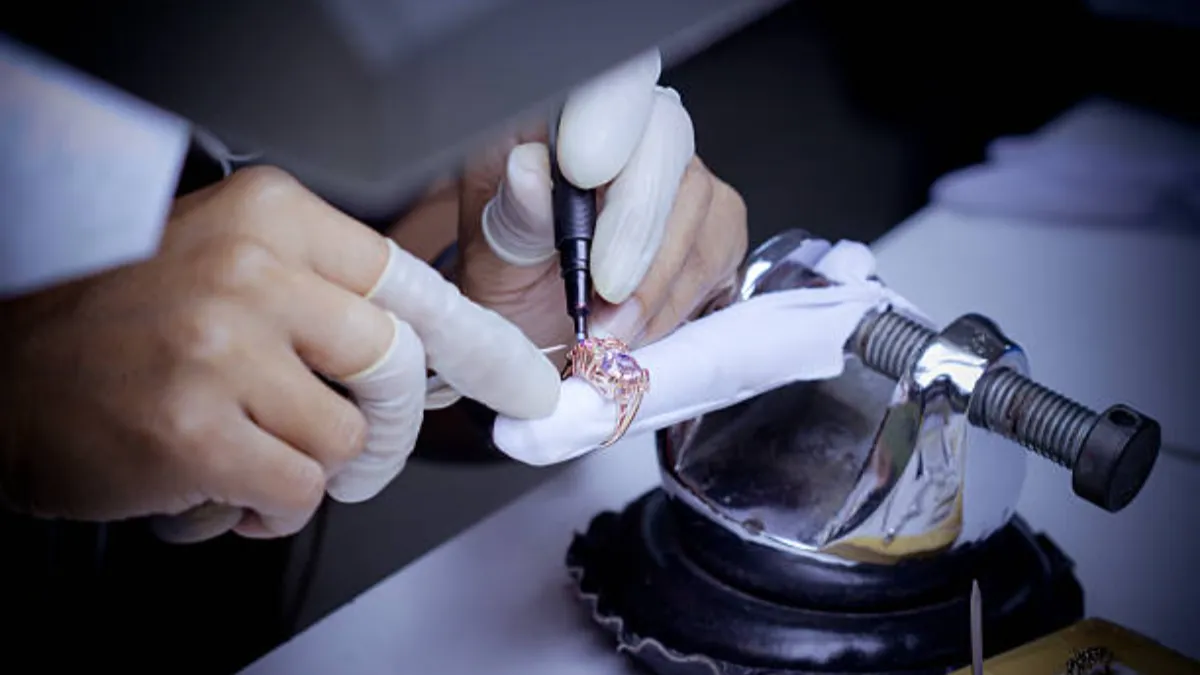
Brass is easy and cheap to work with, ideal for detail. Stainless steel is tougher and more expensive to process, but delivers a far more durable final product.
Casting and Mold Making
The differences start at the melting pot. Stainless steel requires significantly higher temperatures to melt, which means specialized investment molds tough enough to handle the thermal load. Brass offers excellent fluidity at much lower temperatures, making it the go-to for lost-wax casting that needs to capture fine, intricate details. Production with brass allows more densely packed casting trees, boosting throughput for high-volume runs, while stainless steel designs often require thicker sections and gentler curves to prevent cracking during cooling.
Machining, Joining, and Assembly
Once cast, the material’s hardness dictates the process. Stainless steel forces hard carbide tools, slower cutting speeds, and constant coolant, leading to higher tool wear; brass is soft, machines fast, and shapes easily at room temperature. For complex bends or deep draws, stainless steel might require hot forming, and laser cutting is preferred to avoid tool damage. In joining, stainless steel calls for laser welding to preserve strength and corrosion resistance at the seam—the low carbon content of 316L minimizes sensitization and keeps joints corrosion-resistant—while brass is easily joined with the standard silver-bearing solders found in nearly every workshop.
Surface Finishing and Production Economics
Getting a final shine is a trade-off between effort and longevity. Stainless steel is time-consuming to polish due to its hardness, but the result is an extremely durable, scratch-resistant finish that will not tarnish. Brass polishes to a brilliant shine quickly but oxidizes just as fast, so most brass jewelry is designed from the start to be a substrate for plating. Economically, stainless steel carries higher upfront costs in tooling, energy, et du travail, but produces a low-maintenance product with fewer returns; brass is the cost-effective champion for fast-fashion and rapid prototyping with general-purpose tools.
Which Material Allows More Complex Shapes?
For intricate and delicate jewelry, brass is the clear winner. Its softness and low melting point make it far more workable than the tougher, more demanding stainless steel.
How Material Properties Affect Formability
The fundamental properties of each metal dictate its capacity for complexity. Brass is naturally soft and malleable, so it can be stamped, gravé, and bent into delicate forms like filigree without cracking; when molten, its high fluidity fills intricate mold cavities and reproduces fine details down to 0.2 mm. Stainless steel is significantly harder and tougher, making manual shaping, deep stamping, and precise bending more difficult. Its high melting point—around 1370–1540 °C compared to brass’s 900–940 °C—demands specialized casting equipment, and the risk of incomplete filling or defects is higher if casting parameters aren’t perfectly controlled.
Best Applications for Each Material’s Complexity
The choice often comes down to design intent. Brass is preferred for vintage-style, baroque, or filigree jewelry that relies on elaborate surface details and fine, delicate components; it easily accepts deep stamping and fine engraving with standard tooling. Stainless steel demands higher forming forces and more robust dies, so it suits durable, everyday jewelry with simple to moderately complex geometric shapes—robust chains, solid rings, and bold pendants where strength and longevity matter more than ultra-fine decorative detail.
How Do Weight and Strength Affect the Design?
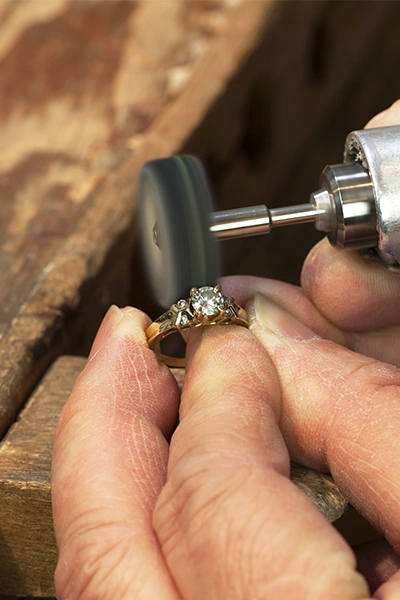
Stainless steel’s strength enables thin, durable designs ideal for daily wear. En revanche, brass’s density creates a weighty, luxurious feel but requires bulkier forms for strength.
Impact of Weight on Comfort and Perceived Value
Brass is denser than stainless steel, giving large or solid pieces a substantial weight that many customers associate with luxury—a plus for statement pieces. For items worn all day, like long chains or earrings, that same weight becomes a problem: lighter stainless steel pieces avoid the fatigue or pulling on earlobes that heavier brass designs cause. Designers can use hollow forms or intricate openwork in either metal to create bold silhouettes while managing final weight.
- Anneaux: Stainless steel is perfect for thin, stackable bands that maintain their shape, while brass suits chunky signet rings where mass adds presence and the surface is often ornately detailed.
- Chaînes: For fine, durable chains meant for daily wear, stainless steel is preferred; brass works well for heavy, bold fashion chains where substantial weight contributes to the style.
- Earrings and Piercings: The excellent strength-to-weight ratio of stainless steel allows thin, comfortable posts and hoops that won’t easily deform or pull on the ear.
Impact of Strength on Durability and Detailing
Strength directly dictates how delicate or robust a design can be. The high tensile strength of 316L acier inoxydable allows thinner structures that resist bending and breaking—slim ring bands and fine chains that hold up to daily stress. Brass needs more material to achieve the same durability, so rings and cuffs must be thicker or use supportive geometries. The hardness difference also shapes aesthetics: brass takes deep, intricate engraving for vintage and ornate styles, while stainless steel matches clean, geometric designs with polished or brushed finishes and an industrial look.

What Happens to Each Material with Wear?
Stainless steel wears by getting fine scratches but keeps its color. Brass is softer, scratches easily, and tarnishes, changing from bright yellow to a dark or green patina.
Surface Reaction and Tarnish
The chromium in stainless steel forms an invisible, self-healing layer that prevents rusting or tarnishing, so the metal maintains its shine with wear appearing only as fine scratches. Laiton, a copper-zinc alloy, actively reacts with oxygen and moisture, darkening from bright yellow into a brown or greenish patina as it ages. In structural terms, stainless steel resists scratches, bosses, and bending and typically lasts over five years, while brass often shows significant wear within six months to two years, especially in high-contact pieces like rings and bracelets.
Color Stability and Plating Wear
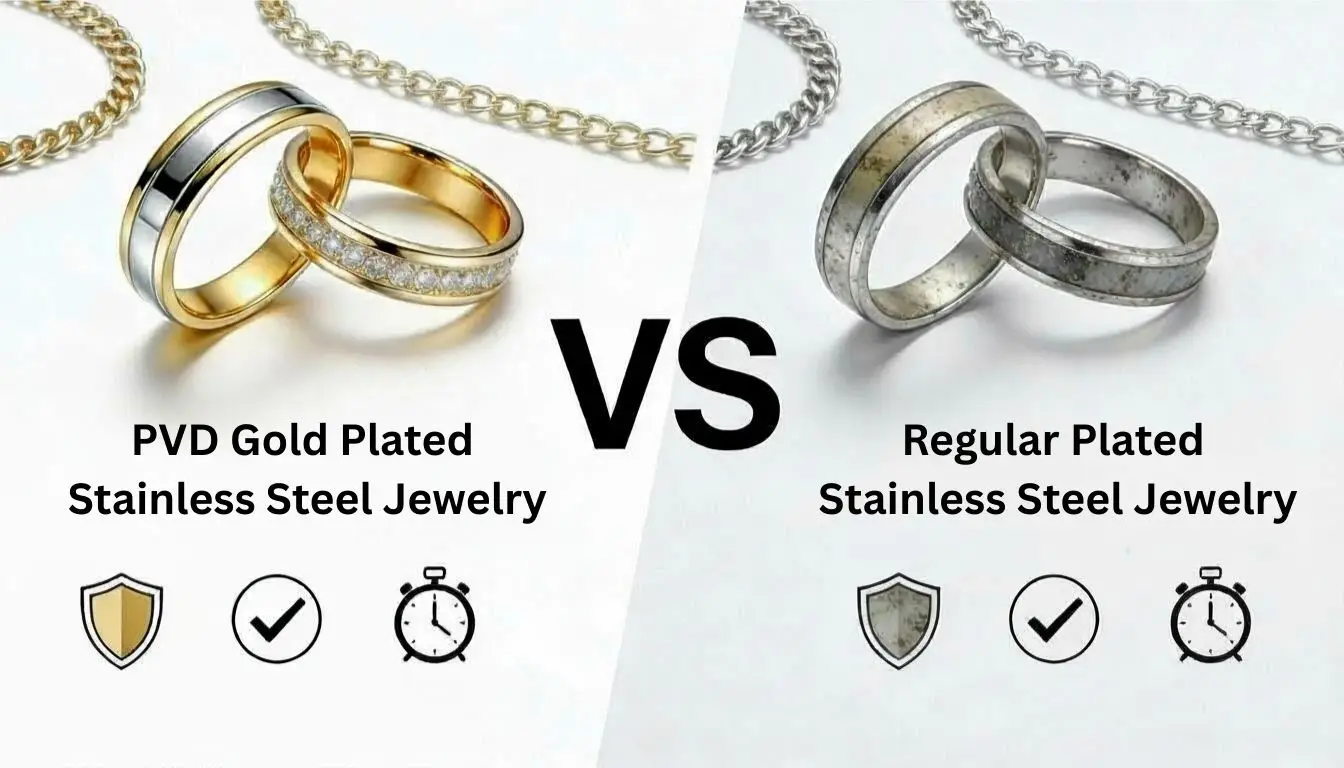
Stainless steel’s base color is stable and won’t fade, and a PVD-applied gold or black coating is extremely durable and abrasion-resistant. When brass is plated, the thin gold layer quickly wears away at high-friction points like the back of a ring or a clasp, exposing base metal that then begins to tarnish. Comparing the two: PVD contre. galvanoplastie is a durability gap, not a cosmetic detail.
Interaction with Skin and Care Requirements
The copper content in brass often reacts with sweat and skin acids, leaving green or black marks. Stainless steel does not stain the skin and is generally hypoallergénique, making it the better choice for continuous wear, and most stainless steel jewelry is considered sweat-proof and shower-safe. Maintenance follows the same split: stainless steel usually needs just a wipe with a soft cloth and mild soap, while brass demands regular polishing and dry, low-humidity storage—and plated brass must be polished gently to avoid stripping the protective layer.
How Does Material Choice Affect Cost and Positioning?
Brass minimizes upfront production costs for fashion pieces, but stainless steel’s durability allows higher retail prices and lower after-sales expenses, boosting overall profitability.
Raw Material and Manufacturing Costs
Looking at raw alloys, 316L stainless steel often appears cheaper per kilogram—typically $3–5/kg compared to brass at $6–8/kg, with volatile copper and zinc markets sometimes making brass wire 15–30% more expensive. Despite that, the final per-piece cost for brass is frequently lower because brass pieces are lighter and thinner. The real difference emerges in manufacturing: brass casts, timbres, and engraves cheaply and fast, while stainless steel demands more powerful tools, more energy, and faster tool wear, making complex shapes far more expensive to produce in steel.
Placage, Défauts, and After-Sales Costs
Finishing costs are not optional for brass—it must be electroplated or coated to resist tarnish, adding a standard expense to every piece. Stainless steel can be sold with just a polished finish, eliminating plating costs for silver-tone items; when color is required, PVD or IP plating costs more than brass plating but delivers superior durability. Initial production cost doesn’t tell the whole story: brass carries a higher risk of returns from tarnish, décoloration, and nickel-related skin reactions, while hypoallergenic 316L generates far fewer warranty claims—hidden costs that often erase brass’s apparent savings.
Market Positioning and Profitability
The material you choose directly dictates your market position. Brass is the backbone of fast-fashion jewelry, with retail prices of $10–$25 that limit margin per piece and require care disclaimers. Stainless steel fits the demi-fine or “affordable luxury” segment at $25–$150, supporting claims like tarnish-free, étanche, et hypoallergénique, et un “buy-once, wear-daily” brand message. Brass optimizes for low-cost volume and trend-driven collections; stainless steel opens the door to higher profitability through durable, long-lasting collections—and Western markets increasingly favor steel for its value, sustainability, and skin-safe properties.
Which Material Fits Your Design Brief?
Use this quick reference to match common design briefs to the material that best supports them:
| Design Brief | Best Fit & Rationale |
|---|---|
| Tous les jours, Étanche, Sweat-Proof Jewelry | Acier inoxydable (316L). It doesn’t rust, ternir, or react to sweat and water; its finish is maintained with minimal upkeep; and its hypoallergenic properties reduce the risk of skin irritation. |
| Intricate, Highly Detailed Statement Pieces | Laiton. High malleability makes complex patterns easy to shape, timbre, and engrave; detailed castings and filigree are tough to achieve with harder metals; and the warm gold-like color fits vintage and artistic styles. |
| Minimalist, Modern, Sleek Designs | Acier inoxydable. Its rigidity preserves clean lines and geometric shapes against dents and bending; the cool silver-toned finish suits contemporary and unisex aesthetics; and it provides a strong base for durable PVD coatings. |
| Vintage-Inspired, Patina-Friendly Pieces | Laiton. It naturally develops a patina that enhances vintage looks; the warm yellow tone gives an aged-gold feel without plating; and it is easily textured and engraved for character-rich surfaces. |
| Trend-Driven, Cost-Effective Fashion Lines | Laiton (often plated). Lower material cost and high workability support rapid design changes for seasonal collections; plating achieves a high-value look at a lower price; and its flexibility suits a wide variety of trendy shapes and textures. |
Pensées finales
In the stainless steel vs brass jewelry decision, the cheaper material is rarely the more profitable one. Brass wins on upfront cost and intricate detail, but returns, tarnish complaints, and rework quietly erase that advantage across a collection’la vie. Both metals earn their place—the fit depends on how your line is positioned.
316L stainless steel supports higher retail prices and durability claims your customers can verify in daily wear. Request a sample kit from Jusnova to compare both metals, their finishes, and their weight in hand before you commit tooling to production.
Foire aux questions
Is stainless steel better than brass for jewelry?
For most jewelry applications, stainless steel is superior due to its high durability, tarnish and water resistance, et propriétés hypoallergéniques. Brass is a better choice for jewelry with a lower upfront cost or for achieving a warm, vintage aesthetic.
Does brass jewelry tarnish?
Oui, brass jewelry tarnishes. Its copper content reacts with oxygen, humidité, et les huiles pour la peau, causing it to darken or form a patina. This reaction can also leave temporary green marks on the skin. En revanche, 316L stainless steel is highly resistant to tarnishing.
Is brass jewelry cheaper than stainless steel?
Oui, brass is generally cheaper than stainless steel. The raw material can be 30–40% less expensive, and manufacturing costs are often lower. While brass has a lower initial cost, stainless steel often provides better long-term value due to its durability and lower rate of customer issues like tarnishing or skin reactions.
Which lasts longer, brass or stainless steel jewelry?
Stainless steel jewelry lasts significantly longer than brass. It is a harder metal that better resists scratches, bosses, and corrosion from sweat or water. While brass is durable enough for fashion jewelry, it will tarnish and wear more quickly, especially with daily use.
Is brass or stainless steel better for jewelry making?
The better material depends on the final product’s goals. Acier inoxydable (specifically 316L) is the better choice for making durable, longue durée, hypoallergénique, and water-resistant jewelry. Brass is better for creating low-cost, trend-focused, or highly ornamental pieces with a warm, gold-like appearance.