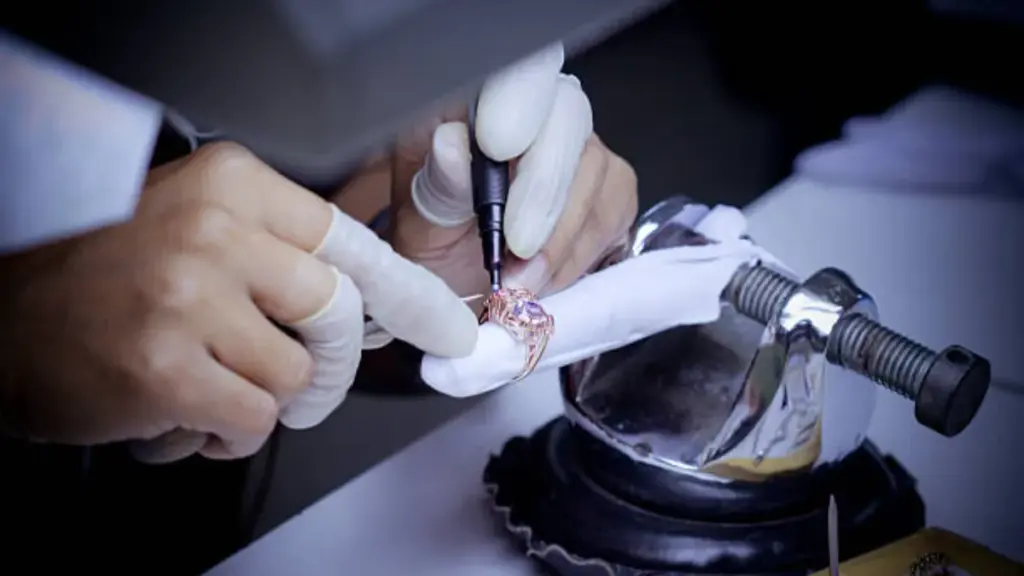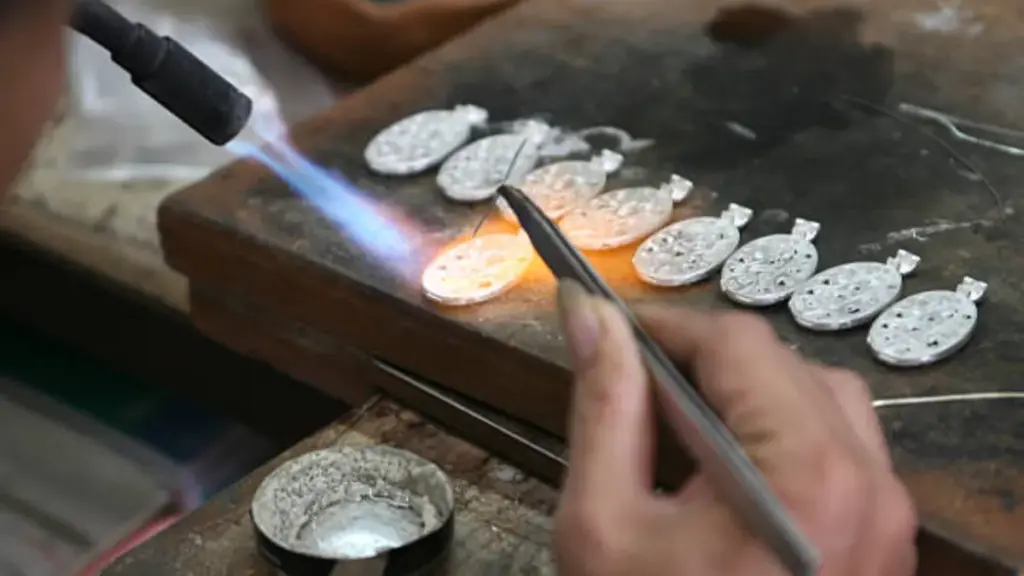
A necklace is made up of several key parts—chain, clasp, pendant, and smaller findings like bails, jump rings, and end caps—that work together to create both structure and style. For brands sourcing durable, hypoallergenic collections, stainless steel versions of these components offer strong resistance to tarnish, sweat, and corrosion while keeping a polished look over time.
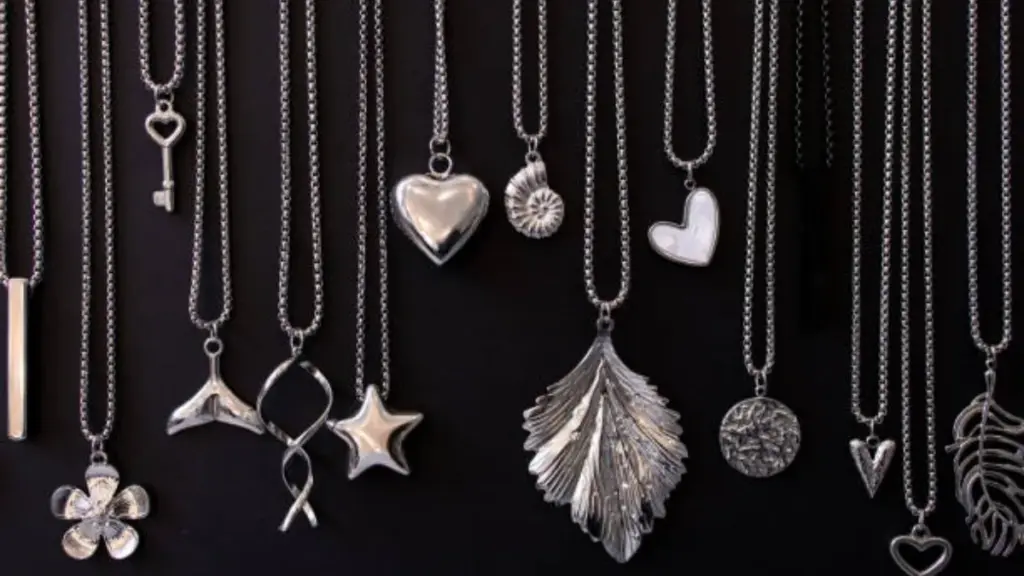
What Are the Different Parts of a Necklace Called?
When buyers search for parts of a necklace, they usually want to understand the structural components that make up a complete piece. The main elements are the chain, clasp, focal pendant or charm, and the supporting findings that connect everything together.
Here are the core parts of a chain necklace and parts of a pendant necklace that you’ll see in most catalog descriptions:
- Chain: The flexible strand made of metal links that goes around the neck, available in many link structures and thicknesses.
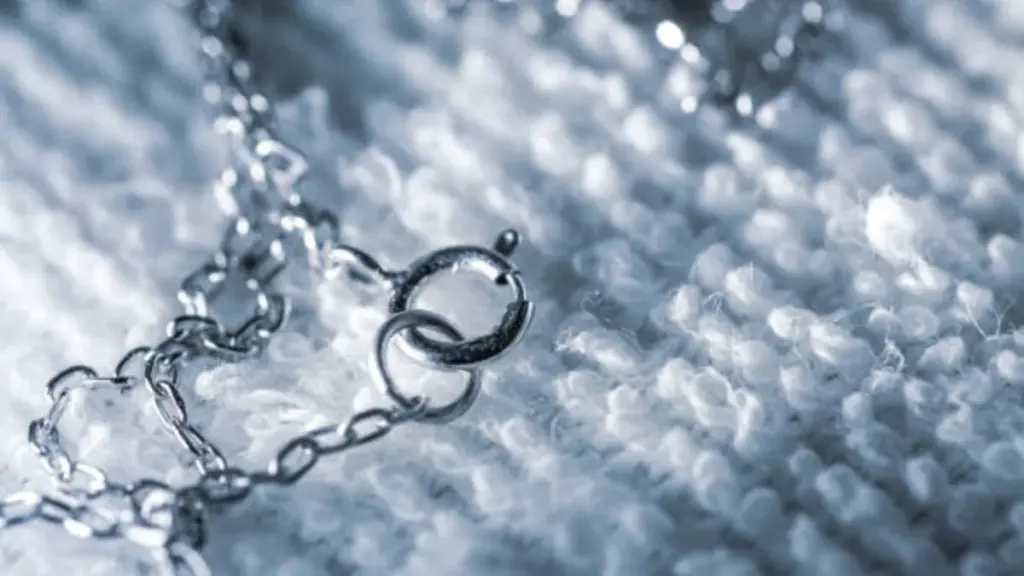
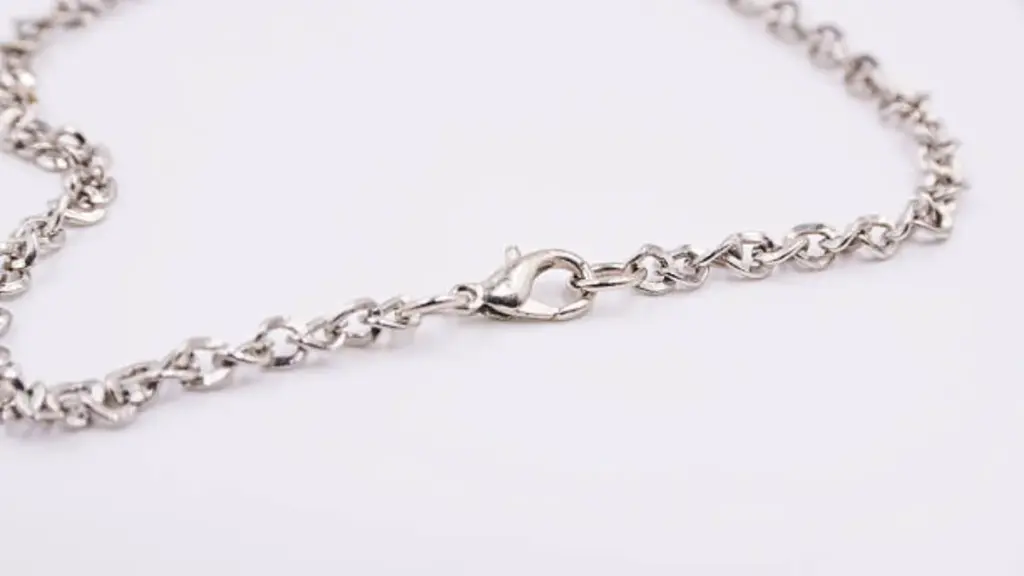
- Clasp: The closure mechanism that opens and locks to secure the necklace, such as lobster clasps or spring rings.
- Pendant: The main decorative focal piece that hangs from the chain, often attached with a bail and jump ring.
- Bail: A metal connector that allows the pendant to hang from the chain while moving freely.
- Jump ring: A small metal ring, usually split, that links parts like clasps, pendants, or charms to the chain.
- End cap: A finding that finishes and secures the ends of cords or multi-strand chains.
- Extender chain: A short length of extra chain near the clasp that lets the wearer adjust necklace length.
For brands focused on durability, choosing these parts in stainless steel helps prevent tarnishing, color change, or skin irritation in daily wear and humid environments.
| Necklace part | Main function | Common stainless steel benefit |
|---|---|---|
| Chain | Forms the body of the necklace and holds the design together. | High tensile strength, resists breakage and deformation in daily wear. |
| Clasp | Opens and closes to secure the necklace around the neck. | Corrosion-resistant spring mechanism that maintains tension over time. |
| Pendant | Adds a central focal point or brand storytelling element. | Stays bright and tarnish-free, even with 18K gold PVD plating. |
| Bail | Connects the pendant to the chain while allowing free movement. | Strong, crack-resistant connection for heavier focal pieces. |
| Jump ring | Links clasps, pendants, and charms to the main chain. | Less likely to open or deform under tension when soldered in stainless steel. |
| End cap | Finishes cord or multi-strand ends cleanly and securely. | Prevents rust and color change around high-friction ends. |
Understanding Links and Styles
The chain is usually the largest visible area in necklace design, so understanding the different parts of a chain necklace helps you communicate product quality and style. A chain is built from individual metal links that are cut, formed, and joined in repeating patterns to create different textures and strengths. For stainless steel jewelry, the structure of each link must be precise so that the chain lies smoothly on the skin while resisting pulling and twisting.
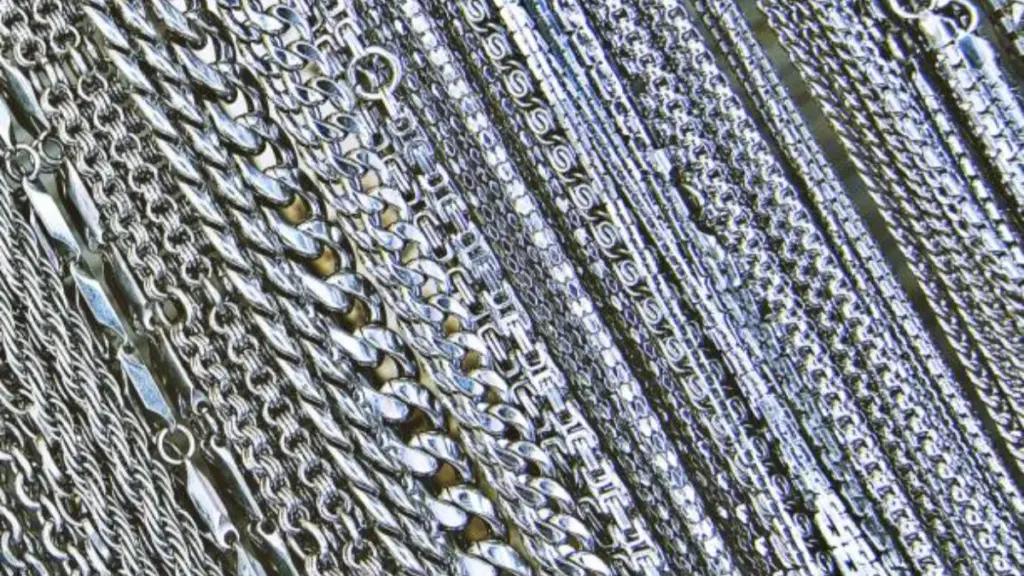
Common chain styles used in stainless steel fashion jewelry include:
- Cable chain: Simple oval or round links connected one by one; extremely versatile for pendants and everyday wear.
- Box chain: Square profile links that create a sleek, modern look and excellent strength for small pendants.
- Curb chain: Flattened, twisted links that interlock closely, often used in bold, unisex or men’s necklaces.
- Figaro chain: A pattern of one long link followed by two or three shorter links, popular in European and Latin American markets.
- Rope chain: Twisted pattern that looks like woven strands, often chosen as a standalone statement chain.
For brands planning custom parts of a pendant necklace, matching the chain style with the pendant weight and target market is essential; for example, a stainless steel Figaro chain pairs well with streetwear pendants in North and Latin America. Because 304 and 316L stainless steel offer high tensile strength and corrosion resistance, manufacturers widely use them to produce chains that withstand daily friction, sweat, and water exposure without losing their finish.
Types of Necklace Clasps: Which Is the Most Secure?
Clasps are small, but they decide how securely a necklace stays on the neck, so they are critical when you evaluate the parts of a necklace. The most common necklace clasps for fashion and stainless steel pieces are:
- Lobster clasp
- Spring ring clasp
- Toggle clasp
- Magnetic clasp
- Box clasp
From a security perspective, many buyers regard lobster clasps as one of the most reliable choices for everyday wear because the spring-loaded hook closes firmly around a jump ring and is less likely to open accidentally. Spring ring clasps also remain popular, but their circular opening can make them slightly harder for some customers to operate, so brands often use them on lighter chains instead.
When manufacturers produce these clasp types in stainless steel, the internal springs and outer shells gain high hardness and corrosion resistance, allowing the clasp to maintain its tension and color even after repeated use and exposure to water or perfumes.
What Are Bails, Jump Rings, and End Caps?
Jewelry findings are the small engineered parts that make a necklace function and look finished, and they are especially important to DIY makers and brands that need easy repairs. In the context of parts of a pendant necklace, the most important findings are bails, jump rings, and end caps.
- Bails: A bail is a metal component used to attach a pendant to a chain so that it hangs correctly and can slide along the chain. There are many forms, such as tube bails that the chain threads through, and pinch bails that grip the top of a stone or charm.
- Jump rings: Jump rings are small metal rings, usually with a cut that allows you to open and close them with pliers; they connect clasps, pendants, charms, and tags to the chain. Soldered jump rings are preferred in premium stainless steel necklaces because they are less likely to open under tension.
- End caps: End caps (also called cord ends or crimp ends) secure the ends of cords, leather, or multi-strand designs so the clasp can attach cleanly and the strands do not fray.
In mass-produced stainless steel collections, these findings are often made from 304 or 316L stainless steel, then PVD-plated with 18K gold or other colors to match the chain and pendant while maintaining a waterproof, tarnish-free surface.
Pendants vs. Charms and Slides
Decorative pieces are what transform a basic chain into a brand story, and understanding the difference between pendants, charms, and slides helps you design and brief your OEM/ODM partners more clearly. A pendant is usually the main focal element, often larger and centered, whereas charms and slides are smaller decorative pieces that can be scattered along the chain or bracelet.
- Pendants: Single focal designs that hang from the chain using a bail or integrated loop, often used for symbols, initials, religious motifs, or custom brand logos.
- Charms: Smaller motifs that can be attached at multiple points along the chain, ideal for storytelling collections, charm necklaces, and mix-and-match concepts.
- Slides: Components with a hidden tunnel or tube that allow the chain to pass through, letting the piece slide smoothly without a visible bail.
For brands planning personalized parts of a pendant necklace, stainless steel pendants with 3D shaping, zircon or pearl inlay, and precise logo engraving can deliver a strong visual impact while staying practical for everyday waterproof wear. When an experienced stainless steel manufacturer supports your project, they can fully customize these decorative components—from 3D rendering and mold making to laser logo engraving and packaging—to match your brand positioning.
Why Choose Stainless Steel for Necklace Components and Parts?
Most educational articles about parts of a necklace stop at naming the components, but material choice directly affects comfort, durability, and brand reputation. Stainless steel, especially 304 and 316L grades, is increasingly popular because it is hypoallergenic, tarnish-free, and mechanically strong compared with traditional brass or low-purity alloys.
Key advantages of stainless steel for necklace parts include:
- Hypoallergenic performance: Medical‑grade 316L stainless steel is non-reactive and is widely considered safe for sensitive skin, helping to avoid green marks or irritation.
- Tarnish-free and waterproof: Stainless steel does not tarnish or rust easily; a passive protective layer forms on the surface, preventing corrosion in contact with water, sweat, or cosmetics.
- Mechanical strength: Chains, clasps, and jump rings made from stainless steel resist pulling, bending, and deformation in daily use, which is essential for wholesale buyers who want low return rates.
- Cost-performance ratio: Compared with precious metals, stainless steel offers a bright, long-lasting finish and modern weight at a much more accessible price point, making it ideal for fashion brands and e-commerce sellers.
For both the parts of a chain necklace and the decorative pendant components, combining stainless steel with PVD 18K gold plating results in a premium look that does not require frequent polishing or complicated care instructions for end consumers.
How to Identify High-Quality Necklace Parts
When you source necklaces in bulk, it’s not enough to just know the names of the parts—you also need a checklist to identify whether each part is engineered well. Simple visual and functional checks on chains, clasps, and findings help you distinguish real quality from low-cost shortcuts.
Focus on these indicators when evaluating stainless steel necklace components:
- Soldered links: Inspect whether critical jump rings and chain links are fully soldered; unsoldered openings are more likely to pull apart under tension.
- Clasp action: Test lobster and spring ring clasps repeatedly to see if the spring closes quickly and fully; sluggish movement or gaps can lead to accidental loss.
- Surface finish: Look at the polishing quality; high-end pieces show even, mirror-like surfaces without sharp edges, visible scratches, or uneven plating.
- Plating uniformity: For gold-colored stainless steel, check whether the PVD 18K plating looks even on chain, clasp, and pendant, and whether there are color differences between parts.
- Comfort at contact points: Run fingers along the chain edges, bail, and pendant back; any rough spots may irritate the skin or catch on clothing over time.
For B2B buyers, asking for samples before placing a large stainless steel order is a practical way to verify these quality points and align with your own brand standards.
Partnering with Jusnova for Stainless Steel Necklace
For brands and wholesalers who want a reliable partner to supply every part of a necklace—from chains and clasps to pendants and findings—Jusnova Jewelry stands out as an integrated stainless steel jewelry manufacturer and wholesaler under Guangzhou Baiyu Jewelry Co., Ltd. Jusnova focuses on hypoallergenic, waterproof stainless steel fashion jewelry using 304 and 316/316L grades, with in-house capabilities that cover cutting, lost-wax casting, stamping, drilling, welding, manual polishing, PVD plating, and final assembly.
With over ten years of experience, Jusnova offers strong OEM/ODM services for global clients in North America, Latin America, and Europe, including 3D rendering, mold making, logo engraving, and custom packaging for stainless steel necklaces, bracelets, and earrings. The factory updates 50–100 new designs each month and supports flexible MOQs and sample policies, making it suitable for brand owners, Shopify and Amazon sellers, and offline retailers who need consistent quality in stainless steel necklace components at competitive prices.