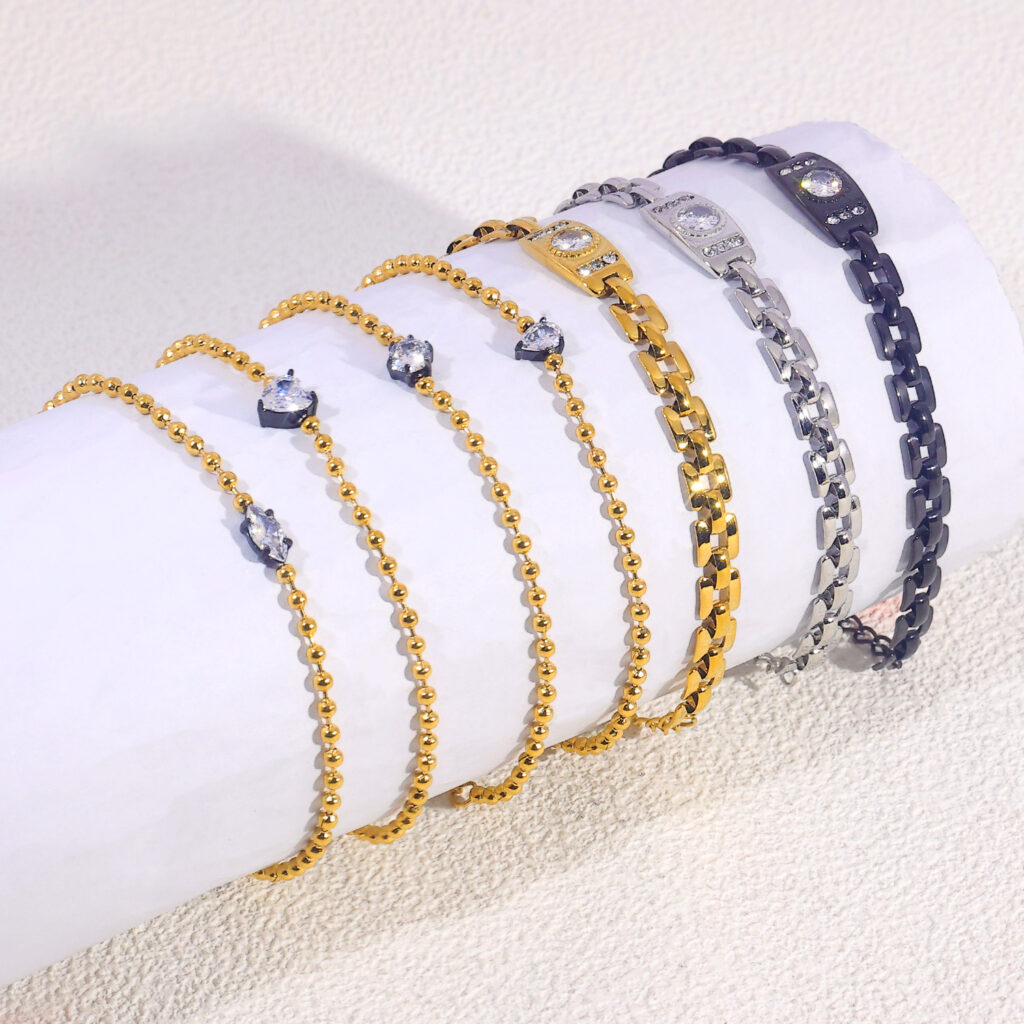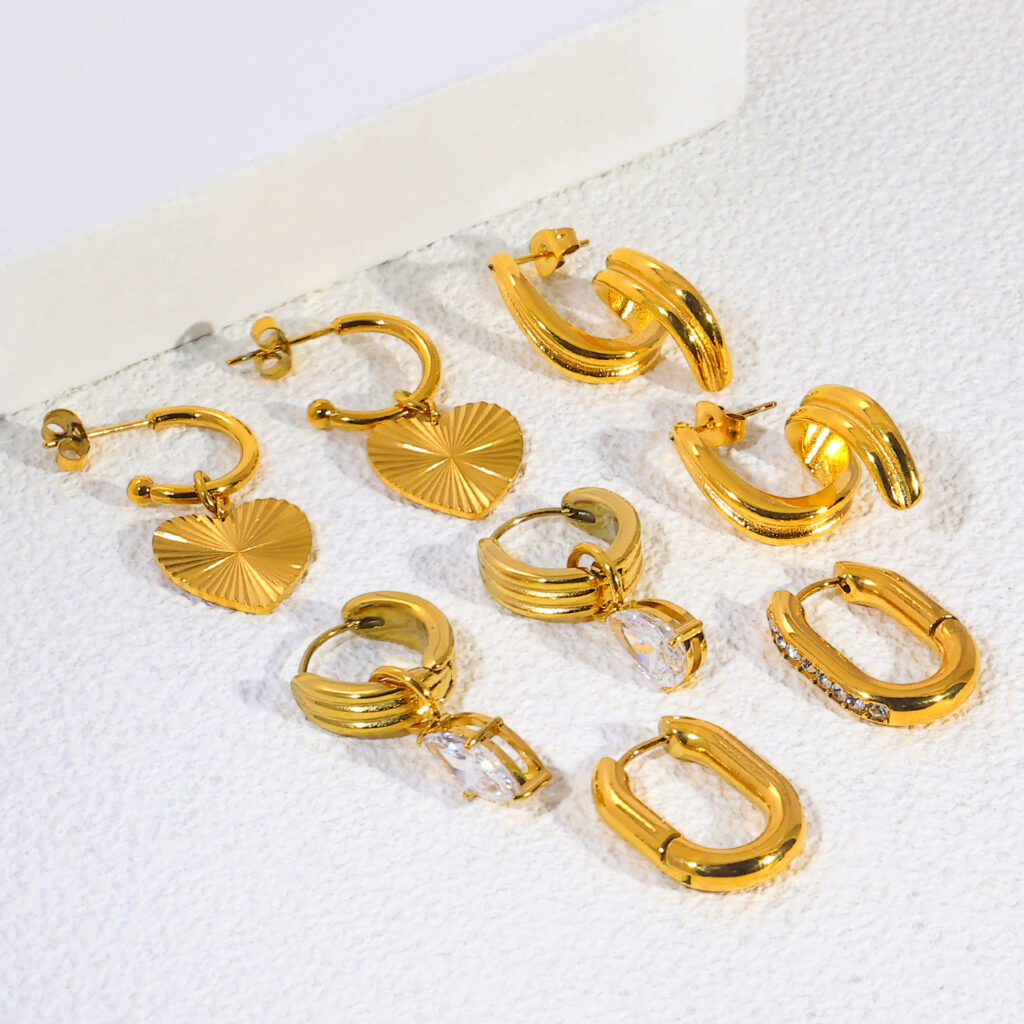
Die erläuterte PVD-Beschichtungsdicke wirkt sich direkt auf die Produktlebensdauer und die Gewinnmargen aus. Falsche Spezifikationen führen zu vorzeitigem Verschleiß, kostspielige Gewährleistungsansprüche, und verschwommene feine Details für Schmuck.
Diese Analyse vergleicht optimale PVD-Beschichtungsbereiche mit Industriestandards. Wir bewerten spezifische Dickenanforderungen, aus 0.03-0.08 µm für Modeschmuck bis 2.0-5.0 µm für funktionelle Anwendungen, um Ihnen bei der Definition genauer Spezifikationen zu helfen.
Was ist die PVD-Beschichtungsdicke??
Die Dicke der PVD-Beschichtung definiert die physikalische Tiefe des Dünnfilms, werden für bestimmte funktionale oder dekorative Eigenschaften eingesetzt. Es ist entscheidend für die Leistung und Präzision der Teile.
Definition und typische Bereiche der PVD-Beschichtungsdicke
Die Dicke der PVD-Beschichtung bezieht sich auf die physikalische Tiefe der dünnen Filmschicht. Dieser liegt typischerweise im Submikrometerbereich bis zu mehreren Mikrometern. Hersteller tragen diese Schicht durch physikalische Gasphasenabscheidung auf, um bestimmte funktionelle oder dekorative Eigenschaften zu erzielen.
Allgemeine industrielle PVD-Beschichtungen liegen üblicherweise im Submikronbereich (weniger als 1 µm) auf mehrere Mikrometer. Viele Präzisionsanwendungen bleiben unten 5 µm.
Dekorative PVD-Beschichtungen sind etwa 0,30–1,0 µm dick. Sie dienen in erster Linie dem ästhetischen Finish und der leichten Kratzfestigkeit.
Funktionelle PVD-Beschichtungen, beispielsweise solche für Verschleißfestigkeit oder Werkzeuge, sind typischerweise 2,0–5,0 µm dick.
Die Luft- und Raumfahrtnorm AMS 2444A definiert die Dickenklassen der TiN-PVD-Beschichtung: Klasse 1 (1.27–3,81 µm), Klasse 2 (2.54–6,10 µm), und Klasse 3 (6.35–12,70 µm).
Im Vergleich zu anderen Methoden, PVD-Beschichtungen sind im Allgemeinen dünner (weniger als 5 µm) und ideal für Präzision. Chemische Gasphasenabscheidung (CVD) Beschichtungen sind viel dicker, bei 25–75 µm.
Bedeutung und Anwendung der PVD-Schichtdicke
Funktionelle Leistung: Die Dicke wirkt sich direkt auf die Verschleißfestigkeit aus, Steigerung um 200–400 % gegenüber unbeschichteten Teilen. Es verbessert die Barriereeigenschaften für die Korrosionsbeständigkeit und erhält die Oberflächenhärte, normalerweise etwa 2000–3500 HV.
Mechanisches Verhalten: Die Dicke der PVD-Beschichtung beeinflusst, wie sich das Material verformt und reißt. Bei dünneren Filmen kann es zu säulenförmigen Rissen kommen, Bei dickeren Folien kann es aufgrund innerer Spannungen zu Schräg- oder Kantenrissen kommen.
Maßgenauigkeit: Dünne PVD-Beschichtungen, oft weniger als 5 µm, eignen sich für Präzisionsbauteile. Dinge wie Schneidwerkzeuge profitieren davon, da diese Beschichtungen enge Toleranzen und die ursprüngliche Teilegeometrie beibehalten.
Optimierung: Bei der Wahl der richtigen Dicke geht es darum, den Bedarf an Verschleiß- und Korrosionsschutz mit der Bewältigung der inneren Restspannung in Einklang zu bringen. Zu viel Spannung kann bei dickeren Folien zu Rissen oder Delaminationen führen.
Substrateinfluss: Härtere Untergründe unterstützen dünnere besser, höher beanspruchte Beschichtungen. Bei weicheren Untergründen muss die Dicke sorgfältig berücksichtigt werden, um Spannungen zu bewältigen und vorzeitiges Versagen zu verhindern.
Messung: Techniken wie Röntgenfluoreszenz (RFA) und die instrumentierte Nanoindentation messen die Dicke der PVD-Beschichtung genau. Dadurch wird die Einhaltung der Spezifikationen überprüft.
Designrichtlinien: Effektives Design berücksichtigt die primäre Funktion (ästhetisch, mäßig, oder hoher Verschleiß). Dadurch wird die Dicke an die Härte des Untergrunds angepasst, Kontaktbedingungen, und Maßanforderungen. Es folgt ein Leistungstest.
Wie wird die PVD-Beschichtungsdicke gemessen??
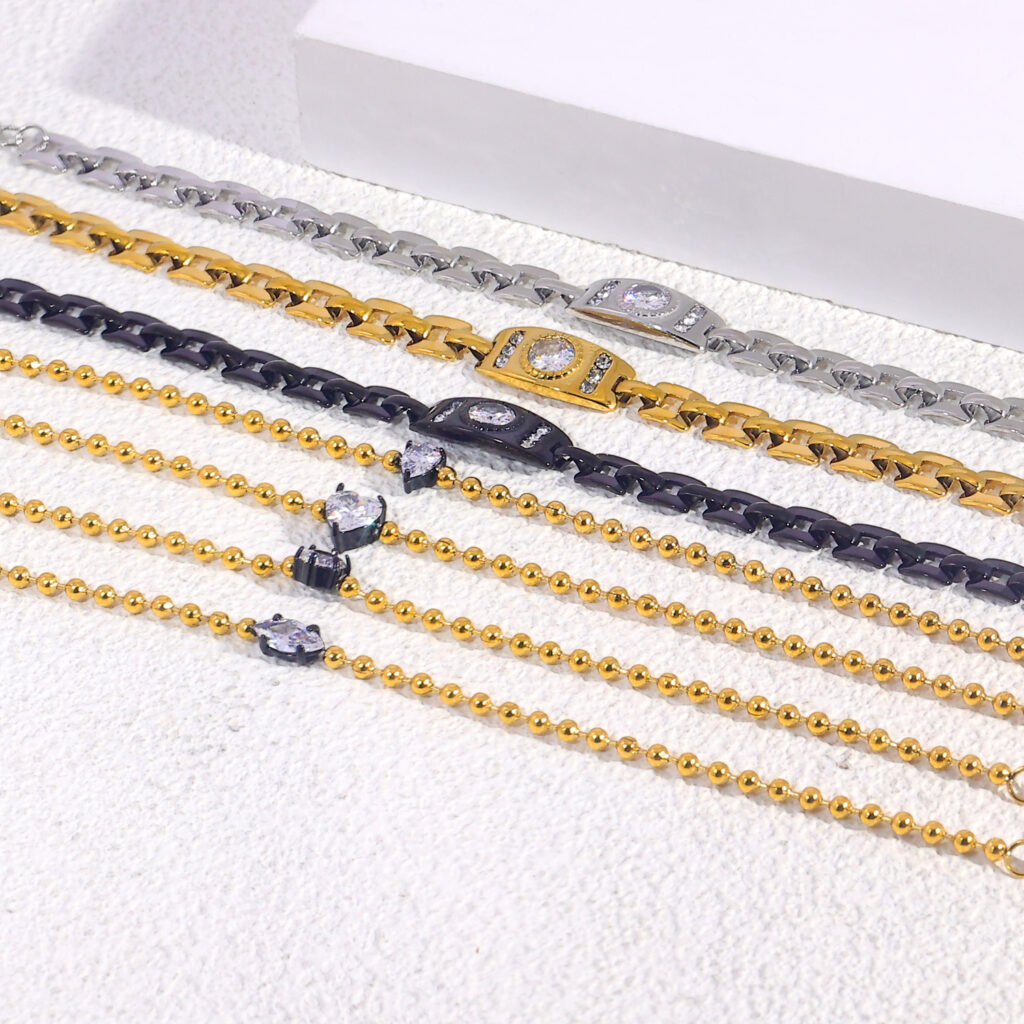
Wir messen die Dicke der PVD-Beschichtung sowohl während des Prozesses als auch danach, Einsatz präziser Werkzeuge zur Qualitätskontrolle und Prozesskontrolle.
Die Messung der PVD-Schichtdicke erfordert hochauflösende Methoden. Die Beschichtungen liegen typischerweise im Submikronbereich bis etwa 10–15 µm. Wir verwenden eine Mischung aus Echtzeitüberwachung während der Abscheidung und Nachbearbeitungskontrollen an fertigen Teilen.
Überwachung der PVD-Dicke im Prozess
Prozessbegleitende Methoden verfolgen oder steuern die Dicke, während wir die Beschichtung auftragen. Dies trägt dazu bei, unseren Zielmikrometerbereich zu erreichen und die Gleichmäßigkeit aufrechtzuerhalten.
- Quarzkristall-Mikrowaage (QCM): In der PVD-Kammer sitzt ein QCM-Sensor. Massenansammlungen am Kristall verändern seine Resonanzfrequenz. Wir kalibrieren die Abscheiderate, Anschließend schätzt das System die Filmdicke im Verhältnis zur Zeit. Dies funktioniert gut für Metall- und Nitridbeschichtungen im Bereich von 1–10 µm, insbesondere für Produktionschargen.
- Optische Überwachung (Ellipsometrie, Optische Emission, Spektroskopie): Die optische Emissionsspektroskopie folgt Plasmaemissionslinien, Informieren Sie uns über die Ablagerungsbedingungen. Die Ellipsometrie misst Änderungen in der Polarisation des reflektierten Lichts, Angabe der Filmdicke und des Brechungsindex. Wir verwenden diese Methoden zur präzisen Dickenkontrolle bei dünnen Schichten, optisch, oder halbtransparente Schichten. Sie sind berührungslos, Daher passen sie gut in automatisierte Linien mit hohem Volumen.
- Echtzeitüberwachungsgeräte und Feedback-Steuerung: Wir integrieren Echtzeitsensoren wie optische Einheiten, QCMs, und Prozesssonden. Diese speisen Daten in die Steuerungssoftware ein. Unsere Algorithmen passen sich Substratschwankungen und Prozessdrift an, Die Dicke bleibt über die Chargen hinweg konstant. Zum Beispiel, Wir erstellen für jeden Beschichtungstyp und jedes Substrat eine Abschmelzratenkurve, Verwenden Sie dann eine In-situ-Überwachung, um die Ablagerung zu stoppen, wenn die Zieldicke erreicht ist.
Nachbearbeitung der PVD-Dickenmessung
Nach dem Beschichten, Zur Vermessung des fertigen Teils nutzen wir verschiedene Methoden. Dies dient der Qualitätssicherung, Prozessvalidierung, und Zertifizierung.
- Röntgenfluoreszenz (RFA): RFA ist eine zerstörungsfreie Methode, die wir häufig zur PVD-Dickenmessung auf Metall- und Legierungssubstraten einsetzen. Ein Röntgenstrahl regt die Beschichtung an, und wir analysieren die emittierten Röntgenstrahlen, um sowohl Zusammensetzung als auch Dicke zu ermitteln. Moderne Geräte können bis zu fünf Schichten gleichzeitig messen, was sich hervorragend für mehrschichtige PVD-Stacks eignet. Mit dieser Methode wird häufig die Einhaltung von Standards wie AMS 2444A überprüft.
- Magnetische Induktion (für ferromagnetische Substrate): Wir verwenden diese Methode, wenn eine nichtmagnetische PVD-Beschichtung auf ein ferromagnetisches Substrat wie Stahl aufgebracht wird. Eine Sonde erzeugt ein Magnetfeld. Die Feldstärke ändert sich mit der Schichtdicke. Das Instrument wandelt dieses Signal mithilfe einer kalibrierten Funktion in einen Dickenwert um. Es eignet sich am besten für Überbeschichtungen 1 µm.
- Wirbelstrom (für Nichteisen-Untergründe): Dies gilt für nichtmagnetische, elektrisch leitfähige Substrate wie Aluminium oder Kupfer. Ein hochfrequenter Strom erzeugt Wirbelströme im Substrat. Änderungen in der Antwort, wie Amplitude oder Phasenverschiebung, Teilen Sie uns die Schichtdicke mit. Es eignet sich gut für metallische PVD-Schichten auf Nichteisenmetallen.
- Ultraschallbasierte Methoden: Ultraschallmessgeräte senden Schallwellen durch die Beschichtung und nehmen Reflexionen von Schichtgrenzflächen auf. Flugzeitdaten, mit bekannter Schallgeschwindigkeit, gibt uns Dicke. Wir verwenden dies hauptsächlich für Überlackierungen 1 µm, wo der akustische Impedanzunterschied deutlich genug ist.
- Beta-Rückstreuung (Strahlungsbasiert): Ein Isotop emittiert Betateilchen, die sowohl die Beschichtung als auch das Substrat durchdringen. Wir erkennen rückgestreute Partikel bei 180 Grad. Die Dicke wird aus der Rückstreuintensität berechnet. Dies erfordert mindestens eine 5 Ordnungszahlunterschied zwischen Beschichtung und Substrat. Während historisch verwendet, RFA hat es in vielen Anwendungen weitgehend ersetzt.
- Instrumentierte Einrückung / Nanoindentation: Dabei wird eine Kraft-Weg-Kurve aufgezeichnet, während ein Eindringkörper in die Beschichtung eindringt. Für Beschichtungen mit einer Dicke von mehr als ca 1 µm, Anhand dieser Kurve können wir die Dicke abschätzen, da der Einfluss des Untergrundes nach ca. deutlich wird 10% Penetration. Es wird häufig für harte PVD-Schichten verwendet, wie bei Schneidwerkzeugen, Außerdem erhalten wir Daten zu Härte und Modul.
- Querschnittsmikroskopie (Zerstörerisch): Wir bereiten eine Probe durch Schneiden vor, Montage, und Polieren, um einen Querschnitt des beschichteten Substrats freizulegen. Dann, Wir verwenden ein optisches Mikroskop oder SEM, um die Schichtdicke anhand kalibrierter Bilder direkt zu messen. Dies ist eine destruktive Methode, Es liefert jedoch hochpräzise Referenzdaten für die Kalibrierung zerstörungsfreier Methoden.
- Kugelkrater (Kalottenschleifen) Verfahren: Dabei wird mit einer rotierenden Kugel und Schleifmittelaufschlämmung ein kugelförmiger Krater in die beschichtete Oberfläche geschliffen. Durch Messung der Kraterdurchmesser in der Beschichtung und im Substrat, Wir können die Schichtdicke geometrisch berechnen. Es ist destruktiv, aber effektiv für die Qualitätskontrolle, Probenahme und Korrelation mit der Werkzeugverschleißleistung, insbesondere bei komplexen 3D-Geometrien.
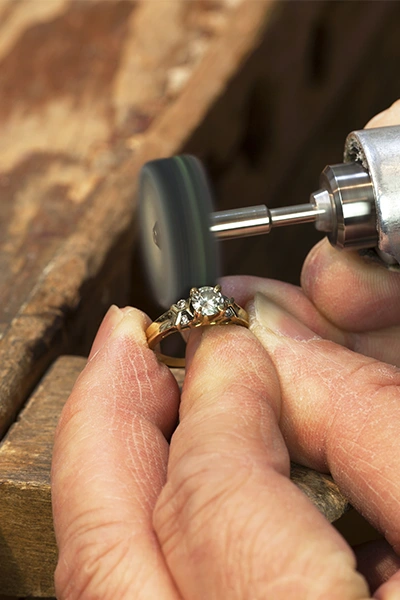
Erzielen Sie hohe Margen mit der kundenspezifischen Schmuckherstellung
Welche Einheit wird zur Messung der PVD-Dicke verwendet??
Die PVD-Dicke hängt bei Funktionsschichten von Mikrometern ab, Nanometer für ultradünne Filme, und mil in nordamerikanischen imperialen Kontexten. Diese Einheiten lassen sich über verschiedene Industriestandards hinweg integrieren.
Wichtige Maßeinheiten für die PVD-Dicke
- Mikrometer (µm) sind der vorherrschende Standard für funktionelle und dekorative PVD-Schichten, oft in Bereichen angegeben wie 1 Zu 10 µm für Hartbeschichtungen.
- Nanometer (nm) werden für ultradünn bevorzugt, optisch, oder Barriere-PVD-Folien, üblicherweise im Bereich von 50–500 nm angegeben.
- Mil (0.001 Zoll) wird in nordamerikanischen Industrien zur Kompatibilität mit imperialen Spezifikationen verwendet, Wo 1 mil ist ungefähr 25.4 µm.
Einheitenverwendung in Spezifikationen und Messsystemen
- Industriestandards und -spezifikationen definieren die PVD-Dicke hauptsächlich in Mikrometern, während Nanometer in hochpräzisen und optischen Anwendungen üblich sind.
- Messwerkzeuge wie Röntgenfluoreszenz (RFA) und Ultraschallmessgeräte geben die Dicke typischerweise in Mikrometern aus, mit Optionen für Nanometer oder Mil, je nach System.
- Wichtige Konvertierungsbeziehungen sind: 1 µm = 1000 nm und 1 mil = 25.4 µm, die dabei helfen, PVD-Dickendaten über verschiedene regionale oder industrielle Standards hinweg zu integrieren.
Wie dick ist die PVD-Beschichtung auf Schmuck??
PVD-Beschichtungen auf Schmuck sind ultradünn, normalerweise im Submikronbereich, bieten aber eine hohe Haltbarkeit. Dies ergibt sich aus der Balance zwischen optimaler Dicke, Materialhärte und starker Haftung.
Gängige PVD-Beschichtungsdicken bei Schmuck
Bei PVD-Beschichtungen auf Schmuck handelt es sich um dünne Schichten, viel dünner als ein menschliches Haar, bieten aber dennoch hervorragenden Schutz und Farbe. Die meisten PVD-Beschichtungen für Schmuck liegen im Submikron- bis Niedrigmikronbereich.
Für Modeschmuck aus Edelstahl für den Massenmarkt, eine Dicke von **0,03–0,08 µm** ist üblich. Diese Serie bewahrt effektiv feine Details wie Gravuren und Mikrotexturen. Es bietet auch eine gute Haftung, Härte, und Duktilität, Leistung und Kosten in Einklang bringen.
Hochwertiger dekorativer Schmuck, einschließlich Mitte- bis hin zu hochwertigem Edelstahl und einigen Uhrenkomponenten, Verwendet typischerweise **0,1–1,0 µm**. Einige Hersteller betrachten auch **≥0,5 µm** als praktisches Minimum für „Gut“ Haltbarkeit im täglichen Tragen. Möglicherweise sehen Sie breitere Bereiche wie **0,25–5 µm** für spezielle Schmuck- oder Uhrenteile, die eine höhere Verschleißfestigkeit erfordern.
Es ist wichtig zu verstehen, dass PVD-Beschichtungen ihre Haltbarkeit durch Härte und molekulare Bindung erreichen, nicht nur reine Dicke. Eine dünne PVD-Schicht übertrifft oft eine viel dickere herkömmliche Vergoldung.
Faktoren, die die Haltbarkeit und Lebensdauer von PVD-Schmuck beeinflussen
Viele Faktoren beeinflussen die Haltbarkeit von PVD-beschichtetem Schmuck. Die Dicke spielt eine Rolle, aber es ist nicht der einzige Faktor. Hier kommt es darauf an:
- Basismetall oder Substrat: 316L Edelstahl ist die bevorzugte Basis. Es ist korrosionsbeständig und verbindet sich gut mit PVD. Ein härterer Untergrund unterstützt dünnere Beschichtungen besser.
- Verschleißbereich und Kontakttyp: Ringe und Armbänder ertragen mehr Reibung. Diese Stücke profitieren von einer dickeren dekorativen PVD-Beschichtung, oft **≥0,1–0,5 µm**. Ohrringe und Anhänger, mit weniger Kontakt, eignen sich gut für dünnere Beschichtungen wie **0,03–0,1 µm**.
- Gewünschte Lebensdauer und Nutzungsbedingungen: Für den Alltag, **0.03–0,08 µm** auf Edelstahl hält oft etwa 2–3 Jahre. Für 3–5+ Jahre, Achten Sie auf **0,1–0,5 µm** und eine gute Prozesskontrolle. Raue Bedingungen wie gechlorte Pools oder schwere Handarbeit verkürzen die Lebensdauer, Egal wie dick.
- Beschichtungsmaterial und Chemie: Verschiedene PVD-Materialien wie TiN, ZrN, oder DLC haben einzigartige Härte- und Spannungsniveaus. Diese Eigenschaften beeinflussen, wie dick die Beschichtung sein kann, ohne dass es zu Rissen kommt.
- Produktionsökonomie: Dickere Beschichtungen bedeuten mehr Material und eine längere Kammerzeit. Hersteller wägen die Kosten mit der angestrebten Lebensdauer ab. Für viele Modelinien aus Edelstahl, Der Bereich **0,03–0,08 µm** ist eine kostengünstige Wahl.
- Adhäsion und innere Spannung: PVD-Bindungen auf molekularer Ebene, sorgt für eine hervorragende Haftung. Zu viel Dicke, obwohl, kann den inneren Stress erhöhen. Dies führt zu Rissen oder Delaminationen, Verringerung der Gesamtausdauer. Dünnschichtbereiche wie **0,03–0,08 µm** sorgen für eine gute Haftungsbalance, Härte, und Duktilität.
- Prozessqualität und -einheitlichkeit: Die Methode und Parameter der Abscheidung, zusammen mit der richtigen Oberflächenvorbereitung, sind entscheidend. Eine gut angewandte, gleichmäßige Beschichtung, auch wenn dünner, schneidet oft besser ab als ein dicker, inkonsistent.
Diese Faktoren bestimmen zusammen, wie lange PVD-Schmuck sein Aussehen und seine Integrität behält. Eine gute PVD-Beschichtungsqualität entsteht durch die Optimierung all dieser Elemente für das spezifische Produkt und seinen Verwendungszweck, nicht nur auf Dicke stapeln.
Bedeutet eine dickere PVD-Beschichtung eine bessere Qualität??

Eine dickere PVD-Beschichtung bedeutet nicht automatisch eine bessere Qualität. Die optimale Dicke ist anwendungsspezifisch, wo eine übermäßige Dicke die Leistung beeinträchtigen oder die Kosten erhöhen kann.
Schlüsselfaktoren, die die PVD-Beschichtungsqualität über die Dicke hinaus bestimmen
Die Leistung einer PVD-Beschichtung hängt von vielen interagierenden Faktoren ab, nicht nur die Dicke. Um eine hochwertige PVD-Beschichtung zu erhalten, Sie müssen mehr berücksichtigen als nur, wie viel Material vorhanden ist.
- Chemie der Beschichtungsstoffe: Die Art des Materials, wie TiN, CrN, oder DLC, bestimmt intrinsische Eigenschaften wie die Härte, Reibung, und Korrosionsbeständigkeit.
- Gleichmäßige Dicke: Eine gleichmäßige Dicke über das gesamte Teil hinweg ist entscheidend. Eine ungleichmäßige Beschichtung kann zu Schwachstellen oder zu dicken Bereichen mit hoher Beanspruchung führen.
- Haftung: Entscheidend ist die Bindung zwischen Beschichtung und Untergrund. Eine starke Bindung verhindert ein Abblättern oder Delaminieren.
- Härte und Zähigkeit: Die Fähigkeit der Beschichtung, Verformungen und Brüchen zu widerstehen, ist für die Haltbarkeit von entscheidender Bedeutung.
- Eigenspannung und Mikrostruktur: Innere Spannungen und die Art und Weise, wie die Atome der Beschichtung angeordnet sind, beeinflussen deren Stabilität und Rissbeständigkeit.
- Untergrundmaterial und Härte: Das darunter liegende Material muss die Beschichtung gut tragen. Eine harte Beschichtung auf einem weichen Untergrund könnte versagen, weil sich der Untergrund verformt.
- Umgebung und Anwendungsfall: Wie das Teil verwendet wird – wie es Korrosion ausgesetzt ist, Abrieb, Auswirkungen, oder hohe Temperaturen – wirkt sich erheblich auf die Leistung der Beschichtung aus.
- Prozesskontrolle: Die präzise Steuerung der Abscheidungsbedingungen gewährleistet eine gleichbleibende Qualität von Charge zu Charge.
Hochwertige Beschichtungen weisen keine Farbunterschiede auf, keine Delamination, und bieten die richtige Härte und Verschleißfestigkeit für die jeweilige Aufgabe. Die Dicke ist nur ein Teil dieser Gleichung.
Optimierung der Dicke: Wenn es hilft, Tut weh, oder ist genau richtig
Beim Finden der richtigen PVD-Beschichtungsdicke kommt es auf die Ausgewogenheit an. Zu wenig, und es scheitert schnell. Zu viel, und Sie stoßen auf neue Probleme. Das Ziel ist die Mindestdicke, die die Leistungsziele erfüllt, ohne neue Probleme zu schaffen.
Eine zunehmende Dicke kann Vorteile bringen, aber nur bis zu einem gewissen Punkt:
- Verbesserte Lebensdauer: Mehr Material bedeutet eine längere Abriebfestigkeit, bevor der Untergrund sichtbar wird. Dies erhöht die Lebensdauer von Werkzeugen oder Komponenten, wenn Adhäsion und Spannung kontrolliert werden.
- Besserer Schutz bei starkem Kontakt: Für Teile unter erheblicher Belastung oder Furchenbildung, dickeres PVD mit hartem Substrat verhindert vorzeitigen Durchbruch.
- Verbesserte Korrosionsbeständigkeit: Eine dichtere, Eine ausreichend dicke Beschichtung mit weniger Defekten verbessert die Barriereeigenschaften gegen Korrosionsangriffe.
- Erfüllt Standards: Einige Luft- und Raumfahrt- und Industriespezifikationen erfordern Mindestdickenklassen, um bestimmte Leistungsziele zu erreichen.
Jedoch, Eine übermäßige Dicke hat klare Nachteile:
- Höherer innerer Stress: PVD-Folien weisen innere Spannungen auf. Wenn sie dicker werden, Diese gespeicherte Energie kann zur Rissbildung führen, Knicken, oder abblättern, Dadurch wird die Beschichtung instabil.
- Reduzierte Haftung: Dick, Stark beanspruchte Filme lösen sich eher von der Oberfläche, insbesondere wenn die Untergrundvorbereitung nicht perfekt war.
- Sprödigkeit an den Kanten: Zu dick, Spröde Beschichtungen können unter Belastung an scharfen Kanten oder Ecken abplatzen.
- Reduzierte Maßgenauigkeit: PVD fügt Material hinzu. Eine zu große Dicke kann zu engen Toleranzen bei Präzisionsteilen oder Schneidwerkzeuggeometrien führen.
- Erhöhte Kosten ohne Nutzen: Dickere Beschichtungen erfordern längere Abscheidungszeiten, mehr Material, und mehr Energie. Jenseits des optimalen Punktes, Diese zusätzlichen Mikrometer bieten keine proportionale Verlängerung der Verschleißlebensdauer, was sie ineffizient macht.
Für die meisten PVD-Beschichtungen, „richtige Dicke für die Anwendung“ Signalqualität, nicht nur maximale Dicke. Eine ordnungsgemäß konstruierte Hartbeschichtung mit 1–5 µm oder eine dekorative Beschichtung mit 0,2–0,5 µm, mit guter Gleichmäßigkeit und Untergrundunterstützung, Erbringt im Allgemeinen eine bessere Leistung als ein dickerer, betont, oder ungleichmäßiger Film.
Welche anderen Faktoren beeinflussen die Leistung der PVD-Beschichtung??
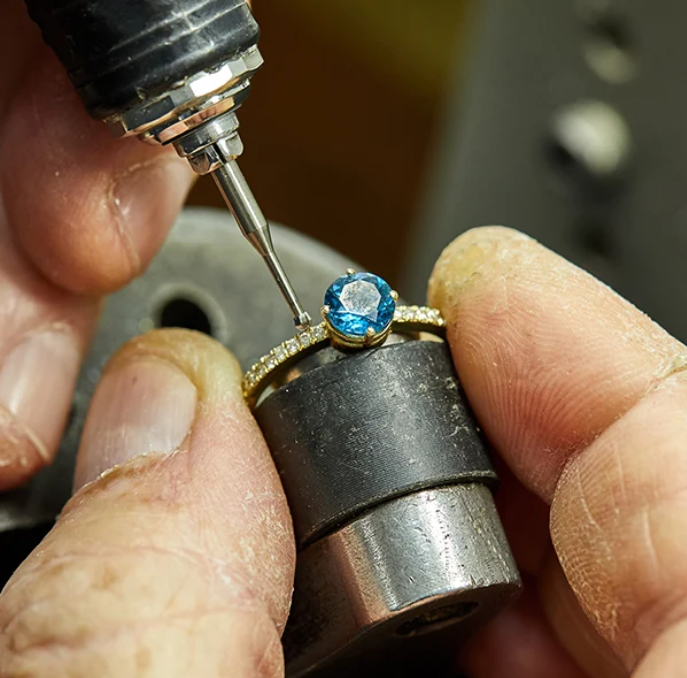
Die Leistung einer PVD-Beschichtung hängt von einer komplexen Materialbalance ab, Substrat, Verarbeitung, und Umweltbedingungen. Die Dicke allein ist nur ein Teil dieses komplexen Systems.
Materialauswahl, Substrateigenschaften, und Verarbeitung
Die Wahl des Beschichtungsmaterialtyps (wie Nitride, Karbide, Oxide) und strukturelle Architektur (mehrschichtig, benotet) definiert intrinsische Eigenschaften wie die Härte, Reibung, und Korrosionsbeständigkeit.
Substrateigenschaften, einschließlich Materialhärte, Oberflächenzustand (Rauheit, Mängel), und Teilegeometrie, die Haftung der Beschichtung erheblich beeinträchtigen, Unterstützung, und Einheitlichkeit.
Gründliche Oberflächenvorbereitung durch Reinigung, mechanische Behandlungen (Schleifen, Polieren), und chemische oder thermochemische Vorbehandlungen (wie Nitrieren) ist entscheidend für optimale Haftung und Lastaufnahme.
Parameter des Abscheidungsprozesses, wie zum Beispiel die Temperatur, Druck, Gaszusammensetzung, Vorspannung, und Plasmaeigenschaften, Bestimmen Sie direkt die Mikrostruktur der Beschichtung, Dichte, und Eigenspannung.
Durch die Optimierung der Beschichtungsdicke werden Verschleißlebensdauer und innere Spannung ausgeglichen. Wärmebehandlungen und Endbearbeitung nach der Abscheidung verbessern die Haftung, Stressabbau, und Oberflächenqualität.
Strenge Qualitätssicherung, inklusive Inspektion und Mängelkontrolle, stellt sicher, dass das beschichtete Bauteil seine vorgesehenen mechanischen und chemischen Eigenschaften erfüllt.
Betriebsumgebung und Anwendungskontext
Mechanische und tribologische Bedingungen, wie hoher Anpressdruck, Auswirkungen, zyklische Belastung, Schmierung, und das Gegenmaterial, haben großen Einfluss auf den Beschichtungsverschleiß und die Ermüdungslebensdauer.
Die Beständigkeit der Beschichtung gegenüber chemischer Einwirkung, einschließlich Feuchtigkeit, Säuren, und Industriechemikalien, ist kritisch, insbesondere hinsichtlich Defekten oder Porosität.
Die Betriebstemperatur beeinflusst die Oxidation, Phasenstabilität, Erweichung des Untergrundes, und Grenzflächendiffusion. Wir benötigen eine Material- und Prozessauswahl, die auf die thermischen Anforderungen der Anwendung zugeschnitten ist.
Verschiedene Anwendungen, wie Schneidwerkzeuge, Luft- und Raumfahrtkomponenten, oder Dekoartikel, verfügen über einzigartige Leistungstreiber. Dies bestimmt die optimale Kombination von Beschichtungseigenschaften und Anwendungsparametern.
Die Gesamtleistung der PVD-Beschichtung resultiert aus dem komplexen Zusammenspiel aller Materialien, Verfahren, und Umweltfaktoren. Dies unterstreicht, dass die Dicke nur ein Element in einem größeren System ist.
Vergleich zwischen PVD-Dicke und Vergoldungsdicke
PVD-Beschichtungen erreichen aufgrund der besseren Bindungs- und Materialeigenschaften eine höhere Haltbarkeit und Härte als Vergoldungen bei ähnlicher oder geringerer Dicke.
Die Dicke der PVD-Beschichtung und der Vergoldung wird jeweils in Mikrometern gemessen (µm). Jedoch, Sie bieten sehr unterschiedliche Haltbarkeit und Leistung. Dies gilt selbst bei vergleichbaren oder stark unterschiedlichen Dicken.
Hier ist ein kurzer Blick auf den Vergleich der beiden:
| Aspekt | PVD auf Schmuck | Konventionelle Vergoldung von Schmuck |
|---|---|---|
| Typische dekorative Dicke | ~0,03–0,08 µm (Mode aus Edelstahl) | 0.5–5 µm typisches galvanisiertes Gold |
| Gängiger Qualitätsbereich | 0.1–1,0 µm dekorativer Schmuck | ~0,5–2 µm auf vielen Kostümteilen |
| Erweiterte Reichweite (High-End) | 0.25–5 µm bei höherem Verschleiß möglich | ≥5 µm für langlebige Galvanisierung |
| Beschichtungshärte (ca.) | ~800–2000 HV dekoratives PVD-Gold | ~100–200 HV-Goldgalvanisierung |
| Relative Haltbarkeit | PVD im Submikrometerbereich entspricht oder übertrifft aufgrund der Härte und Haftung die Haltbarkeit dicker Beschichtungen | Erfordert eine höhere Dicke, um eine ähnliche Lebensdauer zu erreichen |
Dicke-Leistungs-Beziehung
PVD und Vergoldung erreichen die Haltbarkeit auf unterschiedliche Weise. PVD-Beschichtungen sind typischerweise viel härter als herkömmliche Vergoldungen. PVD-Materialien erreichen Härtegrade von 1500 Zu 4500 HV. Im Gegensatz, Die herkömmliche Weichvergoldung liegt in der Regel dazwischen 100 Und 200 HV.
Dieser Härteunterschied bedeutet eine sehr dünne PVD-Schicht, um 0.05 µm, kann eine weiche Goldbeschichtung übertreffen 50 mal dicker (um 2.5 µm) in der Kratzfestigkeit. PVD-Schichten zeigen im Allgemeinen 3 Zu 5 Mal höhere Oberflächenhärte als galvanisiertes Gold. Dies führt zu einer besseren Verschleißfestigkeit, auch bei viel dünneren Schichten.
Für dekorativen PVD-Schmuck, Schichten aus 0.03 Zu 0.08 µm sind für den täglichen Gebrauch wirksam. Sie halten oft jahrelang, ohne dass es zu einer merklichen Verschlechterung kommt. Vergoldung, obwohl, benötigt oft deutlich mehr Dicke, manchmal bis zu 2.5 µm oder mehr, nur um eine vergleichbare Verschleißfestigkeit zu erreichen. Dies liegt daran, dass die Haltbarkeit der Vergoldung weitgehend von der Menge an weicherem Metall abhängt.
PVD-Beschichtungen bilden eine dichte, molekular gebundene Schicht. Diese Bindung ermöglicht es ihnen, auch bei geringen Dicken Verschleiß und Korrosion effizient zu widerstehen. Vergoldung, ein nasser elektrochemischer Prozess, Oft entstehen Schichten, die poröser oder weniger dicht sind. Dies macht die Vergoldung anfälliger für Verschleiß und Korrosion, sofern sie nicht in sehr dicken Schichten aufgetragen wird.
Sowohl für PVD als auch für Vergoldung, Zu dicke Schichten können zu Problemen führen. Für PVD, Hohe innere Spannungen können die Beschichtung spröde machen, was zu Rissen oder Delaminationen führen kann. Zum Vergolden, Sehr dicke Schichten erhöhen die Materialkosten und können feine Details weicher machen. Egal, Selbst dickes Gold bleibt weicher und anfälliger für mechanischen Verschleiß als viel dünneres PVD.
Verfahren, Ästhetik, und Anwendungsrichtlinien
Bei PVD-Beschichtungen kommt ein Trockenvakuumverfahren zum Einsatz. Metall verdampft und lagert sich auf dem Substrat ab. Dadurch entsteht eine dichte, kristallin, metallurgisch gebundene Schicht. Dieser Prozess liefert eine höhere Härte, stärkere Haftung, und überlegene Verschleiß- und Korrosionsbeständigkeit, auch bei dünnen Schichten.
Beim Vergolden kommt ein nasselektrochemischer Prozess zum Einsatz. Teile werden in Goldionenbäder getaucht, und Gleichstrom treibt die Abscheidung an. Dies ermöglicht eine präzise Dickenkontrolle bei komplexen Formen. Jedoch, Die resultierende Beschichtung ist weicher und duktiler.
Für Ästhetik, Die geringe Dicke von PVD ist ein großer Vorteil. Bei 0.03 Zu 0.08 µm, PVD-Beschichtungen folgen allen Mikrodetails einer Schmuckoberfläche. Sie bewahren Gravuren und Texturen, ohne Kanten weicher zu machen oder Designs zu verwischen. Dies ist entscheidend für detailreiche Stücke. Dickere PVD-Schichten, oder Vergoldung, Es besteht die Gefahr, dass Details abgerundet und Texturen gedämpft werden. Dies verringert die wahrgenommene Qualität.
PVD-Beschichtungen bieten Farbechtheit und Anlaufbeständigkeit. Auf Edelstahl, optimierte dünne PVD-Schichten aus 0.03 Zu 0.08 µm sorgen für eine stabile Farbe, die dem typischen täglichen Verschleiß standhält 2 Zu 5 Jahre oder mehr. Für die Vergoldung sind häufig dickere Schichten erforderlich, nur um die optische und Korrosionsbeständigkeit aufrechtzuerhalten.
Bei der Wahl zwischen PVD und Vergoldung:
- Für stark beanspruchten Schmuck und Uhren, PVD priorisieren. Es ist 0.03 Zu 0.08 µm-Schichten sorgen für Kratzfestigkeit, langfristige Farbstabilität, und Feuchtigkeitsbeständigkeit auf Edelstahl.
- Für traditionellen Schmuck, wo a „echtes Gold“ Das Aussehen ist entscheidend, und es ist mit weniger häufigem Verschleiß zu rechnen, Vergoldung (typischerweise 0.5 Zu 2.5+ µm für Haltbarkeit) bleibt eine Wahl.
- Für elektronische oder medizinische Komponenten, Die Vergoldung ist entscheidend für die elektrische Leitfähigkeit und Biokompatibilität. Hier, Die Dicke ist auf die Funktion abgestimmt, keine Verschleißfestigkeit.
PVD’s high hardness and dense structure ensure effective wear resistance is less dependent on sheer thickness than gold plating. Die Haltbarkeit der Vergoldung nimmt mit der Dicke zu, Aber selbst dickes Gold bleibt weicher und weniger kratzfest als viel dünneres PVD. Dies bedeutet, dass PVD eine längere Lebensdauer bietet, ästhetisch, and often more cost-effective solution for many applications.
Wie steuern Hersteller die Dicke der PVD-Beschichtung??
Manufacturers control PVD coating thickness by precisely regulating deposition parameters, Substratbewegung, Kammerbedingungen, und Verwendung der Echtzeitüberwachung zur Überprüfung.
Precision Control Through Process Parameters and Real-time Monitoring
- Abscheidungszeit und Leistungseinstellungen regulieren die Wachstumsrate der Beschichtung.
- Gasfluss, Kammerdruck, und die Substrattemperatur beeinflussen die Plasmabedingungen und Filmeigenschaften.
- Substratbewegung (Drehung, Schwingung, Planetenbewegung) improves thickness uniformity across complex shapes.
- Vorrichtungsdesign und Quellenplatzierung sorgen für eine gleichmäßige Materialverteilung, Schattenbildung vermeiden.
- Echtzeit-Überwachungssysteme, einschließlich Quarzkristall-Mikrowaagen (QCM) und optische Reflektometrie, Verfolgen Sie den Ablagerungsfortschritt.
- Regelsysteme mit geschlossenem Regelkreis passen die Prozessvariablen automatisch an, wenn die Dicke vom Ziel abweicht.
- Methoden zur Überprüfung nach der Ablagerung, wie Kalo-Tester und Röntgenfluoreszenz (RFA), Bestätigen Sie die endgültige Dicke der Teile oder Testproben.
Gewährleistung der Einheitlichkeit und Überwindung von Prozessvariationen
- Hersteller streben eine gleichmäßige Dicke an, wird oft als prozentuale Variation über die beschichtete Fläche gemessen.
- Typische Gleichmäßigkeitsziele variieren je nach Anwendung erheblich, Von engen Toleranzen für optische Beschichtungen bis hin zu breiteren Bereichen für dekoratives PVD.
- Zu den Faktoren, die zu Dickenschwankungen führen, gehört die Teilegeometrie, schlechter Abstand, Instabilität der Stromquelle, und Kammerdruckänderungen.
- Durch die Kontrolle der Dicke werden Eigenschaften wie Verschleißfestigkeit gewährleistet, Aussehen, und Haftung erfüllen anwendungsspezifische Anforderungen.
- Die optimale Dicke stellt oft ein Gleichgewicht zwischen Leistung dar, Zykluszeit, und Kosten.
- Das praktische Kontrollziel besteht darin, die Beschichtungsdicke innerhalb eines festgelegten Prozessfensters zu halten, um eine zuverlässige Endanwendungsleistung zu gewährleisten.
Wie wirkt sich die Dicke auf die Haltbarkeit von Schmuck aus??
Die Haltbarkeit von Schmuck hängt von der optimalen PVD-Dicke ab, Ausgleich der mechanischen Festigkeit, Haftung, und Ästhetik. Zu viel oder zu wenig Dicke verursacht Probleme.
Thickness’s Role in Mechanical Strength and Aesthetic Appeal
PVD coating thickness influences jewelry durability, Beeinträchtigung der Verschleißfestigkeit, Farbstabilität, Haftung, und Flexibilität. Die Dicke muss optimiert werden, keine Maximierung.
Mechanische Leistung
PVD coatings are significantly harder than traditional gold or rhodium electroplating, erreicht oft 800–2000 HV, im Vergleich zu 100–200 HV für die Vergoldung. Im Schmuckmaßstab, coating density and adhesion contribute more to scratch resistance than sheer thickness. Das dichte, gut verbunden 0.05 Eine PVD-Schicht im µm-Bereich kann eine weiche Goldbeschichtung übertreffen 50 mal dicker in der Kratzfestigkeit.
Excessive thickness on jewelry introduces internal stress, Verringerung der Duktilität und Erhöhung der Mikrorissbildung, Kantenabplatzer, oder Delaminationsrisiken beim Biegen oder Aufprall. The 0.03–0.08 µm range offers a good balance of adhesion, Duktilität, und Härte. Darüber hinaus, Zusätzliches Volumen kann die Ausdauer verringern.
Schmuckstücke wie Ringe, Ketten, Verschlüsse, und Armreifen erfahren Mikrobiegung und Torsion. Eine zu dicke und steife Beschichtung passt sich möglicherweise nicht dem Grundmetall an. Dadurch erhöht sich die Gefahr von Haarrissen und örtlicher Abplatzung an Ecken oder Gelenkpunkten. Dünn, Dichte Filme im Bereich von mehreren zehn Nanometern bis zu wenigen Zehntel Mikrometern sind besser für Mikrobiegungen geeignet, Verbesserung der Haltbarkeit.
Ästhetische Anziehungskraft
PVD-Beschichtungen werden wegen ihrer Farbechtheit und Anlaufbeständigkeit geschätzt, vor allem auf Edelstahl. Die Dicke hat direkten Einfluss darauf, wie lange die Farbe unter Abrieb gleichmäßig bleibt.
- Zu dünn: An Kontaktstellen nutzt sich die Farbe schneller ab, Freilegen des Grundmetalls.
- Optimierte Dicke (Z.B., 0.03–0,08 µm auf Edelstahl): Bietet eine langanhaltende Wirkung, Stabile Farbe, die dem typischen täglichen Verschleiß standhält. Dieses optimierte Dünnschichtsortiment behält die Farbe oft für mehr als 2–5 Jahre.
Feine Gravuren, Micro-Pad-Einstellungen, und strukturierte Oberflächen reagieren empfindlich auf zu dicke Beschichtungen. Filme im Bereich von 0,03–0,08 µm folgen allen Mikrodetails der Schmuckoberfläche, Kanten werden nicht aufgeweicht und Gravuren werden nicht ausgefüllt. Bei dickeren Folien besteht die Gefahr, dass Details abgerundet werden, mildernde Facetten, und gedämpfte klare Texturen, die wahrgenommene Qualität verringert.
Das optische Erscheinungsbild hängt stärker vom Beschichtungsmaterial ab, Poliergrad des Substrats, und Prozesskontrolle (Gasmischung, Voreingenommenheit, Temperatur) als streng auf die Schichtdicke. Zu dicke dekorative Beschichtungen können matt oder trüb erscheinen, wenn sie die Topographie der darunter liegenden Oberfläche verändern oder spannungsbedingte Mikrodefekte verursachen.
Praktische Richtlinien für eine optimale PVD-Dicke
Die optimale PVD-Dicke für Schmuck ist anwendungsabhängig. Es stellt die Mindestdicke dar, die den Leistungsanforderungen entspricht, ohne die Haftung zu beeinträchtigen, zunehmender Stress, oder Maßtoleranzen verletzen. Mehrere Faktoren bestimmen diesen optimalen Bereich.
Faktoren für die optimale Dickenauswahl
- Grundmetall / Substrat: 316L-Edelstahl wird aufgrund seiner Korrosionsbeständigkeit und guten Haftung oft als die beste Basis für PVD-Schmuck angesehen. Härtere Substrate ermöglichen eine gute Leistung dünnerer Beschichtungen.
- Verschleißbereich und Kontakttyp: Teile mit hohem Kontakt (Ringe, Armbänder) Profitieren Sie von einer dickeren dekorativen PVD-Beschichtung (oft ≥0,1–0,5 µm). Artikel mit geringem Kontakt (Ohrringe, Anhänger) sind mit 0,03–0,1 µm dicken Beschichtungen geschützt.
- Gewünschte Lebensdauer und Nutzungsbedingungen: Für den Alltag, 0.03–0,08 µm auf Edelstahl reichen typischerweise für 2–3 Jahre. Für 3–5+ Jahre, 0.1–0,5 µm und mehr sind üblich. Raue Bedingungen erfordern möglicherweise dickere Beschichtungen im dekorativen Bereich.
- Farbe und Beschichtungsmaterial: Materialien wie TiN, ZrN, TiCN, und DLC haben unterschiedliche Härte- und Spannungsniveaus, Einfluss darauf, wie dick sie aufgetragen werden können, ohne dass Risse entstehen.
- Produktionsökonomie: Ultradünne Schichten bieten im Vergleich zur herkömmlichen Beschichtung eine deutliche Verbesserung der Kratz- und Korrosionsbeständigkeit. Dickere Schichten rechtfertigen möglicherweise nicht die Mehrkosten für Modeschmuck mittlerer Preisklasse.
- Prozessqualität und -einheitlichkeit: Eine gute Prozesskontrolle sorgt für Gleichmäßigkeit, dicht, gut haftende Filme. Gleichmäßigkeit ist ebenso wichtig wie die durchschnittliche Dicke, speziell für dekorative Oberflächen.
Allgemeine Dickenrichtlinien für die Haltbarkeit von Schmuck
- Edelstahlschmuck für den Massenmarkt: Erwarten Sie eine PVD-Dicke von etwa 0,03–0,08 µm. Dies ist ein wirksamer Standard für ein akzeptables Aussehen für 1–3 Jahre.
- Hochwertige Schmuck- und Uhrenkomponenten: Verwenden Sie typischerweise 0,1–1,0 µm dekoratives PVD. Diese halten bei täglichem Tragen oft 3–5+ Jahre.
- Hochwertiger PVD-Schmuck für eine lange Lebensdauer: Für maximale Verschleißfestigkeit sind Dicken um 0,25–5 µm möglich, beim täglichen Tragen liegen sie jedoch oft näher bei 0,5–1,0 µm. Diese können 5–10 Jahre dauern.
- Gehen Sie nicht automatisch davon aus „dicker ist besser“: Zu dickes PVD kann die Sprödigkeit und Spannung erhöhen, Möglicherweise verringert sich die Haltbarkeit, anstatt sie zu verbessern. Ziel ist eine optimale Dünnschichtdicke.
- Priorisieren Sie die Gesamtqualität: Substratwahl (Z.B., 316L Edelstahl), Beschichtungsmaterial, präzise Prozesskontrolle, und die richtigen Pflegehinweise haben großen Einfluss auf die Leistung, über die reine Dicke hinaus.
Häufig gestellte Fragen
Wie dick ist die PVD-Beschichtung auf Schmuck??
PVD-Beschichtungen auf Schmuck werden üblicherweise in Bruchteilen eines Mikrometers gemessen, nicht volle Mikrometer. Übliche dekorative Dicken liegen bei etwa 0,03–0,08 µm und 0,1–1,0 µm. Eine breitere Branchenbeschreibung für Gold-PVD kann 1–10 µm sein, obwohl dies oft auch industrielle Anwendungen einschließt. PVD-Schmuckbeschichtungen sind viel dünner als herkömmliche Vergoldungen (0.5–5 µm) sind jedoch aufgrund der atomaren Bindung und der harten Beschichtungsmaterialien äußerst langlebig. Die Haltbarkeit hängt vom Grundmetall ab, Gleichmäßigkeit der Beschichtung, und Verschleißbedingungen. Für hochwertigen PVD-Schmuck, mindestens 0.5 µm wird oft als praktisches Minimum für die Haltbarkeit angesehen, während ultradünne PVD (<0.1 µm) bewahrt feine Details.
Was ist die ideale PVD-Beschichtungsdicke??
Die ideale PVD-Beschichtungsdicke ist die Mindestdicke, mit der die erforderliche Leistung erzielt wird (tragen, Korrosion, Farbe, usw.) ohne Beeinträchtigung der Haftung oder Maßtoleranzen. Es ist anwendungsabhängig. Für Dekorationsartikel, 0.30–1,0 µm ist typisch, bei Schmuck oft im Bereich von 0,03–0,10 µm. Funktionelle Beschichtungen wie bei Schneidwerkzeugen sind in der Regel 2,0–5,0 µm dick, Die Luft- und Raumfahrtstandards erreichen für bestimmte Klassen 1,27–12,70 µm. Dickere Beschichtungen verbessern im Allgemeinen die Verschleißfestigkeit, müssen jedoch optimiert werden, um Probleme wie innere Spannungen zu vermeiden, knacken, oder Delamination.
Ist eine dickere PVD-Beschichtung immer besser??
NEIN, Eine dickere PVD-Beschichtung ist nicht immer besser. Während eine erhöhte Dicke die Verschleißfestigkeit bis zu einem optimalen Bereich verbessern kann, Eine Überschreitung dieses Bereichs kann die Haftung verringern, erhöhen den inneren Stress, und erhöhen das Risiko des Abblätterns oder Abblätterns. PVD-Prozesse optimieren für dünne, dicht, gut verklebte Folien. Für Schmuck, 0.03–0,08 µm reicht für den täglichen Gebrauch, und weit darüber hinausgehen 0.1 µm können zu Haftungsproblemen führen, ohne dass sich die Haltbarkeit proportional erhöht. Für jede Anwendung gibt es ein optimales Dickenfenster, um die Haltbarkeit auszugleichen, kosten, und Beschichtungsintegrität.
Wie wird die PVD-Dicke gemessen??
Die Dicke der PVD-Beschichtung wird mithilfe beider Prozesse gemessen (Echtzeit) und Nachbearbeitung (offline) Methoden. Zu den destruktiven Techniken gehört die Querschnittsmikroskopie, sphärischer Mikroabrieb (Kugelkraterbildung), und die Schrägschnittmethode, Wird häufig zur Kalibrierung und detaillierten Analyse verwendet. Zerstörungsfreie Methoden, Wird häufig zur Qualitätskontrolle eingesetzt, umfassen Röntgenfluoreszenz (RFA), magnetische Induktion, Wirbelstrom, und Ultraschallmessung. Die Echtzeitüberwachung innerhalb der PVD-Kammer nutzt Techniken wie Quarzkristall-Mikrowaage (QCM), optische Interferometrie, Spektroskopische Reflektometrie, und spektroskopische Ellipsometrie zur Kontrolle der Abscheidung und Gewährleistung der Gleichmäßigkeit der Dicke.
Welche Einheit wird für die Dicke der PVD-Beschichtung verwendet??
Die gebräuchlichste Einheit für die PVD-Beschichtungsdicke ist Mikrometer (µm), auch als Mikrometer bekannt. Es werden auch andere Einheiten verwendet, insbesondere in bestimmten Branchen:
- Millimeter (mm), Wo 1 mm = 1000 µm.
- Zoll (In) Und Mil (du), Wo 1 mil = 0.001 Zoll = 25.4 µm.
- Mikrozoll (µin), Wo 1 µm ≈ 39.37 Mikrozoll.
Mikrometer dienen als primäre Referenzskala in der modernen PVD-Beschichtungstechnik und -standards, wobei Ingenieure für verschiedene Dokumentationen und Anwendungen häufig auf andere Einheiten umsteigen.
Wie viele Mikrometer sind für PVD-Schmuck geeignet??
Für die meisten PVD-beschichteten Schmuckstücke, eine Dicke von 0.03–0,08 Mikrometer (µm) auf Edelstahl gilt als gut und effizient für dekorative Zwecke, Ein ausgewogenes Verhältnis von Haltbarkeit und Kosten unter Beibehaltung feiner Details. Für höhere Haltbarkeit oder Premium-Kollektionen, 0.1–0,3 µm wird oft ins Visier genommen, Bietet verbesserte Verschleißfestigkeit und Farbbeständigkeit. Einige Premium-Marken können bis zu verbrauchen ~2 µm für „extrem langlebig“ Marketing, insbesondere bei starren Gegenständen, Dies erfordert jedoch eine präzise Prozesssteuerung zur Stressbewältigung. Die hohe Härte von PVD bedeutet, dass selbst dünne Schichten im Vergleich zu viel dickeren herkömmlichen Vergoldungen eine überlegene Haltbarkeit bieten können.
Beeinflusst die Beschichtungsdicke die Haltbarkeit??
Ja, Die Dicke der PVD-Beschichtung beeinflusst die Haltbarkeit, aber es ist nicht einfach „dicker ist immer besser“ Regel. Allgemein, Eine erhöhte Dicke verbessert die Verschleißfestigkeit, da mehr Material vor dem Durchverschleiß bereitgestellt wird. Jedoch, über einen optimalen Bereich für eine bestimmte Anwendung hinaus, Eine übermäßige Dicke kann die mechanischen Eigenschaften beeinträchtigen, erhöhen den inneren Stress, und zu Problemen wie verminderter Haftung führen, knacken, oder Peeling. Dünne PVD-Beschichtungen können dennoch sehr langlebig sein, wenn sie richtig für die Belastung ausgelegt sind, Umfeld, und Substrat, Nutzung der inhärenten Härte und starken Bindung von PVD. Eine optimale Haltbarkeit wird durch den Ausgleich der Dicke mit anderen Faktoren wie der Härte erreicht, Haftung, und Grundmetallvorbereitung.
Erhöht eine dickere Beschichtung die Qualität des Schmucks??
Eine dickere PVD-Beschichtung erhöht nicht automatisch die Qualität des Schmucks. Während eine zunehmende Dicke im Allgemeinen die Beständigkeit gegen Abnutzung und Korrosion verbessert, Verlängerung der Lebensdauer und Farbstabilität bis zu einem optimalen Punkt, Eine Überschreitung kann sich negativ auf die Qualität auswirken. Eine zu hohe Dicke kann zum Verlust feiner ästhetischer Details durch unscharfe Gravuren führen, erhöhen den inneren Stress, und erhöhen das Risiko von Rissen oder Delaminationen. Die hohe Härte und die dichte Mikrostruktur von PVD ermöglichen auch dünne Beschichtungen (Z.B., 0.03–0,08 µm) um eine erhebliche Haltbarkeit zu bieten. Eine optimale Schmuckqualität wird durch sorgfältige Auswahl der Dicke entsprechend den Designanforderungen erreicht, Substrat, und Verschleißbedingungen, anstatt es wahllos zu maximieren.
Kann eine dünne PVD-Beschichtung trotzdem haltbar sein??
Ja, Dünne PVD-Beschichtungen können sehr langlebig sein. Haltbarkeit wird durch die inhärente hohe Härte und Verschleißfestigkeit von PVD-Materialien erreicht (wie Nitride und Karbide), starke atomare Bindung zum Substrat, niedriger Reibungskoeffizient, und wirksame Barriereeigenschaften gegen Korrosion, selbst bei Dicken im Bereich von 0,1–2 µm. Für Anwendungen mit leichtem bis mittlerem Verschleiß, wie z.B. Elektronik, dekorative Hardware, und Präzisionskomponenten, Dünne PVD-Beschichtungen können die Lebensdauer bei minimaler Dimensionsbeeinträchtigung erheblich verlängern. Der Schlüssel liegt in der richtigen Technik, passend zum Beschichtungssystem, Substrat, und Dicke an die Last- und Umgebungsbedingungen der jeweiligen Anwendung anpassen.
Was ist der Unterschied zwischen PVD-Dicke und Beschichtungsdicke??
Die Dicke der PVD-Beschichtung unterscheidet sich in mehreren wesentlichen Punkten von der Dicke der herkömmlichen Beschichtung, auch wenn es in Mikrometern gemessen wird (µm):
- Dickenbereiche: Die dekorative PVD beträgt oft 0,03–1,0 µm, während die funktionelle PVD 2,0–10 µm betragen kann. Die dekorative Beschichtung reicht von 0,05–5 µm. PVD kann dünner sein und dennoch die Beschichtung übertreffen.
- Struktur & Bindung: PVD bildet eine dichte, kompakt, atomar gebundene Schicht im Vakuum. Überzug, in ein Nassbad eingelegt, kann poröser und weniger anhaftend sein, mehr auf mechanische/elektrochemische Bindungen setzen.
- Härte & Tragen: PVD bietet eine deutlich höhere Härte (Z.B., 800–2000 HV) und überlegene Verschleißfestigkeit, Dadurch übertreffen dünnere PVD-Schichten viel dickere, weichere plattierte Schichten (Z.B., 50–100 HV für Weichgold).
- Korrosionsbeständigkeit: Dichte PVD-Schichten sind bereits bei geringen Schichtdicken wirksame Barriereschichten. Aufgrund der inhärenten Porosität oder des weicheren Materials erfordert die Beschichtung häufig eine größere Dicke für einen vergleichbaren Korrosionsschutz.
Letztlich, Aufgrund der hervorragenden Materialeigenschaften und Bindung von PVD ist seine Dicke ein Maß für die hohe Leistung, haltbare Schicht, wohingegen die Beschichtungsdicke häufig mit dem schieren Volumen eines weicheren Metalls korreliert, das zum Erreichen eines ähnlichen Ergebnisses erforderlich ist, wenn auch oft minderwertig, Leistung.
Wie testen Hersteller die Schichtdicke??
Hersteller testen die Dicke der PVD-Beschichtung mit einer Kombination aus zerstörungsfreien und zerstörenden Methoden. Zu den zerstörungsfreien Techniken zur schnellen Qualitätskontrolle gehört die Röntgenfluoreszenz (RFA) für metallische Beschichtungen, Magnetische Induktionsmessgeräte für Beschichtungen auf eisenhaltigen Substraten, und Wirbelstrommessgeräte für Beschichtungen auf nichtmagnetischen Metallen. Destruktive oder semidestruktive Methoden, zur Kalibrierung verwendet, R&D, und detaillierte Analyse, umfassen Querschnittsmikroskopie (Schneiden, Polieren, und unter dem Mikroskop betrachten), sphärischer Mikroabrieb (Kugelkraterbildung), Schrägschnittmethode, und Tooke Gage (Instrumente mit Rillenschliff). Diese Methoden sind integriert, um eine umfassende Dickenkontrolle und -überprüfung während des gesamten PVD-Beschichtungsprozesses zu ermöglichen.
Welche Beschichtungsdicke sollten Marken von Lieferanten verlangen??
Marken sollten die Dicke der PVD-Beschichtung basierend auf der spezifischen Anwendung des Produkts anfordern, Substrat, gewünschten Preispunkt, und Garantieerwartungen, Angabe von a Nenndicke und ein akzeptable Toleranz/Gleichmäßigkeit in µm oder nm:
- Für Mode-/Mid-Market-Schmuck: 0.03–0,08 µm auf Edelstahl.
- Für Premium-/Luxusschmuck: 0.08–0,10 µm.
- Für allgemeine Dekorationsartikel (Z.B., Hardware, Uhren): Typischerweise 0.25–1,0 µm, je nach Trageerwartung und Positionierung.
- Für Hart-/Funktionsbeschichtungen (Z.B., Schneidwerkzeuge): Allgemein 2–5 µm, oder nach spezifischen Standards wie AMS 2444A (1.27–12,70 µm-Klassen).
Über die Dicke hinaus, Marken müssen Einheitlichkeitsanforderungen festlegen (Z.B., ±10 % für dekorative Zwecke, ±5 % für funktionsfähig), die Messmethode (Z.B., RFA gemäß ASTM B568), und die Leistungserwartungen klar formulieren (Z.B., tragen, Korrosionsbeständigkeit) auf die gewünschte Dicke gebunden. Das Vermeiden übermäßiger Dicke ist von entscheidender Bedeutung, um interne Spannungen und mögliche Qualitätsminderungen zu vermeiden.
Letzte Gedanken
Die Entscheidung für PVD allein aufgrund der maximalen Dicke oder der niedrigsten Kosten birgt ein erhebliches Risiko für Sie Produktqualität und Markenintegrität. Unsere Analyse bestätigt die optimierte PVD-Dicke, für jede Anwendung fein abgestimmt, bietet überragende Haltbarkeit und ästhetische Leistung.
Geben Sie sich nicht mit Vermutungen zufrieden, wenn es um Ihre PVD-Qualität geht. Wir laden Sie ein, den Unterschied aus erster Hand zu erleben, indem Sie Muster anfordern, die auf Ihre Produktspezifikationen zugeschnitten sind. Kontaktieren Sie unser Team um Ihre spezifischen Schmucklinien zu besprechen und herauszufinden, wie unsere optimierten PVD-Lösungen Ihr Angebot verbessern können.