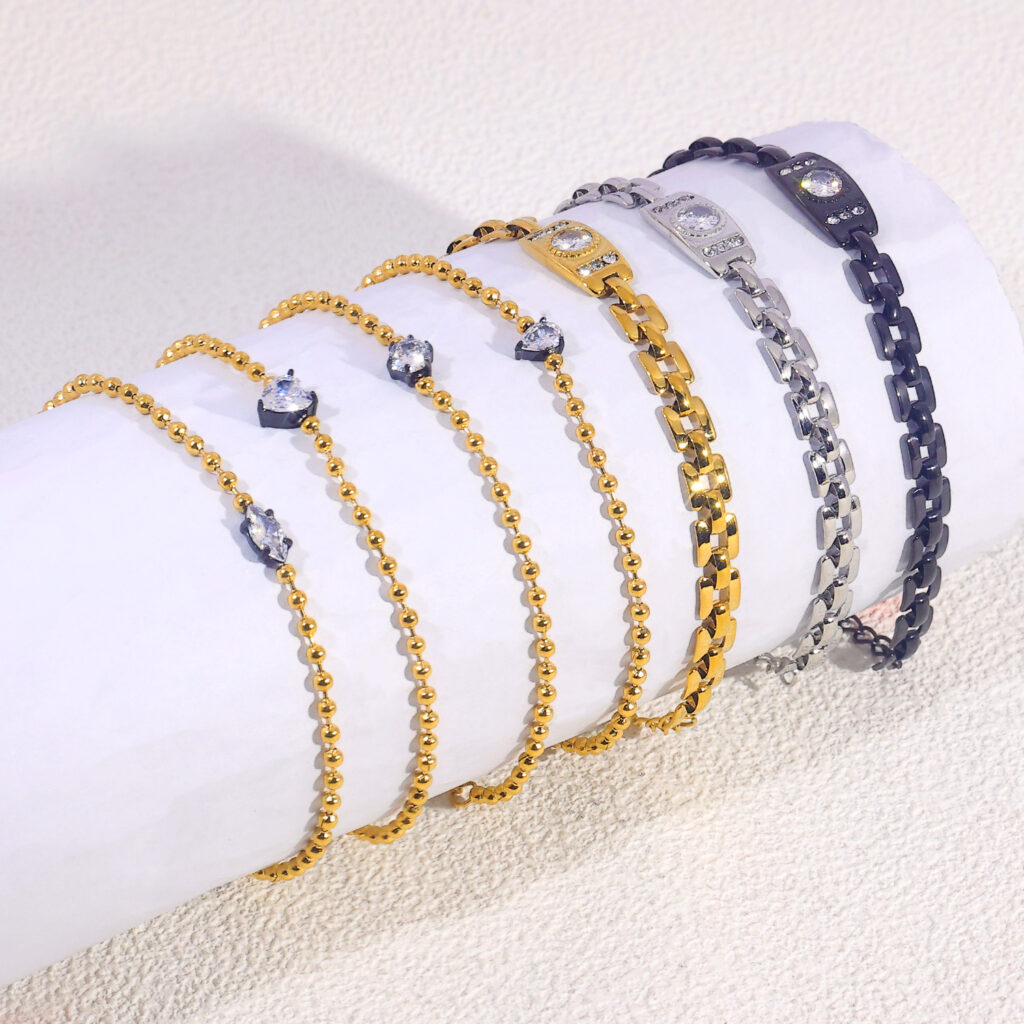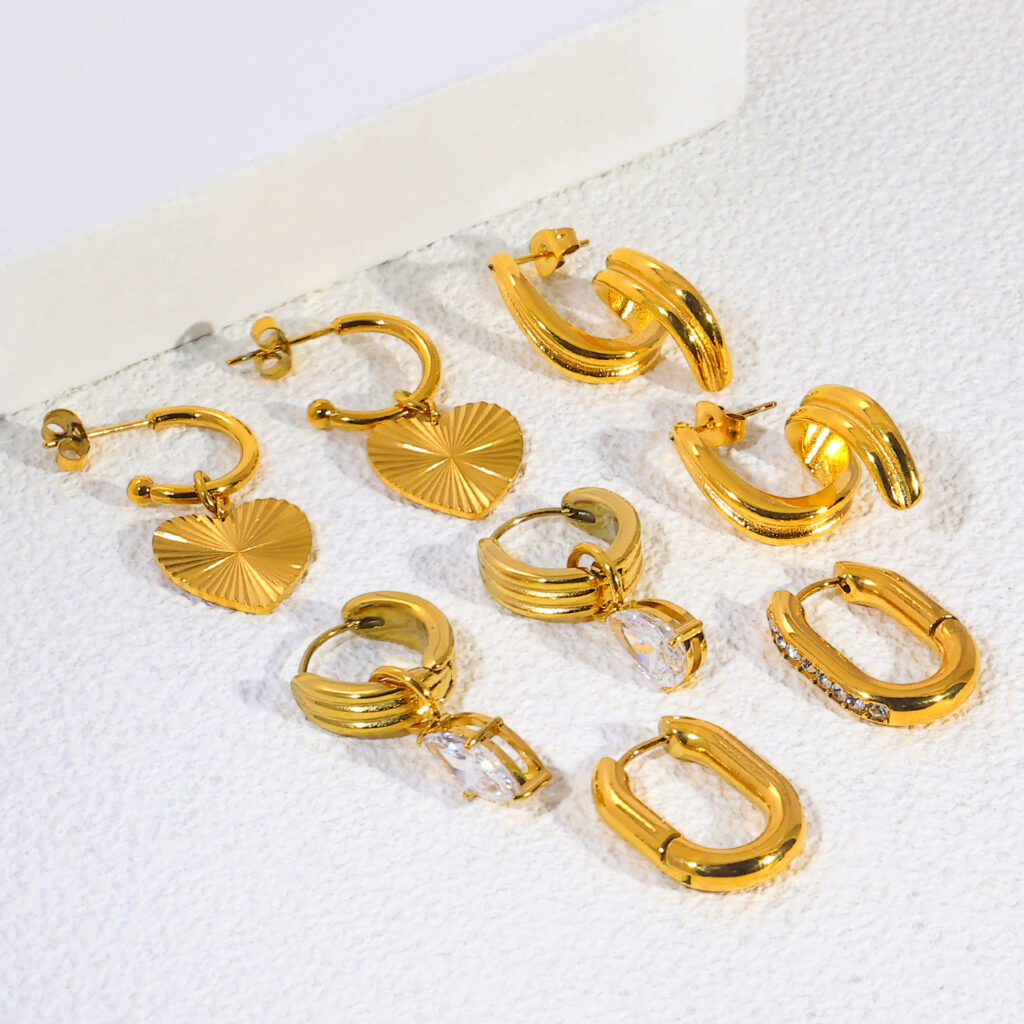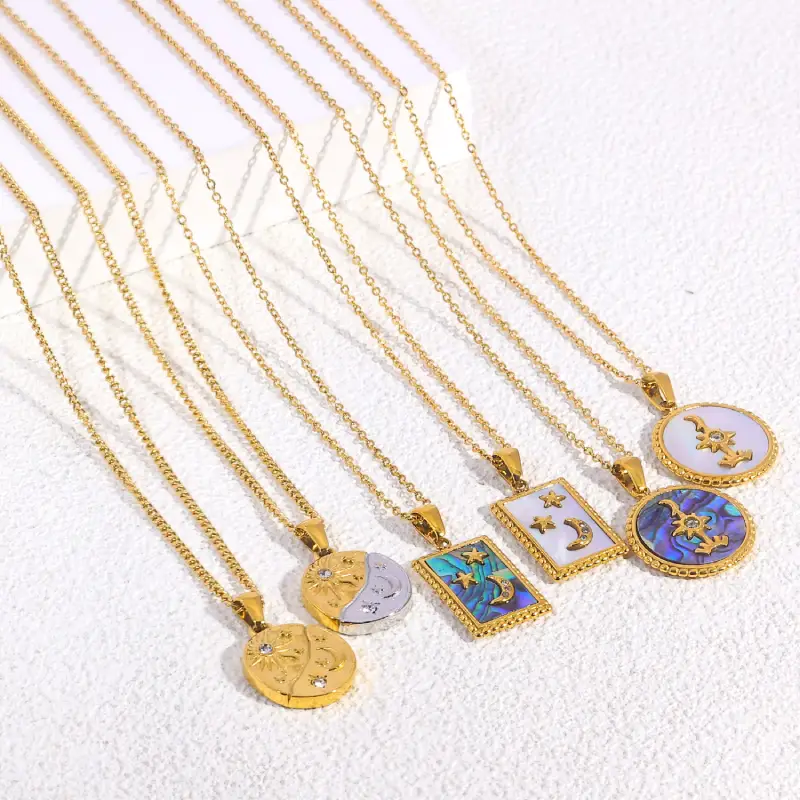
Les bijoux PVD ternissent-ils? Pour les marques et vendeurs de bijoux, un malentendu risque d'augmenter les réclamations au titre de la garantie et d'éroder la confiance des clients., impactant directement votre marge.
Nous avons analysé la technologie de revêtement PVD, comparant sa liaison moléculaire et ses métaux de base résistants à la corrosion au placage traditionnel. Le PVD offre une résistance au ternissement de plusieurs années, se présenter à 10 durabilité multipliée par les tests d'usure, assurer une apparence cohérente pour 2 à 10 années.
Les bijoux PVD ternissent-ils ou changent-ils de couleur ??
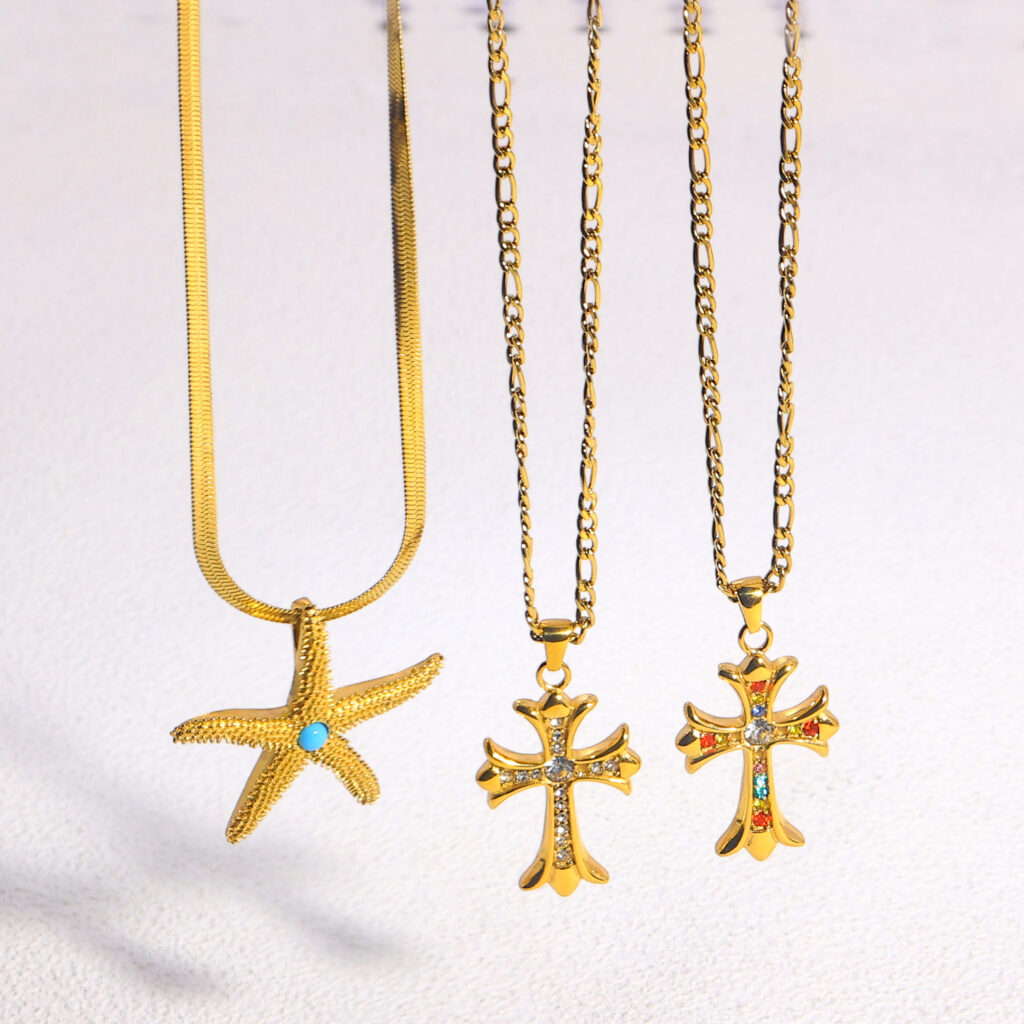
Les bijoux PVD offrent une haute résistance au ternissement et à la décoloration. C'est dense, le revêtement à liaison moléculaire sur les métaux de base résistants à la corrosion lui confère une belle apparence pendant des années.
Bijoux PVD’s Résistance au ternissement et à la décoloration
PVD (Le dépôt physique en phase vapeur) les bijoux se distinguent par leur forte résistance au ternissement et la stabilité de leurs couleurs. Par rapport aux pièces électrolytiques traditionnelles, Les couches PVD durent plus longtemps avant de montrer une quelconque usure. Cette résilience vient de la manière dont les revêtements PVD sont fabriqués et des matériaux utilisés.
Le procédé PVD utilise une chambre à vide. Là, les métaux comme l'or ou le titane se vaporisent et se déposent atome par atome sur un métal de base, généralement en acier inoxydable ou en titane. Cela crée un lien moléculaire. Cette liaison rend le revêtement plus dur, plus dense, et plus collant que la galvanoplastie standard en bain liquide. Combiner une base chimiquement stable, comme l'acier inoxydable ou le titane, avec ce revêtement à liaison moléculaire, les bijoux PVD résistent bien mieux au ternissement et au changement de couleur que les options plaquées standard.
Comment le PVD résiste au ternissement
Les bijoux PVD sont souvent appelés résistants au ternissement ou même sans ternissement par les marques car leur revêtement résiste fortement à l'oxydation et à la corrosion lors d'une usure normale.. Plusieurs facteurs y contribuent:
- Liaison moléculaire: Le processus PVD crée un dur, étroitement adhérent, et barrière continue. Cela bloque les agents corrosifs tels que l'oxygène, soufre, transpirer, et produits chimiques, arrêter les réactions de surface qui conduisent au ternissement.
- Dense, Revêtement uniforme: Le dépôt PVD sous vide permet d'obtenir un, couche dense avec moins de vides microscopiques. Pour PVD or 18 carats, les revêtements peuvent avoir une épaisseur de 0,5 à 3 microns. Plus épais, les couches plus denses nécessitent une usure mécanique plus importante avant que le métal de base n'apparaisse, et ils ralentissent les composés corrosifs pour atteindre la base.
- Substrat en acier inoxydable: Le PVD est généralement appliqué à l'acier inoxydable, une corrosion naturelle- et métal résistant au ternissement. L'acier inoxydable forme un film passif d'oxyde de chrome qui empêche la rouille et le ternissement. En cas de micro-usure, l'acier inoxydable exposé résiste à la décoloration, réduire le ternissement visible.
- Surface inerte: Les revêtements PVD sont inertes et hypoallergéniques. Les surfaces inertes ne réagissent pas avec les produits chimiques environnementaux courants, ils limitent donc la formation d'oxydes ou de sulfures qui changent de couleur ou ternissent.
Durée de vie et comparaison avec le placage à l'or
Les revêtements PVD offrent une résistance au ternissement de plusieurs années en utilisation normale, dépassant de loin le placage de mode le plus traditionnel. Les marques commercialisent souvent des pièces en PVD comme étant résistantes à la décoloration et ne ternissant pas pendant des années.. Pour PVD sur acier inoxydable à usure fréquente, beaucoup s'attendent au moins 2 des années d'apparence brillante sans ternissement évident. Certains avis professionnels suggèrent une durée de vie de 5 à 10 ans pour un PVD de qualité dans des conditions modérées.. Les revêtements PVD sont plus durs et jusqu'à 10 fois plus durable que le placage à l'or conventionnel lors des tests d'usure.
Plaquage or traditionnel, souvent sur du laiton ou de l'argent, utilise une fine couche faiblement adhérente qui ternit, flocons, ou s'efface vite. En revanche, Les bijoux PVD conservent généralement leur couleur et résistent au ternissement beaucoup plus longtemps que les bijoux fantaisie plaqués or typiques.. L'or PVD sur l'acier inoxydable offre une durabilité supérieure par rapport au placage or sur des métaux plus réactifs comme le laiton ou les alliages de cuivre.. Même l'or massif, sans ternir, peut se rayer facilement car c'est un métal plus mou. Le PVD offre un excellent équilibre entre durabilité et résistance au ternissement.
Comprendre le changement de couleur des bijoux PVD
Les bijoux PVD présentent rarement une ternissure chimique classique. Le changement de couleur résulte généralement de l’usure physique, attaque chimique, ou contamination de surface qui expose le métal de base ou altère son apparence.
Comment la couleur PVD est créée (et pourquoi ça dure)
Le PVD dépose un composé métallique, atome par atome, sur la surface des bijoux. Cela crée un difficile, film ultra-mince. La couleur est inhérente au matériau de revêtement lui-même, pas un colorant ou une peinture. Tant que le revêtement reste intact, la couleur reste stable et ne s'estompe pas d'elle-même. Les couches PVD sont chimiquement inertes. Cela leur confère une grande résistance à l’oxydation et à la corrosion, ils ne ternissent donc pas comme les métaux réagissant avec l'air ou le soufre. Les bijoux PVD de qualité conservent leur finition pendant plusieurs années dans des conditions normales d'usure quotidienne., souvent durable 5 à 10 fois plus long que le placage conventionnel.
Causes du changement de couleur perçu
Les bijoux PVD ne subissent généralement pas de ternissement chimique traditionnel. Cependant, les conditions réelles peuvent entraîner des changements de couleur visibles:
- Abrasion et usure mécaniques: Les revêtements PVD sont des films minces, même s'ils sont plus durs que la galvanoplastie. Les frottements répétés les usent. Zones à forte friction, comme des anneaux ou des bords de fermoir, terne, mince, ou percer, révélant le métal de base’la couleur. Si la base est en acier inoxydable, les zones exposées semblent plus argentées, créer un changement de couleur.
- Mauvaise application du revêtement: Des revêtements trop fins, inégal, ou mal collé s'usera plus rapidement. Une préparation inadéquate de la surface peut entraîner l'écaillage ou le pelage du revêtement., exposer le métal sous-jacent et donner à la pièce un aspect décoloré.
- Exposition chimique et environnementale: Bien que résistant, Les revêtements PVD peuvent être attaqués ou contaminés. Transpirer, sels, et les acides de la peau peuvent attaquer ou ternir la surface. Produits de beauté, parfums, et les produits de soin de la peau peuvent laisser des films qui atténuent la couleur ou réagissent avec la surface PVD. Produits chimiques agressifs, comme l'eau de Javel ou le chlore, peut physiquement attaquer ou saper la couche PVD. Une exposition prolongée à une humidité élevée ou à l'eau salée peut également dégrader le revêtement..
- Contamination des surfaces: Huiles pour la peau, transpirer, résidus cosmétiques, et la poussière environnementale s'accumule sur les bijoux PVD. Cela le rend plus terne, plus mat, ou légèrement décoloré. Souvent, un nettoyage doux redonne la couleur d'origine, montrant qu'il s'agissait d'une contamination, ce n'est pas vrai.
- Influence des métaux communs: Le métal de base compte. Alors que l'acier inoxydable 316L est résistant à la corrosion, métaux de base moins stables comme le laiton ou les alliages de cuivre, si exposé à l'usure, peut s'oxyder et provoquer une décoloration qui apparaît sous forme de changement de couleur.
- Variation du processus: La couleur en PVD repose sur des paramètres de dépôt précis. Une fabrication incohérente peut entraîner des couleurs légèrement décalées ou une adhérence plus faible, ce qui fait que les pièces se décolorent plus rapidement ou vieillissent de manière inégale.
Soins pratiques pour la stabilité des couleurs
Entretenir les bijoux PVD’La couleur implique d'éviter l'usure et la contamination:
- Réduire la friction et l'impact: Enlever les bagues et les bracelets lors de travaux manuels lourds ou d'activités provoquant un contact métal sur métal constant. Rangez les pièces séparément pour éviter les rayures.
- Limiter l’exposition aux produits chimiques: Appliquer des parfums, lotions, et les cosmétiques avant les bijoux, laisser sécher les produits. Retirez vos bijoux avant de nager dans des piscines chlorées, l'océan, ou en utilisant des nettoyants ménagers agressifs.
- Nettoyer régulièrement: Essuyez les bijoux PVD avec un chiffon doux après les avoir portés pour éliminer la sueur et les huiles.. Laver de temps en temps avec de l'eau et du savon doux, puis rincez et séchez complètement. N'utilisez pas de vernis abrasifs ou de nettoyants pour bijoux agressifs..
- Stocker correctement: Conservez les pièces dans des pochettes souples ou des boîtes à bijoux doublées, à l'écart d'autres objets qui pourraient les rayer..
En suivant ces pratiques, Les bijoux PVD peuvent conserver leur couleur et leur éclat d'origine pendant plusieurs années, montrant un risque considérablement réduit de changement de couleur visible par rapport aux bijoux de mode plaqués conventionnels.
Pourquoi les bijoux PVD sont-ils plus résistants au ternissement?
Les bijoux PVD résistent au ternissement grâce à leur liaison moléculaire, revêtement dense et métaux de base résistants à la corrosion, créant une barrière supérieure contre les facteurs environnementaux.
Structure et inertie avancées du revêtement PVD
- La liaison moléculaire avec le métal de base crée un, étroitement adhérent, et barrière scellée, empêcher l'écaillage.
- Dense, uniforme, et un revêtement souvent plus épais minimise les vides microscopiques et améliore la résistance à l'usure.
- Un inerte, la surface hypoallergénique ne réagit pas facilement avec les produits chimiques environnementaux courants, maintenir la stabilité.
Synergie avec les substrats résistants à la corrosion
- Le PVD est couramment appliqué à l'acier inoxydable, un métal de base naturellement résistant au ternissement.
- Acier inoxydable’Le film passif d'oxyde de chrome ajoute une couche de protection inhérente, même en cas de micro-usure.
- La couche PVD combinée et le substrat résistant isolent efficacement les bijoux de l'air, humidité, et produits chimiques.
Élevez votre marque avec la personnalisation, Bijoux durables
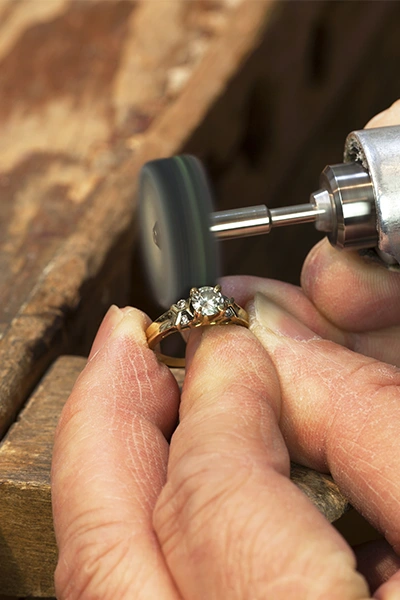
Qu'est-ce qui fait perdre la couleur des bijoux PVD?
Les bijoux PVD perdent leur couleur principalement à cause de l'usure physique, comme des rayures, ou dommages causés par des produits chimiques. Cela se produit parce que le revêtement se décompose, pas parce que la couleur elle-même s'estompe.
Usure mécanique et défaillance du revêtement
Les couches PVD sont des films minces. Bien que dur et résistant aux rayures, les frottements ou impacts répétés les usent. Cette usure se produit généralement dans les zones à forte friction. Pensez aux anneaux frottant la peau et les objets., bords du fermoir, ou le dessous des bracelets. Lorsque le revêtement s'amincit ou se brise, le métal de base transparaît. Si cette base est en acier inoxydable, le bijou semble gris argenté au lieu de sa couleur dorée d'origine, que les gens considèrent comme « décoloration » ou « perdre de la couleur. »
Une mauvaise application accélère également ce problème. Le PVD de mauvaise qualité peut avoir des revêtements inégaux ou trop fins. Il peut également mal adhérer au métal de base. Cela provoque une desquamation ou un pelage prématuré, donnant à la pièce un aspect décoloré par taches aléatoires, pas seulement aux endroits très sollicités.
Réactions chimiques et dégradation de l'environnement
Les produits chimiques peuvent attaquer le revêtement PVD. Produits du quotidien comme l’eau de piscine chlorée, eau de Javel, détergents puissants, parfums, voire la sueur acide dégrade la surface avec le temps. Ces substances provoquent un teint terne ou des taches. Aussi, exposition à long terme à des conditions environnementales difficiles, comme une forte lumière UV du soleil, chaleur élevée, ou air très humide et pollué, détruit lentement la surface, provoquant des changements de couleur mineurs ou une perte de brillance.
La contamination des surfaces joue également un rôle. Huiles pour la peau, résidus cosmétiques, et la poussière environnementale s'accumule sur les bijoux PVD. Cela donne un aspect terne, mat, ou légèrement décoloré. Souvent, un nettoyage doux élimine ce film et redonne l'éclat d'origine. Si la couche PVD présente de minuscules défauts ou s'use, le métal de base devient exposé. Si ce métal de base est réactif (pas en acier inoxydable), il peut alors se corroder, créer des taches ou une décoloration supplémentaire.
Comment le métal de base affecte-t-il la résistance au ternissement?
Le métal de base sous PVD a un impact significatif sur la durée pendant laquelle les bijoux résistent au ternissement et à l'usure.. Le choix de métaux non réactifs comme l'acier inoxydable ou le titane garantit une meilleure stabilité des couleurs à long terme.
Rôle fondamental des métaux de base sous les revêtements PVD
Les revêtements PVD sont de fines couches barrières, pas de matériel en vrac. Le film est microscopiquement fin, généralement 0,03 à 0,08 µm, et adhère à la surface du métal de base.
La résistance au ternissement dépend de la stabilité du métal de base si le revêtement devient mince, endommagé, ou porté. Cela dépend également de la force avec laquelle la couche PVD adhère et résiste aux fissures ou à l'écaillage..
Les matériaux PVD de haute qualité ne « ternir » au sens classique. Ce que les gens perçoivent comme « ternir » avec le temps, il est généralement exposé, plus sombre, ou métal de base oxydé visible à travers des points ou des bords usés. Les micro-rayures ou l'émoussement dû aux frottements contribuent également à cette perception.
Les revêtements électrolytiques s'estompent souvent en quelques mois, permettant au métal commun de corroder ou de décolorer la peau. Les finitions PVD gardent généralement leur aspect plusieurs années. Une fois la couche PVD rompue dans les zones à forte friction, le comportement de ternissement dépend du métal sous-jacent.
Résistance comparée au ternissement des substrats de métaux communs courants
Le choix du métal de base fait une différence significative dans une pièce PVD’s résistance au ternissement. Certains métaux fonctionnent mieux sous un revêtement PVD.
Pour une résistance au ternissement à long terme sous PVD, 316L'acier inoxydable et le titane sont les meilleurs choix.
- 316L Acier inoxydable: Cet alliage forme une couche d'oxyde de chrome auto-cicatrisante, ce qui veut dire qu'il résiste très bien à la rouille et au ternissement. Même si de minuscules zones PVD s'usent, Le 316L exposé ne devient généralement pas vert ou noir. Les fabricants utilisent souvent l'acier inoxydable 316L comme substrat standard car il optimise la durabilité et la résistance au ternissement.. Le PVD sur l'acier inoxydable conserve généralement sa finition pendant 3 à 5 ans, nettement plus long que le placage conventionnel.
- Titane: Le titane est extrêmement résistant à la corrosion, formant un film d'oxyde stable semblable à l'acier inoxydable, souvent encore plus inerte. Les revêtements PVD adhèrent fortement au titane, créer très dur, surfaces non ternissantes. Si l'usure expose le titane, il ne provoque généralement pas de décoloration verte ni de ternissement rapide. Cette combinaison donne une excellente stabilité de couleur à long terme.
D'autre part, certains métaux de base sont plus susceptibles de ternir sous PVD, même si le revêtement offre une meilleure barrière que le placage traditionnel.
- Laiton: Le laiton est un alliage cuivre-zinc. Le cuivre est très sujet à l’oxydation et peut réagir avec la sueur, lotions, et soufre ambiant, conduisant à un ternissement foncé et à des taches vertes sur la peau. Alors que le PVD sur le laiton est plus performant que le placage à l'or traditionnel, il est toujours moins résistant au ternissement que le PVD sur l'acier inoxydable ou le titane en cas d'usure réelle.
- Cuivre et alliages riches en cuivre: Le cuivre s'oxyde rapidement, créant un assombrissement visible et une patine bleu-vert, surtout dans des conditions humides ou en sueur. Toute brèche dans la couche PVD expose le cuivre, provoquant un ternissement localisé ou des marques vertes sur la peau. Les fabricants évitent généralement le cuivre comme métal de base pour une résistance au ternissement à long terme.
- Argent sterling (925): L'argent sterling se ternit à cause de la formation de sulfure d'argent. Le PVD peut retarder considérablement cela, mais si le revêtement est profondément rayé ou fléchit, les zones argentées exposées peuvent ternir. Argent’La nature plus douce impose également des contraintes locales plus élevées sur le film PVD par rapport aux substrats plus durs..
Ce tableau résume la résistance typique au ternissement des métaux de base courants lorsqu'ils sont utilisés avec des revêtements PVD.:
| Métal de base sous PVD | Modèle typique de ternissement/usure visible | Résistance relative au ternissement lors d'un usage quotidien |
|---|---|---|
| 316L acier inoxydable | 2–5+ ans avant une usure visible de la couleur aux points de friction élevés; ternissement chimique minime; principalement l'abrasion. | Le plus haut parmi les substrats de mode courants |
| Titane | Semblable ou meilleure que l’acier inoxydable en termes de résistance à la corrosion; très bonne stabilité des couleurs à long terme; usure principalement mécanique. | Très élevé |
| argent sterling | Ternissement considérablement retardé mais peut apparaître au niveau des rayures/bords une fois le revêtement compromis; substrat plus doux. | Modéré avec un bon PVD, mais en dessous de l'inox/titane |
| Laiton / alliages de cuivre | Ternissement visible au niveau des éclats, rayures profondes, ou bords usés; décoloration vert/noir possible; substrat mou. | Inférieur, bien que toujours meilleur que le placage traditionnel sur laiton |
Pour les bijoux PVD annoncés comme « non ternissants » ou « hautement résistants au ternissement »," La construction la plus fiable utilise l'acier inoxydable 316L ou le titane comme métal de base. Cette combinaison, avec un revêtement PVD de haute qualité, offre une fiabilité, performances durables.
La sueur endommage-t-elle les bijoux PVD?
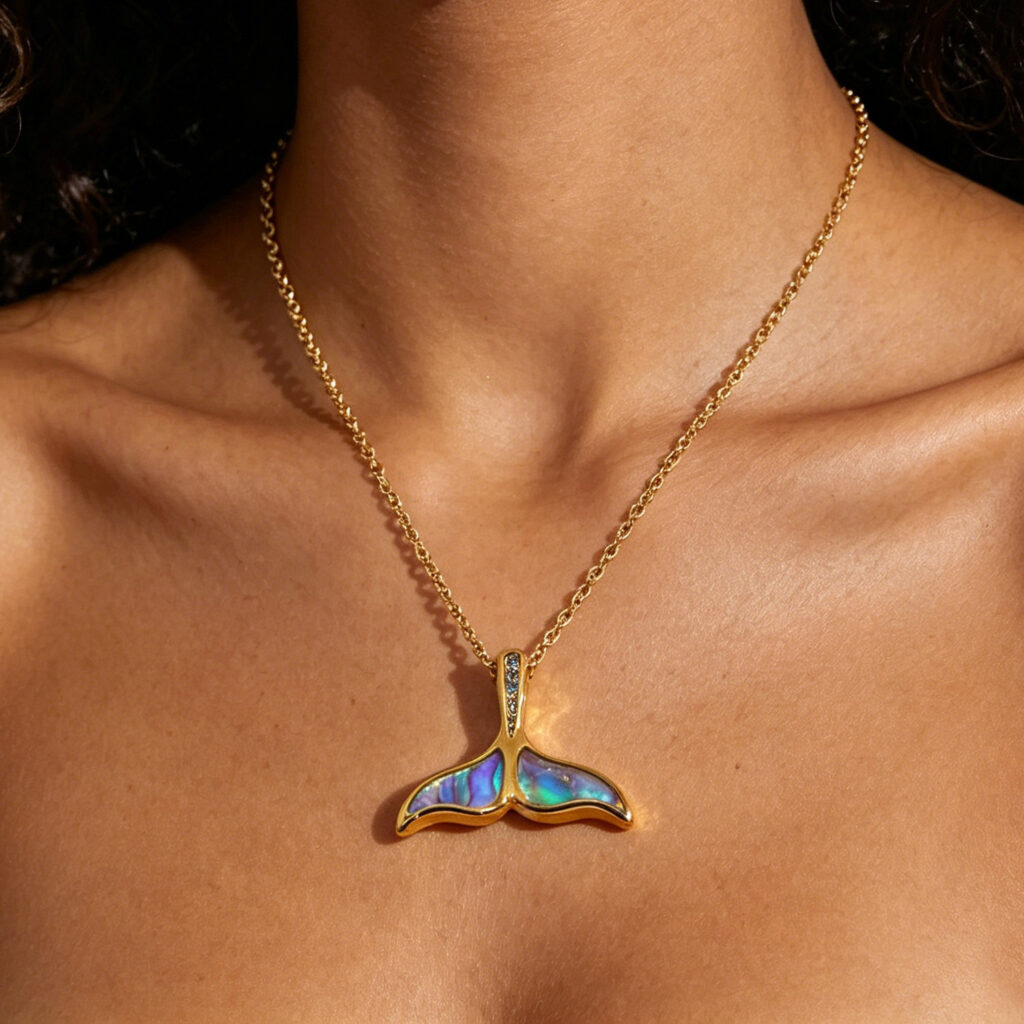
Les bijoux PVD résistent bien à la transpiration grâce à leur revêtement dense et leur base stable en acier inoxydable. La sueur seule a gagné’Je ne le ternirai pas rapidement, mais la sueur causée par la friction ou les produits chimiques peut l'user. Des soins appropriés prolongent sa durée de vie.
Bijoux PVD’s Résistance aux effets liés à la transpiration
Le PVD adhère finement, dense, dur, couche chimiquement stable sur un métal de base, généralement de l'or 18 carats sur de l'acier inoxydable. Cette couche résiste aux rayures et au ternissement.
Les marques commercialisent l’or PVD sur l’acier inoxydable comme étant étanche, résistant à la transpiration, résistant au ternissement, longue durée, et hypoallergénique.
La sueur contient de l'eau, sel, acide lactique, urée, et les huiles pour la peau. Ce mélange émousse les bijoux plaqués typiques et corrode les métaux de base réactifs., provoquant des marques vertes.
Le PVD sur l'acier inoxydable crée une barrière contre la sueur et les produits chimiques. Il limite le contact direct avec le métal de base. De nombreuses marques déclarent des bijoux PVD « reste à l'abri de la sueur et des produits chimiques » et est « étanche + résistant à la transpiration – ne ternit pas, pas de décoloration. »
Les bijoux en acier inoxydable avec revêtement PVD sont présentés comme étant résistants au ternissement et ne ternissant pas sous des conditions normales de sueur et d'eau.. La couche PVD bloque l'humidité et l'oxygène des métaux de base réactifs, empêchant les réactions typiques de ternissement.
Il est sans danger pour la transpiration quotidienne, se doucher, et des entraînements sans ternissement visible pendant des années, reçu des soins normaux.
Les revêtements PVD sont de fines couches superficielles. Ils peuvent se décolorer ou s'écailler sous des conditions, conditions prolongées. L'eau salée et les environnements difficiles réduisent la durée de vie de tout placage d'or ou PVD. Un bon PVD peut durer 5-10 années.
Micro-abrasions, produits chimiques agressifs, et une utilisation extrême dégrade le revêtement. Cela ressemble à un teint terne ou à un léger changement de couleur, surtout sur les zones à forte friction.
La transpiration normale pendant les entraînements ou le port quotidien ne provoque pas de ternissement visible ni de changement de couleur rapide sur les bijoux PVD de qualité.. Transpiration abondante et friction, produits chimiques, ou la négligence raccourcit sa durée de vie esthétique, bien que plus lent que le placage standard.
Les revêtements PVD sont nettement plus durs et plus résistants aux rayures que la galvanoplastie traditionnelle.. La sueur elle-même n’affaiblit pas structurellement les couches PVD.
Cependant, La friction lubrifiée par la sueur des équipements de gym peut encore rayer les surfaces au fil du temps. Les bijoutiers conseillent de retirer les bagues et les bracelets lors du levage de charges lourdes pour éviter les rayures et les déformations..
Des rayures profondes exposent le métal de base. Si cette zone entre en contact avec la sueur, une corrosion ou une décoloration peut apparaître aux endroits endommagés, pas sur des surfaces PVD intactes.
Les revêtements PVD sur l'acier inoxydable sont hypoallergéniques. Ils réduisent l'exposition de la peau au nickel ou au cuivre. Des marques vertes ou une irritation se produisent généralement lorsque des métaux de base réactifs comme le laiton entrent en contact avec la sueur..
Le PVD crée une barrière stable. Cela réduit les taches cutanées et les réactions déclenchées par la transpiration par rapport au placage à l'or traditionnel par rapport aux métaux de base moins chers..
Une irritation cutanée est toujours possible si les utilisateurs sont sensibles à des métaux spécifiques présents dans la couche PVD ou dans l'acier de base., mais c'est moins courant.
| Type de bijoux / Finition | Comportement en sueur | Risque relatif de dommages causés par la transpiration |
|---|---|---|
| Plaquage or traditionnel (électrolytique) | La transpiration accélère le teint terne, ternissement du métal commun, et porter. | Haut – souvent conseillé de l’enlever avant les entraînements. |
| argent sterling | Se ternit rapidement avec la sueur et l'humidité; s'assombrit avec le temps. | Haut – ternissement visible et changement de couleur. |
| Or massif 18 carats | Généralement résistant mais peut perdre de son éclat, présentent une légère corrosion ou des taches cutanées sous une transpiration abondante et continue. | Moyen – mieux que le placage, toujours affecté au fil du temps. |
| Acier inoxydable (non couché) | Bonne résistance à la transpiration; peut présenter une accumulation et un léger ternissement, mais un minimum de ternissement. | Faible – robuste pour un usage quotidien. |
| Acier inoxydable avec revêtement PVD (par ex., 18K PVD) | Extrêmement durable; imperméable et résistant à la transpiration; résiste au ternissement, décoloration, et corrosion dans des conditions normales. | Le plus bas parmi les finis de consommation courants pour la sueur. |
Gérer la transpiration et d'autres facteurs pour la longévité du PVD
Le PVD est très résistant à la transpiration, mais certains facteurs de stress combinés augmentent l'usure à long terme.
Transpiration riche en sel provenant d'un cardio intense ou de climats chauds, plus la chaleur du corps, garde au chaud, film salé contre le métal avec friction continue. Au fil des années, cela accélère la micro-abrasion et l'usure du revêtement sur les points de contact élevés.
Eau salée, transpirer, et le sable est particulièrement dur. Les experts notent que l'eau salée et les conditions difficiles réduisent la durée de vie de tout placage d'or ou PVD..
La sueur se mélange sur la peau avec la crème solaire, déodorant, parfums, lotions, chlore, ou des détergents, créer un cocktail chimique qui entre en contact avec les bijoux.
Appliquer un écran solaire, parfums, et produits pour le corps avant tout, laissez-les sécher, puis mets des bijoux. Évitez les détergents, blanchit, ammoniac, chlore, et autres produits chimiques puissants. La sueur agit comme un transporteur, garder les produits chimiques en contact avec la surface. Cela augmente le risque de matité ou de dégradation.
Pendant les entraînements, la sueur maintient les bijoux en mouvement constant contre la peau et l'équipement. Impacts et abrasions répétés des barres ou des poids éclats ou rayures Couches PVD, notamment sur les anneaux ou les maillons de chaîne.
Une fois rayé, le métal de base exposé réagit avec la sueur, provoquant éventuellement un ternissement localisé, corrosion, ou décoloration.
Les bijoux PVD peuvent être portés quotidiennement en cas de transpiration normale.. Aucune restriction particulière n'est nécessaire.
Pour conserver l'apparence, essuyez les morceaux avec un chiffon doux à la fin de la journée pour éliminer la sueur et les huiles cutanées. Conserver au sec, dans une pochette ou une boîte à bijoux, pour éviter l'humidité emprisonnée et les rayures accidentelles.
Les bijoux en or PVD et l'acier inoxydable sont des matériaux de qualité supérieure pour des vêtements d'entraînement en toute sécurité.. Il est sécuritaire de transpirer avec des bijoux PVD pendant la plupart des entraînements.
Pour soulever des charges lourdes ou pratiquer des sports de contact, retirer les bagues et les bracelets pour éviter les dommages mécaniques et les rayures profondes.
Après une transpiration intense, rincez rapidement les bijoux à l'eau claire pendant environ 30 secondes. Séchez soigneusement avec un chiffon doux, chiffon non abrasif. Cette routine simple évite la plupart des problèmes.
Les bijoux recouverts de PVD sont imperméables pour la douche et la natation, en supposant des soins appropriés. Le placage d’or traditionnel doit être retiré avant l’exposition à l’eau.
Rincer les bijoux PVD après exposition au chlore ou à l'eau salée pour minimiser les attaques chimiques et les résidus de sel. Bien sécher, faire attention aux crevasses.
Les guides recommandent d'éviter les saunas et les hammams pour les bijoux plaqués. Exposition prolongée à des températures très élevées, transpirer, et la vapeur augmente la contrainte sur le revêtement et le métal de base. Donc, évitez les saunas lorsque vous portez des bijoux PVD pour une longévité maximale.
Utilisez du savon doux et de l'eau uniquement lorsque cela est nécessaire. N'utilisez pas de vernis à bijoux agressifs, abrasifs, ou nettoyants chimiques sur les surfaces PVD. Certains guides d'entretien déconseillent explicitement le polissage des bijoux ou les chiffons de polissage agressifs sur les bijoux recouverts de PVD..
Après avoir transpiré, rincer à l'eau tiède. En option, utilisez une petite quantité de produit doux, savon non détergent s'il y a des résidus visibles. Séchez avec un chiffon doux. Conserver au sec, étui protégé ou rouleau à bijoux.
Le placage or PVD dure beaucoup plus longtemps que le placage traditionnel. Il reste brillant pendant des années même avec une utilisation quotidienne, y compris la sueur et l'eau. Les estimations des bijoutiers suggèrent 5-10 des années de bel aspect pour des revêtements PVD de qualité.
La transpiration réelle fait partie du profil d'utilisation conçu pour les bijoux PVD modernes imperméables et résistants à la transpiration..
Une fréquence élevée de transpiration intense sans nettoyage augmente l’accumulation et les micro-abrasions. Exposition régulière à l'eau salée, chlore, et les cosmétiques sans rinçage accélèrent la fatigue et le teint terne du revêtement.
Empiler des pièces pendant une activité qui transpire augmente la friction, ce qui rend les rayures plus probables.
Retirez les bijoux PVD pour soulever des objets lourds, sports de contact, ou des activités où cela pourrait avoir un impact sur des surfaces dures. Retirez-le également pour les saunas et les environnements très chauds où la transpiration et la chaleur extrême amplifie le stress..
Maintenez une routine simple de rinçage et de séchage après une transpiration abondante. Gardez les bijoux PVD à l'écart des produits chimiques puissants.
À porter au quotidien dans les climats chauds, faire la navette, entraînements occasionnels, et les séances de gym standard sont appropriées pour les bijoux PVD. Il y a un risque minime de ternissement ou de décoloration. La baignade et la douche sont généralement acceptables si elles sont rincées et séchées par la suite..
Combinez la sueur avec le chlore, eau salée, crème solaire, parfums, et une friction élevée seulement si vous pouvez rincer et sécher les bijoux peu de temps après. Évitez les fortes contraintes mécaniques qui peuvent rayer la couche PVD, exposer des métaux de base réactifs.
Après toute séance intense en sueur, rincer brièvement, bien sécher, et conserver au sec. Évitez les produits de polissage agressifs et les chiffons abrasifs.
La sueur à elle seule n'est pas une cause principale de ternissement ou de dégradation rapide des pièces de qualité revêtues de PVD.. Plutôt, la sueur est un facteur de stress secondaire qui contribue à l'usure à long terme des surfaces lorsqu'elle est combinée à la friction et aux produits chimiques. Un entretien de base constant maintient les bijoux PVD visuellement stables et fonctionnels pendant des années d'utilisation intensive.
Le parfum et les produits chimiques peuvent-ils affecter le revêtement PVD?
Les revêtements PVD résistent bien aux produits chimiques. Les parfums peuvent les ternir avec le temps, mais les nettoyants agressifs ou l'abrasion provoquent des dommages plus importants.
Comment les revêtements PVD interagissent avec les parfums et les produits chimiques agressifs
Les finitions PVD sont chimiquement stables et très résistantes à l'usure, ce qui les rend intrinsèquement résistants au ternissement traditionnel.
Les parfums contiennent des solvants, comme l'éthanol, et divers produits chimiques de parfum. Une exposition répétée à ceux-ci peut contribuer à une dégradation progressive de la surface.
Un bref contact avec le parfum n'est généralement pas la principale menace. Une exposition constante peut entraîner une usure de la surface, émoussant, ou des dommages à la couche supérieure, plutôt que de véritablement ternir.
Les produits chimiques plus agressifs présentent un risque plus élevé. Cela inclut l'eau de Javel, ammoniac, eau chlorée (piscines, bains à remous), et de l'eau salée.
Tout changement d'apparence sur les bijoux PVD provient généralement de l'abrasion ou de l'usure du revêtement., pas de ternissement chimique commun dans d'autres finitions plaquées.
Protéger les bijoux PVD de l'exposition aux produits chimiques
Appliquer des parfums, lotions, et des laques avant de mettre des bijoux PVD. Cela minimise le contact direct avec le revêtement.
Évitez de vaporiser des parfums directement sur des articles recouverts de PVD tels que des bagues, chaînes, montres, ou des bracelets.
Essuyez les bijoux PVD avec un chiffon doux en microfibre après chaque port.. Cela élimine tous les résidus chimiques ou huiles.
Gardez les articles PVD à l'écart des produits de nettoyage ménagers agressifs, surtout l'eau de Javel, ammoniac, et nettoyants abrasifs.
Retirez les bijoux en PVD avant de nager dans des piscines chlorées, entrer dans les spas, ou passer du temps dans l'eau salée. Cela évite des dommages de surface à long terme.
Les bijoux PVD en acier inoxydable rouillent-ils ??
Les bijoux PVD en acier inoxydable résistent efficacement à la rouille. Sa couche de chrome et son revêtement PVD créent une barrière solide, conserver une finition antirouille pendant des années dans des conditions normales d'utilisation.
La double défense: Comment le PVD en acier inoxydable résiste à la rouille
L'acier inoxydable contient du chrome, qui forme une couche d'oxyde passive. Cette couche empêche la rouille sur l'acier sous-jacent. Que’c'est la première ligne de défense.
Une couche PVD adhère directement à l'acier. Ce revêtement crée un ultra-dur, surface résistante aux rayures. Il bloque encore plus la corrosion et l’humidité.
Cette combinaison de matériaux donne lieu à une corrosion élevée- et finition résistante à la rouille. Les bijoux ne rouillent pas sous une usure normale.
Maintenir la résistance: Durée de vie et défis potentiels
Les bijoux PVD en acier inoxydable restent généralement inoxydables et conservent leur aspect pendant environ 1 à 3 ans en cas d'utilisation fréquente.. Certains revêtements de qualité supérieure peuvent durer 5-10 années.
Produits chimiques agressifs, contact abrasif, ou certaines substances chimiques corporelles peuvent user progressivement le revêtement PVD. Cela a également un impact sur l'acier’s couche passive.
Le PVD sur l'acier inoxydable offre une bien meilleure résistance à la rouille et au ternissement par rapport aux bijoux plaqués classiques..
Un nettoyage doux de routine aide à préserver les bijoux’s qualités antirouille. Évitez les agents agressifs ou l’abrasion physique.
Bijoux PVD vs bijoux plaqués or: Comparaison de la résistance au ternissement
Les bijoux PVD offrent une résistance au ternissement et à l'usure nettement meilleure que le placage or traditionnel en raison de sa liaison moléculaire et de ses métaux de base stables., conduisant à une apparence plus durable.
Quand on compare les bijoux en PVD et les pièces traditionnelles en plaqué or, la principale différence réside dans la façon dont ils’re fait et quels matériaux sont utilisés. Cela a un impact sur la façon dont chacun résiste au ternissement et à l'usure au fil du temps.. Le PVD se distingue par sa haute résistance, tandis que le placage à l'or typique lutte contre les conditions quotidiennes.
| Propriété | Bijoux PVD | Placage Or Traditionnel |
|---|---|---|
| Collage au substrat | Liaison moléculaire sous vide | Film électrolytique via bain liquide |
| Structure du revêtement | Dense, uniforme, moins poreux | Peut être plus mince, moins uniforme, plus poreux |
| Épaisseur de couche typique | Souvent 0,5 à 3 microns (18K PVD) | Souvent plus mince, bien en dessous 1 micron |
| Métal de base | Principalement en acier inoxydable (316L), titane | Laiton, cuivre, argent sterling |
| Comportement de ternissement | Très résistant au ternissement; la couleur reste stable pendant des années | Plus sujet au ternissement et à la décoloration; le métal de base s'oxyde souvent |
| À porter au quotidien (eau, transpirer) | Résistant à l'eau et à la sueur | L'eau/la sueur accélère souvent l'usure et le ternissement |
| Résistance à gratter | Dur, surface résistante aux rayures; jusqu'à 10 fois plus durable | Plus doux, facilement rayé et usé |
| Durabilité attendue | Des années d'usure sans ternissement; souvent 2-5 années | Peut se ternir et s'user au fil des mois en cas d'utilisation intensive |
Facteurs de fabrication et de matériaux pour la résistance au ternissement
Les principales différences de résistance au ternissement entre le PVD et le placage à l'or traditionnel proviennent directement de leurs processus de fabrication et des matériaux qu'ils utilisent..
PVD, ou dépôt physique de vapeur, est un procédé sous vide de haute technologie. Il vaporise des métaux comme l'or ou le titane, puis les dépose atome par atome sur un métal de base, généralement en acier inoxydable ou en titane. Cela crée une liaison moléculaire avec le substrat, former un dur, dense, et une couche bien adhérente. Le revêtement PVD agit comme une barrière étanche sur le métal de base. Les couches de PVD or sont souvent plus épaisses que le placage traditionnel, allant parfois de 0.5 à 3 microns. Le choix du métal de base compte beaucoup. Acier inoxydable (comme 316L) résiste naturellement à la corrosion et au ternissement. Le titane offre des avantages similaires.
Le placage à l'or traditionnel utilise un bain de galvanoplastie et un courant électrique pour déposer une fine couche d'or sur les métaux de base comme le laiton., cuivre, ou argent. Ce film est plus doux et plus fin, souvent bien en dessous 1 micron, surtout pour les bijoux de mode. La liaison à la surface est plus faible que celle du PVD. Ces métaux de base sont généralement plus réactifs. Laiton et cuivre, Par exemple, s'oxyde rapidement et peut provoquer un ternissement vert ou foncé une fois que la fine couche d'or s'use ou se fissure. L'argent sterling se ternit également à cause de la formation de sulfures. Le revêtement repose en surface, le rendant vulnérable à l’usure mécanique, micro-rayures, et attaque chimique.
Un PVD + la combinaison en acier inoxydable offre une double protection. Le métal de base stable et le revêtement robuste résistent tous deux à la corrosion.. Plaquage or avec bases réactives, comme le laiton ou le cuivre, comporte un risque de ternissement élevé une fois que la couche d’or est compromise.
Performances réelles et durabilité à long terme
Quand on met à l’épreuve les bijoux PVD et plaqué or dans les situations du quotidien, les différences de performances deviennent évidentes. Les bijoux PVD résistent au ternissement, décoloration, et des rayures bien meilleures que le placage traditionnel. L'or PVD est résistant à l'eau et à la sueur, pour que tu puisses le porter quotidiennement, l'exposer à l'humidité et aux produits de soin typiques sans décoloration rapide.
Pour PVD sur acier inoxydable, les gens voient généralement au moins deux ans d’apparence brillante avec un port fréquent et des soins appropriés. Les revêtements PVD de haute qualité peuvent durer cinq à dix ans dans des conditions modérées. PVD’la résistance aux rayures aide, car il retarde l'exposition du métal sous-jacent, ce qui signifie une période plus longue avant de voir ternir. Il tolère bien mieux l'exposition normale aux produits de consommation que les pièces plaquées or..
Le placage à l'or traditionnel montre souvent une usure en quelques mois, surtout avec de la sueur, eau, humidité, et les frottements. Les métaux de base exposés, généralement en laiton ou en cuivre, s'oxyder rapidement, conduisant à un ternissement et un assombrissement visibles. Les bijoux plaqués or nécessitent des soins constants: retirez-le avant de vous doucher, séances d'entraînement, natation, ou en utilisant des produits cosmétiques. Le revêtement est plus fin et plus doux, donc ça s'use facilement avec le frottement, contact avec les vêtements, voire un polissage fréquent.
Les revêtements PVD sur acier inoxydable sont généralement hypoallergéniques et inertes, donc tu as gagné’Ne voyez pas de marques vertes ou noires sur votre peau dues à la corrosion des métaux communs. Bijoux plaqués or, s'il utilise des alliages de nickel ou des bases de cuivre, peut tacher la peau une fois que la fine couche d’or s’est dissipée. Cela contribue à la perception des bijoux PVD comme une option plus systématiquement sans ternissement..
Bien que le PVD soit robuste, il’il n'est pas à l'épreuve des balles. Abrasion extrême ou environnements chimiques difficiles, comme de l'eau salée ou des nettoyants puissants, peut éventuellement s'user à travers la couche. Dans ces conditions, un ternissement visible ou un changement de couleur localisé peuvent se produire plus rapidement que sa durée de vie théorique maximale. Nettoyer les bijoux PVD en douceur et régulièrement, Éviter les produits chimiques durs, limiter l'usure mécanique, et le stocker correctement l'aide à conserver sa couleur et son éclat pendant plusieurs années.
Comment empêcher les bijoux PVD de ternir?
Les bijoux PVD résistent au ternissement, mais des soins quotidiens, Le nettoyage et le stockage approprié sont essentiels pour prévenir l’usure et conserver son apparence..
Habitudes quotidiennes et utilisation consciente
Pour protéger vos bijoux PVD et conserver leur finition brillante, concentrez-vous sur vos habitudes quotidiennes. Le revêtement PVD est durable, mais un contact constant avec certains éléments ou des frottements élevés peuvent le compromettre dans le temps.
- Évitez tout contact avec des produits chimiques:
- Enlevez vos bijoux avant d'utiliser des parfums, Lacasse, déodorants, lotions, crèmes ou crèmes solaires. Appliquez-les, laissez-les sécher complètement puis mettez les bijoux.
- Gardez les pièces à l'écart des produits de nettoyage ménagers tels que l'eau de Javel, chlore ou ammoniaque. Retirez-les avant de nettoyer ou de teindre vos cheveux.
- Minimise l’exposition à l’eau, le chlore et la sueur:
- Bien que le PVD sur les bijoux en acier inoxydable soit souvent vendu comme « étanche », une exposition continue peut raccourcir leur durée de vie. Enlevez-les avant de nager dans les piscines (chlore) ou dans la mer (sel et sable), et avant de longues averses.
- Évitez de porter des bijoux PVD dans les saunas ou les hammams, car la chaleur et l’humidité combinées peuvent accélérer l’usure.
- Si les bijoux sont mouillés dans de l'eau chlorée ou salée, Rincer à l'eau claire et sécher immédiatement avec un chiffon doux..
- Réduit la friction et les chocs:
- Évitez de porter des bagues ou des bracelets empilés qui frottent constamment les uns contre les autres.
- Retirez les bijoux avant de vous lancer dans des activités à friction élevée ou à risque d'impact, comment soulever des poids, sports de contact, travail manuel ou déplacement de meubles.
- Frottement constant contre des surfaces abrasives (mesas, outils) peut user le revêtement PVD.
Entretien et stockage appropriés
Un nettoyage en douceur et un stockage approprié maintiennent non seulement la brillance, mais aussi prolonger considérablement la résistance au ternissement de vos bijoux PVD.
- Nettoyer doucement et régulièrement:
- Après chaque utilisation, nettoyer les bijoux avec un chiffon doux, sec et non abrasif (microfibre ou gaze) pour enlever les huiles, sueur et résidus cosmétiques.
- Pour un nettoyage en profondeur, utilisez de l'eau tiède avec quelques gouttes de savon doux (pH neutre). Immergez-vous brièvement, flotte avec délicatesse, Rincer à l'eau claire et sécher complètement avec un chiffon doux.
- Évitez les nettoyants abrasifs, pinceaux durs, pâtes à polir ou produits chimiques agressifs qui peuvent rayer ou éroder le revêtement PVD. N’utilisez pas non plus de nettoyeurs à ultrasons, sauf indication contraire du fabricant..
- Stockez intelligemment:
- Rangez chaque pièce séparément dans des sacs souples (velours, microfibre) ou dans les compartiments individuels d'une boîte à bijoux. Cela évite que les pièces se frottent et se rayent..
- Choisissez un emplacement de stockage sec, frais et à l'abri de la lumière directe du soleil, changements brusques de température ou environnements humides tels que salles de bains et cuisines.
- Pensez à utiliser des sachets de silice ou des bandes anti-ternissement à l'intérieur de la boîte à bijoux.. Ceux-ci absorbent l'humidité et le soufre de l'air, Facteurs contribuant au ternissement.
Pensées finales
Les options de bijoux génériques peuvent sembler moins chères au départ, mais un PVD incohérent sur les métaux de base réactifs risque de provoquer des retours fréquents et l'insatisfaction des clients.. Notre engagement envers des revêtements PVD vérifiés sur l'acier inoxydable résistant à la corrosion est le seul moyen de sauvegarder la réputation de votre marque et d'assurer la confiance durable de vos clients.. Cette norme protège contre le renouvellement coûteux des produits ternissants.
Enfiler’Je ne spécule pas sur les performances du PVD. Nous vous invitons à découvrir cette différence par vous-même; demander un échantillon de commande pour tester rigoureusement nos produits finis. Contactez notre équipe commerciale aujourd'hui pour discuter des spécifications personnalisées et des commandes en volume qui défendent votre marque’la promesse de qualité.