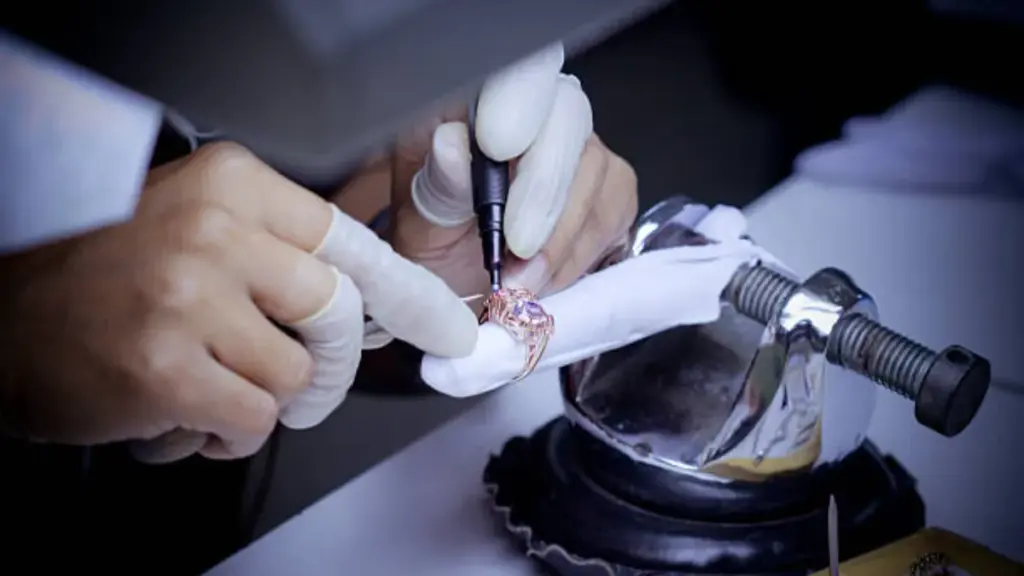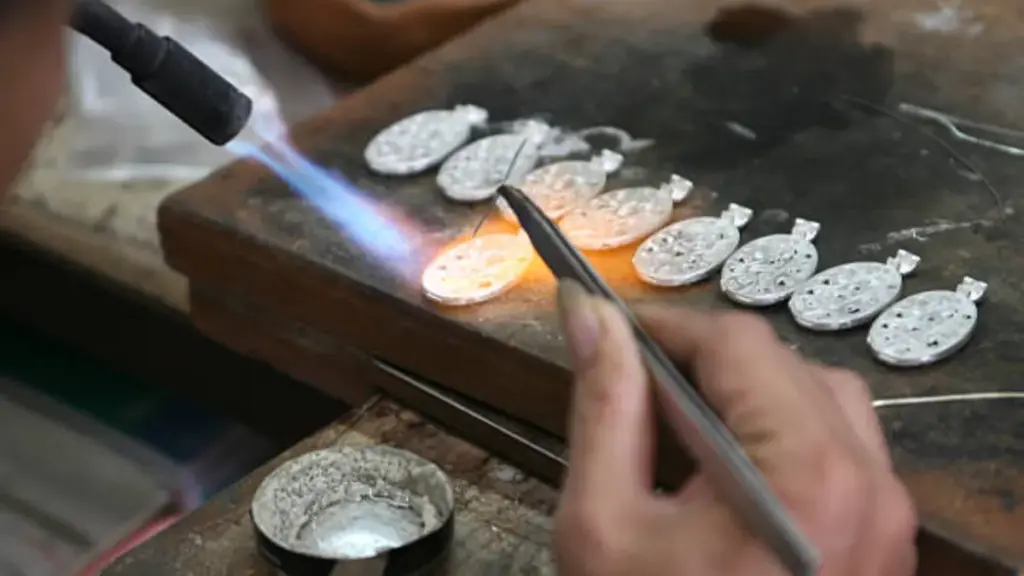
Retailers win this category by pairing trend-right designs with reliable 316L materials, consistent finishing (often PVD), and a supplier who can scale quality and branding across matching sets. 316L’s corrosion resistance and durability make it a strong base for men’s everyday chains, bracelets, rings, and pendants—especially for “wear-anywhere” positioning.
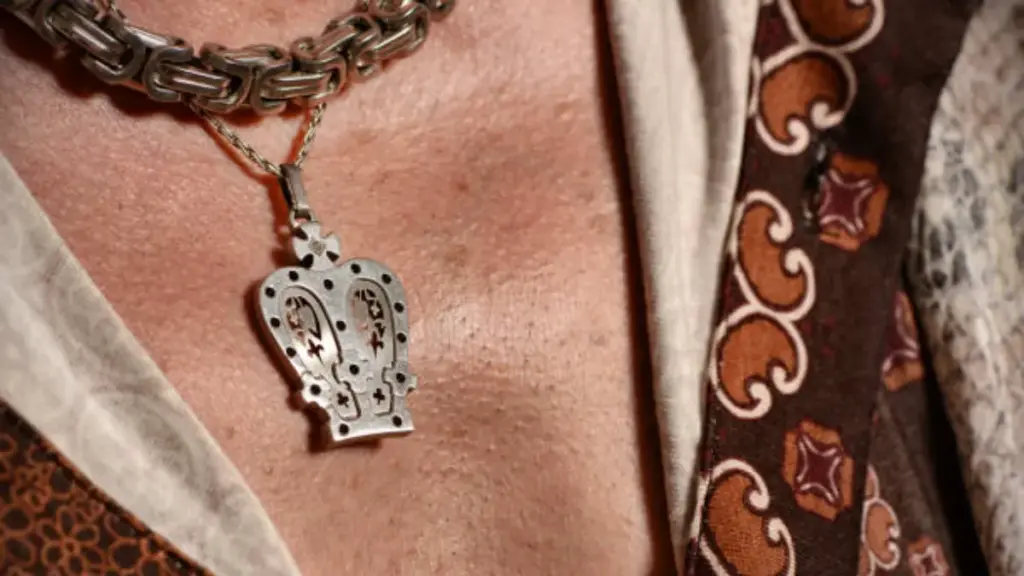
Stainless Steel Men’s Jewelry Sets Market Growth Drivers
Men’s jewelry has shifted from “occasion accessories” to daily uniform, which makes matching sets (chain + bracelet, or ring + chain) easier to merchandize and upsell as bundles. Retailers also like stainless steel because it holds a premium look at a more accessible price point than solid precious metals while still standing up to frequent wear.
From a product strategy view, 316L “surgical steel” is often used because low-carbon 316L is considered more resistant to rust/staining than standard grades, and its corrosion resistance is a key value message for customers who sweat, travel, or live in humid/coastal climates. That durability story becomes a conversion lever on Amazon listings and a trust lever on Shopify product pages.
Essential Designs for Successful Men’s Jewelry Lines
Start with a tight “core set” that covers the majority of demand, then add seasonal drops to keep repeat purchases flowing.
- Cuban link chain + bracelet set (most recognizable silhouette; easy to layer).
- Franco or curb chain set (more “everyday” than statement).
- Figaro chain set (adds visual pattern without going too bold).
- Signet ring + chain set (clean masculine styling; good for engraving).
- Minimal tag/cross/coin pendant + chain set (high gifting appeal; strong personalization angle).
Design notes that usually improve sell-through:
- Offer 3–4 lengths for chains and 2–3 bracelet sizes to reduce returns.
- Use consistent clasp language across sets (lobster clasp is widely understood; box clasp for heavier Cuban styles).
- Keep plating colors tight: silver + gold (and optionally black) to avoid slow-moving variants.
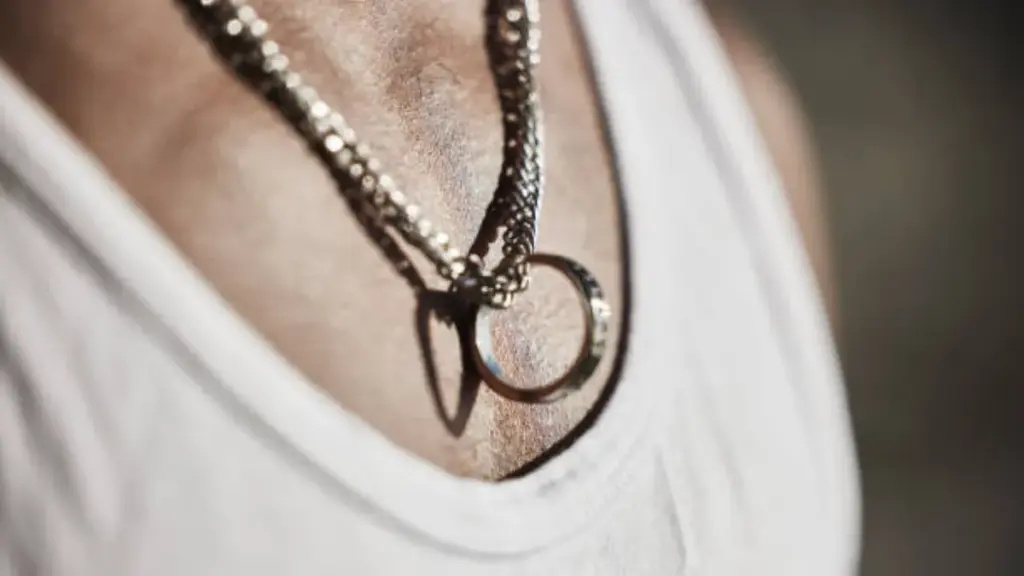
Quality Standards for Men’s 316L Stainless Steel Sets
“316L” should not be a buzzword—treat it like a spec you verify with your supplier and align with your positioning: corrosion resistance, low maintenance, and everyday wear. 316L’s corrosion resistance is commonly explained via its protective passive layer, and many jewelry brands market it for durability and exposure to moisture/sweat.
For plated sets, align on finishing expectations. PVD coatings are widely described as improving scratch resistance and helping jewelry handle water/sweat exposure better than conventional plating, so it’s worth specifying PVD (and the target tone like 18K gold) in your sourcing checklist.
What to request from a factory before mass production:
- Material declaration: 316L stainless steel for all metal parts that touch skin (not just “main body”).
- Surface finish standard: polish level, edge rounding, and consistent color across SKUs.
- Pre-production sample approval: a “golden sample” for color, clasp feel, and set consistency.
Durability Requirements for Heavy-Duty Men’s Chains
Heavy men’s chains (especially Cuban/Franco styles) fail in predictable places: clasp springs, solder joints, sharp edges, and plating wear on high-friction points.
Use a durability checklist that matches real customer behavior:
- Sweat + humidity exposure: 316L is valued because corrosion resistance helps reduce rust/tarnish concerns in moisture-heavy use cases.
- Chloride environments (beach, pools): 316-type steels are generally known for better corrosion resistance than 304 due to molybdenum, which helps in harsher environments.
- Abrasion points: PVD coatings are commonly marketed as enhancing scratch resistance and durability for daily wear.
Practical spec tips for “heavy-duty” sets:
- Prefer thicker link geometry for statement pieces; avoid ultra-thin connectors that twist.
- Define acceptable clasp play and opening force; customers notice “cheap” clasp feel immediately.
- Require consistent weight range per SKU to avoid mismatched set perception (chain feels premium, bracelet feels light).
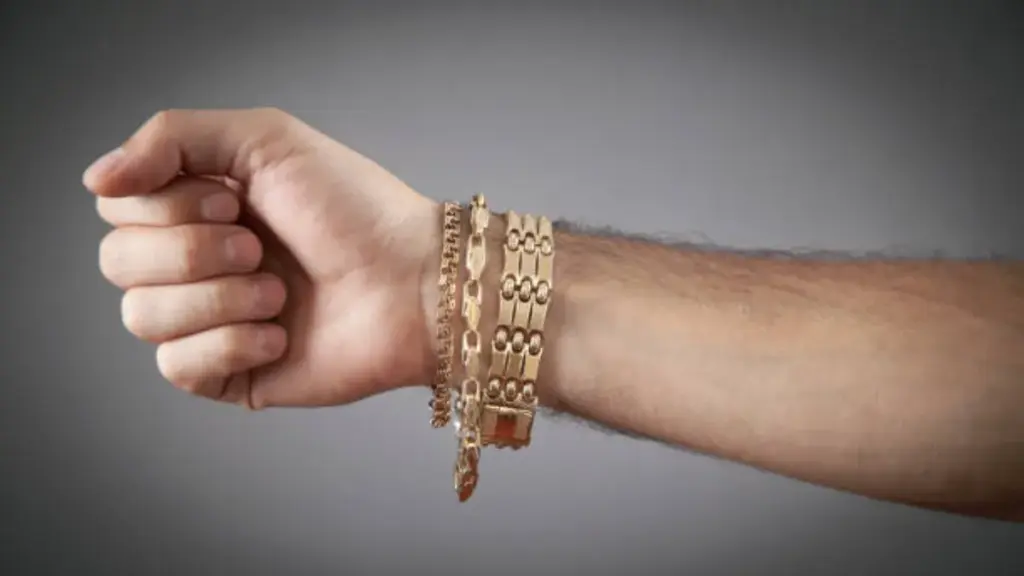
Sourcing Strategies for Amazon and Shopify Jewelry Stores
Amazon rewards clarity, proof, and low-return fit management; Shopify rewards brand story, bundle strategy, and post-purchase retention.
- Amazon approach: Lead with 316L + durability benefits, show close-ups of clasp and finishing, and reduce size confusion with clear length charts and model photos. 316L’s durability/corrosion-resistance narrative is a common buying justification in jewelry content.
- Shopify approach: Build bundles (set pricing), upsell matching rings/pendants, and reinforce “water/sweat-ready” positioning when you use PVD-coated 316L. PVD is frequently described as improving water/sweat resistance and scratch resistance.
Operationally, structure your sourcing like a funnel:
- Shortlist 3–5 factories that truly produce (not trading only).
- Order samples across 2–3 styles and 2 colors; test wear for 7–14 days.
- Lock a repeatable spec sheet (materials, finish, logo placement, packaging).
Custom Branding Options for Men’s Jewelry Wholesale
Branding is how you escape pure price competition. A supplier who can execute repeatably on small details—logo placement, surface consistency, packaging—will help your reviews and retention.
Common branding methods for men’s sets:
- Laser engraving on metal surfaces (logos, initials, coordinates).
- Etching/corrosion marking for a more industrial look.
- Custom pendants, tag shapes, and clasp plates (small geometry changes that create “ownable” identity).
- Private-label packaging: pouches, boxes, care cards, barcode/UPC-ready labeling.
Here’s a simple way to map branding choices to store stage:
| Store stage | Best branding focus | Why it works | Typical lead impact |
|---|---|---|---|
| New launch | Logo engraving + standard packaging | Fast differentiation without re-engineering products | Low |
| Scaling | Custom pendant/clasp plate + consistent set finishes | Creates “signature” SKUs that competitors can’t easily copy | Medium |
| Brand building | Full OEM set design + custom molds + brand system | Raises moat and supports premium pricing | High |
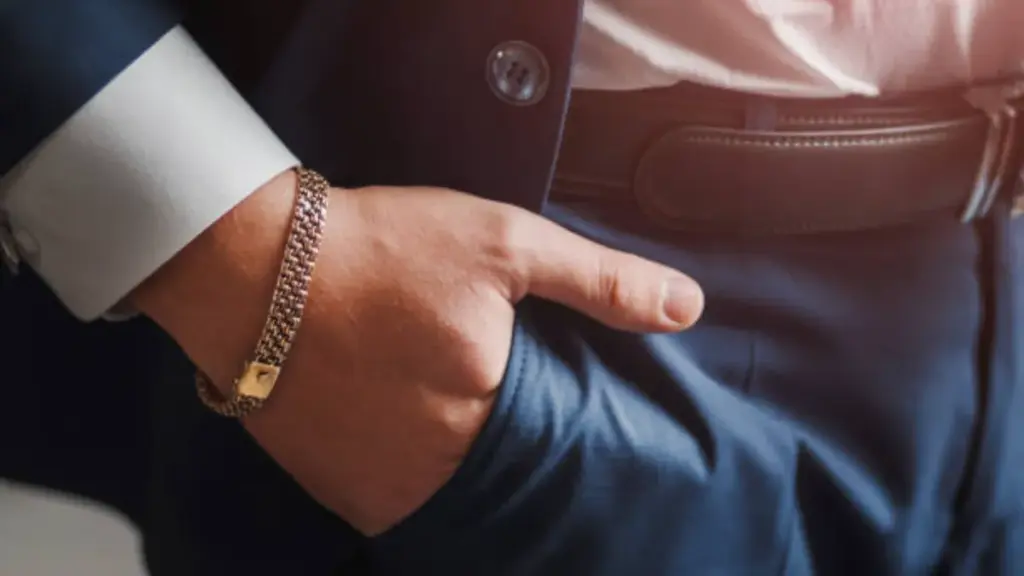
Ready to Scale Your Men’s Jewelry Brand with Jusnova?
If your goal is to scale men’s jewelry sets with consistent finishing and a clear “durable everyday” story, Jusnovajewelry positions itself as a manufacturer/wholesaler with 316L stainless steel capability, PVD gold plating options, and a focus on manual polishing plus processes like lost-wax casting. They also support end-to-end OEM/ODM—from 3D rendering and mold making to logo laser engraving or etching—so you can build matching sets that feel cohesive across styles and reorders.
To move fast, prepare a single spec pack:
- Target styles (e.g., Cuban + signet)
- Sizes/lengths, plating color
- Logo placement, packaging
- Expected QC checkpoints for clasps and finishing
That makes sampling cleaner and reduces the “looks good in photos, feels wrong in hand” risk that drives returns.
FAQ
1. Is stainless steel good for men’s jewelry?
Yes—especially 316L—because it’s widely valued for durability and corrosion resistance for everyday wear, including exposure to moisture and sweat. Many jewelry resources also highlight its scratch resistance versus softer metals, making it practical for men’s daily chains and bracelets.
2. What are the best-selling men’s jewelry sets?
In most retail assortments, the consistent winners are classic chain + bracelet sets (Cuban/curb/Franco) plus minimal pendant + chain sets, because they’re easy to style and gift. These styles also align well with stainless steel’s “durable daily wear” positioning that shoppers frequently seek.
3. Does 316L stainless steel rust?
316L is designed to be highly corrosion resistant, and its surface passivation is commonly described as helping protect against rust in normal wear conditions. However, harsh environments (especially chlorides) can still challenge metals over time, so good finishing and care practices matter for long-term appearance.
4. How to find a custom men’s jewelry manufacturer?
Look for a supplier that can show OEM steps (3D rendering → prototyping → mold making → production) and can execute repeatable branding like laser engraving or etching. It also helps to verify they can consistently produce 316L sets and deliver stable finishing (including PVD if you sell “water/sweat-ready” lines).
5. What is the difference between 304 and 316L for men?
316/316L includes molybdenum, and this added element improves corrosion resistance (including resistance to chloride-related pitting) compared with 304. For men’s jewelry marketed for daily wear—gym, travel, beach—this is one reason many brands prefer 316L as the base metal.