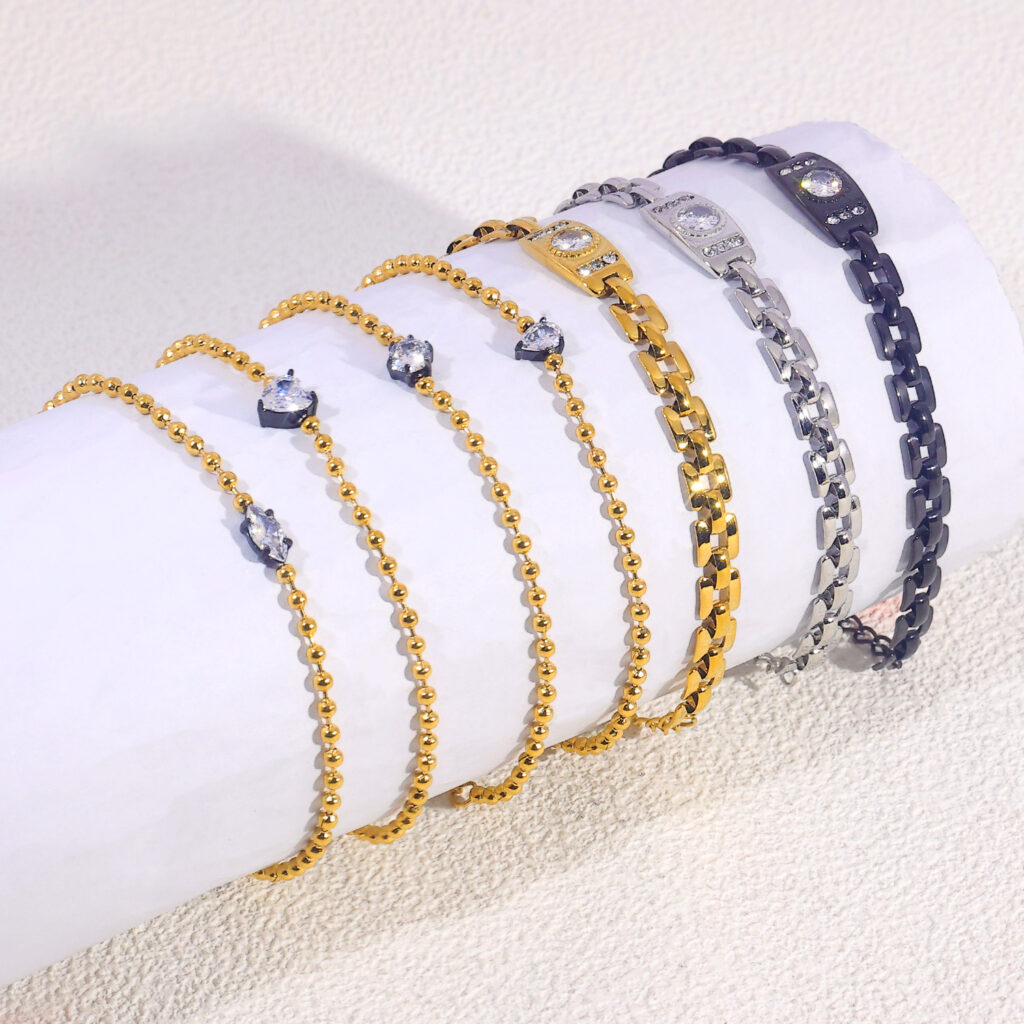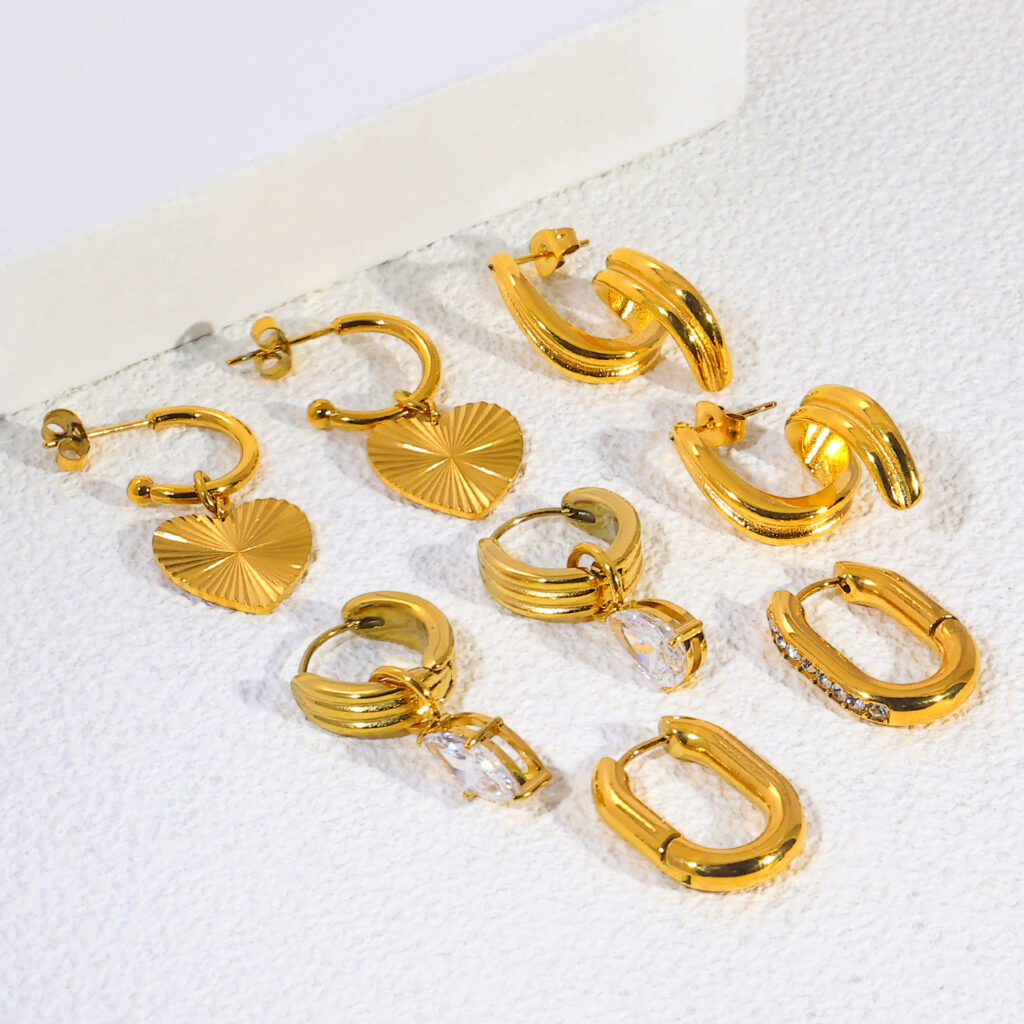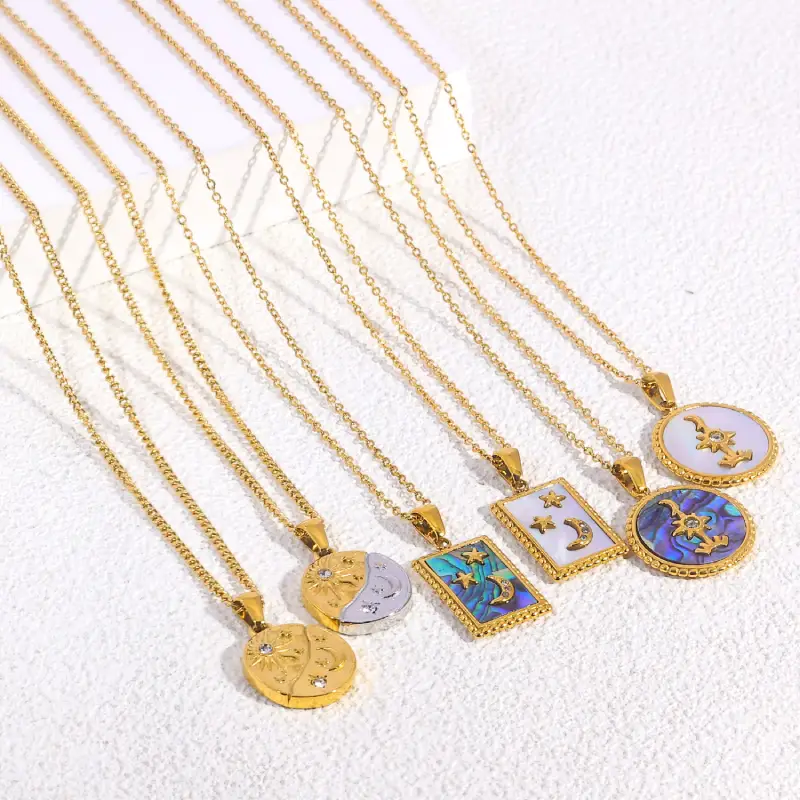
Yes—PVD-coated stainless steel jewelry is highly water-resistant and holds up well to daily showers, sweat, and swimming. Compared with traditional gold plating, which tarnishes and fades quickly and drives high return rates, PVD coatings last up to 10 times longer, making them a more reliable choice for everyday wear.
How Does PVD Jewelry Compare to Other Jewelry Types in Water?
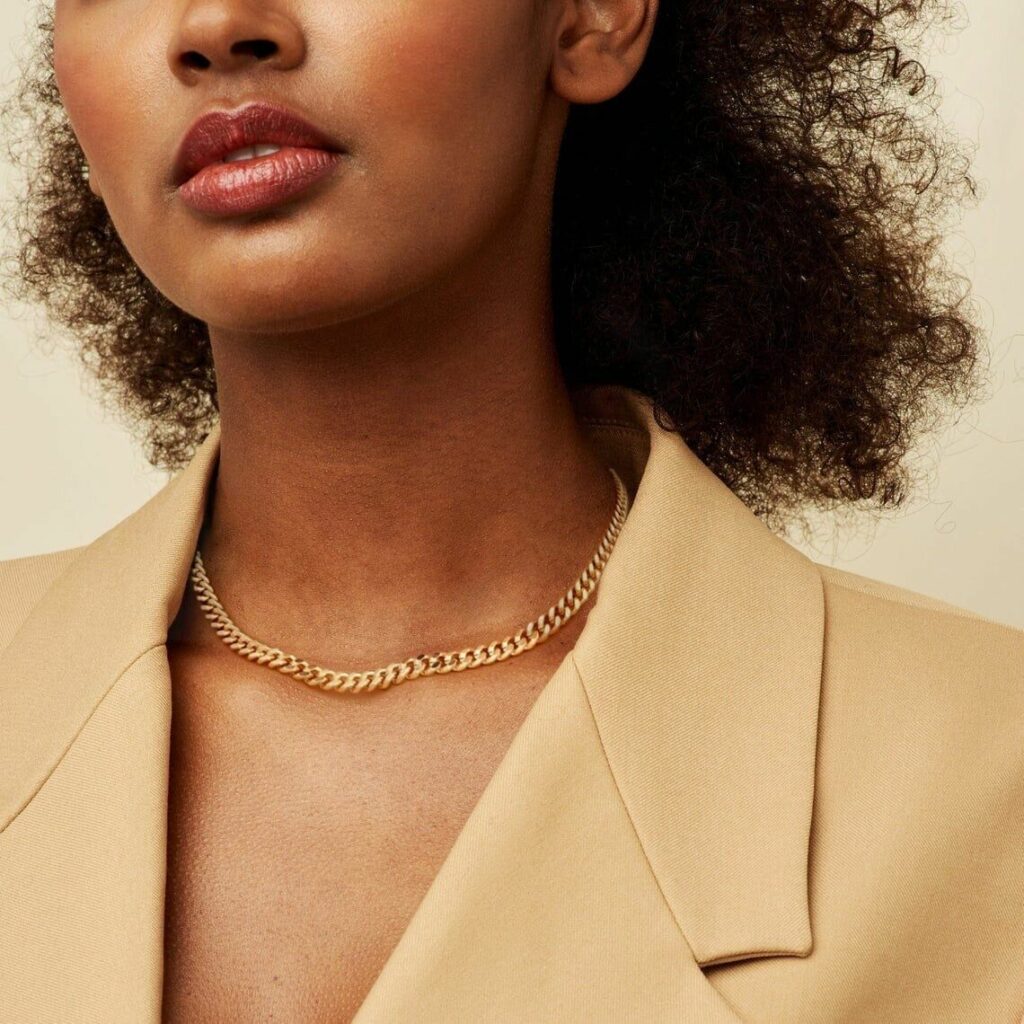
How PVD compares to other finishes in everyday water exposure:
| Jewelry type | Water resistance in everyday use | Tarnish behavior | Typical base metal |
|---|---|---|---|
| 18K gold PVD on stainless steel | Highly water‑resistant; marketed as waterproof, sweat‑proof, ocean‑safe | Very low tarnish; resists fading and greening | 316L stainless steel or similar |
| Traditional gold plated fashion jewelry | Poor–moderate; plating often wears off with water and sweat | Frequently tarnishes, flakes, turns green | Brass, copper, mixed alloys |
| Gold‑filled (not PVD) | Good; multiple users and jewelers consider it genuinely waterproof in practice | Better than plating; more gold content | Brass core with thick gold layer |
| Pure gold (solid) | Excellent; essentially non‑tarnishing and water‑safe | Minimal tarnish under normal conditions | Solid gold |
| Simple stainless steel (no PVD) | Good water resistance; can handle moisture and light water | Low tarnish; long‑term salt/chemical exposure can mark it | Stainless steel |
Limitations of Water Exposure for PVD Jewelry
Although PVD coatings significantly enhance resistance to moisture and everyday wear, their performance is not unlimited under all usage conditions.
With prolonged or frequent exposure to water during regular use, combined with everyday mechanical stress and friction, the coating may gradually experience performance degradation, particularly in high-contact areas.
In general, the main factors affecting PVD coating lifespan are mechanical wear and overall usage intensity rather than water exposure alone.
Therefore, PVD jewelry should be understood as highly water-resistant for daily lifestyle use, but not completely immune to gradual wear under high-intensity or long-term use conditions.
Can You Shower With PVD Jewelry?
PVD jewelry is highly water-resistant and generally shower-safe on stainless steel. Minimize harsh chemicals and dry it properly for the best lifespan.
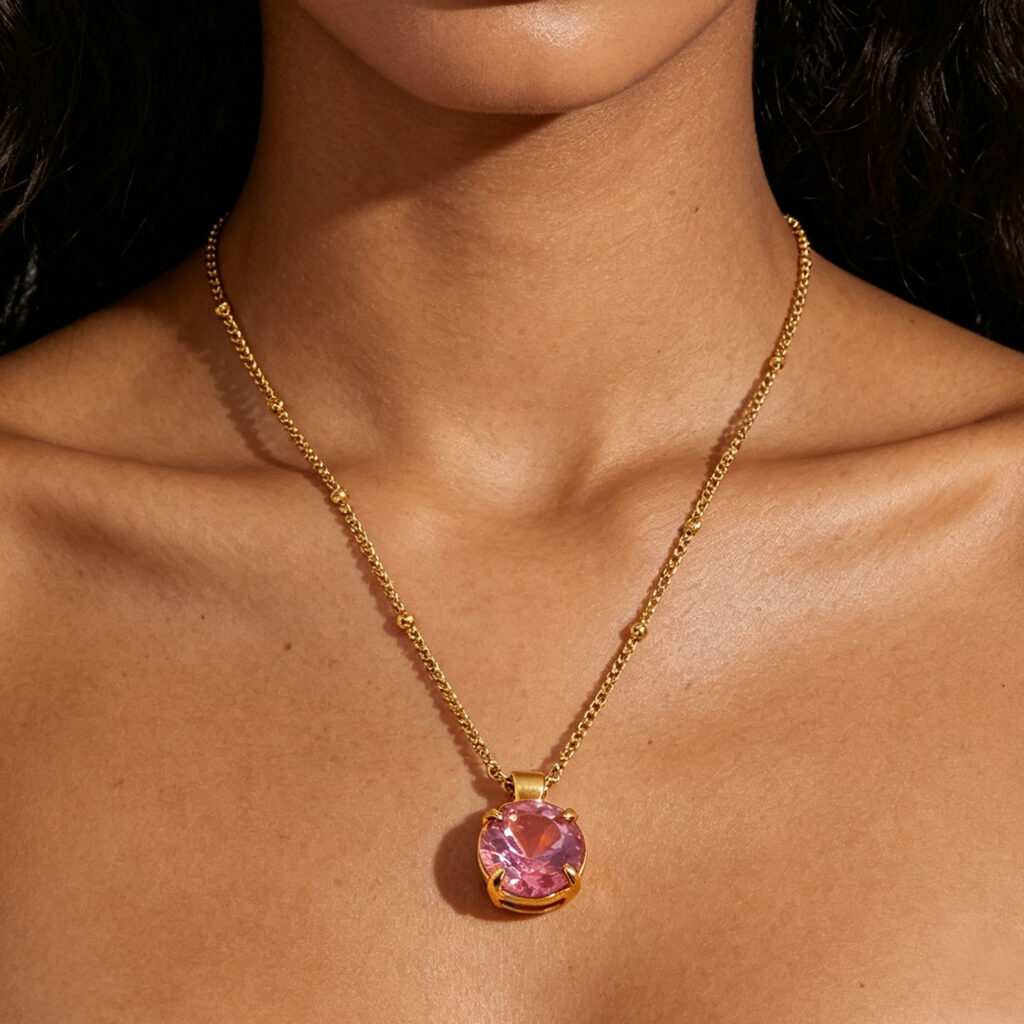
Safeguarding PVD Jewelry in the Shower
- Minimize exposure to harsh chemicals. This includes chlorine, strong soaps, shampoos, detergents, bleach, and ammonia.
- Take off jewelry before frequent exposure to chlorinated pools, saltwater, heavy soaps, lotions, or cleaning chemicals.
- Check that the item is PVD-coated stainless steel before showering.
- Look for specific “shower-safe” or “sweatproof” claims from the brand for your item.
- Follow cleaning and drying care instructions to keep it in good shape.
- Even with “waterproof” claims, long-term exposure can still cause wear.
- Gentle use and avoiding chemicals best keeps the color and finish.
Can You Swim While Wearing PVD Jewelry?
PVD jewelry water resistance is one of the key reasons it is widely used in everyday accessories. For long-term PVD jewelry water resistance performance, just follow basic care and avoid harsh chemicals to keep it looking good.
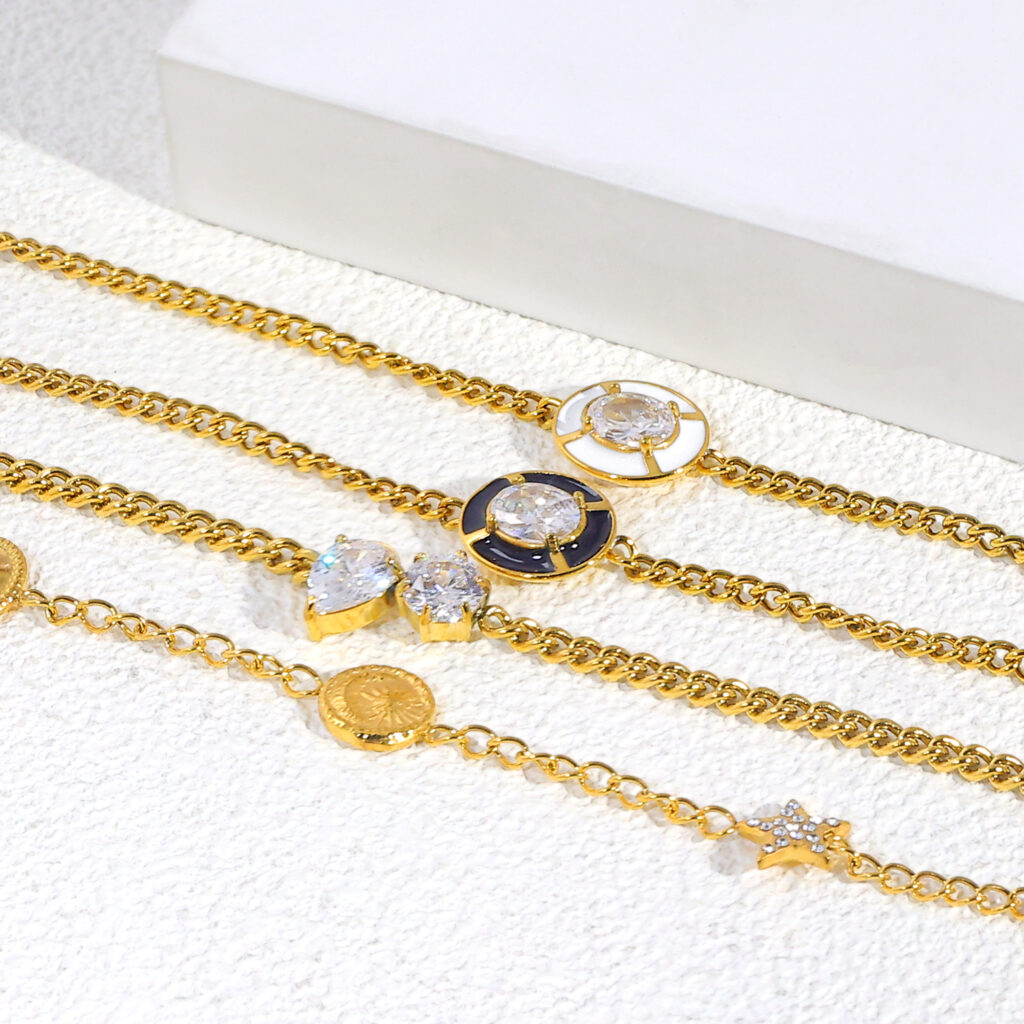
PVD jewelry is generally safe to wear while swimming, especially for occasional use. High-quality pieces made with 316L stainless steel and a PVD coating can resist water, sweat, and brief exposure to pools or seawater without immediate damage.
However, frequent swimming in chlorinated pools, saltwater, or hot tubs can gradually reduce coating durability over time, especially at high-friction areas like edges and clasps.
To extend lifespan, it is recommended to rinse with clean water and dry after swimming. For long-term protection, removing jewelry during regular swimming is the best option.
Unlock High-Margin Jewelry: Custom, Durable, Fast
How Does Salt Water Affect PVD Jewelry?
PVD jewelry resists saltwater, but prolonged exposure accelerates wear. Proper care, like rinsing and gentle cleaning, extends its lifespan, especially on 316L stainless steel.
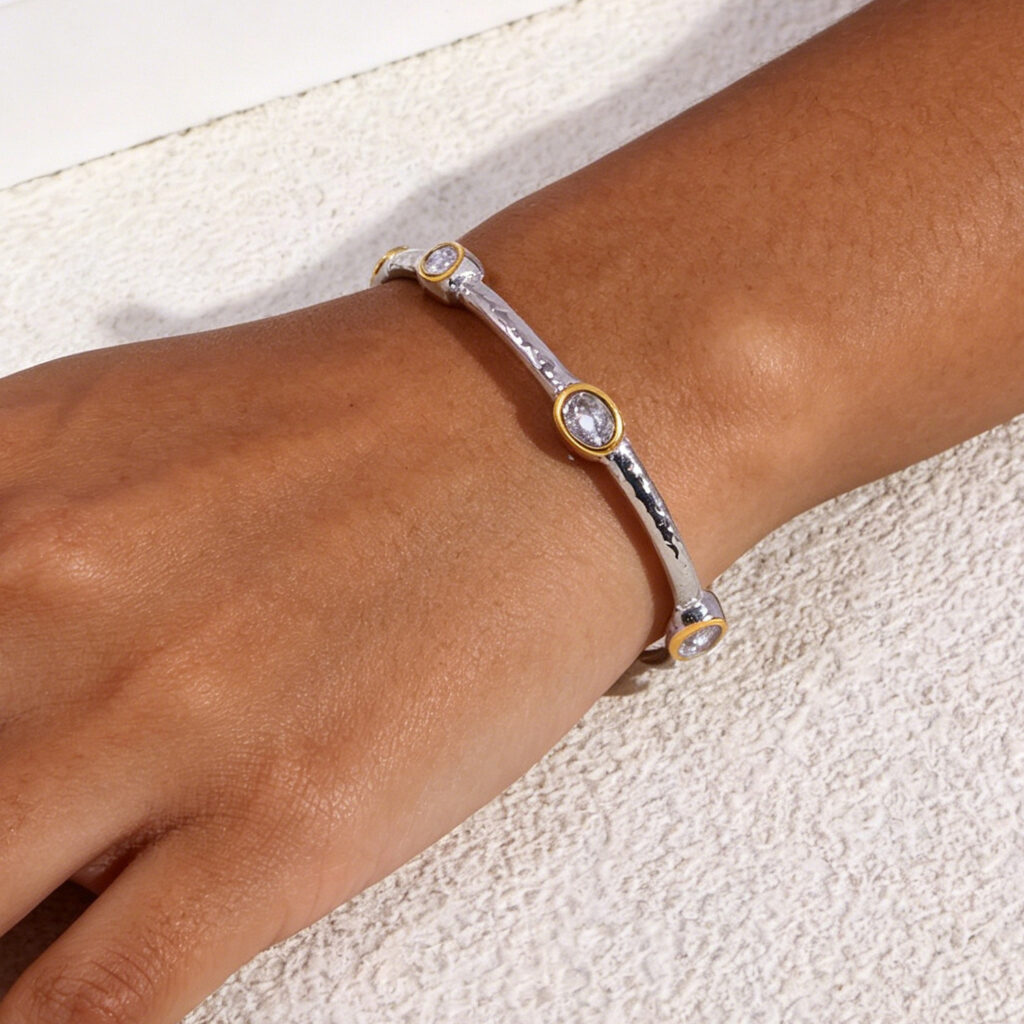
Effects of Saltwater Exposure on PVD Jewelry
Saltwater’s impact on PVD coatings depends largely on exposure frequency, mechanical friction, and the base metal beneath the coating.
- Protective layer inherently resist moisture and salt, significantly outperforming traditional plated jewelry in durability.
- Saltwater contains dissolved minerals and abrasive micro-particulates, such as sand, which contribute to micro-scratches and accelerate wear, particularly on high-friction areas.
- Repeated or prolonged saltwater contact can lead to a dulling of the finish, slight color shifts, and localized thinning of the coating over years of heavy use.
- PVD effectively protects robust base metals like 316L stainless steel. A compromised coating on more reactive bases (e.g., brass) allows saltwater to cause under-film corrosion and flaking.
- While marketed as “waterproof” for swimming and daily wear, minimizing prolonged saltwater exposure helps maximize the coating’s effective lifespan.
Strategies for Maintaining PVD Jewelry in Saltwater
With the right care habits, most PVD jewelry can maintain its appearance well beyond typical wear expectations.
- Rinse PVD jewelry thoroughly with fresh water immediately after any saltwater exposure to remove corrosive salt and mineral deposits.
- Clean gently using mild soap and lukewarm water with a soft cloth or brush. Avoid abrasive cleaners, scouring pads, or harsh chemicals.
- Minimize mechanical abrasion. Remove PVD jewelry during activities involving heavy sand or strong surf where friction is intense.
Choosing the Right Option for Heavy Saltwater Use
For those with constant, extreme saltwater exposure, material choice matters as much as care habits.
Solid stainless steel or high-karat gold remain the top choices for constant, extreme saltwater conditions. PVD-coated stainless steel jewelry, though, provides an excellent durability-to-cost ratio for regular saltwater use.
How Does Chlorine Affect PVD Coating?
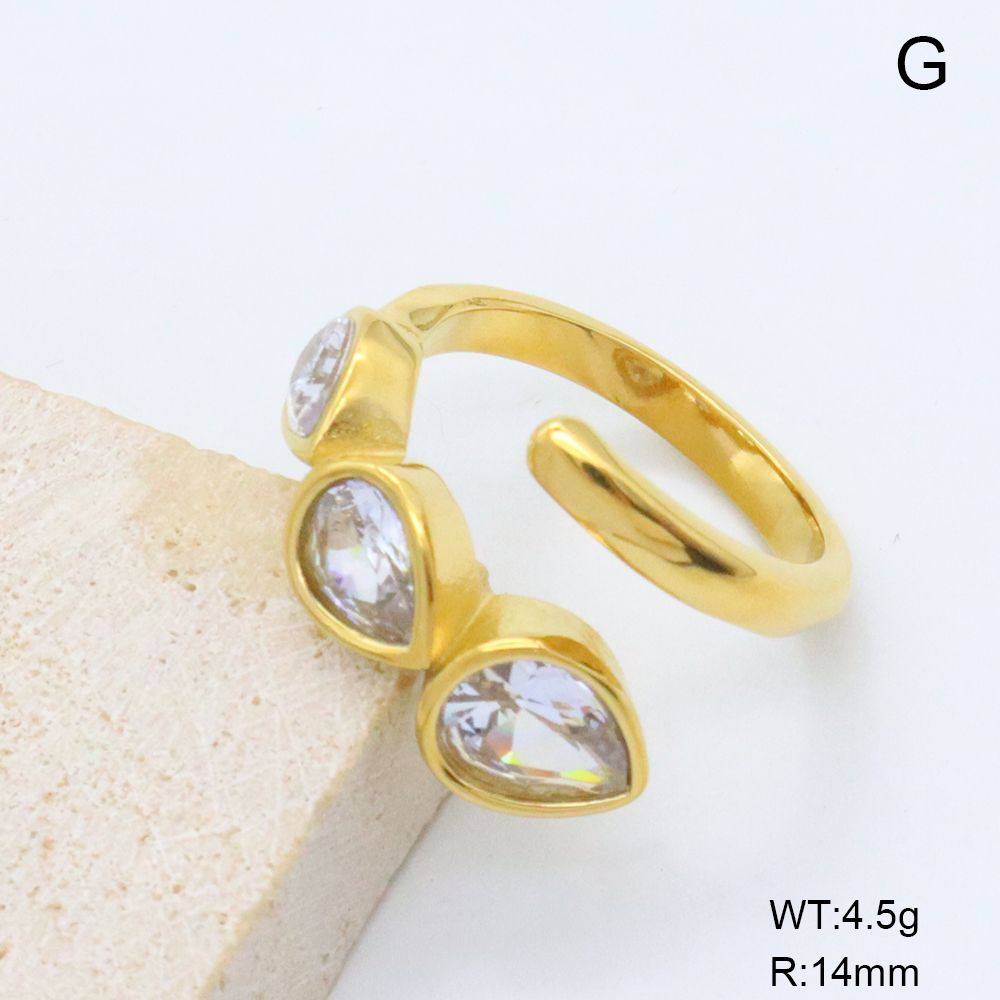
Chlorine is a major threat to PVD jewelry’s finish. It can dull, discolor, or damage coatings over time, especially with frequent or prolonged exposure.
Chlorine’s Interaction with PVD Coatings
Chlorine acts as an oxidizer, chemically attacking surfaces over time. It can penetrate protective layer through defects, edges, or wear points, and once the coating is compromised, the underlying metal becomes vulnerable to reaction.
Observable Impacts and Risk Factors
Common visual signs of chlorine damage include color fading, dullness, or loss of shine, along with spotty discoloration and tarnish on exposed base metal. Higher chlorine concentration and longer immersion times both increase the risk of damage, and mechanical wear further compounds the problem by creating entry points for chemical attack.
Waterproof vs Water-Resistant Jewelry: What Is the Difference?
Waterproof jewelry resists full submersion and heavy moisture due to its materials and construction. Water-resistant jewelry tolerates some contact, but not extended wet conditions. PVD-coated stainless steel closes the gap between plated and solid gold for daily water exposure.
How Jewelry Handles Water Exposure Differently
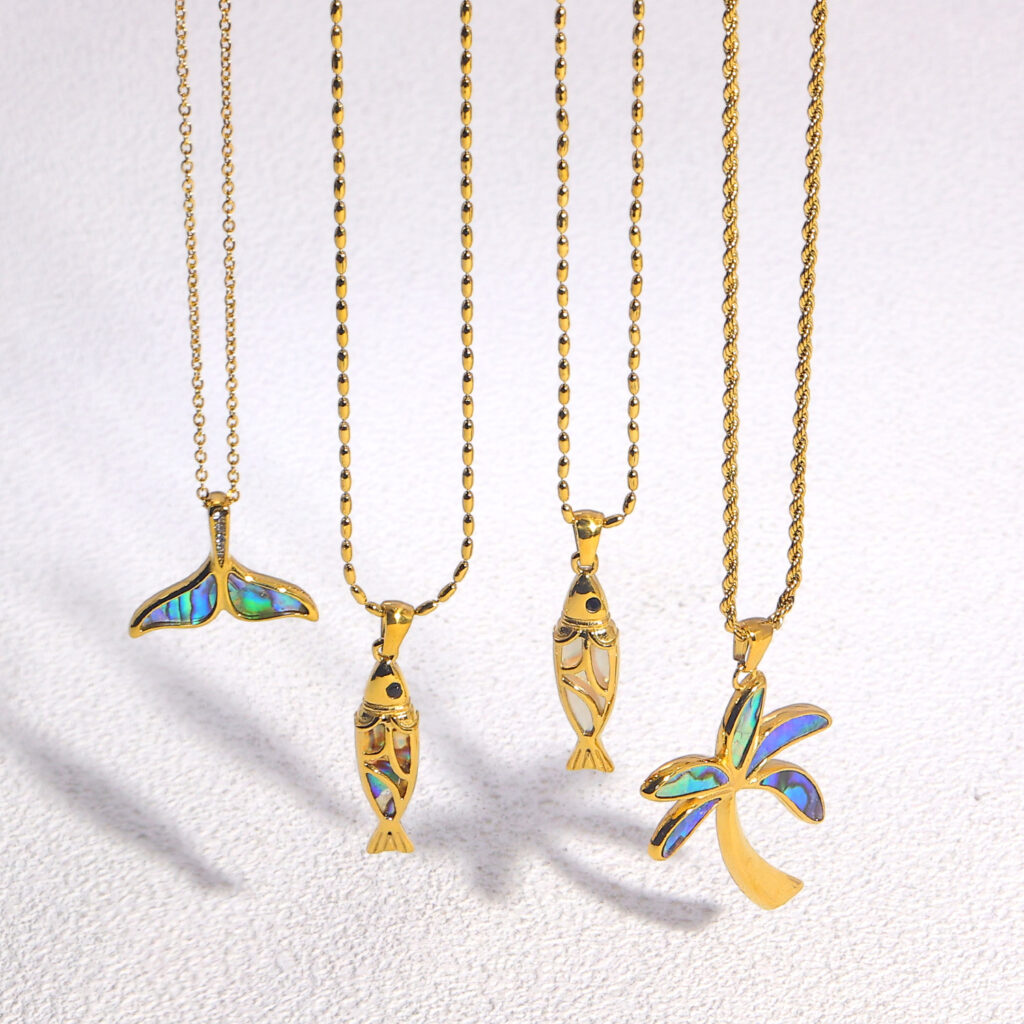
Jewelry labeled as waterproof can withstand repeated exposure to water—including showers, pools, and ocean environments—without losing its finish, corroding, or degrading structurally. This level of performance is typically achieved through corrosion-resistant base metals such as solid gold (10k–24k), stainless steel, titanium, platinum, or palladium. It can also be enhanced through PVD (Physical Vapor Deposition) coatings, which create a dense, wear-resistant layer on stainless steel. Compared to traditional plating, PVD provides superior hardness, stronger adhesion, and better resistance to water, sweat, and abrasion.
By comparison, water-resistant jewelry is only suitable for brief or occasional contact, such as handwashing, light rain, or accidental splashes. It is usually made with gold-plated, vermeil, or similar coated base metals, where the thin outer layer can wear down over time with repeated exposure. In many cases, reactive materials like brass, copper, or low-grade alloys may also develop corrosion or skin reactions when exposed to moisture.
Which Base Metals Improve PVD Water Resistance?
316L stainless steel and titanium significantly boost PVD water resistance. Brass and copper need specific barrier layers for similar water protection.
Primary Base Metals for High Water Resistance
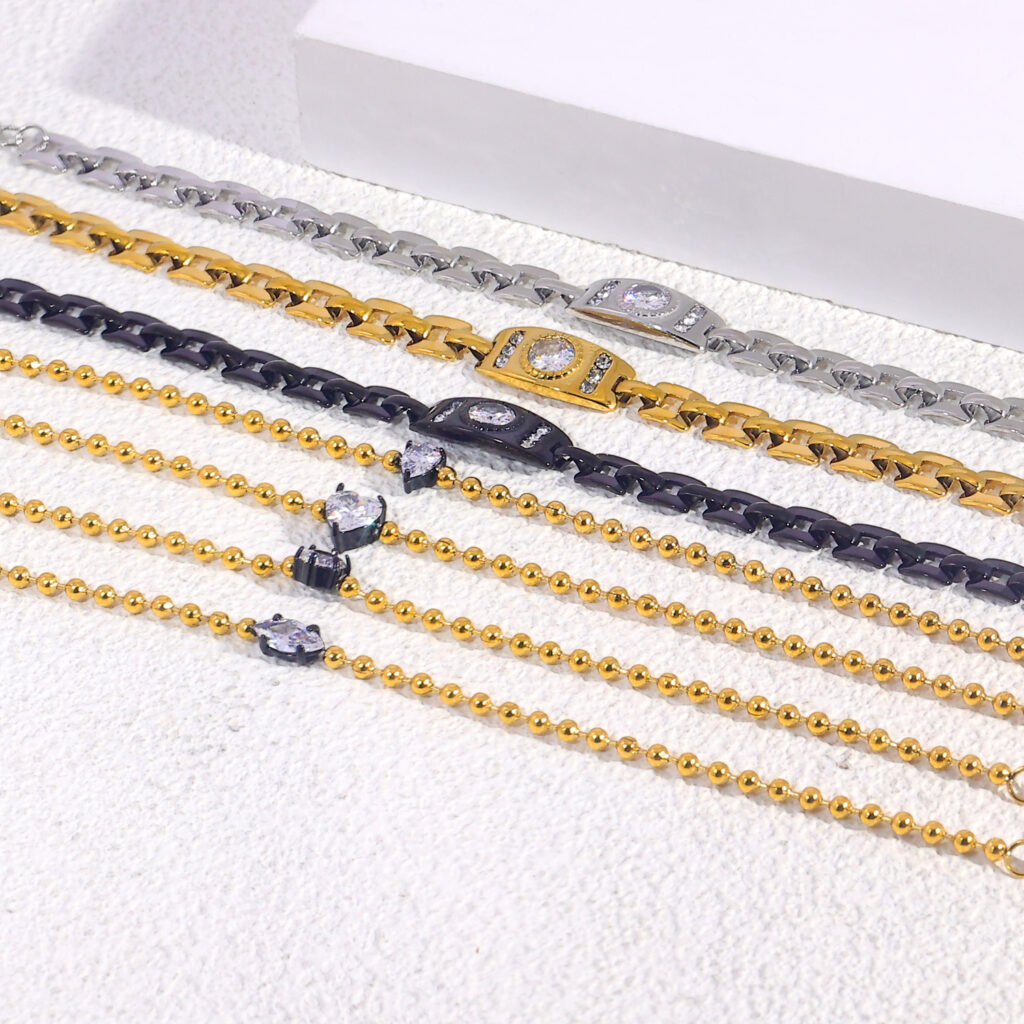
- 316L Stainless Steel: Forms a protective passive oxide film, creating a dual barrier with PVD; highly resistant to corrosion in water, sweat, and mild chemicals.
- Titanium: Develops a stable, self-healing TiO₂oxide film, offering excellent corrosion resistance in wet and chloride environments; also lightweight and suitable for hypoallergenic jewelry.
- When PVD-coated, these metals provide strong durability for daily wear, including showers and occasional swimming.
Base Metals Requiring Intermediate Layers for Water Resistance
- Brass and Copper Alloys: Possess lower intrinsic corrosion resistance and are prone to discoloration when exposed directly to water or sweat.
- Essential Barrier Layers: Require electroplated layers (e.g., bright nickel, white bronze, palladium) applied before PVD to prevent corrosion and improve water tolerance.
- This multi-layer approach enhances water resistance, but these items are generally better suited for intermittent rather than continuous water exposure.
How to Maintain PVD Jewelry After Water Exposure?
PVD jewelry needs simple care after getting wet. Gently clean, dry promptly, and store it right to keep it looking good long-term. Harsh chemicals are its enemy.
Immediate Care Following Water Exposure
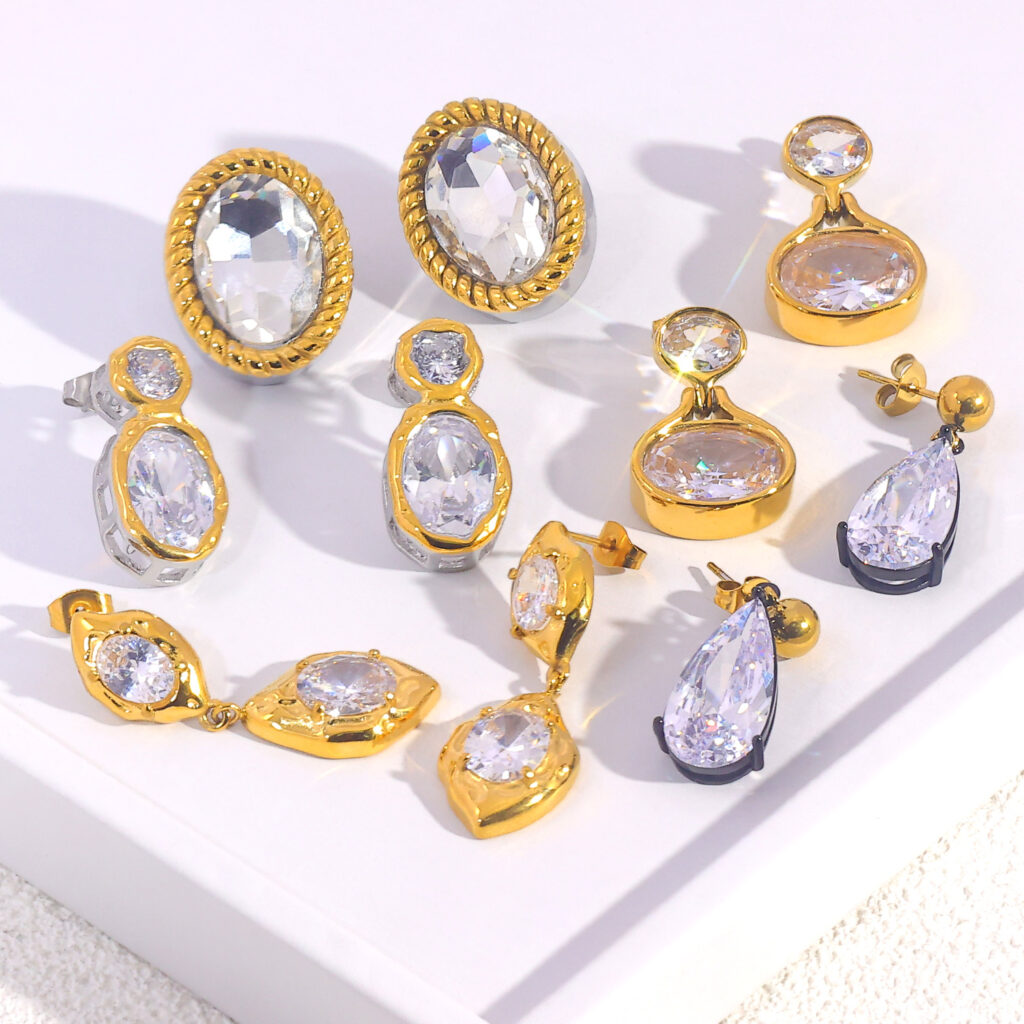
After any water exposure, pat your PVD jewelry dry right away with a soft, lint-free cloth. This prevents water from sitting on the surface. Make sure you check tricky spots like chain links, clasps, and stone settings. Water can get trapped there. If the piece was in pool or saltwater, give it a quick rinse under clean tap water before drying. This removes chlorine or salt residue. If you need to, let it air dry completely on a clean towel, especially for hidden areas.
Long-Term Preservation and Preventive Habits
To keep your PVD jewelry in good condition, avoid leaving it wet for long periods and limit frequent exposure to pool water, saltwater, and hot tubs, as well as harsh chemicals like perfumes, lotions, bleach, or alcohol-based cleaners. Instead of scrubbing, clean it gently, and always store it dry in a soft pouch or separate box to prevent scratches. A simple habit like putting jewelry on after skincare or removing it before swimming, workouts, or cleaning can significantly extend its lifespan.
Frequently Asked Questions About Waterproof PVD Jewelry
Does PVD jewelry fade or change color over time?
High-quality PVD coatings are designed to resist fading and discoloration for years. However, long-term exposure to friction, chemicals, or abrasive surfaces can gradually dull the finish, especially on frequently worn pieces.
Is PVD jewelry safe for sensitive skin?
Yes, PVD jewelry made on 316L stainless steel or titanium is generally hypoallergenic and suitable for sensitive skin. The coating helps prevent direct contact between skin and reactive metals like nickel or copper.
What affects the lifespan of PVD jewelry?
The lifespan of PVD jewelry depends on coating thickness, base metal quality, and daily wear habits. Exposure to friction, chemicals, and abrasive environments will shorten its durability, while proper care significantly extends its shine.
How can you tell if PVD jewelry is high quality?
High-quality PVD jewelry typically uses 316L stainless steel or titanium as the base metal, has a uniform and smooth coating, and comes from manufacturers that test for wear, water, and corrosion resistance. Poor-quality pieces often show uneven color or thin coatings.
Can damaged PVD jewelry be repaired or recoated?
In many cases, PVD jewelry cannot be spot-repaired, but it can sometimes be recoated through industrial refinishing processes. Whether recoating is possible depends on the base metal condition and the level of surface damage.
Is PVD jewelry scratch resistant?
PVD coatings are significantly harder than traditional plating and offer strong scratch resistance. However, contact with rough surfaces, sand, or metal-on-metal friction can still cause micro-scratches over time.
What is the best way to store PVD jewelry?
Store PVD jewelry in a dry, cool place such as a soft pouch or lined jewelry box. Keeping each piece separate prevents scratching and helps maintain the coating’s shine and color over time.
Final Thoughts
Not all “waterproof” jewelry performs the same. The base metal, coating thickness, and PVD process quality all directly affect how well a piece holds up to water, sweat, chlorine, and salt over time. For brands sourcing waterproof jewelry, PVD-coated 316L stainless steel offers the most reliable balance of durability and cost—outperforming standard plating while staying far more affordable than solid gold.
We manufacture PVD-coated stainless steel jewelry tested for water, sweat, and chlorine resistance, with low MOQs and custom design options. Contact us to request samples or discuss bulk orders.