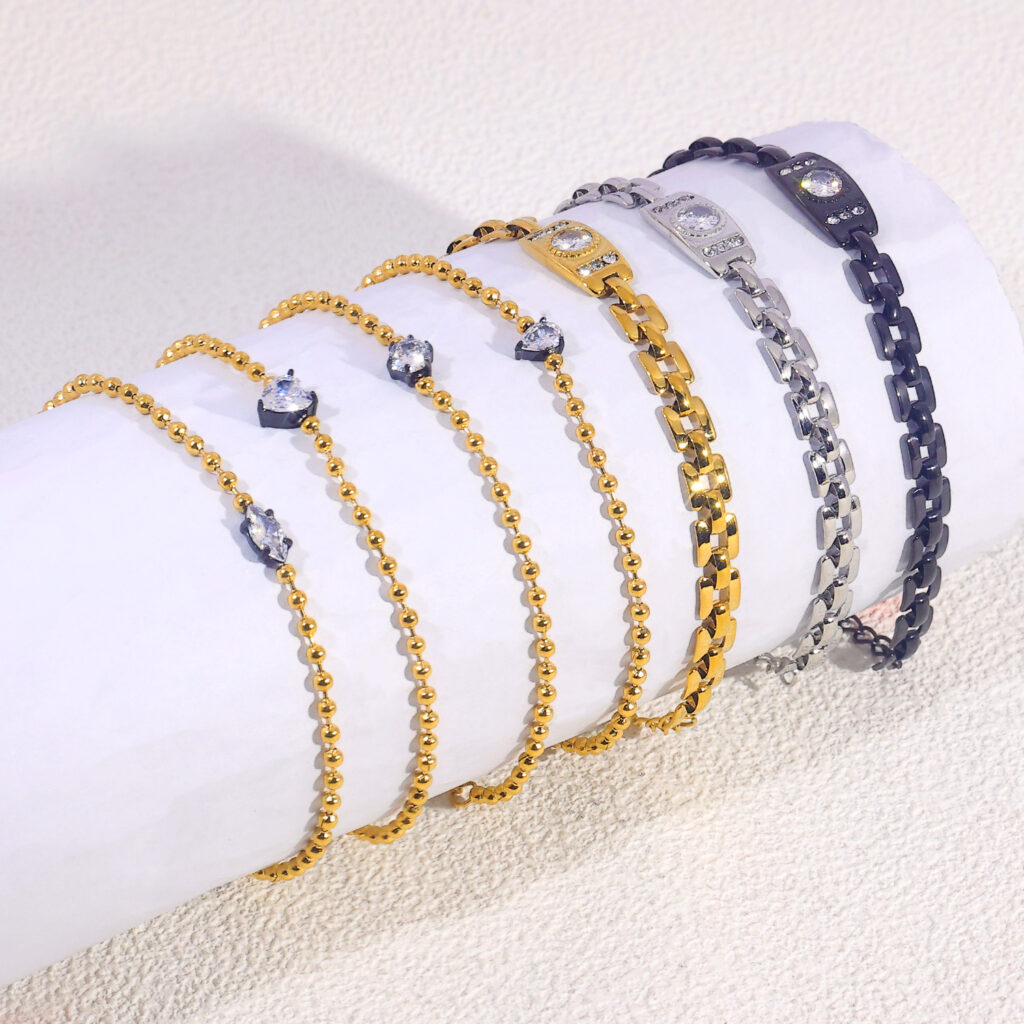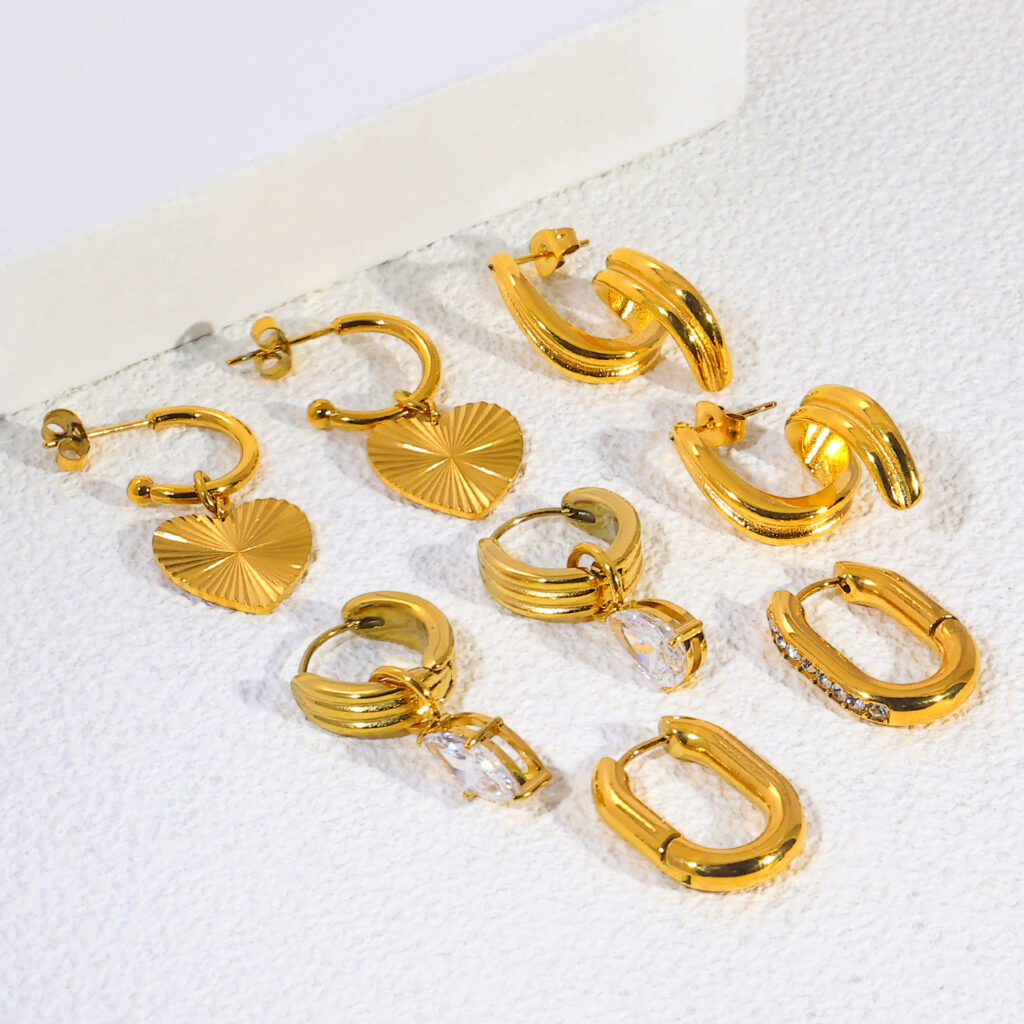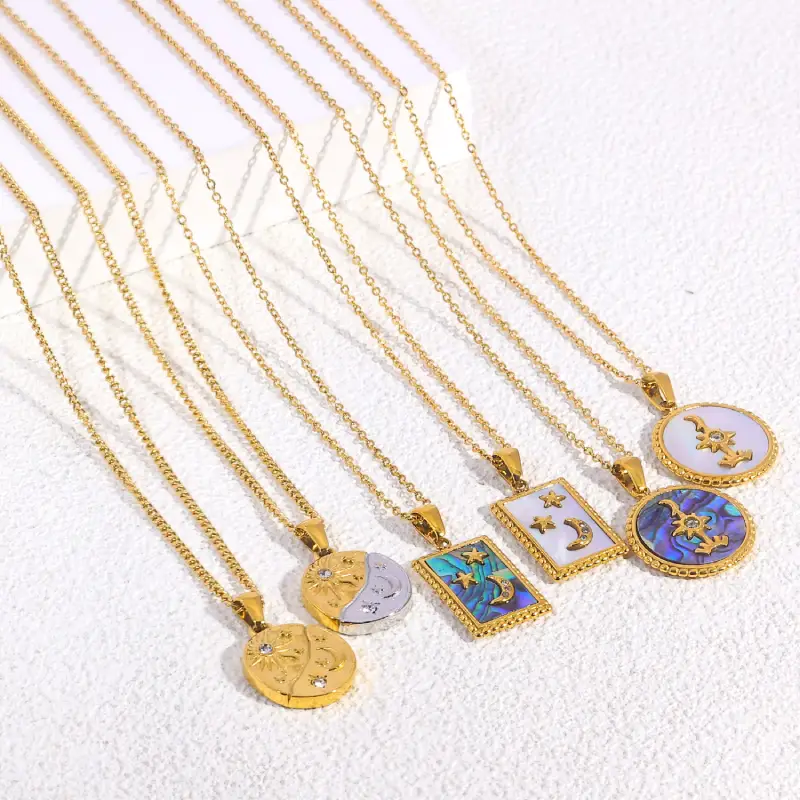
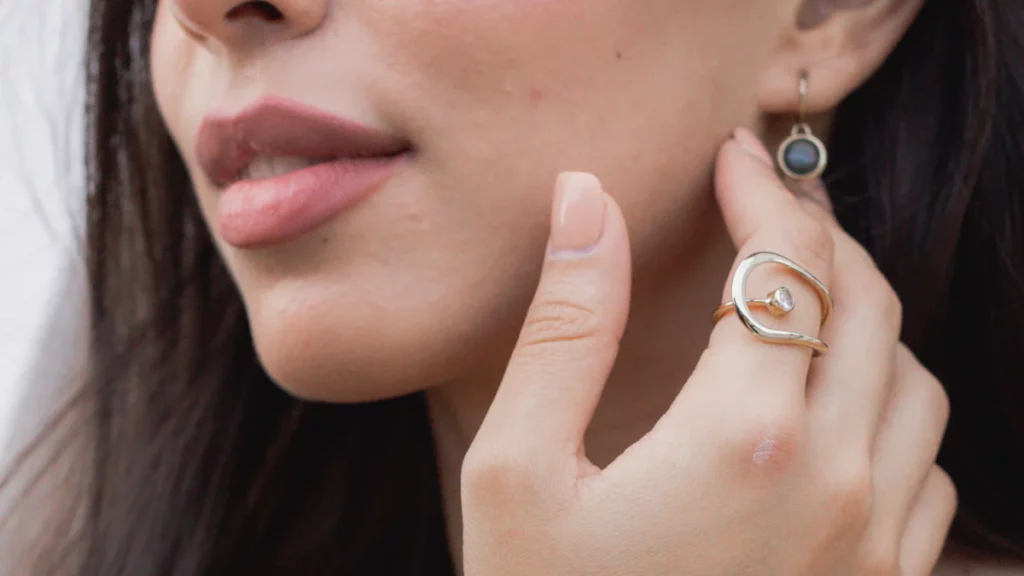
Oui, les bijoux PVD sont généralement considérés comme hypoallergéniques lorsqu'ils sont fabriqués à partir de métaux de base stables comme l'acier inoxydable 316L ou le titane de qualité implantaire.. Le revêtement PVD lui-même est inerte et aide à réduire le contact direct de la peau avec les ions métalliques, ce qui réduit le risque d'irritation par rapport aux bijoux plaqués traditionnels. Cependant, La sécurité globale de la peau dépend toujours de la qualité du métal de base et de l'intégrité du revêtement.. Des alliages de mauvaise qualité ou des revêtements endommagés peuvent néanmoins déclencher des réactions sur les peaux sensibles.
Qu'est-ce qui rend les bijoux hypoallergéniques?
Les bijoux sont hypoallergéniques lorsqu'ils évitent le nickel et utilisent des métaux doux pour la peau. Les revêtements durables et la fabrication de qualité empêchent les réactions, offrant une option plus sûre pour les peaux sensibles.
Principaux déclencheurs de réactions cutanées dans les bijoux
Les réactions cutanées causées par les bijoux sont généralement causées par quelques facteurs clés, même dans les pièces étiquetées comme bijoux hypoallergéniques.
Le nickel reste le déclencheur le plus courant, provoquant souvent des démangeaisons, rougeur, et irritation des peaux sensibles. D'autres métaux comme le cobalt, ou composants en alliage de mauvaise qualité, peut également contribuer à des réactions similaires.
Même avec bijoux hypoallergéniques ou modèles avec revêtement PVD, une irritation peut toujours survenir si le métal de base n'est pas correctement contrôlé ou si le revêtement est usé ou endommagé, exposer le matériau sous-jacent.
En pratique, le facteur le plus important n'est pas l'étiquette hypoallergénique elle-même, mais le contrôle réel du nickel et la stabilité à long terme de la structure du matériau en cas d'utilisation en contact avec la peau.
Facteurs clés pour minimiser les réactions allergiques
La réduction des réactions allergiques dans les bijoux dépend principalement du contrôle de l'exposition au nickel et de la limitation du contact direct de la peau avec les métaux réactifs.. L’utilisation de matériaux à faible teneur en nickel ou sans nickel est le facteur le plus important, car le nickel est la principale cause de la plupart des allergies aux métaux.
Des matériaux tels que le titane, acier inoxydable, et l'argent sterling sans nickel sont couramment utilisés en raison de leur faible réactivité et de leur bonne compatibilité cutanée.. En outre, les revêtements protecteurs comme le PVD ou le placage au rhodium aident à réduire le contact de la peau avec le métal de base.
Dans l'ensemble, le choix des matériaux et la qualité du revêtement jouent un rôle clé dans la réduction des irritations lors du port quotidien.
Comment le métal de base affecte-t-il la sécurité de la peau?
Bijoux PVD’La sécurité du produit dépend fortement de son métal de base. Si le revêtement s'use, les métaux réactifs peuvent exposer la peau à des irritations.
Propriétés des métaux de base et leurs réactions cutanées
Alors que le PVD crée une barrière solide, le métal de base’Les propriétés inhérentes restent essentielles pour la sécurité de la peau. Vous ne pouvez pas négliger les propriétés du métal de base sous-jacent.
Prenez l'acier inoxydable chirurgical 316L. Il minimise la libération de nickel car ses alliages retiennent fermement le nickel. Cela signifie que même si un revêtement s'amincit, les réactions sont moins probables pour la plupart des gens. Les alliages de titane vont encore plus loin; ils ne contiennent pas de nickel et sont entièrement hypoallergéniques pour presque tout le monde.
D'un autre côté, laiton, cuivre, et d'autres alliages riches en nickel comportent des risques plus élevés. Ils provoquent non seulement une irritation, mais aussi cette décoloration verte familière de la peau.. Ces métaux sont simplement plus réactifs avec la sueur et les acides cutanés..
Interaction du revêtement PVD avec le métal de base pour une sécurité durable
Un revêtement PVD de qualité forme un film dense, couche à liaison moléculaire. Cela bloque physiquement les allergènes des métaux communs, agissant comme un bouclier efficace. Cette couche PVD peut être 2-5 microns d'épaisseur, qui est dix fois plus épais que la galvanoplastie typique, offrant une meilleure résistance à l'usure.
Cependant, aucun revêtement n'est infaillible. Porter, micro-fissures, ou des revêtements minces peuvent exposer les métaux de base réactifs, entraînant une irritation ou des allergies. Que’C'est pourquoi le choix du métal de base est si important. Si vous disposez d'une base biocompatible, comme le 316L ou le titane, il assure la sécurité même si le revêtement PVD finit par s'user.
Pour faire un choix éclairé, vous devez connaître le métal de base explicite. Aussi, vérifier le Qualité PVD. Enfiler’Je ne me contente pas de vagues « alliage » descriptions; demander des détails.
Pourquoi l'acier inoxydable 316L est-il populaire pour les bijoux PVD?
316L'acier inoxydable offre une solide, base hypoallergénique pour bijoux PVD. Sa durabilité et sa résistance à la corrosion garantissent une longue durée de vie, des pièces douces pour la peau à un prix accessible.
Points forts des matériaux de base: Propriétés hypoallergéniques et durabilité
316L’composition (chrome, molybdène, faible teneur en carbone) crée un matériau hautement résistant à la corrosion, alliage stable, ce qui est crucial pour les bijoux.
Son profil hypoallergénique provient du nickel étant ‘fermé’ dans la matrice de l'alliage, De plus, le PVD ajoute une couche superficielle inerte pour les peaux sensibles.
L'acier résiste à la corrosion due à la sueur, sel, et de l'eau. Cela stoppe la décoloration et les réactions cutanées lors d'une utilisation quotidienne.
Haute durabilité mécanique, y compris la dureté et la ténacité, donne une base stable. Cela minimise les fissures du revêtement PVD dues à la flexion ou aux impacts..
Ces propriétés inhérentes garantissent que les bijoux PVD résistent à l'usure quotidienne, humidité, et les changements de température, améliorer sa durée de vie.
Attrait du marché: Stabilité esthétique et proposition de valeur
- 316L résiste au ternissement et à la décoloration. Cela donne aux finitions PVD une base fiable pour une usure à long terme.
- Les revêtements PVD sur 316L offrent une durabilité, couleur uniforme qui donne de bien meilleurs résultats que le placage traditionnel en termes d'usure et d'apparence.
- Le matériau est un choix rentable par rapport aux métaux précieux. Il offre une grande durabilité et une sécurité cutanée à bon prix.
- Les marques utilisent du 316L avec PVD pour les bijoux dorés et d'autres couleurs. Cela permet de conserver un aspect haut de gamme sans coûts élevés.
- Cette combinaison permet des allégations marketing telles que ‘hypoallergénique’ et ‘résistant au ternissement’. Cela correspond à ce que les consommateurs attendent des bijoux de tous les jours.
Les bijoux en titane PVD sont-ils meilleurs pour les peaux sensibles?
Les bijoux en titane PVD fonctionnent bien pour les peaux sensibles, surtout avec des bases en titane de haute qualité. Mais le titane massif reste le meilleur choix pour les peaux très réactives ou les nouveaux piercings..
Le mécanisme hypoallergénique des bijoux en titane PVD
Les bijoux en titane PVD réduisent le risque de réactions cutanées en combinant un métal de base biocompatible avec un revêtement protecteur durable. Cette double structure le rend particulièrement adapté aux peaux sensibles.
Le titane comme métal de base
Le titane joue le rôle le plus important pour assurer la sécurité de la peau. Titane de qualité implantaire, tel que ASTM F136, est totalement sans nickel et largement utilisé dans les applications médicales. Parce qu'il forme naturellement une couche d'oxyde stable, il résiste à la corrosion et reste chimiquement inerte au contact de la peau.
Cette stabilité signifie que le métal ne libère pas d'ions irritants, même en cas de port prolongé ou d'exposition à la sueur et à l'humidité. Pour cette raison, le titane est souvent recommandé aussi bien pour les utilisateurs de peau sensible que pour les piercings récents.
Technologie de revêtement PVD
Au-dessus de la base en titane, PVD (Le dépôt physique en phase vapeur) ajoute une couche de protection supplémentaire. Ce processus lie des matériaux tels que le nitrure de titane à la surface dans un environnement sous vide., créant un revêtement fin mais extrêmement dense.
Contrairement au placage traditionnel, cette couche est très résistante aux rayures, décoloration, et corrosion. Il aide également à maintenir une surface stable qui ne se décompose pas facilement avec l'usure quotidienne.. Dans de nombreux cas, les mêmes matériaux biocompatibles utilisés dans les outils médicaux sont appliqués dans les revêtements PVD.
Effet hypoallergénique combiné
Quand le titane et le revêtement PVD travaillent ensemble, ils créent un système de double protection. La base en titane reste chimiquement inerte, tandis que la couche PVD agit comme une barrière physique entre la peau et les irritants potentiels.
Cette structure réduit considérablement la libération d'ions métalliques et limite le contact direct de la peau avec les allergènes. Même dans des conditions telles que la transpiration ou un port fréquent, le risque global d’irritation reste très faible, surtout lorsque des matériaux de haute qualité sont utilisés.
Considération d'achat finale
Lors de la sélection de bijoux en titane PVD, donnez toujours la priorité à la transparence dans les spécifications des matériaux et la qualité du revêtement. Un étiquetage technique clair et des normes de fabrication fiables sont les indicateurs les plus fiables de la sécurité et des performances cutanées à long terme..
Élevez votre marque avec la personnalisation, Bijoux durables
Le revêtement PVD empêche-t-il l'exposition au nickel?
Le revêtement PVD empêche l'exposition du nickel avec des bases sans nickel et des matériaux inertes. Il réduit considérablement les rejets des alliages contenant du nickel, mais ne’t garantir une exposition nulle si les revêtements sont minces ou endommagés.
Conditions pour une prévention efficace de l’exposition au nickel par PVD
Le PVD crée un dense, résistant à l'usure, film à liaison moléculaire. Ce film agit comme une barrière physique entre la peau et les métaux sous-jacents.
Lorsqu'il est appliqué sur des substrats hypoallergéniques, disons titane ou acier inoxydable 316L sans nickel, Le PVD réduit considérablement le risque d’exposition au nickel.
Revêtement PVD, les aciers inoxydables contenant du nickel répondent aux normes EN 1811 limites de rejet de nickel. Les taux de libération de nickel mesurés sont généralement inférieurs 0.5 µg/cm²/semaine.
Un film PVD bien déposé, avec une faible porosité et une bonne adhérence, ralentit considérablement la diffusion du nickel.
Les revêtements PVD TiN et ZrN sont chimiquement inertes et biocompatibles. Ils créent une surface de contact sans nickel.
Les meilleures pratiques incluent l'utilisation de substrats sans nickel, matériaux PVD inertes comme TiN ou ZrN, épaisseur contrôlée, et une microstructure optimale pour réduire les défauts.
Régulier DANS 1811 essai, même après un vieillissement simulé, confirme la conformité à long terme et la prévention efficace du nickel.
Facteurs limitant le PVD’s Protection barrière contre le nickel à long terme
Les revêtements PVD réduisent l'exposition au nickel, mais des rayures, porter, ou des revêtements de mauvaise qualité peuvent éventuellement exposer les métaux de base contenant du nickel. Le risque est plus élevé dans les bijoux de mauvaise qualité comportant de fines couches de PVD ou des matériaux non spécifiés.. Choisir des métaux de base sans nickel et remplacer les bijoux une fois le revêtement endommagé contribue à maintenir la sécurité de la peau..
Quels matériaux de bijoux les clients à la peau sensible devraient-ils éviter ??
Les clients à la peau sensible devraient éviter le nickel, cobalt, cuivre, et alliages inconnus. Les placages de mauvaise qualité et les bijoux PVD spécifiques présentent également des risques.
Matériaux et revêtements problématiques spécifiques
- Nickel: L'allergène principal, présent dans les bijoux à petit prix, or blanc, et placages. Évitez tous les alliages contenant du nickel pour les peaux sensibles.
- Cobalt et Chrome: Ce sont des causes reconnues d’allergie de contact. Vous les trouvez dans certains alliages bon marché et composants industriels.
- Laiton et Cuivre: Ceux-ci s'oxydent avec la sueur, provoquant une irritation et des taches sur la peau. Souvent, ils contiennent du nickel ou d'autres métaux réactifs.
- Alliages inconnus ou non spécifiés: Des descriptions génériques comme ‘alliage métallique’ ou ‘métal commun’ cache souvent du nickel, cuivre, zinc, ou conduire. Évitez les produits sans divulgation matérielle claire.
- Placages métalliques minces: Ceux-ci s'usent rapidement, exposant des métaux de base réactifs comme le nickel ou le laiton en dessous.
- Revêtements sans protection: Générique ‘plaqué’ les objets perdent leur surface avec l'usure, révélateur de métaux allergisants. Ils manquent de robustesse, barrières hypoallergéniques.
Risques contextuels et stratégies pratiques d’évitement
Du point de vue de l'utilisation, certaines zones du corps sont plus sujettes à des réactions dues à un contact constant ou étroit avec les bijoux. Poteaux de boucles d'oreilles, anneau, et les boîtiers de montres sont des zones à haut risque où une exposition prolongée augmente la sensibilité au fil du temps..
Pour les bijoux PVD spécifiquement, la prudence est de mise lorsque le matériau de base n'est pas clairement défini. Les produits contenant des métaux non spécifiés ou une teneur potentielle en nickel et en cobalt peuvent toujours provoquer des réactions si le revêtement s'use ou est inégal..
Il est également important de s'assurer que les zones à forte friction telles que les anneaux intérieurs ou les tiges des boucles d'oreilles sont entièrement recouvertes et fabriquées à partir de matériaux hypoallergéniques vérifiés.. Une couverture de revêtement partielle ou incohérente peut réduire l’efficacité globale de la protection.
Les produits avec des descriptions vagues ou des normes de fabrication de type fast fashion doivent être traités avec soin.. Les bijoux bon marché utilisent souvent des alliages de qualité inférieure ou des revêtements minces qui se dégradent rapidement dans des conditions normales d'usure..
Si un bijou a déjà provoqué des démangeaisons, rougeur, ou une irritation, il est préférable d'arrêter immédiatement l'utilisation et de passer à des matériaux hypoallergéniques vérifiés. L’expérience antérieure est souvent un indicateur solide du risque de sensibilité futur.
Bijoux PVD vs bijoux en alliage: Ce qui est plus sûr?
Les bijoux PVD sont généralement plus sûrs et hypoallergéniques de manière plus fiable que les bijoux en alliage classiques en raison de leur durabilité., revêtement inerte et meilleurs métaux de base.
Principales différences dans les propriétés hypoallergéniques et la durabilité
PVD (Le dépôt physique en phase vapeur) les bijoux se distinguent par leurs qualités hypoallergéniques par rapport aux bijoux en alliage typiques. Le revêtement PVD lui-même utilise des matériaux inertes, matériaux biocompatibles, souvent du nitrure de titane. Ces revêtements sont essentiellement sans nickel et agissent comme une barrière solide. Ils empêchent la peau d'entrer directement en contact avec les métaux potentiellement irritants contenus dans la base., comme du nickel. De nombreuses pièces PVD de qualité utilisent de l'acier inoxydable chirurgical 316L ou du titane comme noyau, qui sont hypoallergéniques en eux-mêmes. Cela crée un double système de sécurité, maintenir le risque d’allergie à un faible niveau.
Bijoux en alliage, généralement des pièces de mode, repose souvent sur des métaux communs tels que le laiton, cuivre, ou alliages contenant du nickel. Ce sont des déclencheurs d’allergies courants. Si les bijoux en alliage sont plaqués, il’est généralement mince. Ce placage s'use vite. Une fois’est parti, le nickel ou d'autres métaux réactifs touchent la peau, entraînant une irritation ou des réactions allergiques. PVD’La barrière est plus robuste. Il’s lié moléculairement, ultra-dur, et dense, beaucoup plus résistant aux rayures, ternir, et la décoloration. Cette durabilité maintient la couche protectrice intacte beaucoup plus longtemps que le placage en alliage conventionnel. Cela signifie des performances hypoallergéniques plus stables dans le temps.
Implications pratiques et recommandations en matière de sécurité
Pour un usage quotidien et les personnes à la peau sensible, Les bijoux PVD offrent une meilleure sécurité pratique. L'inerte, revêtement PVD durable et métaux biocompatibles sous-jacents, comme l'inox chirurgical 316L ou le titane, réduire considérablement les risques d’allergie. Cette combinaison fournit une stabilité, barrière hypoallergénique qui dure. Bijoux en alliage, pièces de mode en particulier non plaquées ou finement plaquées, comporte un risque plus élevé. Son placage tombe en panne, exposer des métaux réactifs tels que le nickel ou le laiton, qui provoquent souvent des irritations cutanées.
Voici ce qu’il faut faire lors du choix de bijoux:
- Vérifiez le métal de base. Privilégiez toujours le PVD sur l’acier inoxydable chirurgical 316L ou le titane. Évitez le laiton sans étiquette, alliages de nickel, ou vague « alliages de mode » si vous avez la peau sensible.
- Confirmer les allégations hypoallergéniques. Pour les produits PVD, recherchez des mentions claires de « sans nickel, » « revêtement PVD inerte, » et « métaux communs de qualité chirurgicale. » Pour les bijoux en alliage, vérifier les étiquettes explicites sur la teneur en nickel et l'épaisseur du placage.
- Pensez à utiliser. Les bijoux PVD sont généralement plus sûrs pour un usage quotidien et un contact prolongé avec la peau grâce à leur barrière durable.. Pour de nouveaux piercings, utiliser du titane de qualité implantaire ou de l'or massif. Conservez les pièces PVD pour les piercings cicatrisés, vérifier d'abord leur qualité.
- Entretien de l'esprit. Nettoyer les bijoux PVD avec de l'eau savonneuse douce et un chiffon doux, et évitez les produits chimiques agressifs pour protéger sa fonction. Avec des bijoux en alliage, arrêtez l'utilisation si le placage présente des signes d'usure et que vous avez la peau sensible.
Comment les fabricants garantissent-ils la sécurité de la peau des bijoux?
Les fabricants garantissent la sécurité cutanée des bijoux en choisissant des matériaux biocompatibles, utiliser des revêtements PVD inertes comme barrière, et mettre en œuvre des contrôles de qualité stricts avec des normes réglementaires.
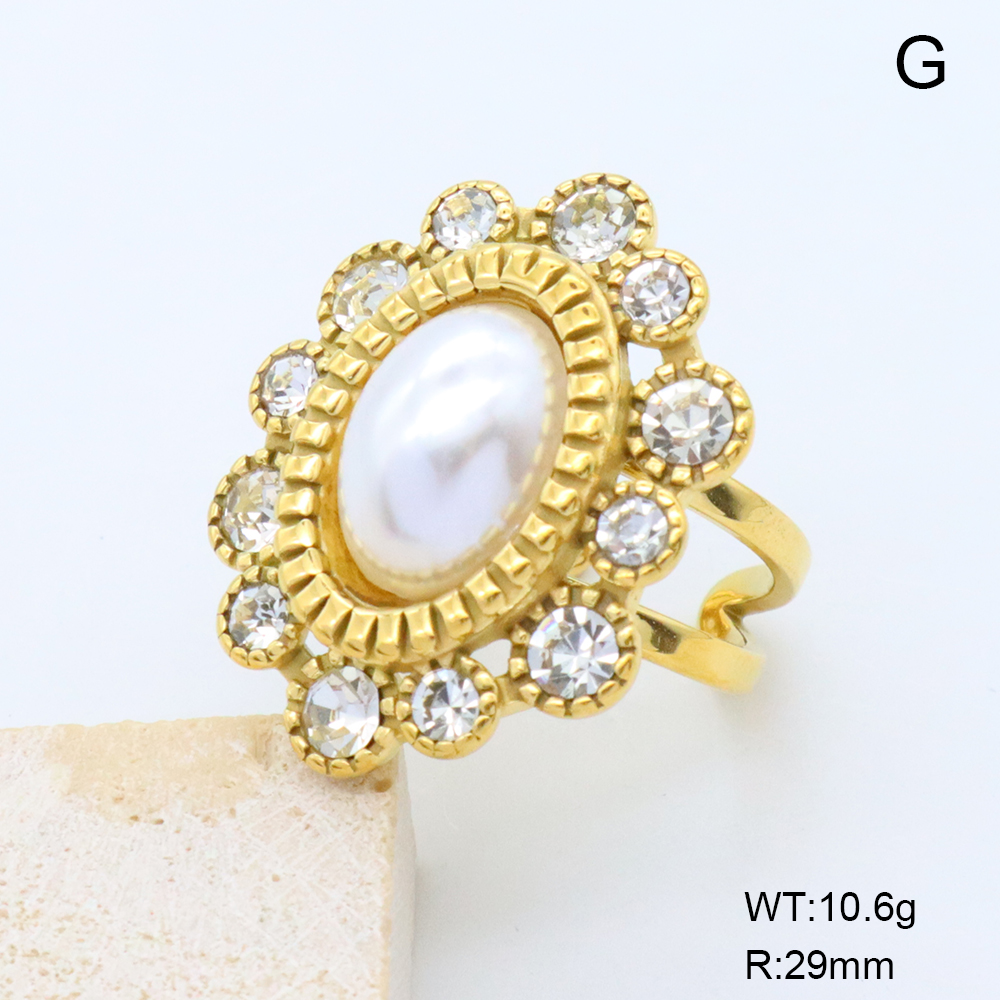
Fondement de la sécurité cutanée: Matériaux et PVD’Barrière
- Sélection de métaux de base biocompatibles comme l'acier inoxydable chirurgical 316L et le titane.
- Utilisation de matériaux de revêtement PVD inertes, comme le nitrure de titane (Étain) et nitrure de zirconium (ZrN), qui ont médical et ISO 10993 support.
- Créer un dense, barrière PVD à liaison moléculaire qui scelle efficacement les métaux de base potentiellement irritants.
- Obtenir des propriétés hypoallergéniques fonctionnelles grâce à un système combinant des matériaux sûrs et une intégrité de revêtement robuste.
Assurance qualité et respect des réglementations dans la production de bijoux PVD
- Respect des normes médicales et de sécurité des consommateurs, y compris OIN 10993 biocompatibilité et conformité RoHS.
- Mettre en œuvre des contrôles de processus stricts pendant la fabrication PVD pour garantir l'uniformité, adhérent, et revêtements continus.
- Réalisation de tests de contrôle qualité d’adhésion, porter, corrosion, et compatibilité biologique pour vérifier la durabilité et la sécurité.
- Tirer parti du PVD’une durabilité supérieure et un processus de fabrication plus sûr, ce qui évite les déchets liquides toxiques, par rapport à la galvanoplastie traditionnelle.
- Communiquer les dispositifs de sécurité aux consommateurs, mettant l'accent sur les matériaux hypoallergéniques et fournissant des directives d'entretien pour une longévité prolongée.
Foire aux questions sur les bijoux PVD hypoallergéniques
Pourquoi certains bijoux rendent la peau verte?
Les bijoux deviennent verts sur la peau, principalement à cause de la réaction du cuivre ou des alliages à base de cuivre avec l'humidité., transpirer, et l'acidité de la peau. Cette réaction chimique forme des sels de cuivre qui laissent une teinte verte sur la peau. Il est plus fréquent dans les bijoux de mauvaise qualité ou non revêtus, dépourvus de couche barrière protectrice..
Que doivent rechercher les clients à la peau sensible lorsqu’ils achètent des bijoux ??
Les clients à la peau sensible doivent rechercher des matériaux sans nickel et hypoallergéniques tels que le titane., acier inoxydable 316L de qualité chirurgicale, ou des bijoux recouverts de PVD de haute qualité. Ces matériaux réduisent le risque d'irritation et sont conçus pour minimiser l'exposition directe des métaux sur la peau..
Quels métaux conviennent le mieux aux bijoux hypoallergéniques?
Les métaux les plus sûrs pour les bijoux hypoallergéniques comprennent le titane, 316L acier inoxydable chirurgical, et de l'or massif. Ces matériaux sont très résistants à la corrosion et présentent des taux de réaction cutanée très faibles., ce qui les rend adaptés à un port à long terme.
Les bijoux en titane PVD sont-ils meilleurs pour les peaux sensibles?
Oui, le titane est l'un des métaux les plus hypoallergéniques disponibles. Il est naturellement biocompatible et ne nécessite aucun revêtement pour prévenir les irritations cutanées, ce qui en fait un excellent choix pour les personnes ayant une peau très sensible ou des allergies aux métaux.
Les bijoux en PVD sont-ils meilleurs que les bijoux en alliage?
Les bijoux en acier inoxydable avec revêtement PVD sont nettement plus durables et plus doux pour la peau que la plupart des bijoux à base d'alliage.. Le revêtement protecteur aide à réduire l'exposition directe au métal, améliore la résistance à la corrosion, et améliore les performances d'usure à long terme.