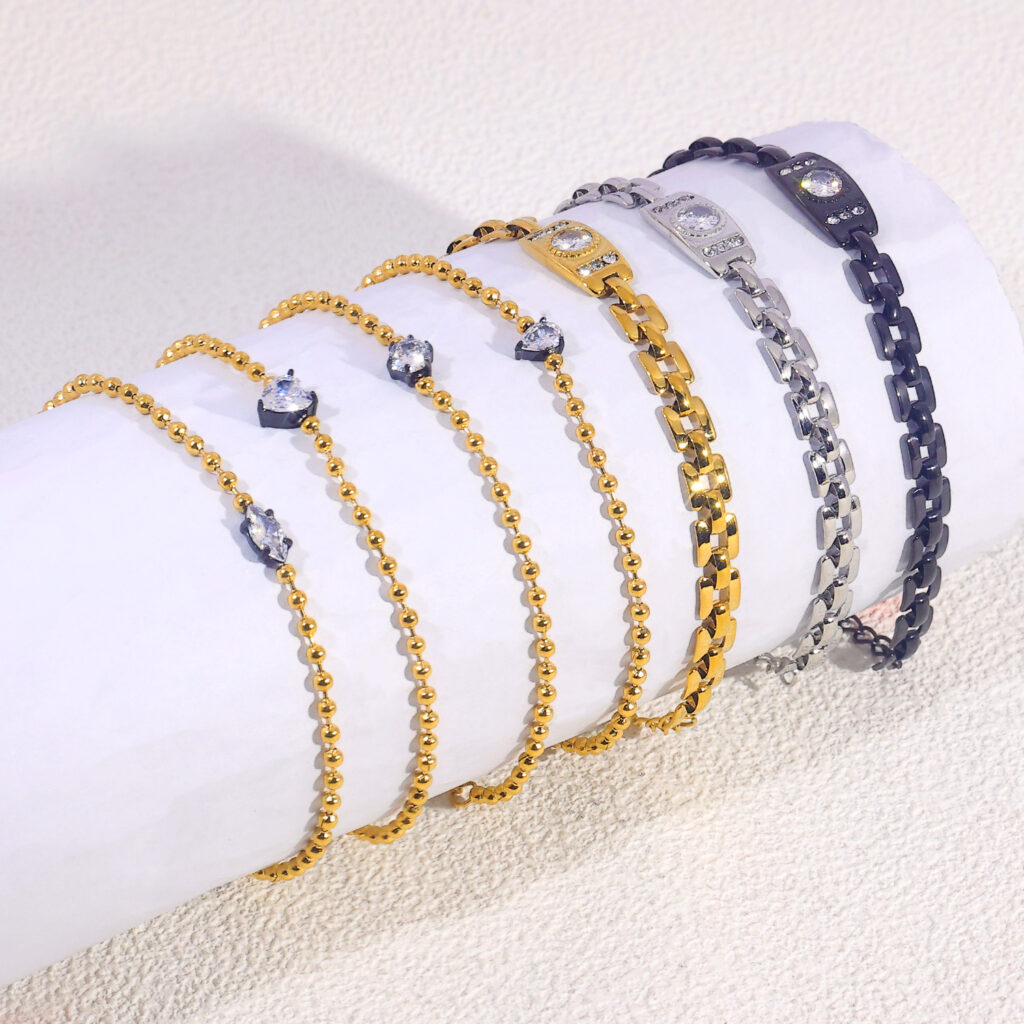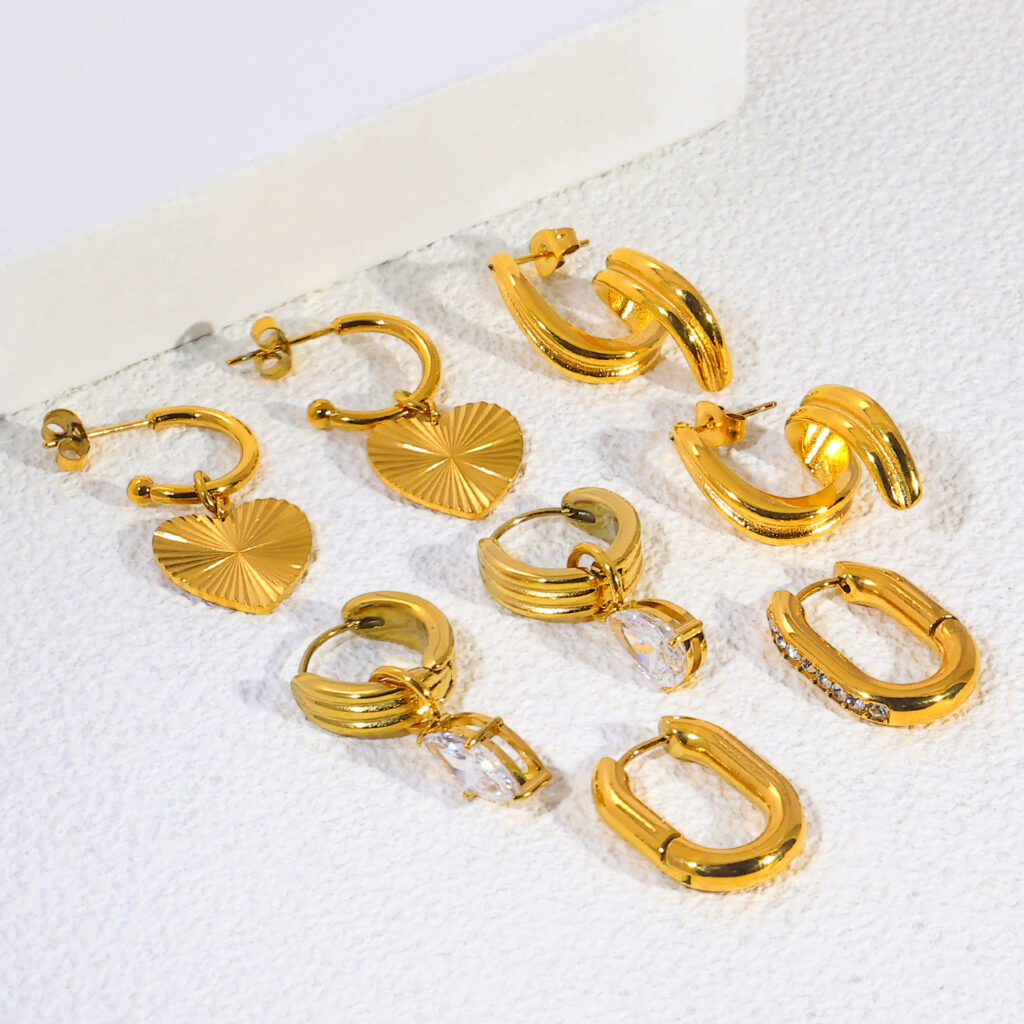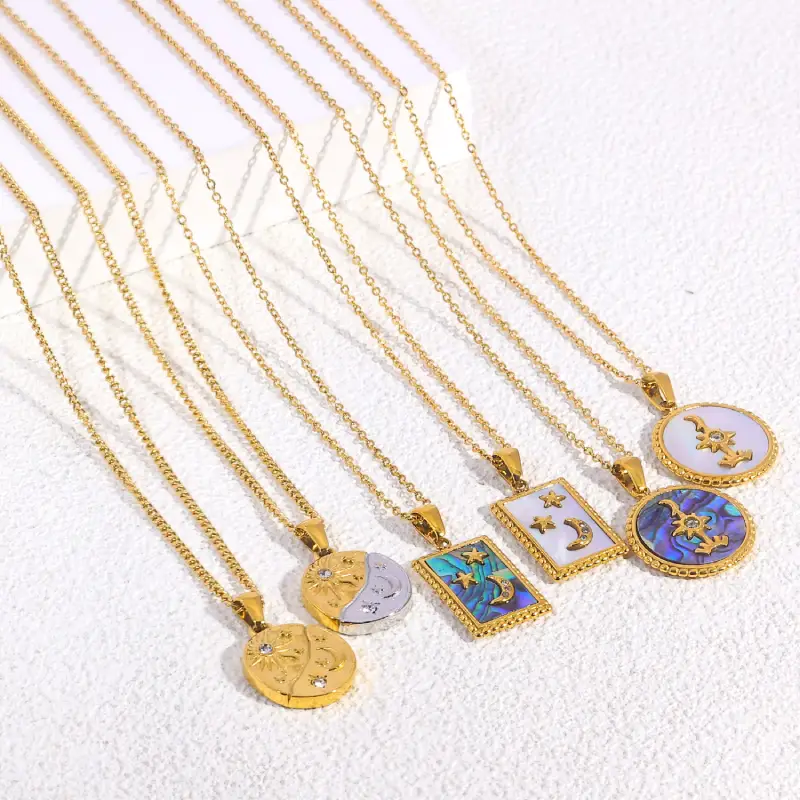
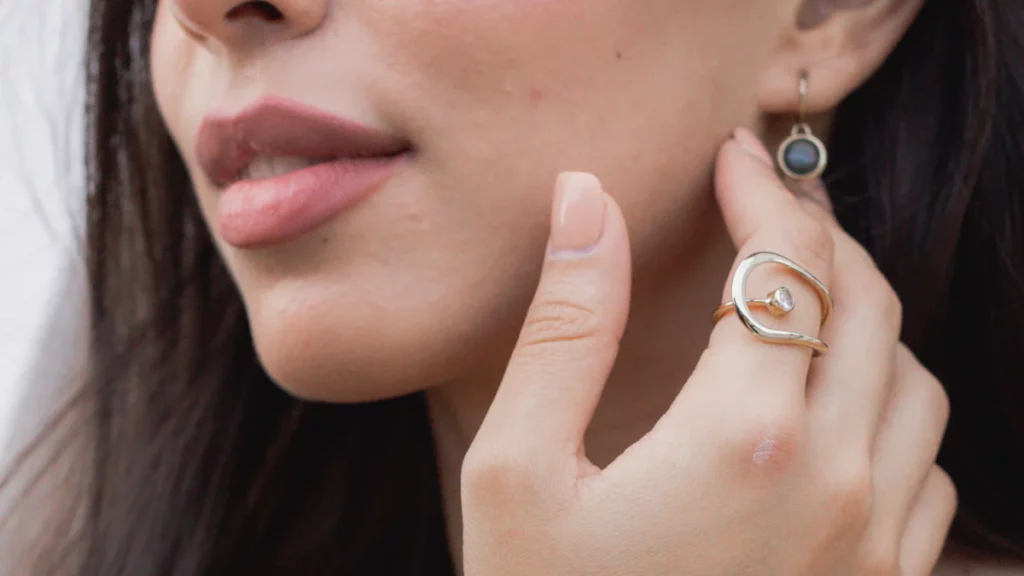
Yes—PVD jewelry is generally considered hypoallergenic when it is built on stable base metals like 316L stainless steel or implant-grade titanium. The PVD coating itself is inert and helps reduce direct skin contact with metal ions, which lowers the risk of irritation compared to traditional plated jewelry. However, overall skin safety still depends on the quality of the base metal and coating integrity. Poor-quality alloys or damaged coatings can still trigger reactions in sensitive skin.
What Makes Jewelry Hypoallergenic?
Jewelry is hypoallergenic when it avoids nickel and uses skin-friendly metals. Durable coatings and quality manufacturing prevent reactions, providing a safer option for sensitive skin.
Key Triggers of Skin Reactions in Jewelry
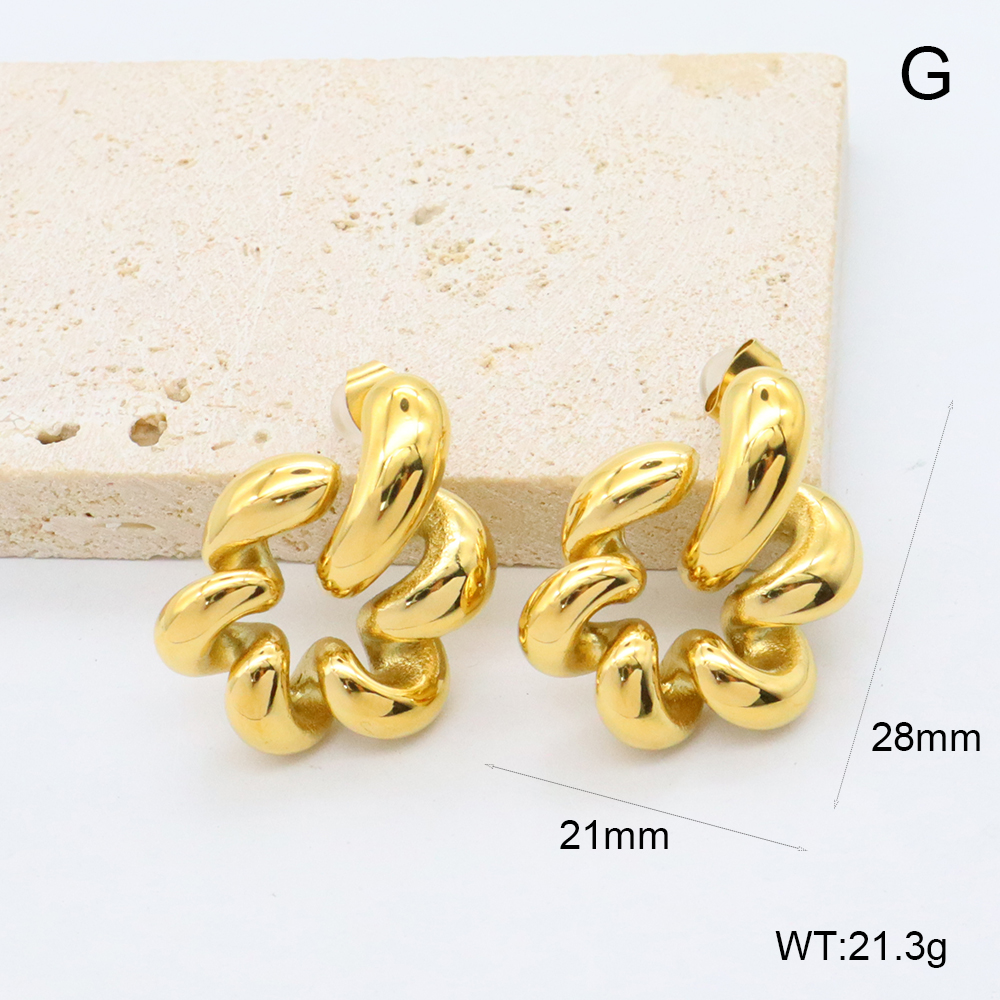
Skin reactions from jewelry are usually caused by a few key factors, even in pieces labeled as hypoallergenic jewelry.
Nickel remains the most common trigger, often causing itching, redness, and irritation in sensitive skin. Other metals such as cobalt, or low-quality alloy components, may also contribute to similar reactions.
Even with hypoallergenic jewelry or PVD-coated designs, irritation can still occur if the base metal is not properly controlled or if the coating becomes worn or damaged, exposing the underlying material.
In practice, the most important factor is not the hypoallergenic label itself, but the actual nickel control and the long-term stability of the material structure in skin-contact use.
Key Factors for Minimizing Allergic Reactions
Reducing allergic reactions in jewelry mainly depends on controlling nickel exposure and limiting direct skin contact with reactive metals. Using low-nickel or nickel-free materials is the most important factor, as nickel is the primary cause of most metal allergies.
Materials such as titanium, stainless steel, and nickel-free sterling silver are commonly used due to their low reactivity and good skin compatibility. In addition, protective barrier coatings like PVD or rhodium plating help reduce skin contact with the base metal.
Overall, both material selection and coating quality play a key role in minimizing irritation during daily wear.
How Does the Base Metal Affect Skin Safety?
PVD jewelry’s safety depends heavily on its base metal. If the coating wears, reactive metals can expose skin to irritation.
Base Metal Properties and Their Skin Reactions
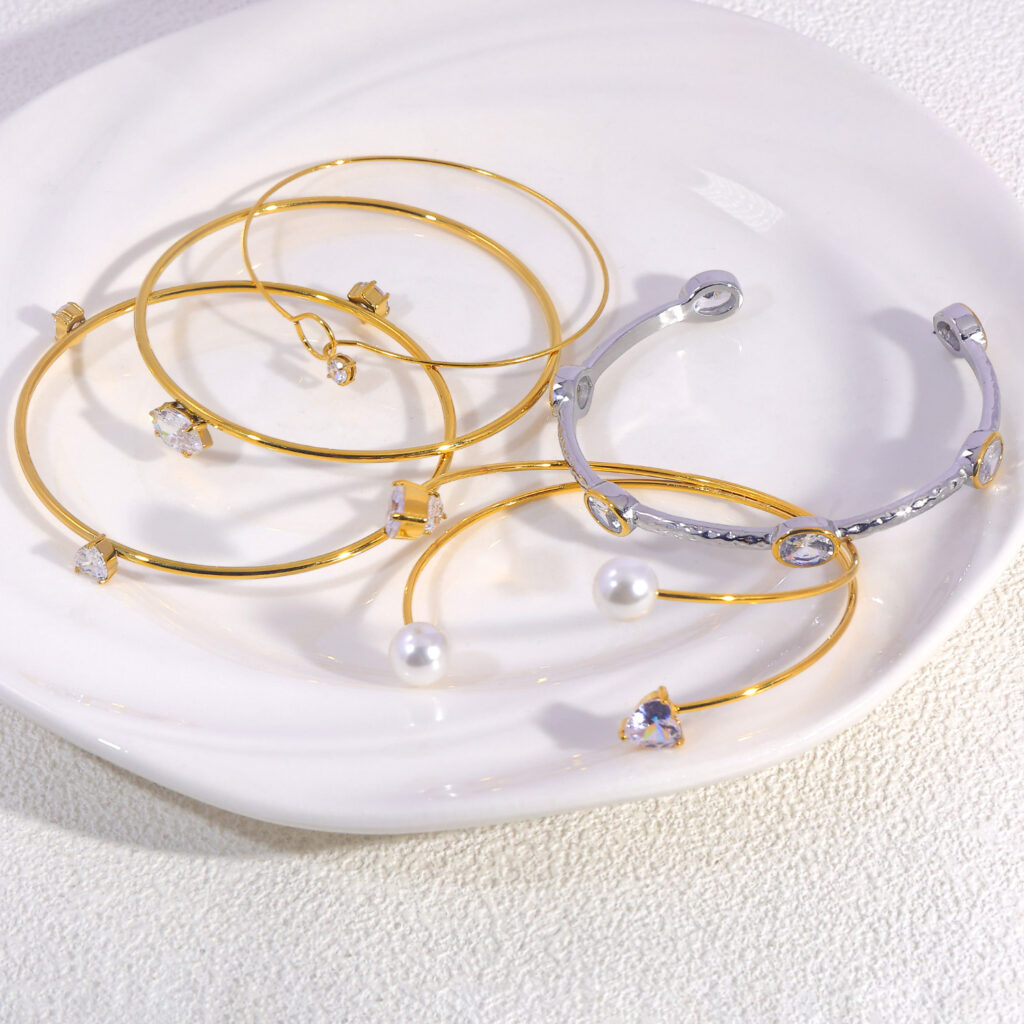
While PVD creates a strong barrier, the base metal’s inherent properties remain critical for skin safety. You cannot overlook the properties of the underlying base metal.
Take 316L surgical stainless steel. It minimizes nickel release because its alloys hold nickel tightly. This means even if a coating thins, reactions are less likely for most people. Titanium alloys go a step further; they contain no nickel and are fully hypoallergenic for almost everyone.
On the flip side, brass, copper, and other nickel-rich alloys carry higher risks. They not only cause irritation but also that familiar green skin discoloration. These metals are simply more reactive with sweat and skin acids.
PVD Coating Interaction with Base Metal for Lasting Safety
A quality PVD coating forms a dense, molecularly bonded layer. This physically blocks base metal allergens, acting as an effective shield. This PVD layer can be 2-5 microns thick, which is ten times thicker than typical electroplating, offering better wear resistance.
However, no coating is foolproof. Wear, micro-cracks, or thin coatings can expose reactive base metals, leading to irritation or allergies. That’s why base metal choice matters so much. If you have a biocompatible base, like 316L or titanium, it ensures safety even if the PVD coating eventually wears down.
To make an informed choice, you need to know the explicit base metal. Also, verify the PVD quality. Don’t settle for vague “alloy” descriptions; push for specifics.
Why Is 316L Stainless Steel Popular for PVD Jewelry?
316L stainless steel provides a strong, hypoallergenic base for PVD jewelry. Its durability and resistance to corrosion ensure long-lasting, skin-friendly pieces at an accessible price.
Core Material Strengths: Hypoallergenic Properties and Durability
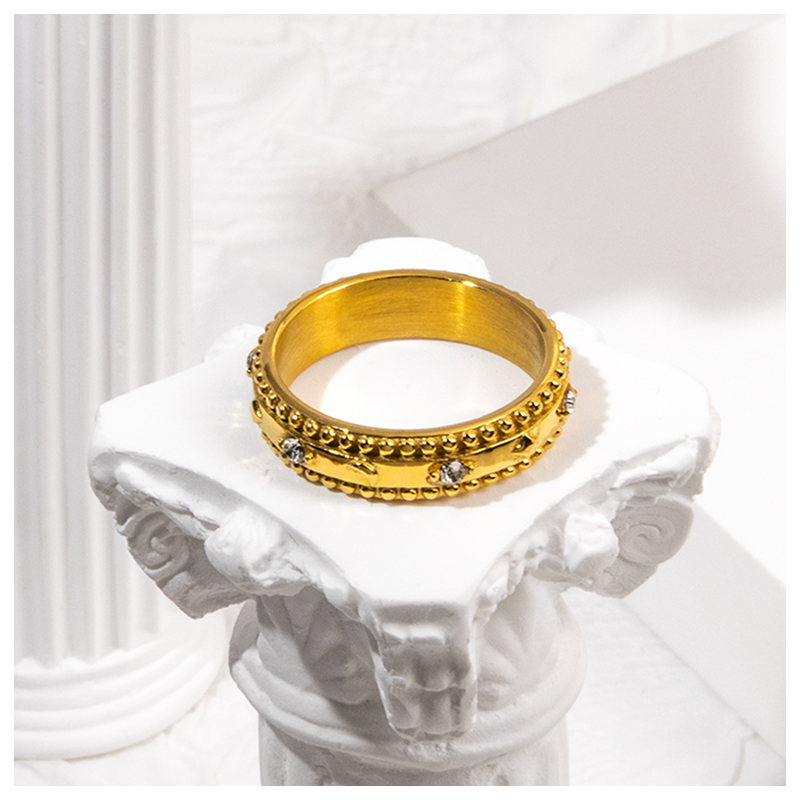
316L’s composition (chromium, molybdenum, low carbon) creates a highly corrosion-resistant, stable alloy, which is crucial for jewelry.
Its hypoallergenic profile comes from nickel being ‘locked’ within the alloy matrix, plus PVD adds an inert surface layer for sensitive skin.
The steel resists corrosion from sweat, salt, and water. This stops discoloration and skin reactions during daily use.
High mechanical durability, including hardness and toughness, gives a stable base. This minimizes PVD coating cracks from flexing or impacts.
These inherent properties make sure PVD jewelry withstands daily wear, moisture, and temperature changes, improving how long it lasts.
Market Appeal: Aesthetic Stability and Value Proposition
- 316L resists tarnish and discoloration. This gives PVD finishes a reliable foundation for long-term wear.
- PVD coatings on 316L provide durable, consistent color that performs much better than traditional plating in terms of wear and appearance.
- The material is a cost-effective choice compared to precious metals. It offers great durability and skin safety at good prices.
- Brands use 316L with PVD for gold-tone and other color jewelry. This keeps a premium look without high costs.
- This combination allows for marketing claims like ‘hypoallergenic’ and ‘tarnish-resistant’. This matches what consumers expect for everyday jewelry.
Is Titanium PVD Jewelry Better for Sensitive Skin?
Titanium PVD jewelry works well for sensitive skin, especially with high-quality titanium bases. But solid titanium is still the best choice for very reactive skin or new piercings.
The Hypoallergenic Mechanism of Titanium PVD Jewelry
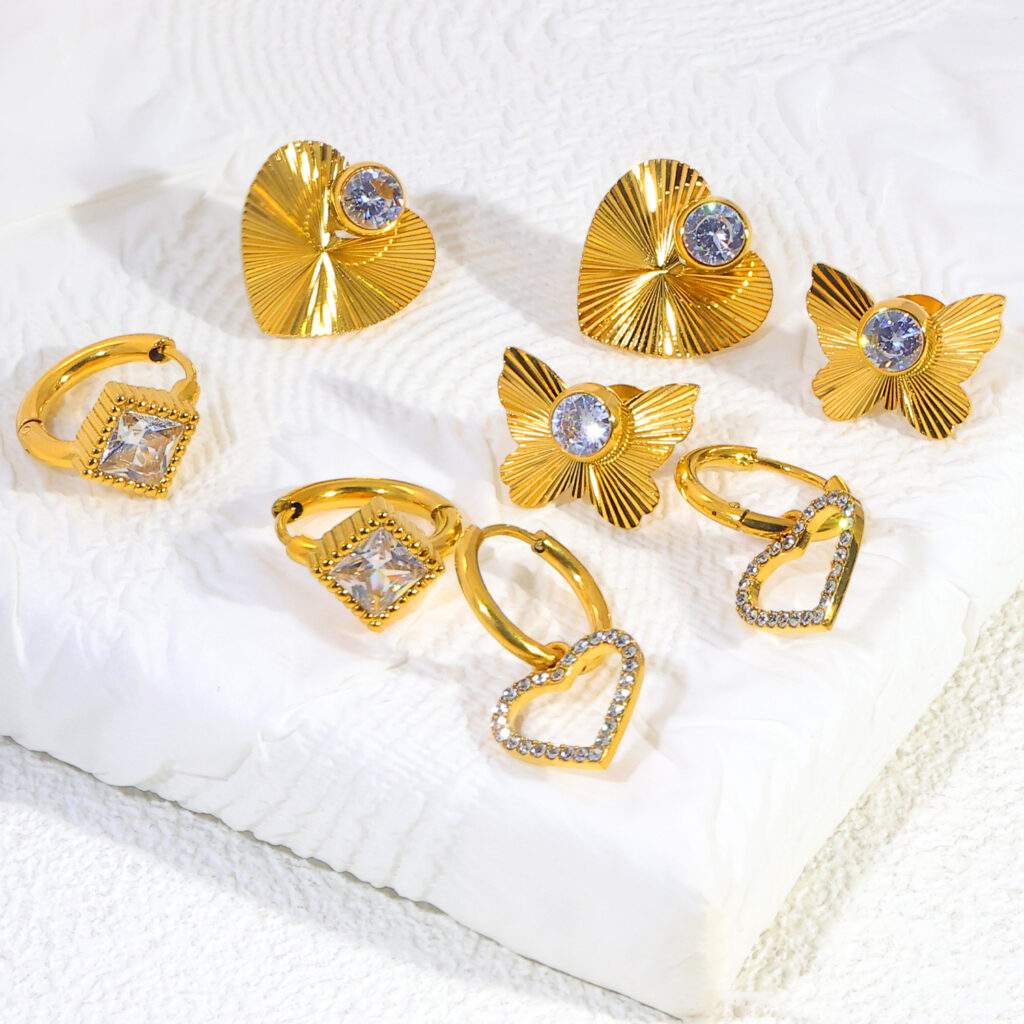
Titanium PVD jewelry reduces the risk of skin reactions by combining a biocompatible base metal with a durable protective coating. This dual structure is what makes it especially suitable for sensitive skin.
Titanium as a Base Metal
Titanium plays the most important role in ensuring skin safety. Implant-grade titanium, such as ASTM F136, is completely nickel-free and widely used in medical applications. Because it naturally forms a stable oxide layer, it resists corrosion and remains chemically inert when in contact with skin.
This stability means the metal does not release irritating ions, even during long-term wear or exposure to sweat and moisture. For this reason, titanium is often recommended for both sensitive skin users and fresh piercings.
PVD Coating Technology
On top of the titanium base, PVD (Physical Vapor Deposition) adds an additional layer of protection. This process bonds materials such as titanium nitride to the surface in a vacuum environment, creating a thin but extremely dense coating.
Unlike traditional plating, this layer is highly resistant to scratching, fading, and corrosion. It also helps maintain a stable surface that does not easily break down with daily wear. In many cases, the same biocompatible materials used in medical tools are applied in PVD coatings.
Combined Hypoallergenic Effect
When titanium and PVD coating work together, they create a dual-protection system. The titanium base remains chemically inert, while the PVD layer acts as a physical barrier between skin and potential irritants.
This structure significantly reduces metal ion release and limits direct skin contact with allergens. Even under conditions like sweating or frequent wear, the overall irritation risk remains very low, especially when high-quality materials are used.
Final Buying Consideration
When selecting titanium PVD jewelry, always prioritize transparency in material specifications and coating quality. Clear technical labeling and trustworthy manufacturing standards are the most reliable indicators of long-term skin safety and performance.
Elevate Your Brand with Custom, Durable Jewelry
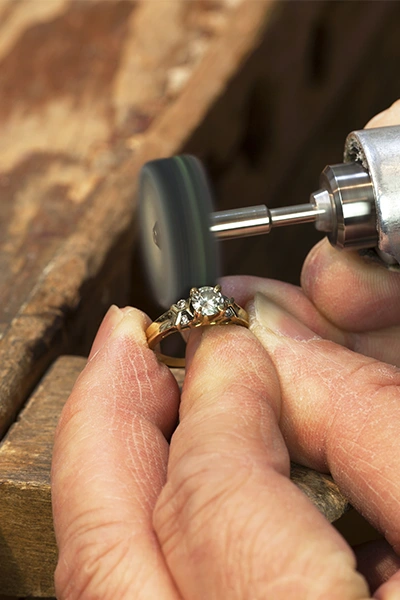
Does PVD Coating Prevent Nickel Exposure?
PVD coating prevents nickel exposure with nickel-free bases and inert materials. It significantly reduces release from nickel-bearing alloys but doesn’t guarantee zero exposure if coatings are thin or damaged.
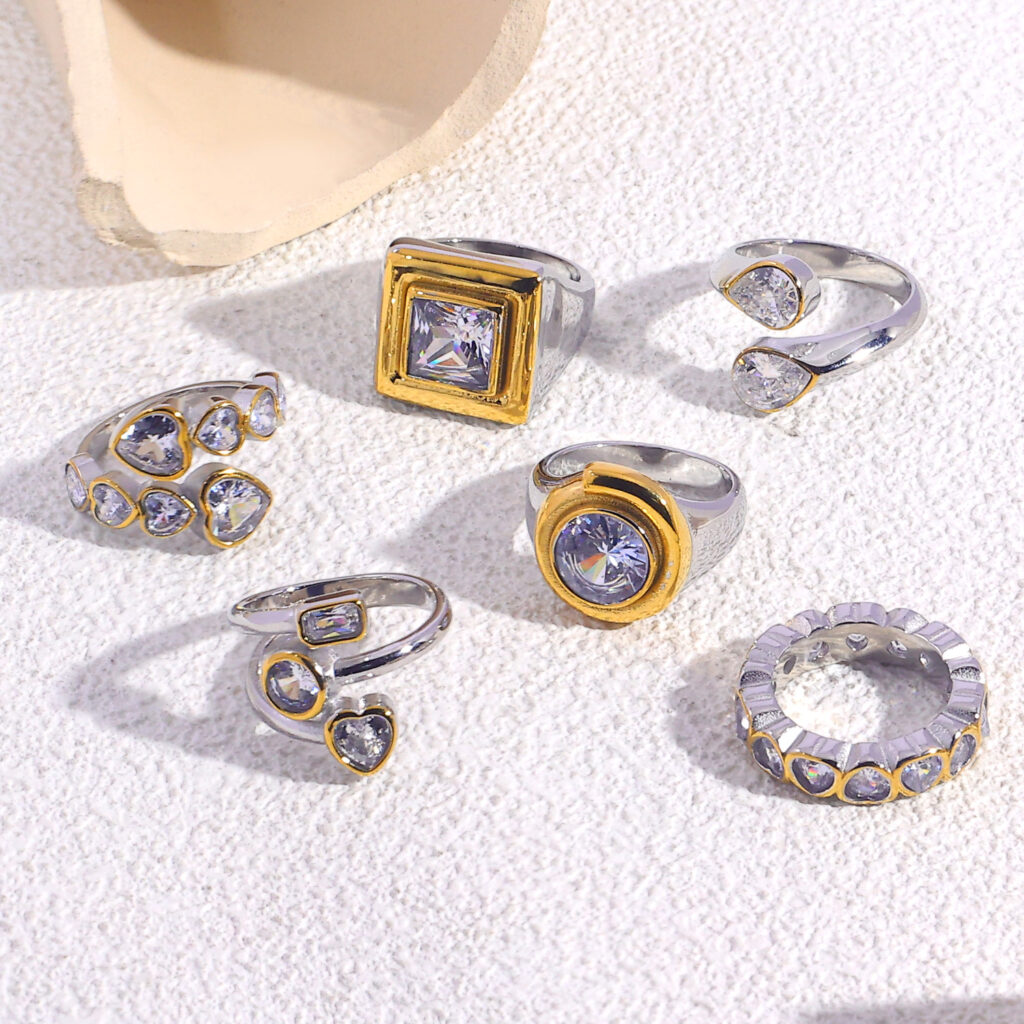
Conditions for Effective Nickel Exposure Prevention by PVD
PVD creates a dense, wear-resistant, molecularly bonded film. This film acts as a physical barrier between skin and underlying metals.
When applied to hypoallergenic substrates, say titanium or nickel-safe 316L stainless steel, PVD substantially lowers nickel exposure risk.
PVD-coated, nickel-containing stainless steels meet tough EN 1811 nickel release limits. Measured nickel release rates are typically below 0.5 μg/cm²/week.
A well-deposited PVD film with low porosity and good adhesion significantly slows nickel diffusion.
TiN and ZrN PVD coatings are chemically inert and biocompatible. They create a non-nickel contact surface.
Best practices include using nickel-free substrates, inert PVD materials like TiN or ZrN, controlled thickness, and optimal microstructure to cut down defects.
Regular EN 1811 testing, even after simulated aging, confirms long-term compliance and effective nickel prevention.
Factors Limiting PVD’s Long-Term Nickel Barrier Protection
PVD coatings reduce nickel exposure, but scratches, wear, or poor-quality coatings can eventually expose nickel-containing base metals. The risk is highest in low-quality jewelry with thin PVD layers or unspecified materials. Choosing nickel-free base metals and replacing jewelry once the coating is damaged helps maintain skin safety.
What Jewelry Materials Should Sensitive Skin Customers Avoid?
Sensitive skin customers should avoid nickel, cobalt, copper, and unknown alloys. Poor quality platings and specific PVD jewelry also pose risks.
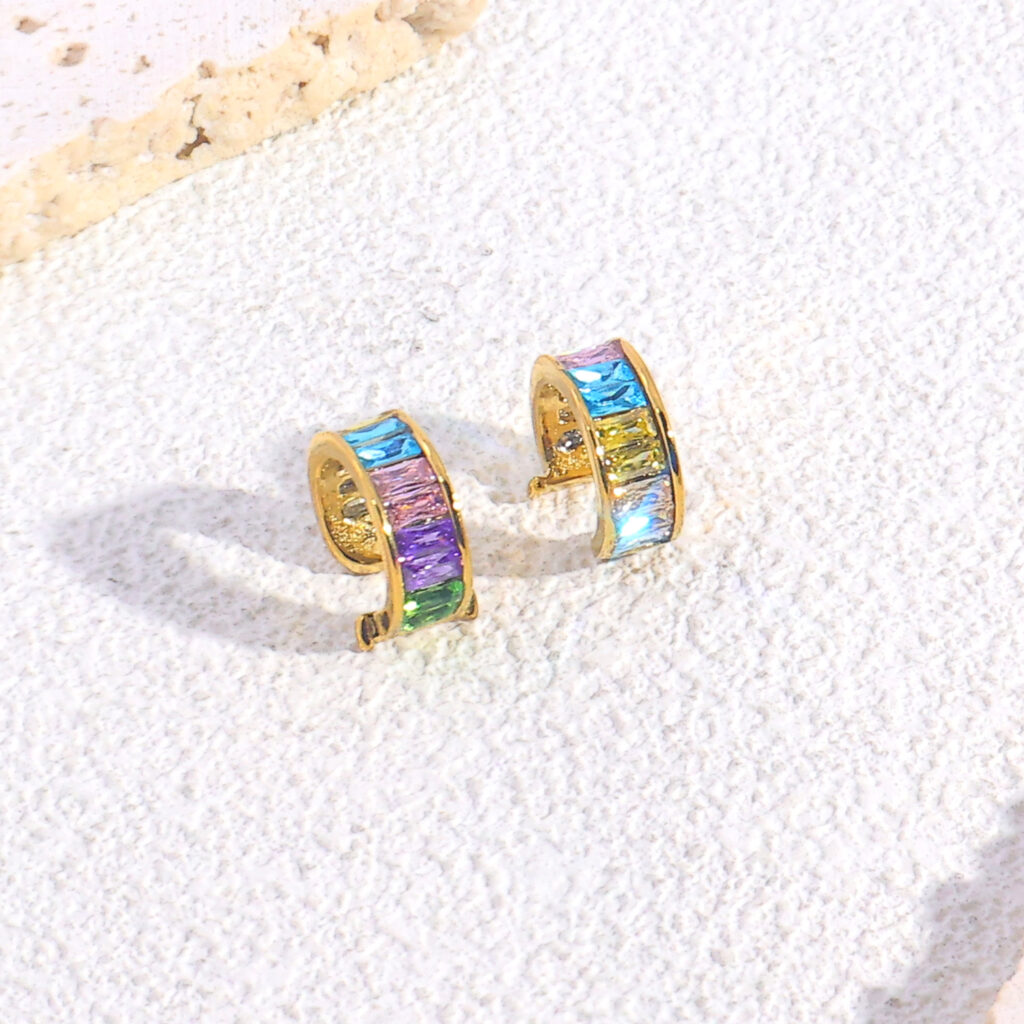
Specific Problematic Materials and Coatings
- Nickel: The primary allergen, present in low-cost jewelry, white gold, and platings. Avoid all nickel-containing alloys for sensitive skin.
- Cobalt and Chromium: These are recognized causes of contact allergy. You find them in some cheap alloys and industrial components.
- Brass and Copper: These oxidize with sweat, causing irritation and skin staining. Often, they contain nickel or other reactive metals.
- Unknown or Unspecified Alloys: Generic descriptions like ‘metal alloy’ or ‘base metal’ often hide nickel, copper, zinc, or lead. Avoid products without clear material disclosure.
- Thin Metallic Platings: These wear quickly, exposing reactive base metals like nickel or brass underneath.
- Coatings Without Protection: Generic ‘plated’ items lose their surface with wear, revealing allergenic metals. They lack robust, hypoallergenic barriers.
Contextual Risks and Practical Avoidance Strategies
From a usage perspective, certain areas of the body are more prone to reactions due to constant or tight contact with jewelry. Earring posts, rings, and watch cases are common high-risk zones where prolonged exposure increases sensitivity over time.
For PVD jewelry specifically, caution is needed when the base material is not clearly defined. Products with unspecified metals or potential nickel and cobalt content may still cause reactions if the coating wears down or is uneven.
It is also important to ensure that high-friction areas such as inner rings or earring posts are fully coated and made from verified hypoallergenic materials. Partial or inconsistent coating coverage can reduce overall protection effectiveness.
Products with vague descriptions or fast-fashion-level manufacturing standards should be treated carefully. Inexpensive jewelry often uses low-grade alloys or thin coatings that degrade quickly under normal wear conditions.
If a piece of jewelry has already caused itching, redness, or irritation, it is best to discontinue use immediately and switch to verified hypoallergenic materials. Prior experience is often a strong indicator of future sensitivity risk.
PVD Jewelry vs Alloy Jewelry: Which Is Safer?
PVD jewelry is generally safer and more reliably hypoallergenic than typical alloy jewelry because of its durable, inert coating and better base metals.
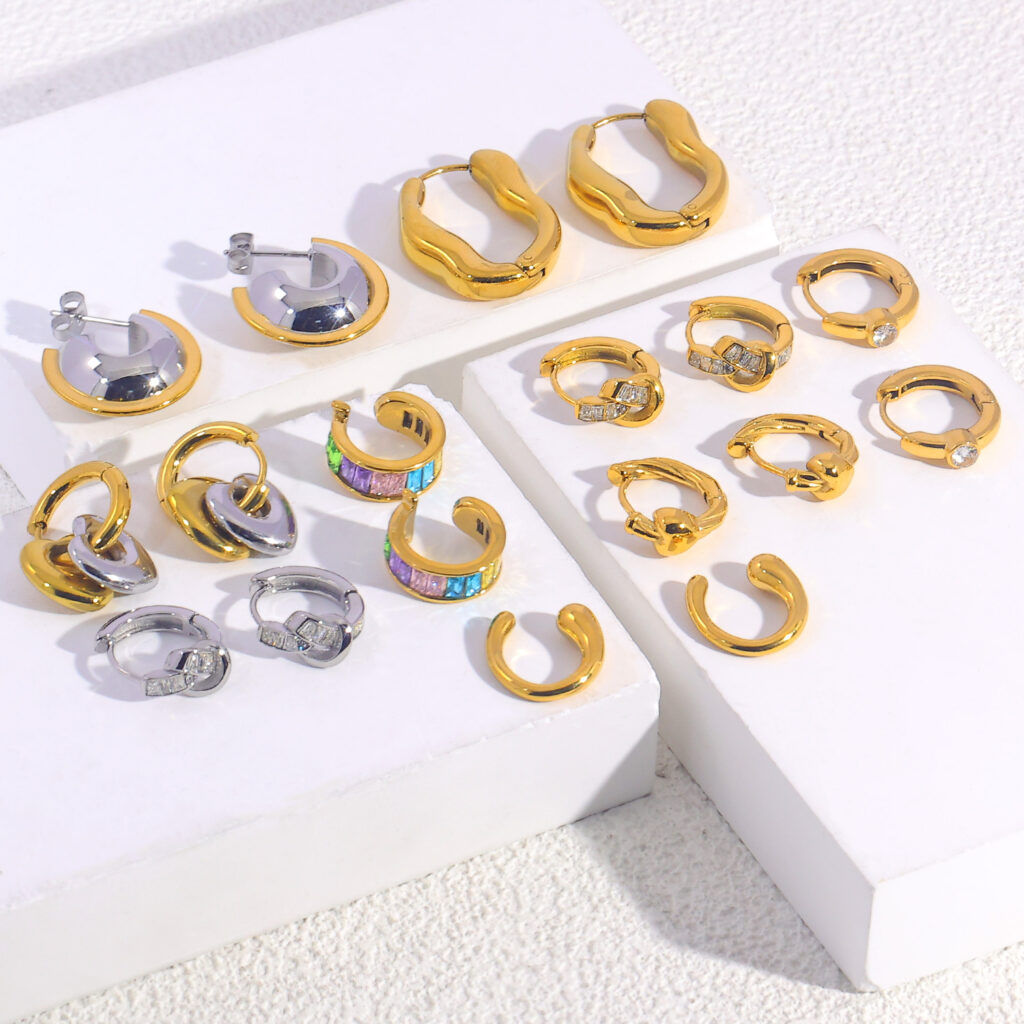
Key Differences in Hypoallergenic Properties and Durability
PVD (Physical Vapor Deposition) jewelry stands out for its hypoallergenic qualities compared to typical alloy jewelry. The PVD coating itself uses inert, biocompatible materials, often titanium nitride. These coatings are essentially nickel-free and act as a strong barrier. They keep skin from directly contacting potentially irritating metals in the base, like nickel. Many quality PVD pieces use 316L surgical stainless steel or titanium as the core, which are hypoallergenic on their own. This creates a dual safety system, keeping allergy risk low.
Alloy jewelry, usually fashion pieces, often relies on base metals such as brass, copper, or nickel-containing alloys. These are common allergy triggers. If alloy jewelry has plating, it’s typically thin. This plating wears down fast. Once it’s gone, nickel or other reactive metals touch the skin, leading to irritation or allergic reactions. PVD’s barrier is more robust. It’s molecularly bonded, ultra-hard, and dense, far more resistant to scratches, tarnish, and fading. This durability keeps the protective layer intact much longer than conventional alloy plating. That means more stable hypoallergenic performance over time.
Practical Safety Implications and Recommendations
For everyday wear and people with sensitive skin, PVD jewelry offers better practical safety. The inert, durable PVD coating and underlying biocompatible metals, like 316L surgical stainless steel or titanium, reduce allergy risks significantly. This combination provides a stable, hypoallergenic barrier that lasts. Alloy jewelry, especially unplated or thinly plated fashion pieces, carries a higher risk. Its plating breaks down, exposing reactive metals such as nickel or brass, which often cause skin irritation.
Here’s what to do when picking jewelry:
- Check the base metal. Always prioritize PVD on 316L surgical stainless steel or titanium. Steer clear of unlabelled brass, nickel alloys, or vague “fashion alloys” if you have sensitive skin.
- Confirm hypoallergenic claims. For PVD products, look for clear mentions of “nickel-free,” “inert PVD coating,” and “surgical-grade base metals.” For alloy jewelry, check for explicit nickel content labels and plating thickness.
- Consider use. PVD jewelry is generally safer for daily wear and prolonged skin contact due to its durable barrier. For fresh piercings, use implant-grade titanium or solid gold. Save PVD pieces for healed piercings, checking their quality first.
- Mind maintenance. Clean PVD jewelry with mild soapy water and a soft cloth, and avoid harsh chemicals to protect its function. With alloy jewelry, discontinue use if the plating shows wear and you have sensitive skin.
How Do Manufacturers Ensure Jewelry Skin Safety?
Manufacturers ensure jewelry skin safety by choosing biocompatible materials, using inert PVD coatings as a barrier, and implementing strict quality controls with regulatory standards.
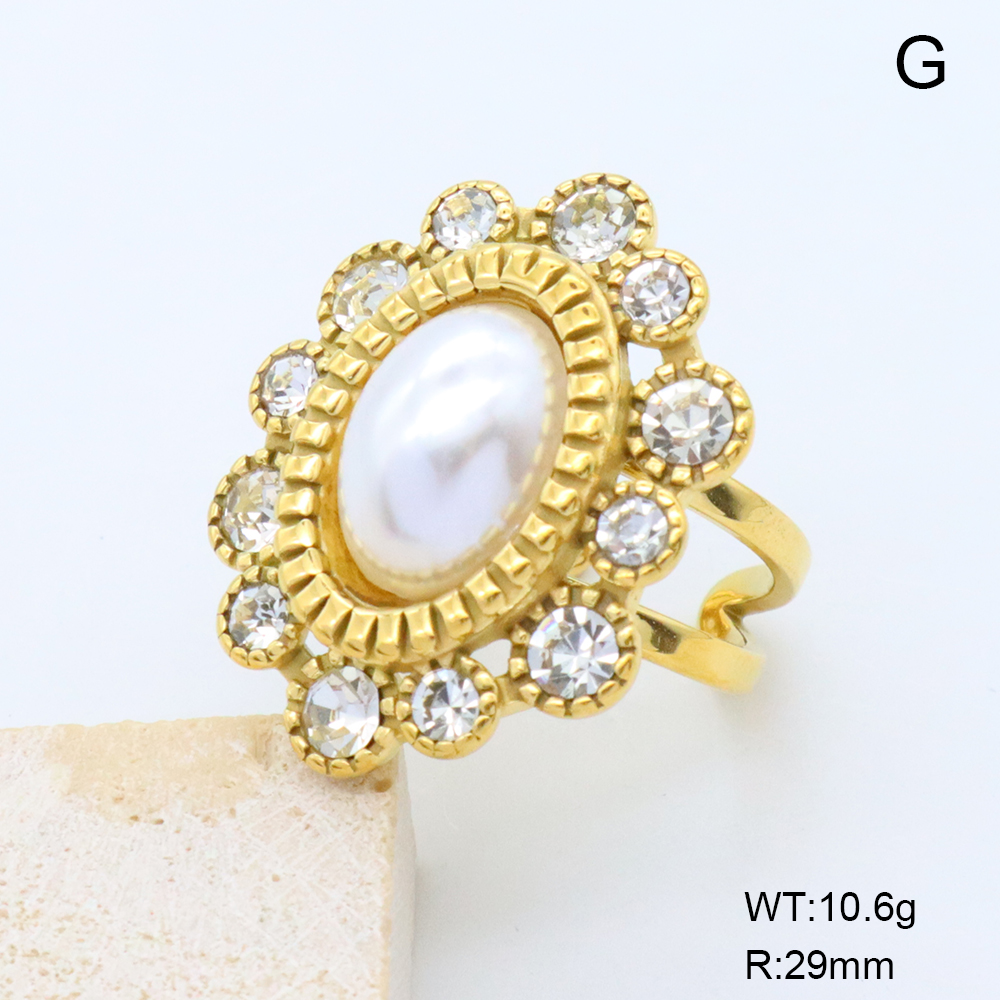
Foundation of Skin Safety: Materials and PVD’s Barrier
- Selecting biocompatible base metals like 316L surgical stainless steel and titanium.
- Utilizing inert PVD coating materials, such as titanium nitride (TiN) and zirconium nitride (ZrN), which have medical and ISO 10993 backing.
- Creating a dense, molecularly bonded PVD barrier that effectively seals off potentially irritating base metals.
- Achieving functional hypoallergenic properties through a system combining safe materials and robust coating integrity.
Quality Assurance and Regulatory Adherence in PVD Jewelry Production
- Adhering to medical and consumer safety standards, including ISO 10993 biocompatibility and RoHS compliance.
- Implementing strict process controls during PVD manufacturing to ensure uniform, adherent, and continuous coatings.
- Conducting quality-control tests for adhesion, wear, corrosion, and biological compatibility to verify durability and safety.
- Leveraging PVD’s superior durability and safer manufacturing process, which avoids toxic liquid waste, compared to traditional electroplating.
- Communicating safety features to consumers, emphasizing hypoallergenic materials and providing care guidelines for extended longevity.
Frequently Asked Questions About Hypoallergenic PVD Jewelry
Why does some jewelry turn skin green?
Jewelry turns skin green mainly due to copper or copper-based alloys reacting with moisture, sweat, and skin acidity. This chemical reaction forms copper salts that leave a green tint on the skin. It is more common in low-quality or uncoated jewelry that lacks a protective barrier layer.
What should sensitive skin customers look for when buying jewelry?
Customers with sensitive skin should look for nickel-free and hypoallergenic materials such as titanium, surgical-grade 316L stainless steel, or high-quality PVD-coated jewelry. These materials reduce the risk of irritation and are designed to minimize direct metal exposure to the skin.
What metals are best for hypoallergenic jewelry?
The safest metals for hypoallergenic jewelry include titanium, 316L surgical stainless steel, and solid gold. These materials are highly resistant to corrosion and have very low rates of skin reaction, making them suitable for long-term wear.
Is titanium PVD jewelry better for sensitive skin?
Yes, titanium is one of the most hypoallergenic metals available. It is naturally biocompatible and does not require coatings to prevent skin irritation, making it an excellent choice for people with very sensitive skin or metal allergies.
Is PVD jewelry better than alloy jewelry?
PVD-coated stainless steel jewelry is significantly more durable and skin-friendly compared to most alloy-based jewelry. The protective coating helps reduce direct metal exposure, improves corrosion resistance, and enhances long-term wear performance.