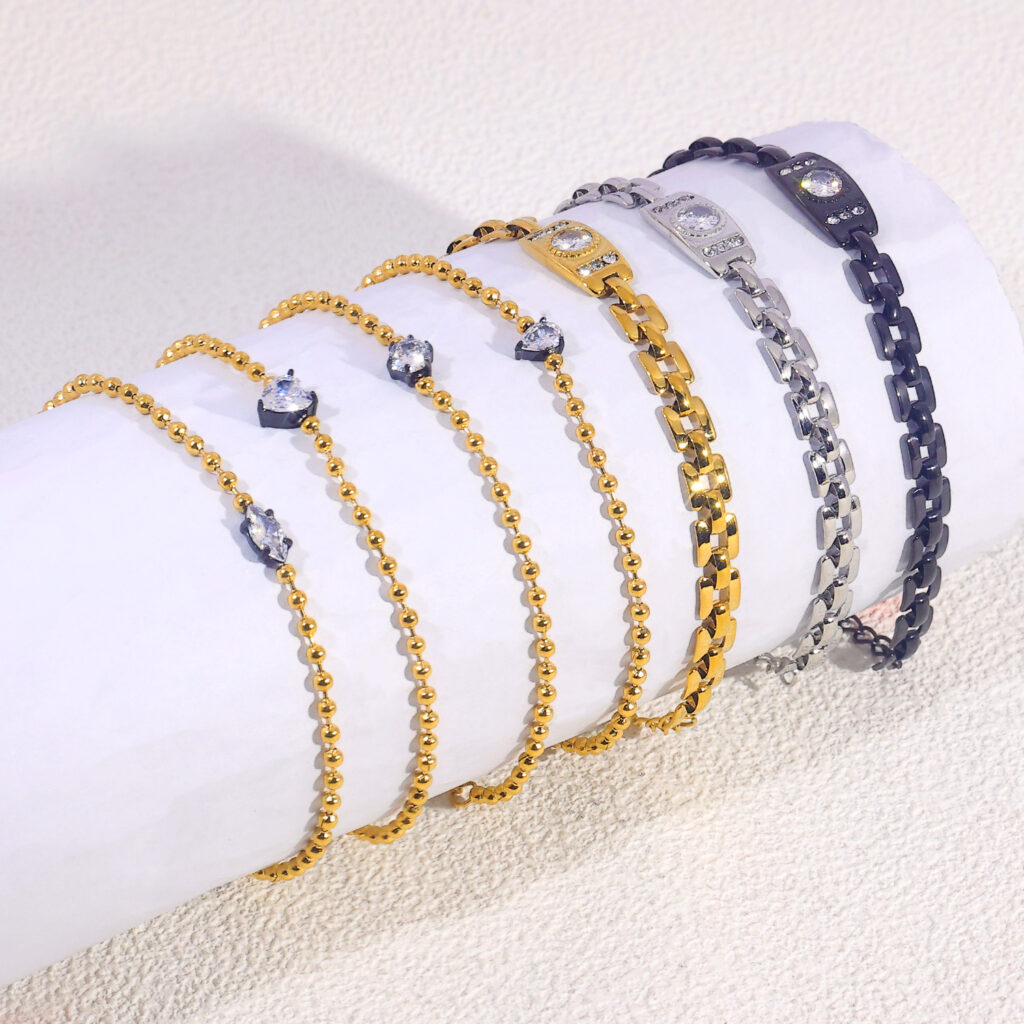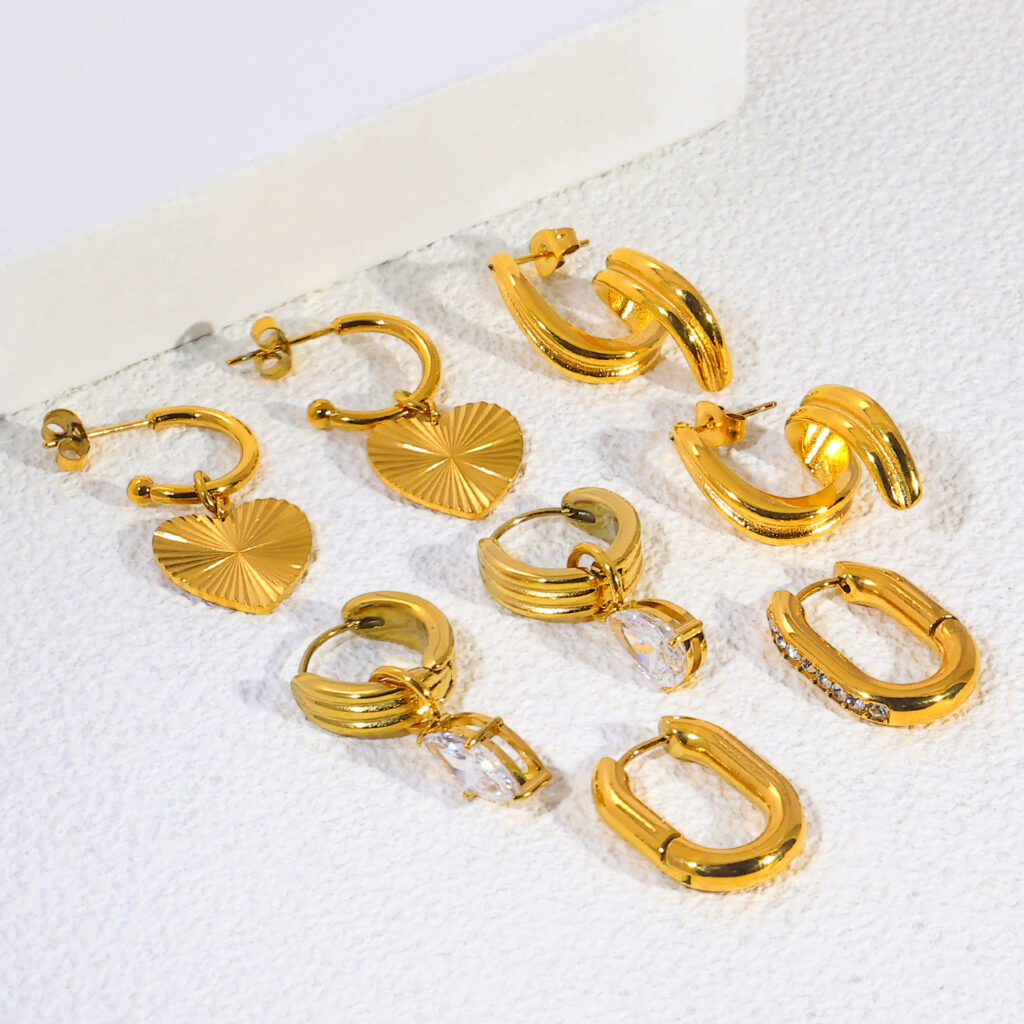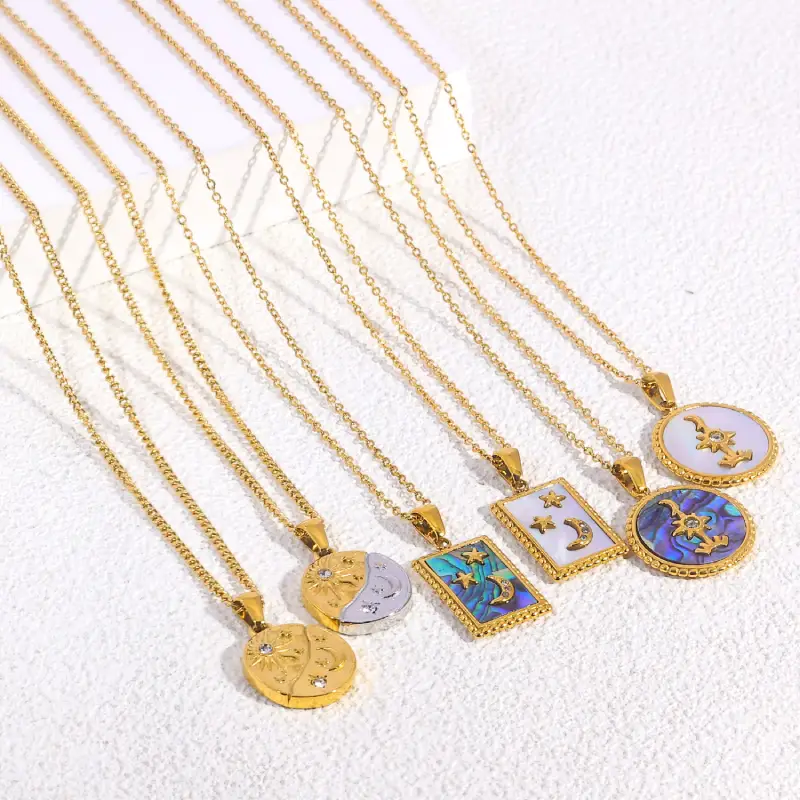
Every production batch should be verified before shipment to ensure consistent coating quality and long-term durability. Quality control typically includes testing coating adhesion, scratch resistance, corrosion resistance, color consistency, coating thickness, and base metal quality.
The following guide explains how Jusnova performs these quality checks and what buyers should consider when comparing PVD jewelry suppliers.
Why Is PVD Jewelry Quality Testing Important?
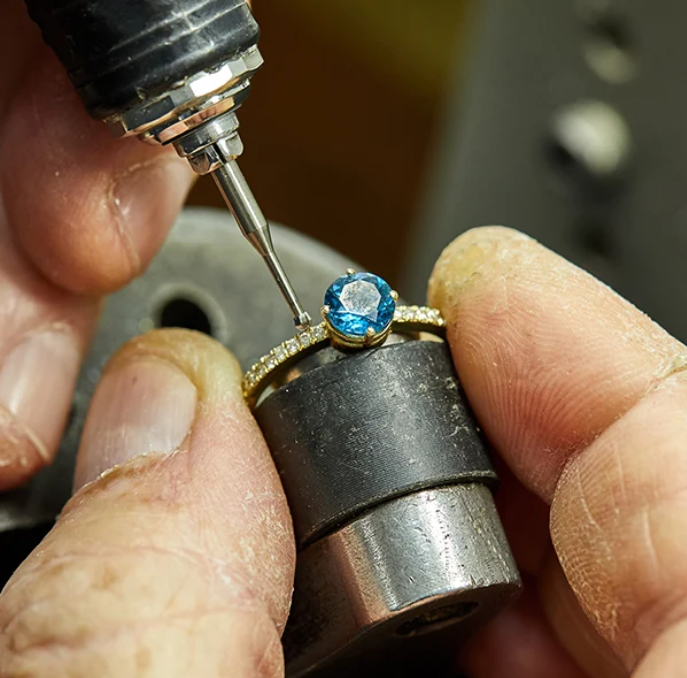
PVD quality testing ensures durability, safety, and consistent performance, building consumer trust in jewelry products.
Ensuring Product Performance and Consumer Trust
PVD quality testing is essential for ensuring consistent product performance and building consumer trust. It verifies that coatings maintain durability under real-world conditions, including resistance to scratches, corrosion, and daily wear.
Testing also evaluates long-term stability by examining adhesion strength, internal stress, and surface integrity to prevent premature degradation or color loss. In addition, corrosion resistance is assessed against sweat, skin oils, and cosmetic exposure to ensure reliable protection in everyday use.
Another important aspect is aesthetic consistency. Color stability, surface uniformity, and visual quality are checked to prevent patchiness or uneven tone across production batches. These evaluations also help identify process variations such as surface preparation, substrate quality, and layer design that may affect final performance.
Supporting Quality Control and Supplier Evaluation
Beyond verifying coating performance, quality testing helps ensure consistent production standards. Manufacturers use standardized testing to monitor coating quality, identify process variations, and maintain consistency across different production batches. For buyers, test reports provide objective data when evaluating suppliers, comparing manufacturing capabilities, and confirming that products meet agreed quality specifications.
What Factors Determine PVD Jewelry Quality?

PVD jewelry quality relies on critical factors like robust coating adhesion, uniform thickness, base material quality, and strict process control for durability and consistent aesthetics.
Core Elements of PVD Jewelry Quality
- Material Foundation: Base metal selection such as stainless steel or titanium determines overall stability and compatibility with coatings.
- Coating Performance: Adhesion strength, coating thickness, and composition directly affect durability, scratch resistance, and color stability.
- Surface and Process Control: Surface finish preparation and precise control of temperature, pressure, and vacuum conditions ensure uniform and consistent coating results.
Assessing and Maintaining PVD Jewelry Quality
High-quality PVD jewelry can be identified through consistent color, full edge coverage, and strong resistance to friction during daily use. These visual and physical indicators reflect stable coating performance across production batches.
Quality control typically includes adhesion testing, spectrometer-based color comparison, wear simulation, and detailed visual inspection. These methods help ensure consistency in both appearance and durability.
Several factors can reduce coating performance over time, including insufficient thickness, poor adhesion between layers, uncontrolled process conditions, and frequent exposure to friction or chemicals such as saltwater and cosmetics.
In practical use, well-made PVD jewelry should maintain a uniform appearance without spots, shadows, or exposed base metal, even after long-term wear. Together, these visual inspections and laboratory tests provide a comprehensive picture of overall coating quality.
How to Test PVD Coating Adhesion?
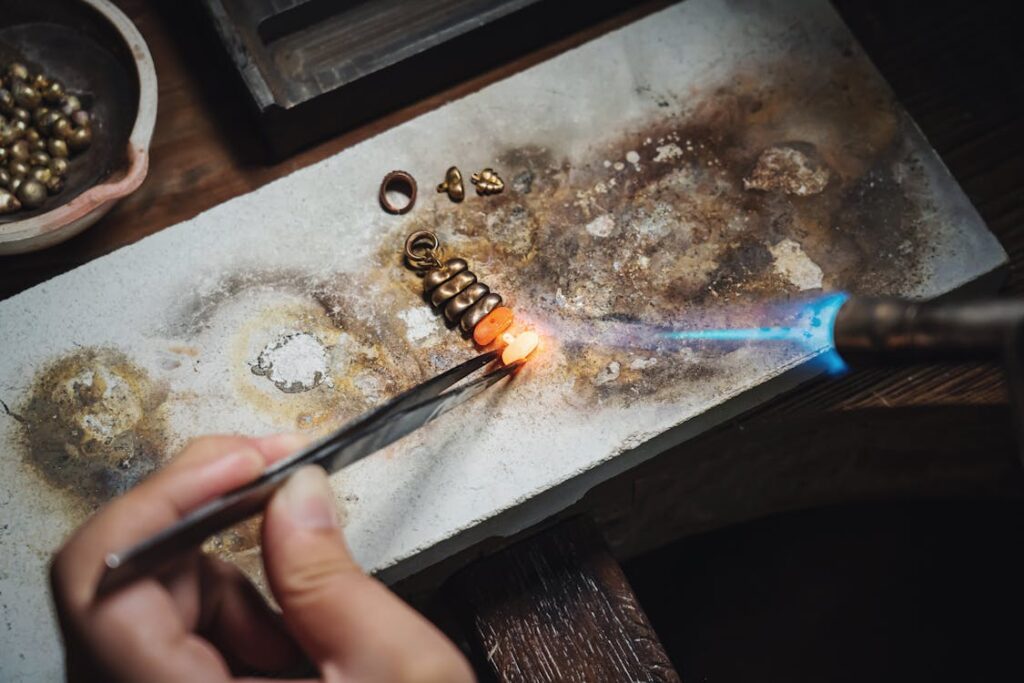
Testing PVD coating adhesion involves mechanical, scratch, and indentation methods. These checks confirm the coating’s bond strength and how it holds up under stress.
Overview of Adhesion Testing Methods
Good PVD adhesion means the film stays bonded to the jewelry substrate during wear, bending, handling, and cleaning. Poor adhesion shows as flaking, delamination, edge lifting, or cracking at the coating–substrate interface. This often gets evaluated with internal stress too, because high coating stress can shorten service life, even if the film looks fine initially.
| Method | How it works | What it tells you | Jewelry relevance |
|---|---|---|---|
| Scratch test | A diamond or spherical-tipped stylus draws across the coating while load increases until failure. | Critical load when the coating breaks or delaminates. | Very common for hard decorative PVD films. |
| Indentation test | A Rockwell indenter presses into the coating; cracking or chipping around the indent gets evaluated. | Qualitative adhesion and cohesion behavior near the indentation. | Widely used in production. |
| Ball-crater test | A steel ball abrades through the coating to expose the substrate; the crater edge gets examined microscopically. | Interface integrity and failure pattern at the coating boundary. | Useful on test coupons and flat samples, less on finished jewelry shapes. |
| Tape / cross-hatch test | Tape applies and removes after cuts get made in a grid. | Whether coating detaches under low mechanical stress. | Limited value for many PVD films because tape force is often too low. |
| Pull-off test | A dolly glues to the surface and pulls perpendicular to the coating until failure. | Tensile adhesion strength in force/area terms. | More common for thicker coatings than thin decorative PVD films. |
| Bend / thermal shock / thermal cycling | The sample flexes or cycles hot/cold to provoke adhesion failure. | Resistance to service-related debonding. | Useful when jewelry geometry or use conditions create thermal or mechanical stress. |
Scratch testing is one of the most informative methods for thin decorative PVD films because it directly probes failure under increasing load. Rockwell indentation is widely used in production because it is fast and practical for quality control. Ball-crater inspection helps when you need to see the coating–substrate boundary after controlled wear-through on a test coupon. Tape adhesion is a quick screen, but it’s not a strong stand-alone test for PVD since tape force is often too low to really challenge the adhesion.
Performing and Interpreting Adhesion Tests
Adhesion testing combines scratch, Rockwell indentation, and ball-crater methods to evaluate coating integrity under different conditions. Scratch testing determines the critical load at which cracking or delamination first occurs, while Rockwell indentation assesses adhesion through crack patterns and edge chipping around the indent. Ball-crater testing examines the coating–substrate interface under a microscope, where an irregular boundary generally indicates stronger adhesion than a smooth, continuous interface.
A typical quality control process begins with a visual inspection for color consistency, pinholes, and edge lifting, followed by coating thickness measurement. Scratch, Rockwell, and ball-crater tests are then performed to verify coating performance. Additional tape, bend, or thermal cycling tests may be used when products are intended for demanding applications.
A high-quality PVD coating should remain intact throughout testing, showing no peeling, flaking, or visible delamination. In contrast, low critical loads, extensive cracking, edge lifting, or early coating separation indicate weak adhesion and reduced long-term durability.
How to Perform Scratch Resistance Testing?

PVD jewelry scratch testing measures how well the coating resists damage under mechanical loads. This confirms coating quality and suitability for everyday wear, checking both adhesion and surface durability.
Executing Instrumented Scratch Tests for Coating Integrity
Instrumented scratch testing evaluates the load at which a PVD coating begins to crack, delaminate, or expose the base metal, providing a reliable measure of scratch resistance and coating adhesion.
The test uses a diamond indenter that moves across the coated surface while the applied load gradually increases. Flat test coupons are commonly used, although flat areas on finished jewelry can also be tested. Typical scratch lengths range from 1–5 mm, with a controlled loading program to identify the critical load where coating failure occurs.
After testing, the scratch track is examined under a microscope for cracking, chipping, delamination, and substrate exposure. A higher critical load indicates better coating adhesion and scratch resistance, making the coating more suitable for high-wear jewelry such as rings, bracelets, and watch cases.
Conducting Mar and Repetitive Rub Tests for Cosmetic Durability
Mar and repetitive rub tests evaluate how well PVD jewelry maintains its appearance during daily wear by simulating repeated contact with skin, clothing, and other surfaces. Unlike scratch tests that measure coating failure, these tests focus on cosmetic durability, including gloss retention, color stability, and resistance to fine scuff marks.
After a defined number of rubbing cycles, the surface is inspected for visible scratches, color changes, or coating wear. Consistent performance indicates stable coating quality and reliable process control across production batches. Combined with scratch and adhesion testing, these evaluations help ensure PVD jewelry maintains its finish throughout everyday use and supports long-term product consistency.
Consistent results across multiple production batches demonstrate stable manufacturing processes and help buyers source PVD jewelry with greater confidence.
Unlock High-Margin Jewelry: Custom & Durable Supply
What Is Salt Spray Testing for PVD Jewelry?
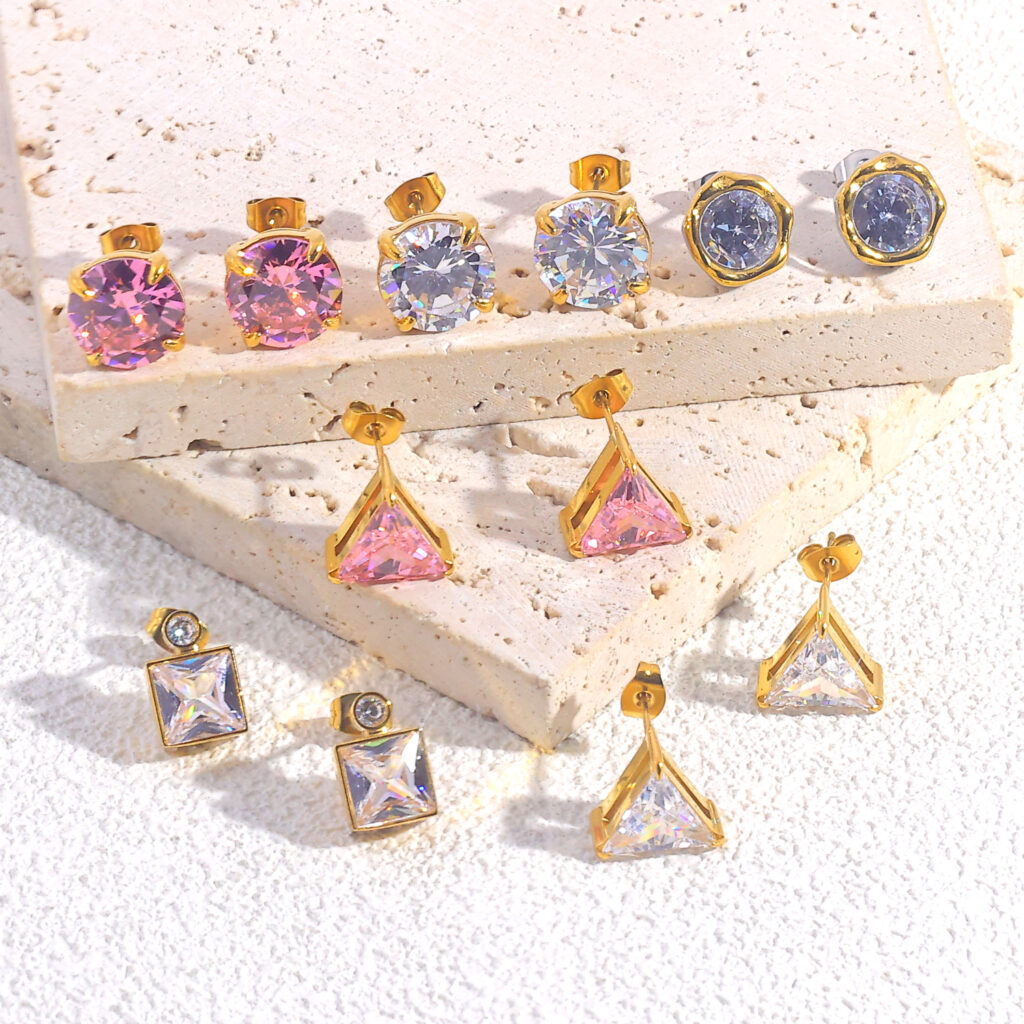
Salt spray testing exposes PVD jewelry to a saline mist in a controlled chamber to assess its corrosion resistance against sweat and seawater.
Purpose and Significance for PVD Jewelry
Salt spray testing for PVD jewelry assesses how well the coating protects the underlying metal from corrosion in aggressive chloride environments.
This test simulates harsh conditions jewelry faces, like sweat, skin salts, humid climates, and coastal environments. It helps predict how PVD jewelry performs against these real-world exposures.
It also helps tell the difference between low-quality plating and high-quality PVD. Conventional plating often corrodes in 24-48 hours. Quality PVD jewelry can handle 240 hours or more, sometimes up to 1,000 hours with optimized conditions.
Passing a specific salt spray hour benchmark, like “SGS 240 h salt spray,” supports marketing claims. Brands use this to show long-lasting color and corrosion resistance for stainless steel jewelry.
Methodology and Interpretation of Test Results
Salt spray testing evaluates the corrosion resistance of PVD jewelry by exposing samples to a controlled salt fog environment based on ASTM B117 standards. It is widely used to simulate long-term exposure to sweat, humidity, and coastal conditions.
Test results are typically measured by exposure time and visible corrosion changes. Low-end coatings may show rust or discoloration within 48 hours, while well-controlled PVD systems can achieve 240 hours or more with minimal surface change. Premium multi-layer coatings may exceed 500 hours under neutral salt spray conditions.
Failure is usually identified by edge corrosion, pinholes, blistering, or color degradation. Performance depends heavily on substrate quality, surface pre-treatment, coating structure, and process stability.
Jusnova uses standardized salt spray testing to help customers source PVD jewelry with verified corrosion resistance and reliable batch consistency.
How to Check Color Consistency of PVD Jewelry?
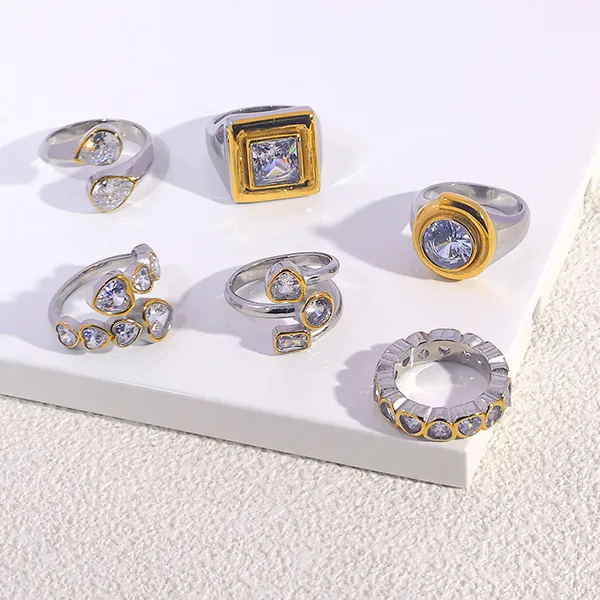
Checking PVD jewelry color consistency involves combining visual inspection, precise instrumental measurement, and strict process controls to ensure uniform, stable finishes.
Techniques for Direct Color Evaluation
PVD jewelry color consistency is verified through both visual inspection and instrumental color measurement. Visual inspection is performed under standardized lighting (5000–6500K), comparing each production batch with an approved reference sample to identify differences in hue, brightness, or surface uniformity. Multiple pieces from the same batch should also be checked to ensure consistent color across all visible surfaces.
For more accurate quality control, colorimeters or spectrophotometers measure CIE L*a*b* values and compare them against predefined ΔE tolerances. Measurements are taken at different locations on each piece and across multiple samples to verify batch consistency. If color falls outside the specified tolerance, process parameters such as gas composition, coating thickness, or deposition conditions should be adjusted before production continues.
Process and Supply Chain Controls for Consistency
Maintaining consistent color in PVD jewelry requires both stable manufacturing processes and effective supplier management. Even small variations in materials or production parameters can lead to noticeable differences between batches.
Manufacturers should use the same target materials, coating recipes, gas composition, and process settings throughout production. Consistent coating thickness and proper surface preparation are equally important, as they directly affect color uniformity, adhesion, and overall finish quality.
Production control also extends to chamber loading and fixture design. Keeping similar part orientation and batch sizes helps ensure even coating deposition across all jewelry pieces. Before mass production, many manufacturers perform sample runs to confirm the target color and then lock the approved process parameters for future batches.
From a buyer’s perspective, supplier transparency is just as important as manufacturing consistency. Purchase specifications should clearly define the required color tone, coating thickness, and quality standards. Requesting reference samples, inspection reports, and batch consistency records can help verify that future deliveries match the approved standard and reduce the risk of color variation.
How to Test Base Metal Quality?
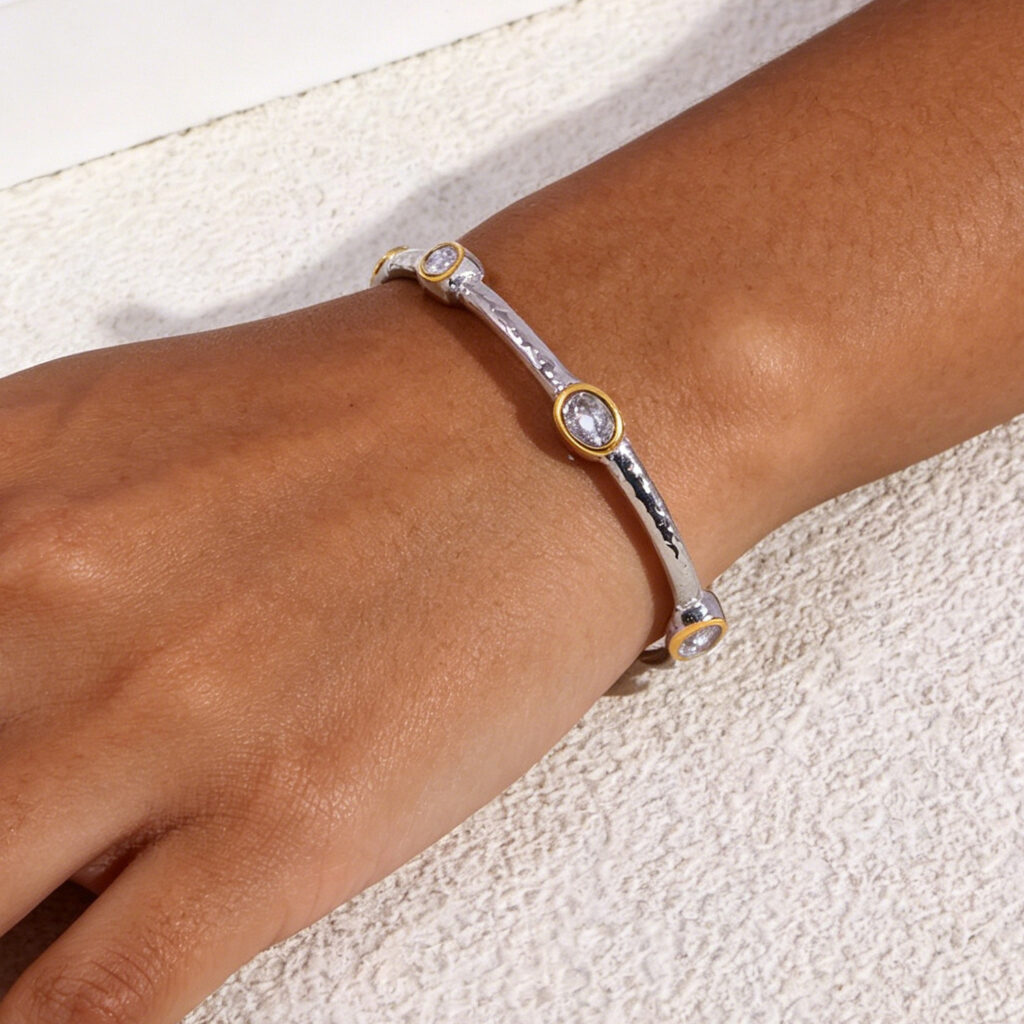
You verify base metal quality for PVD jewelry by checking the substrate (stainless steel or titanium) meets durability, adhesion, and safety standards before and after coating.
Direct Assessment of Base Metal Properties
- Inspect visually and physically for surface integrity.
- Identify materials and conduct composition tests (XRF, magnet, density).
- Assess mechanical properties and durability with hardness, tensile, and bend tests.
- Evaluate corrosion resistance and chemical stability using salt spray and simulated sweat tests.
- Verify surface cleanliness and pre-treatment quality (water-break test, roughness measurement).
- Confirm biocompatibility and nickel release for skin-contact jewelry, especially when evaluating products intended as hypoallergenic jewelry.
Supply Chain Control and Performance Validation
- Implement supplier certification and incoming inspection for raw materials.
- Audit PVD facilities to ensure proper handling and pre-treatment processes.
- Analyze finished PVD jewelry characteristics to infer base metal quality (price, labeling, long-term wear).
- Compare observed wear patterns with expected performance for quality base metals.
What Certifications Should PVD Jewelry Manufacturers Provide?
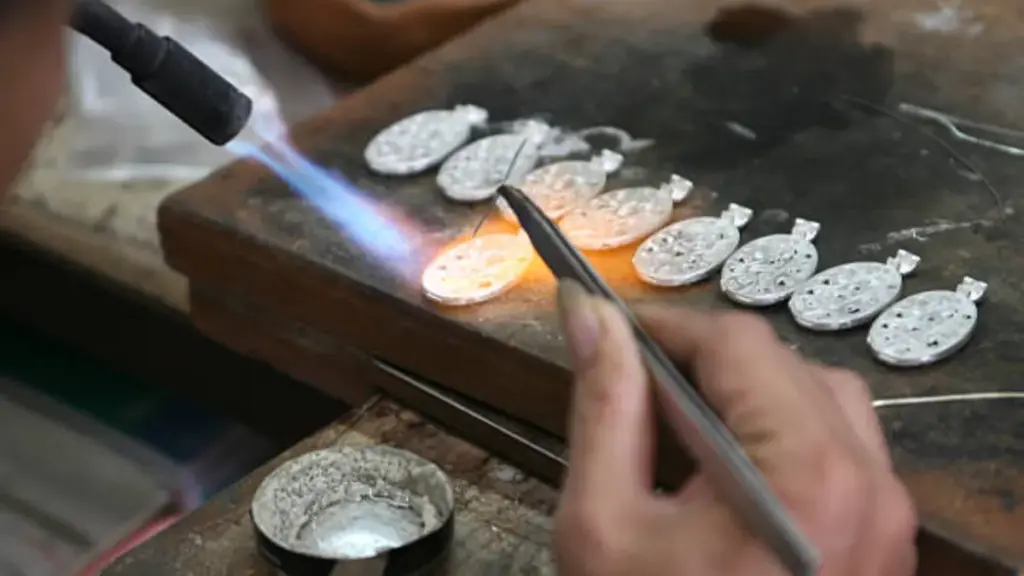
PVD jewelry manufacturers must provide certifications: material safety, process quality, ethical compliance, and performance testing for PVD-coated metal jewelry. This ensures reliability.
Types of Certifications for PVD Jewelry Excellence
- ISO 9001 for Quality Management Systems (QMS)
- ISO 13485 for medical-grade claims (e.g., surgical steel)
- ASTM / ISO Material Standards for base metals (e.g., 316L, titanium)
- Heavy Metal and Harmful Substance Testing (e.g., SGS reports)
- Responsible Jewellery Council (RJC) for ethical practices
- Environmental compliance of the PVD process
- PVD coating thickness documentation and ranges
- Wear, corrosion, and abrasion test reports
- Color fidelity and matching documentation
- In-house XRF / HD-XRF testing capabilities
- Factory-level audits and verification programs
Buyer’s Guide: Utilizing Certifications for PVD Jewelry Sourcing
When evaluating potential PVD jewelry suppliers, buyers should begin by confirming that the manufacturer can provide a complete set of essential certifications. Documents covering material safety, quality management, coating performance, and environmental compliance offer a reliable indication of production standards and product consistency.
Beyond certifications, it is equally important to establish clear quality specification sheets before production begins. These documents should define material grades, coating thickness, color requirements, testing methods, and acceptance criteria, helping both parties avoid misunderstandings during manufacturing.
Finally, certification should be viewed as an ongoing quality assurance tool rather than a one-time requirement. Regular audits, updated test reports, and periodic sample verification help ensure suppliers continue to meet the agreed standards throughout long-term cooperation.
How Can Buyers Identify Low-Quality PVD Jewelry?
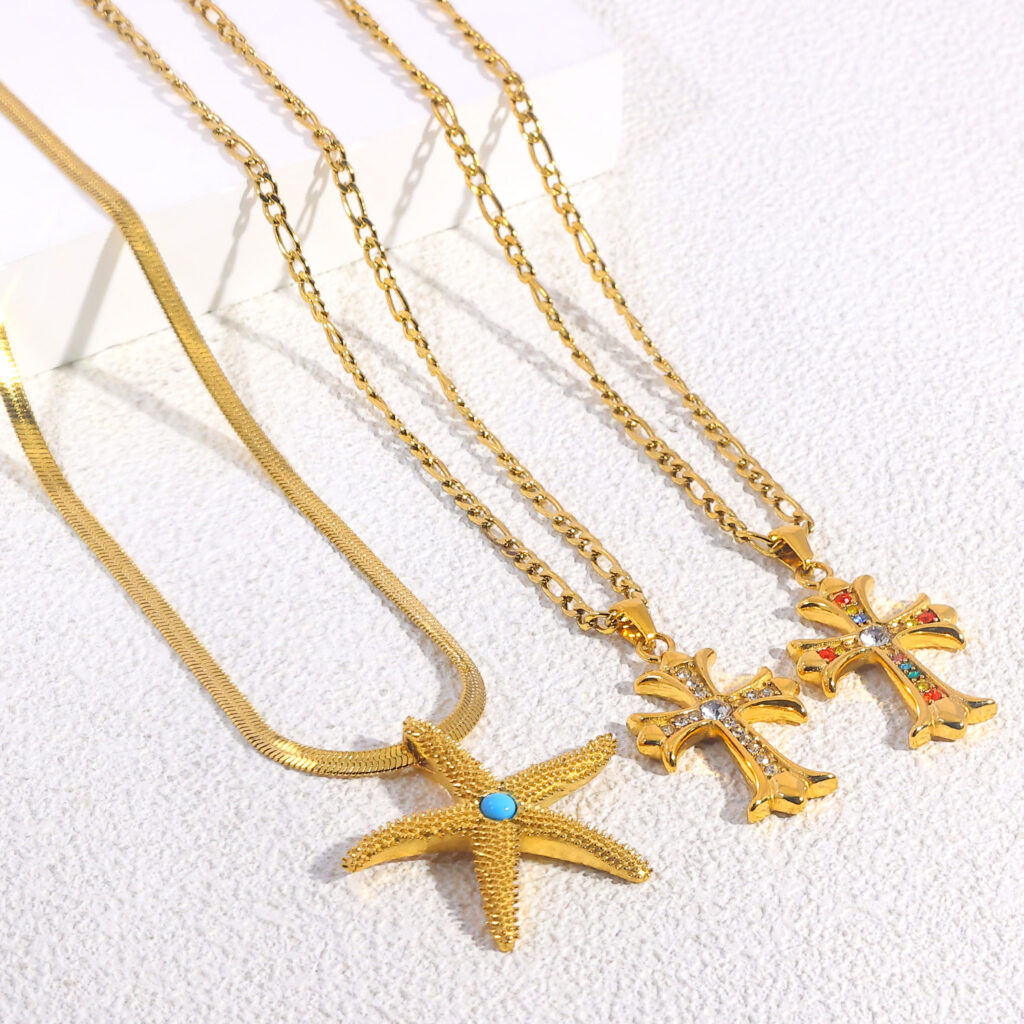
You can spot low-quality PVD jewelry by checking its base metal, coating details, finish, and the seller’s transparency. It’s about separating robust pieces from cheap, poorly applied coatings.
Technical Red Flags in PVD Jewelry Construction
Technical red flags in PVD jewelry are often related to unclear material specifications and weak coating structures. Products that use vague base metal descriptions such as “metal alloy” or lack stainless steel grading information should be treated cautiously.
Other warning signs include weak magnetic attraction, rapid color fading, rough edges, or premature wear at friction points such as rings and clasps. These issues often indicate poor coating adhesion or low-quality substrate materials.
Additionally, genuine waterproof jewelry should be supported by objective test results rather than marketing claims alone. Products with unsupported waterproof claims, signs of skin irritation, or limited technical documentation are often associated with lower manufacturing standards.
Evaluating Seller Transparency and Performing Buyer Checks
- Demand sellers identify the specific base metal. They should explicitly state 316L (or at least 304) stainless steel, not generic terms.
- Look for detailed PVD coating specs, including layer count, thickness, and hard compounds like titanium nitride.
- Do thorough visual and tactile inspections. Check for smooth edges, uniform color, and no physical defects like pinholes or rough spots.
- Conduct an early wear test (30-60 days). Monitor color retention and wear, especially at high-friction areas.
- Assess corrosion and skin reaction. Note any rust, green stains, or skin irritation. These indicate substandard quality.
- Scrutinize product information and testing claims. Look for salt spray or nickel-release testing mentioned. Be wary of “waterproof” claims without proof.
- Review warranty terms for consistency. Make sure warranty duration and exclusions align with durability marketing. Strong claims need strong guarantees.
- Compare price against technical specs. If an item is cheap but claims high durability, verify its documented technical details.
Frequently Asked Questions About PVD Jewelry Quality Testing
How do you test PVD jewelry quality?
PVD jewelry quality is tested through adhesion, scratch, corrosion, and wear resistance tests to ensure durability and consistency.
How can buyers check PVD coating quality?
Buyers should check color uniformity, coating coverage, and request technical reports such as adhesion or corrosion test data.
What tests are used for PVD coating?
Common tests include scratch testing, indentation testing, salt spray testing, and wear simulation testing.
What is a salt spray test for jewelry?
It is a corrosion resistance test that exposes jewelry to salt mist to simulate sweat and seawater conditions.
How do you test PVD coating adhesion?
Adhesion is tested using scratch tests, indentation tests, and tape tests to measure bonding strength.
What documents should jewelry suppliers provide?
Suppliers should provide material certifications, coating specifications, and test reports such as nickel release and corrosion resistance.
Final Thoughts
Understanding PVD jewelry quality is key to your business success. While generic options might offer lower upfront costs, only verified quality protects your brand from premature failure, customer complaints, and reputational damage. Choosing robust, tested PVD is a strategic investment in lasting consumer trust.
Don’t leave quality to chance. We invite you to experience our rigorously tested PVD jewelry firsthand, ensuring it meets the high standards your brand demands. Contact our team to request samples or discuss integrating these quality benchmarks into your supply chain.