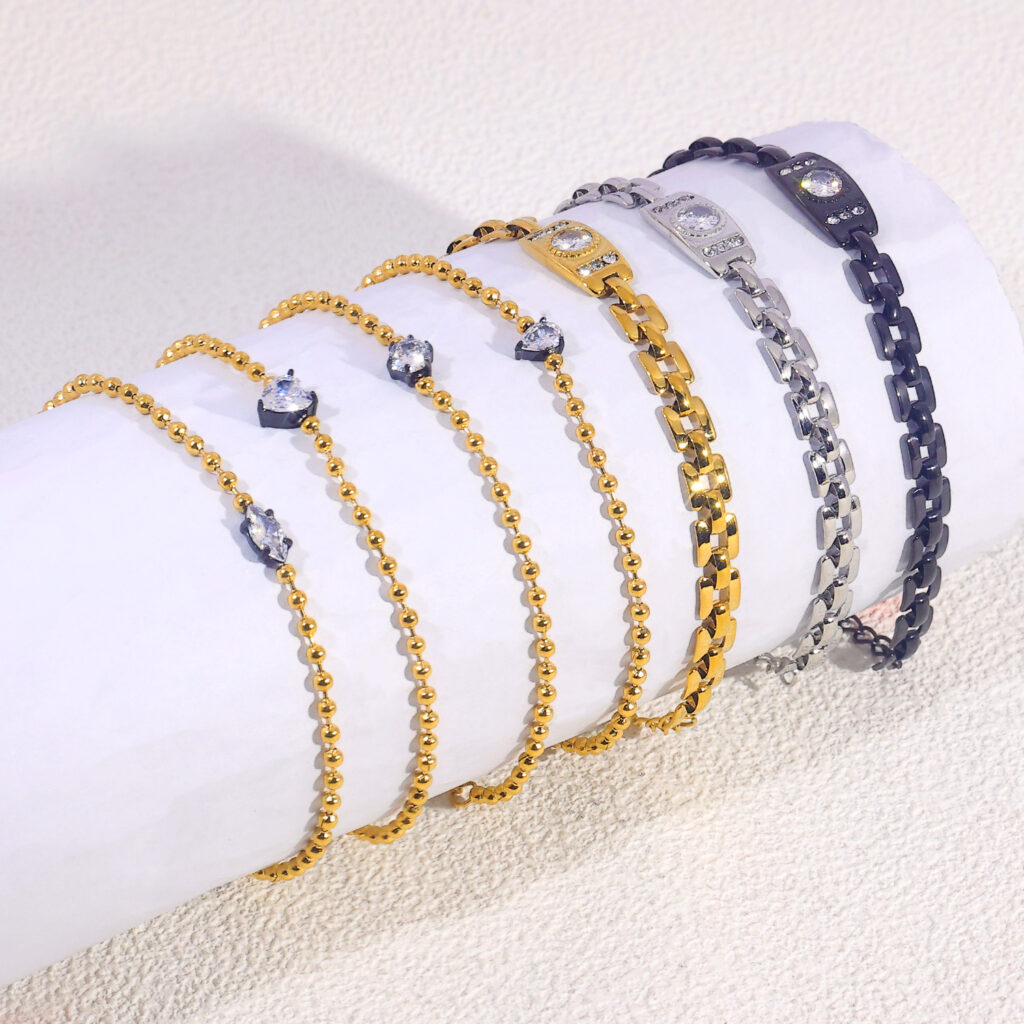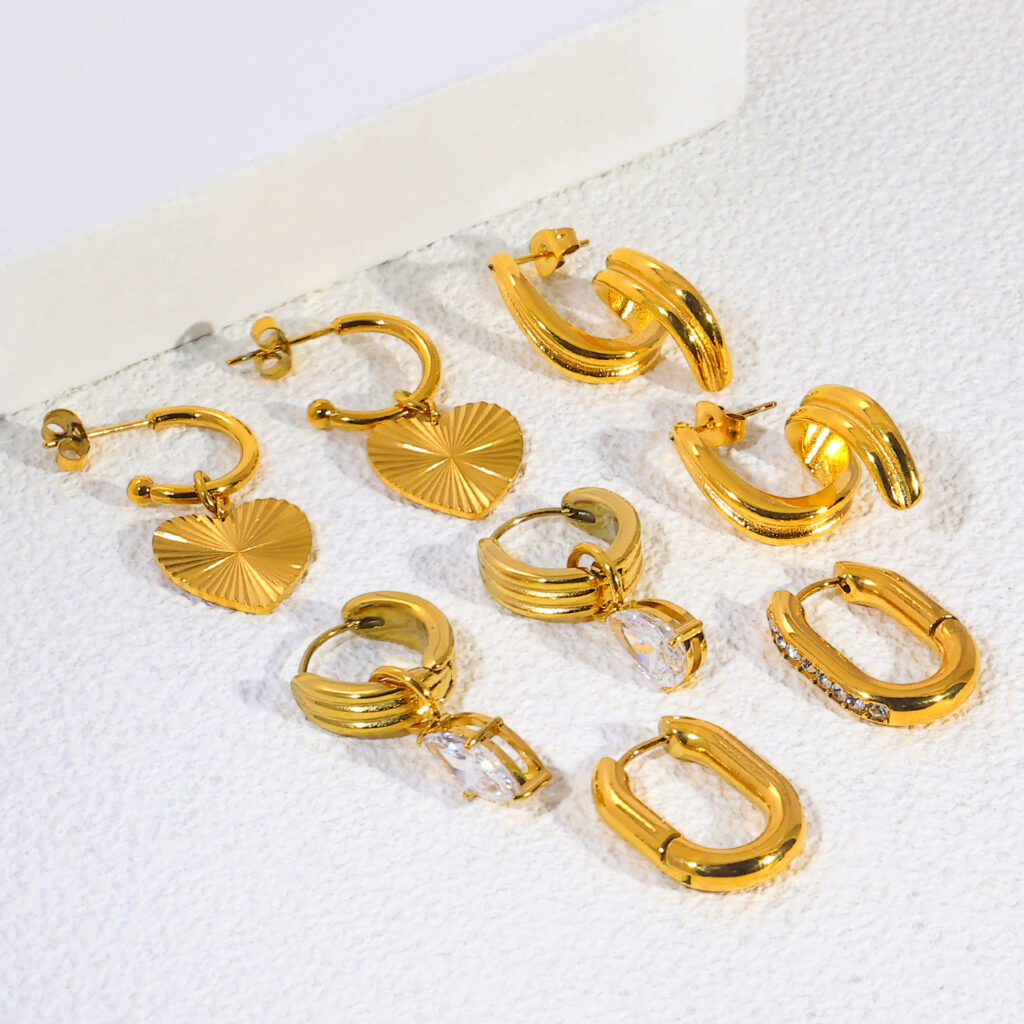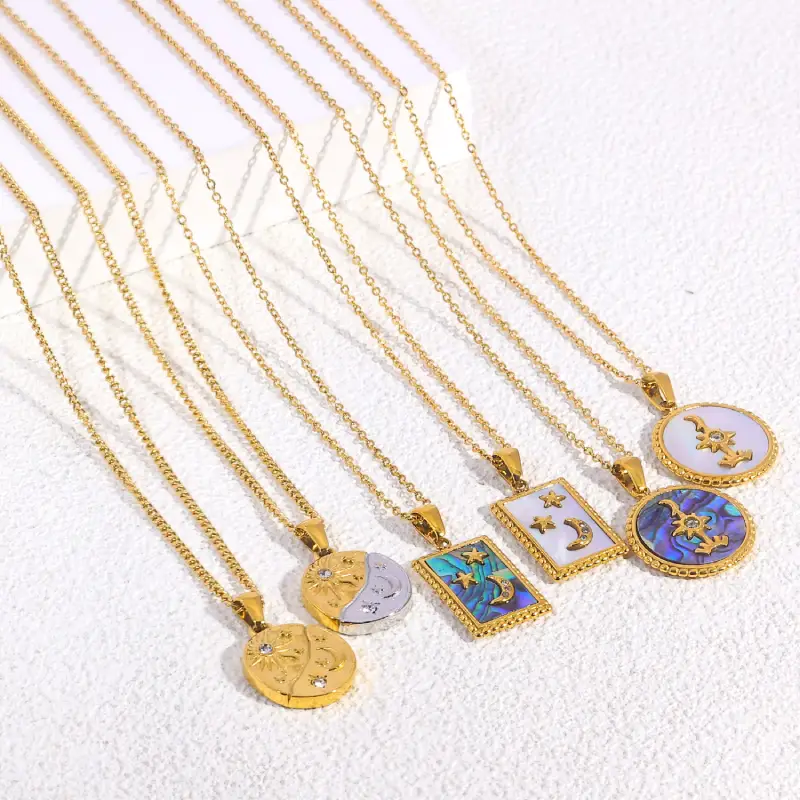
Chaque lot de production doit être vérifié avant expédition pour garantir une qualité de revêtement constante et une durabilité à long terme.. Le contrôle qualité comprend généralement des tests d'adhérence du revêtement, résistance à gratter, résistance à la corrosion, cohérence des couleurs, épaisseur du revêtement, et qualité du métal de base.
Le guide suivant explique comment Jusnova effectue ces contrôles de qualité et ce que les acheteurs doivent prendre en compte lorsqu'ils comparent les fournisseurs de bijoux PVD.
Pourquoi les tests de qualité des bijoux PVD sont-ils importants?
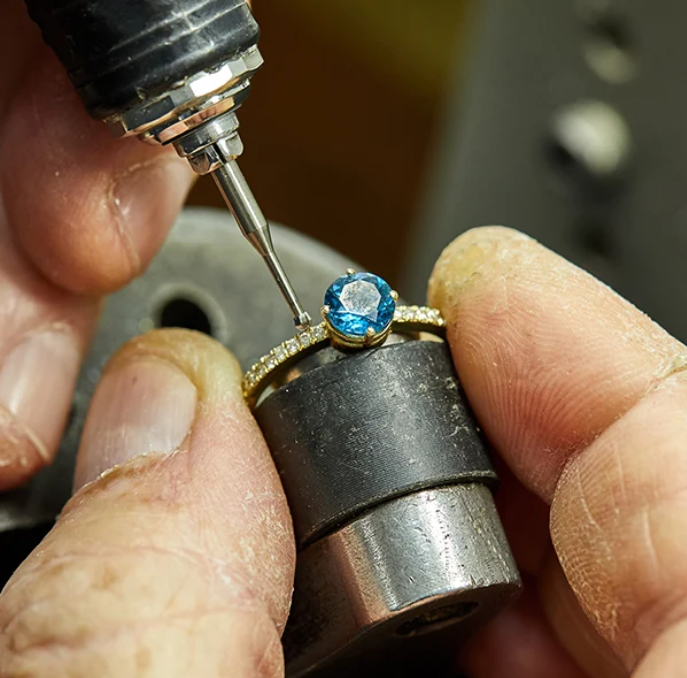
Les tests de qualité PVD garantissent la durabilité, sécurité, et des performances constantes, renforcer la confiance des consommateurs dans les produits de bijouterie.
Garantir la performance des produits et la confiance des consommateurs
Les tests de qualité PVD sont essentiels pour garantir des performances produit constantes et renforcer la confiance des consommateurs.. Il vérifie que les revêtements conservent leur durabilité dans des conditions réelles, y compris la résistance aux rayures, corrosion, et à porter au quotidien.
Les tests évaluent également la stabilité à long terme en examinant la force d'adhésion, stress interne, et l'intégrité de la surface pour éviter une dégradation prématurée ou une perte de couleur. En outre, la résistance à la corrosion est évaluée par rapport à la sueur, huiles pour la peau, et exposition cosmétique pour garantir une protection fiable au quotidien..
Un autre aspect important est la cohérence esthétique. Stabilité des couleurs, uniformité de la surface, et la qualité visuelle sont vérifiées pour éviter les irrégularités ou les tons inégaux entre les lots de production. Ces évaluations aident également à identifier les variations du processus telles que la préparation de la surface., qualité du substrat, et la conception des couches qui peuvent affecter les performances finales.
Soutenir le contrôle qualité et l’évaluation des fournisseurs
Au-delà de la vérification des performances du revêtement, les tests de qualité permettent de garantir des normes de production cohérentes. Les fabricants utilisent des tests standardisés pour surveiller la qualité du revêtement, identifier les variations de processus, et maintenir la cohérence entre les différents lots de production. Pour les acheteurs, les rapports de test fournissent des données objectives lors de l'évaluation des fournisseurs, comparer les capacités de fabrication, et confirmer que les produits répondent aux spécifications de qualité convenues.
Quels facteurs déterminent la qualité des bijoux PVD?

La qualité des bijoux PVD repose sur des facteurs critiques tels que l'adhérence robuste du revêtement., épaisseur uniforme, qualité du matériau de base, et un contrôle strict des processus pour une durabilité et une esthétique constante.
Éléments fondamentaux de la qualité des bijoux PVD
- Fondation matérielle: La sélection des métaux de base tels que l'acier inoxydable ou le titane détermine la stabilité globale et la compatibilité avec les revêtements.
- Performances du revêtement: Force d'adhésion, épaisseur du revêtement, et la composition affectent directement la durabilité, résistance à gratter, et stabilité des couleurs.
- Contrôle des surfaces et des processus: Préparation de la finition de surface et contrôle précis de la température, pression, et les conditions de vide garantissent des résultats de revêtement uniformes et cohérents.
Évaluation et maintien de la qualité des bijoux PVD
Bijoux PVD de haute qualité peut être identifié grâce à une couleur cohérente, couverture complète des bords, et forte résistance aux frottements lors d'une utilisation quotidienne. Ces indicateurs visuels et physiques reflètent des performances de revêtement stables sur tous les lots de production..
Le contrôle qualité comprend généralement des tests d'adhérence, comparaison des couleurs basée sur un spectromètre, simulation d'usure, et inspection visuelle détaillée. Ces méthodes contribuent à garantir la cohérence de l'apparence et de la durabilité..
Plusieurs facteurs peuvent réduire les performances du revêtement au fil du temps, y compris une épaisseur insuffisante, mauvaise adhérence entre les couches, conditions de processus incontrôlées, et exposition fréquente à la friction ou à des produits chimiques tels que l'eau salée et les cosmétiques.
En utilisation pratique, les bijoux PVD bien faits doivent conserver une apparence uniforme et sans taches, ombres, ou métal de base exposé, même après un port prolongé. Ensemble, ces inspections visuelles et tests en laboratoire fournissent une image complète de la qualité globale du revêtement.
Comment tester l'adhérence du revêtement PVD?
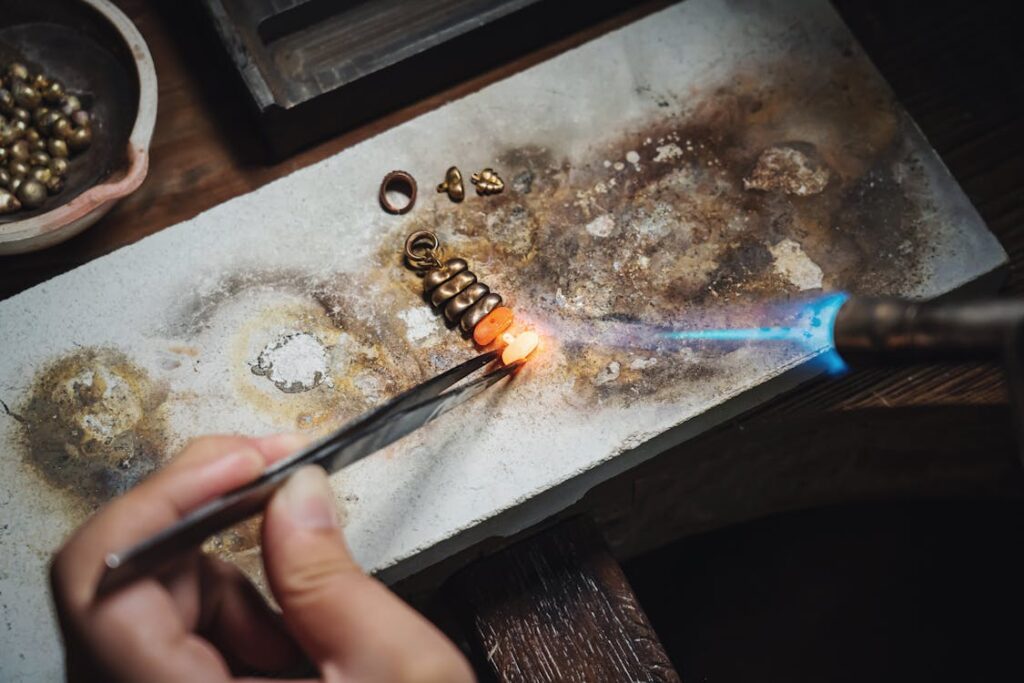
Le test de l'adhérence du revêtement PVD implique des, gratter, et méthodes d'indentation. Ces contrôles confirment le revêtement’la force de la liaison et comment elle résiste au stress.
Présentation des méthodes de test d'adhérence
Une bonne adhérence PVD signifie que le film reste collé au substrat du bijou pendant le port, flexion, manutention, et nettoyage. Une mauvaise adhérence se manifeste par un écaillage, délaminage, levage des bords, ou fissuration à l’interface revêtement-substrat. Cela est souvent également évalué par un stress interne, car une contrainte élevée du revêtement peut raccourcir la durée de vie, même si le film a l'air bien au départ.
| Méthode | Comment ça marche | Ce que ça te dit | Pertinence des bijoux |
|---|---|---|---|
| Test de rayures | Un stylet en diamant ou à pointe sphérique traverse le revêtement tandis que la charge augmente jusqu'à la rupture.. | Charge critique lorsque le revêtement se brise ou se délamine. | Très courant pour les films PVD décoratifs durs. |
| Test d'indentation | Un pénétrateur Rockwell s'enfonce dans le revêtement; la fissuration ou l'écaillage autour de l'indentation est évalué. | Comportement qualitatif d'adhésion et de cohésion à proximité de l'indentation. | Largement utilisé en production. |
| Test de cratère de balle | Une bille d'acier abrase le revêtement pour exposer le substrat.; le bord du cratère est examiné au microscope. | Intégrité de l'interface et modèle de défaillance à la limite du revêtement. | Utile sur les coupons de test et les échantillons plats, moins sur les formes de bijoux finies. |
| Ruban adhésif / test de hachures | Le ruban s'applique et s'enlève une fois les coupes effectuées dans une grille. | Si le revêtement se détache sous une faible contrainte mécanique. | Valeur limitée pour de nombreux films PVD car la force de bande est souvent trop faible. |
| Test d'arrachement | Un chariot colle à la surface et tire perpendiculairement au revêtement jusqu'à rupture. | Résistance à la traction en termes de force/surface. | Plus courant pour les revêtements plus épais que les films PVD décoratifs minces. |
| Plier / choc thermique / cyclage thermique | L'échantillon fléchit ou subit des cycles chaud/froid pour provoquer une rupture d'adhésion. | Résistance au décollement lié au service. | Utile lorsque la géométrie des bijoux ou les conditions d'utilisation créent des contraintes thermiques ou mécaniques. |
Le test de rayure est l'une des méthodes les plus informatives pour les films PVD décoratifs minces, car il sonde directement la défaillance sous une charge croissante.. L'indentation Rockwell est largement utilisée en production car elle est rapide et pratique pour le contrôle qualité. L'inspection des cratères à billes est utile lorsque vous avez besoin de voir la limite revêtement-substrat après une usure contrôlée sur un coupon de test. L'adhésion du ruban est un écran rapide, mais ça’Il ne s'agit pas d'un test autonome efficace pour le PVD, car la force du ruban adhésif est souvent trop faible pour réellement remettre en question l'adhérence..
Réalisation et interprétation des tests d'adhésion
Les tests d'adhérence combinent le scratch, Indentation Rockwell, et méthodes de cratère à billes pour évaluer l'intégrité du revêtement dans différentes conditions. Les tests de rayures déterminent la charge critique à laquelle la fissuration ou le délaminage se produit pour la première fois., tandis que l'indentation Rockwell évalue l'adhérence à travers les motifs de fissures et les écailles des bords autour de l'indentation.. Les tests de cratère à bille examinent l'interface revêtement-substrat au microscope, où une limite irrégulière indique généralement une adhérence plus forte qu'une frontière lisse, interface continue.
Un processus de contrôle qualité typique commence par une inspection visuelle de la cohérence des couleurs., trous d'épingle, et relevage des bords, suivi d'une mesure de l'épaisseur du revêtement. Gratter, Rockwell, et des tests de cratère de bille sont ensuite effectués pour vérifier les performances du revêtement. Bande supplémentaire, plier, ou des tests de cycles thermiques peuvent être utilisés lorsque les produits sont destinés à des applications exigeantes.
Un revêtement PVD de haute qualité doit rester intact tout au long des tests, ne montrant aucune desquamation, éclatement, ou délaminage visible. En revanche, faibles charges critiques, fissuration étendue, levage des bords, ou une séparation précoce du revêtement indique une faible adhérence et une durabilité à long terme réduite.
Comment effectuer des tests de résistance aux rayures?

Les tests PVD contre les rayures sur les bijoux mesurent la résistance du revêtement aux dommages causés par des charges mécaniques.. Cela confirme la qualité du revêtement et son aptitude à un usage quotidien., vérifier à la fois l'adhérence et la durabilité de la surface.
Exécution de tests de rayures instrumentés pour l’intégrité du revêtement
Les tests de rayures instrumentés évaluent la charge à laquelle un revêtement PVD commence à se fissurer, délaminer, ou exposer le métal de base, fournissant une mesure fiable de la résistance aux rayures et de l'adhérence du revêtement.
Le test utilise un pénétrateur diamanté qui se déplace sur la surface revêtue tandis que la charge appliquée augmente progressivement.. Les coupons de test plats sont couramment utilisés, bien que les zones plates des bijoux finis puissent également être testées. Les longueurs de rayures typiques vont de 1–5 mm, avec un programme de chargement contrôlé pour identifier le charge critique où se produit la défaillance du revêtement.
Après test, la trace de rayure est examinée au microscope pour déceler des fissures, écaillage, délaminage, et exposition au substrat. Une charge critique plus élevée indique une meilleure adhérence du revêtement et une meilleure résistance aux rayures, rendant le revêtement plus adapté aux bijoux très résistants tels que les bagues, bracelets, et boîtiers de montres.
Réalisation de tests de frottement et de frottements répétitifs pour la durabilité cosmétique
Des tests de frottement et de frottement répétitifs évaluent dans quelle mesure les bijoux PVD conservent leur apparence lors d'un port quotidien en simulant un contact répété avec la peau., vêtements, et autres surfaces. Contrairement aux tests de rayures qui mesurent la défaillance du revêtement, ces tests se concentrent sur la durabilité cosmétique, y compris la rétention de brillance, stabilité des couleurs, et résistance aux fines éraflures.
Après un nombre défini de cycles de frottement, la surface est inspectée pour détecter les rayures visibles, changements de couleur, ou usure du revêtement. Des performances constantes indiquent une qualité de revêtement stable et un contrôle fiable du processus sur tous les lots de production. Combiné avec des tests de rayures et d'adhérence, ces évaluations aident à garantir que les bijoux PVD conservent leur finition tout au long de leur utilisation quotidienne et soutiennent la cohérence du produit à long terme..
Des résultats cohérents sur plusieurs lots de production démontrent des processus de fabrication stables et aident les acheteurs à se procurer des bijoux PVD en toute confiance..
Débloquez des bijoux à forte marge: Coutume & Approvisionnement durable
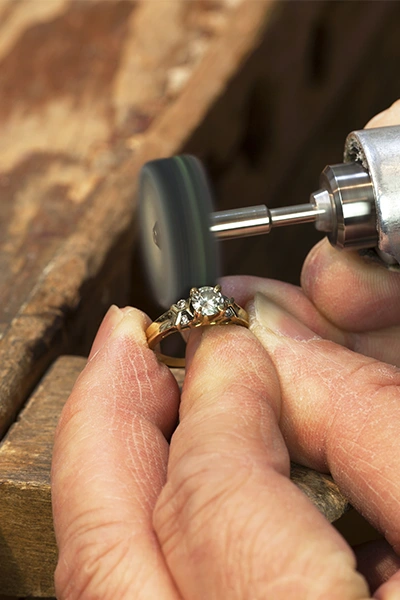
Qu'est-ce que le test au brouillard salin pour les bijoux PVD?
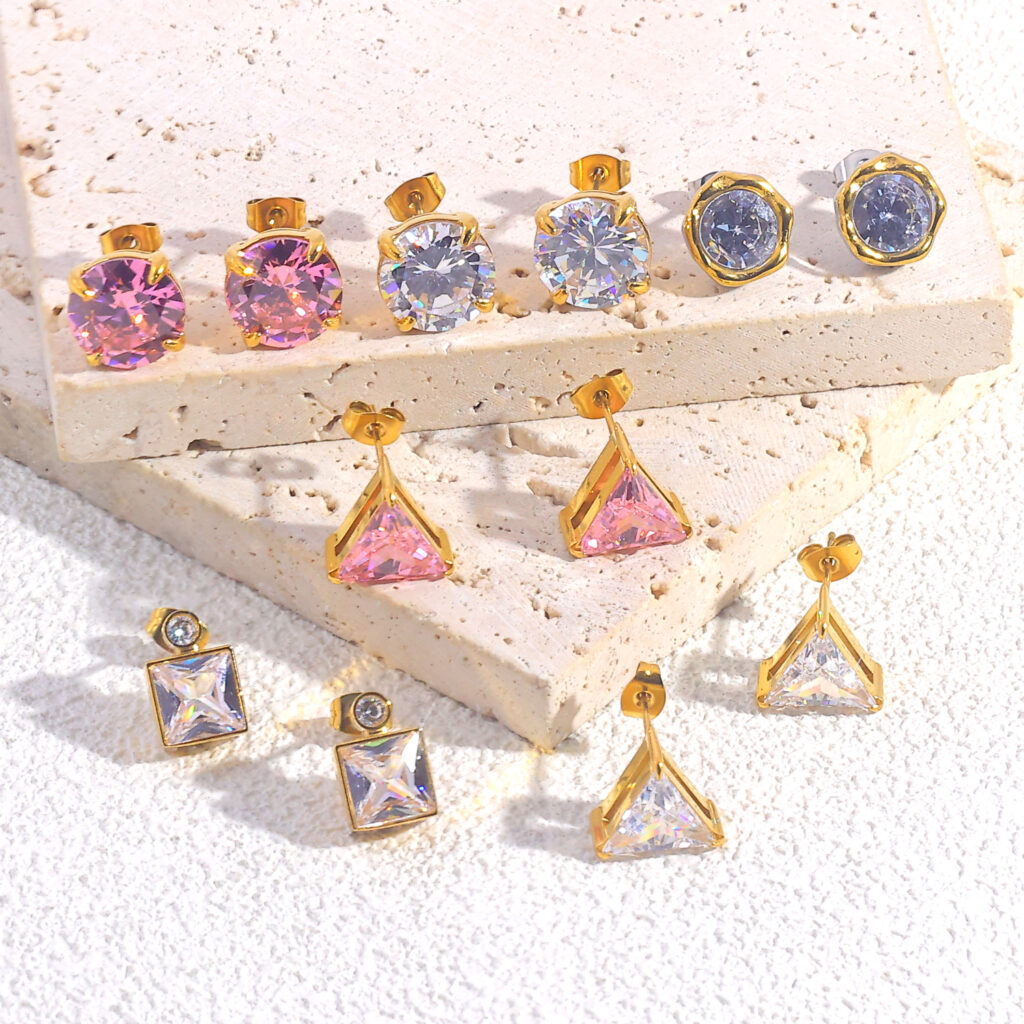
Les tests au brouillard salin exposent les bijoux PVD à un brouillard salin dans une chambre contrôlée pour évaluer leur résistance à la corrosion par la sueur et l'eau de mer..
Objectif et importance des bijoux PVD
Les tests au brouillard salin pour les bijoux PVD évaluent dans quelle mesure le revêtement protège le métal sous-jacent de la corrosion dans des environnements chlorés agressifs..
Ce test simule des visages de bijoux dans des conditions difficiles, comme la sueur, sels de peau, climats humides, et milieux côtiers. Il permet de prédire les performances des bijoux PVD par rapport à ces expositions réelles..
Cela permet également de faire la différence entre un placage de mauvaise qualité et un PVD de haute qualité.. Le placage conventionnel se corrode souvent 24-48 heures. Les bijoux PVD de qualité peuvent gérer 240 heures ou plus, parfois jusqu'à 1,000 heures avec des conditions optimisées.
Passer une référence spécifique en matière d'heures de brouillard salin, comme « GV 240 h brouillard salin, » soutient les allégations marketing. Les marques l'utilisent pour montrer une couleur durable et une résistance à la corrosion des bijoux en acier inoxydable..
Méthodologie et interprétation des résultats des tests
Les tests au brouillard salin évaluent la résistance à la corrosion des bijoux PVD en exposant des échantillons à un environnement de brouillard salin contrôlé basé sur ASTM B117 normes. Il est largement utilisé pour simuler une exposition à long terme à la sueur., humidité, et conditions côtières.
Les résultats des tests sont généralement mesurés par le temps d'exposition et les changements visibles de corrosion.. Les revêtements bas de gamme peuvent présenter de la rouille ou une décoloration à l'intérieur 48 heures, tandis que les systèmes PVD bien contrôlés peuvent atteindre 240 heures ou plus avec un changement de surface minimal. Les revêtements multicouches de qualité supérieure peuvent dépasser 500 heures dans des conditions de brouillard salin neutre.
La défaillance est généralement identifiée par la corrosion des bords, trous d'épingle, cloquant, ou dégradation des couleurs. Les performances dépendent fortement de la qualité du substrat, prétraitement de surface, structure du revêtement, et stabilité du processus.
Jusnova utilise des tests au brouillard salin standardisés pour aider les clients à se procurer des bijoux PVD avec une résistance à la corrosion vérifiée et une cohérence fiable des lots.
Comment vérifier la cohérence des couleurs des bijoux PVD?
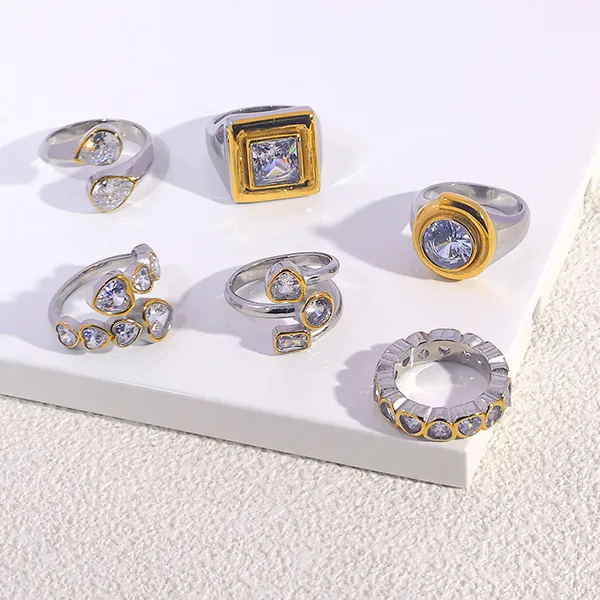
La vérification de la cohérence de la couleur des bijoux PVD implique une combinaison d'inspection visuelle, mesure instrumentale précise, et des contrôles de processus stricts pour garantir l'uniformité, finitions stables.
Techniques d’évaluation directe des couleurs
La cohérence de la couleur des bijoux PVD est vérifiée à la fois par une inspection visuelle et par une mesure instrumentale de la couleur.. L'inspection visuelle est effectuée sous un éclairage standardisé (5000–6500K), comparer chaque lot de production avec un échantillon de référence approuvé pour identifier les différences de teinte, luminosité, ou uniformité de la surface. Plusieurs pièces du même lot doivent également être vérifiées pour garantir une couleur cohérente sur toutes les surfaces visibles..
Pour un contrôle qualité plus précis, les colorimètres ou spectrophotomètres mesurent CIE L*a*b* valeurs et les comparer à des valeurs prédéfinies ΔE tolérances. Les mesures sont prises à différents endroits sur chaque pièce et sur plusieurs échantillons pour vérifier la cohérence des lots. Si la couleur sort de la tolérance spécifiée, paramètres de processus tels que la composition du gaz, épaisseur du revêtement, ou les conditions de dépôt doivent être ajustées avant que la production ne continue.
Contrôles des processus et de la chaîne d'approvisionnement pour plus de cohérence
Le maintien d'une couleur constante dans les bijoux PVD nécessite à la fois des processus de fabrication stables et une gestion efficace des fournisseurs.. Même de petites variations dans les matériaux ou les paramètres de production peuvent entraîner des différences notables entre les lots..
Les fabricants doivent utiliser les mêmes matériaux cibles, recettes d'enrobage, composition du gaz, et paramètres de processus tout au long de la production. Une épaisseur de revêtement constante et une bonne préparation de la surface sont tout aussi importantes, car ils affectent directement l’uniformité des couleurs, adhésion, et qualité de finition globale.
Le contrôle de la production s'étend également au chargement de la chambre et à la conception des accessoires. Le fait de conserver une orientation des pièces et des tailles de lots similaires permet de garantir un dépôt uniforme du revêtement sur toutes les pièces de bijoux.. Avant la production de masse, de nombreux fabricants effectuent des analyses d'échantillons pour confirmer la couleur cible, puis verrouillent les paramètres de processus approuvés pour les futurs lots.
D'un acheteur’le point de vue, la transparence des fournisseurs est tout aussi importante que la cohérence de la fabrication. Les spécifications d'achat doivent définir clairement la tonalité de couleur requise, épaisseur du revêtement, et normes de qualité. Demander des échantillons de référence, rapports d'inspection, et les enregistrements de cohérence des lots peuvent aider à vérifier que les livraisons futures correspondent à la norme approuvée et à réduire le risque de variation de couleur.
Comment tester la qualité des métaux de base?
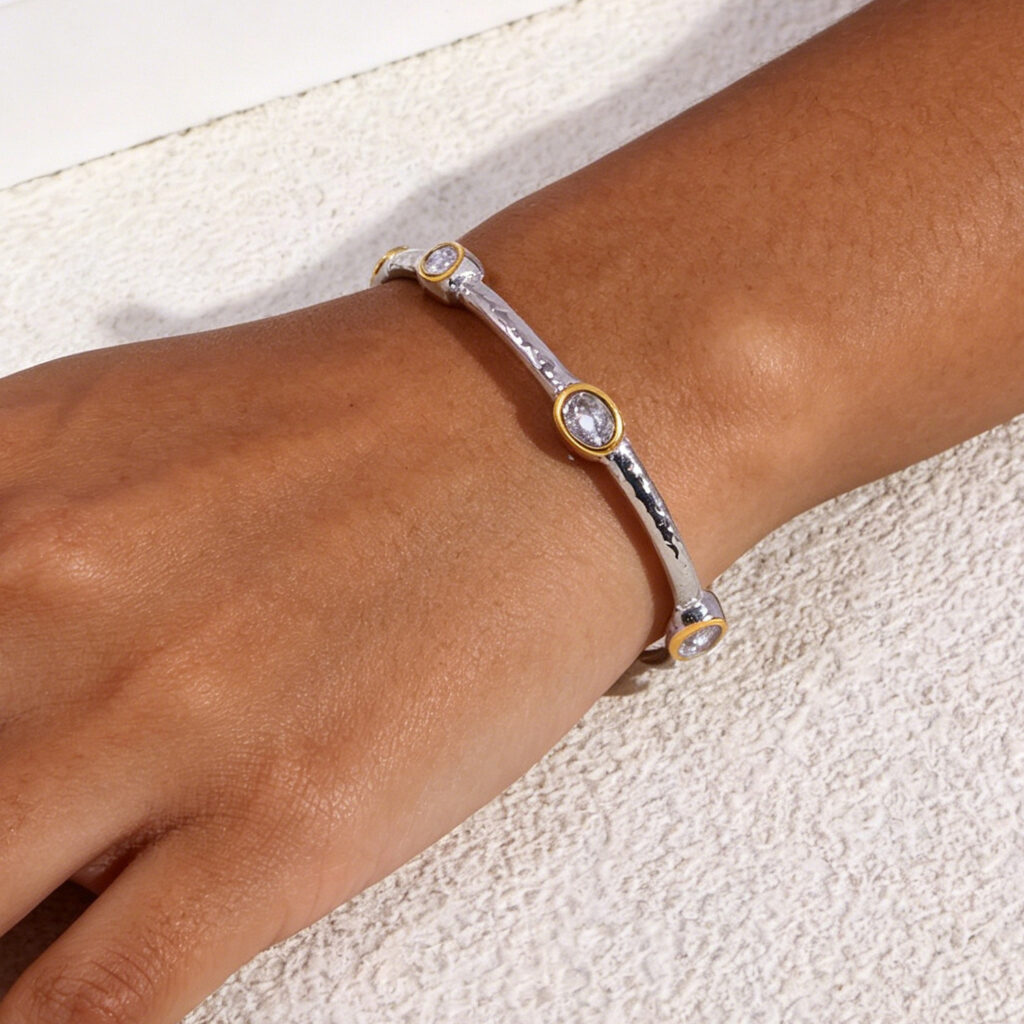
Vous vérifiez la qualité du métal de base pour les bijoux PVD en vérifiant le substrat (acier inoxydable ou titane) rencontre la durabilité, adhésion, et normes de sécurité avant et après revêtement.
Évaluation directe des propriétés des métaux de base
- Inspecter visuellement et physiquement l’intégrité de la surface.
- Identifier les matériaux et réaliser des tests de composition (FRX, aimant, densité).
- Évaluer les propriétés mécaniques et la durabilité avec la dureté, traction, et essais de pliage.
- Évaluer la résistance à la corrosion et la stabilité chimique à l’aide de tests au brouillard salin et à la sueur simulée.
- Vérifier la propreté des surfaces et la qualité du prétraitement (essai de rupture d'eau, mesure de rugosité).
- Confirmer la biocompatibilité et libération de nickel pour les bijoux en contact avec la peau, surtout lors de l'évaluation de produits destinés à bijoux hypoallergéniques.
Contrôle de la chaîne d'approvisionnement et validation des performances
- Mettre en œuvre la certification des fournisseurs et l'inspection à la réception des matières premières.
- Auditer les installations PVD pour garantir des processus de manipulation et de prétraitement appropriés.
- Analyser les caractéristiques des bijoux PVD finis pour déduire la qualité du métal de base (prix, étiquetage, tenue à long terme).
- Comparez les modèles d'usure observés avec les performances attendues pour des métaux de base de qualité.
Quelles certifications les fabricants de bijoux PVD devraient-ils fournir?
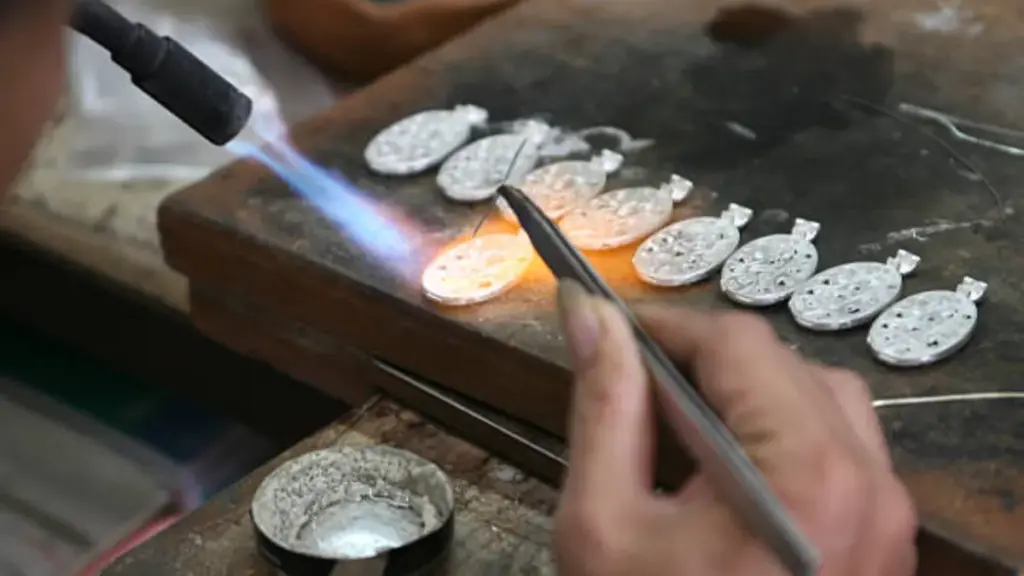
Les fabricants de bijoux PVD doivent fournir des certifications: sécurité des matériaux, qualité du processus, conformité éthique, et tests de performances pour les bijoux en métal recouverts de PVD. Cela garantit la fiabilité.
Types de certifications pour l’excellence des bijoux PVD
- OIN 9001 pour les systèmes de gestion de la qualité (SGQ)
- OIN 13485 pour les réclamations de qualité médicale (par ex., acier chirurgical)
- ASTM / Normes de matériaux ISO pour métaux communs (par ex., 316L, titane)
- Tests de métaux lourds et de substances nocives (par ex., Rapports SGS)
- Conseil de la bijouterie responsable (RJC) pour des pratiques éthiques
- Conformité environnementale du processus PVD
- Épaisseur du revêtement PVD documentation et gammes
- Porter, corrosion, et abrasion rapports de tests
- Fidélité et correspondance des couleurs documentation
- XRF interne / HD-XRF capacités de test
- Audits au niveau de l'usine et programmes de vérification
Acheteur’Guide: Utilisation des certifications pour l'approvisionnement en bijoux PVD
Lors de l’évaluation du potentiel Fournisseurs de bijoux PVD, les acheteurs doivent commencer par confirmer que le fabricant peut fournir un ensemble complet de certifications essentielles. Documents couvrant la sécurité des matériaux, gestion de la qualité, performances du revêtement, et la conformité environnementale offrent une indication fiable des normes de production et de la cohérence des produits.
Au-delà des certifications, il est tout aussi important d’établir des fiches de spécifications de qualité claires avant le début de la production. Ces documents doivent définir les qualités des matériaux, épaisseur du revêtement, exigences de couleur, méthodes de test, et critères d'acceptation, aider les deux parties à éviter les malentendus lors de la fabrication.
Enfin, la certification doit être considérée comme un outil d’assurance qualité continu plutôt que comme une exigence ponctuelle. Audits réguliers, rapports de tests mis à jour, et la vérification périodique des échantillons permet de garantir que les fournisseurs continuent de respecter les normes convenues tout au long d'une coopération à long terme..
Comment les acheteurs peuvent-ils identifier les bijoux PVD de mauvaise qualité?
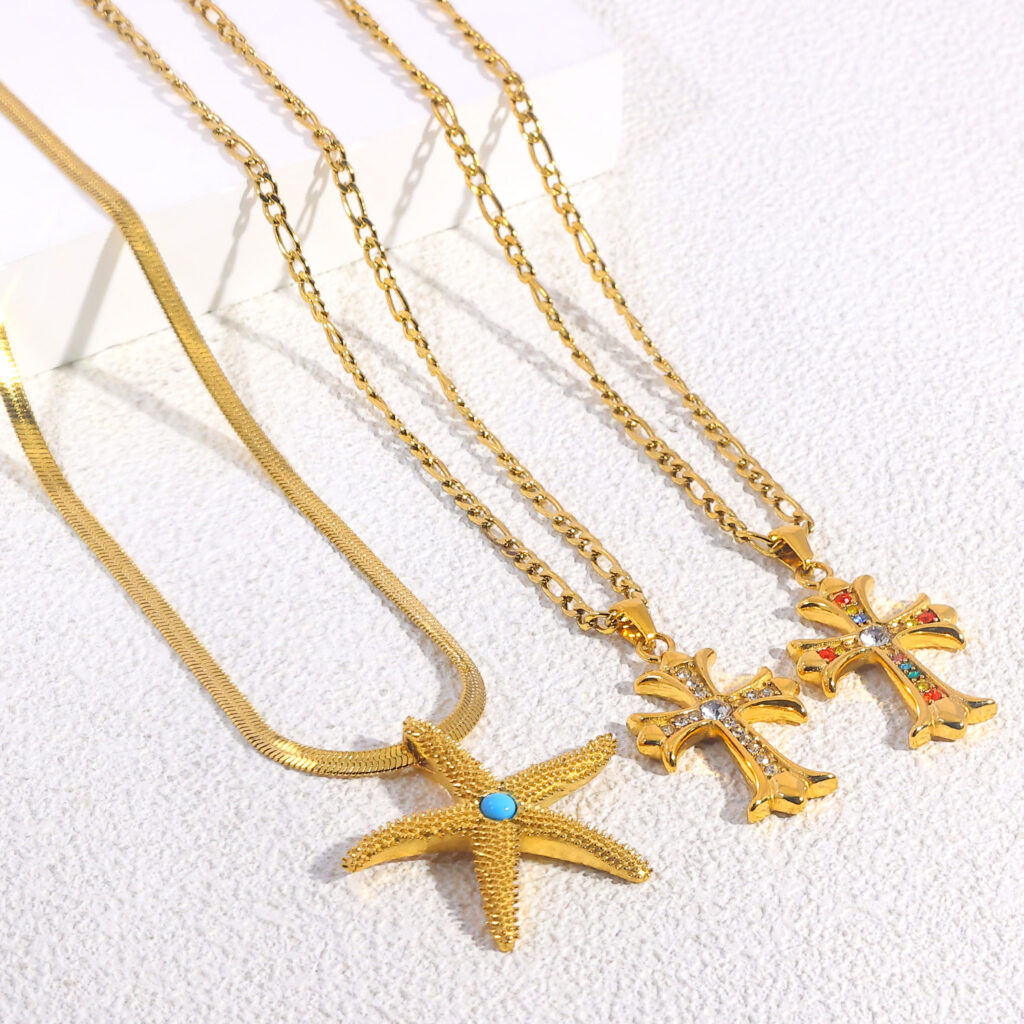
Vous pouvez repérer les bijoux PVD de mauvaise qualité en vérifiant leur métal de base, détails du revêtement, finition, et le vendeur’la transparence. Il s’agit de séparer les pièces robustes des pièces bon marché, revêtements mal appliqués.
Drapeaux rouges techniques dans la construction de bijoux PVD
Les signaux d’alarme techniques concernant les bijoux PVD sont souvent liés à des spécifications de matériaux peu claires et à des structures de revêtement faibles.. Les produits qui utilisent des descriptions vagues de métaux de base telles que « alliage métallique » ou qui manquent d'informations sur la classification de l'acier inoxydable doivent être traités avec prudence..
D'autres signes avant-coureurs incluent une faible attraction magnétique, décoloration rapide, bords rugueux, ou une usure prématurée des points de friction tels que les anneaux et les fermoirs. Ces problèmes indiquent souvent une mauvaise adhérence du revêtement ou des matériaux de substrat de mauvaise qualité..
En plus, authentique bijoux imperméables doit être étayé par des résultats de tests objectifs plutôt que par des allégations marketing uniquement. Produits avec des allégations d'étanchéité non étayées, signes d'irritation cutanée, ou une documentation technique limitée est souvent associée à des normes de fabrication inférieures.
Évaluation de la transparence du vendeur et vérification des acheteurs
- Les vendeurs à la demande identifient le métal de base spécifique. Ils doivent indiquer explicitement 316L (ou du moins 304) acier inoxydable, pas de termes génériques.
- Recherchez les spécifications détaillées du revêtement PVD, y compris le nombre de couches, épaisseur, et des composés durs comme le nitrure de titane.
- Effectuer des inspections visuelles et tactiles approfondies. Vérifiez les bords lisses, couleur uniforme, et aucun défaut physique comme des trous d'épingle ou des aspérités.
- Effectuer un test d'usure précoce (30-60 jours). Surveiller la rétention et l’usure des couleurs, en particulier dans les zones à forte friction.
- Évaluer la corrosion et la réaction cutanée. Notez toute rouille, taches vertes, ou une irritation de la peau. Ceux-ci indiquent une qualité inférieure aux normes.
- Examiner les informations sur les produits et les allégations de tests. Recherchez les tests de brouillard salin ou de libération de nickel mentionnés. Méfiez-vous de « étanche » affirmations sans preuve.
- Examiner les conditions de garantie pour en assurer la cohérence. Assurez-vous que la durée de la garantie et les exclusions correspondent au marketing de durabilité. Des réclamations solides nécessitent des garanties solides.
- Comparez le prix avec les spécifications techniques. Si un article est bon marché mais revendique une grande durabilité, vérifier ses détails techniques documentés.
Foire aux questions sur les tests de qualité des bijoux PVD
Comment tester la qualité des bijoux PVD?
La qualité des bijoux PVD est testée par adhérence, gratter, corrosion, et des tests de résistance à l'usure pour garantir la durabilité et la cohérence.
Comment les acheteurs peuvent-ils vérifier la qualité du revêtement PVD?
Les acheteurs doivent vérifier l'uniformité des couleurs, couverture du revêtement, et demander des rapports techniques tels que des données de tests d'adhérence ou de corrosion.
Quels tests sont utilisés pour le revêtement PVD?
Les tests courants incluent les tests de grattage, test d'indentation, essai au brouillard salin, et tests de simulation d'usure.
Qu'est-ce qu'un test au brouillard salin pour les bijoux?
Il s'agit d'un test de résistance à la corrosion qui expose les bijoux à un brouillard salin pour simuler les conditions de sueur et d'eau de mer..
Comment tester l'adhérence du revêtement PVD?
L'adhérence est testée à l'aide de tests de grattage, essais d'indentation, et tests de bande pour mesurer la force de liaison.
Quels documents les fournisseurs de bijoux doivent-ils fournir?
Les fournisseurs doivent fournir des certifications matérielles, spécifications du revêtement, et rapports de tests tels que la libération de nickel et la résistance à la corrosion.
Pensées finales
Comprendre la qualité des bijoux PVD est la clé du succès de votre entreprise. Même si les options génériques peuvent offrir des coûts initiaux inférieurs, seule la qualité vérifiée protège votre marque d'une défaillance prématurée, plaintes des clients, et atteinte à la réputation. Choisir robuste, Le PVD testé est un investissement stratégique dans la confiance durable des consommateurs.
Enfiler’ne laissez pas la qualité au hasard. Nous vous invitons à découvrir par vous-même nos bijoux PVD rigoureusement testés., s'assurer qu'il répond aux normes élevées exigées par votre marque. Contactez notre équipe pour demander des échantillons ou discuter de l'intégration de ces critères de qualité dans votre chaîne d'approvisionnement.