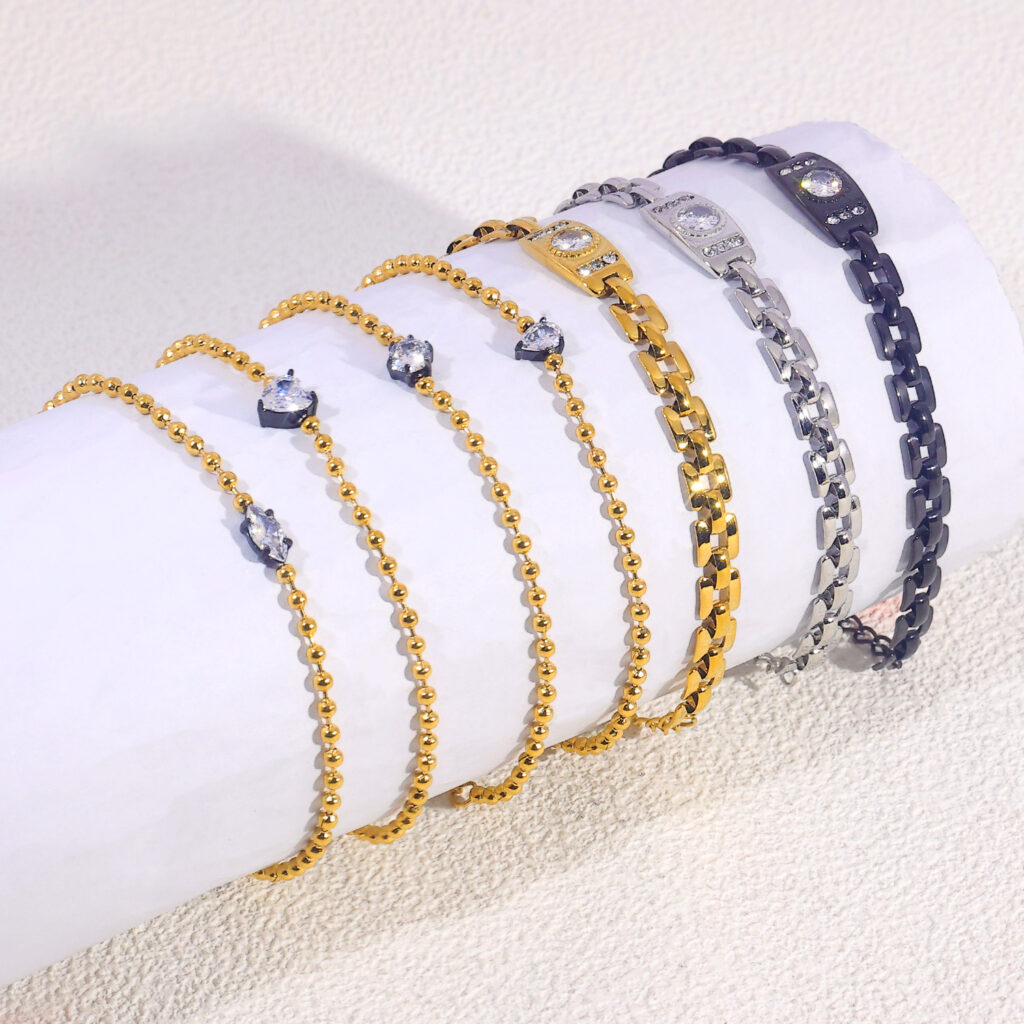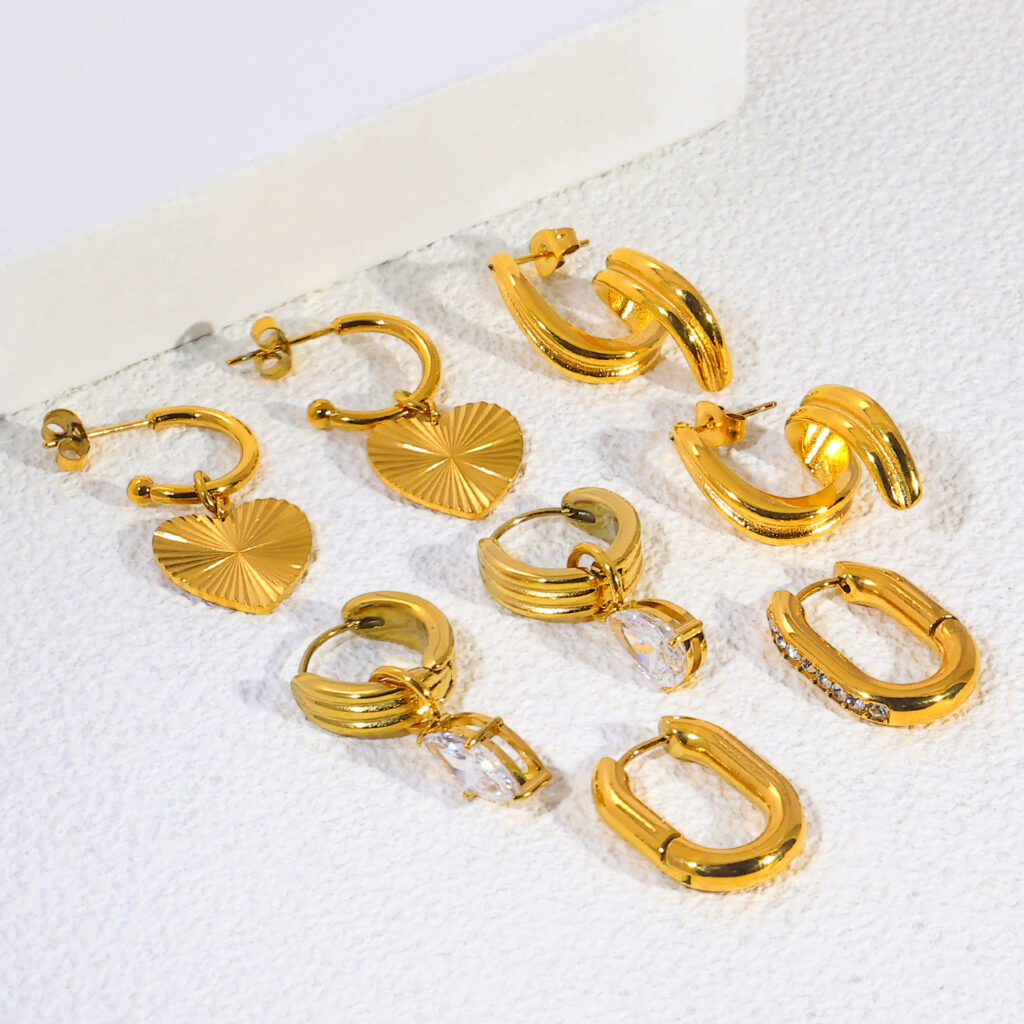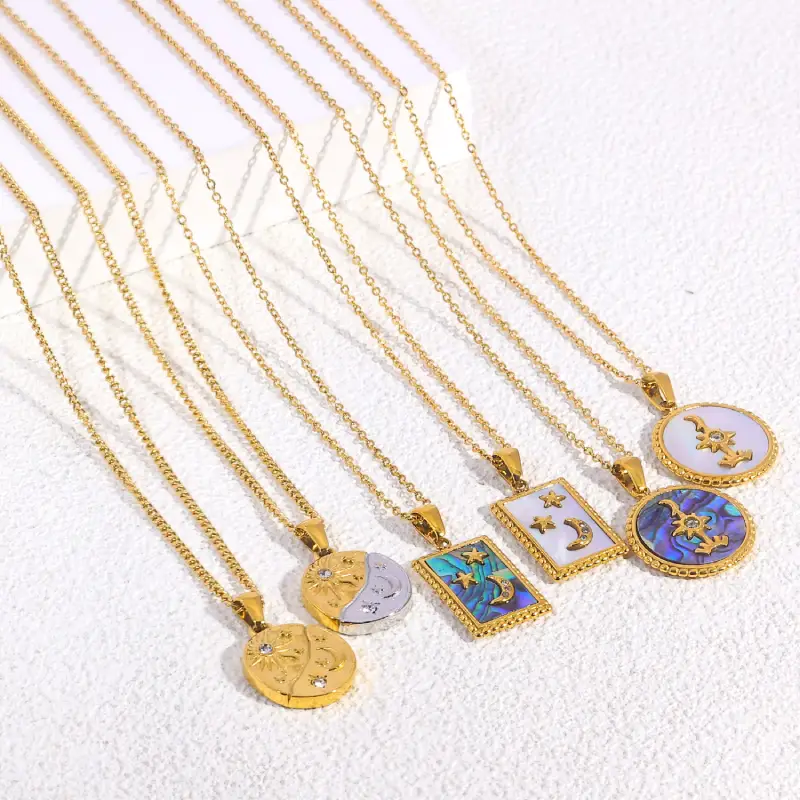
Can your jewelry collections withstand daily wear while maintaining a premium luster? When comparing PVD jewelry vs. gold plated jewelry, the coating method directly affects product quality, return rates, and brand reputation. While traditional gold plating delivers a classic look, it is more prone to tarnishing, often leading to costly returns and reduced customer confidence.
At Jusnova Jewelry, we’ve refined our production standards to address these challenges. This guide examines coating thickness, durability, and manufacturing standards, showing why our advanced PVD-coated stainless steel delivers longer-lasting performance supported by industry-standard hardness testing.
To learn more about the engineering behind these coating processes, explore our comprehensive PVD technology guide before planning your next production run. Working with the right manufacturer can help reduce warranty claims, minimize returns, and strengthen customer loyalty.
What Is the Difference Between PVD Jewelry and Gold Plated Jewelry?
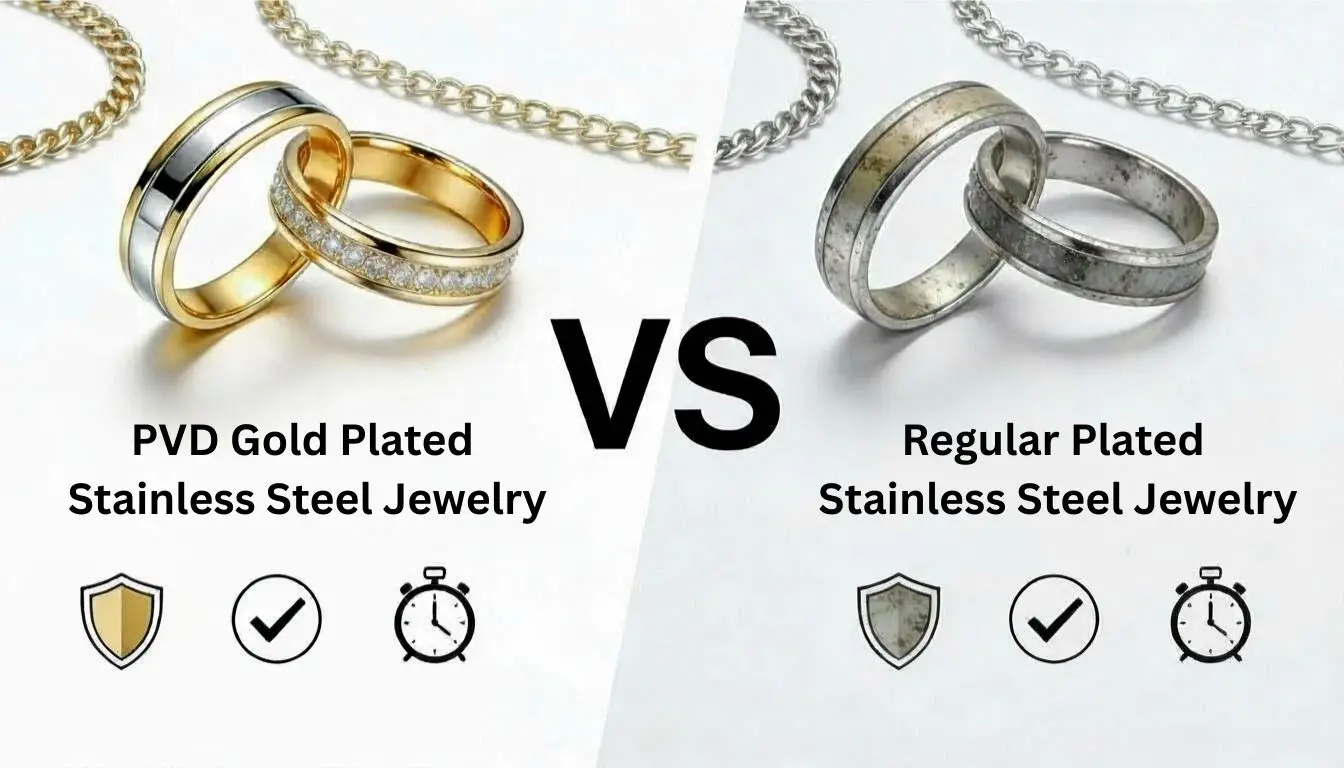
PVD jewelry offers a more durable, low-maintenance finish, often on stainless steel. Gold plated jewelry is cheaper initially, but wears faster with higher upkeep.
| Aspect | PVD Jewelry (Gold PVD) | Gold Plated Jewelry (Electroplated) |
|---|---|---|
| Process | Vacuum deposition, gold/gold-color vapor bonded atomically | Electroplating from liquid bath using electric current |
| Usual Base Metal | Stainless steel | Brass, copper, nickel, silver, or stainless steel |
| Coating Thickness / Strength | Hard, thick, high wear resistance; up to ~10× more durable than plating | Very thin, softer, easily scratched and worn |
| Corrosion Resistance | High; resists sweat, chlorine, water | Lower; tarnish and base metal exposure in 12–18 months common |
| Skin Safety | Inert, hypoallergenic barrier; nickel-free coating | Depends on base metal; risk once gold wears through |
| Maintenance | Low; suitable for daily wear, often shower-safe | High; remove before water, exercise, chemicals |
| Typical Lifespan | Longer-term fashion use (often several years) | Shorter; visible wear and tarnish in ~1–2 years |
| Cost / Positioning | Slightly higher cost, mid-range to high-end fashion | Lower cost, mass-market, budget fashion |
| Ideal Use | Everyday, active, body jewelry, men’s/stainless styles | Occasional wear, low-cost trend pieces |
| Heirloom Potential | Low; surface-level coating on steel | Low; thin plating over base metals |
Why This Difference Matters
The technical differences between PVD and gold plating have a direct impact on product durability, return rates, and customer satisfaction.
- Gold-Plated Jewelry: The electroplated layer sits on the surface of the base metal and gradually wears away with regular use. As the coating becomes thinner, the underlying metal is exposed, which can lead to discoloration—including the common “green finger” issue—and higher product return rates.
- PVD-Coated Jewelry: PVD forms a dense, highly durable coating that bonds strongly to the stainless steel surface. This protection helps the finish resist wear and corrosion, allowing jewelry to retain its appearance for significantly longer. The result is fewer warranty claims, lower return rates, and greater customer confidence.
Beyond conventional surface treatments, PVD offers a more durable solution for brands seeking longer-lasting jewelry with lower maintenance requirements.
How Does PVD Coating Technology Work Compared With Gold Plating?
Although both methods produce a similar gold-colored finish, the coating process has a major impact on how well the jewelry stands up to everyday wear.
Traditional Gold Plating: This process uses an electrochemical bath to deposit a thin layer of gold onto a base metal. Because the bond is superficial, the coating remains relatively soft and porous. This makes it more vulnerable to scratches, oxidation, and material loss during everyday use.
The PVD (Physical Vapor Deposition) Process: PVD is a dry coating process conducted in a high-vacuum environment. It deposits a dense coating onto the metal surface, creating a stronger bond than conventional electroplating. The resulting structure is non-porous and achieves significantly higher hardness levels, providing superior protection against abrasion.
Technical Context: PVD coatings often utilize hard ceramic compounds, such as titanium nitride, known for their abrasion resistance. For performance metrics regarding thin-film ceramic coatings, peer-reviewed research on ScienceDirect provides detailed data on vacuum deposition and surface hardness scaling.
Material Compatibility: While PVD was historically restricted to stainless steel, advances in surface preparation and multi-layer treatment protocols now allow for industrial-grade PVD finishes on 925 sterling silver. This enables manufacturers to apply durable PVD coatings to sterling silver while preserving the original metal’s appearance.
Key Strategic Considerations
When selecting a coating technology, consider how these physical properties impact your supply chain and product performance:
- Environmental Impact: As industry standards evolve, manufacturers are increasingly replacing high-chemical-waste electroplating with vacuum-based, closed-loop PVD technologies.
- Product Lifecycle & Warranty: A dense protective PVD coating prevents moisture from reaching the base metal. This effectively reduces occurrences of tarnishing and corrosion, leading to fewer warranty claims over the product’s lifetime.
- Logistics & Storage: Because PVD forms a dense protective layer, it offers high resistance to oxidation during international transit and storage, even in environments with high humidity.
Unlock High Margins with Custom Stainless Jewelry
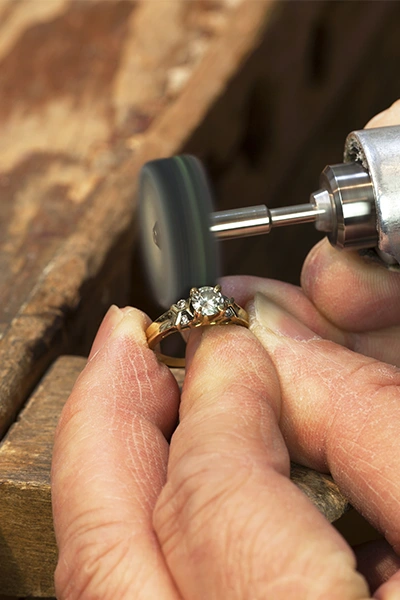
PVD Jewelry vs Gold Plated Jewelry: Durability Comparison
The lifespan of a gold-colored finish depends largely on the hardness of the coating and how it bonds to the base metal. These factors play an important role in determining how well jewelry maintains its appearance with regular wear.
1. Scratch Resistance: Hardness (HV) Ratings
Surface hardness is measured using the Vickers (HV) scale. In general, a higher HV rating indicates greater resistance to scratches and everyday wear.
- Traditional Electroplating (50–100 HV): Electroplated gold is relatively soft, making the surface susceptible to fine scratches. As the coating gradually wears away, the underlying metal is exposed, increasing the risk of oxidation, discoloration, and product returns.
- PVD Coating (2,000–3,000 HV): PVD coatings—particularly those utilizing ceramic materials like titanium nitride—achieve significantly higher surface hardness than conventional plating. This dense layer provides superior abrasion resistance, protecting the base metal and maintaining the finish over a longer period.
2. Performance in High-Wear Areas
Durability is most critical on components subject to constant friction, such as ring shanks, bracelet links, and clasps.
- Standard Electroplated Jewelry: In these high-contact areas, the plated layer thins rapidly. Over time, signs of wear or “brassing” appear as the base metal shows through.
- PVD-Coated Jewelry: PVD forms a superior bond with the metal surface, allowing the coating to withstand continuous mechanical contact. This ensures the original finish remains intact despite extended daily wear.
Why Durability Matters for Your Business
For retailers, wholesalers, and private-label brands, the choice of coating directly impacts operational efficiency and financial performance.
Lower After-Sales Costs: Longer-lasting coatings significantly reduce warranty claims and replacement requests, allowing brands to decrease service overhead while improving overall profitability.
Higher Customer Confidence: Jewelry that maintains its finish over time generates positive reviews and repeat purchases, strengthening long-term brand equity.
Reduced Product Returns: Premature wear is a primary driver of customer dissatisfaction. Selecting a harder, more durable coating minimizes complaints regarding fading or worn finishes.
Color Retention: Why Consistency Defines Your Brand
For jewelry brands, maintaining a consistent gold tone is as critical as physical durability. Uneven fading or color variation directly impacts product quality, increases customer complaints, and complicates brand consistency across different production batches.
Why PVD Maintains Color More Effectively
- Stronger Coating Bond: Unlike electroplating, which forms a thin superficial layer, PVD creates a significantly stronger bond with the metal surface. This structural integrity minimizes peeling, flaking, and premature color loss.
- Dense Protective Layer: Electroplated coatings often contain microscopic pores that allow moisture, sweat, and contaminants to penetrate the base metal. PVD forms a denser, non-porous coating, providing superior protection against corrosion and discoloration.
- Higher Scratch Resistance: With a surface hardness of 2,000–3,000 HV—compared to 50–100 HV for electroplating—PVD is better equipped to resist the fine scratches that gradually diminish surface gloss.
How the Finish Changes Over Time
The contrast between these two methods becomes apparent after extended daily use.
- Electroplated Jewelry: High-friction areas such as ring shanks, clasps, and bracelet links show wear quickly. As the plated layer thins, the underlying metal exposes, resulting in uneven fading.
- Jusnova PVD Jewelry: PVD is engineered for consistent long-term performance. Even under prolonged use, any gradual change in appearance remains uniform across the surface, ensuring the jewelry maintains a consistent aesthetic.
Maintaining Consistent Color Across Production Batches
Achieving color uniformity across manufacturing cycles is difficult with conventional electroplating due to bath chemistry fluctuations.
At Jusnova, we utilize automated vacuum coating equipment with rigorously controlled process parameters and target materials to ensure color stability. This precision enables us to produce stable shades—including 14K, 18K, and champagne rose gold—with high repeatability, allowing your brand to maintain a uniform visual identity across all product lines.
Water and Tarnish Resistance: A Market Necessity
In the commercial jewelry sector, environmental durability is a primary differentiator. Modern commercial buyers prioritize inventory that withstands moisture, sweat, and high humidity without premature degradation.
The Environmental Performance Gap
- Micro-Porosity (Electroplating): Traditional electroplating often leaves microscopic voids in the gold layer. This porous structure allows moisture, sweat, and chlorine to penetrate the coating, triggering oxidation that can damage inventory during ocean freight or long-term warehousing.
- PVD Shielding: The vacuum deposition process eliminates these structural voids. By forming a dense, continuous barrier, PVD-coated pieces remain highly resistant to the chemical reactions that typically cause standard jewelry to tarnish.
Protecting Wholesale Margins and Inventory Assets
Selecting a tarnish-resistant coating is a strategic method for mitigating supply chain risks and protecting profit margins:
- Mitigating Warehouse Oxidation: Electroplated items often carry a limited shelf-life due to environmental humidity in fulfillment centers. PVD coatings stabilize inventory over extended storage periods, ensuring pieces remain in pristine condition until the point of sale.
- Supporting Lifestyle Marketing: Reliable tarnish resistance allows brands to credibly market benefits such as “water-safe” or “shower-friendly,” aligning with modern consumer demand for low-maintenance jewelry.
Technical Quality Assurance Standards
To ensure a reliable environmental seal, industry quality control protocols require rigorous accelerated testing. At Jusnova, we evaluate production runs using standard salt-spray and synthetic sweat testing. Whether applied to stainless steel or 925 sterling silver, this systematic validation ensures that the finished collection withstands real-world humidity, effectively minimizing post-sale defect claims and protecting your brand’s market reputation.
Cost Comparison: Why Upfront Price Isn’t the Real Metric
While PVD coating requires a higher upfront investment than traditional electroplating, viewing this strictly as an isolated manufacturing cost is a common supply chain oversight. For developing fashion labels, the choice of coating technology directly impacts pricing leverage, warranty liabilities, and long-term brand valuation.
Financial Predictability vs. Market Volatility
- Traditional Plating: Production budgets remain inherently tied to highly volatile precious metal markets. Because costs fluctuate alongside daily gold bullion pricing, forecasting long-term expenditures for mass production can be challenging.
- The PVD Production Model: Utilizing stable, high-hardness ceramic compounds—such as titanium nitride—allows production costs to remain independent of precious metal market spikes. At Jusnova, this decoupled pricing model ensures that long-term production budgeting remains predictable and insulated from commodity market fluctuations.
Analyzing True ROI: Asset Lifecycle and Operational Costs
Evaluating the true financial impact of a coating process requires analyzing the full lifecycle of the product:
- Product Aesthetic Lifespan: While electroplated jewelry often shows signs of fading within 6 to 12 months under routine use, technical PVD coatings maintain their original finish for several years, extending the commercial relevance of the inventory.
- Operational Overhead: Traditional plating processes can impact net margins through higher return rates, customer service overhead, and warranty logistics. Conversely, the durability of industrial-grade PVD minimizes finish-related defect claims, reducing post-sale operational expenses.
- Market Positioning: Standard plating often restricts inventory to lower-tier, budget price points due to tarnishing risks. A reliable PVD coating provides the quality foundation necessary to justify higher retail positioning and secure sustained positive consumer feedback.
Strategic Scaling: Margin Optimization and Capital Efficiency
Relying solely on low-cost electroplating often confines a brand to intense price competition within the fast-fashion sector. Transitioning to a high-durability finish enables brands to position collections within premium, low-maintenance lifestyle segments, supporting higher retail margins.
To support brands during growth phases, production solutions must balance quality requirements with capital efficiency. At Jusnova, we address this through batch-optimized production cycles and flexible manufacturing options, allowing brands to develop and launch tarnish-free collections without tying up excessive working capital.
Which Jewelry Coating Is Better for Daily Wear?
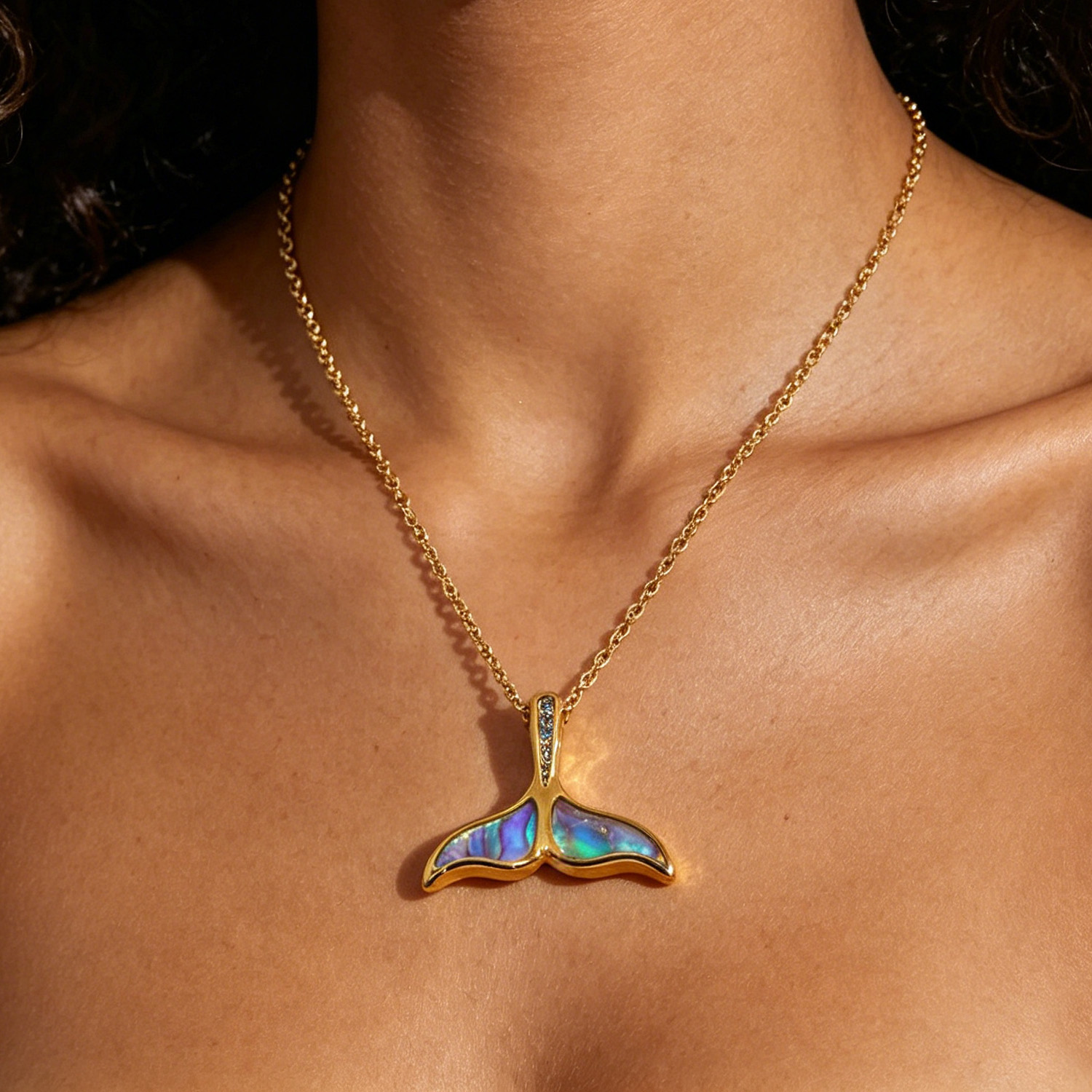
For jewelry designed for consistent use, the coating process is the primary factor determining long-term performance. While traditional gold plating degrades under repeated friction, PVD coatings provide the structural durability required for everyday wear.
Everyday Durability: Beyond Surface Appearance
Daily-wear pieces are subject to constant friction, moisture, and chemical exposure.
- Resistance to Everyday Wear: High-contact components—such as ring shanks, bracelet links, and clasps—are the first to show degradation. Conventional electroplating thins in these areas, eventually exposing the base metal. PVD coatings offer significantly higher wear resistance, ensuring the finish remains consistent even after months of daily use.
- Corrosion and Skin Contact: As electroplated layers wear down, the exposed base metal becomes prone to oxidation, often leading to skin discoloration. PVD forms a dense, non-porous barrier that effectively isolates the base metal from moisture and skin oils, maintaining both the piece’s integrity and wearer comfort.
Long-Term Value for Jewelry Brands
For retailers and private-label brands, coating performance is a direct driver of operational efficiency and customer loyalty.
- Reducing After-Sales Overhead: While electroplated jewelry may offer lower initial production costs, the resulting premature wear frequently leads to increased replacement requests and warranty claims. A high-durability PVD finish minimizes these post-sale costs, improving long-term profitability.
- Positioning Product Value: Durable finishes allow brands to market everyday jewelry as a premium, long-lasting investment. Features such as resistance to frequent handwashing or moisture exposure provide a distinct market advantage that moves products beyond mere price competition.
Manufacturing Quality Assurance
Performance is determined by both the coating material and the application process. At Jusnova, we calibrate our PVD vacuum parameters to ensure maximum coating adhesion across both stainless steel and 925 sterling silver, ensuring that your daily-wear collections retain their aesthetic standards despite regular use.r use.
Strategic Decision Matrix: Choosing the Right Coating
For most jewelry brands, the optimal manufacturing strategy is not a single-coating approach. Instead, coating selection should align with collection design, target market, and expected product lifecycle.
When PVD Is the Strategic Choice
- Recommended for: Everyday jewelry, rings, heavy chains, and signature bracelet collections.
- Decision Logic: These items are engineered for frequent, long-term wear, where durability is the primary performance metric. PVD coatings provide superior resistance to scratches and fading, allowing brands to position these as high-value, lasting assets while minimizing warranty claims and after-sales overhead.
When Traditional Gold Plating Is Optimal
- Recommended for: Seasonal collections, trend-driven designs, and fashion jewelry with shorter shelf-lives.
- Decision Logic: For products targeting short-term market trends, traditional gold plating serves as a practical solution. The lower production cost enables brands to iterate new styles rapidly, respond to shifting demand, and manage inventory without inflating unit manufacturing costs.
Implementing a Balanced Product Strategy
Successful brands often integrate both technologies to optimize their portfolio:
- Core Collections: Utilize PVD finishes for items that demand high reliability and everyday performance.
- Seasonal/Trend Lines: Utilize traditional electroplating for high-turnover pieces where price competitiveness and speed-to-market are the primary drivers.
By matching the coating technology to the intended product use and lifecycle, brands can effectively balance durability, cost, and inventory planning.
Why Are More Jewelry Brands Switching to PVD?
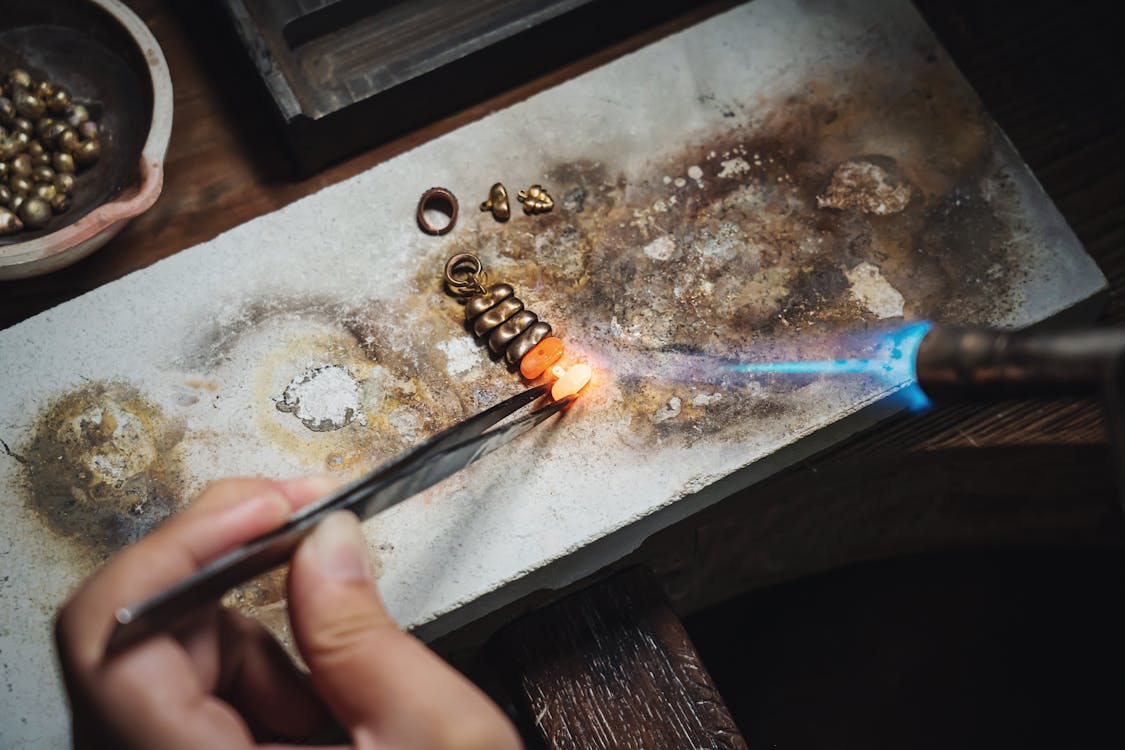
As consumer demand shifts toward high-durability, low-maintenance jewelry, PVD has become the standard for brands moving beyond short-term seasonal collections. This transition allows brands to develop everyday jewelry with higher technical performance and perceived value.
Expanding Product Positioning
PVD shifts the product value proposition from aesthetic-only to functional durability:
- Designed for Everyday Use: The technical robustness of PVD allows brands to market collections as water-resistant and wear-resistant, directly addressing consumer requirements for daily-use jewelry.
- Supporting Premium Price Points: Superior coating longevity provides the technical justification for higher retail price points, moving product lines away from the commodity-grade expectations associated with conventional gold plating.
Improving Customer Retention
Reliable product performance is a primary driver of customer lifetime value:
- Reducing Return Rates: By mitigating issues such as peeling, flaking, and discoloration, PVD coatings ensure the product meets quality expectations upon arrival and throughout the ownership cycle.
- Strengthening Brand Equity: Consistent product appearance generates positive reviews and repeat purchases, reinforcing long-term consumer trust in the brand’s quality standards.
Supporting Sustainable Business Growth
PVD offers practical advantages in production scalability and cost management:
- Optimizing Resource Allocation: PVD achieves a premium finish without requiring excessive precious metal usage, making it an efficient solution for demi-fine jewelry portfolios.
- Stable Production Economics: The automated vacuum deposition process allows for rigorous control over process parameters, ensuring consistent unit costs and quality output as production volumes scale.
Consistent Manufacturing Quality
Maintaining visual uniformity across manufacturing cycles is essential for brand growth. At Jusnova, our automated PVD lines are calibrated to ensure color consistency and surface quality from prototype development through high-volume manufacturing.
For data regarding durability across varied metal substrates, explore our comprehensive PVD Jewelry Lifespan Study.
Final Thoughts
Selecting between PVD and traditional gold plating is a strategic decision based on your specific product lifecycle and quality requirements. While electroplating offers lower initial production costs, PVD provides superior durability, color retention, and environmental resistance, making it the technical choice for jewelry engineered for daily use.
For brands focused on minimizing return rates, increasing customer satisfaction, and building long-term brand equity, selecting the optimal coating technology is a fundamental step in product development.
Evaluate Your Production Requirements
If you are planning your next jewelry collection, we can assist in evaluating the appropriate coating solution for your product specifications:
- Request a Verified Sample Batch: See the difference in finish and durability for your upcoming collections.
- Discuss Custom Specifications: Connect with our engineering team to explore OEM/ODM solutions tailored to your brand’s volume and quality requirements.